

Accelerated IFR training usually finishes in 10 to 12 days, while traditional instrument training often stretches across 3 to 6 months. That speed is real, but it only works when a pilot arrives prepared, can train every day, and has the checkride timing managed early instead of treating it as an afterthought.
A lot of instrument rating marketing stops at the calendar. Serious students need the rest of the picture. Accelerated training can be an efficient path to the rating, but it isn't a shortcut through FAA standards, and it doesn't erase weather, examiner availability, or the tendency for instrument skills to fade when lessons are spread too far apart. For prospective students at Chino Airport and pilots researching programs nationwide, the useful question isn't just whether a rating can be done fast. It's whether the pilot is ready to finish inside that compressed window.
Table of Contents
- What Is Accelerated IFR Training and Who Is It For
- Typical Condensed Syllabus and Hour Breakdown
- Intensive Scheduling Strategies Including Seven-Day Plans
- Simulator Integration in Accelerated Programs
- FAA Requirements and Regulatory Framework
- Risks Benefits and Realistic Expectations
- Sample Training Plan with Time and Cost Estimates
Two practical options worth comparing
These are specific products pilots commonly compare for this type of flying. Confirm compatibility with your aircraft and instructor before ordering.
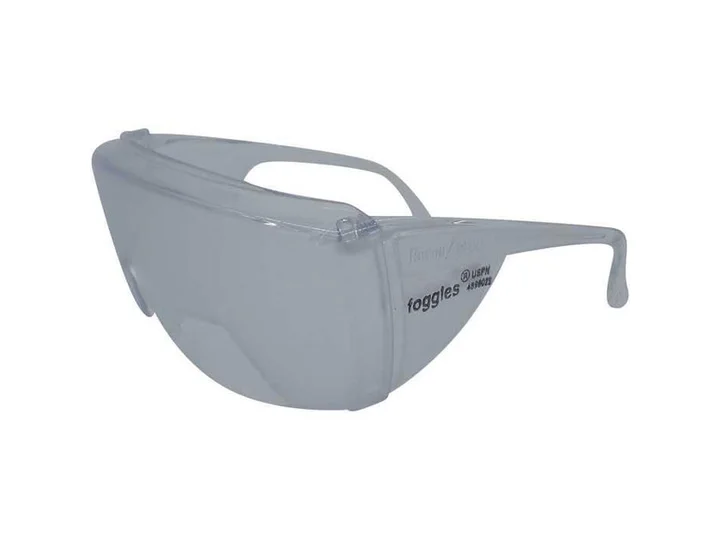 Instrument trainingFoggles Aviation IFR Training GlassesCheck current availability on Amazon (paid link)
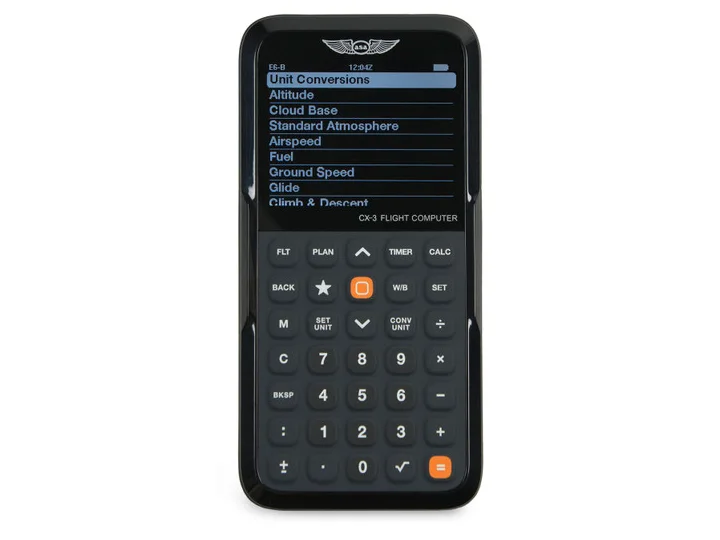 Flight planningASA CX-3 Flight ComputerCheck current availability on Amazon (paid link)
What Is Accelerated IFR Training and Who Is It For
Accelerated IFR Training and Who It's Really For
Accelerated IFR training is a compressed instrument rating program that packs training into a focused block instead of spacing it over months. AOPA's instrument-rating guidance says accelerated courses usually have pilots finished in 10 to 12 days, and other industry summaries place typical accelerated timelines in the 10 to 21 day range, compared with the traditional 3 to 6 month pace.

That doesn't mean every pilot can walk in on day one and leave with an instrument rating two weeks later. Most accelerated courses work best for students who already hold a private pilot certificate, have the written knowledge largely behind them, and can protect a block of time from work, travel, and family interruptions.
Who usually fits this training model
Several types of pilots tend to benefit from this format:
- Career-track pilots: They often need to move efficiently from private to instrument, then onward to commercial and instructor training.
- Private pilots whose training has stalled: Some pilots already know the material but have lost momentum because lessons keep getting interrupted.
- Active renters and aircraft owners: They may already fly regularly and need concentrated instrument training that builds on current stick-and-rudder proficiency.
- Pilots close to the finish line: Many programs are really finish-up programs in disguise, meaning the student arrives with much of the required experience already logged.
Who should think twice
An accelerated schedule can expose weak foundations quickly. A pilot who still struggles with aircraft control, radio organization, or cockpit flow may end up using instrument-training time to repair private-pilot-level gaps.
A fast course should remove idle days, not remove learning time.
That's the core idea. The format changes the schedule. It doesn't reduce the skill standard.
Accelerated course vs finish-up course
These terms get blended together, but they're not identical.
| Training Type | What the Student Usually Brings | What the Course Tries to Do |
|---|---|---|
| Accelerated full course | Basic eligibility and availability | Deliver the rating in a compressed schedule |
| Finish-up course | Significant prior instrument time and preparation | Polish weak areas and get to checkride readiness |
| Traditional pacing | Flexible calendar but more gaps between lessons | Build experience over a longer period |
Pilots exploring flight training options, accelerated flight training, or a first discovery flight should view accelerated IFR as a specific training pathway, not a magic version of instrument flying. The right candidate can move quickly. The wrong candidate can burn time, money, and motivation.
Typical Condensed Syllabus and Hour Breakdown
The biggest difference in accelerated IFR training isn't the content. It's the sequencing.
Instead of flying once or twice a week and spending part of each lesson remembering the last one, the condensed syllabus stacks ground study, simulator practice, and aircraft sessions close together. That daily repetition is what makes the calendar shorter. One published accelerated curriculum reports 30 hours of one-on-one ground school, 35 hours of intensive flight training including 23.4 hours dual instruction, 11.6 hours stage checks, and 20 hours of pre-post-flight instruction, with completion in as little as 6 weeks for the full program from scratch.
What the training block actually contains
A serious accelerated program usually includes these pieces:
- Pre-arrival preparation: Written test study, logbook review, and cockpit familiarization.
- Ground school: Regulations, weather, charts, procedures, avionics logic, and scenario discussions.
- Simulator repetition: Holds, intercepts, briefing flow, partial-panel work, and missed approaches.
- Aircraft lessons: Procedure execution under real workload, radio communication, and approach management.
- Checkride prep: Oral review, cross-country planning, and polishing weak tasks.
The technical benefit isn't that instrument flying becomes easier. It's that a pilot practices the same tasks on consecutive days, so less time gets wasted re-learning holds, course intercepts, or approach setup.
Accelerated vs Traditional Instrument Training Comparison
| Phase | Accelerated Timeline | Traditional Timeline |
|---|---|---|
| Pre-arrival preparation | Completed before the course starts | Often mixed into the training period |
| Ground school | Front-loaded and concentrated | Spread across weeks or months |
| Simulated instrument work | Repeated in short intervals | Often interrupted by scheduling gaps |
| Aircraft training | Daily or near-daily flights | Usually weekly lessons |
| Checkride prep | Built into the final block | Can drift if scheduling breaks continuity |
Why daily repetition matters
A pilot who flies an approach today, briefs another tomorrow, and revisits the same avionics flow the next day is building procedure memory under pressure. A pilot who waits until next Saturday may spend the first part of the lesson trying to remember the setup sequence.
Practical rule: In instrument training, consistency beats intensity when the intensity isn't paired with continuity.
That distinction matters. A long day helps only if the next day reinforces it.
Intensive Scheduling Strategies Including Seven-Day Plans
A seven-day accelerated block looks efficient on paper. In practice, it works only when each day has a clear job and the school protects the sequence from avoidable disruptions.

At a busy towered airport such as Chino, a training day often starts before engine start. The student reviews weather, approach plates, avionics flow, and likely clearances. Then comes the flight or simulator session, followed by a debrief that isolates one or two issues to fix before the next sortie.
What a full intensive day can look like
A typical day in a condensed program may include:
- Morning review with approach setup, chart interpretation, and scenario discussion.
- Midday flight or simulator block focused on a small group of related tasks.
- Afternoon debrief covering errors in scan, altitude control, communication, or sequencing.
- Evening study that turns the next day's procedures into familiar material instead of new material.
This pattern matters because skill decay starts quickly when instrument lessons get interrupted. Independent guidance notes that a three-week gap between instrument lessons can require re-learning partial-panel and approach setup, and that accelerated programs usually expect 35 to 40 hours already logged before arrival.
Scheduling strategies that keep the plan realistic
At KCNO, students also benefit from working inside active Class D traffic. That's useful because instrument pilots need real radio and airspace experience, not just isolated practice-area flying. It also means the schedule needs flexibility.
- Book the aircraft early: The airplane has to be available for the whole block, not just the first few days.
- Confirm CFII coverage: A single cancellation can ripple through a compressed calendar.
- Build weather buffers: A rigid plan breaks quickly if every lesson assumes perfect conditions.
- Use simulator substitutions wisely: Procedure-heavy work can continue even when a flight has to move.
- Talk through delays before day one: A student can review common instrument training delays before committing to a condensed calendar.
Pilots researching how schools structure learning may also benefit from this overview of how organizations compare corporate training methods, because the same delivery question applies here. The method matters almost as much as the material.
The seven-day promise needs context
Some qualified students can finish in a very tight schedule. Most should treat seven days as an aggressive target, not a guarantee. Weather, maintenance, fatigue, and local traffic can all force changes, especially at a busy airport where realism is part of the training value.
Simulator Integration in Accelerated Programs
A simulator isn't there to replace the airplane. It's there to make airplane time count more.

In accelerated IFR training, simulators let students repeat high-workload tasks without worrying about fuel burn, traffic spacing, or rushing through a setup to stay ahead of the airplane. That's especially valuable for scan discipline, unusual attitude recovery, holds, missed approach sequencing, and partial-panel work.
What good simulator use looks like
A useful simulator block often focuses on one narrow objective. For example, a student may rehearse briefing an approach, loading it correctly, flying the inbound course, then executing the missed approach several times in one session. That repetition is hard to match efficiently in the airplane.
Common uses include:
- Instrument scan practice
- Approach flow and briefing discipline
- Emergency and abnormal procedure drills
- Partial-panel recovery
- Cross-country scenario setup
Some schools also offer dedicated simulator support for instrument students. DuBois Aviation includes simulator-based instrument training as part of its broader instrument pathway, which can help students rehearse procedures before aircraft sessions become the test of execution.
What a simulator can't do
A simulator doesn't reproduce every real-flight cue. It can't fully duplicate the physical sensations, traffic picture, and pressure of operating in a live airport environment. That's why students should ask whether the device is being used for the right jobs, not for every job.
Strong simulator use saves aircraft time for tasks that need the airplane.
That becomes even more important when the checkride timeline is fragile. Independent 2026 reporting notes that 4 to 8 week DPE wait times are common in many markets, with some regions seeing 3 to 4 month delays. If the examiner schedule slips, a simulator can help a pilot stay sharp while waiting. Students comparing training options may want to see how a school uses its instrument rating simulator resources before committing to a compressed plan.
FAA Requirements and Regulatory Framework
Accelerated IFR training still has to satisfy the same FAA rules as any other instrument rating course. The schedule can change. The standard can't.
What the FAA requires for the rating
In plain language, the applicant needs to show three things:
- Basic eligibility: The pilot has the required certificate status and English proficiency.
- Training completion: Ground training and flight training have been completed to the required standard.
- Test readiness: The pilot has the instructor endorsements and passes both the knowledge test and practical test.
Those are legal requirements. They're not school preferences.
What currency requires after the checkride
Separate from earning the rating is staying legal to use it. To act as pilot in command under IFR, a pilot must have logged 6 instrument approaches, holding procedures and tasks, and intercepting and tracking courses within the preceding 6 calendar months. If that window is missed by more than 6 calendar months, proficiency is reestablished only by passing an instrument proficiency check.
That rule creates a training reality many pilots underestimate. Instrument skill is highly procedural. It fades when it isn't used.
Regulation vs recommendation
The FAA rules above are mandatory. These are recommendations:
- Finish the knowledge test before the concentrated flight block if possible
- Audit the logbook early for missing endorsements or gaps
- Build a post-checkride practice routine immediately
- Use simulator sessions or actual instrument practice to maintain recency
A pilot can meet the legal minimum and still not be comfortable in a demanding IFR environment. That's why a strong accelerated course doesn't stop at checkride prep. It also helps the student build habits that protect proficiency after the temporary training rhythm ends.
Risks Benefits and Realistic Expectations
Accelerated IFR training can be efficient. It can also disappoint pilots who confuse compressed scheduling with reduced difficulty.

The strongest benefit is continuity. Daily repetition keeps procedures, phraseology, and cockpit flow active. That often means less relearning and less drift between lessons. For a pilot with a solid VFR foundation and enough schedule control to protect the training block, that can be a very practical path.
The upside
A well-matched student may gain:
- Faster progress to the rating
- Less skill decay between lessons
- Higher learning momentum
- Clearer focus than a stop-and-start schedule
There is also a psychological benefit. A student who trains every day tends to stay inside the instrument mindset instead of rebuilding it each week.
The hidden gap many pilots miss
The risk starts when a pilot isn't close to checkride readiness. One recent program reports that 93 percent of its students complete the rating in 10 days compared with a stated national average of 8 months, while independent guidance shows most students actually finish closer to 45 to 65 instrument hours despite the FAA minimum of 40 hours.
That gap matters. Many students reading a 10-day promise imagine starting from zero. In reality, the better question is whether the pilot has enough recent, usable instrument preparation for the last phase of training to fit inside that window.
A practical self-assessment
Before enrolling, a pilot should ask:
- Is the written test done or nearly done?
- Are the logbook and endorsements organized?
- Is recent flying current enough to support daily instrument work?
- Can work and family obligations stay out of the training block?
- Is there a realistic plan for proficiency after the checkride?
A short course magnifies both strengths and weaknesses.
The same intensity that helps a prepared student can overwhelm one who is still trying to relearn radio basics, power settings, or aircraft control. Honest planning is what turns the format into a benefit rather than a stress multiplier.
Sample Training Plan with Time and Cost Estimates
A useful accelerated plan starts before the first lesson. The student who arrives with the written complete, the logbook checked, and the schedule protected is far more likely to use the block for actual instrument training instead of cleanup work.
Independent guides note that FAA rules require 40 hours of actual or simulated instrument time and 15 hours with an instrument instructor, but that most students actually finish closer to 45 to 65 instrument hours, and accelerated programs usually require 35 to 40 hours already logged before arrival.
Sample Accelerated IFR Training Plan
| Phase | Estimated Hours | Estimated Cost Range |
|---|---|---|
| Pre-arrival preparation | Varies by student | Varies by school and preparation needs |
| Ground school and oral prep | Varies by student | Varies by instructor time and program structure |
| Simulator sessions | Varies by student | Varies by device access and instructor involvement |
| Aircraft training | Varies by student | Varies by aircraft, instructor, and local operating costs |
| Final review and checkride prep | Varies by student | Varies by remaining weak areas and scheduling needs |
A table like this is intentionally broad because schools price aircraft, simulator, and instructor time differently, and a student's actual readiness changes the total quickly. Pilots trying to budget realistically should compare their school's itemized estimates with a broader flight training cost guide, then ask exactly what extends the total.
A workable time progression
For a pilot entering with substantial prior instrument time, the progression often looks like this:
- Before arrival: finish the knowledge test, organize records, confirm aircraft and instructor availability.
- Early block: ground review, simulator refresh, approach setup, scan tightening, and procedural cleanup.
- Middle block: holds, intercepts, approaches, cross-country IFR workflow, and weak-area repetition.
- Final block: mock oral review, scenario flights, and practical test readiness.
The point isn't to force every student into the same calendar. The point is to prevent the training block from being consumed by preventable delays.
The checkride warning that belongs in every plan
The examiner schedule can erase the value of a fast course if nobody plans for it early. A student may complete the flying and still sit idle waiting for a practical test. That waiting period is especially hard on newly learned instrument skills.
A serious pre-arrival checklist should include:
- Knowledge test status: completed before the concentrated block whenever possible
- Instrument time review: enough prior experience to make a finish-up pace realistic
- Medical and certificate status: current and ready for practical test scheduling
- Aircraft access: confirmed for the full training window
- Checkride coordination: discussed before training begins, not after training ends
Accelerated IFR training works best when the student treats it as a coordination project, not just a calendar promise.
DuBois Aviation offers instrument training, simulator access, aircraft rental, and accelerated training pathways at Chino Airport for pilots who want a structured route to IFR proficiency. Students who are weighing whether a condensed schedule fits their experience level can visit DuBois Aviation to review training options, ask about course availability, or schedule a school tour before committing to a timeline.


