
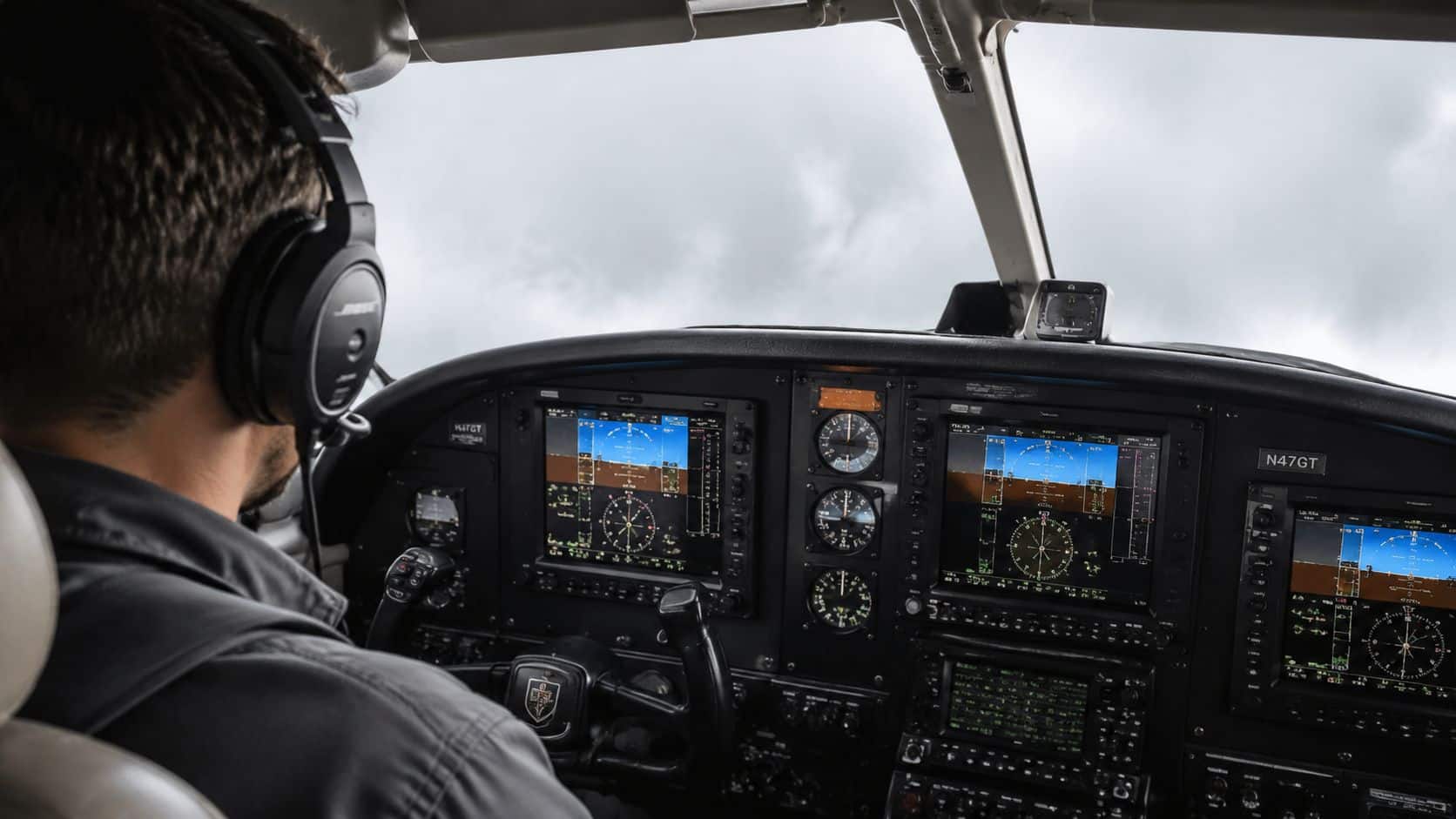
Instrument rating: what it means for a private pilot
An instrument rating adds instrument-flight privileges to your pilot certificate in the applicable aircraft category. It does not make every cloud, storm, icing condition, or approach safe or legal. The pilot must remain current, the aircraft must be equipped and airworthy for the operation, and required clearances and limitations still apply.
For the usual Part 61 instrument-airplane path, plan around 50 hours cross-country PIC (including 10 in airplanes) and 40 hours actual or simulated instrument time, including 15 hours from an authorized instrument-airplane instructor. The regulation also specifies practical-test preparation and an instructional IFR cross-country; device credit has separate limits. This is a summary, not the complete eligibility checklist.
Read all of 14 CFR 61.65, then compare your logbook with an instructor.
Two practical options worth comparing
These are specific products pilots commonly compare for this type of flying. Confirm compatibility with your aircraft and instructor before ordering.
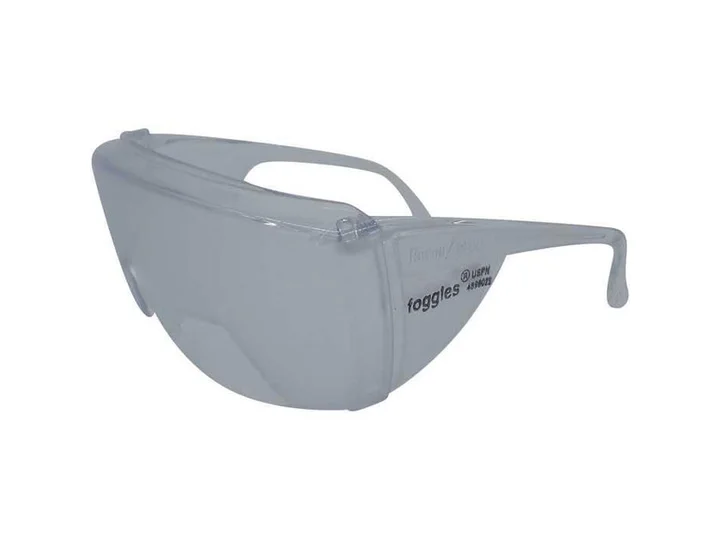 Instrument trainingFoggles Aviation IFR Training GlassesCheck current availability on Amazon (paid link)
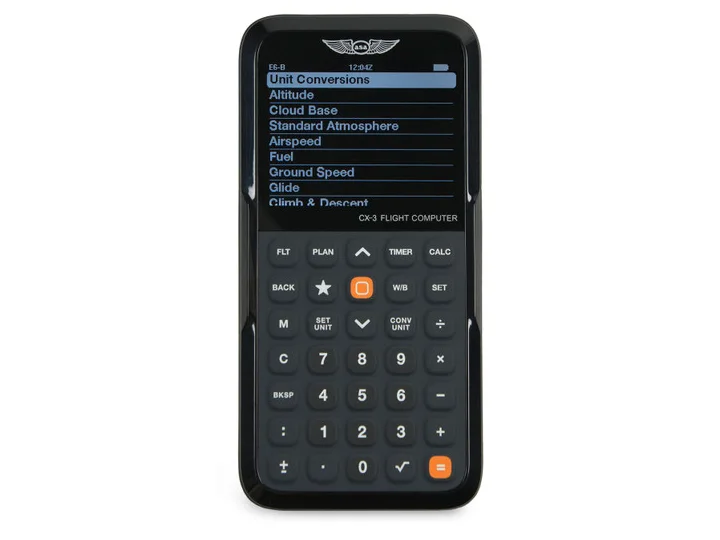 Flight planningASA CX-3 Flight ComputerCheck current availability on Amazon (paid link)
Turn your existing time into a training plan
Bring your cross-country, simulated/actual instrument, and device records to the DuBois team. Airplane single-engine instruction is $69/hour; aircraft rental and applicable device/test fees are additional. A total estimate depends on existing credit and proficiency, not just subtracting hours from a minimum.
An instrument rating is the FAA credential that lets a pilot fly under instrument flight rules in clouds and low visibility. It requires at least a private pilot certificate, ground and flight training, and successful knowledge and practical tests under 14 CFR 61.65.
A student may first encounter the need for this rating after watching a clear morning turn into a solid layer of cloud during climb. Outside references become unreliable, and the cockpit instruments become the dependable source for attitude, altitude, heading, airspeed, and navigation. At a towered airport such as Chino, that transition also means managing clearances, radio calls, published procedures, and changing weather in live airspace.
The rating doesn't make every weather decision safe, and it doesn't replace sound judgment. It gives a qualified pilot the training and legal framework to operate in conditions that would restrict a VFR-only pilot, while demanding disciplined preparation and continuing proficiency.
Table of Contents
- What an Instrument Rating Actually Is
- How Instrument Flying Differs From Visual Flying
- FAA Eligibility and Experience Requirements
- Inside a Typical Instrument Training Syllabus
- Privileges and Limitations After You Earn It
- Safety and Career Benefits of the Rating
- Next Steps After Earning Your Instrument Rating
- Instrument Rating Questions Pilots Ask Most
What an Instrument Rating Actually Is
An instrument rating is an FAA rating added to an existing pilot certificate. It allows a pilot to operate under Instrument Flight Rules, or IFR, by controlling and navigating the aircraft primarily through cockpit instruments rather than outside visual references. Under 14 CFR 61.65, the applicant must already hold at least a private pilot certificate, demonstrate the ability to read, speak, write, and understand English, complete authorized ground and flight training, and pass both a knowledge test and a practical test.
Consider a climb from a towered airport. The aircraft leaves the runway, the horizon disappears into an undercast, and the pilot can no longer use the ground, distant hills, or a visible horizon to confirm the airplane's position. The question changes from “Where is the airport?” to “What are the attitude indicator, heading, altimeter, navigation display, and air traffic control clearance telling the pilot?”
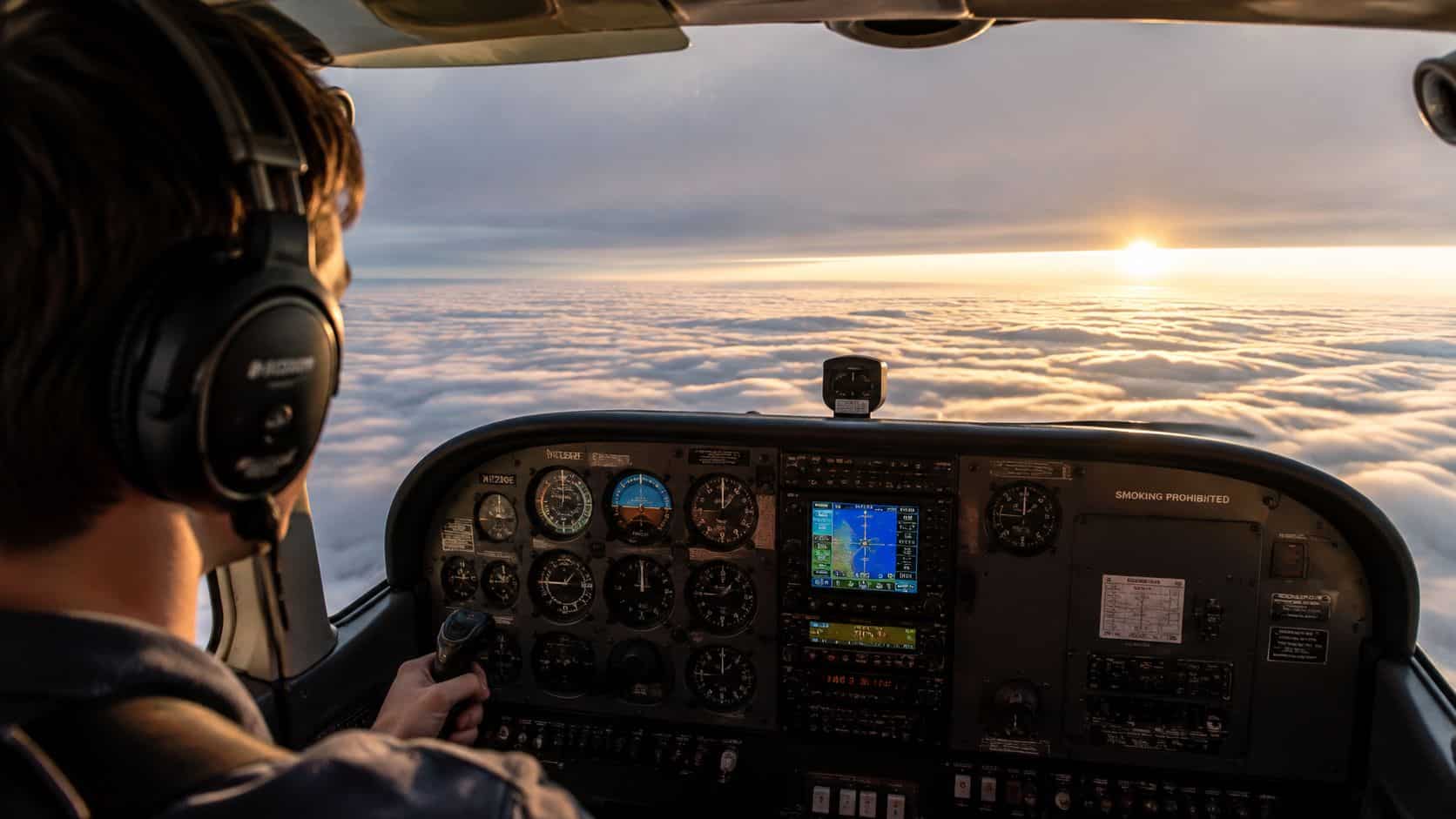
What IFR changes in the cockpit
A pilot flying IFR generally works from an assigned clearance and follows a planned route or published procedure. That can involve:
- Clearance management: The pilot reads back and complies with an ATC clearance.
- Instrument scanning: The pilot cross-checks attitude, altitude, heading, airspeed, and navigation information.
- Procedure flying: Departures, arrivals, holds, and approaches provide structured paths through the airspace.
- Decision-making: The pilot evaluates weather, fuel, equipment, alternates, workload, and escape options.
The rating is therefore more than a paperwork upgrade. Instrument flying shifts the pilot's primary reference from the outside world to a system of precise control, navigation, communication, and risk management. The FAA's Airman Certification Standards framework organizes those knowledge, risk management, and proficiency elements for testing.
A pilot still needs an appropriate aircraft, functioning required equipment, current information, and a plan that matches personal proficiency. The rating provides IFR privileges, but safe operation depends on how carefully the pilot applies them.
How Instrument Flying Differs From Visual Flying
Visual Flight Rules, or VFR, and Instrument Flight Rules, or IFR, use different operating frameworks. A VFR pilot normally uses outside references such as the horizon, landmarks, runway environment, and visible traffic. An IFR pilot may lose those references entirely and must maintain control while following instruments, navigation information, and ATC instructions.
| Flight task | VFR emphasis | IFR emphasis |
|---|---|---|
| Aircraft control | Outside horizon and visual attitude cues | Attitude indicator and instrument cross-check |
| Navigation | Landmarks, headings, and visual checkpoints | Assigned routes, navigation systems, and published procedures |
| Traffic awareness | Visual scanning for other aircraft | ATC services plus required visual and procedural responsibilities |
| Weather strategy | Avoid conditions that exceed VFR limits | Operate through suitable conditions with clearance, equipment, and proficiency |
| Arrival | Visual pattern or visual approach | Instrument approach, missed approach planning, and transition to landing |
A climb shows the difference clearly. A VFR pilot can look outside to confirm the nose attitude and scan for traffic while referencing the instruments. An instrument pilot must establish the climb using the panel, verify the assigned altitude and heading, monitor navigation, and continue communicating with ATC. The outside view may return later, but it can't be the primary control reference while the aircraft is in cloud.
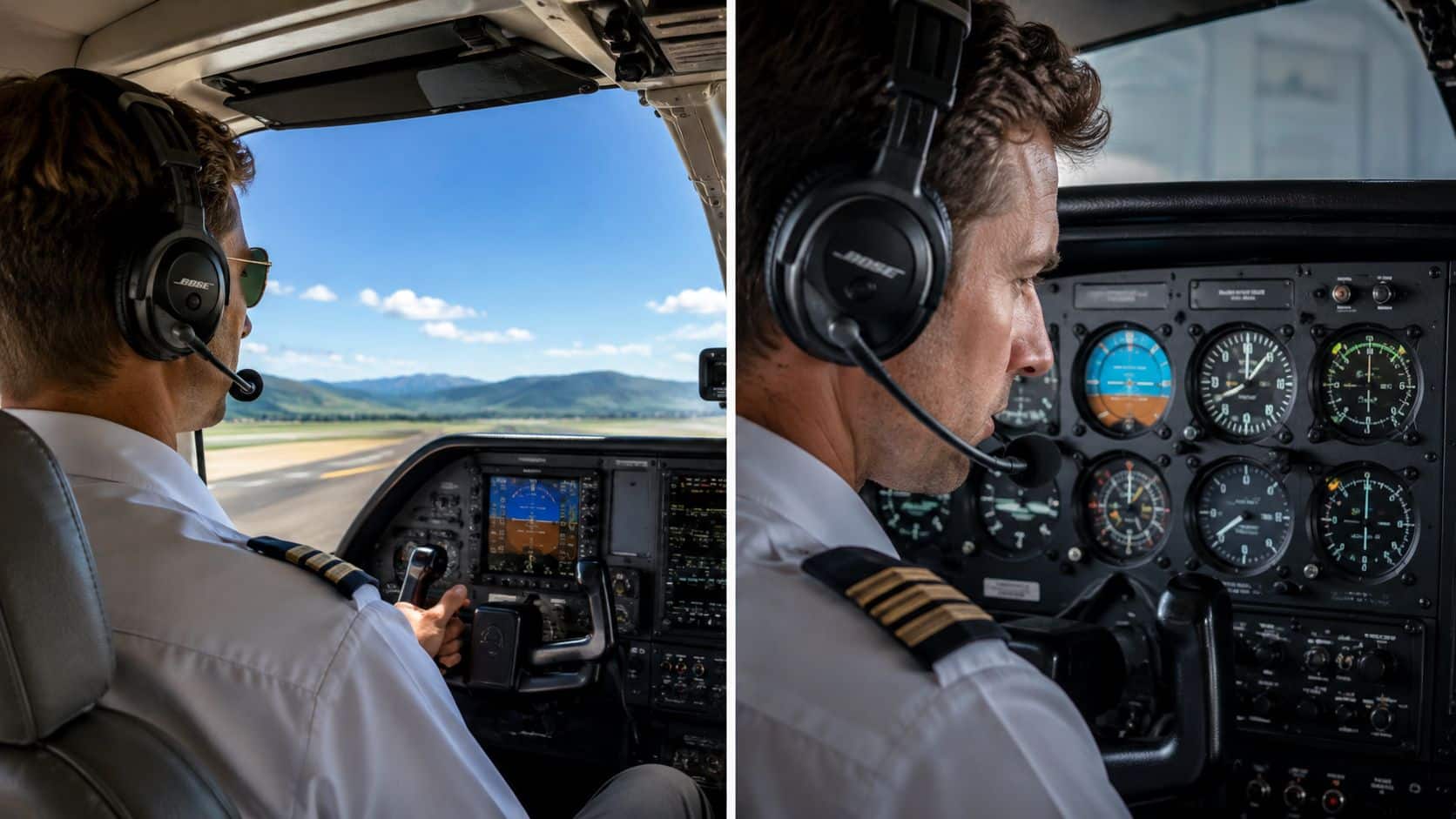
The safety shift
VFR pilots generally avoid weather that removes the visual references needed for legal and safe VFR flight. Instrument-rated pilots can plan and conduct IFR operations in cloud and reduced visibility when the aircraft, clearance, weather strategy, and pilot proficiency support the flight.
That doesn't mean IFR pilots deliberately accept every deteriorating forecast. A clearance doesn't remove turbulence, icing, wind, equipment failures, or poor judgment. It provides an organized operating method, while the pilot remains responsible for determining whether the flight can be completed safely.
The most important habit is an orderly scan. Instrument students learn to identify the primary instrument for the current maneuver, cross-check supporting instruments, and correct small deviations before they become large ones. That discipline is what lets the pilot continue flying when the horizon vanishes.
FAA Eligibility and Experience Requirements
The FAA treats the instrument rating as a structured qualification with measurable prerequisites and experience requirements. The applicant must hold at least a private pilot certificate, or meet the applicable certificate condition described in 14 CFR 61.65, and must be able to read, speak, write, and understand English. The applicant also needs logged ground and flight training from an authorized instructor, the required endorsements, and passing results on the knowledge and practical tests.
The airplane instrument rating includes a substantial cross-country foundation. The applicant needs 50 hours of cross-country flight time as pilot in command, including at least 10 hours in airplanes, plus the instrument experience and instructor training specified by the FAA. A current medical certificate must support the pilot's intended operations, although the instrument rating itself isn't a substitute for meeting applicable medical requirements.
The required experience and its purpose
The following table summarizes the key airplane requirements. The governing regulation and FAA instrument rating guidance explain how these items fit into the practical-test eligibility process.
| Requirement | Minimum |
|---|---|
| Cross-country flight time as pilot in command | 50 hours |
| Cross-country time in airplanes | 10 hours |
| Actual or simulated instrument time | 40 hours |
| Instrument flight training with an authorized instructor | 15 hours |
| Recent instrument training before the practical test | 3 hours within the two calendar months before the test |
| Required instrument cross-country | 250 nautical miles, with approaches at each airport and three different kinds of approaches |
These hours aren't boxes to check. Cross-country PIC time develops planning, navigation, fuel management, and pilot decision-making away from the home airport. Instrument time under actual or simulated conditions builds the ability to control the aircraft without outside visual cues. Instructor-led training corrects errors before they become habits and introduces the procedures that a pilot must perform accurately.
The required cross-country flight combines those skills. The pilot plans a route, works with clearances, manages communications, completes approaches, and responds to changes while away from familiar surroundings. The recent training requirement provides focused preparation close to the practical test, when the instructor can sharpen weak areas and confirm that the applicant is ready for evaluation.
Practical rule: Meeting the FAA minimums makes an applicant eligible to test. It doesn't guarantee practical-test readiness or safe real-world IFR proficiency.
The FAA also uses an Airman Certification Standards framework to evaluate knowledge, risk management, and flight proficiency. Students should track both logbook totals and demonstrated skill, because an applicant can reach a numerical minimum while still needing additional practice with approaches, holds, workload management, or decision-making.
Inside a Typical Instrument Training Syllabus
Instrument training usually begins on the ground. Students learn how the IFR system is organized, how weather products affect a flight plan, how clearances work, and how to interpret charts and navigation information. The instructor then introduces cockpit scan techniques, unusual-attitude recovery, partial-panel flying, holds, course intercepts, and instrument approaches in a controlled sequence.
At DuBois Aviation, the instrument rating course can be organized around the student's experience, aircraft availability, and training schedule. The school also identifies 10 hours in the simulator as part of its IFR training context, giving students a way to rehearse procedures and workload before or between aircraft lessons.
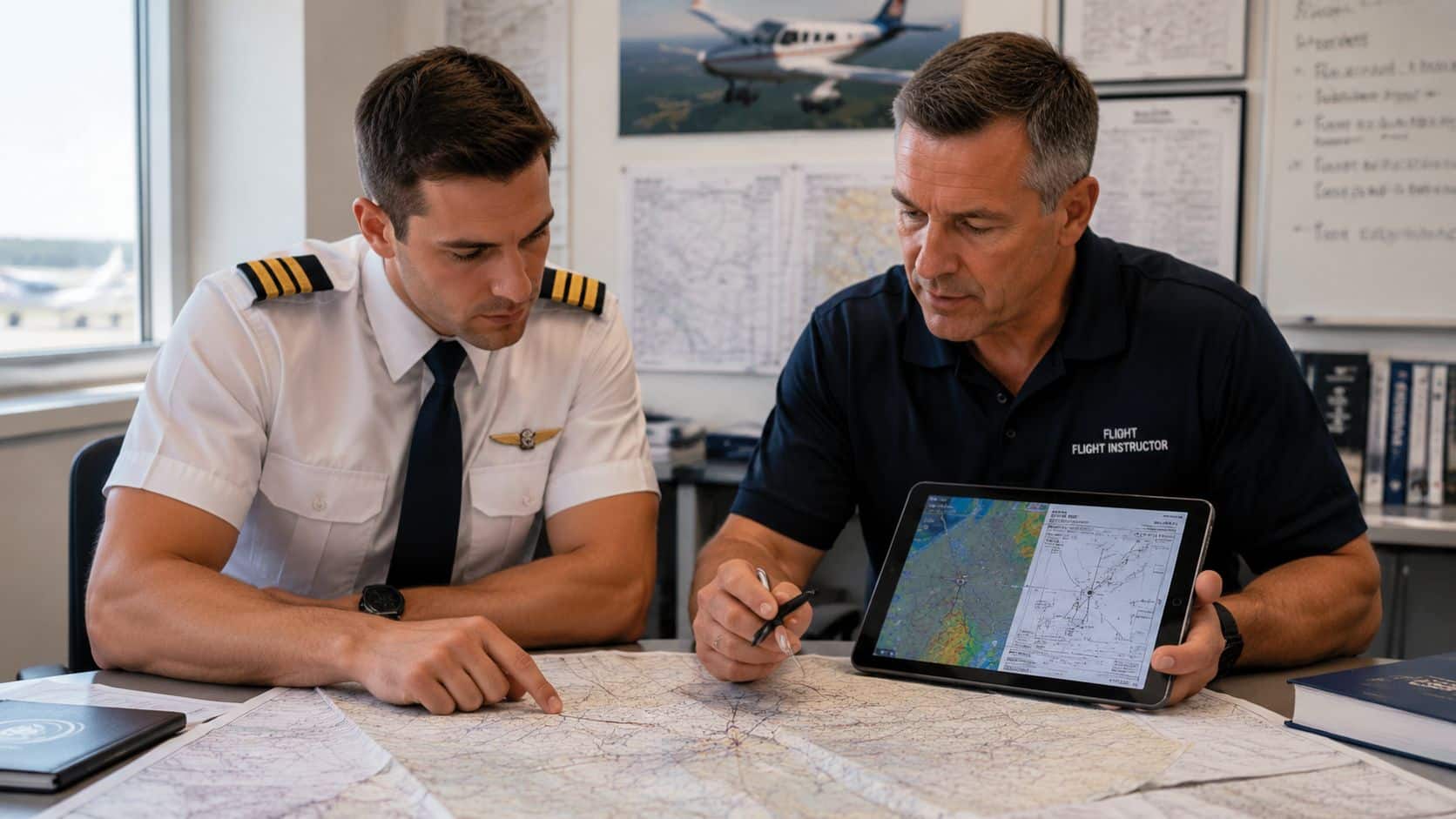
From basic scan to approach execution
A representative progression may look like this:
- Instrument control: The student learns to maintain attitude, airspeed, altitude, and heading by reference to instruments.
- Navigation practice: The student intercepts and tracks courses, identifies fixes, and manages navigation equipment.
- Procedure work: The student flies holds, departures, arrivals, and approach briefings.
- Approach repetition: Precision and non-precision approaches become more consistent as the student learns stable setup and missed-approach planning.
- Integrated flights: The student manages clearances, radios, navigation, aircraft configuration, and decision-making during longer flights.
A busy, towered airport provides useful context because the student must combine instrument procedures with live radio work. Students may practice the ILS 26R approach into Chino Tower airspace, learning to follow the localizer and glide slope, then transition to the missed approach and a hold. The value isn't just the approach itself. The student must brief the procedure, configure the airplane, monitor deviations, communicate clearly, and remain ready to abandon the approach if the required references aren't available.
The FAA's cross-country requirement also matters operationally. The flight includes a 250-nautical-mile instrument cross-country, with an approach at each airport and three different kinds of approaches under the applicable requirements. That trip turns individual lessons into a complete IFR operation, from departure planning through arrival and recovery.
Students should ask how simulator time is credited, which aircraft equipment is available, and how the syllabus prepares them for the exact Airman Certification Standards tasks. A good plan connects every lesson to a skill the pilot will need after the checkride.
Privileges and Limitations After You Earn It
An instrument rating allows a properly qualified pilot to exercise IFR privileges in the aircraft category and class covered by the rating. The pilot can file an IFR flight plan, accept an ATC clearance, fly through cloud and reduced visibility when the operation is otherwise authorized, and fly published instrument approaches.
Those privileges can change how a pilot plans a trip. A VFR-only pilot may need to wait for a cloud layer to lift, while an instrument-rated pilot may be able to depart, climb through the layer, and follow an approved clearance. The rating also supports operations in the structured environment of Class A airspace, subject to the applicable aircraft, equipment, pilot, and operational requirements.
What the rating doesn't remove
The rating doesn't eliminate the pilot's responsibilities. The pilot still needs to verify aircraft airworthiness, required instruments and equipment, weather suitability, fuel, route, alternates, and personal readiness. The pilot must also remain current to act as pilot in command under IFR.
Under the FAA's instrument currency rule, the pilot generally needs six instrument approaches, holding procedures, and intercepting and tracking courses within the preceding six calendar months to act as PIC under IFR, as set out in 14 CFR 61.57. Pilots who don't meet the recency requirements need to regain currency through the applicable process, and an instrument proficiency check may be part of that solution. DuBois Aviation provides information about IFR currency requirements for pilots planning continued instrument operations.
| Privilege granted | Limitation that still applies |
|---|---|
| Filing and flying IFR | The pilot must meet recency and qualification requirements |
| Flying published approaches | The pilot must follow the procedure and comply with its minimums |
| Operating in cloud and reduced visibility | The aircraft and pilot must be equipped, current, and prepared |
| Accepting ATC clearances | The pilot remains responsible for safe compliance and workload management |
| Using the rating in the checkride category and class | A new class may require additional training or testing under applicable rules |
| Exercising private-pilot IFR privileges | The rating doesn't authorize commercial operations |
The practical-test aircraft also matters. The rating attaches to the category and class demonstrated, so adding another class may require the training or practical test specified by the applicable regulation. A pilot shouldn't treat the rating as a universal authorization for every aircraft.
Safety and Career Benefits of the Rating
The strongest personal benefit is operational flexibility in cloudy weather and low visibility, provided the pilot has the judgment and proficiency to use that flexibility responsibly. A private pilot leaving the Bay Area on a winter morning might find a marine layer covering the planned route. A VFR-only pilot may wait or change plans, while an instrument-rated pilot can evaluate the forecast, file an appropriate flight plan, climb through the layer, and continue toward a suitable destination if the aircraft and pilot are ready.
A different situation can develop between the Salinas Valley and the central coast. A cloud deck may form across a route that looked manageable during preflight. An instrument-trained pilot can request assistance from ATC, use the aircraft's instruments, and fly a published approach rather than descending beneath the cloud layer and continuing in marginal visual conditions.
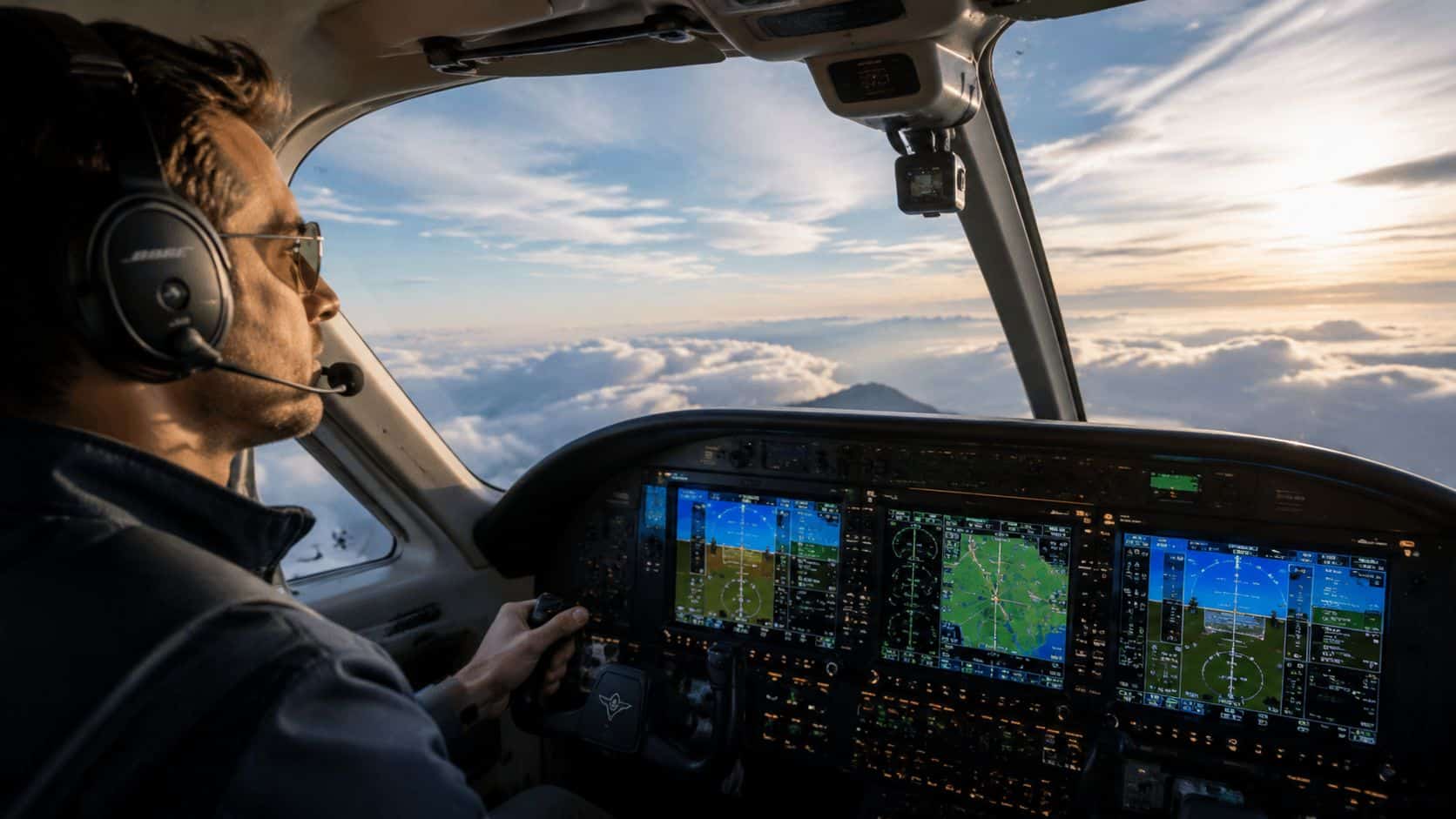
Why the rating matters for safety
Instrument training develops habits that help even on VFR flights. Students practice weather analysis, diversion planning, precise aircraft control, communication, and recognition of deteriorating conditions. They also learn that entering cloud without a plan is different from conducting a planned IFR flight with a clearance, procedure, and missed-approach strategy.
A conservative progression into actual weather matters. Until a pilot has repeated real-weather experience, flying with a second instrument-rated pilot can add an important margin for workload management and decision-making. That recommendation is a training practice, not a replacement for FAA currency or aircraft qualification.
Why career-track pilots pursue it
The instrument rating forms part of the normal progression toward advanced pilot qualifications. It supports later work toward the commercial pilot certificate and instrument instructor privileges, and it fits naturally into career-track training that continues toward additional certificates and ratings.
The investment deserves an honest discussion. A school's aircraft, instructor availability, training pace, simulator program, and the student's existing experience all affect the total. The FAA minimums establish eligibility, but additional training may be needed before the pilot can consistently meet practical-test standards and operate confidently in real weather.
Next Steps After Earning Your Instrument Rating
The checkride ends one phase of training, not the need for practice. Instrument skills can fade when a pilot stops using them, so a newly rated pilot should build a plan for recurring approaches, holds, course intercepts, weather analysis, and radio work.
Keep instrument privileges usable
The FAA's recent-experience requirements call for six approaches, holding procedures, and intercepting and tracking courses during the preceding six calendar months to act as PIC under IFR. A pilot should monitor those activities in the logbook rather than discovering a currency problem before a trip. The pilot also needs the applicable flight review to continue exercising pilot privileges, separate from instrument recency.
A practical post-rating routine can include:
- Planned cross-country practice: File IFR on trips that match the pilot's experience and the aircraft's capabilities.
- Safety-pilot sessions: Use a qualified safety pilot for simulated instrument practice when the operation and equipment support it.
- Approach variety: Practice different approach types, missed approaches, holds, and abnormal situations rather than repeating only the easiest procedure.
- Weather discipline: Continue comparing forecasts with actual conditions and recording lessons from each flight.
- Community learning: Attend aviation safety seminars or participate in a pilot association to keep decision-making skills active.
Build toward the next certificate
The commercial pilot certificate adds a new level of operating standard and professionalism. A pilot interested in teaching can continue toward the certified flight instructor path and then pursue instrument instructor privileges. Career-track pilots may eventually pursue the Airline Transport Pilot route, depending on their goals and applicable eligibility requirements.
An instrument proficiency check can help a pilot regain proficiency when ordinary recency options aren't appropriate. DuBois Aviation provides an instrument proficiency check option for pilots who need structured evaluation and practice.
The next step should be specific. A pilot ready to begin should gather the current logbook, identify available training days, confirm aircraft and instructor availability, and ask the school to map existing experience against the FAA requirements. That conversation creates a realistic schedule instead of relying on a generic finish date.
Instrument Rating Questions Pilots Ask Most
How long does an instrument rating take
There isn't one reliable timeline for every student. Training frequency, existing cross-country PIC time, aircraft availability, weather, simulator access, and the time needed to reach practical-test standards all affect completion. Students training consistently usually maintain instrument scan and procedure habits more effectively than students who leave long gaps between lessons, while accelerated programs compress scheduling rather than eliminating the required knowledge and proficiency work.
Can training start before the private certificate is finished
The private pilot certificate is the normal foundation for the rating, and the applicant must meet the applicable certificate condition under 14 CFR 61.65. Some training tasks may be introduced before the private checkride, but the required cross-country PIC experience and other eligibility items still have to be documented before the instrument practical test. An instructor should review the logbook and certificate path before counting planned hours toward the rating.
What happens during the instrument checkride
The practical test includes an oral evaluation and a flight evaluation based on the FAA's Airman Certification Standards. The applicant should expect questions and scenarios involving regulations, weather, charts, equipment, clearances, risk management, and instrument decision-making.
The flight portion evaluates the applicant's ability to control the aircraft, perform precision and non-precision approaches, manage a hold, recover from unusual attitudes, and respond appropriately when a procedure cannot be completed. The FAA practical-test guidance specifically evaluates holding-fix arrival, correct entry, ATC reporting, and timing criteria, as described in the FAA instrument rating practical-test guidance.
Is the rating worth the investment
For a pilot who wants to travel beyond reliably clear weather, the rating can provide substantial utility. It also establishes a foundation for commercial and instructor training, while giving a recreational pilot more options when weather is marginal. The value depends on the pilot's goals, budget, aircraft access, and willingness to maintain proficiency after the checkride.
DuBois Aviation offers instrument training at Chino Airport, with instructor-led flight lessons, simulator-supported practice, and a pathway into commercial and instructor ratings. Pilots ready to compare enrollment options should visit DuBois Aviation, ask about course availability and scheduling, and request an aircraft and instructor plan matched to their current experience.