
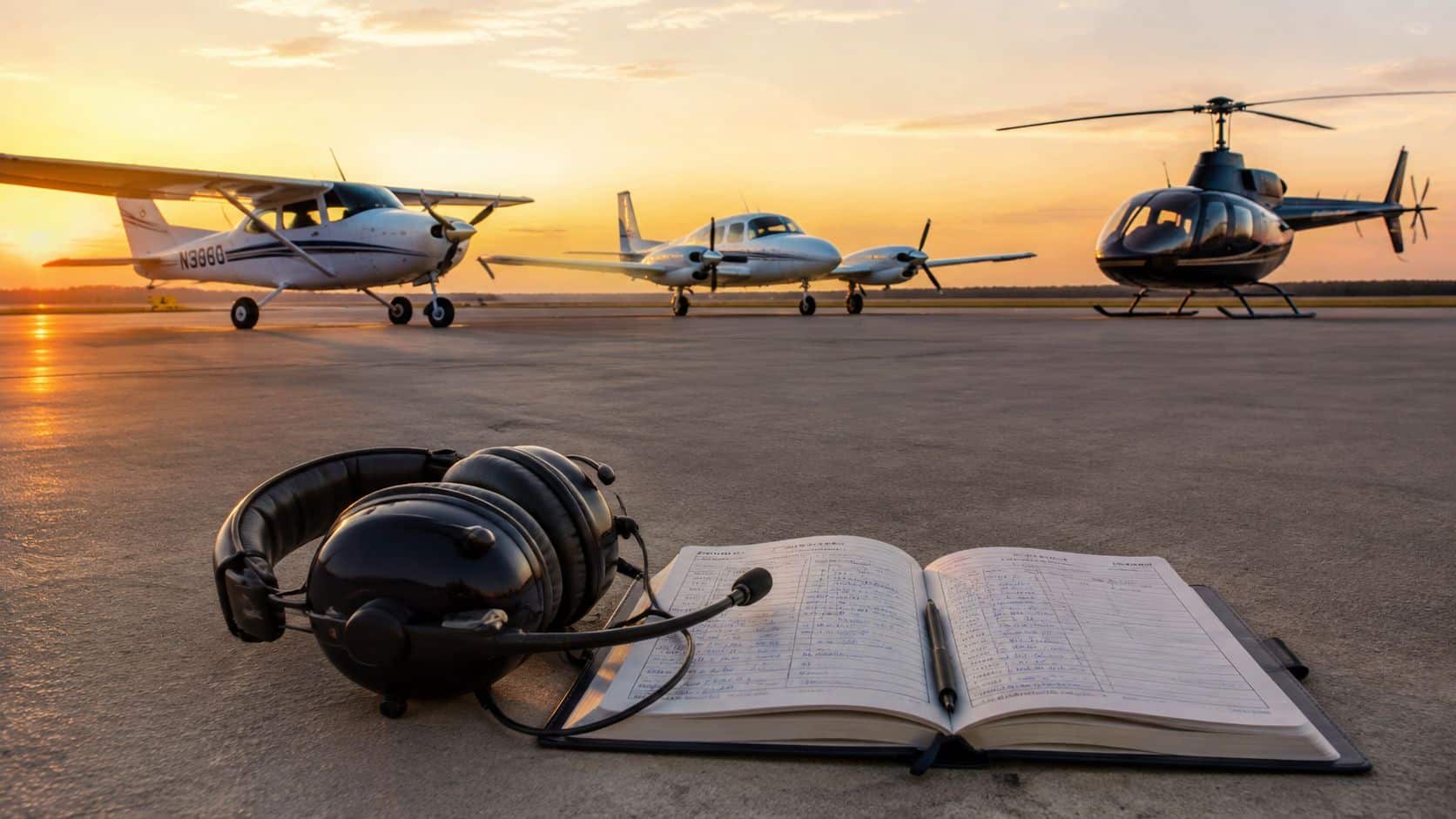
You've decided to learn to fly, but the choices can become confusing quickly. A discovery flight, private pilot certificate, instrument rating, commercial certificate, instructor ratings, multi-engine training, and helicopter add-ons all serve different purposes. The right flight training courses depend on the pilot's goal, available time, and realistic budget, not just the lowest FAA hour requirement. A practical plan starts with the certificate needed first, then adds ratings that support the type of flying or career the student intends to pursue.
Table of Contents
- Understanding Your Flight Training Options
- Private Pilot Certificate and Realistic Timelines
- Instrument Rating and Commercial Pilot Pathways
- Instructor Ratings and Helicopter Add-On Training
- Structured Career Programs and Youth Aviation Opportunities
- Choosing the Right Training Path for Your Goals
- Flight Training Questions Answered
Understanding Your Flight Training Options
A prospective student may begin with a discovery flight, enjoy taking the controls, and then face a difficult question: should training continue one lesson at a time, follow a structured career program, or branch into helicopters? Each route is legitimate, but the sequence matters.
Two practical options worth comparing
These are specific products pilots commonly compare for this type of flying. Confirm compatibility with your aircraft and instructor before ordering.
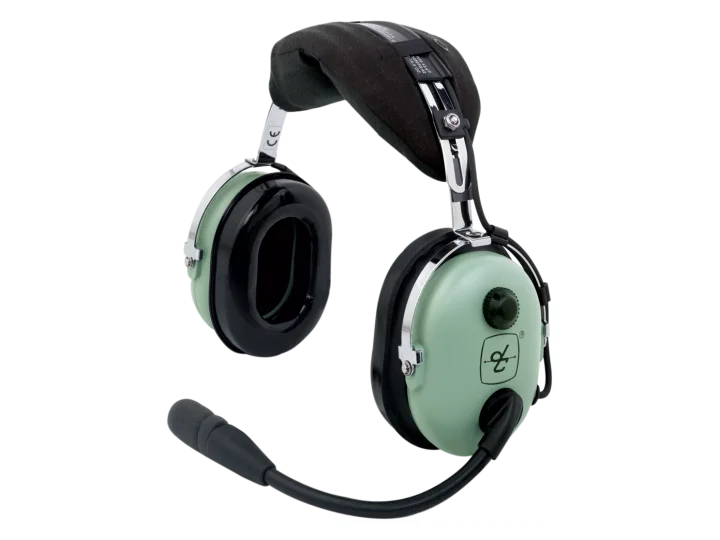 Student headsetDavid Clark H10-13.4 Aviation HeadsetCheck current availability on Amazon (paid link)
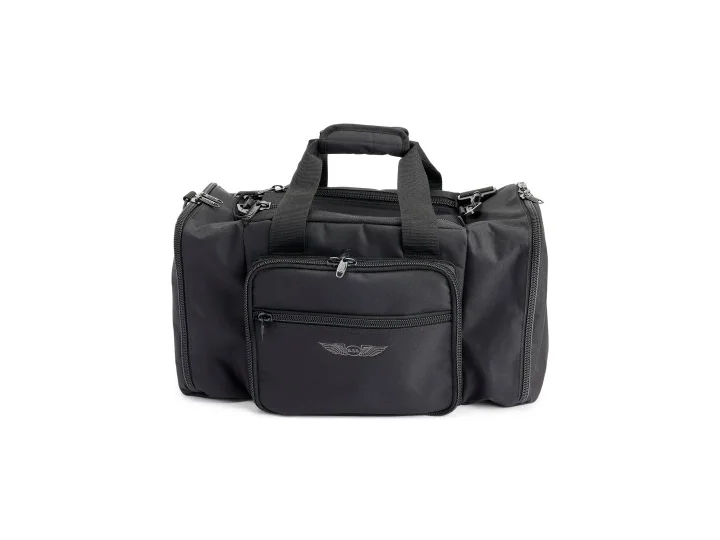 OrganizationASA Flight BagCheck current availability on Amazon (paid link)
A certificate establishes a pilot's qualification, while a rating adds privileges or aircraft categories to an existing certificate. The private pilot certificate is the usual starting point for airplane students. An instrument rating expands the ability to operate under instrument procedures, while a commercial certificate supports professional flight privileges when its applicable requirements are met. Multi-engine, instructor, and helicopter ratings build additional capability rather than replacing the foundational training.
How the training sequence fits together
A common airplane progression looks like this:
- Discovery flight: A practical introduction to the aircraft, controls, airport environment, and instructor.
- Private pilot certificate: The foundation for personal flying, aircraft rental, and further ratings.
- Instrument rating: Training for instrument procedures, navigation, weather decision-making, and reduced reliance on outside visual references.
- Commercial certificate: A professional qualification that requires more advanced aircraft control and aeronautical experience.
- Multi-engine rating: Preparation for operating aircraft with more than one engine, often valuable in professional pathways.
- CFI, CFII, and MEI: Instructor qualifications that allow a pilot to teach progressively broader areas of flight training.
- Helicopter add-on: A separate rotorcraft path for pilots who want to operate or teach in helicopters.
The exact sequence can vary. A recreational pilot may stop after the private certificate. A career-track student usually needs a more deliberate progression through instrument, commercial, and instructor training, with multi-engine preparation added when it supports the intended employment path.
Why the first decision matters
The training aircraft, airport environment, lesson frequency, and instructor relationship all influence progress. A student who flies only occasionally may spend more time rebuilding skills between lessons, while a student with a fixed schedule can preserve continuity and identify weaknesses sooner.
A discovery flight should answer practical questions, not just provide an exciting first look. The prospective student should ask what aircraft are available, how instructors plan lessons, how ground training is delivered, how checkride preparation works, and whether the school can support the next rating after the first certificate.
Private Pilot Certificate and Realistic Timelines
The private pilot certificate gives a student the foundation for acting as pilot in command within the privileges and limitations of the certificate. Under FAA Part 61, airplane applicants need at least 40 hours of total flight time, including 20 hours of flight training and 10 hours of solo flight time. The required experience also includes 3 hours of cross-country training, 3 hours of night flight training, and 3 hours of training solely by reference to instruments under 14 CFR §61.109.
Those figures are legal minimums, not a reliable personal forecast. Recent survey data places the typical student closer to 60 to 72 hours, with median costs around $14,000 to $16,000 and completion times around 24 weeks to six months. Those figures come from recent private pilot flight-training survey data, and they're more useful for planning than the regulatory floor.
What the training normally includes
A student must develop more than basic aircraft control. The training program has to build competence in takeoffs, landings, emergency procedures, navigation, radio communication, airspace awareness, weather interpretation, and practical decision-making. The instructor also prepares the student for the FAA knowledge test and practical test.
The checkride normally exposes weak preparation quickly. Students who memorize procedures without understanding why they work often struggle when the examiner changes the scenario. Strong preparation combines accurate preflight planning, consistent aircraft handling, clear communication, and the ability to explain decisions.
| Category | FAA Minimum | Typical Completion |
|---|---|---|
| Total flight time | 40 hours | 60 to 72 hours |
| Training timeline | No fixed completion time | 24 weeks to six months |
| Median cost | No fixed cost | $14,000 to $16,000 |
The comparison is useful because it separates eligibility from readiness. The minimum tells a student when the regulatory experience requirement may be satisfied. It doesn't guarantee that the student can safely and consistently meet the practical test standards.
How students control time and cost
Lesson frequency has a direct practical effect on retention. A student who can maintain a regular rhythm usually spends less time re-learning recently covered maneuvers. Weather, aircraft availability, instructor schedules, maintenance, and individual learning speed still create variation, so a budget should include flexibility rather than assume the minimum.
Before enrollment, a student should build a written plan covering:
- Expected lesson frequency.
- Aircraft rental and instructor billing policies.
- Ground-school materials and knowledge-test preparation.
- Stage checks or internal progress reviews.
- Checkride preparation and examiner availability.
- A reserve for weather and additional training.
Students comparing timelines can also review how long it takes to earn a private pilot license. The most useful question isn't, “Can this be completed in 40 hours?” It's, “What schedule gives this student enough repetition to become safe, consistent, and ready for the checkride?”
Instrument Rating and Commercial Pilot Pathways
The instrument rating and commercial certificate solve different problems, and many career-track students pursue them as connected stages. The instrument rating develops procedural flying and weather capability. The commercial certificate develops higher-level aircraft management and professional-level precision.
For an FAA instrument rating, the regulatory minimum includes 40 hours of actual or simulated instrument time, with 15 hours of instrument training from an authorized instructor, and 50 hours of cross-country time as pilot in command. FAA guidance explains that the 40 hours refer to instrument time, not necessarily all dual instruction, as described in FAA instrument rating guidance.
Comparing the main post-private options
| Training path | Core requirement or prerequisite | What it unlocks |
|---|---|---|
| Instrument rating | Private pilot certificate, or concurrent application, plus required instrument experience and endorsements | More capable operation under instrument procedures and stronger weather decision-making |
| Commercial certificate | 250 total flight hours under Part 61, plus advanced training and applicable endorsements | Professional pilot privileges when the operating requirements are satisfied |
| Multi-engine rating | Training and practical-test performance in a multi-engine aircraft | Qualification to act as pilot in command of the applicable multi-engine class |
| CFII | CFI qualification and instrument-instructor preparation | Instruction in instrument training within the instructor's privileges |
| MEI | CFI qualification and multi-engine instructor preparation | Instruction in multi-engine aircraft within the instructor's privileges |
Under 14 CFR §61.129, FAA commercial pilot training under Part 61 requires at least 250 total flight hours. It also includes 20 hours of structured advanced training, consisting of 10 hours of instrument training using a view-limiting device and 10 hours in a complex, turbine-powered, or technically advanced airplane, along with 10 hours of solo flight or supervised pilot-in-command time.
Why instrument training often comes first
Instrument training improves cockpit workload management, navigation discipline, and communication. It also gives commercial students a stronger foundation for operating in changing weather and busy airspace. Combining simulator-based procedures with real-flight cross-country experience can improve training efficiency while still addressing the required aeronautical experience.
A multi-engine add-on fits naturally into a professional progression, but it shouldn't be treated as a shortcut around basic proficiency. The student must manage asymmetric thrust, engine-out procedures, performance limitations, and workload in a more demanding aircraft. The timing should match the student's readiness and career plan, not merely the desire to collect another rating.
Students considering this progression can review the instrument rating course and ask how the school sequences instrument, commercial, and multi-engine work. A well-organized path reduces unnecessary repetition without rushing skills that need deliberate practice.
Instructor Ratings and Helicopter Add-On Training
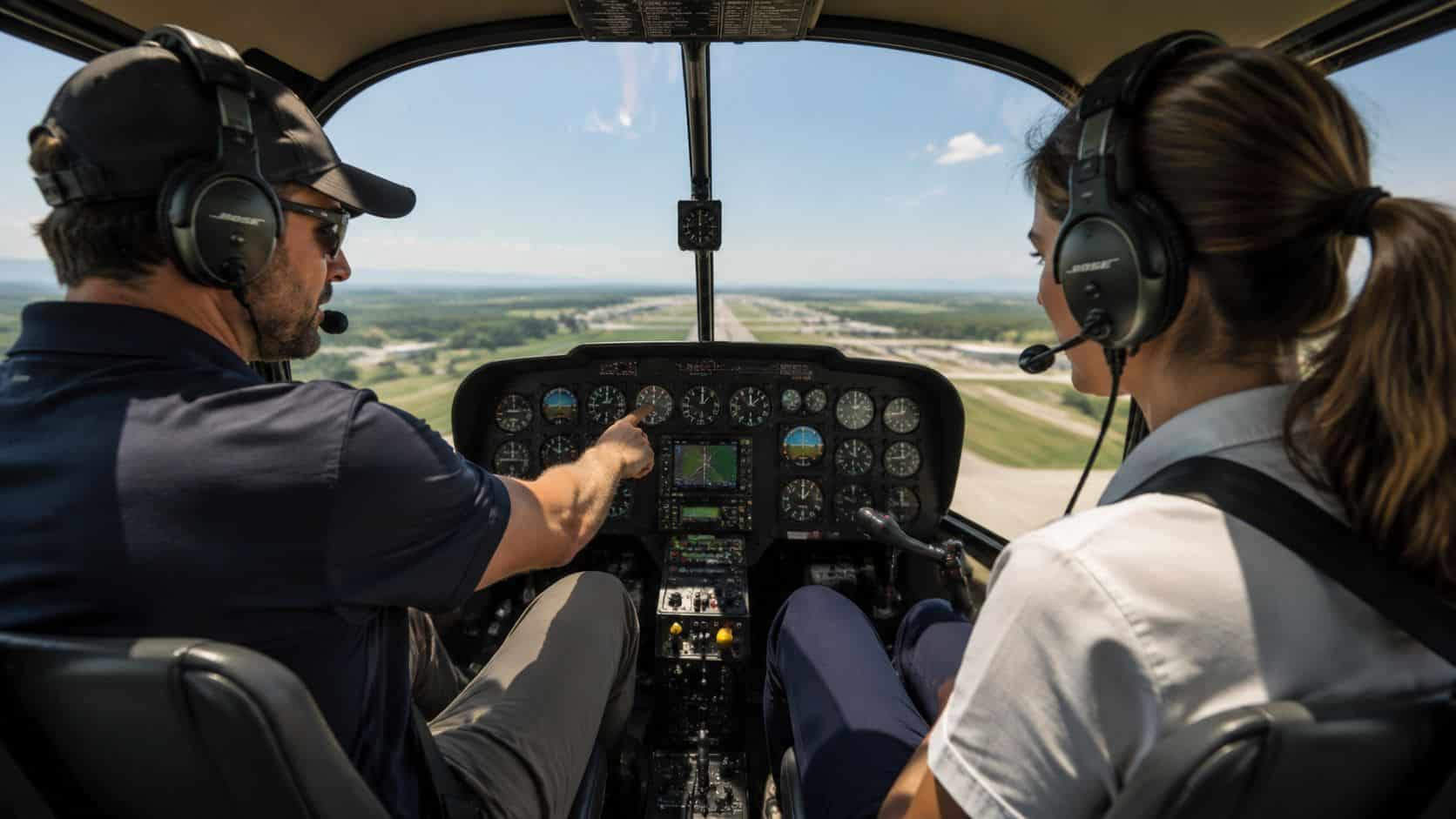
Instructor ratings can turn advanced pilot knowledge into a structured professional pathway. The CFI allows a qualified pilot to teach within the privileges of the flight instructor certificate. The CFII adds instrument instruction, while the MEI focuses on multi-engine instruction. Each rating requires the pilot to understand not only how to perform a task, but also how to explain, demonstrate, evaluate, and correct it.
Why instructor training changes the pilot
Teaching forces a pilot to organize knowledge clearly. A CFI candidate must recognize errors before they become unsafe habits, give usable corrections, and manage a student's workload without taking over unnecessarily. CFII training adds instrument lesson planning, procedural discipline, and the ability to teach pilots who can't rely on outside visual references.
MEI training requires another layer of aircraft-specific preparation. Multi-engine instructors must teach engine-out recognition, aircraft control, performance planning, and emergency procedures while maintaining disciplined cockpit management. The instructor's own proficiency must remain strong because demonstration quality affects student learning.
Instructor certificates are also commonly used to build experience toward broader professional goals. The value comes from combining flight-hour development with stronger judgment, communication, and instructional skill. Teaching isn't just a way to accumulate time. It's a demanding responsibility that can expose weaknesses and improve them when the training environment is well supervised.
Helicopter add-on training creates a parallel route for fixed-wing pilots. Rotorcraft require different aerodynamic understanding, control coordination, energy management, hover work, and landing techniques. A fixed-wing pilot shouldn't assume airplane experience transfers directly to helicopter operations, even when the pilot already understands airspace, radio work, and basic aviation decision-making.
DuBois Aviation offers airplane and helicopter instruction, including private, instrument, commercial, multi-engine, and instructor-oriented training, allowing students to discuss whether an add-on belongs in a broader career plan or stands as a separate goal.
The helicopter pathway also depends on aircraft access and instructor availability. A prospective student should ask how ground and flight lessons are coordinated, which helicopter models are used, and how the school evaluates readiness before a practical test.
The following video can help prospective students understand the cockpit environment and training experience before committing to a rotorcraft path.
Structured Career Programs and Youth Aviation Opportunities
A packaged career program and an à la carte training plan suit different students. A career-track student benefits from a sequence that connects private, instrument, commercial, multi-engine, and instructor preparation. A recreational student may prefer to earn the private certificate first, then decide whether additional ratings fit changing interests.
When a structured program makes sense
Structured programs help students plan around a defined objective. They can provide more consistent scheduling, curriculum continuity, and clearer transitions between ratings. They also make it easier to identify prerequisites before a student reaches the next stage, although no program can remove weather, maintenance, checkride, or individual proficiency variables.
A career candidate should ask whether the program includes:
- A written sequence: The student should know which certificate or rating comes next and why.
- Instructor continuity: Frequent changes can make progress harder to track.
- Aircraft access: The fleet should support the planned stages without forcing an unnecessary pause.
- Progress reviews: Regular evaluations can reveal weak areas before a practical test.
- Career guidance: The school should explain the experience-building path without promising employment outcomes.
Youth programs serve a different purpose. An aviation camp can introduce teenagers to aircraft, airport operations, aviation careers, and basic flight concepts in an age-appropriate setting. The purpose is exploration and informed decision-making, not a substitute for adult certificate training. Families can review the aviation summer camps offering and ask what activities, supervision, and aircraft exposure are included.
Community support after the first milestone
A Flyers Club or similar community program can help pilots remain connected after formal lessons. Peer interaction, mentorship, safety discussions, and access to aviation events can support continued interest, especially for students who aren't ready to begin another rating immediately.
Communication also matters for youth and community programs. Families or organizations creating short aviation updates can use a solopreneur Shorts tool to turn longer educational material into concise video content, provided the material remains accurate and appropriately supervised.
The best format depends on commitment. Students with a firm professional goal should compare structured programs carefully. Students still testing their interest should begin with a discovery flight or introductory activity before making a larger commitment.
Choosing the Right Training Path for Your Goals
The right flight training courses should answer four questions: What does the student want to fly, how soon does the student need the qualification, what budget can be sustained, and what training environment supports consistent practice? A student who wants weekend recreation shouldn't automatically adopt a career-track schedule. A future instructor shouldn't choose a plan that stops at the private certificate without considering the ratings needed later.

Match the plan to the objective
A practical decision framework looks like this:
- Personal flying: Start with a discovery flight, then pursue the private certificate. Add an instrument rating if the pilot wants stronger weather capability and broader operating flexibility.
- Professional aviation: Plan the sequence before beginning. Instrument, commercial, multi-engine, and instructor training usually require more coordination than a rating-by-rating approach.
- Helicopter flying: Begin with rotorcraft-specific instruction rather than assuming airplane experience will shorten every stage. A fixed-wing pilot considering an add-on should discuss aircraft, controls, and training objectives with a helicopter instructor.
- Uncertain goals: Choose a flexible starting point. A discovery flight and a detailed enrollment conversation can reveal whether the student prefers airplanes, helicopters, recreational flying, or a career path.
Evaluate the airport and instructor
A towered airport provides repeated practice with radio communication, runway sequencing, and controlled-airspace procedures. At Chino Airport, KCNO is a towered Class D field with three runways and published instrument procedures, according to current airport information available through FAA Part 61 airport information. That environment can be useful for students who need realistic communication and instrument-procedure exposure, although airport complexity also requires disciplined preparation.
The instructor fit matters just as much. Prospective students should ask how instructors handle repeated errors, how lesson objectives are documented, how cancellations are managed, and how the school prepares students for the oral portion of the checkride.
A useful enrollment checklist includes:
- Aircraft availability and maintenance procedures.
- Instructor scheduling and backup coverage.
- Ground-training expectations.
- Progress-check and stage-check practices.
- Aircraft rental policies after certification.
- The transition plan into instrument, commercial, or helicopter training.
The cheapest lesson rate isn't automatically the lowest total cost. A dependable schedule, suitable aircraft, and coherent instruction can prevent avoidable retraining.
Flight Training Questions Answered
How does a pilot stay current after earning a certificate?
A flight review is generally required every 24 calendar months for a pilot to act as pilot in command, under FAA guidance tied to §61.56 and §61.57. Instrument currency generally requires six instrument approaches, holding procedures, and course-tracking tasks within the preceding six calendar months. The applicable details should be checked in current FAA flight review and instrument currency guidance, especially when a pilot's situation involves passengers, specific aircraft, or instrument operations.
Does a medical certificate affect flight training?
Medical eligibility can affect whether a student may exercise particular pilot privileges, even though it doesn't replace flight instruction or a practical test. A prospective student should address medical questions with an aviation medical professional before making a major financial commitment, particularly if there's uncertainty about eligibility.
Does Part 61 versus Part 141 matter?
The regulatory framework affects how training is organized and how aeronautical experience may be credited. Part 61 training can offer flexibility for students with changing schedules, while a structured school environment may provide a more standardized syllabus and progress tracking. The better choice depends on the student's schedule, goals, aircraft access, and instructor support.
What happens if training pauses?
A pause doesn't erase previous training, but skills can fade. The instructor should review logbook entries, identify the last demonstrated proficiency, and create a re-entry plan before advancing. The student may need additional practice in aircraft control, landings, radio work, or emergency procedures before returning to the previous stage.
Should a student chase the FAA minimum?
No. The minimum is a regulatory threshold, not a promise of readiness or cost. Students should budget for the typical completion range, maintain consistent lessons when possible, and measure progress by reliable performance rather than hours alone.
DuBois Aviation provides one-on-one airplane and helicopter instruction, private, instrument, commercial, multi-engine, and instructor training, aircraft rental, and structured aviation programs at Chino Airport. Visit DuBois Aviation to ask about course availability, schedule a discovery flight, or request a training consultation matched to the student's goals and timeline.