

A flight review and an instrument proficiency check (IPC) serve different purposes. A flight review addresses the safe exercise of your pilot privileges under 61.56. An IPC evaluates instrument proficiency under 61.57(d). One does not automatically substitute for the other.
This discussion is for typical general-aviation airplane pilots. Operator-specific checking programs and regulatory exceptions may differ. Have an appropriately qualified instructor review your actual logbook and intended operations before deciding what you need.
Two practical options worth comparing
These are specific products pilots commonly compare for this type of flying. Confirm compatibility with your aircraft and instructor before ordering.
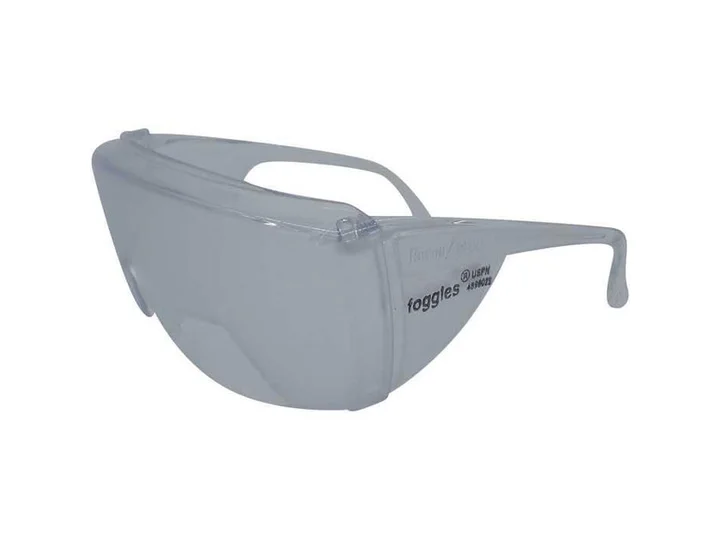 Instrument trainingFoggles Aviation IFR Training GlassesCheck current availability on Amazon (paid link)
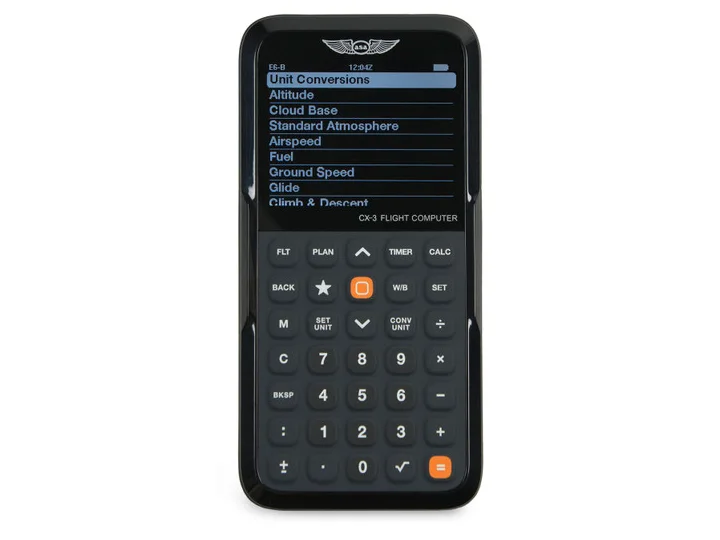 Flight planningASA CX-3 Flight ComputerCheck current availability on Amazon (paid link)
| Question | Flight review | IPC |
|---|---|---|
| Main rule | 14 CFR 61.56 | 14 CFR 61.57(d) |
| Purpose | Review operating rules and safe pilot skills | Demonstrate instrument proficiency |
| Timing | Generally a 24-calendar-month requirement for acting PIC, unless an applicable alternative or exception is satisfied | Required to regain instrument currency after failing to meet the instrument-experience requirements for more than six calendar months, subject to the rule’s exceptions |
| Minimum duration | Normally at least one hour ground and one hour flight; more may be needed | No universal one-hour completion promise; required tasks and proficiency govern |
| Training provider | An authorized instructor | An appropriately authorized instrument instructor or another person authorized by 61.57(d) |
When is a flight review due?
Before acting as PIC, determine whether you satisfy 61.56. The usual review includes at least one hour of ground training and one hour of flight training, followed by a satisfactory logbook endorsement. The instructor selects material appropriate to your privileges and flying.
Do not reduce this to a rule that every pilot must buy the same review every two years. Qualifying practical/proficiency tests, qualifying WINGS completion, and other specified exceptions or provisions may apply. Read the applicable paragraphs and check your records. A flight review also does not, by itself, establish passenger or instrument currency.
Losing instrument currency is not the same as immediately needing an IPC
For typical airplane instrument currency, 61.57(c) requires the applicable six approaches, holding, and course intercepting/tracking tasks within the specified six-calendar-month window. If you no longer satisfy that requirement, you may not act as PIC under IFR or in weather below VFR minimums merely because you are within a period for regaining currency.
There is an additional six-calendar-month period during which the required experience can be regained without a mandatory IPC. Practice must still be conducted legally, such as an appropriately arranged simulated-instrument flight or qualifying approved-device session. After failing to meet the currency requirement for more than six calendar months, 61.57(d) requires an IPC to reestablish it, subject to the stated exceptions.
The distinction is important: the additional period is not permission to fly IFR as PIC while out of currency. Use your individual logbook dates and all applicable rules rather than a rough count of days. Read 61.57(c) and (d) directly.
What should you expect during an IPC?
Arrange the session with a CFII appropriately qualified for the operation or another person authorized by the regulation. Expect planning and a review of instrument procedures, followed by the required tasks and a proficiency assessment. The current regulation, applicable ACS tasks, and FAA guidance determine the scope. It is not simply six approaches with an endorsement at the end.
A training device suitable for some currency or rating-credit tasks is not automatically sufficient for an entire IPC. Confirm the approval and which portions must be completed in an aircraft or other approved device. Additional training may be needed before satisfactory completion.
Can we combine a flight review and IPC?
They can be planned together when the instructor is qualified and all requirements of both are met. Tell the instructor you want both before scheduling. Allow time for the distinct ground and flight tasks and confirm that the appropriate separate endorsements are made. An IPC-only session should not be assumed to reset the flight-review clock.
Bring these items to the planning conversation
- Your pilot certificates and logbook, including flight-review or qualifying-test endorsements.
- Dates and details of recent approaches, holding, tracking, and approved-device sessions.
- Your recent aircraft experience, intended trips, and any long break from flying.
- Questions about weather decisions, avionics, approaches, or procedures that need practice.
A legal minimum is not a personal proficiency target. Ask for additional instruction when your planned flight, aircraft, or operating conditions exceed your recent experience.
Plan recurrent training at DuBois Aviation
Contact us to review whether a flight review, instrument refresher, IPC, or combined session fits your needs. Standard single-engine instruction is $69/hour, with aircraft rental and applicable charges additional. Availability and completion time depend on the plan and demonstrated proficiency.
Ask our instrument-training team, read our flight-review guide, or compare simulator training and credit.
Official guidance: FAA AC 61-98E, Currency Requirements and Guidance for the Flight Review and IPC. The regulation controls; the advisory circular explains recommended practices and is not itself a regulation.


