Becoming a commercial pilot is a significant step for private and instrument-rated pilots who want to pursue a professional career in aviation. Understanding the requirements and the training timeline is essential to plan your path efficiently and meet all regulatory standards. This article breaks down the Federal Aviation Administration (FAA) requirements, the stages of training, and practical advice to help you navigate the process smoothly.
FAA Commercial Pilot Certification Requirements
The FAA outlines specific requirements for obtaining a commercial pilot certificate under 14 CFR Part 61, Subpart F. These regulations set the foundation for eligibility, knowledge, experience, and testing standards.
Two practical options worth comparing
These are specific products pilots commonly compare for this type of flying. Confirm compatibility with your aircraft and instructor before ordering.
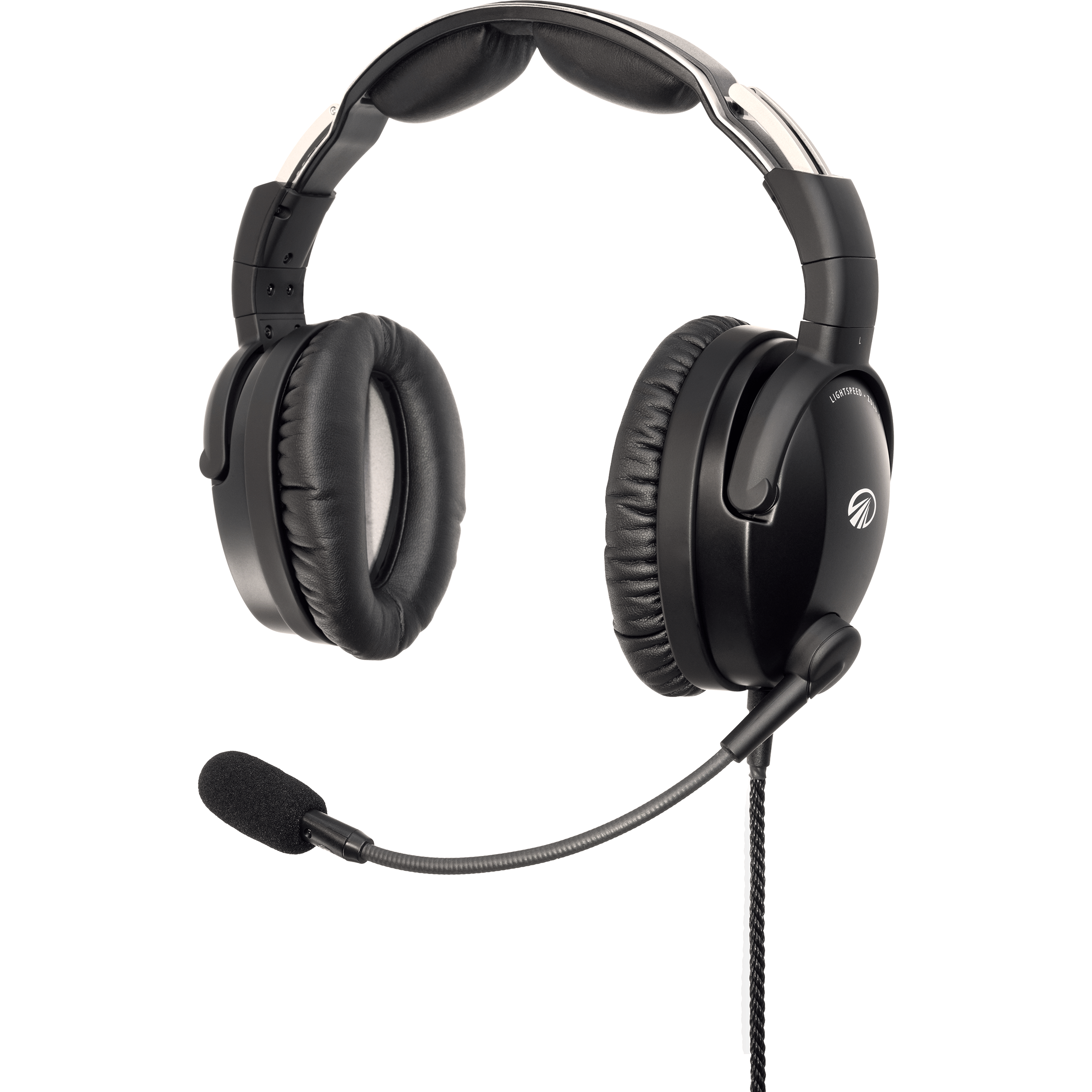 Premium ANR headsetLightspeed Zulu 4 ANR Aviation Headset - Dual GA PlugCheck current availability on Amazon (paid link)
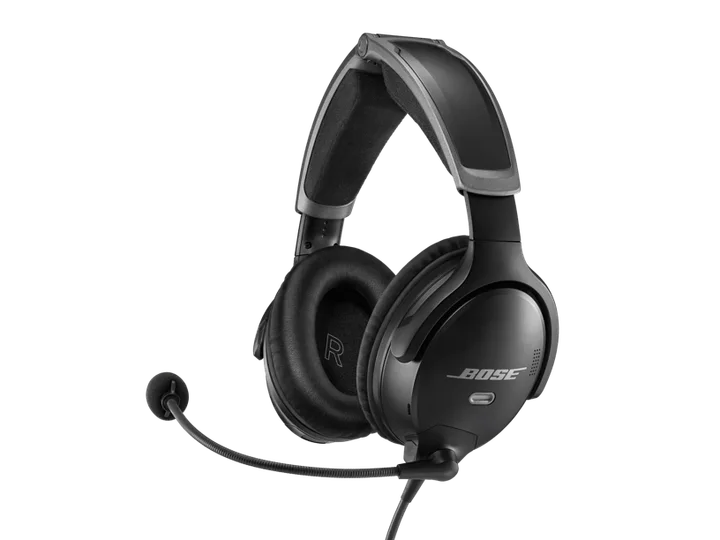 Premium headsetBose A30 Bluetooth Aviation Headset - Dual PlugCheck current availability on Amazon (paid link)
To qualify for the commercial pilot certificate, you must meet the following key requirements:
- Age: You must be at least 18 years old.
- Language: Be able to read, speak, write, and understand English fluently.
- Medical Certification: Hold at least a second-class medical certificate.
- Flight Experience: Accumulate a minimum of 250 hours of flight time, which must include:
- 100 hours in powered aircraft, of which 50 hours must be in airplanes.
- 100 hours of pilot-in-command (PIC) time, including at least 50 hours in airplanes and 50 hours in cross-country flight.
- 20 hours of training on the areas of operation required for the commercial pilot certificate.
- 10 hours of solo flight or 10 hours of flight time performing the duties of PIC with an instructor on board.
Additionally, you must pass the FAA commercial pilot knowledge test and the practical test (checkride), which includes an oral exam and a flight test demonstrating your proficiency.
Training Timeline: From Private Pilot to Commercial Pilot
For pilots who already hold private and instrument ratings, the transition to commercial pilot training involves building flight experience and mastering advanced maneuvers and operations. The timeline varies depending on individual schedules, weather, and availability of aircraft and instructors, but a structured approach helps maintain steady progress.
The training timeline typically includes the following phases:
- Review and Preparation: Begin by reviewing private and instrument rating knowledge and skills, ensuring a solid foundation. This stage often involves ground school sessions focusing on commercial pilot-specific knowledge areas such as advanced aerodynamics, complex aircraft operations, and FAA regulations.
- Flight Training: Engage in at least 20 hours of commercial pilot training covering required areas of operation. This includes complex maneuvers such as chandelles, lazy eights, steep spirals, and accelerated stalls, as well as night flying, cross-country flights, and emergency procedures.
- Flight Experience Accumulation: Build the required flight hours to meet the 250-hour minimum, including PIC and cross-country time. Many pilots use this phase to gain experience by flying with instructors, participating in flight clubs, or renting aircraft for solo practice.
- Knowledge Test Preparation: Study for the FAA commercial pilot knowledge test using official materials and practice exams. This test covers regulations, weather, navigation, and aircraft systems relevant to commercial operations.
- Practical Test (Checkride) Preparation: Conduct mock oral exams and flight tests with instructors to prepare for the FAA checkride. This ensures readiness to demonstrate the required competencies to an FAA-designated pilot examiner.
Throughout the timeline, consistent logging of flight hours and maintaining proficiency in all required areas are crucial.
Key Areas of Operation in Commercial Pilot Training
The FAA’s Airman Certification Standards (ACS) define the specific areas of operation and tasks a commercial pilot applicant must master. These include:
- Preflight Preparation: Understanding aircraft performance, weight and balance, and weather briefing.
- Preflight Procedures: Conducting thorough aircraft inspections and ensuring systems are operational.
- Airport and Seaplane Base Operations: Managing taxiing, ground operations, and communications.
- Takeoffs, Landings, and Go-Arounds: Executing normal and crosswind takeoffs and landings, including short and soft field techniques.
- Performance Maneuvers: Performing steep turns, chandelles, lazy eights, and eights on pylons with precision.
- Navigation: Planning and executing cross-country flights using pilotage, dead reckoning, and radio navigation aids.
- Slow Flight and Stalls: Controlling the aircraft at minimum controllable airspeeds and recognizing stall indications.
- Emergency Operations: Handling simulated engine failures, system malfunctions, and emergency descents.
- Night Operations: Conducting takeoffs, landings, and navigation during nighttime conditions.
Mastery of these areas ensures a commercial pilot can operate safely and competently in a variety of flight environments.
Utilizing Resources for Efficient Training Progress
Efficient training requires access to quality resources and tools. Two valuable resources for commercial pilot candidates include:
- DuBois commercial pilot training: DuBois Aviation offers structured commercial pilot training programs tailored to individual needs. Their experienced instructors and modern fleet provide a supportive environment to develop the skills required for commercial certification.
- Pilot Training Tracker: This online tool helps pilots log and track their flight hours, training progress, and certifications. Maintaining accurate records is essential for meeting FAA requirements and preparing for checkrides.
Combining professional instruction with organized tracking tools helps streamline the path to commercial certification.
Practical Checklist for Commercial Pilot Certification Preparation
Use this checklist to ensure you meet all the necessary requirements and are prepared for each stage of the commercial pilot certification process:
- Verify Eligibility: Confirm you are at least 18 years old and hold a valid second-class medical certificate.
- Review Flight Experience: Ensure you have logged at least 250 total flight hours, including required PIC and cross-country time.
- Complete Ground School: Study commercial pilot knowledge areas, focusing on FAA regulations, aerodynamics, and aircraft systems.
- Complete Flight Training: Finish at least 20 hours of commercial pilot-specific flight training covering all areas of operation.
- Pass Knowledge Test: Successfully complete the FAA commercial pilot written exam.
- Prepare for Checkride: Conduct mock oral and flight tests with your instructor to build confidence and proficiency.
- Schedule Practical Test: Arrange your checkride with an FAA-designated pilot examiner.
- Maintain Documentation: Keep accurate and up-to-date logbooks and training records.
Following this checklist helps ensure a smooth and organized approach to earning your commercial pilot certificate.
Conclusion: Planning Your Commercial Pilot Journey
Transitioning from private and instrument-rated pilot to commercial pilot requires dedication, thorough preparation, and adherence to FAA regulations. Understanding the certification requirements, training timeline, and areas of operation is crucial for success. Leveraging professional training programs like DuBois commercial pilot training and tools such as Pilot Training Tracker can significantly enhance your learning experience.
By methodically following the outlined steps and utilizing available resources, you can confidently advance your aviation career and achieve your goal of becoming a commercial pilot.