

Preparing for a checkride is a pivotal milestone in any pilot’s training journey, whether you are aiming for your private pilot certificate, instrument rating, commercial certificate, or Certified Flight Instructor (CFI) certificate. Developing a comprehensive training plan before scheduling your checkride with a Designated Pilot Examiner (DPE) ensures that you are fully ready to demonstrate the required knowledge and skills. This article guides you through the essential steps to build a checkride-ready training plan that maximizes your chances of success and minimizes stress.
Understand the Checkride Requirements and Standards
The first step in building an effective checkride preparation plan is to thoroughly understand the requirements and standards for your specific certificate or rating. The Federal Aviation Administration (FAA) publishes the Airman Certification Standards (ACS), which outline the knowledge areas, risk management, and skill elements that will be evaluated during your checkride. These standards apply to private, instrument, commercial, and CFI applicants alike.
Two practical options worth comparing
These are specific products pilots commonly compare for this type of flying. Confirm compatibility with your aircraft and instructor before ordering.
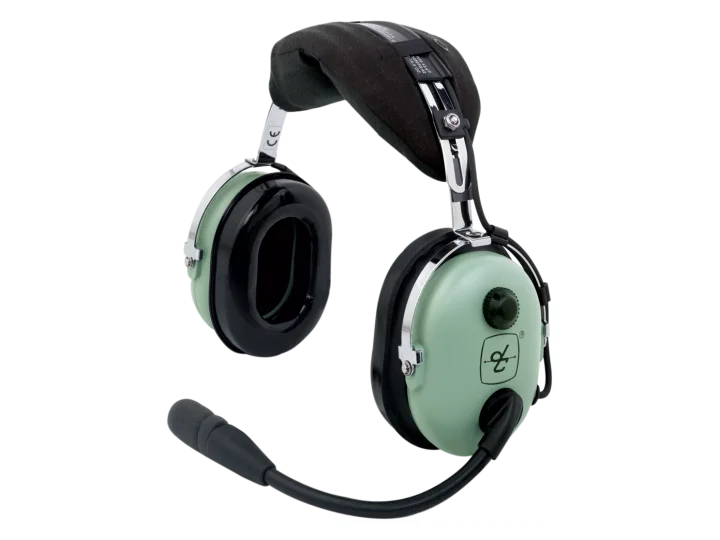 Student headsetDavid Clark H10-13.4 Aviation HeadsetCheck current availability on Amazon (paid link)
 OrganizationASA Flight BagCheck current availability on Amazon (paid link)
Although direct access to the FAA’s ACS documents may sometimes be restricted, you can usually find the latest ACS documents on the FAA website or through your flight school. These documents detail the exact tasks you must be proficient in and the performance criteria you must meet. Familiarizing yourself with the ACS early in your training allows you to tailor your practice sessions to meet or exceed the standards.
Additionally, understanding the FAA’s practical test requirements helps you anticipate the structure and flow of the checkride. The checkride typically consists of an oral examination followed by a flight test. The oral portion assesses your knowledge and decision-making abilities, while the flight portion evaluates your flying skills under real or simulated conditions.
Conduct a Self-Assessment and Identify Weaknesses
Before you begin intensive training for your checkride, it’s crucial to honestly assess your current knowledge and skills. Identify areas where you feel confident and those where you need improvement. This self-assessment can be done through practice exams, flight simulations, or by reviewing your recent flight instructor’s feedback.
For example, if you are an instrument rating applicant, you might find that your proficiency in holding patterns or instrument approaches needs refinement. For commercial applicants, complex maneuvers like chandelles or lazy eights might require additional practice. CFI applicants should focus on both flying skills and instructional techniques.
Documenting your strengths and weaknesses helps you and your instructor create a focused training plan. This targeted approach ensures that your preparation time is used efficiently, concentrating on areas that will most impact your checkride performance.
Develop a Structured Training Schedule
Once you understand the requirements and have identified your areas for improvement, it’s time to develop a structured training schedule. This plan should outline the number of flight and ground training hours you will dedicate each week leading up to your checkride.
A well-structured schedule balances ground study, simulator sessions if available, and actual flight training. Ground study should include reviewing regulations, weather interpretation, aircraft systems, and emergency procedures relevant to your certificate or rating. Flight training should emphasize practicing maneuvers, emergency scenarios, and cross-country navigation as applicable.
Consider incorporating DuBois accelerated training options if you want an intensive, focused program that can help you progress efficiently. Accelerated training programs are designed to minimize downtime between lessons and maintain knowledge retention, which is especially beneficial for checkride preparation.
Regularly review and adjust your schedule based on your progress and feedback from your instructor. Flexibility is important to accommodate weather, aircraft availability, and personal commitments.
Practice the Oral Examination Thoroughly
The oral examination is a critical component of your checkride. It tests your aeronautical knowledge, decision-making skills, and ability to apply regulations and procedures in real-world scenarios. To prepare effectively, schedule dedicated sessions to practice oral exam questions and scenarios with your instructor or peers.
Use the ACS as a guide to the topics you will be questioned on. These typically include airspace rules, weather interpretation, aircraft performance, emergency procedures, and human factors. For CFI applicants, expect additional questions on teaching methods and instructional knowledge.
Simulating the oral exam environment helps reduce anxiety and improves your ability to articulate clear, concise, and accurate answers. Consider recording your practice sessions to identify areas where your explanations can be clearer or more detailed.
Schedule Your Checkride with a Qualified DPE
After you and your instructor agree that you are ready, the next step is to schedule your checkride with a Designated Pilot Examiner (DPE). DPEs are authorized by the FAA to conduct practical tests and issue certificates and ratings.
Finding a qualified DPE near you can be streamlined by using resources like the Pilot Training Tracker DPE finder. This tool helps you locate examiners based on location and certificate type, making it easier to coordinate your checkride appointment.
When scheduling, consider factors such as the DPE’s availability, the time of year, and typical weather conditions. Booking your checkride during a period with favorable weather increases the likelihood of a smooth test day without delays or cancellations.
Prepare a Practical Checklist for Checkride Readiness
To ensure you have covered all essential steps before your checkride, use the following checklist as a practical guide:
- Review the ACS: Study the Airman Certification Standards for your certificate or rating in detail.
- Self-assess: Identify your strengths and weaknesses through practice exams and instructor feedback.
- Create a training schedule: Plan ground and flight training sessions with clear goals and milestones.
- Practice oral exam questions: Conduct mock oral exams to build confidence and knowledge.
- Complete required endorsements: Ensure your instructor has signed off on all necessary prerequisites.
- Gather documentation: Prepare your logbook, medical certificate, government-issued ID, and any other required paperwork.
- Schedule your checkride: Use the Pilot Training Tracker DPE finder to book your test with a qualified examiner.
- Plan for test day: Confirm aircraft availability, weather conditions, and arrive well-rested and prepared.
By following this checklist, you can approach your checkride with confidence, knowing that you have thoroughly prepared both mentally and practically.
Conclusion
Building a checkride-ready training plan is essential for any pilot seeking to obtain or add certificates and ratings. Understanding the FAA’s standards, honestly assessing your skills, creating a structured training schedule, practicing the oral exam, and scheduling your checkride strategically all contribute to a successful outcome. Utilizing resources like DuBois accelerated training and the Pilot Training Tracker DPE finder can further streamline your preparation process. With diligent preparation and a clear plan, you will be well-positioned to pass your checkride and advance your aviation career.


