
For private pilots planning to advance their skills, obtaining an instrument rating is a significant milestone that opens up new flying opportunities and enhances safety. However, the path to earning this rating often takes longer than expected due to a variety of factors. Understanding what commonly slows students down and how to proactively manage your training timeline can help you achieve your instrument rating efficiently. This article explores the typical obstacles in the instrument rating timeline and offers actionable advice to keep your progress steady and on track.
Understanding the Instrument Rating Requirements
Before diving into the timeline challenges, it’s essential to understand the Federal Aviation Administration (FAA) requirements for the instrument rating. According to 14 CFR § 61.65, applicants must meet specific aeronautical experience, knowledge, and practical test standards. These include:
Two practical options worth comparing
These are specific products pilots commonly compare for this type of flying. Confirm compatibility with your aircraft and instructor before ordering.
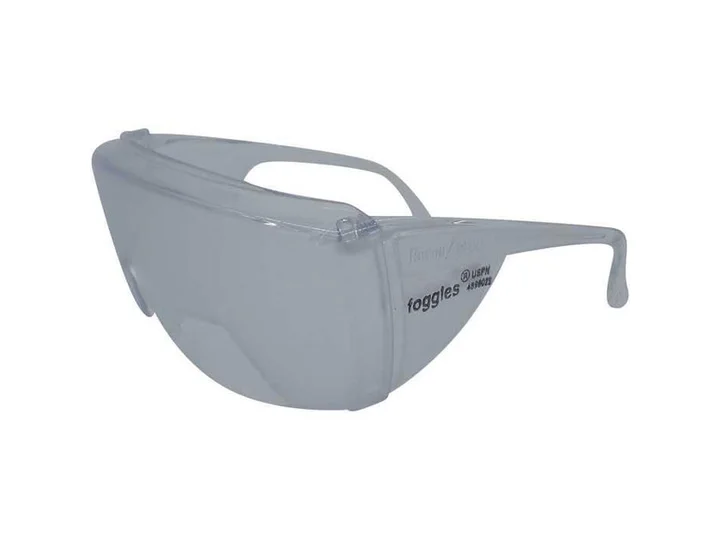 Instrument trainingFoggles Aviation IFR Training GlassesCheck current availability on Amazon (paid link)
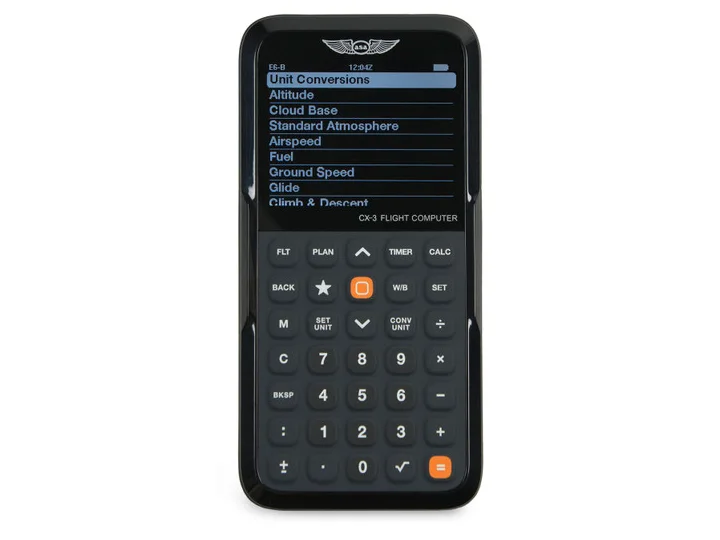 Flight planningASA CX-3 Flight ComputerCheck current availability on Amazon (paid link)
- A minimum of 50 hours of cross-country flight time as pilot in command, including at least 10 hours in airplanes.
- At least 40 hours of actual or simulated instrument time, with 15 hours from an authorized instructor.
- Completion of an instrument knowledge test and a practical test with an FAA-designated examiner.
Meeting these requirements demands consistent training and study, which directly impacts the timeline for completing the rating.
Common Factors That Slow Instrument Rating Progress
Many students find their instrument rating timeline extended due to several recurring challenges. Recognizing these early can help you avoid unnecessary delays.
1. Inconsistent Training Schedule
One of the most significant contributors to prolonged training is an irregular flying schedule. Gaps between lessons can lead to skill degradation, requiring additional review and practice to regain proficiency. Weather, work commitments, or personal obligations often cause interruptions, but maintaining a steady pace is crucial for efficient progress.
2. Weather-Related Delays
Instrument training relies heavily on flying in actual or simulated instrument conditions. While simulators can provide valuable experience, real-world weather conditions are essential for meeting FAA requirements. Extended periods of VFR weather or poor weather that grounds flights can both disrupt training continuity.
3. Insufficient Ground Study
The instrument rating knowledge test covers complex topics such as IFR regulations, navigation systems, and weather interpretation. Students who underestimate the study time needed often struggle to pass the knowledge test promptly, delaying their ability to progress to practical training phases.
4. Limited Access to Flight Instructors and Aircraft
Scheduling conflicts with instructors or aircraft availability can create bottlenecks. High demand at busy flight schools or limited instructor availability may force students to wait for lessons, extending the overall timeline.
5. Test Preparation and Scheduling Challenges
Preparing for the FAA practical test requires thorough practice and confidence. Some students delay scheduling the test due to apprehension or incomplete preparation. Additionally, examiner availability can affect scheduling, especially in high-traffic regions.
Strategies to Stay on Track with Your Instrument Rating Timeline
Despite these challenges, there are effective ways to maintain momentum and keep your instrument rating timeline on target.
1. Establish a Consistent Training Routine
Work with your flight school to create a regular lesson schedule that fits your lifestyle. Consistency helps reinforce skills and knowledge, reducing the need for review and accelerating progress. Even if weather delays occur, aim to keep ground study and simulator sessions frequent to maintain continuity.
2. Utilize High-Quality Instrument Training Programs
Choosing a reputable flight school with structured instrument training can make a significant difference. For example, DuBois instrument rating training offers comprehensive programs designed to guide students efficiently through the FAA requirements with experienced instructors and modern training aircraft.
3. Leverage Technology and Tracking Tools
Keeping track of your flight hours, knowledge progress, and lesson plans can help you identify gaps and stay motivated. Tools like the Pilot Training Tracker progress tools provide detailed logs and analytics, enabling you to monitor your progress and plan your next steps effectively.
4. Prioritize Ground Study and Knowledge Test Preparation
Dedicate regular time to studying instrument procedures, regulations, and systems. Use FAA-approved materials and consider joining study groups or online forums to deepen your understanding. Passing the knowledge test early in your training timeline allows you to focus fully on practical skills afterward.
5. Plan for Weather and Simulator Use
Maximize simulator training to build proficiency during periods of unfavorable weather. Simulators allow you to practice instrument procedures, navigation, and emergency scenarios safely and efficiently. Combine simulator time with actual instrument flight to meet FAA requirements and build confidence.
Checklist: Staying on Track for Your Instrument Rating
- Set a realistic training schedule: Coordinate with your instructor to plan regular lessons and simulator sessions.
- Track your flight hours: Use tools like Pilot Training Tracker to monitor your cross-country and instrument time.
- Prepare thoroughly for the knowledge test: Study consistently and take practice exams to ensure timely success.
- Maintain proficiency: Avoid long gaps between lessons by supplementing with simulator time and ground study.
- Communicate with your instructor: Discuss progress, challenges, and scheduling to adapt your training plan as needed.
- Schedule your practical test early: Once ready, book your FAA checkride to avoid delays caused by examiner availability.
- Stay motivated and focused: Keep your goals in mind and celebrate milestones to maintain momentum.
Conclusion: Navigating Your Instrument Rating Journey Efficiently
Achieving your instrument rating is a rewarding step that enhances your capabilities as a pilot. While the timeline can be affected by various factors such as weather, scheduling, and study habits, proactive planning and disciplined training can keep you on course. Leveraging structured programs like DuBois instrument rating training and tracking your progress with tools like Pilot Training Tracker can provide the support and accountability needed to complete your rating efficiently. By understanding the common obstacles and applying these strategies, you can confidently navigate your instrument rating timeline and open the door to safer, more versatile flying.