

You've earned the private certificate, started instrument training, and are now looking at a twin wondering whether the rating will lead to work. Multi engine pilot jobs can open the airline, charter, cargo, corporate, survey, and instructional markets, but the rating alone doesn't guarantee a callback. The commercial certificate, instrument proficiency, medical certificate, logbook quality, and amount of recent multi-engine time determine whether the training becomes a career asset or an expensive line on a résumé.
Table of Contents
- What Multi Engine Pilot Jobs Look Like in 2026
- The Eight Main Types of Multi Engine Pilot Jobs
- FAA Qualifications You Need Before Applying
- Expected Pay Ranges by Sector
- Where Hiring Has Normalized and Where It Has Not
- Where to Find Multi Engine Pilot Openings
- A Practical Training and Application Plan
- Common Questions About Multi Engine Pilot Jobs
What Multi Engine Pilot Jobs Look Like in 2026
A paid multi-engine job means more than holding a multi-engine class rating. Under 14 CFR § 61.133, a commercial pilot may act as pilot in command and receive compensation only within the privileges and limitations of the commercial certificate. A private pilot with a multi-engine rating can legally fly the aircraft within private-pilot privileges, but that certificate alone doesn't authorize ordinary paid multi-engine operations.
Two practical options worth comparing
These are specific products pilots commonly compare for this type of flying. Confirm compatibility with your aircraft and instructor before ordering.
 Premium ANR headsetLightspeed Zulu 4 ANR Aviation Headset - Dual GA PlugCheck current availability on Amazon (paid link)
 Premium headsetBose A30 Bluetooth Aviation Headset - Dual PlugCheck current availability on Amazon (paid link)
The career ladder has distinct gates. The multi-engine add-on demonstrates class-specific proficiency. The commercial certificate adds the privilege to perform qualifying paid flying. Airline-track work eventually requires ATP eligibility, including the FAA ATP Certification Training Program for an airplane multiengine ATP pathway. Treating those as interchangeable is one of the fastest ways to misunderstand job minimums.
The market also deserves a candid reading. The Bureau of Labor Statistics pilot outlook projects airline and commercial pilot employment to grow 4% from 2024 to 2034, with about 18,200 openings per year during that period. That's a healthy market, but it isn't a universal hiring guarantee for every new multi-engine graduate.
Most opportunities fall into eight categories:
- Airline flying, usually the clearest long-term airline-track route.
- Charter operations, where pilots may fly passengers, freight, or both.
- Cargo flying, often with demanding schedules and instrument work.
- Corporate aviation, which places a premium on judgment and professionalism.
- CFI, CFII, and MEI instruction, a practical way to build experience.
- Ferry flying, involving aircraft repositioning and careful planning.
- Survey work, which rewards precision and disciplined repetition.
- Aerial work, including specialized missions that may use twins.
A useful starting point is DuBois Aviation's aviation jobs guide, but applicants should judge each opening by its actual aircraft, minimums, operating rules, schedule, and upgrade path. A job that says “multi-engine” may offer excellent professional experience, or it may provide little useful time in command.
The Eight Main Types of Multi Engine Pilot Jobs
The aircraft and mission tell only part of the story. The key question is whether the job builds transferable experience, offers a credible progression, and compensates the pilot fairly for the schedule and responsibility.
Airline flying
Airline first officer work is the most structured path for pilots targeting transport-category operations. Regional and scheduled carriers typically value instrument discipline, multi-crew procedures, and readiness for turbine training. Airline-track candidates generally need commercial, instrument, and multi-engine qualifications before progressing toward ATP standards.
Charter and cargo
Charter pilots may fly light twins, turboprops, or larger aircraft for on-demand passenger and freight missions. Cargo work can involve night operations, irregular schedules, and more independent planning. These roles can build valuable operational judgment, but the quality varies sharply by operator.
Corporate aviation
Corporate pilots serve company flight departments, fractional operators, and private owners. The job includes client communication, trip planning, maintenance coordination, and schedule changes, not just manipulating the controls. Applicants with stronger multi-engine and turbine backgrounds usually compete more effectively for established flight departments.
Instruction, ferry, and survey
An MEI position can be one of the most practical early professional uses of a multi-engine rating. The instructor builds teaching skill while reinforcing systems knowledge and engine-out procedures. Ferry pilots reposition aircraft, while survey pilots fly precise patterns for data collection. These jobs may be accessible earlier than corporate or airline positions, but they can offer limited stability or irregular work.
Aerial work
Aerial work includes specialized missions where the aircraft supports a task beyond transportation. Operators may prioritize applicants who can follow exact profiles, manage equipment, and maintain concentration over repetitive flights. The work can be useful, but applicants should verify whether the position provides meaningful multi-engine time and whether the compensation matches the operating demands.
| Role type | Typical employer | Mission profile | Entry threshold |
|---|---|---|---|
| Airline | Scheduled carrier | Passenger or freight transport | Commercial, instrument, multi-engine, and airline-track qualifications |
| Charter | On-demand operator | Passenger and freight trips | Commercial and multi-engine qualifications, with operator-specific experience |
| Cargo | Freight carrier | Package, mail, or cargo transport | Commercial and multi-engine qualifications, often with strong instrument skills |
| Corporate | Company flight department | Executive and business travel | Commercial or ATP-level qualifications, multi-engine proficiency, professional judgment |
| CFI or MEI | Flight school | Pilot instruction and time building | Commercial certificate, appropriate instructor certificate, and multi-engine privileges for MEI work |
| Ferry | Aircraft repositioning company | Moving aircraft between locations | Commercial privileges, strong planning, and aircraft-specific competence |
| Survey | Mapping or sensor operator | Grid and data-collection flights | Commercial, instrument, multi-engine qualification where required |
| Aerial work | Specialized operator | Mission-based aviation services | Commercial privileges, multi-engine qualification where applicable, and mission training |
Practical rule: A job is valuable when it builds the exact experience required for the next job, not merely because it places a twin in the logbook.
FAA Qualifications You Need Before Applying
You find a promising multi-engine vacancy, then lose it at the certificate screen because your commercial privileges, instrument training, or medical planning is incomplete. Build the qualification ladder before applying. Employers want a clear profile, and the FAA treats a multi-engine airplane as more than a larger single-engine aircraft.

Start with commercial privileges
The first professional gate is the commercial certificate. Meet the aeronautical experience requirements in 14 CFR Part 61 Subpart F, then pass the required knowledge and practical tests. A multi-engine rating added to a private certificate establishes class qualification, but it does not authorize paid flying.
The practical test must match the aircraft class. The FAA Commercial Pilot Airplane Airman Certification Standards cover multiengine land and sea classes. The examiner checks systems knowledge, risk management, aircraft control, performance, and maneuver accuracy against published standards. Treat those standards as your preparation checklist, not as paperwork to review the night before the test.
Add the multi-engine rating correctly
The FAA does not set a fixed flight-hour minimum for a multi-engine rating add-on. You must demonstrate proficiency on the practical test, and many training paths complete the add-on with roughly 10 to 15 hours of dual instruction, according to this multi-engine rating guide. A commercial multi-engine path includes structured multiengine and instrument training beyond a basic add-on.
Train for the failures employers care about: engine-out control, asymmetric thrust, systems management, performance planning, instrument procedures, and workload decisions. A rating with poor retention will not help your application. Be ready to explain recent multi-engine activity, abnormal-procedure priorities, and how you respond as performance deteriorates. In a normalized 2026 hiring market, thin twin experience is a weak differentiator. Mission-specific proficiency is what makes the rating useful.
Plan for ATP requirements
Airline-track pilots must plan for the ATP CTP before the ATP knowledge test. The FAA requires that program for applicants pursuing an ATP certificate with an airplane multiengine class rating or an ATP certificate issued with an airplane type rating. Schedule it as part of the training plan, not after an employer asks for it.
Medical planning belongs at the start. Obtain the medical class expected by your target sector before committing heavily to professional training. Airline applicants generally plan around a first-class medical, while other commercial roles may follow different employer and regulatory expectations. An aviation medical examiner can assess your individual case. No training provider should promise a medical outcome.
Expected Pay Ranges by Sector
Compensation in multi-engine work isn't a single hourly figure. A pilot should compare annual earnings, paid and unpaid duty time, per diem, commuting costs, reserve periods, upgrade prospects, benefits, and the experience gained.
The strongest public benchmark comes from the Bureau of Labor Statistics. In May 2024, the median annual wage was $226,600 for airline pilots, copilots, and flight engineers, compared with $122,670 for commercial pilots. Those figures describe broad occupational categories, not a guaranteed starting salary for a newly rated multi-engine pilot.
| Sector | Compensation pattern | What usually drives progression |
|---|---|---|
| Airline | Higher long-term ceiling, structured pay progression | Seniority, seat, aircraft, and contract terms |
| Cargo | Can offer strong professional experience and specialized schedules | Aircraft category, route system, and seniority |
| Charter | Wide variation between operators | Aircraft complexity, duty schedule, and customer operation |
| Corporate | Compensation may be attractive after experience accumulates | Turbine background, judgment, service skills, and availability |
| Instruction | Often an early career bridge rather than the final financial destination | Student demand, instructor qualifications, and multi-engine work |
| Survey or aerial work | Pay and stability vary by mission and operator | Aircraft, contract length, travel, and specialized duties |
A pilot chasing the highest posted hourly number can still earn less over a year if the schedule produces limited flight time or substantial unpaid availability. Conversely, a modest first professional role may pay off if it provides reliable instrument practice, turbine transition, multi-crew exposure, and a clear route to stronger qualifications.
The pay spread also explains why the multi-engine rating matters. It often acts as a gateway into the higher-certification segments represented by airline and professional commercial work, rather than functioning as a stand-alone entry-level credential. DuBois Aviation's pilot salary guide can help candidates compare airline compensation concepts, but each employer's current offer requires separate review.
Where Hiring Has Normalized and Where It Has Not
A pilot who targets every “multi-engine” opening in 2026 will waste time. U.S. airline hiring has returned to pre-pandemic levels, and AOPA reported that demand had returned to pre-pandemic levels. Hiring continues, but it is no longer a blanket shortage story. Established airline markets may be selective, while niche operators still need pilots with the right aircraft, location, and work authorization.

Read global forecasts as regional guidance
Boeing's 2025 to 2044 Pilot and Technician Outlook projects 660,000 new pilots globally and 119,000 in North America during that period. It also identifies major needs across North America, Eurasia, and Southeast Asia while describing the global market as generally balanced.
A forecast does not guarantee an interview. Visa eligibility can eliminate an otherwise qualified applicant, and local hiring may depend on fleet growth, maintenance capacity, fuel costs, and whether an operator can keep aircraft productive. A region adding routes may still offer limited entry-level seats if its fleet economics favor experienced crews.
Follow the aircraft economics
Senior roles can support better compensation because complex aircraft, multi-crew procedures, and higher utilization create more value for the operator. Entry-level work may offer less money, yet provide access to turbine equipment, instrument operations, and scheduled multi-crew experience. Choose the job that builds relevant experience, not the listing with the largest hourly figure.
The practical market is split between normalized airline hiring and narrower demand in cargo, charter, instruction, survey, and specialized operations. Public multi-engine pilot job postings show how widely employer expectations vary, from early professional openings to command positions requiring substantial experience.
Apply where your qualifications match the aircraft and the operator's economics. A multi-engine rating starts the conversation. Relevant operational evidence gets the interview.
Where to Find Multi Engine Pilot Openings
A generic job search produces too much noise. Pilots should search by aircraft class, operation type, certificate requirement, and mission instead of relying only on the phrase “multi-engine pilot.”
Use a prioritized search routine
Start with operator career pages and aviation-specific job boards. Search terms should combine the target role with the aircraft or operation, such as “twin-engine survey,” “light charter first officer,” “multi-engine instructor,” or “cargo turboprop.” Review the listing's certificate, medical, total time, PIC time, multi-engine time, instrument currency, and geographic requirements before applying.
Then contact operators directly. Busy towered airports, charter bases, survey companies, cargo operators, and flight schools often know about upcoming needs before a formal listing appears. A short, professional email with a résumé, certificate summary, medical status, availability, and logbook totals is more useful than a generic request for “any pilot jobs.”
Make the application easy to evaluate
The résumé should let a chief pilot find the relevant information quickly:
- Certificate summary: List commercial, instrument, and multi-engine privileges clearly.
- Time breakdown: Separate total, PIC, multi-engine, instrument, cross-country, and recent experience.
- Aircraft detail: Identify aircraft flown and whether the time was dual, PIC, or instructional.
- Operational record: Include instructor experience, check airman duties, safety roles, or standardization work when applicable.
- Availability: State location, start date, travel flexibility, and willingness to relocate.
The logbook needs the same discipline. Keep electronic records current, reconcile totals, and flag unusual entries before an interview. Operators may ask candidates to explain an engine-out scenario, calculate performance, discuss weather decisions, or describe how they manage checklist discipline under pressure.
Choose interviews for career value
Applicants should ask who provides training, how proficiency is maintained, what insurance requirements apply, whether the role is employee or contract work, and how much multi-engine time pilots receive. A position that advertises a twin but schedules little flying may not justify relocation or unstable income.
The strongest outreach combines a realistic target with a clear reason. An MEI candidate should present teaching qualifications and aircraft-specific readiness. A charter applicant should emphasize instrument discipline, customer professionalism, and operational judgment. A survey applicant should demonstrate precision, patience, and comfort with repetitive profiles.
A Practical Training and Application Plan
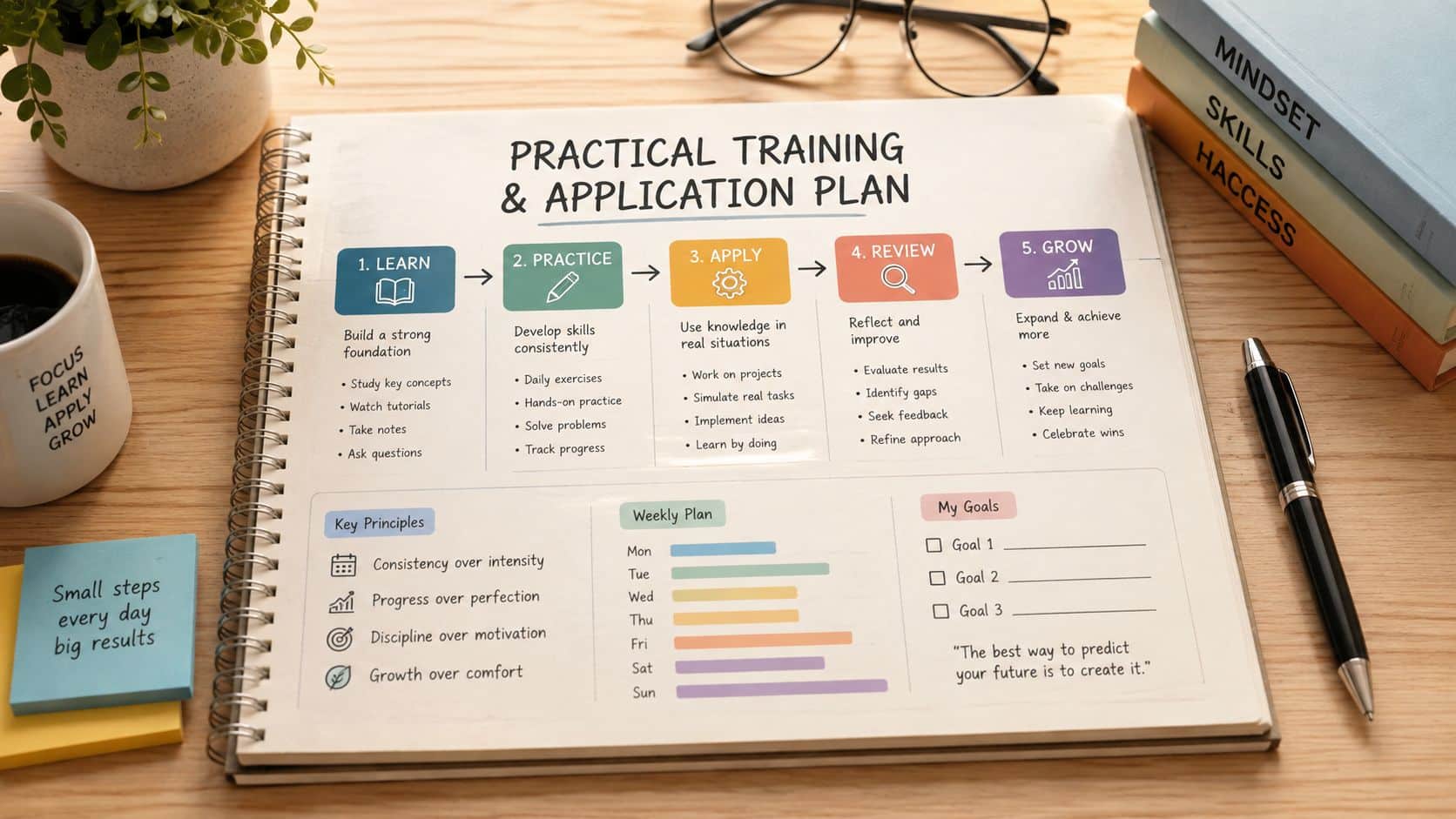
A sensible plan begins with the intended job, not with collecting ratings at random. Students should identify whether the target is airline, charter, corporate, instruction, survey, or another niche operation, then build certificates and experience in the order that employers recognize.
Build the certificate sequence
- Complete private pilot training. Establish sound aircraft control, navigation, communications, and decision-making habits before moving into complex aircraft.
- Add the instrument rating. Professional multi-engine work depends on disciplined instrument procedures and workload management.
- Earn the commercial certificate. Use the Part 61 requirements and commercial ACS as the governing references.
- Add multi-engine privileges. Choose an add-on or integrated commercial multi-engine path based on the target employer and training schedule.
- Pursue CFI, CFII, and MEI where appropriate. Instruction can provide structured experience and make multi-engine time more productive.
- Prepare for ATP requirements. Airline-track pilots should plan the ATP CTP and knowledge test at the proper stage, rather than treating them as last-minute paperwork.
Hours and cost should be budgeted from the school's current aircraft rate, instructor rate, checkride availability, and the student's proficiency. The verified training guidance supports roughly 10 to 15 hours of dual instruction for many multi-engine add-ons, but the checkride standard remains proficiency-based, so no responsible advisor can promise a fixed final total.
At Chino Airport, a student can ask DuBois Aviation about the multi-engine time-building option, aircraft availability, MEI scheduling, simulator support, and how the school's Piper Apache training fits the intended job. The aircraft fleet and a discovery flight can help a prospective renter or student understand the training environment before committing to a longer program.
Apply while training remains relevant
A student shouldn't wait until every career credential is complete before learning how employers evaluate applications. Build a clean résumé early, track multi-engine and instrument totals, practice technical explanations, and speak with operators about realistic minimums.
Training frequency matters more than rushing into a checkride with weak retention. Students should arrive prepared, chair-fly emergency procedures, review aircraft systems, and schedule lessons consistently enough to preserve proficiency. The goal isn't merely to pass the practical test. It's to leave training ready to explain, demonstrate, and defend safe decisions in an employer interview.
Common Questions About Multi Engine Pilot Jobs
Can I fly twins with only a private license?
A private certificate can support training and personal multiengine flying, but it does not qualify you for paid commercial operations. Passenger carrying, instruction, charter, and airline work require the certificate, ratings, medical eligibility, and operating privileges that match the job. Choose the target role first, then build only the credentials it requires.
How long does multi-engine training typically take?
The timeline depends on aircraft availability, instructor scheduling, lesson frequency, and your proficiency. A focused add-on can move quickly, but irregular training creates extra review and more flight time. Plan for consistent lessons, chair-fly emergency procedures, and confirm the school's aircraft and instructor availability before paying for a course.
Can I take a multiengine checkride before building a career résumé?
Yes. The checkride demonstrates practical-test proficiency, not employer readiness. After the rating, keep instrument skills current, log meaningful multiengine experience, and apply to publicly listed multi-engine pilot openings that match your present qualifications. Hiring has normalized in some broad entry-level paths, so niche operators may offer a better target than generic applications.
What should I ask a flight school before enrolling?
Ask how aircraft downtime, instructor coverage, maintenance delays, simulator use, and checkride scheduling affect the plan. DuBois Aviation offers private, instrument, commercial, multi-engine, and instructor training, plus aircraft rental at Chino Airport. Visit DuBois Aviation and request a current course outline tied to your target job and logbook.