
Updated October 1, 2026
Airline pilot salary: how pay progresses from first officer to captain
Airline pilot pay usually starts with a contractual hourly rate multiplied by credited time. Seniority, seat, aircraft, guarantees and premium work can change earnings substantially. A first-year first officer should not budget around a senior captain’s pay, and an airline pilot’s credited hours are not the same as a conventional 40-hour workweek.
Two practical options worth comparing
These are specific products pilots commonly compare for this type of flying. Confirm compatibility with your aircraft and instructor before ordering.
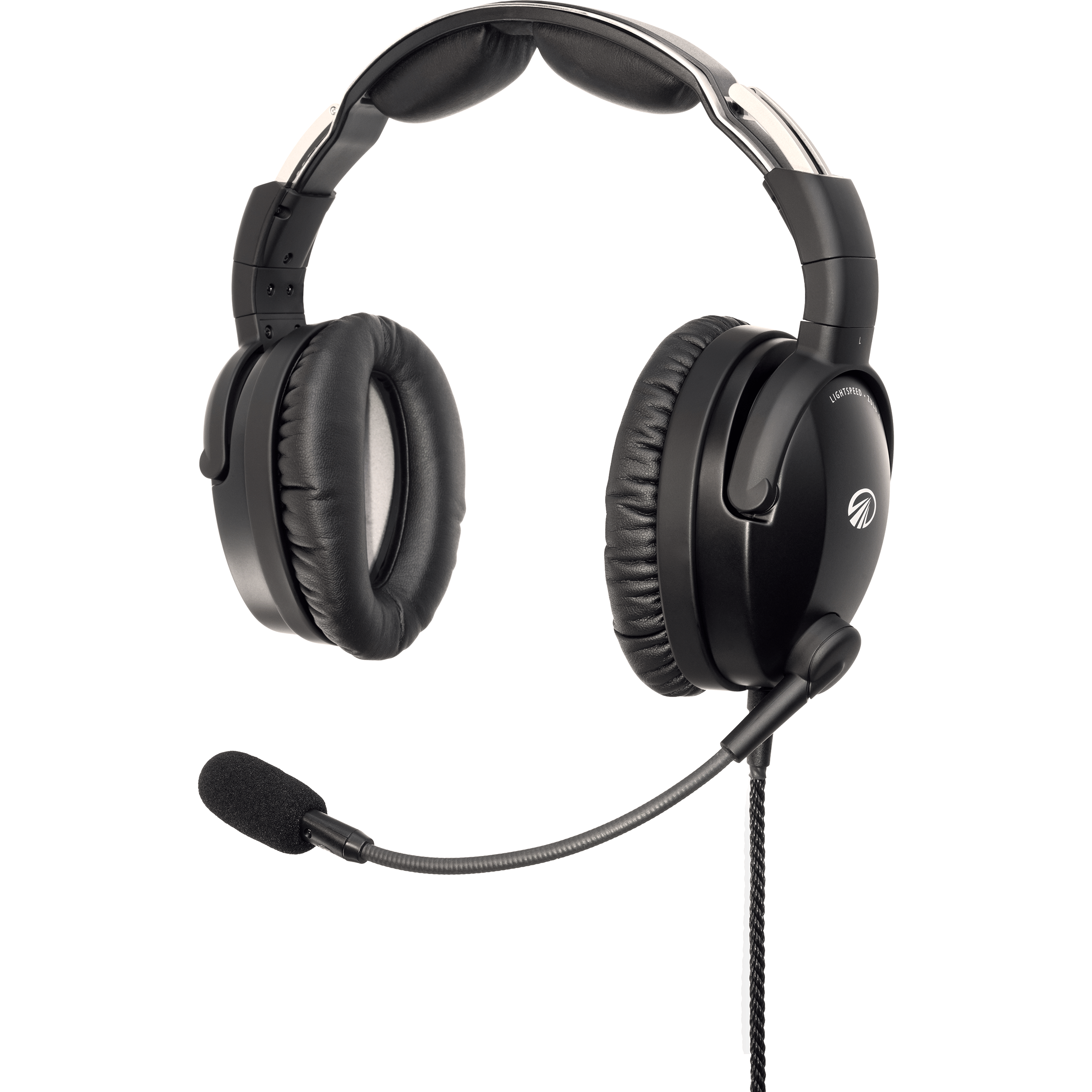 Premium ANR headsetLightspeed Zulu 4 ANR Aviation Headset - Dual GA PlugCheck current availability on Amazon (paid link)
 Premium headsetBose A30 Bluetooth Aviation Headset - Dual PlugCheck current availability on Amazon (paid link)
This guide explains career-stage pay and how to read an offer. For differences between employers, see our separate airline compensation comparison.
A dated benchmark, not a starting-salary promise
The U.S. Bureau of Labor Statistics reports a May 2025 median annual wage of $232,140 for airline pilots, copilots and flight engineers and $123,220 for commercial pilots. These are separate occupation-wide measures across experience levels, not first-year airline offers or guaranteed earnings after flight school.
Stage 1: training and building experience
Flight training is an investment before airline employment. Private, instrument, commercial and instructor training serve different purposes; completing a certificate does not guarantee a job. An instructor or other commercial flying job may help you build experience, but compensation, available work and hiring requirements vary.
Build a training budget that does not depend on an assumed airline hire date. Ask about training costs, the next appropriate certificate and your own weekly availability before borrowing for a career program.
Stage 2: a new airline first officer
Compare the employer’s actual first-year pay scale, not its maximum advertised captain rate. Read the provisions for training pay, reserve guarantees, credited time, benefits eligibility and base assignment. Find out whether relocation or commuting would add costs you are not expecting.
A published hourly rate alone is not an annual salary. Your actual contract determines how flight, training, reserve and other assignments receive credit. Ask for a written explanation of the guarantee and the conditions that apply during initial training and probation.
Stage 3: an experienced first officer
Longevity increases may raise the pay rate while seniority affects access to bases, schedules, aircraft and upgrades. Moving to another airline can mean starting again on that airline’s seniority list. Compare the likely career path and quality of life alongside the pay scale; do not assume that an upgrade will occur on a fixed timetable.
Stage 4: captain
Captain pay depends on the aircraft, contractual longevity step and applicable agreement. A senior widebody captain and a newly upgraded narrowbody captain are different comparisons. Upgrade timing depends on openings, qualifications, training and seniority, not simply on reaching a specified number of years in the industry.
Turn an hourly rate into a useful planning estimate
For a simplified base-pay illustration, multiply the applicable hourly rate by the contract’s monthly credit or guarantee, then by 12. For example, $100 per credited hour × 75 credited hours × 12 = $90,000. Those are hypothetical numbers, not a DuBois promise or an airline’s current pay offer.
That illustration excludes taxes, unpaid periods, premium trips, bonuses and other contract rules. Per diem is an expense allowance and should not be treated as identical to base wages. Employer retirement contributions and health benefits also belong in a separate total-compensation comparison.
A checklist for comparing a real airline offer
- Match the role: first officer or captain, aircraft, longevity step and effective date.
- Read the guarantee: monthly credit, training and reserve conditions, and any exclusions.
- Separate compensation: base pay, premium pay, bonuses, retirement contributions and expense allowances.
- Include practical costs: taxes, commuting, relocation, healthcare and the training investment that got you there.
- Check the agreement: use the airline and its pilots’ official contract or recruiting information, and distinguish an effective agreement from a proposed one.
Frequently asked questions
Can I use a published senior-captain salary to plan loan repayments?
No. It represents a different career stage. Stress-test your training budget and repayment obligations against your current resources, possible delays and a realistic first job, rather than relying on future maximum earnings.
Does the highest hourly rate mean the highest annual income?
Not necessarily. Credited time, work rules, benefits, schedule, aircraft assignment and premium work differ. Compare the same seat and longevity step before comparing employers.
Where should a new student begin?
Discuss your goal and a realistic training plan with an instructor. DuBois Aviation provides flight training at Chino Airport. Call 909-597-6292 or contact the school to discuss your next step. Training is not a guarantee of airline placement or income.
Sources checked October 1, 2026: BLS occupational wages (May 2025) and ALPA’s pilot pay and benefits overview. The old estimated 2024 carrier tables have been removed rather than presented as current 2026 pay.