Moving from commercial pilot to CFI means learning to teach, not merely flying commercial maneuvers from the other seat. You must explain a task, recognize a student’s mistake, manage risk, and help the student improve while remaining responsible for the flight.
This guide focuses on an initial airplane single-engine flight instructor certificate. Other categories and instructor add-ons have different details. Use the linked FAA rules and standards with a qualified instructor to evaluate your own records.
Two practical options worth comparing
These are specific products pilots commonly compare for this type of flying. Confirm compatibility with your aircraft and instructor before ordering.
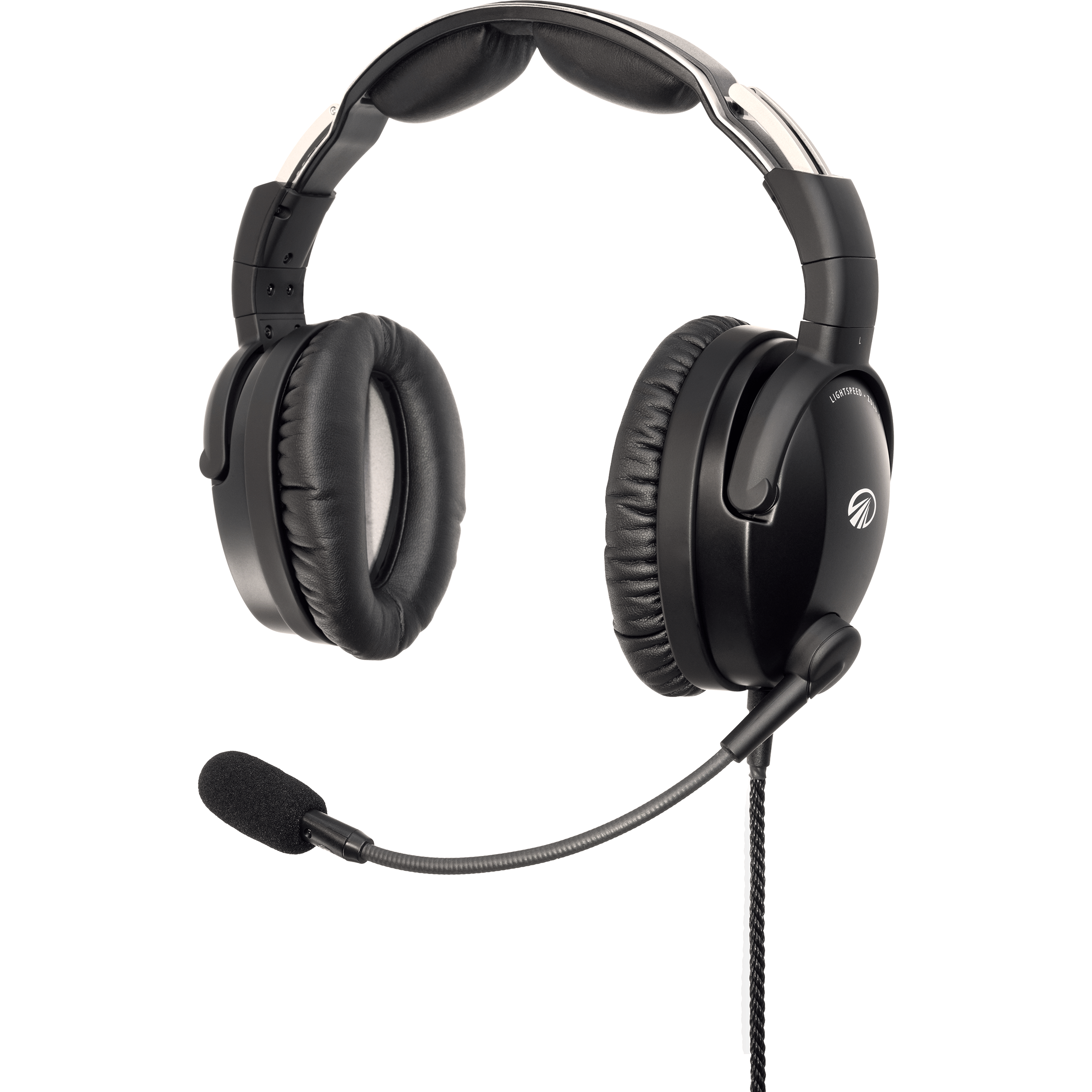 Premium ANR headsetLightspeed Zulu 4 ANR Aviation Headset - Dual GA PlugCheck current availability on Amazon (paid link)
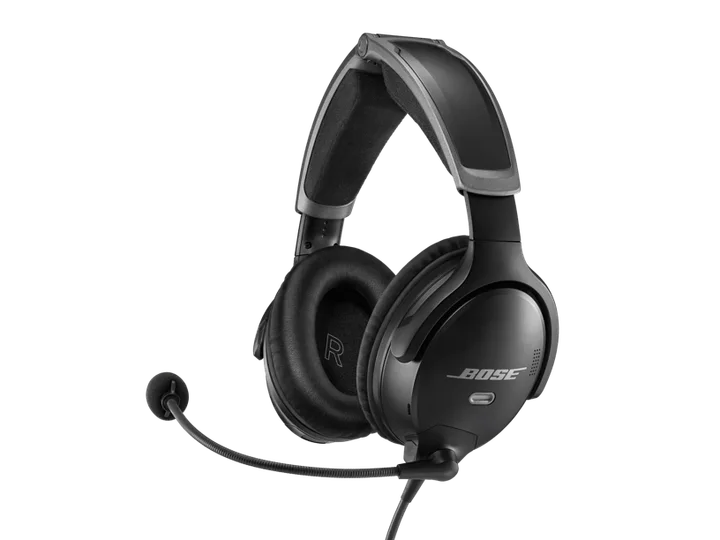 Premium headsetBose A30 Bluetooth Aviation Headset - Dual PlugCheck current availability on Amazon (paid link)
Check eligibility before booking a course
Under 14 CFR 61.183, an applicant must be at least 18, meet the English-language requirement, and hold a commercial or ATP certificate with the appropriate category/class. For an airplane CFI, the required instrument rating or appropriate instrument privileges also apply. At least 15 hours PIC in the applicable category and class are required.
The same section addresses knowledge tests, training endorsements, the practical test, and instructional proficiency in stalls and spins. Review the entire rule; holding a commercial certificate alone does not make an applicant ready for the CFI practical test.
Plan the knowledge tests correctly
The initial airplane path normally includes the Fundamentals of Instructing (FOI) and the appropriate instructor aeronautical-knowledge test. FOI exceptions exist for specified instructor-certificate holders and qualified teachers; the exception does not remove the obligation to understand and teach effectively. Have your instructor confirm which tests and endorsements apply rather than assuming every applicant has the same checklist.
61.185 describes the knowledge areas. Study learning, communication, assessment, risk management, and instructor responsibilities alongside the technical airplane material.
Build lessons you can actually teach
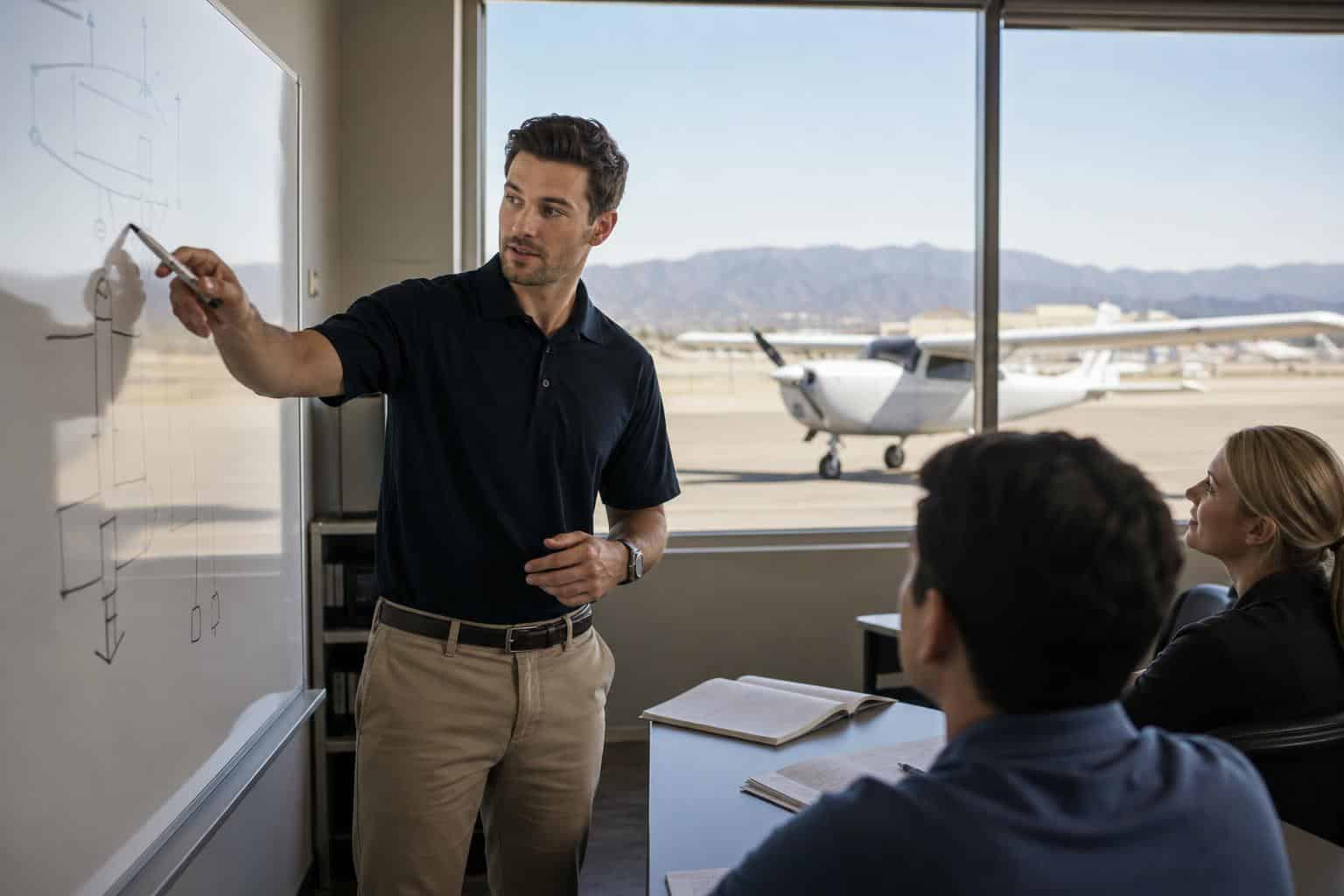
Organize each lesson around an objective, the reason it matters, required references, a clear explanation, common mistakes, risk controls, and a way to assess understanding. Start with a short version you can explain at a whiteboard. Then practice adapting it when a student asks an unexpected question.
- Explain: connect the maneuver to its aerodynamic principles and aircraft limitations.
- Demonstrate: use the applicable checklist and an organized instructional sequence.
- Observe: identify the cause of a deviation rather than only announcing the error.
- Coach: give a useful correction and confirm the student understands it.
The FAA Flight Instructor for Airplane Category ACS is the assessment standard. It is not a substitute for a syllabus, aircraft flight manual, or the FAA instructor and flying handbooks.
Complete flight and spin preparation
Work with an instructor qualified to train initial CFI applicants. Prepare to teach from the instructor seat, monitor a simulated student’s actions, and manage workload without neglecting aircraft control. The required flight areas are in 61.187; initial-instructor trainer qualifications are addressed in 61.195.
For the airplane CFI, the spin endorsement requires training and demonstrated instructional proficiency in the specified stall/spin areas in an aircraft certificated for spins. A video, a ground-only discussion, or a generic stall lesson does not replace it. DuBois Aviation lists spin training and endorsement in our Cessna 150 at $499; confirm scheduling, suitability, and course details with the office. Never attempt spin practice outside the aircraft’s approved limitations or without the required preparation and instruction.
Prepare the paperwork before the practical test
Review identification, pilot certificates, test results, endorsements, logbook totals, the application, and the aircraft’s documents with your instructor. Medical eligibility depends on the privileges and role being exercised; do not assume that a CFI certificate by itself requires a second-class medical for every instructional activity. Check 61.23 and the requirements for your planned flight and test.
Book a mock teaching session as well as a mock flight. A strong final review should expose gaps before the practical test, not simply rehearse memorized speeches. Examiner availability varies, so coordinate the date only after the training team and examiner have confirmed readiness and logistics.
Budget for more than airplane time
Include flight and ground instruction, aircraft rental, spin training, knowledge tests, materials, the examiner’s fee, and aircraft time during the test. DuBois Aviation’s standard single-engine instructor rate is $69/hour. Rental and other charges are additional; the final amount depends on preparation and proficiency.
Ask for a CFI training plan with your certificates, experience, test status, and available training days. See the course options and career pathway. Completion does not guarantee a teaching position or airline employment.


