
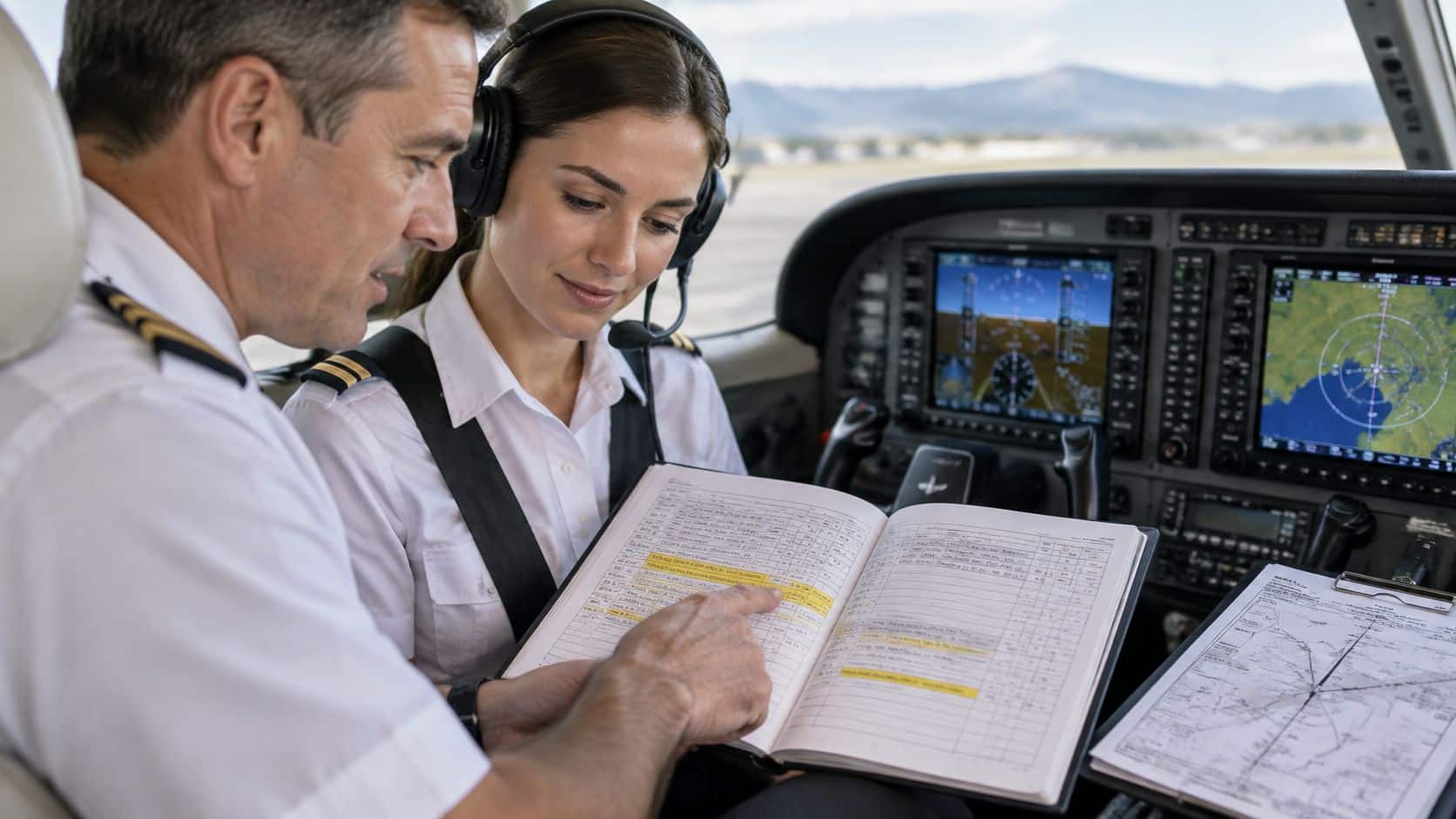
Does an instructor's signature mean a student is ready for a test, or legally ready to fly under IFR? Instrument rating endorsements are an authorized instructor's written attestations of readiness for the instrument knowledge test and, separately, the practical test. They document preparation for those examinations, not permission to act as pilot in command under IFR.
That distinction matters throughout training. A completed lesson, a qualifying logbook entry, an instructor endorsement, and an instrument rating each serve a different purpose.
Table of Contents
- Instrument Rating Endorsements at a Glance
- Prerequisites, Records and Logbook Errors
- Knowledge Test Endorsement and What It Confirms
- Practical Test Endorsement and Readiness Standard
- Endorsement Rules by Rating Category and Device
- What the Rating Allows After the Endorsements Are Done
- Confirm Your Endorsement Path Before You Book
- Frequently Asked Questions About Instrument Rating Endorsements
Two practical options worth comparing
These are specific products pilots commonly compare for this type of flying. Confirm compatibility with your aircraft and instructor before ordering.
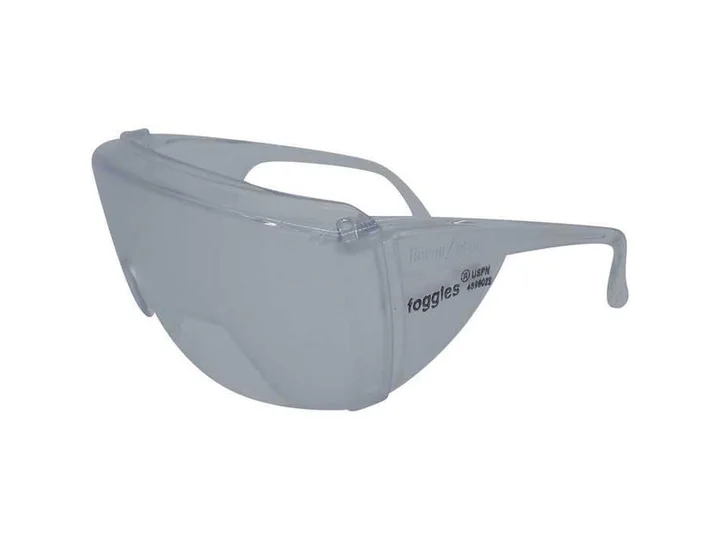 Instrument trainingFoggles Aviation IFR Training GlassesCheck current availability on Amazon (paid link)
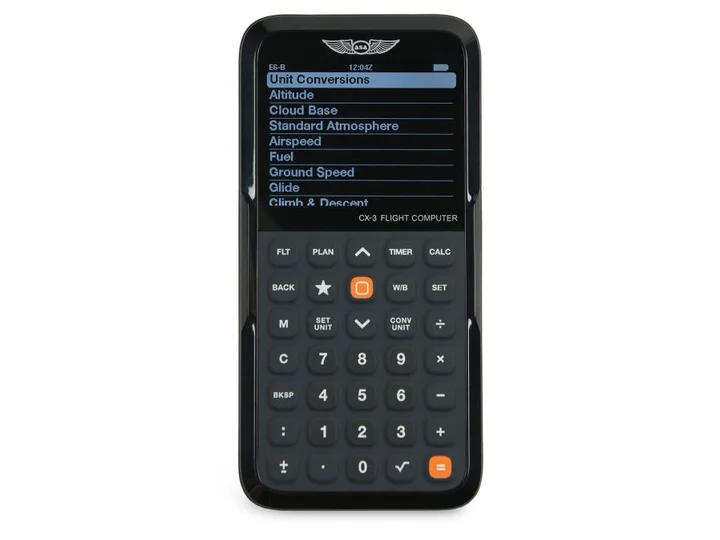 Flight planningASA CX-3 Flight ComputerCheck current availability on Amazon (paid link)
Instrument Rating Endorsements at a Glance
What does each instrument rating endorsement tell you? It records an instructor's judgment that you are prepared for a particular step. It is separate from logged lessons, and it does not grant the operating privilege to fly under instrument flight rules.
The federal instrument-rating requirements set out distinct knowledge-test and practical-test endorsements within the certification process. The table summarizes the sequence. Ground study and flight training may overlap, but each requirement still needs to be addressed.
Instrument rating endorsement requirements in order
| Requirement or endorsement | Who issues or completes it | When it applies | Regulatory source |
|---|---|---|---|
| Private pilot certificate with the applicable category rating | Applicant holds it or applies for it concurrently | Eligibility is established before the endorsement | Federal instrument-rating rule |
| Ground training or approved home-study course | Applicant completes and logs it | Before the knowledge-test endorsement | Federal instrument-rating rule |
| Knowledge-test endorsement | Authorized instructor | Before the instrument knowledge test | Federal instrument-rating rule |
| Logged instrument training | Instructor and student record it | Before the practical-test endorsement | Federal instrument-rating rule |
| Practical-test endorsement | Authorized instructor | After preparation and performance support readiness for the practical test | Federal instrument-rating rule |
| Instrument practical test | Applicant takes it with an FAA examiner or authorized designee | After applicable eligibility and endorsement requirements are satisfied | Federal instrument-rating rule |
A logbook entry describes training completed; an endorsement adds the instructor's attestation that the required preparation supports taking the relevant test. Neither document, on its own, gives you permission to act as pilot in command under IFR. The rating provides that privilege once earned, subject to applicable rules.
The FAA's Civil Airmen Statistics report listed 355,473 active instrument ratings in 2025. With that many active ratings, careful endorsement records are a routine part of instruction.
Practical rule: A training entry records what happened. An endorsement states what the instructor is prepared to certify.
Use the table to organize the sequence, then compare your records with the current regulation and its effective dates before scheduling an examination. An endorsement is not a substitute for checking that the applicable requirements have been met.
Prerequisites, Records and Logbook Errors
An instructor can evaluate flying skill only after establishing which requirements apply to the applicant. A neat logbook doesn't solve a category mismatch, and a strong practice flight doesn't replace missing training documentation.
Under 14 CFR §61.65, the instructor's prerequisite review should address the following:
- Certificate eligibility. The applicant must hold, or concurrently apply for, the appropriate private pilot certificate and category rating.
- Ground preparation. Required ground training or an approved home-study course must be completed and documented.
- Instrument training. Logged training must cover the applicable regulatory areas of operation.
- Aeronautical experience. The record must satisfy the applicable category-specific experience requirements, including the distinctions between instrument experience, instructor-provided training, and allowable device credit.
The airplane requirements shouldn't be reduced to a single total labeled instrument training. The instructor must classify the entries correctly before deciding whether the applicant satisfies the rule.
Correct the record while the lesson is fresh
A common paperwork problem is an unsigned or incomplete training entry. The practical correction is to review the entry at the end of the lesson, while the aircraft, procedures, training conditions, and instructor involvement are still easy to identify.
The published federal rule text on category and device requirements also supports keeping category-specific records and matching device use to the rating and procedures involved. An airplane training record shouldn't be treated as a substitute for helicopter-specific preparation.
| Mistake | Why it causes a problem | Correct practice |
|---|---|---|
| Endorsing after a set number of lessons | Lesson count doesn't establish practical-test readiness | Confirm consistent performance to the applicable standard |
| Treating simulator time as aircraft time | Device credit has its own qualifications and limits | Map each entry to its approved use |
| Mixing airplane and helicopter endorsements | Category-specific preparation isn't interchangeable | Maintain clearly separated category records |
| Assuming an endorsement permits IFR flight | Test readiness isn't an operating privilege | Confirm the applicable rating has been issued |
| Leaving ground training or logbook entries unsigned | The instructor lacks a complete supporting record | Review and sign entries promptly |
For a weekly review, the student and instructor should check:
- Entries: Dates, aircraft or device identification, training descriptions, and signatures.
- Experience categories: Correctly separated aircraft, device, actual-instrument, and simulated-instrument entries.
- Outstanding work: Missing knowledge topics, experience requirements, and tasks needing practice.
DuBois Aviation emphasizes preparation, checklists, aircraft limitations, weather decisions, and honest conversations about readiness. Its instrument-rating hours guide gives students a starting point for discussing how training and record reviews fit together.
Knowledge Test Endorsement and What It Confirms
What does a knowledge-test endorsement confirm? It attests that the applicant has completed the appropriate ground preparation and is ready to take the instrument knowledge examination. The signature records an instructor's readiness judgment at this stage of training.
That judgment rests on the learning record and the student's understanding. A student might explain an approach chart at a desk yet need practice applying its information while managing cockpit tasks.
What the instructor reviews before signing
- Establish the intended rating. The instructor checks certificate eligibility and identifies the aircraft category so the preparation matches the examination the applicant plans to take.
- Review the learning record. Ground-training entries or home-study completion documentation should show that the required preparation has been completed.
- Discuss weak subjects. Ask the student to explain approach charts, weather products, navigation concepts, and IFR procedures in their own words. This reveals whether they can apply the ideas rather than recall familiar answer choices.
- Complete the endorsement accurately. The entry should identify the intended examination and include the appropriate date and instructor certification details.
- Explain the next checkpoint. The student should know how the knowledge-test result fits into later practical-test preparation and paperwork.
The regulation sets the endorsement requirements; the instructor's review supports the signature by confirming that the required preparation is documented and the student is ready for the exam. Weeks of study alone do not establish that the learning record is complete or that the material is understood.
A useful ground review asks the student to explain a decision, not merely select an answer.
For example, the instructor could ask the student to interpret an approach chart, identify information needed for a weather decision, and explain how an IFR clearance affects a planned departure. These questions can expose misunderstandings before the exam. They also connect classroom knowledge to decisions the student will later need to make in flight.
A passing knowledge-test result confirms performance on an academic examination. It does not show whether the student can maintain an instrument scan while copying a clearance or briefing an approach. Those are cockpit tasks, and they call for their own practice and assessment.
The FAA instrument-rating knowledge-test guide can help students organize their academic preparation. The endorsement records what the instructor has reviewed and confirms readiness for the knowledge examination. It is a training attestation, not permission to operate under IFR.
Practical Test Endorsement and Readiness Standard
A student may fly repeated approaches successfully, then lose altitude control when an instrument indication becomes unavailable. That gap matters: the endorsement records an instructor's judgment that the student can meet the applicable practical test standard, not merely that lessons have been logged.
The instructor assesses how well the applicant combines aircraft control, procedures, communication, and judgment without routine coaching. One successful approach is only one piece of the picture. Performance should hold across a realistic sequence of tasks.
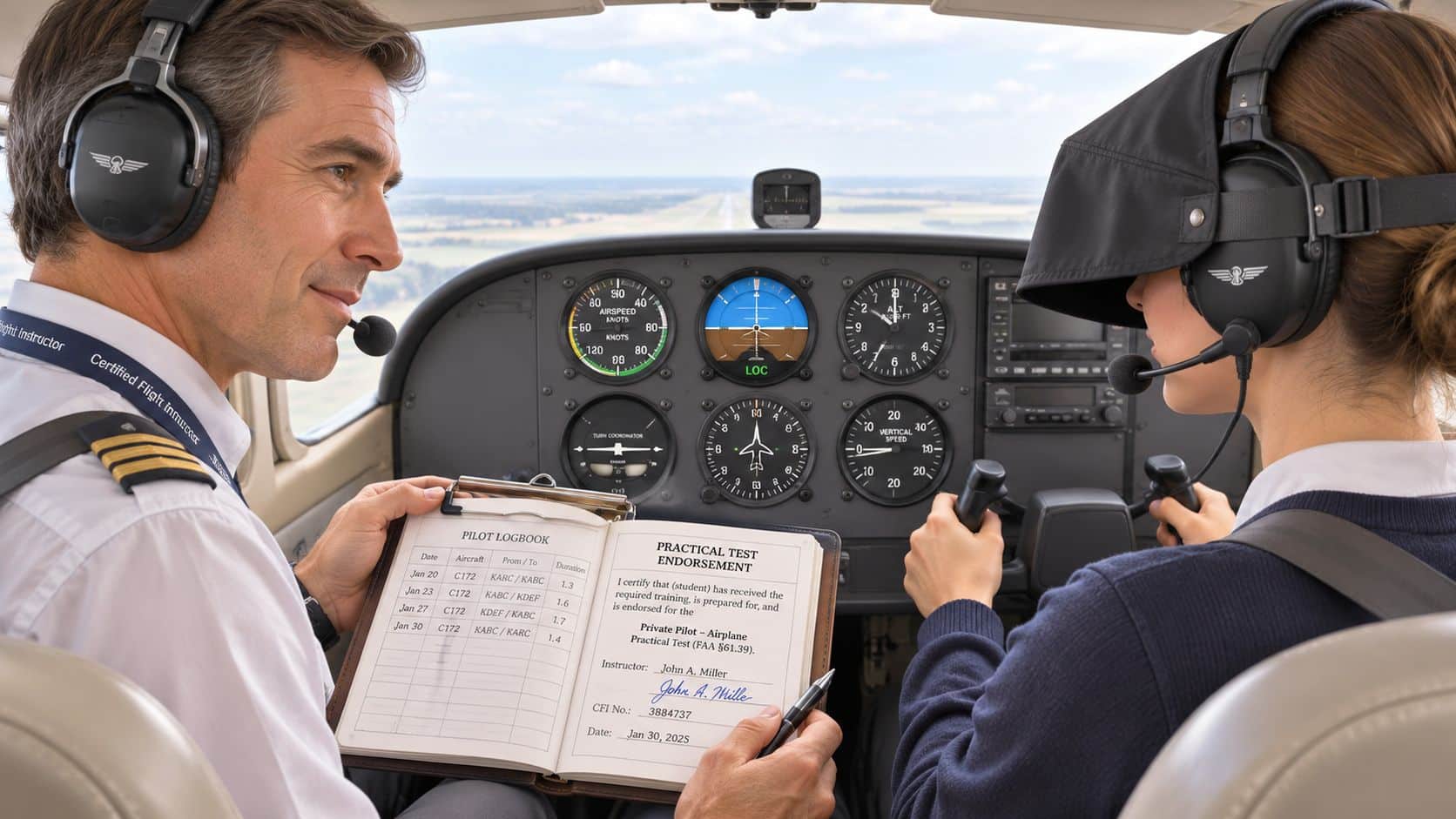
What readiness looks like in practice
The instructor uses the current test standard for the aircraft and rating to guide review. Depending on that standard, preparation may cover:
- Departures and aircraft control: Instrument departure tasks, transitions, and control as workload increases.
- Navigation and holding: Setup, interception, tracking, entry decisions, and situational awareness.
- Approaches: Precision and nonprecision procedures, briefings, and stable task management.
- Missed approaches: Timely execution, aircraft configuration, navigation changes, and communication.
- Abnormal situations: Applicable partial-panel work, unusual-attitude recovery, and equipment-failure management.
- Operational judgment: Weather decisions, aircraft limitations, radio procedures, and coordination with ATC.
These topics help direct instruction; the applicable test document sets the performance criteria. If a student loses altitude control during an instrument failure, more practice may be needed, but repeating the task may not address the cause. The instructor can focus training on the scan, workload, or procedure behind the error.
Records and performance must agree
Before signing, the instructor checks that the applicant's eligibility, rating category, ground preparation, aircraft or device entries, and practical-test preparation are consistent. A discrepancy should be resolved before the endorsement is used to support a test appointment.
DuBois Aviation's Pilot Training Tracker helps students see completed tasks, skills to practice, and the next training stage. It does not replace instructor judgment or FAA requirements. The school's checkride checkout reviews flight and ground preparation before the FAA practical test. It is separate from the examiner's checkride and does not promise a passing result.
If weather or examiner scheduling changes the appointment, the student and instructor can reschedule while keeping the readiness decision tied to performance. An appointment date does not change what the endorsement attests to.
Endorsement Rules by Rating Category and Device
An airplane instrument endorsement shouldn't be treated as interchangeable with a helicopter or powered-lift endorsement. The instructor must match the applicant's preparation, records, and intended test to the rating sought.
Equipment also needs careful identification. A training device may be valuable for learning a procedure without being authorized for every kind of certification credit or practical-test task.
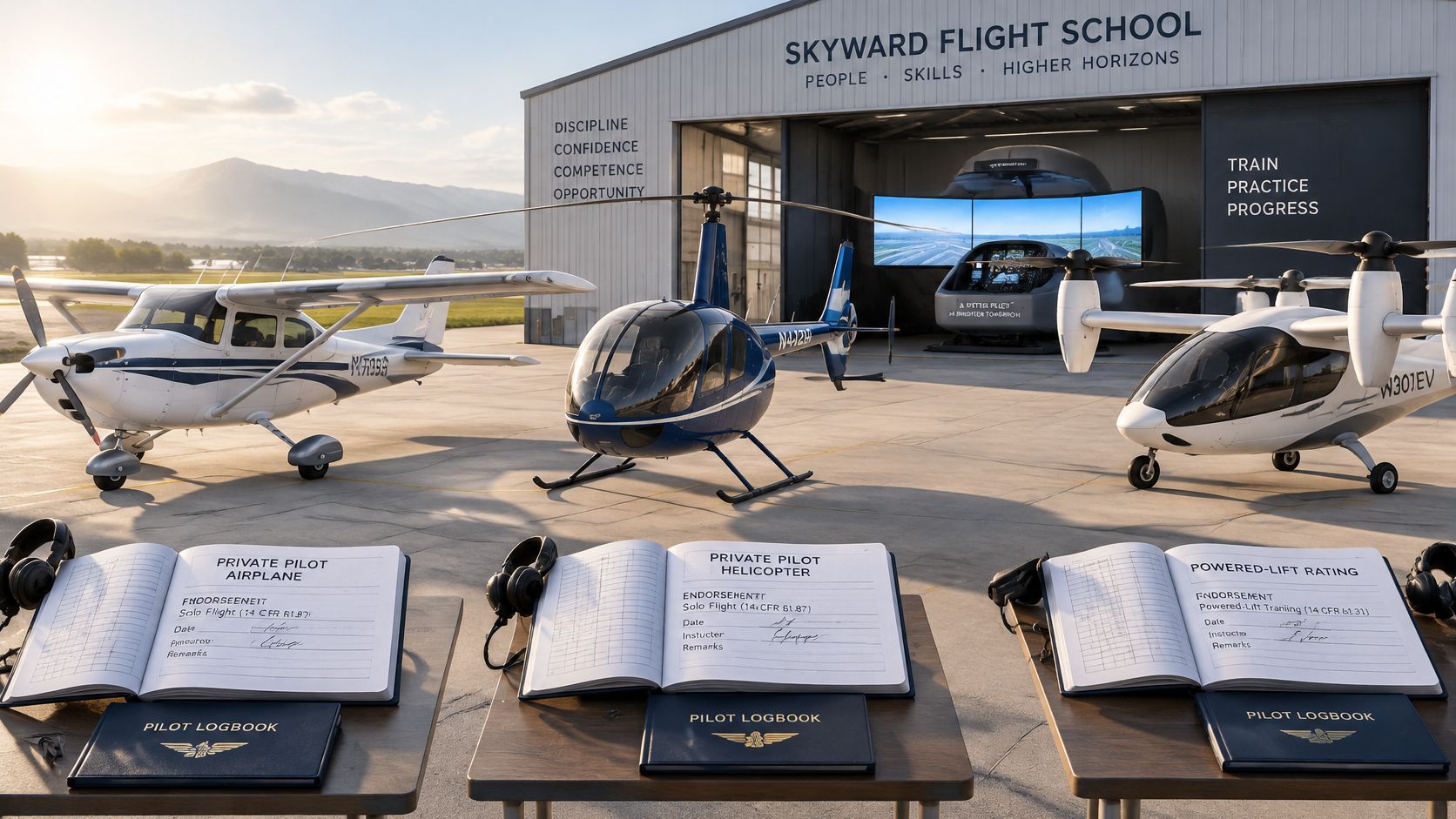
Endorsement and device rules by rating category
| Rating category | Aircraft or device for practical test | Endorsement records to keep | What to verify |
|---|---|---|---|
| Airplane | Appropriate airplane, full flight simulator, or flight training device for the evaluated maneuver | Airplane knowledge-test and practical-test endorsements | Approval covers the specific procedures and intended test use |
| Helicopter | Appropriate helicopter or qualifying device representing the helicopter rating | Helicopter-specific knowledge-test and practical-test endorsements | Preparation and endorsement apply to helicopter, not airplane |
| Powered-lift | Appropriate powered-lift or qualifying device representing the powered-lift rating | Powered-lift-specific endorsements | Category representation, device approval, and availability are confirmed before scheduling |
Under the federal practical-test equipment provisions, an approved flight training device used for the practical test is limited to one precision and one nonprecision approach, provided it is approved for the procedures performed. The device's approval must support the actual approach or maneuver being evaluated, not instrument training in general.
That distinction should be resolved before an examiner appointment is arranged. A generic description such as simulator doesn't establish the device's regulatory classification, approved tasks, or allowable use.
Separate training value from testing authorization
The student and instructor should maintain a simple task-to-equipment record:
- Task: Identify the maneuver or procedure being practiced.
- Equipment: Record the aircraft or exact device used.
- Approval: Confirm the documentation supporting the intended credit or test use.
- Remaining work: Identify what still needs to be completed in an aircraft or another authorized device.
A student moving between airplane and helicopter training needs separate category tracking even when some academic concepts feel familiar. Shared familiarity with navigation or weather doesn't make the aircraft-specific training records interchangeable.
For students considering rotorcraft training, the useful question is how the helicopter pathway will be documented alongside any existing airplane qualifications. The answer should identify the relevant instructor, aircraft, required preparation, and endorsement records rather than promise a generic transfer of prior work.
The instrument-rating simulator guide can help frame questions about training-device use. Before relying on device time, the applicant should obtain a clear explanation of which tasks the equipment supports and which proposed uses still require verification.
What the Rating Allows After the Endorsements Are Done
What changes after an instructor signs the practical-test endorsement? It confirms that the student is ready to take the examination. It does not itself grant the operating privileges of an instrument rating.
Under 14 CFR §61.3, a pilot acting as pilot in command under IFR, or in weather below VFR minimums, must hold the appropriate category and class, any required type rating, and the applicable instrument qualification. Ground-school completion, a passing knowledge-test result, and a practical-test endorsement do not independently provide that authority.
Apply the distinction to the planned flight
A student who has passed the knowledge examination and received a practical-test endorsement, but has not completed the checkride, cannot act as pilot in command on an IFR flight based on those steps alone. The endorsement is an instructor's attestation of readiness for the practical test, not permission to fly IFR.
The legal test is whether the pilot is acting as pilot in command, and filing a flight plan does not change that. An IFR clearance likewise does not supply a missing qualification.
The category matters, too. An airplane instrument rating does not provide the helicopter instrument qualification needed to act as pilot in command of a helicopter under IFR.
Operational checkpoint: Match the planned flight to the pilot's actual certificate and ratings, not to the training most recently completed.
Issuance isn't the end of the review
Passing the practical test can lead to issuance of the rating through the certification process. The pilot should check the resulting certificate documentation. An examiner appointment, completed application, or instructor signature is not the same as an issued qualification.
For renters, checking the certificate belongs in planning for the intended operation, before dispatch. An instrument rating also does not establish that every other operational or currency requirement has been met.
Before relying on a privilege, confirm the current rule text and keep certificate and rating records accurate. The practical test examines the applicant; the instructor's endorsement attests that the applicant is prepared to take it.
Confirm Your Endorsement Path Before You Book
What should be settled before you book an instrument practical test? First, identify whether the record and preparation support the instructor's readiness decision. An endorsement is an instructor's attestation, not a substitute for training or permission to fly IFR.
A prebooking checklist
- Match the certificate and category. Confirm the eligibility basis for the intended instrument rating and the aircraft category involved.
- Identify the endorsements. Determine which examination each endorsement supports and which authorized instructor will sign it.
- Reconcile preparation and experience. Review ground study, logged training, applicable minimums, and any requirements still outstanding. A logbook entry records activity; it does not, by itself, establish readiness.
- Verify device use. Clarify which procedures the device can support and whether it is being used for training credit or practical testing.
- Confirm instructor authority. Check that the signing instructor's qualifications and privileges cover the work being certified.
- Discuss realistic scheduling. Allow for weather, aircraft and examiner availability, and time to address any deficiencies.
Ask the instructor what records and performance they will review before signing. The answer should make clear both what must be documented and what the student must demonstrate. A signature attests to preparation for a specific examination; it does not grant the operating privilege that an issued rating may provide.
Read instructor credentials exactly as written: a CFI and MEI rating does not establish instrument-instructor qualification. DuBois Aviation instructor Weston Michels holds CFI and MEI ratings, with 1,100 total time and 600 dual given. Those credentials should be considered only for the qualifications they state.
Make the training inquiry specific
When requesting information, name your existing certificates, intended aircraft category, ground-study progress, and prior instrument training. This gives the school a clear starting point for discussing your training path, while leaving the instructor to determine which previous work applies and what preparation remains.
Ask which instructor's qualifications match the training sought, what records to bring, and how readiness will be assessed before an endorsement is considered. For students contacting DuBois Aviation, the enrollment form also authorizes contact about enrollment and required compliance steps. A clear inquiry helps distinguish the training plan from the later decision to endorse.
Frequently Asked Questions About Instrument Rating Endorsements
Does an instrument knowledge-test endorsement allow IFR flight?
The endorsement confirms preparation for the knowledge test; it does not itself grant IFR operating privileges. See the rating-allowance section for what must be in place before flying IFR.
Can simulator time count toward the practical test?
It may count for authorized tasks, subject to device and approach limitations. The device section explains how to check those limits.
Does an airplane instrument endorsement cover a helicopter?
No. The endorsement must match the rating and aircraft category sought. For example, a student pursuing helicopter instrument privileges needs the applicable helicopter-specific preparation and endorsements.
Who signs instrument rating endorsements?
An authorized instructor signs the knowledge-test endorsement and, separately, the practical-test endorsement. Each signature records a distinct readiness decision. For example, an instructor may endorse a student for the knowledge test after reviewing preparation, then make a separate assessment before signing for the practical test.
Where can applicants confirm the current rules?
Use the current eCFR instrument-rating and pilot-certificate provisions, checking effective dates, category paragraphs, and equipment provisions with the signing instructor. For example, confirm that the cited paragraph applies to the aircraft category sought. Regulatory text is the controlling reference.
DuBois Aviation offers one-on-one airplane and helicopter instruction at Chino Airport, including training toward advanced ratings. Prospective instrument students can visit DuBois Aviation to request course information or ask about current availability.