
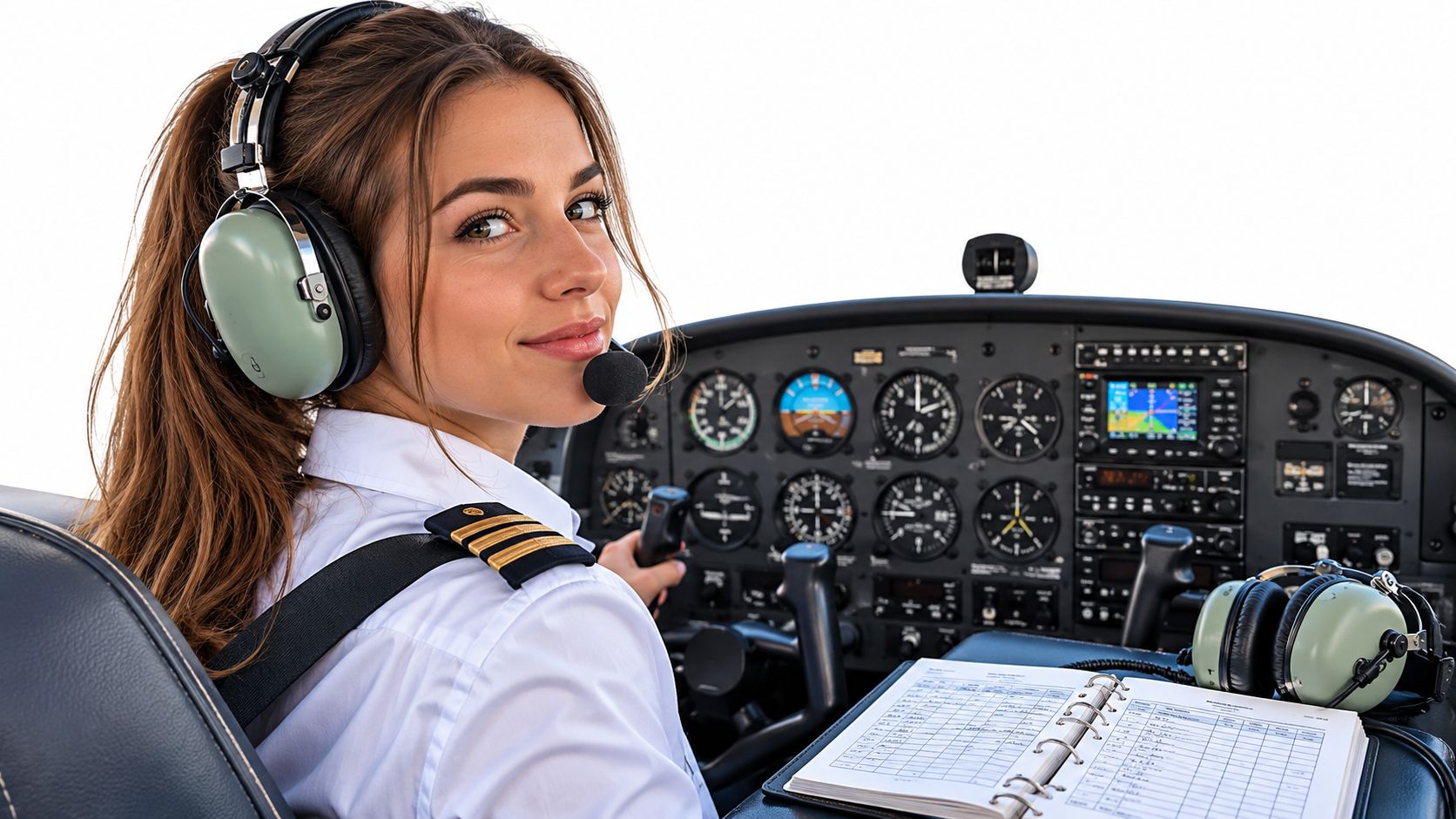
For a U.S. Part 61 instrument-airplane rating, instrument rating hours must include at least 40 hours of actual or simulated instrument time, including 15 hours of instruction from an authorized instrument-airplane instructor, plus a qualifying 250 NM IFR cross-country flight. The familiar advice to accumulate instrument time overlooks the more challenging question: whether the logbook satisfies every one of the separate requirements and the pilot can consistently perform the required procedures.
A total-hours figure can't answer either question. A pilot may have substantial experience but still lack a qualifying flight, properly documented instruction, or recent aircraft-based preparation. The useful starting point is a category-by-category audit, followed by a training plan that addresses both legal eligibility and practical proficiency.
Table of Contents
- Instrument Rating Minimums in One Table
- What Counts Toward the 40 Instrument Hours
- How to Plan the IFR Cross-Country Flight
- Audit Your Logbook and Build a Training Plan
- Realistic Hours Compared With the Minimum
- Mistakes That Add Hours to Your Plan
- Confirm Your Hour Count With an Instructor
- Frequently Asked Questions
Two practical options worth comparing
These are specific products pilots commonly compare for this type of flying. Confirm compatibility with your aircraft and instructor before ordering.
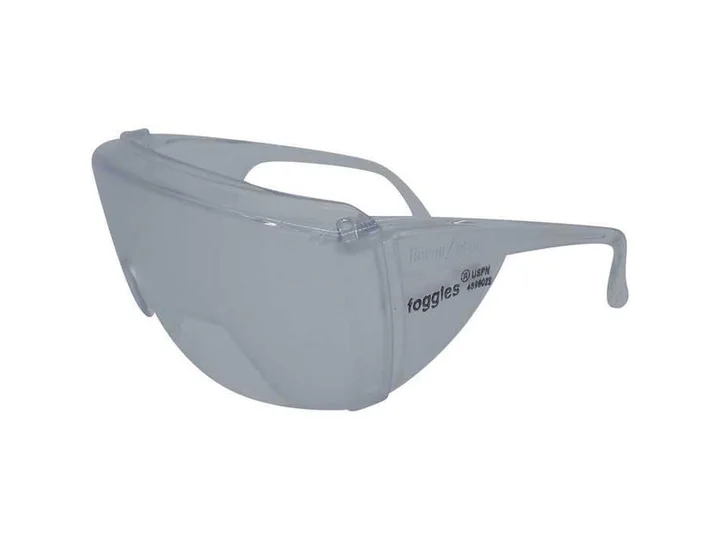 Instrument trainingFoggles Aviation IFR Training GlassesCheck current availability on Amazon (paid link)
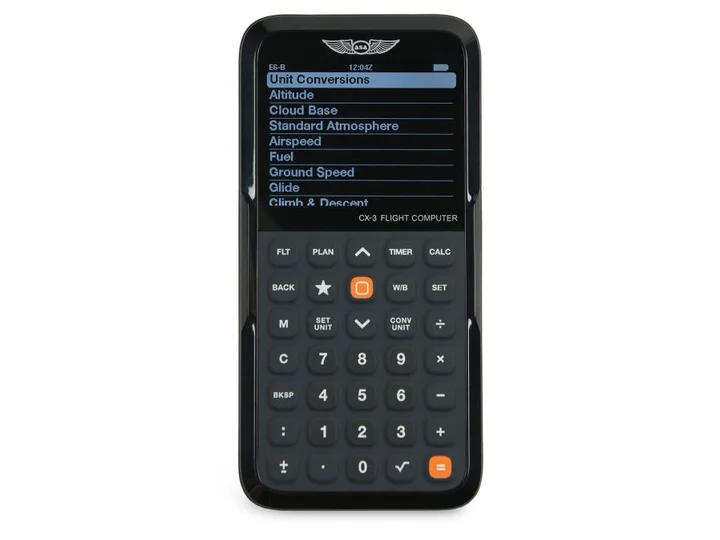 Flight planningASA CX-3 Flight ComputerCheck current availability on Amazon (paid link)
Instrument Rating Minimums in One Table
The minimums look simple until they are audited by category. A logbook can show a large total and still fail one row, because Part 61 asks for specific kinds of experience rather than one impressive figure.
The rows below restate the instrument-airplane minimums in 14 CFR §61.65 in the eCFR. They overlap, so they work like separate stamps on the same passport page: each one must be present, and adding them together would overstate the remaining work.
| Requirement | Minimum | Regulation or note |
|---|---|---|
| Instrument time, actual or simulated | 40 hours | 14 CFR 61.65(d)(2) |
| Instrument instruction from an authorized instructor | 15 hours, included within the 40 | Instructor must hold an instrument-airplane rating |
| Pilot-in-command cross-country | 50 hours, at least 10 in an airplane | Part 61 PIC cross-country requirement |
| IFR cross-country | 250 nautical miles, approaches at three airports, three approach types | 14 CFR 61.65(d)(2)(ii)(C) |
| Recent instrument training before the practical test | 3 hours within two calendar months | Instrument flight training from an appropriately authorized instructor in an airplane |
Read the table as an audit, not a shopping list. Start with entries already logged, then match each flight to the row it can prove. A dual lesson may include instrument instruction; a PIC flight may help the cross-country requirement; the 250 NM flight is its own qualifying event with approaches at three airports and three approach types.
One flight can support more than one row when the entry shows each element separately. The same sortie might be instructional instrument time and part of the IFR cross-country only if the route, conditions, instructor endorsement and approach record satisfy both categories. If the entry is vague, credit the category it documents rather than stretching it to fill every box.
Practical rule: Count the instrument work the pilot performed and can document; the lesson title on the schedule is only a label.
A compact worksheet keeps the review honest. A student can build a cheat sheet with AI arranged around the regulation's categories, then have an authorized instructor compare it with the logbook. The worksheet organizes the evidence; the entries still decide what qualifies.
Treat the table as the eligibility floor. The planning question is different: which rows are already complete, which need targeted flights, and which need practice before the practical test.
What Counts Toward the 40 Instrument Hours
The distinction that causes the most confusion is instrument time versus instrument instruction. The FAA's interpretation of §61.65 clarifies that the requirement is 40 hours of instrument time, not 40 hours of instrument training, with at least 15 hours received from an appropriately authorized instructor.
The distinction lets a plan combine qualifying activities, but only entries that meet each condition count.
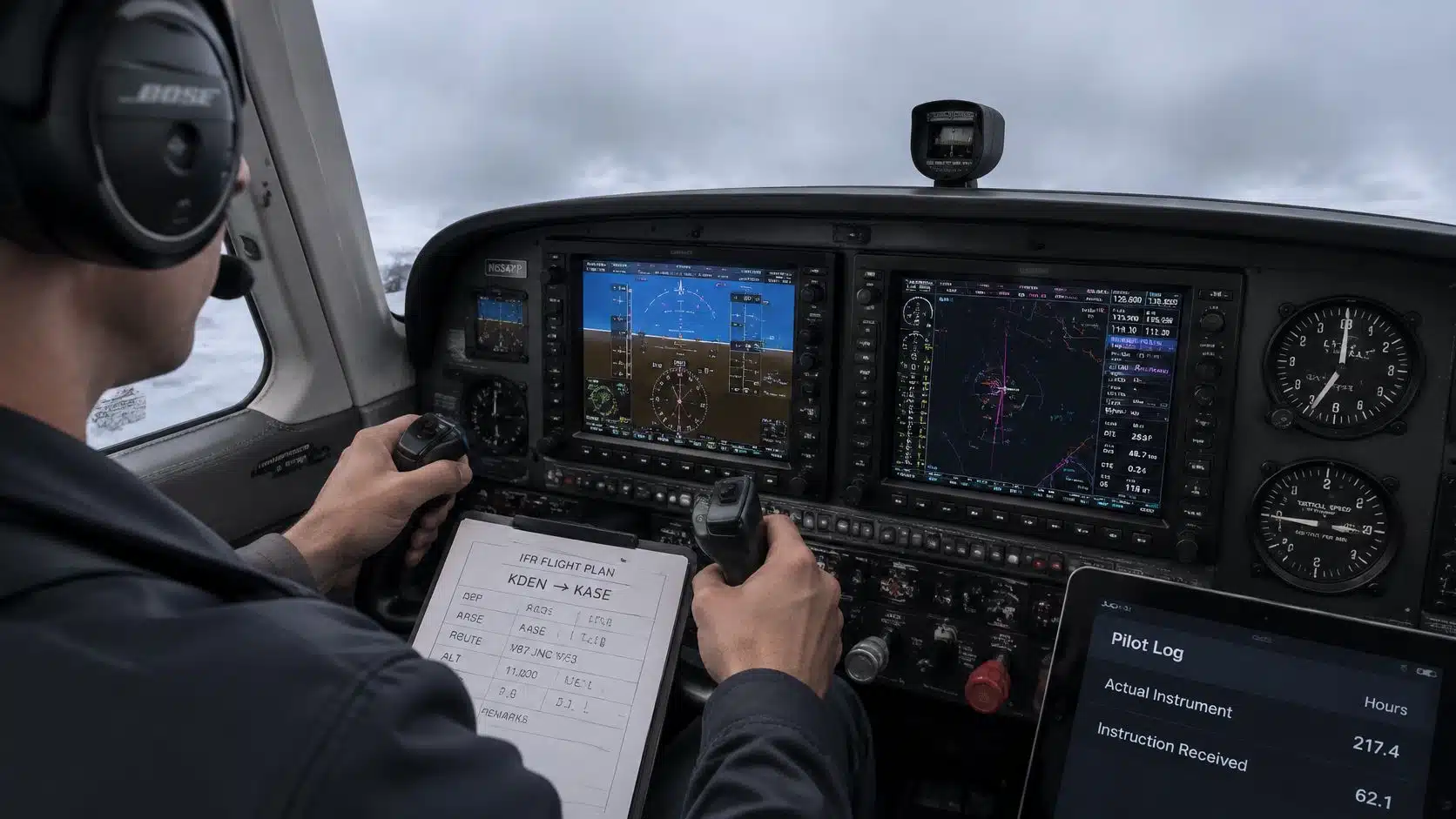
Separate Aircraft Time From Device Credit
Actual instrument time concerns flight by reference to instruments in actual instrument conditions. Simulated instrument time in an airplane involves restricting the flying pilot's outside view, with the appropriate safety-pilot arrangements.
An instructor-led device session serves a different purpose. It can provide concentrated practice without the distractions of transit time, but its credit depends on the device's approval and applicable training rules.
| Time type | Counts toward instrument experience | Limit or condition | Logbook note |
|---|---|---|---|
| Actual instrument flight in IMC | Yes | Must be qualifying actual instrument flight | Record as actual instrument time |
| Simulated instrument in the airplane under a view-limiting device | Yes | Safety pilot must be aboard | Record as simulated instrument time |
| Instructor-led time in a flight simulator or flight training device | Yes, when eligible and logged as instrument training | Applicable device approval and program limits apply | Record device type and instructor |
| Instructor-given instrument flight in the airplane | Yes, including qualifying instructor-required experience | Instructor must hold an instrument-airplane rating | Record instructor identification and training performed |
The FAA guidance on simulator and flight training device credit describes allowances of up to 20 hours outside an approved Part 142 program and up to 30 hours when administered under an approved Part 142 program. It also requires an authorized instructor for device time logged as instrument training.
Those allowances are maximums, not automatic entitlements. Each device carries its own approval and classification, so confirm the device approval and the applicable allowance with your instructor before logging credit.
Make Every Entry Explain Itself
A useful test: six months from now, could a designated examiner read a logbook line and reconstruct exactly what was flown, in what, and under which category? Good entries identify:
- Conditions: Actual or simulated instrument time.
- Equipment: The aircraft identification or approved device used.
- Instruction: Instructor participation and the procedures practiced.
- Credit: The category the session is intended to satisfy.
The instrument-rating simulator guide provides context for incorporating device practice into a broader training plan. Procedural repetition is useful, but the credit decision belongs with the applicable approval and an instructor's review.
How to Plan the IFR Cross-Country Flight
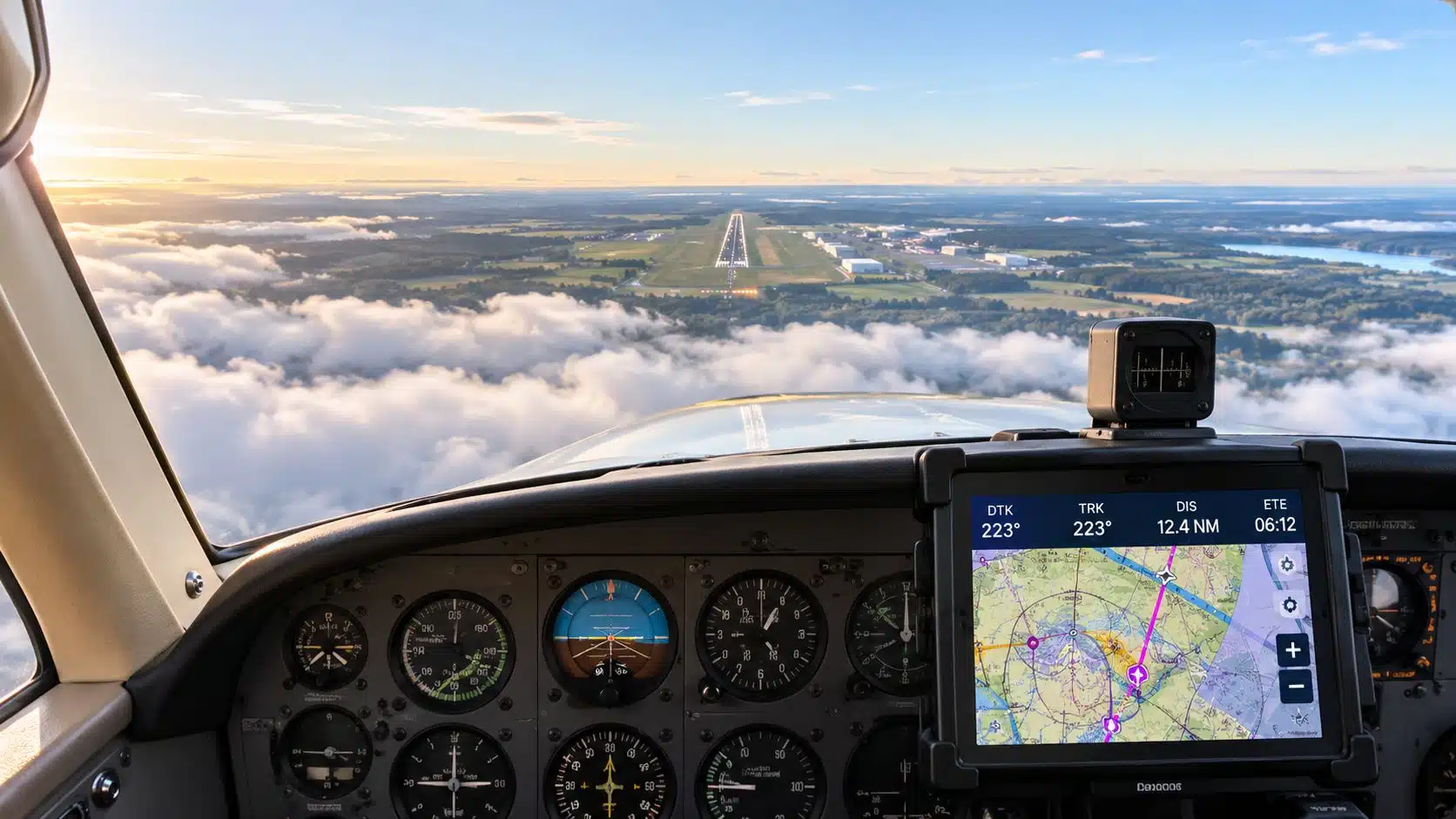
The qualifying flight is a planned IFR cross-country that meets the 250 NM and approach-type conditions. The FAA's Carty legal interpretation explains the requirement for at least 250 nautical miles under IFR, an instrument approach at three different airports, and three different kinds of approaches using navigation systems.
Plan it with the instrument instructor as a specific completion item, not as mileage that might accumulate on its own. A lesson can cover hundreds of miles and sharpen real skills while still missing one condition, which leaves the regulatory box unchecked. Filing and flying the appropriate IFR route, selecting suitable approaches, and preserving a clear record all matter.
Build a Route You Can Fly as Filed
Favor the route that keeps approach options open if weather or ATC changes the plan, over the shortest line on the chart.
- Choose suitable airports and different approach kinds. An ILS, RNAV (GPS), and VOR combination is a useful planning example, subject to instructor confirmation, current procedures, and available equipment.
- Review the complete approach charts. Include minimums, transitions, missed-approach instructions, and any notes that affect aircraft or pilot capability.
- File the IFR flight plan and review weather and NOTAMs. Identify an alternate training option before departure rather than trying to improvise after an approach becomes unavailable.
- Confirm aircraft compatibility. Check navigation receivers, database suitability, equipment status, and the ability to fly each selected procedure.
- Obtain clearances and fly the planned procedures. ATC may change the routing or available approach, so the instructor should reassess whether the flight as flown still meets the objective.
- Document what happened. Record the airports, approach kinds, route, and relevant clearance details, including changes that affect qualification.
A planned route doesn't establish compliance if the aircraft flies something different. A shortcut, an unavailable navigation facility, or an amended approach clearance can change whether the completed flight satisfies the intended requirement.
A successful training flight and a qualifying regulatory cross-country aren't always the same thing.
The cross-country flight planning guide can support preparation, and the instructor should resolve qualification questions before departure. If conditions force a change in the air, the deciding question is simple: does the flight as flown still meet each element of the requirement?
Audit Your Logbook and Build a Training Plan
A single total-hours figure hides missing experience. A useful audit separates instrument time, instructor-given instrument time, PIC cross-country experience, the qualifying IFR cross-country, and recent instrument training.
The timing requirement deserves particular attention. 14 CFR §61.65 requires at least 3 hours of instrument flight training in an airplane within the two calendar months before the practical test, and describes the instructor-led IFR cross-country with a filed flight plan covering at least 250 nautical miles along airways or ATC-directed routing.
Work Through a Teaching Example
The following is an illustrative logbook audit, not a real student's record. Its purpose is to show why a pilot who has exceeded some experience minimums can still have unfinished requirements.
| Logbook category | Required | Status in this hypothetical example |
|---|---|---|
| Instrument time, actual or simulated | 40 hours | Met, 46 logged |
| Instructor-given instrument time | 15 hours | Met, 17 logged |
| Pilot-in-command cross-country | 50 hours, at least 10 in an airplane | Met, 52 logged, including more than 10 in an airplane |
| IFR cross-country, 250 NM with three approach types | One qualifying flight | Still needed |
| Recent instrument training within two calendar months | 3 hours | Incomplete, 1.5 qualifying hours logged |
The hypothetical student has enough total instrument experience. The instructor-given instrument category is also complete, assuming the entries show instruction from an appropriately authorized instructor.
The PIC cross-country category is satisfied in this example because both its total and airplane component are met. Nevertheless, the missing qualifying IFR cross-country prevents the audit from being complete.
The recent-training entry leaves a hypothetical shortfall of 1.5 hours. That arithmetic identifies an eligibility gap, not a promise that the student needs only that much additional preparation.
Turn Missing Items Into Specific Lessons
- List each unfinished item separately. Use the actual logbook entries, not remembered flights or a scheduling-system total. Flag ambiguous entries for instructor review rather than including them without comment.
- Reserve aircraft sessions for aircraft objectives. The final plan should include approach setup, navigation-system management, clearance compliance, and missed-approach execution in the airplane. Device practice can't replace every aircraft-specific requirement.
- Assign procedural weaknesses to focused practice. Holds, abnormal situations, approach briefings, and navigation changes are suitable objectives for approved device sessions, within applicable credit limits.
- Keep lessons close enough to retain continuity. Between flights, rehearse clearance copying and approach briefings using the same cockpit flow taught by the instructor.
- Confirm readiness before committing to the practical test. The instructor should assess performance against the applicable practical-test standards, not merely initial completed rows on a spreadsheet.
A useful lesson objective describes an observable task. “More approaches” is vague; “brief the approach, configure without prompting, and execute the missed approach with correct navigation sequencing” gives both student and instructor something to evaluate.
Protect Preparation Time and Record Quality
Ground preparation should have a place on the calendar alongside aircraft bookings. TiedSiren's guidance on scheduling study time with enforced app limits offers a way to protect focused study periods from phone distractions.
DuBois Aviation's private pilot training progress depends on preparation, proficiency, weather, aircraft availability, and examiner scheduling. An instrument student should likewise avoid treating a calendar estimate as a guaranteed completion date.
Maintain these habits throughout training:
- Separate entries: Use a clear entry for each flight or device session.
- Useful remarks: Include approach names, airports, and the training performed.
- Category totals: Reconcile running totals at month end and before a readiness review.
Reserve room for extra lessons and scheduling disruptions. That buffer is a recommendation, not a regulatory requirement, and it should be tied to identifiable training needs rather than an arbitrary promise of completion.
Realistic Hours Compared With the Minimum
A student closes the logbook with 40 instrument hours recorded. The audit columns all check out: enough dual instruction, the long IFR cross-country, the recent experience. The instructor still books another approach lesson, because every radio call from approach control sends altitude and heading wandering. The logbook says eligible. The flying says otherwise.
The 40-hour mark counts how much training was logged. The practical test measures whether the pilot can fly the procedures under workload. Confusing the two numbers is the cheapest way to wreck a training budget.
Estimate the Remaining Work in Separate Columns
A useful estimate splits remaining work into kinds, because each kind costs different amounts of time and money:
- Eligibility work: missing experience, such as the required cross-country flight or a category the audit flagged.
- Proficiency work: procedures the pilot cannot yet complete consistently, like holding altitude while answering a clearance amendment.
- Preparation work: ground knowledge, chart interpretation, and decision-making.
- Scheduling margin: calendar availability, which the logbook audit's planning step already separates from flight time.
Two students can hold identical totals and need different budgets. One lacks the long cross-country and plans one qualifying trip. The other has every experience box checked but mishandles a navigation change halfway down the approach. A single advertised hour count treats them as the same student; the column-by-column estimate does not.
Budgeting principle: Pay for a defined learning objective, not merely another entry in the instrument-time column.
Why the Lowest-Hour Plan May Not Finish First
A pilot who rushes through basic instrument control often pays the time back later, in repeated approach lessons where each radio call disrupts altitude and heading. Another flies accurately but needs extra practice loading and verifying procedures. A third arrives with strong hands and weak chart work, which surfaces in briefings rather than in the airplane.
The instructor's job is to identify which skill limits the next stage and build the lesson around it. A plan built that way gives a better cost estimate than assuming the legal minimum and the finish line land on the same day.
Track the hours still needed the same way the audit did, by category. When one column empties, the estimate shrinks. When a new weakness appears, it grows. The regulation stays fixed; the plan moves.
Mistakes That Add Hours to Your Plan
The most costly planning mistake is completing a flight intended to satisfy a requirement, then discovering that its routing, approaches, or documentation don't qualify. A preflight review with the instructor is easier than arranging a replacement trip.
Catch the Error Before the Booking
Two patterns account for many of the repeat lessons found in logbook audits, and both are easier to fix on paper than in the air.
A simulator session that counts for nothing. A student books an evening in a training device, flies approaches alone, and logs the time. The audit later shows no instructor signature on the entry, so it cannot support the instrument training requirement. An equivalent supervised session goes back on the schedule, and the budget gains a lesson that was supposed to be finished.
Three airports, one kind of approach. A student flies approaches into three different fields and assumes the variety requirement is covered. The audit shows the same kind of approach repeated three times. The missing procedure types move into the remaining lessons, pushing other objectives back a booking or two.
The quieter mistakes sit in the paperwork and the calendar:
- Incomplete instrument entries: Logging time without separating actual from simulated leaves unclear evidence. Resolve ambiguous entries while the flight details are still easy to reconstruct.
- Unchecked earlier experience: A cross-country label or an old training entry doesn't establish every required category. Examine the underlying flight and how it was logged before counting it.
- Fragile final scheduling: Leaving all remaining preparation until immediately before the test provides little recovery room if weather cancels a flight. Reserve aircraft sessions and a contingency plan around the actual test window.
- Incomplete weather and chart review: An unsuitable approach or unavailable procedure can defeat the lesson objective. Review the complete operating picture before committing to the flight.
Avoid Turning Every Delay Into More Flying
A focused ground session often solves what another aircraft booking cannot. A student who misreads approach-chart notes gains more from an hour of chart study with the instructor than from repeating the same approach in the air.
The instrument-rating timeline and delay guide covers how delays build on each other across a training plan. The useful response to a delay is to identify its cause, pick the preparation method that matches it, and protect the next lesson's objective.
Every mistake on this list shares the same cost pattern: the requirement still has to be met, but now inside a tighter window. A problem surfaced during the practical-test application can push the checkride back while replacement training is scheduled and flown, and each rebooking lands on a calendar already crowded with other students.
Confirm Your Hour Count With an Instructor
A finished audit is only half the job. The other half is sitting down with an instructor who can confirm which logbook entries count and which gaps still need flight time.
Bring Questions That Produce Decisions
Walk in with the audit results rather than a general question about readiness. Three questions turn that conversation into a plan: which entries the instructor accepts for each category, which categories still lack qualifying time, and what specific lessons close the gap. Ask for aircraft needs and scheduling contingencies too, so the plan survives a weather cancellation or a postponed checkride.
The readiness review should also cover instrument procedures, weather decisions, ground preparation, and consistent flight performance. Set a proposed checkride date only after that assessment, not before.
DuBois Aviation's checkride checkout reviews flight and ground preparation before the FAA practical test. It is separate from the examiner's checkride and is not a promise of passing.
Make the Next Step Specific
Ask for an instructor review of the logbook before a checkride date is set. DuBois Aviation offers instrument training at Chino Airport, with all flight instruction and ground school conducted one-on-one by qualified instructors using Jeppesen Learning Materials. Instructor Ben Mount holds CFI and CFII ratings, with 840 total time and 275 dual given.
A student still weighing whether to start can request discovery-flight information first, then bring the audit questions to an instructor once a rating pathway is chosen.
Frequently Asked Questions
Can Private Pilot Training Hours Count Toward Instrument Requirements?
Some can. Mark each private-pilot flight against three questions: what was performed, who provided instruction, and how the time was recorded. A cross-country flight logged as PIC may satisfy the cross-country experience while contributing nothing toward instrument time. Review the marked entries with your instructor before adding them to your totals.
Does the IFR Cross-Country Require an Instructor?
Yes. Qualifying requires instrument training under IFR with a filed flight plan, so an appropriately authorized instructor flies along. Agree on the route and approaches before filing. After landing, have the entry record the route flown, the approaches completed, and the instructor's signature.
What Happens if Recent Training Falls Outside the Required Window?
Treat a new practical-test date as a recount. Have the instructor identify which aircraft-training entries still fall inside the window measured back from that date, then book a review flight covering the approaches and procedures closest to expiring. Catching the gap early leaves room to add qualifying instruction.
Do Part 141 Courses Have Different Minimums?
Approved Part 141 courses follow an FAA-approved syllabus and may set different minimums from the Part 61 pathway. Ask the school directly whether its instrument course runs under an approved syllabus and what its outline credits from an existing logbook. Credit and remaining requirements need an individual review before any switch.
DuBois Aviation offers instrument training at Chino Airport with one-on-one instruction and preparation focused on proficiency. Visit DuBois Aviation to ask about course availability, arrange a school tour, or request a training-plan discussion based on a category-by-category logbook audit.