
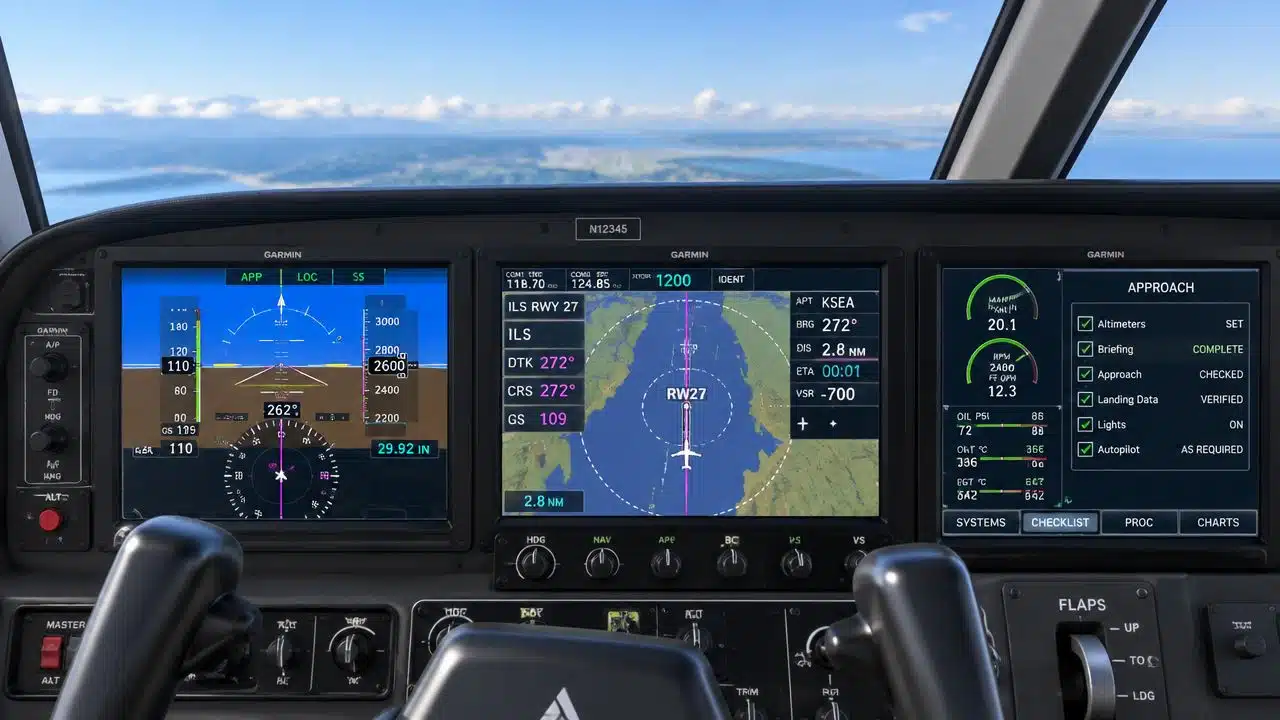
Part 141 instrument rating requirements call for 30 hours of ground training and 35 hours of flight training for an initial rating. For an additional instrument rating, the minimums drop to 20 hours of ground training and 15 hours of flight training, which is why the approved program structure matters so much when students compare training paths.
Have prospective pilots missed the core question? It's not just how many hours are required, it's how the FAA shapes those hours inside an approved syllabus.
Table of Contents
- Understanding Instrument Rating Requirements Part 141
- Part 141 Versus Part 61 Training Comparison
- Required Ground and Flight Training Hours
- Instructor and Aircraft Qualification Standards
- Endorsement Requirements and Practical Test Prerequisites
- How Part 141 Programs Structure Your Training
- Flight Time Logging and Credit Rules
- Choosing the Right Training Path for Your Goals
- FAQs
- What are the Part 141 instrument rating minimums?
- Is Part 141 always faster than Part 61?
- Why do Part 141 minimums look lower?
- Do Part 141 schools need special instructors for instrument training?
- Can simulator work count toward instrument training?
- How should a student choose between Part 141 and Part 61?
Two practical options worth comparing
These are specific products pilots commonly compare for this type of flying. Confirm compatibility with your aircraft and instructor before ordering.
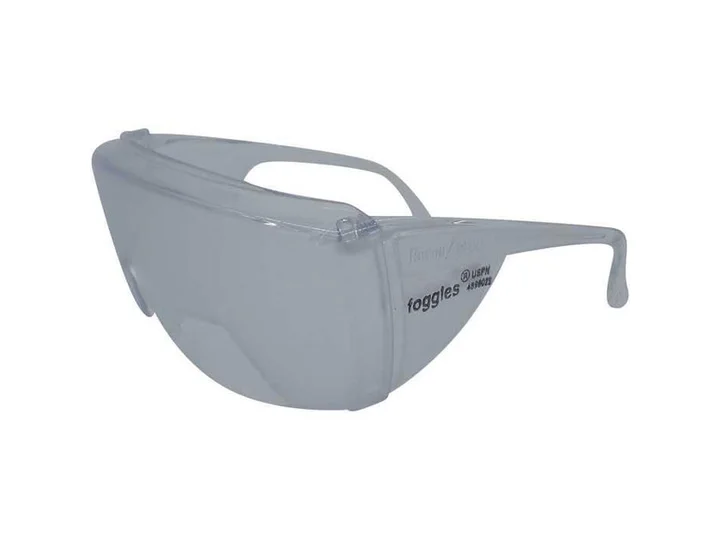 Instrument trainingFoggles Aviation IFR Training GlassesCheck current availability on Amazon (paid link)
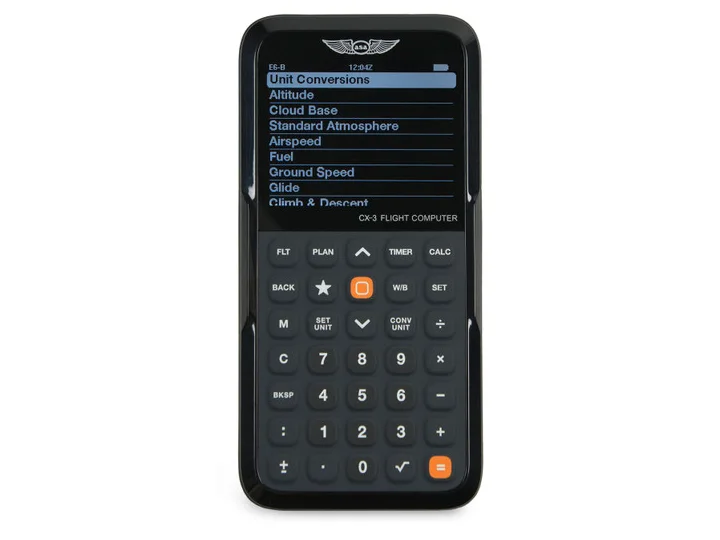 Flight planningASA CX-3 Flight ComputerCheck current availability on Amazon (paid link)
Understanding Instrument Rating Requirements Part 141
Under Part 141, the instrument rating is built as a structured, FAA-approved course rather than a loose sequence of lessons. That structure is the main reason the minimums are lower than many students expect, because the FAA is approving the curriculum in advance instead of relying only on ad hoc instruction (FAA Advisory Circular AC 141-1B).
For an initial rating, the rule requires 30 hours of ground training and 35 hours of flight training (14 CFR Appendix C to Part 141). For an additional instrument rating, the minimums fall to 20 hours of ground and 15 hours of flight under the same appendix. Those numbers matter because they show that Part 141 is not a looser path, it's a more standardized one.
What the FAA is really standardizing
A student often thinks in total time only. Part 141 asks for something more specific, a defined training sequence that covers both knowledge and performance in a prescribed order.
Practical rule: If the syllabus is approved, the school is not improvising the training path lesson by lesson. That makes your progress easier to track and easier to audit.
That distinction helps explain why Part 141 attracts career-track pilots. It gives a clearer roadmap, which is useful for students who want to know what comes next instead of wondering whether a lesson was productive enough.
Part 141 Versus Part 61 Training Comparison
The biggest decision point is usually not whether instrument training is valuable, it's whether the student needs structure or flexibility. Part 61 can fit irregular schedules better, while Part 141 gives a tighter, preapproved framework that many students find easier to follow consistently.
Compare the training structures in more detail if the choice still feels unclear.
| Requirement | Part 141 | Part 61 |
|---|---|---|
| Ground training minimums for instrument rating | 30 hours initial, 20 hours additional (FAA Appendix C) | Not standardized in the same approved-curriculum way |
| Flight training minimums for instrument rating | 35 hours initial, 15 hours additional (FAA Appendix C) | Often associated with 40 hours of instrument time in broader training guidance (FAA AC 141-1B) |
| Curriculum | FAA-approved syllabus | Instructor-directed training path |
| Progress tracking | Stage checks and course structure | More flexible pacing |
| Best fit | Career-track students who want a defined progression | Students balancing training with changing schedules |
How to think about the tradeoff
Part 141 can feel more efficient because the school has already mapped the route. That doesn't automatically mean every student finishes faster, but it does mean the program is designed to reduce guesswork.
Part 61 may suit a pilot who needs more flexibility week to week. That flexibility can be useful, but it also puts more responsibility on the student and instructor to create structure on the fly.
Decision point: Choose the path that matches how consistently training can happen, not the one that sounds simpler on paper.
For a student aiming at airline or professional flying, the predictability of Part 141 often carries real planning value. For a pilot training around work, family, or a variable schedule, Part 61 may be easier to sustain.
Required Ground and Flight Training Hours
The hour requirements are easiest to understand when broken into the actual training components. Under Part 141, the initial instrument course is built around 30 hours of ground training and 35 hours of flight training (FAA Appendix C).
Initial rating versus additional rating
The initial rating is the more complete training track because it assumes the pilot is building the core instrument skill set from scratch. The additional rating path is shorter, with 20 hours of ground and 15 hours of flight, because the FAA recognizes that some instrument knowledge may already exist from prior training (FAA Appendix C).
That difference matters when a student is already certificated in another category or is adding an instrument privilege to an existing pilot background. The rating still demands precision, but the course is not rebuilt from zero in the same way.
What those hours usually contain
Ground training usually covers:
- Weather interpretation, so the student can think ahead before a flight
- IFR procedures, including clearances and route planning
- Approach concepts, so the pilot understands how the airplane will be flown to minimums
- Systems knowledge, especially when the airplane or simulator has more advanced avionics
Flight training is where those ideas become habits. The student practices tracking headings, maintaining altitude, flying with limited outside reference, and using instrument procedures under instructor supervision.
A useful way to think about it is this, ground training explains the system, flight training proves the student can use it under workload. The FAA's standardized minimums give schools a baseline, but a good program will often add training beyond the minimum when a student needs more repetition.
Instructor and Aircraft Qualification Standards
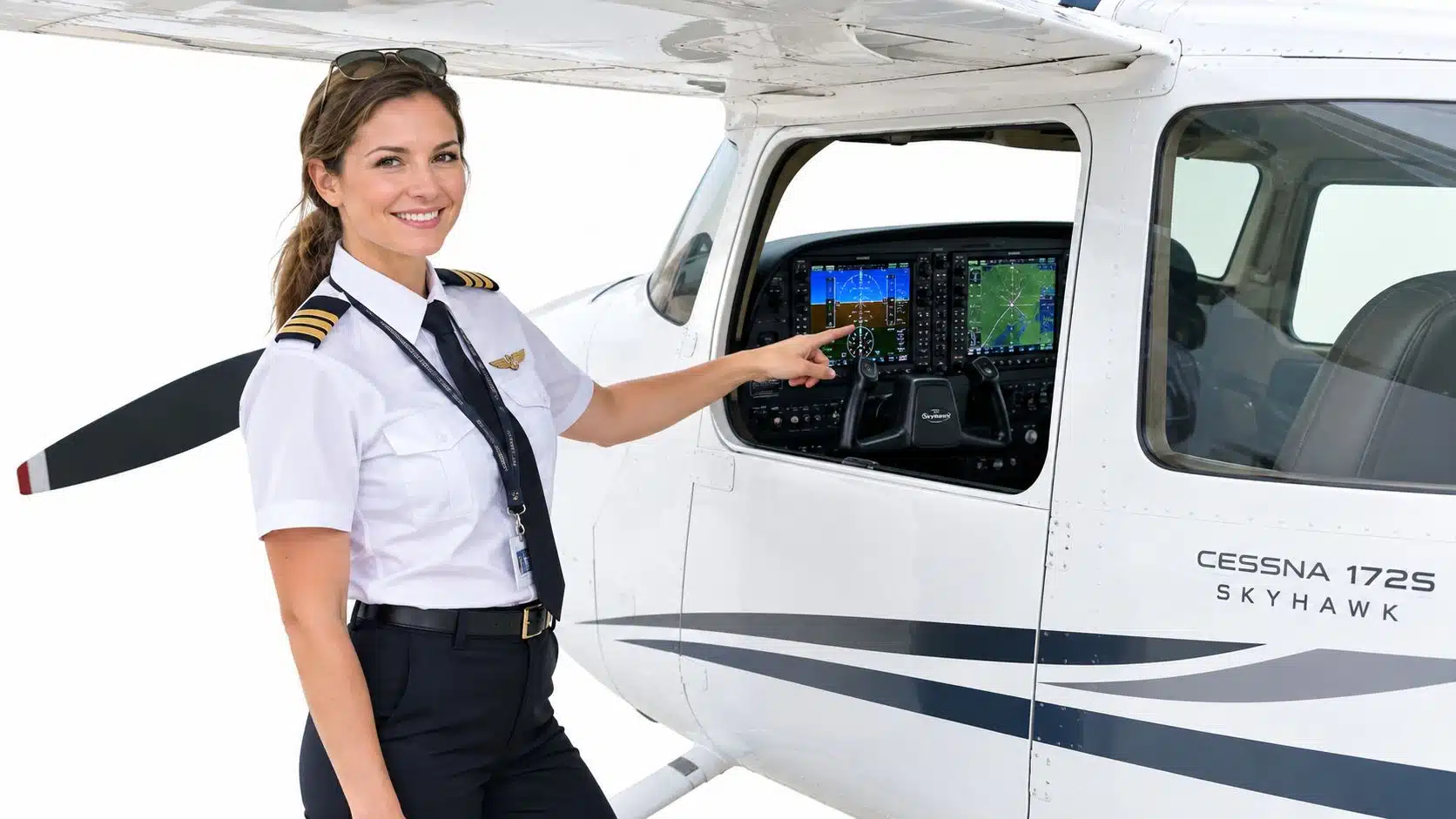
A Part 141 program is only as strong as the people and aircraft behind it. For instrument courses, the FAA sets staffing standards that are meant to keep instruction credible and consistent.
A chief instructor for an instrument course must have at least 100 hours of actual or simulated instrument flight time and 1,000 hours as pilot in command (14 CFR Part 141 index). An assistant chief instructor must have at least 50 instrument hours and 500 PIC hours. Those thresholds matter because they show the school is being led by instructors who have substantial instrument experience, not just general flight time.
Aircraft standards that affect your training
The aircraft side matters just as much. Aircraft used for IFR en route and instrument approach training must be equipped and maintained for IFR operations (FAA Part 141 guidance). Aircraft used only for precision maneuvering by reference to instruments may be configured according to the approved course.
That distinction is easy to miss, but it affects how training is delivered. A plane used for cross-country IFR work needs to be ready for that job. A different setup may be acceptable for limited maneuvering or syllabus-specific training if the program has approved it.
A student should ask one simple question before enrolling, does the aircraft match the kind of instrument training being promised?
Review the standards used in pilot training when comparing how different schools organize proficiency and evaluation.
Endorsement Requirements and Practical Test Prerequisites
The paperwork side of an instrument rating is where many students lose time. The training may be going well, but a missing endorsement or incomplete logbook entry can delay the practical test.
Start with the knowledge test, then build the flight record
The usual sequence is straightforward. The student completes the required ground study, passes the knowledge test, and then continues toward practical test readiness with logged training and instructor signoff. The key is that each milestone needs to be documented, not just remembered.
A clean logbook should show training that lines up with the approved course. That means dates, aircraft or simulator entries where appropriate, and enough detail for an instructor to verify progress against the syllabus.
Common mistakes that slow students down
- Waiting too long for endorsements: Some students assume the instructor will handle every step automatically. The endorsement still has to be planned.
- Logging too little detail: A bare time entry can leave a reviewer guessing what was trained.
- Mixing course work and practice loosely: If training notes are scattered, it becomes harder to prove that the required work was completed in order.
- Treating the simulator casually: Simulator sessions can help, but they still need proper documentation.
The right habit is simple, keep records current after every lesson. That makes the final stage review easier and helps the instructor confirm that the student is ready for the practical test.
For a structured checklist approach, track certification progress against airman standards.
How Part 141 Programs Structure Your Training
A well-run Part 141 program feels organized because the syllabus drives the schedule, not the other way around. That matters on the days when a student is making fast progress and on the days when extra review is needed.
A typical progression
A student usually starts with ground lessons that explain the rules, procedures, and weather decision-making behind IFR flying. Flight lessons then reinforce the same material in the airplane, so the student can connect what was learned on the ground to what is happening in the cockpit.
When the student struggles with a maneuver or procedure, the syllabus allows the instructor to slow down and revisit that item before advancing. When the student is ready, the program can move on without wasting time repeating material that has already been mastered.
Why structure helps decision-making
Students often think a structured program is only about efficiency. The deeper value is clarity. It gives the student a reliable benchmark for what “ready” looks like.
That clarity is especially useful when weather, airplane availability, or personal scheduling changes. A structured program can absorb those disruptions more cleanly because the training goals are already defined.
DuBois Aviation offers an instrument rating course with initial instrument training and proficiency flights, which fits neatly into this kind of syllabus-based progression. A student still has to do the work, but the school's structure keeps the work organized.
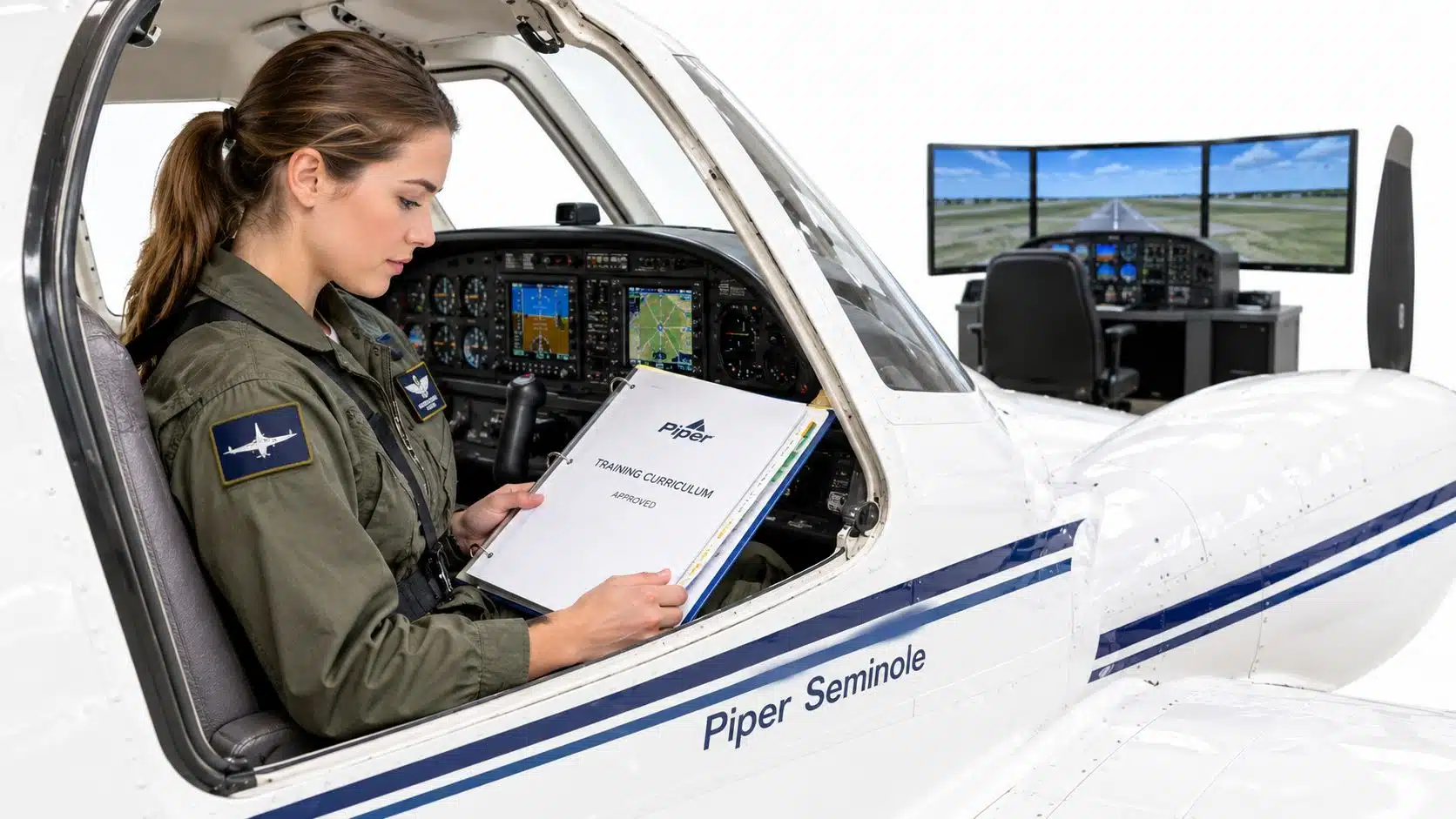
Useful mindset: Progress is measured by demonstrated skill, not by how fast a schedule fills up.
Flight Time Logging and Credit Rules
Logging instrument time correctly is part of the training, not an afterthought. A Part 141 student should expect the school to verify progress against the approved syllabus, while also keeping personal records organized enough to show exactly what was trained.
What should be captured
The logbook should clearly distinguish between actual flight time, simulated instrument time, and ground training. If a session used a simulator, that session should be recorded in a way that matches the school's policy and the applicable training rule.
Use a simulator that is tied to instrument training practice when the syllabus calls for it, but document the session carefully so the hours can be reviewed later.
Good logging habits
- Record lesson purpose: Note whether the work focused on approaches, holds, scan discipline, or general proficiency.
- Separate time types: Keep simulator, ground, and airplane training from blending together in a way that makes review difficult.
- Update entries immediately: Delayed logging leads to missing details.
- Keep instructor signoffs visible: Endorsements should be easy to locate when the practical test review begins.
The goal is simple, the logbook should tell the same story the syllabus tells. If a reviewer can follow the training sequence without guessing, the student is in a much stronger position.
Choosing the Right Training Path for Your Goals
The right path depends on how a pilot trains, not just what the regulations allow. A student who wants a highly defined route may benefit from Part 141, while a student who needs more schedule freedom may prefer Part 61.
A practical decision framework
Ask three questions. Can training happen consistently enough to benefit from a syllabus? Does the pilot want clearer stage-by-stage progression? Is the goal personal proficiency, career preparation, or both?
If the answer leans toward consistency and career planning, Part 141 is usually the more natural fit. If the answer leans toward flexibility and calendar control, Part 61 may be more realistic.
Questions to ask before enrolling
- How is progress measured?
- What aircraft or simulator resources are used for instrument training?
- How are endorsements and stage checks handled?
- What happens when a student needs extra review?
Those questions help separate a well-run training program from one that only looks organized from the outside. They also make the conversation with a school far more productive.
For pilots considering instrument rating requirements Part 141 at Chino Airport or elsewhere, the decision should come down to structure, supervision, and fit. A student who understands those differences can choose a program with fewer surprises and a clearer path to the checkride.
DuBois Aviation offers instrument, commercial, multi-engine, and CFI-level training from Chino Airport, along with aircraft rental and simulator-supported instruction in a structured environment. Prospective students who want to compare Part 141 training with other paths can visit DuBois Aviation to ask about current instrument course availability and next-step enrollment options.
FAQs
What are the Part 141 instrument rating minimums?
For an initial instrument rating, Part 141 requires 30 hours of ground training and 35 hours of flight training (FAA Appendix C). For an additional rating, the minimums are 20 hours of ground and 15 hours of flight.
Is Part 141 always faster than Part 61?
Not automatically. Part 141 is more structured, so it can help students who train consistently, but actual completion still depends on schedule, weather, and proficiency.
Why do Part 141 minimums look lower?
Because the FAA approves the syllabus in advance and standardizes the course structure. That added oversight changes how the minimum training hours are set.
Do Part 141 schools need special instructors for instrument training?
Yes. The chief instructor for an instrument course must have at least 100 hours of actual or simulated instrument flight time and 1,000 hours PIC, while the assistant chief instructor must have at least 50 instrument hours and 500 PIC hours (FAA Part 141 guidance).
Can simulator work count toward instrument training?
Simulator work can be part of the training path when it is used under the school's approved program and logged correctly. It still needs to be documented carefully so the training record is clear.
How should a student choose between Part 141 and Part 61?
Choose Part 141 if a structured syllabus, stage checks, and clear progression matter most. Choose Part 61 if schedule flexibility is the overriding concern.