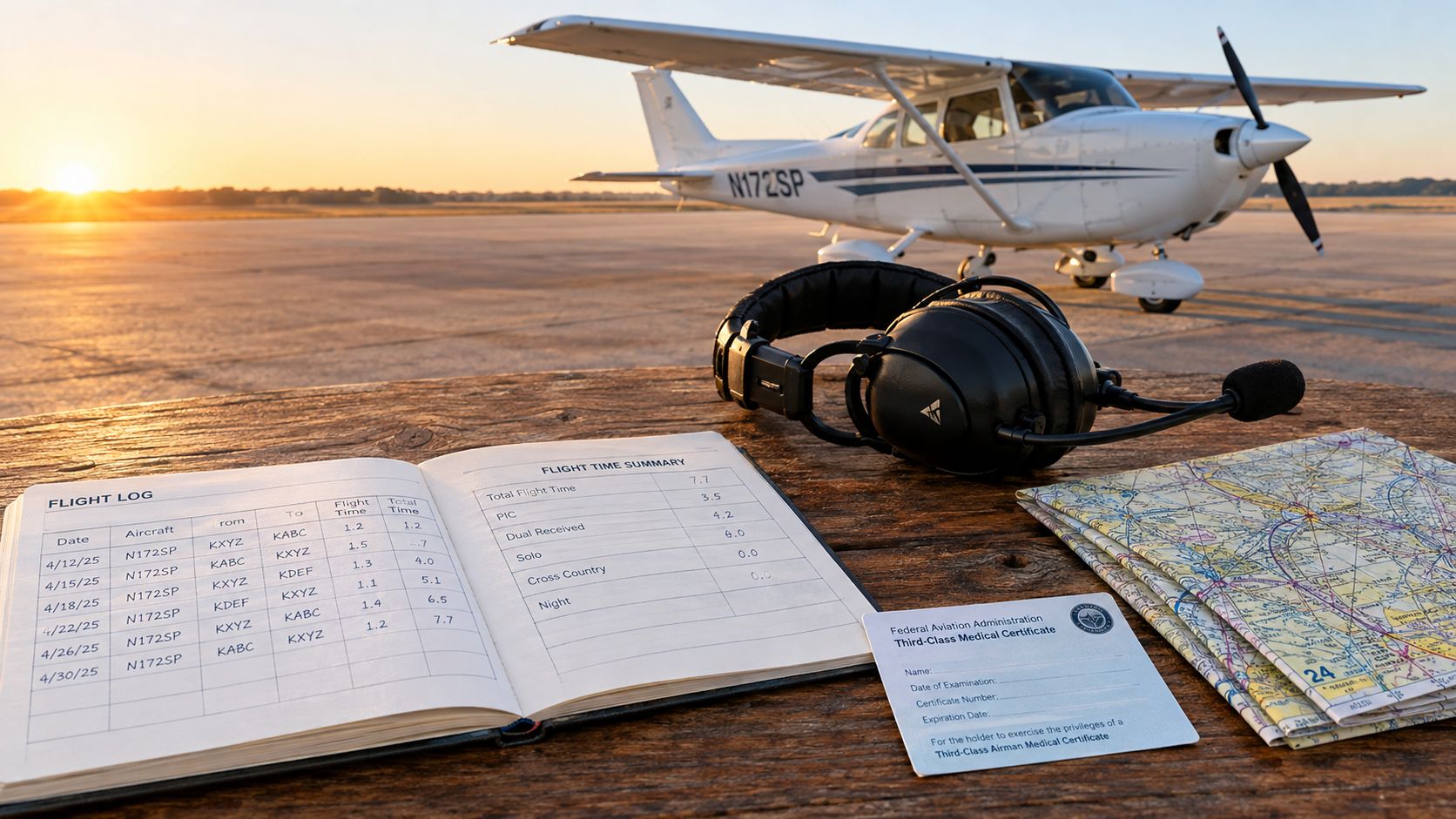
To earn a U.S. private pilot certificate, an applicant must be at least 17, hold at least a third-class medical certificate, pass the FAA knowledge test, log at least 40 hours under Part 61, including 20 hours with an instructor and 10 hours solo, and pass a practical test with an FAA examiner. The applicant must also read, speak, write, and understand English and satisfy the required training and documentation standards.
A first discovery flight often ends with the same question: what has to happen before a student can carry passengers? The answer is more demanding than a single hour total, but it's also more organized than many new pilots expect. The FAA sets the legal floor, while the student, instructor, weather, aircraft availability, and demonstrated proficiency determine the timeline.
Two practical options worth comparing
These are specific products pilots commonly compare for this type of flying. Confirm compatibility with your aircraft and instructor before ordering.
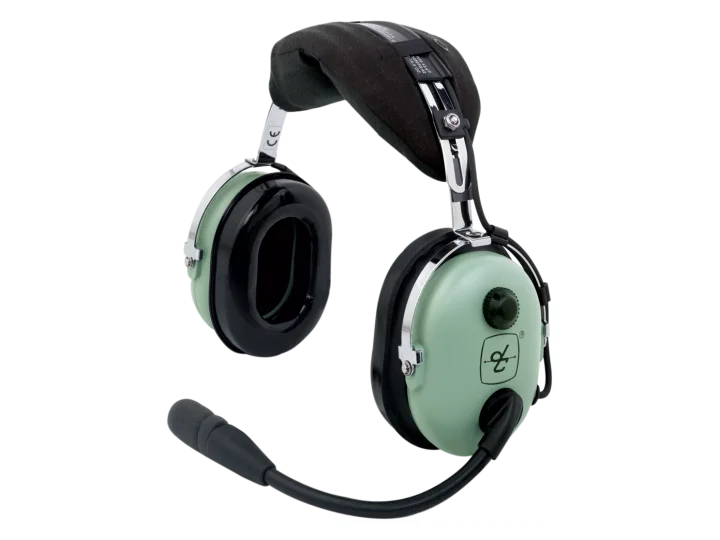 Student headsetDavid Clark H10-13.4 Aviation HeadsetCheck current availability on Amazon (paid link)
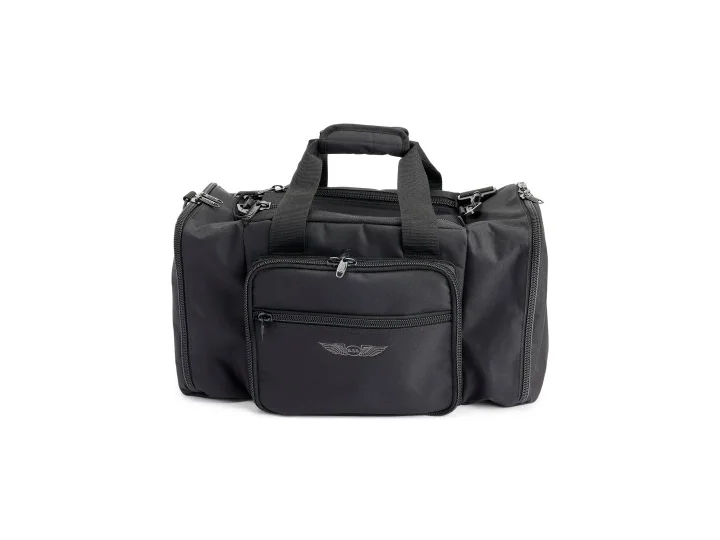 OrganizationASA Flight BagCheck current availability on Amazon (paid link)
Table of Contents
- What a Private Pilot License Requires
- Eligibility You Must Lock In Before Solo
- The Aeronautical Experience Breakdown
- Knowledge Test, Endorsements, and the Practical Test
- What the Training Path Looks Like at DuBois Aviation
- Common Misconceptions That Cost Students Real Time
- After the Private Pilot License
- Private Pilot License Questions Worth Answering
What a Private Pilot License Requires
A discovery flight can make the goal feel close. The path begins with five gates, and training at a busy Class D airport such as Chino (KCNO) makes the difference between the FAA minimum and practical readiness clear.
- Age and language: An airplane private pilot certificate requires the applicant to be at least 17 and able to read, speak, write, and understand English, as required by 14 CFR Part 61, Subpart E.
- Medical eligibility: The applicant generally needs an appropriate FAA medical qualification before exercising student and private-pilot privileges. A third-class medical certificate is the normal starting point for this pathway.
- Knowledge: The applicant must pass the FAA private pilot knowledge test before taking the practical test. It covers the aeronautical knowledge needed for safe operation.
- Aeronautical experience: The FAA Part 61 baseline requires at least 40 hours, including 20 hours of flight training with an authorized instructor and 10 hours of solo flight training. The FAA describes these requirements in its private pilot hourly guidance.
- Practical test: An FAA-designated pilot examiner evaluates the applicant's knowledge, risk management, and flight performance against the applicable Airman Certification Standards.
The 40-hour figure is a legal floor, not a reliable graduation target. Students training from a towered airport often need repeated radio work, pattern practice, traffic awareness, and solo experience before those tasks become consistent. At Chino, a typical training pipeline often reaches roughly 55 to 70 hours, depending on weather, aircraft availability, lesson frequency, and proficiency.
The examiner is not checking whether the logbook has reached a number. The examiner checks whether the applicant can make sound decisions, control the aircraft, communicate clearly, respond to emergencies, and manage risk without constant prompting.
What the certificate allows
A private pilot certificate permits personal and recreational flying within the privileges and limitations of the certificate, aircraft category and class, regulations, and endorsements. It does not authorize every aircraft, operation, or airspace privilege. Additional ratings, endorsements, and training may be required.
Track logged time and demonstrated competence together. Each lesson should build independent aircraft control, navigation, communication, emergency response, and risk management. A discovery flight is the entry point. A safe, repeatable performance standard is the finish line.
Eligibility You Must Lock In Before Solo
A student can reach the first solo lesson and still have an unresolved eligibility problem. Fix the administrative gates early, before lesson costs and scheduling commitments build around an assumption that may be wrong. The FAA requirements are straightforward, but training at a busy Class D airport makes language, medical readiness, and documentation practical safety issues, not paperwork.
Age and English proficiency
An airplane private pilot applicant must be at least 17 years old when the certificate is issued. A student may take the private pilot knowledge test at 15, but passing it does not allow certificate issuance before the required certification age. The applicant must also read, speak, write, and understand English for aviation communication, as specified in 14 CFR 61.103.
English proficiency must work in the cockpit. Students need to understand clearances, traffic calls, weather information, and emergency instructions, then respond clearly on the radio. At a towered airport such as Chino, an instructor should address communication problems before solo. Radio confidence usually comes from repeated, accurate practice, not from waiting for it to appear.
Medical qualification
Arrange an FAA medical examination early through an Aviation Medical Examiner. Delaying the appointment can expose documentation or eligibility questions after a student has already committed to a training schedule. A medical issue does not automatically end a pilot's plans, but it can change the timing and paperwork required.
DuBois Aviation's student pilot certificate requirements page can help organize prerequisite documents and planning questions. The FAA medical process remains the controlling authority, so treat medical eligibility as an early training decision rather than a final administrative box.
Citizenship and security screening
Flight schools must follow applicable Transportation Security Administration requirements for certain flight-training candidates. The required process depends on citizenship, immigration status, training category, and the instruction provided. Ask the school to identify required screening or documentation before training begins.
The same principle applies far from the runway: ERP teams, for instance, map deployment prerequisites for ERP before implementation rather than discovering access or documentation gaps at launch.
The correct order
Use this sequence:
- Medical first: Resolve eligibility questions before committing to a long schedule.
- Knowledge preparation next: Build academic understanding while learning aircraft systems and procedures.
- Instructor approval before solo: The instructor determines whether the student meets the applicable training and safety standard.
- Documentation throughout: Keep identification, certificates, endorsements, and logbook entries accurate from the first lesson.
Practical rule: Confirm age, language, medical, and security requirements before treating solo flight as the next guaranteed milestone.
The Aeronautical Experience Breakdown
The FAA minimum becomes useful when converted into specific training tasks. A logbook is not just an hour counter. Each required experience category must be completed, recorded, and supported by the correct endorsement or entry.
| Experience Element | FAA Minimum |
|---|---|
| Total flight time | 40 hours |
| Flight training with an authorized instructor | 20 hours |
| Solo flight training | 10 hours |
| Cross-country flight training | 3 hours |
| Night flight training | 3 hours |
| Instrument flight training | 3 hours |
| Instructor-led practical-test preparation | 3 hours within the preceding 2 calendar months |
| Dual cross-country | One flight exceeding 100 nautical miles |
| Solo cross-country | One flight of at least 150 nautical miles, with full-stop landings at three points and one leg longer than 50 nautical miles |
| Towered-airport solo operations | Three full-stop takeoffs and landings |
The FAA's private airplane Airman Certification Standards establish the tasks and evaluation standards behind the experience requirements. Your logbook should show the training category, route work, endorsements, and recent practical-test preparation, not merely the total time.
Dual training builds the foundation
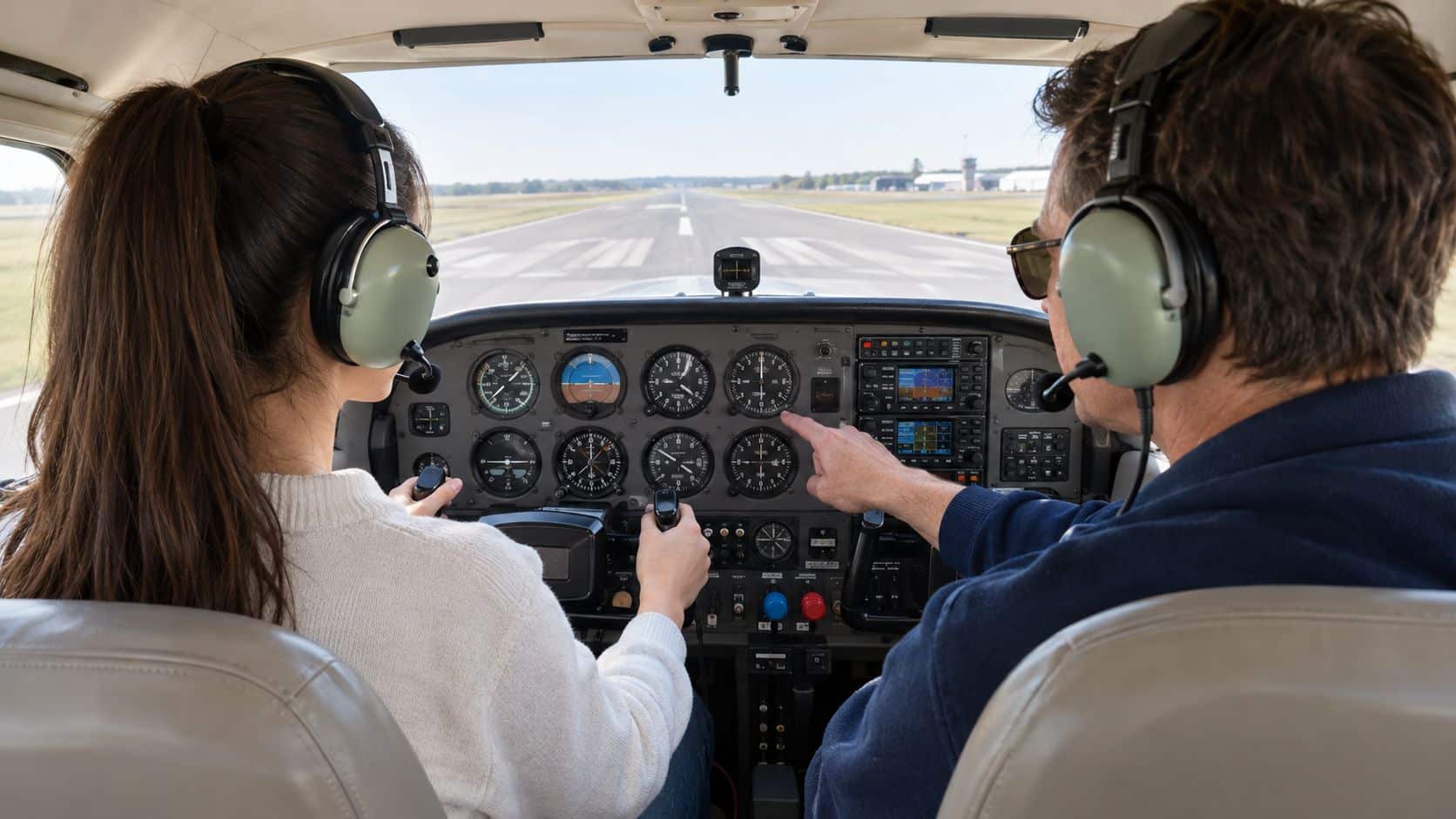
The 20 instructor hours cover aircraft control and the decisions surrounding each flight. Lessons develop preflight planning, airport operations, takeoffs and landings, route work, emergency procedures, instrument-reference control, and postflight habits. Your instructor decides when you can safely begin solo operations.
A dual cross-country flight exceeding 100 nautical miles adds unfamiliar airports, fuel planning, checkpoints, frequency changes, and workload away from the home field. At a busy Class D airport such as Chino, students also need consistent radio technique and disciplined traffic-pattern work before soloing.
Solo work proves independence
The 10 solo hours show that the student can prepare, launch, fly the route, manage abnormal situations, and return safely without an instructor in the other seat. The instructor's solo endorsement remains tied to the student's demonstrated performance, not just to reaching an hour total.
The solo cross-country requires a flight of at least 150 nautical miles, full-stop landings at three points, and one leg longer than 50 nautical miles. It tests planning discipline and execution. The three full-stop takeoffs and landings at a towered airport build familiarity with clearances, runway instructions, traffic sequencing, and accurate radio work.
Night and instrument work are required
Night training introduces different visual references, lighting cues, traffic-pattern considerations, and workload. Instrument training develops aircraft control by reference to instruments when outside visual information becomes unreliable. Both areas belong in the required private pilot training sequence.
The FAA minimum is a starting point, not a dependable graduation forecast. Students training from Chino commonly log about 55 to 70 hours before they are ready for the practical test, depending on lesson frequency, weather, aircraft availability, and proficiency. A discovery flight is the sensible entry point because it lets a student assess the aircraft, instructor, airport environment, and training schedule before making a larger commitment.
Students comparing training structures can review DuBois Aviation's Part 61 versus Part 141 flight training comparison. Choose the structure that fits your schedule and instructor availability, then plan around proficiency rather than treating the regulatory minimum as the target.
Knowledge Test, Endorsements, and the Practical Test
The private pilot process is a sequence. Ground-study results support flight training, instructor endorsements authorize specific operations, and the practical test checks whether the applicant can combine those skills safely.
The knowledge test
The FAA knowledge test covers regulations, airspace, weather, navigation, aircraft systems, operations, and aeronautical decision-making. The practical test also examines knowledge and risk management, so passing the written exam is only one part of being ready.
Study each subject, then use it during flight lessons. Apply airspace knowledge to route planning and radio work. Use weather information to make clear go or no-go decisions. DuBois Aviation's guide to studying for the private pilot written exam provides a structured way to prepare.
Do not treat the written test as a memorization exercise. Build enough understanding to explain your decisions to an instructor and apply the rules in changing conditions.
Endorsements control major steps
Your flight instructor issues the required endorsements after you complete the applicable training and demonstrate readiness for a specific operation. Solo flight, solo cross-country operations, and practical-test eligibility all depend on accurate instructor documentation.
Read each endorsement and compare it with the logbook entry. A missing signature, wrong date, or incomplete description can delay a solo flight or checkride even when your flying meets the standard. Make this review part of your normal training record routine.
Checkride preparation
Before the practical test, the applicant generally needs:
- Knowledge evidence: A satisfactory FAA knowledge-test result within the applicable period.
- Training records: A complete pilot logbook showing the required aeronautical experience.
- Medical documentation: The appropriate medical qualification.
- Instructor endorsements: The required endorsements, including recent practical-test preparation.
- Aircraft records: Registration, airworthiness documentation, operating limitations or an approved flight manual when required, equipment information, and aircraft and engine maintenance records.
FAA guidance in Advisory Circular AC 61-118A states that the practical-test aircraft must be airworthy and properly equipped. The examiner evaluates aircraft operation against the applicable standards, including knowledge, risk management, communication, navigation, maneuvers, emergency procedures, and judgment.
The checkride rewards consistent decision-making. Memorized answers without safe judgment will not carry an applicant through the practical test.
What the Training Path Looks Like at DuBois Aviation
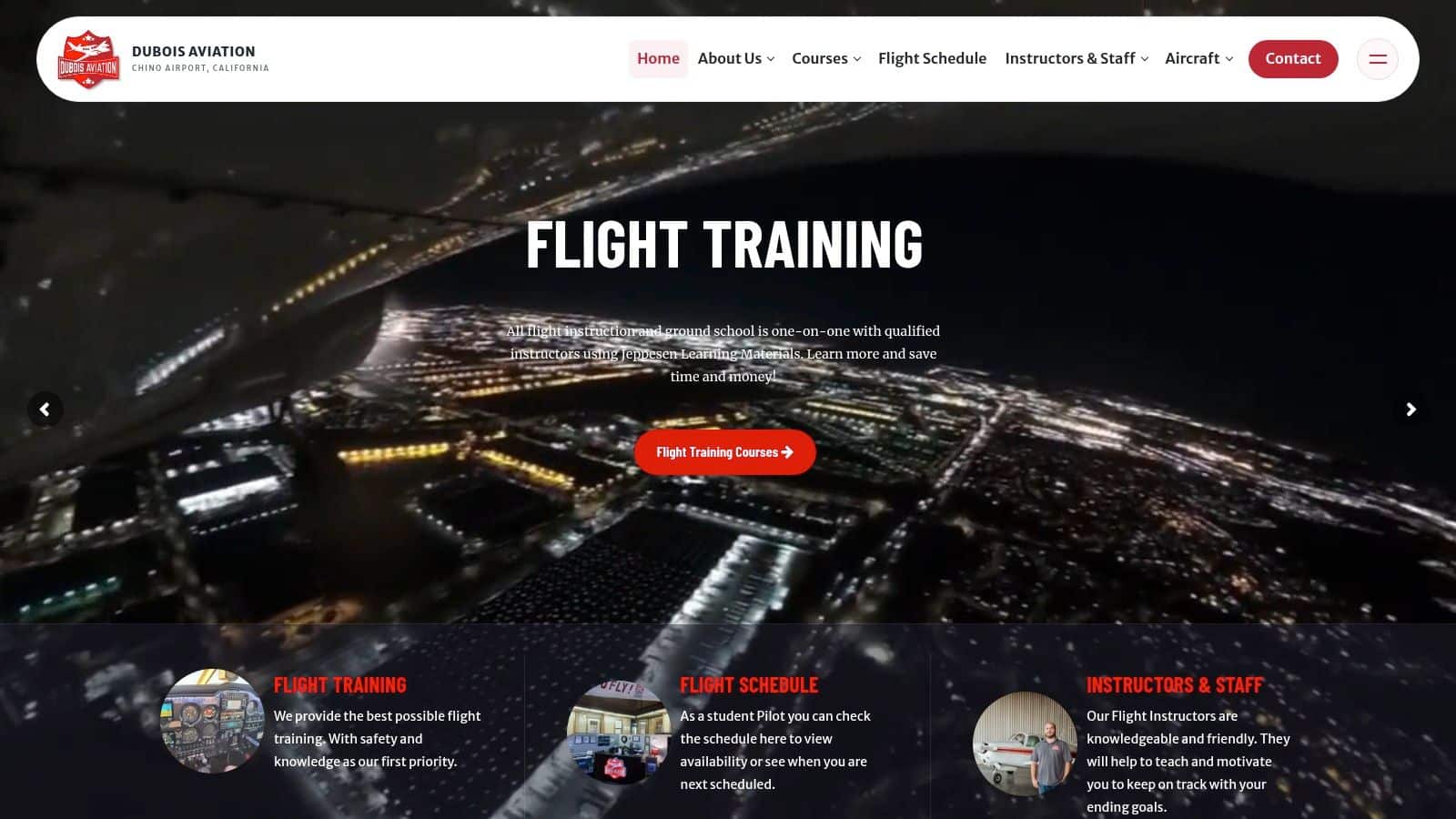
A student who starts at Chino Airport, or KCNO, enters a busy Class D training environment from the first lesson. The FAA minimum is 40 hours, but DuBois Aviation identifies a typical benchmark of approximately 55 to 70 hours for students training there. Treat that range as a planning guide, not a promise. Weather, aircraft availability, lesson frequency, preparation, learning pace, and checkride readiness all affect the final logbook total.
KCNO has three runways and multiple instrument approaches, so students build towered-airport habits early. Radio discipline, clearance compliance, traffic awareness, and workload management belong in ordinary lessons, not in a last-minute review before the practical test.
What students should plan for
DuBois Aviation provides one-on-one instruction, an in-house simulator, and a fleet that includes Piper Cherokees, a Cessna 150, a Mooney M20B, a Piper Apache, and Robinson and Enstrom helicopters. The available aircraft depends on the certificate, category and class, lesson requirements, and school scheduling.
Plan for a range rather than a fixed total. Aircraft rental, instructor time, the medical examination, knowledge testing, checkride expenses, study materials, and additional training can change the final cost. Ask DuBois Aviation for current availability and a training estimate, then keep room in your budget for lessons beyond the legal minimum.
The simulator supports procedures, instrument-reference work, and preparation that does not require flight. It cannot replace required aircraft experience, but it can make each aircraft lesson more productive.
Begin with a discovery flight, then set a regular lesson schedule and prepare between flights. At KCNO, the target is practical competence: depart safely, communicate clearly, manage workload, recognize risk, and return under control in a realistic towered-airport setting.
Common Misconceptions That Cost Students Real Time
“Forty hours means the student is ready.” It doesn't. Forty hours is the FAA floor, while readiness depends on consistent performance against the ACS and safe judgment in changing conditions.
“The medical can wait until the checkride.” That's a poor sequence. Medical questions should be resolved before a student builds a long and expensive training plan.
“Night flying is optional.” It isn't part of the private pilot pathway by choice. The required night experience develops visual, procedural, and workload skills that daytime lessons can't provide.
“The solo cross-country is a sightseeing trip.” It's a navigation and decision-making exercise. The student must plan the route, fuel, alternates, airspace, communications, weather, and airport operations.
“The checkride is a memory test.” The examiner evaluates whether the applicant can apply knowledge, manage risk, and fly the aircraft to the required standard. A student who knows the regulation but makes poor operational decisions still has work to do.
After the Private Pilot License
The private pilot certificate is the first major milestone, not the end of a pilot's development. Many pilots continue with an instrument rating, commercial training, multi-engine instruction, or CFI, CFII, and MEI certificates. Students interested in rotorcraft can also pursue helicopter add-on training.
DuBois Aviation's Airline Career Program uses the private pilot certificate as an early milestone in a broader professional pathway. A practical next step is to book a discovery flight or request current training availability, then discuss the medical, schedule, aircraft, and long-term rating goals before beginning lessons.
Private Pilot License Questions Worth Answering
How long does a third-class medical certificate last?
The duration depends on the applicant's age and the operation being conducted. Students should confirm the current validity period directly with an Aviation Medical Examiner or current FAA guidance because medical privileges and validity rules can change.
Why do many students log more than the FAA minimum?
The FAA's minimum is a legal floor, not a prediction of individual readiness. Students need additional dual instruction when performance remains inconsistent, weather interrupts continuity, or required tasks and risk-management standards aren't yet reliable.
Can training begin before the certificate age?
Yes, flight training can begin before the applicant reaches the minimum age for certificate issuance, and the knowledge test may be taken at 15, according to the FAA's private pilot testing guidance. The airplane private pilot certificate itself requires the applicant to be at least 17.
What does the examiner really want on the checkride?
The examiner wants evidence that the applicant can operate safely and consistently under the ACS. That includes knowledge, risk management, aircraft control, navigation, communication, emergency response, and sound decisions, supported by complete records and an airworthy, properly equipped aircraft.
DuBois Aviation provides private pilot training, one-on-one instruction, simulator support, aircraft rental, and pathways into instrument, commercial, multi-engine, instructor, and helicopter training at Chino Airport. Visit DuBois Aviation to book a discovery flight or request current course availability and a training plan.