The FAA treats a multi-engine rating as a proficiency-based add-on with no fixed hour minimum, while DuBois Aviation's students typically log about 15 flight hours by the time they're endorsed for the checkride. That makes the multi-engine rating course shorter than a new pilot certificate, but not simpler, because the training centers on engine failures, asymmetric thrust, and single-engine instrument work.
A pilot who's comfortable in a single-engine airplane can still feel a sharp increase in workload when one engine stops producing power. The airplane may yaw, performance changes quickly, and the correct response depends on airspeed, configuration, altitude, and the phase of flight. A good course turns those decisions into practiced procedures rather than improvised reactions.
At Chino Airport, a student may already be comparing career paths, aircraft rental options, or the next step toward commercial and instructor ratings. The right question isn't only how many hours the rating takes. It's whether the pilot can consistently demonstrate sound judgment and control when the airplane is no longer operating normally.
Two practical options worth comparing
These are specific products pilots commonly compare for this type of flying. Confirm compatibility with your aircraft and instructor before ordering.
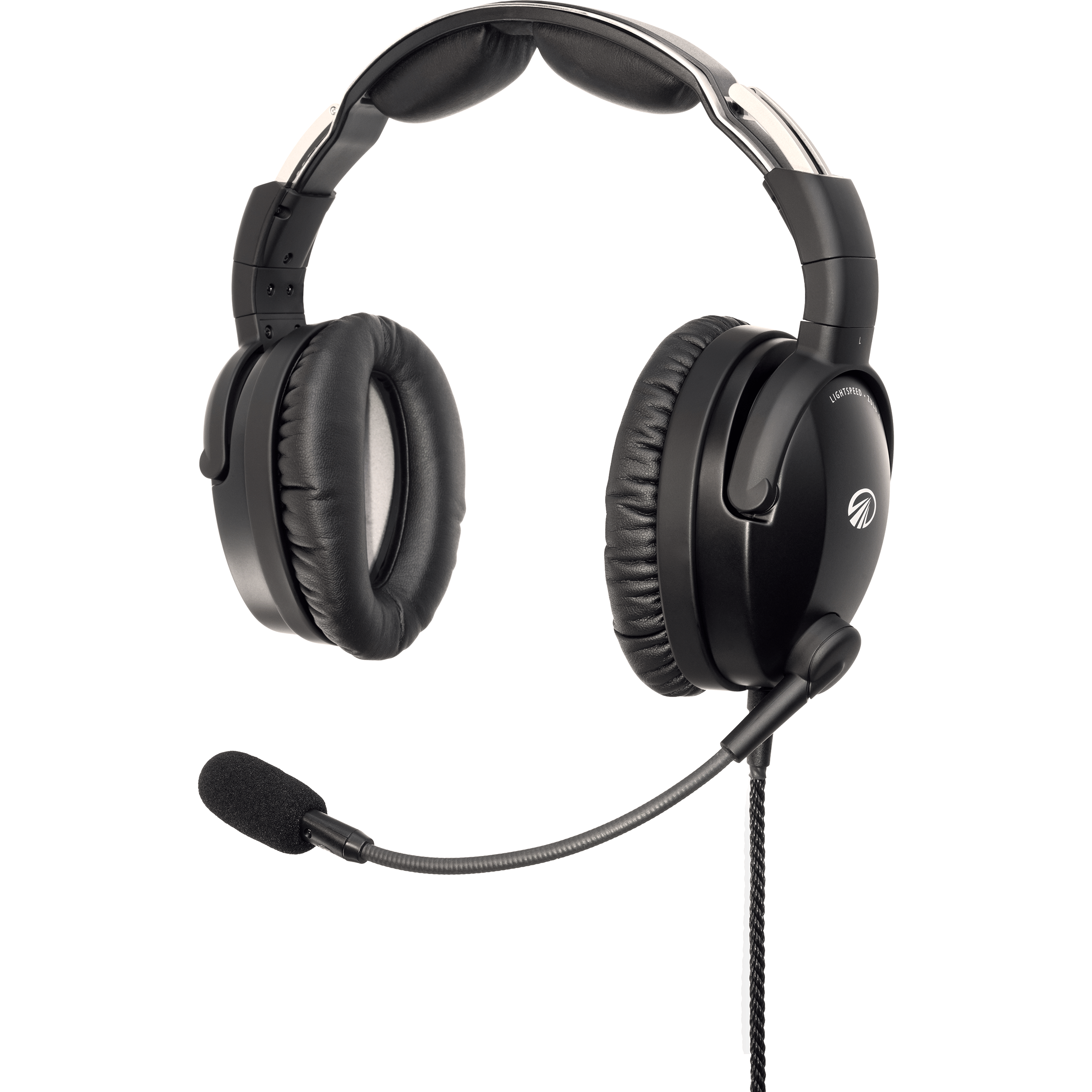 Premium ANR headsetLightspeed Zulu 4 ANR Aviation Headset - Dual GA PlugCheck current availability on Amazon (paid link)
 Premium headsetBose A30 Bluetooth Aviation Headset - Dual PlugCheck current availability on Amazon (paid link)
Table of Contents
- What a Multi-Engine Rating Course Covers
- Who Needs the Rating and What Must Come First
- Typical Multi-Engine Syllabus and Hour Breakdown
- How DuBois Aviation Runs the Course
- Realistic Costs and Time Estimates
- Enrollment, Checkride, and Career Value
- Common Questions Before You Enroll
What a Multi-Engine Rating Course Covers
A multi-engine rating adds a class rating to an existing airplane certificate. It is not a separate pilot certificate, and the FAA does not set one universal minimum for multi-engine flight hours. The applicant instead needs the required instructor endorsements and must demonstrate competence on the practical test. Training providers commonly report that many pilots need about 10 to 15 hours in a multi-engine airplane, while some accelerated programs may finish in 6 to 10 hours, depending on prior experience and proficiency.
The rating is therefore proficiency-driven, not an hour-count milestone. An instructor must see consistent performance during normal operations, abnormal situations, and emergency procedures before signing the practical-test endorsement. A student may reach a familiar hour total and still need more practice if engine-out control or checklist discipline is inconsistent.
The four working areas
A practical multi-engine syllabus connects four skill areas:
- Systems and performance: The student learns the engines, propellers, landing gear, fuel and electrical systems, limitations, performance planning, and cockpit flows.
- Vmc awareness: The student recognizes the conditions associated with minimum controllable airspeed and applies the correct recovery priorities.
- Engine-out procedures: Training includes simulated failures at altitude, in the traffic pattern, during approach, and after takeoff. The first priority remains aircraft control before troubleshooting.
- Instrument reference: The pilot manages heading, altitude, airspeed, configuration, and navigation with one engine unavailable, including simulated single-engine approaches.
DuBois Aviation's typical student logs about 15 flight hours before endorsement, based on the school's provided training information. Those hours are supported by dedicated simulator preparation, where the student can chair-fly flows, rehearse instrument approaches, and practice engine-out procedures before repeating them in the Piper Apache. The simulator builds the sequence. The aircraft confirms that the sequence holds under real workload.
Practical rule: The goal is not to collect a number of hours. The goal is to make the correct response predictable when workload rises.
Single-engine IFR experience can help substantially. The pilot already understands instrument scan, approach briefings, missed-approach planning, and aircraft control by reference to instruments. The multi-engine course applies those habits to asymmetric thrust, changing performance, and the decisions required after an engine failure.
Who Needs the Rating and What Must Come First
A pilot with a single-engine land privileges certificate usually adds the multi-engine rating to that existing certificate. The rating is an additional class privilege, not a separate certificate earned from the beginning. Students who are still working toward a private pilot certificate should first understand the applicable Part 61 requirements for the airplane category and multiengine class, including the required flight training and solo experience.
The students who pursue this training generally fall into four groups:
- Career-track pilots add the rating while building toward commercial, instructor, and airline-oriented qualifications.
- Time-building pilots include it in a broader plan for professional flying.
- Aircraft owners and renters want the preparation to operate a twin safely and understand its systems.
- Commercial pilots need multiengine privileges for the jobs or aircraft they are targeting.
The rating can be added without an instrument rating. The pilot may earn the multiengine class privilege, but the resulting operating privileges still follow the limits of the certificate and ratings already held. A pilot planning to fly a twin in instrument conditions must arrange instrument training separately if those privileges are not already available.
That distinction should be settled before training begins. A student who has only single-engine visual experience may need extra preparation for instrument procedures, while a pilot with recent instrument experience can apply an established scan and approach routine to asymmetric thrust.
There is also a testing detail to confirm with the instructor. If the multi-engine rating is earned in a multiengine airplane, instrument privileges may be conferred during the practical test when the test is conducted in that configuration, as described in the FAA Instrument Rating Airplane ACS.
Before booking an evaluation, prospective students can review DuBois Aviation's multi-engine rating requirements. The instructor can then assess readiness, rather than treating an hour count as the deciding factor. A short refresher in single-engine control or instrument work may be appropriate before the student begins twin-engine lessons.
Typical Multi-Engine Syllabus and Hour Breakdown
A multi-engine syllabus measures proficiency, not merely time in the airplane. Training usually progresses from aircraft knowledge and normal handling to asymmetric thrust, then combines those skills with instrument and emergency workloads. Each lesson should answer a practical question: can the pilot control the airplane, identify the problem, and complete the correct procedure without losing the larger picture?
The FAA requires an add-on applicant to receive at least 3 hours of dual instruction in preparation for the practical test during the preceding 2 calendar months, according to this multi-engine rating training guidance. That requirement is a recent-training floor, not a promise that the pilot is ready. The instructor still needs to see consistent control, sound decision-making, and reliable checklist use.
| Syllabus Area | Typical Flight Time | Key Skills |
|---|---|---|
| Preflight and systems | Varies by proficiency | Aircraft inspection, limitations, engine and propeller systems, checklists |
| Normal and short-field operations | Varies by proficiency | Power management, configuration changes, directional control, rejected takeoff decisions |
| Vmc demonstration | Varies by proficiency | Recognition of controllability limits, recovery priorities, airspeed control |
| Engine-out work at altitude | Varies by proficiency | Identify, verify, feather, secure, restart considerations, single-engine performance |
| Engine-out instrument approaches | Varies by proficiency | Instrument scan, heading and altitude control, approach briefing, missed approach planning |
| Emergency descent and landing | Varies by proficiency | Checklist discipline, performance management, landing-site decisions, workload control |
Published training guidance commonly places dual instruction in the 7 to 15 hour range, with 10 to 15 hours also cited as a common preparation range. These are planning ranges, not FAA minimums. A current instrument pilot who prepares thoroughly may need less time, while a pilot rebuilding aircraft-control or instrument habits may need more.
The course also works through cross-country, night, and instrument operations in a multiengine airplane. One published outline identifies 3 hours of cross-country flight, 3 hours of night flight, and 3 hours of instrument instruction as typical package elements. Those tasks are useful only when the pilot can perform them consistently, with control and workload management intact.
A well-run syllabus therefore returns to weak areas instead of advancing because the calendar says it is time. Chair-flying and simulator repetitions can prepare the flows, while airplane lessons confirm timing, control feel, and judgment under real workload.
How DuBois Aviation Runs the Course
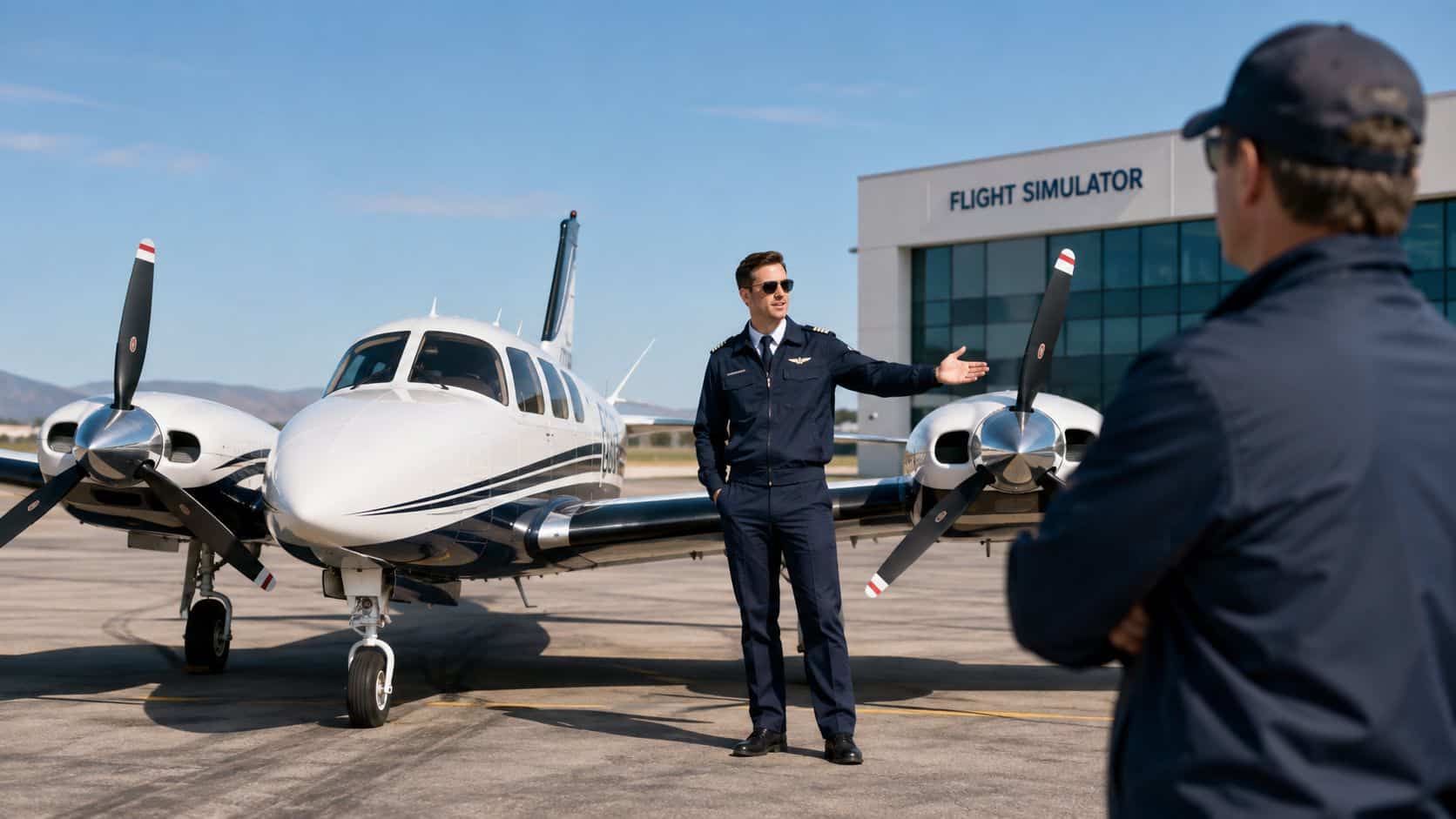
DuBois Aviation builds the course around three repeating tools: chair flying, simulator preparation, and live training in the Piper Apache. Before moving the throttles, the student rehearses normal, abnormal, and engine-out flows verbally and mentally. That preparation helps the pilot recognize the sequence of actions without searching for switches during a high-workload event.
Chair flying is especially useful for engine-out procedures because the correct response has to become immediate. The student can practice identifying the failed engine, maintaining control, setting the correct configuration, communicating, and completing the appropriate checklist before the airplane ever leaves the ground.
Simulator preparation
The in-house simulator gives students a controlled environment for instrument approaches in simulated instrument conditions. It also allows repeated work on approach briefing, power changes, heading control, and workload management without using aircraft time for every repetition.
The simulator can prepare the student for:
- Instrument approaches with reduced performance
- Single-engine approach setup and missed-approach planning
- Vmc demonstration concepts and recovery priorities
- Recognition of accelerated stall cues
- Propeller and engine-out procedure flows
Once the student moves to the airplane, the instructor can focus more of the lesson on judgment, aircraft feel, and timing instead of introducing every procedure for the first time.
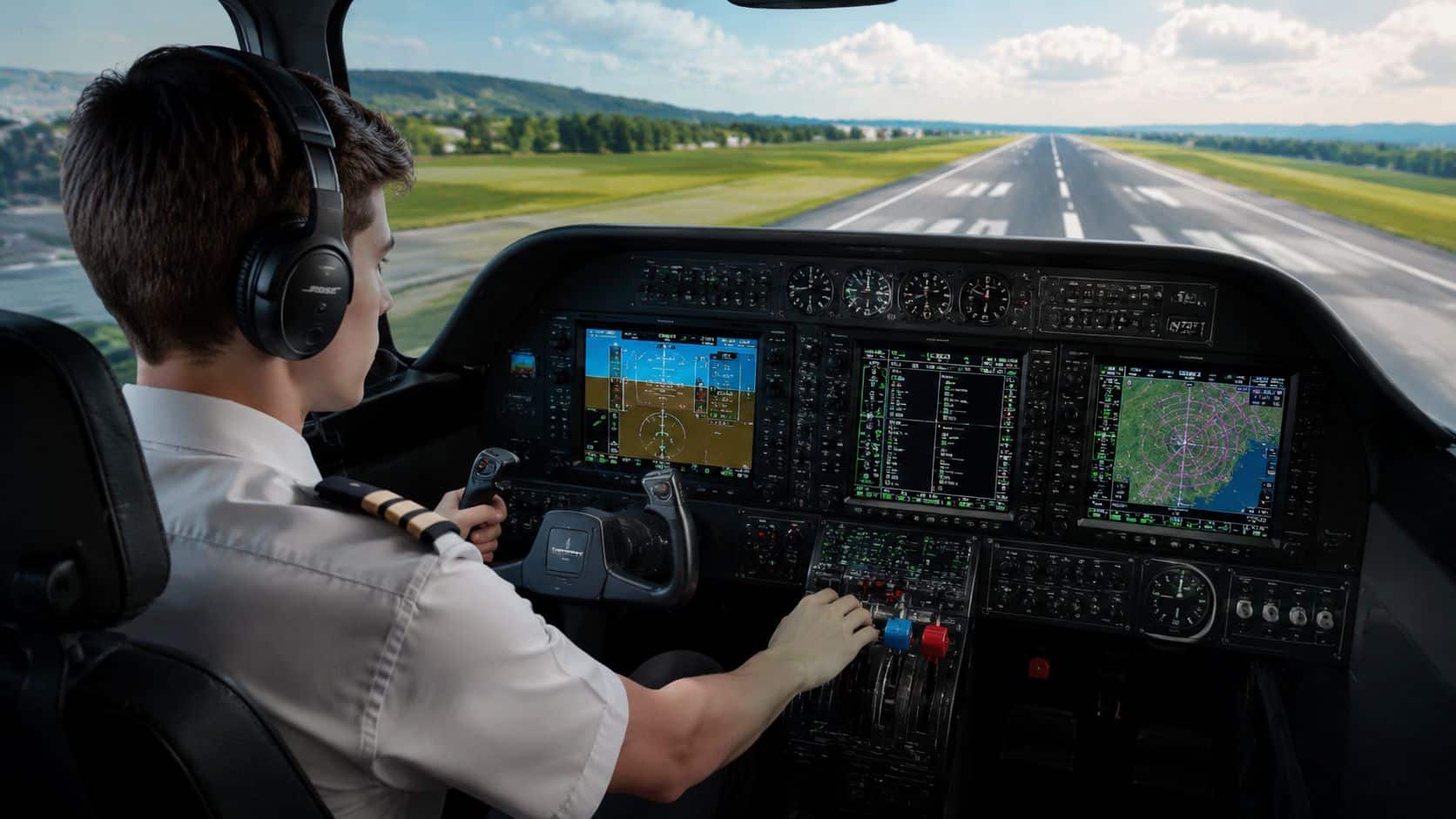
Live Apache training
Aircraft work starts with basic reference maneuvers, including straight-and-level flight, climbs, descents, slow flight, and stalls. The student then practices the Vmc demonstration and recovery at a safe altitude, followed by short-field operations and more complex configuration changes.
Engine-out work becomes progressively more realistic. DuBois Aviation's training information identifies simulated engine failure before 40 knots on takeoff, simulated failures in the traffic pattern, single-engine landings, in-flight engine shutdowns at higher altitudes, and simulated single-engine approaches. The instructor's emphasis is not on memorizing speeds. The student must maintain control, protect airspeed, select an appropriate course of action, and use the checklist in the correct order.
Engine failure changes the priorities, not the fundamentals. Fly the airplane first, then identify the problem, then complete the appropriate procedure.
Cross-country and night multiengine work add navigation, weather, fuel, and airport decision-making to the same engine-out discipline. By the time the checkride recommendation arrives, the pilot should be managing procedures as practiced habits rather than reacting to each failure as a new event.
Realistic Costs and Time Estimates
The total cost of a multi-engine rating course varies widely because the FAA doesn't set a fixed hour minimum. Aircraft rental, instructor time, checkride expenses, regional pricing, the student's currency, and the need for additional dual instruction can all change the final budget.
Published guides show a broad range. One estimate places total course cost around $3,600 to $7,250, another reports $5,250 to $8,400, and a higher-cost-market estimate reaches $5,000 to $12,000. Those figures should be treated as planning ranges rather than guaranteed quotes.
| Line Item | Low | Average | High |
|---|---|---|---|
| Aircraft and instructor training | Varies | Varies | Varies |
| Ground instruction and preparation | Varies | Varies | Varies |
| Checkride and examiner expenses | Varies | Varies | Varies |
| Additional dual instruction | None required | Possible | May be substantial |
| Total published course range | $3,600 | $5,250 to $8,400 | Up to $12,000 |
The cheapest advertised price often assumes a highly prepared student who finishes near the lower end of the practical range. It may also exclude the examiner, aircraft rental for the checkride, ground preparation, or a second attempt. A realistic budget should ask exactly what the school's estimate includes.
What changes the timeline
A focused student who flies consistently can progress quickly because the rating is an add-on. Long gaps create a different result. Instrument scan, checklist flow, radio habits, and aircraft control may need to be rebuilt before the student can concentrate on asymmetric performance.
Students comparing local training options can review the multi-engine rating cost information from DuBois Aviation and ask for a personalized estimate based on current certificates, recent flight experience, and intended privileges. The useful estimate is not a single headline price. It's a range tied to the student's actual starting point and the aircraft used for training.
Enrollment, Checkride, and Career Value
Enrollment begins with a review of the student's existing certificates, medical qualification, logbook, recent experience, and goals. A Part 61 school can tailor the pace, but the instructor still needs enough information to identify gaps before the first multiengine lesson. Students who haven't previously operated retractable landing gear or constant-speed propellers may also need additional aircraft-systems preparation before those tasks feel routine.
A practical enrollment checklist includes:
- Certificate review: Confirm the current airplane category, class privileges, and the rating being added.
- Medical review: Verify that the medical certificate or other qualifying medical documentation supports the intended operation.
- Logbook review: Identify recent instrument, night, cross-country, and complex-aircraft experience.
- Training plan: Set a schedule that gives the student enough repetition to retain emergency procedures.
- Checkride planning: Discuss instructor endorsements, aircraft availability, and examiner scheduling early.
The practical test includes an oral portion and a flight portion. The flight evaluation can include normal and short-field operations, Vmc demonstration, engine-out procedures, instrument work, and emergency decision-making. At the ATP or type-rating level, FAA guidance specifically requires normal engine shutdowns and restarts in flight, including propeller feathering and unfeathering, which shows how central asymmetric-flight procedures remain in advanced multiengine testing (FAA ATP Airman Certification Standards).
Why career pilots add it
The rating can support several professional paths, but it isn't a substitute for the rest of the required experience. It can strengthen a pilot's qualifications for positions involving multiengine aircraft, support future instructor development, and provide relevant experience for pilots working toward advanced certificates.
For students thinking about the employment side, DuBois Aviation provides information about multi-engine pilot jobs as part of broader career planning. The practical value depends on the employer, aircraft, operating rules, insurance requirements, and the pilot's complete record. A rating opens an option. Proficiency, judgment, and the rest of the qualification package determine whether that option becomes a job opportunity.
Common Questions Before You Enroll
Can the rating be combined with instrument training?
Yes, depending on the applicant's existing privileges and the practical-test configuration. When the rating is earned in a multiengine airplane, instrument privileges can be conferred during the practical test if the evaluation is conducted in that configuration, as noted earlier in the FAA guidance. Confirm the exact plan with your instructor before training begins, because combined evaluations change lesson sequencing and preparation.
Does multi-engine time count toward ATP experience?
Flight time may count toward broader experience requirements when it meets the applicable logging rules and the pilot's certificate pathway. The multi-engine rating itself does not replace the remaining ATP eligibility requirements. Career-track pilots should review current regulations with their instructor and keep accurate logbook entries.
How does prior IFR experience help?
A pilot with solid single-engine IFR habits already has a foundation for instrument scan, approach briefings, altitude control, and missed-approach planning. That experience leaves more attention for asymmetric thrust, engine identification, aircraft configuration, and performance management.
The rating still requires dedicated engine-out practice. Instrument familiarity helps with workload, but it does not substitute for recognizing the failed engine, controlling the airplane, and choosing a safe response.
What documents are needed?
The school will normally review the pilot certificate, medical documentation, logbook, identification, and applicable endorsements. The instructor can identify missing records before scheduling the first aircraft lesson or practical test.
How should a Chino Airport student begin?
Contact the school with your current certificate level, instrument status, recent flight activity, and personal or career goal. Those details help the instructor recommend an appropriate starting lesson, chair-flying and simulator preparation, and a schedule based on proficiency rather than an arbitrary hour package.
DuBois Aviation offers one-on-one multi-engine instruction in a Piper Apache, simulator preparation, aircraft rental, and training support at Chino Airport. Visit DuBois Aviation to ask about availability, review enrollment, and request a training plan based on your experience.