
If you're eyeing a career as an airline pilot, you've probably heard about the multi-engine rating. It's a serious step up, and it comes with a price tag. Expect to invest somewhere between $3,000 and $7,000 to get it done. For an aspiring airline pilot, this isn't just a cost—it's a critical investment in your future.
Why Your Multi Engine Rating Is a Career Multiplier
For any student pilot with their sights set on the airlines, the multi-engine rating isn't just another certificate to hang on the wall—it's the golden ticket. It’s what separates you from the pack and opens the door to flying for a living.
Two practical options worth comparing
These are specific products pilots commonly compare for this type of flying. Confirm compatibility with your aircraft and instructor before ordering.
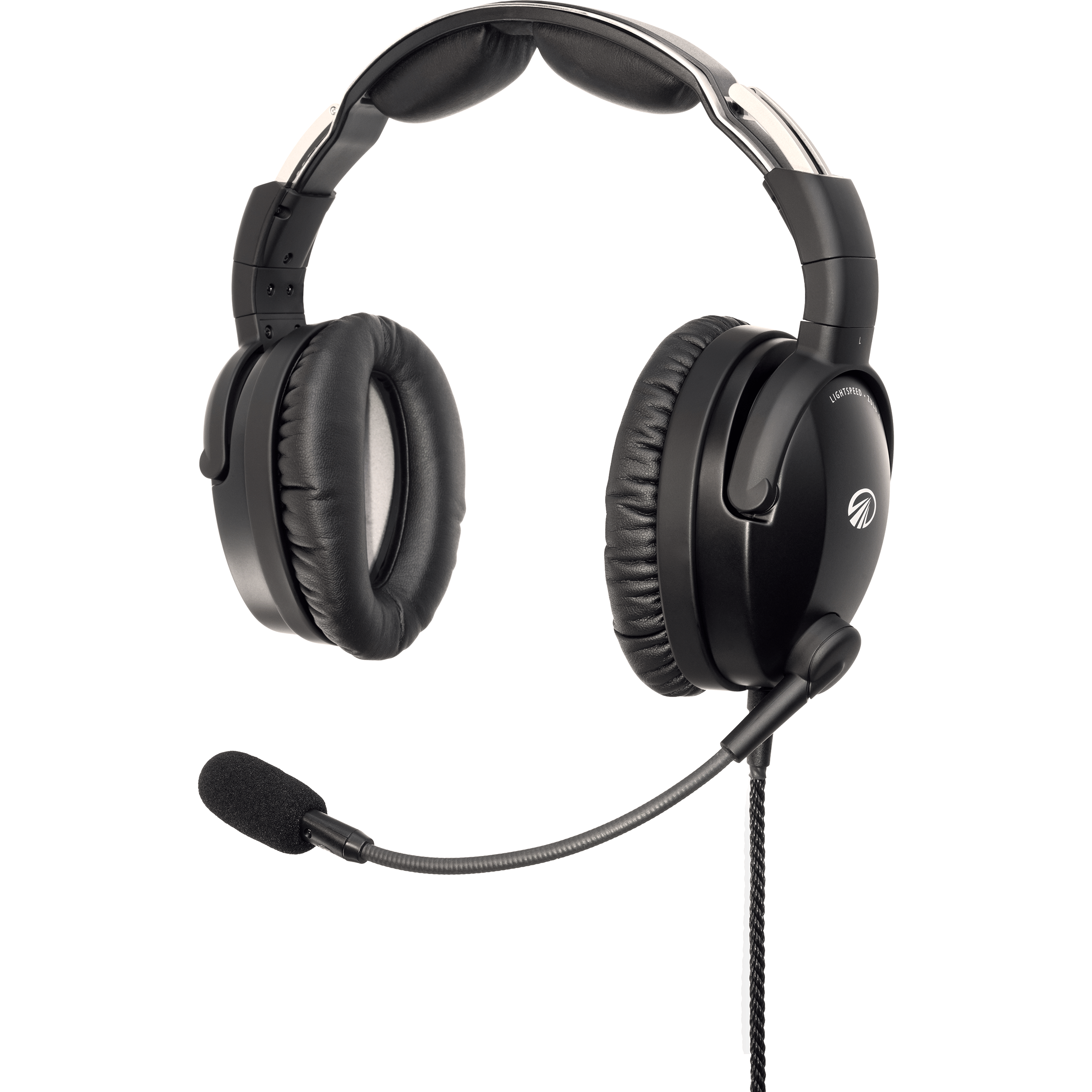 Premium ANR headsetLightspeed Zulu 4 ANR Aviation Headset - Dual GA PlugCheck current availability on Amazon (paid link)
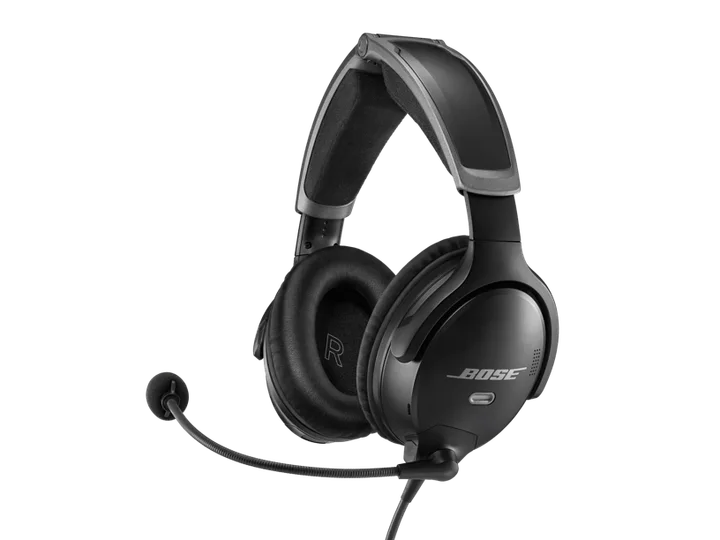 Premium headsetBose A30 Bluetooth Aviation Headset - Dual PlugCheck current availability on Amazon (paid link)
Sure, your single-engine certificate proves you've mastered the fundamentals of flight. But the multi-engine rating shows you can handle the speed, complexity, and systems of the aircraft that airlines actually fly. It’s an absolute must-have for anyone serious about landing a job with a commercial carrier.
This is also a huge deal for helicopter pilots looking to transition into the fixed-wing world. Your skills as a rotary-wing pilot are incredibly valuable, but airlines fly planes. Earning this rating proves you can adapt to different aerodynamics and systems, making you a much more versatile and appealing candidate for airline recruiters.
This infographic breaks down the typical costs you can expect.
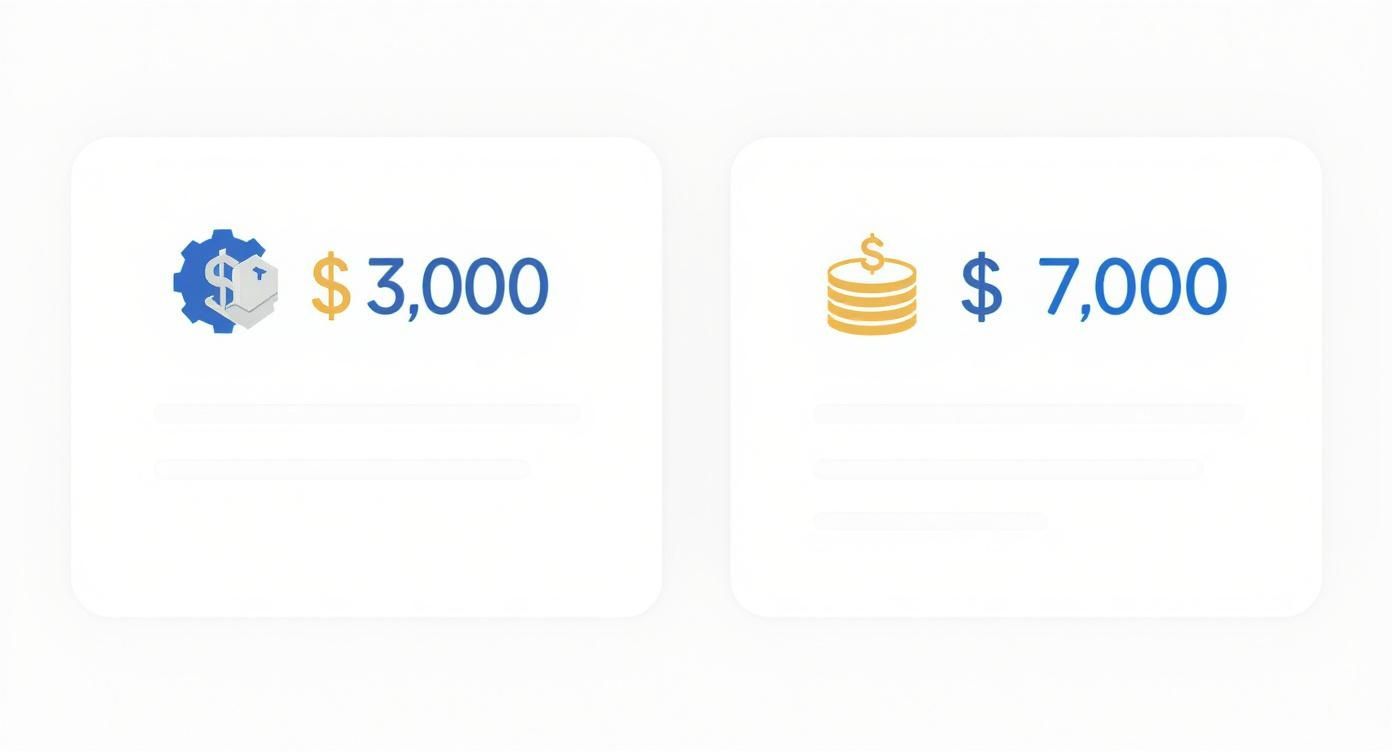
As you can see, there's a general price window, but where you land within it depends on a few key factors we'll get into.
A Global Perspective on Training Costs
No matter where you are in the world, getting this rating requires a significant financial commitment. Globally, the total cost usually lands between $2,000 and $7,000.
Here in the United States, most students can expect their all-in cost to be somewhere in the $3,000 to $6,000 range. That figure typically covers the aircraft rental, your instructor's time, and the examiner's fee for the checkride. You can find a deeper dive into these expenses and what drives them in this guide to multi-engine rating costs.
This rating is more than just another line in your logbook. It's a direct investment in your future earning power and career path, signaling to employers that you're ready for the big leagues.
To give you a clearer picture of where your money goes, here's a quick summary of the expenses you'll encounter.
At a Glance Breakdown of Multi Engine Rating Costs
| Expense Category | Low-End Estimate | High-End Estimate | Key Influencing Factors |
|---|---|---|---|
| Aircraft Rental | $1,500 | $4,500 | Type of aircraft, fuel costs, location, block rates |
| Instructor Fees | $750 | $1,500 | Instructor experience, regional rates, school pricing |
| Ground School | $200 | $500 | Online courses vs. in-person, included materials |
| Written Exam Fee | $150 | $175 | Standardized testing center fees |
| Checkride (Examiner Fee) | $600 | $1,200 | Designated Pilot Examiner (DPE) availability, location |
Keep in mind, these are estimates. Your individual proficiency, the efficiency of your training, and the specific school you choose will ultimately determine your final cost.
Strategic Aircraft Purchasing and Sales
For those further along in their aviation journey, like flight schools or established pilots, understanding the aircraft market is crucial. The process of buying or selling airplanes and helicopters is complex. Knowing how to buy an airplane the safe way is essential to protect your investment and ensure you're acquiring a safe, airworthy machine.
A smart aircraft purchase is about more than just finding a good deal. It really comes down to diligence.
- A Thorough Pre-Buy Inspection: This is the most critical step. Always have a trusted, neutral mechanic who specializes in the specific model conduct a pre-buy inspection. They will spot the issues that aren't obvious on the surface, from hidden corrosion to potential engine problems.
- Meticulous Logbook Review: Dig deep into the maintenance records. You need to verify that the aircraft has been properly cared for and that all airworthiness directives (ADs) have been completed. This is the aircraft's entire history, and any gaps are a major red flag.
- Understanding Ownership Structures: Look into different ownership options. Something like forming an LLC could offer liability protection and other financial benefits.
Having this knowledge helps you make sound decisions, whether you're buying a personal aircraft or expanding a training fleet.
Breaking Down Your Core Training Costs
When you start looking at the total multi engine rating cost, the first step is to figure out exactly where your money is going. Your flight school bill is a lot like a list of ingredients—each one is critical to getting you that new rating, and the biggest one by far is always the airplane.
This is where student pilots see the most dramatic price jump. Think of the single-engine plane you're used to, maybe a Cessna 172, as your dependable daily driver. It’s reliable and relatively cheap to operate. A multi-engine aircraft, on the other hand, is a different beast entirely. It's more like a high-performance vehicle—faster, far more complex, and a lot thirstier.
That second engine, extra propeller, and all the associated systems mean higher operating costs, and that translates directly to what you pay per hour.
Aircraft Rental and Instructor Fees
The lion's share of your budget will go toward the aircraft's "wet" rental rate, which just means the price includes fuel. For a twin-engine plane, you can expect to pay anywhere from $300 to over $500 per hour. When you consider that most pilots need 10-15 hours to get proficient, you can see how quickly this adds up.
Next up is your instructor's time. You’re not just paying for a warm body in the right seat; you're investing in a mentor who will guide you through some seriously complex aerodynamics. They'll be the one teaching you how to handle tricky situations like asymmetric throughst and Vmc (your minimum control speed with one engine out). Instructor fees usually fall between $65 and $95 per hour for their time both in the air and on the ground.
Every minute you spend learning on the ground directly saves you money in the air. Mastering concepts before you start the engines makes your expensive flight time far more productive and efficient.
Ground School and Training Materials
Solid ground instruction is the bedrock of good multi-engine training. It might seem like a smaller part of the bill, but skimping here is a huge mistake for any career-focused student. You absolutely need to have the aircraft's systems and emergency procedures down cold before you ever start the engines.
Most pilots find a mix of self-study and one-on-one time with their instructor works best. Here's what that usually involves:
- Online Courses: Structured programs with video lessons and practice quizzes are a great way to build a foundation. Expect to pay $100 to $300 for one of these.
- Textbooks and Manuals: At a minimum, you'll need the Pilot's Operating Handbook (POH) for the specific plane you're flying, plus a good multi-engine textbook.
- One-on-One Ground Instruction: This is dedicated time with your CFI to hammer out the complex topics you'll be demonstrating in the air.
Spending a few hundred dollars here can easily save you a thousand or more in the cockpit. To see exactly what you'll need to know, check out our detailed guide on multi-engine rating requirements.
The Value of Flight Simulators
Modern flight simulators are a game-changer for keeping the multi engine rating cost in check. These aren't video games; they are sophisticated training devices that let you practice critical emergency procedures over and over without burning a single drop of avgas.
You can safely drill engine failures on takeoff, run through checklists until they're second nature, and perfect complex procedures for a fraction of what it costs to fly the real thing. Many schools rent their simulators for under $100 per hour, making it an incredibly smart way for student pilots to build the muscle memory and confidence they need before they go flying.
Choosing Your Flight Training Path
When it comes to your multi engine rating cost, the structure of your training program is one of the single biggest variables. Not all flight schools or training schedules are built the same, and the path you choose will have a direct impact on your budget, your timeline, and your overall experience. This is especially true for career-focused pilots, including helicopter pilots making the jump to fixed-wing aircraft.
One of the first big decisions you'll face is whether to go with an accelerated program or a more traditional, pay-as-you-go schedule. Each has its own rhythm and suits different learning styles and life situations.
An accelerated course is basically a full-immersion bootcamp for multi-engine flying, often wrapped up in just one or two weeks. It's an intense format designed to get you proficient and ready for your checkride in the shortest time possible. While the sticker price might look higher upfront, this approach can actually save you money in the long run.
The Case for Accelerated Training
The real magic of an intensive program is skill retention. When you’re flying every single day, the lessons from yesterday are still fresh in your mind today. This constant reinforcement helps you avoid "skill rust"—that frustrating part of a lesson where you spend the first 20 minutes just relearning what you forgot since last week.
By compressing the training into a short, focused period, you often need fewer total flight hours to reach proficiency. That efficiency saves you money on both the plane and the instructor.
This path is perfect for student pilots who can clear their calendars and dive in headfirst. The focused environment cuts out distractions and keeps the momentum going, which is why it's a popular choice for pilots on a fast track to an airline career.
Flexibility with Pay-As-You-Go Schedules
On the flip side, a traditional pay-as-you-go schedule gives you flexibility. This approach lets you train at your own pace, squeezing in lessons around your job, school, or family life. If flying only once or twice a week is what fits your reality, this makes training possible without having to put everything else on hold.
The catch? While this method spreads the cost out, you have to be disciplined. Long breaks between flights can cause your skills to fade, meaning you’ll spend extra time—and money—just getting back to where you were. To make this path work, consistent self-study between flights is non-negotiable.
Part 141 vs. Part 61 Programs
You'll also need to decide between two types of FAA-regulated flight schools: a highly structured Part 141 program or a more adaptable Part 61 school.
-
Part 141: Think of these as the college-style approach. They follow a rigid, FAA-approved syllabus where every lesson is mapped out in a specific order. You'll often find these at large pilot academies or universities, offering a very predictable, step-by-step path for career students.
-
Part 61: This is the more common setup you'll find at local flight schools. It gives your instructor the freedom to tailor the training directly to you. If you pick up Vmc demos quickly but need more work on single-engine approaches, your instructor can adjust the plan on the fly.
For many pilots seeking a multi-engine rating, the personalized focus of a Part 61 program ends up being the most efficient path. You can get a closer look at what the training involves in our guide on multi-engine pilot training. Ultimately, the right choice really boils down to your learning style, career goals, and how you manage your budget.
Navigating Hidden Costs and Extra Fees
The price tag your flight school gives you upfront is a great starting point, but it almost never tells the whole story. To get a real handle on your multi-engine rating cost, you have to dig a little deeper and account for the extra fees and potential expenses that inevitably pop up. These aren't really "hidden" costs—they're just a normal part of flight training—but planning for them from day one will save you a ton of stress.
The biggest single extra fee you'll face is for the checkride itself. Your final exam isn't with your instructor; it's with a Designated Pilot Examiner (DPE), a seasoned aviator the FAA trusts to conduct practical tests. You'll pay their fee directly, so it won't show up on your flight school invoice.
DPE fees are all over the map, typically running anywhere from $600 to over $1,200. The exact cost depends on where you are, how busy the DPE is, and the complexity of the checkride. It's a significant one-time expense, so make sure you factor it into your budget right from the start.
Beyond the Checkride Fee
While the DPE fee is the heftiest add-on, a few other things will contribute to your final bill. For starters, you have to pass the FAA written exam before you can even think about the practical test, and that comes with its own fee, usually around $150 to $175. You'll also need to get your hands on some essential pilot gear.
This isn't just stuff for your training; it's an investment in your career. Plan on buying a few key items:
- A Quality Headset: Don't skimp here. Clear communication and hearing protection are non-negotiable.
- Charts and Publications: You'll need current aeronautical charts and an Airport/Facility Directory.
- Flight Bag and Kneeboard: Essential for keeping your cockpit organized and important info at your fingertips.
It's also worth asking if your school has a fuel surcharge policy. If fuel prices suddenly spike, they might add a surcharge to your rental rates. It’s not always in play, but it’s good to know about upfront.
The Reality of Extra Flight Hours
Probably the single biggest variable in your multi-engine rating cost is the actual number of flight hours you end up needing. The FAA doesn't set a minimum flight time for an add-on rating, but most schools build their programs around the average student needing 10 to 15 hours.
The key word here is average. It's not a guarantee. Every pilot learns at their own speed, and it’s smart to budget for an extra two or three hours on top of what the school estimates. Think of it as a financial cushion.
This buffer isn't just for pilots who might be struggling with a concept. Even sharp pilots sometimes need an extra flight to nail a specific maneuver just before the checkride. Having that extra money set aside takes the pressure off, letting you focus on flying the airplane instead of stressing about your bank account. This is especially true for helicopter pilots moving into the fixed-wing world, as they get used to a whole new set of aerodynamics and control responses.
Making a Smart Aircraft Purchase
While most student pilots start by renting, some eventually see the bigger picture: owning a multi-engine aircraft. This path isn’t for everyone, of course. But for a flight school adding to its fleet, a flying club, or even a serious pilot planning to build a lot of hours, buying can be a surprisingly smart financial move.
Purchasing an airplane or helicopter is nothing like buying a car. It’s a complex process that demands careful, methodical work to make sure your new asset doesn’t turn into a financial nightmare right out of the hangar.
Think of it as the ultimate pre-flight for your wallet. The most critical step, without a doubt, is a thorough pre-buy inspection. This needs to be done by an independent, trusted mechanic who truly knows the specific make and model you're considering. This is non-negotiable—never use the seller's mechanic. You need an unbiased expert on your side, ready to uncover everything from engine trouble to hidden corrosion.
A good pre-buy can easily save you tens of thousands of dollars in surprise repairs. It's the only real way to know what you're getting yourself into.
Digging Into the Details
Before a mechanic even lays a wrench on the plane, your homework starts with the logbooks. These documents are the aircraft's entire life story, chronicling every single inspection, repair, and modification it has ever had. Scrutinizing these records is absolutely essential.
What you're searching for is a clean, continuous history. Gaps in the logs or patterns of deferred maintenance are huge red flags. You must also confirm that every mandatory Airworthiness Directive (AD) has been complied with. ADs are legally enforceable FAA rules designed to fix known safety issues, and an aircraft with an outstanding AD can be grounded and expensive to bring into compliance.
An aircraft with impeccable maintenance logs and a clean pre-buy inspection is worth a premium. Paying slightly more upfront for a well-maintained machine is almost always cheaper than buying a "bargain" that requires extensive, expensive repairs.
Getting a handle on the real-world costs of multi-engine flying is key, whether you rent or buy. For perspective, university flight programs often publish detailed cost estimates. For instance, Southeast Missouri State University (SEMO) notes that their multi-engine add-on, with 17 flight hours in a Piper Seneca (PA-34), runs about $9,239 for the aircraft and instruction alone. This gives you a solid baseline for what the training investment looks like.
Structuring Ownership and Securing Your Investment
How you buy the aircraft is just as important as what you buy. Many owners opt to purchase their plane through a Limited Liability Company (LLC). This smart move helps shield your personal assets from liability if an accident occurs. It's always a good idea to chat with an aviation attorney and a CPA to figure out the best ownership structure for your goals.
Finally, there's financing and insurance. Getting a loan for an aircraft is a specialized game; lenders will look very closely at the plane's age, its condition, and your own financial health. Insurance is just as crucial and will be a major recurring cost. Get insurance quotes early, as the price can swing wildly depending on the aircraft type and your own flight experience.
For those looking to understand the financial side better, our guide to aviation financing is a great place to start exploring how to fund your purchase.
Answering Your Top Cost Questions
If you're mapping out your journey to the airlines, it's completely normal to have questions about what a multi-engine rating really means for your wallet and your career. Getting solid answers upfront is the best way for a student pilot to make smart decisions. Let's tackle some of the most common questions we hear.
How Can I Lower My Multi Engine Rating Cost?
The single biggest way to cut down your multi engine rating cost comes down to one word: efficiency. The real secret is to show up for every single lesson thoroughly prepared. When you’ve already studied the procedures and have the concepts down cold, you're not wasting a single expensive minute in the air trying to catch up.
Beyond that, consider the school's location. Training in a region with a lower cost of living often means you'll find more affordable aircraft and instructor rates. You can also save a bundle by using a high-quality flight simulator to drill procedures and build muscle memory—it's a fraction of the cost of actual flight time. Finally, an accelerated program can keep your skills sharp, preventing the kind of rustiness that leads to needing repeat lessons.
Is a Multi Engine Rating Mandatory for Airline Careers?
Absolutely. It's a non-negotiable prerequisite for nearly every airline pilot job out there, from regional carriers all the way up to the major international airlines. The entire industry is built on multi-engine aircraft, and you simply can't get in the door without the rating.
Think of it this way: the rating isn't just a box to check. It's the specific qualification that proves you can safely operate the very same type of aircraft you'll be flying for a living. Without it, your airline career stays grounded.
Do Helicopter Pilots Need This Rating for Airline Jobs?
Yes, they do. When a professional helicopter pilot decides to switch gears and fly for the airlines, earning a multi-engine airplane rating is a critical step. Their extensive flight experience and sharp airmanship are huge assets, but the FAA views airplanes and helicopters as entirely separate aircraft categories.
The typical path for a helicopter pilot looks like this:
- Earn a commercial pilot certificate for single-engine airplanes.
- Add the multi-engine airplane rating to that certificate.
The good news is that many flight schools have streamlined programs designed specifically for this transition. They recognize the skills these pilots already bring to the table and focus on helping them adapt that expertise to fixed-wing, multi-engine flying.
How Long Does Multi Engine Training Typically Take?
The timeline really depends on the type of program you choose. If you're on a mission, an intensive, full-time accelerated course can get you done in as little as one week. This "bootcamp" style is perfect for student pilots who want to get to the airlines as quickly as possible.
On the other hand, if you're training at a local flight school on a pay-as-you-go basis, it might take several weeks or even a couple of months. It all comes down to your personal schedule, how often you can fly with your instructor, and—as always in aviation—the weather.
Ready to take the next step in your professional pilot career? At DuBois Aviation, we offer expert multi-engine flight training tailored to your goals, including programs for transitioning helicopter pilots. Visit us at https://duboisaviation.com to learn more and schedule your discovery flight.