
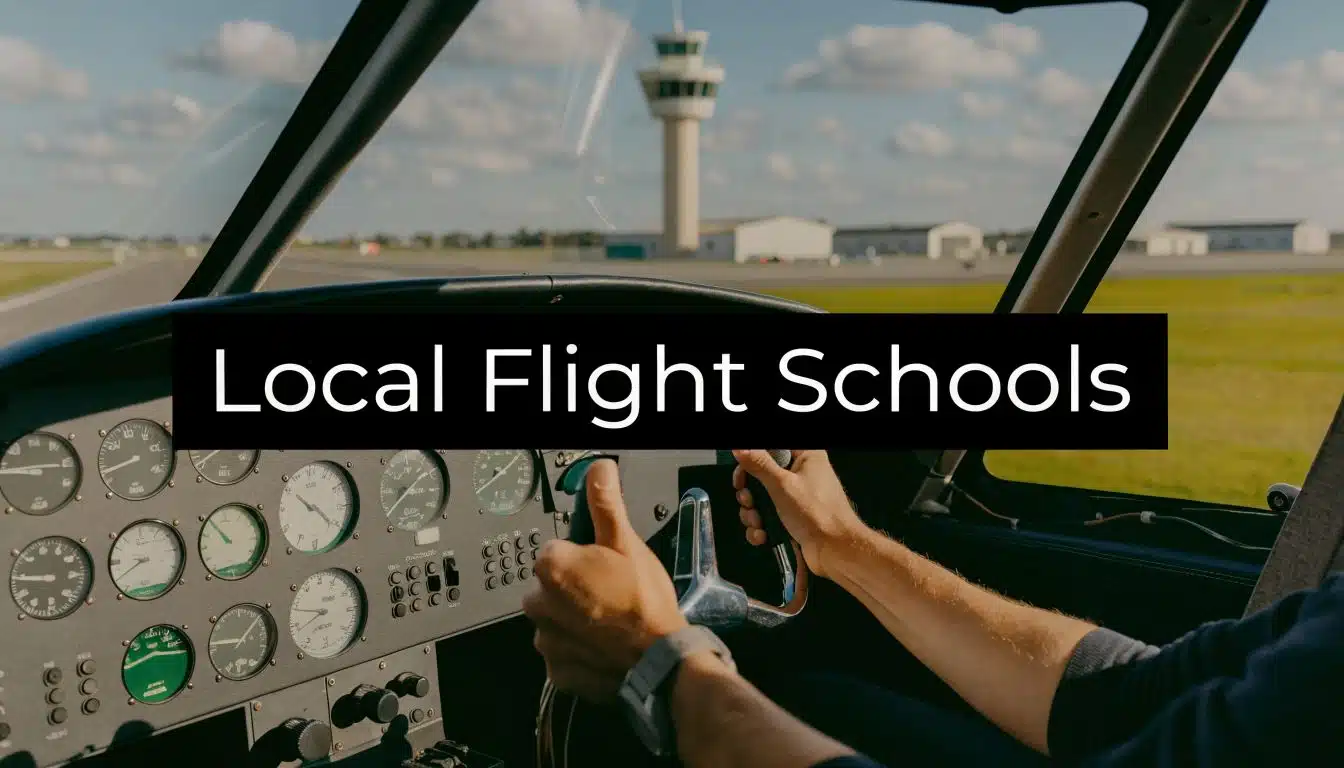
If you’re searching “pilot license training near me,” you’re probably in one of two places. You either know you want to fly and need a clear first move, or you’ve been circling the idea for months and want to know what the process really looks like before you commit.
The gap between “I want to learn” and “I’m actively training” is usually smaller than people think. At Chino Airport, that first step often happens in a real working environment with radios active, traffic moving, and a student realizing that flying isn’t reserved for some distant future version of themselves. It starts with one lesson, one instructor, and a plan that fits your schedule and goals.
Your First Step Into the Cockpit a Discovery Flight
Instead of further online research, they need one real flight.
Two practical options worth comparing
These are specific products pilots commonly compare for this type of flying. Confirm compatibility with your aircraft and instructor before ordering.
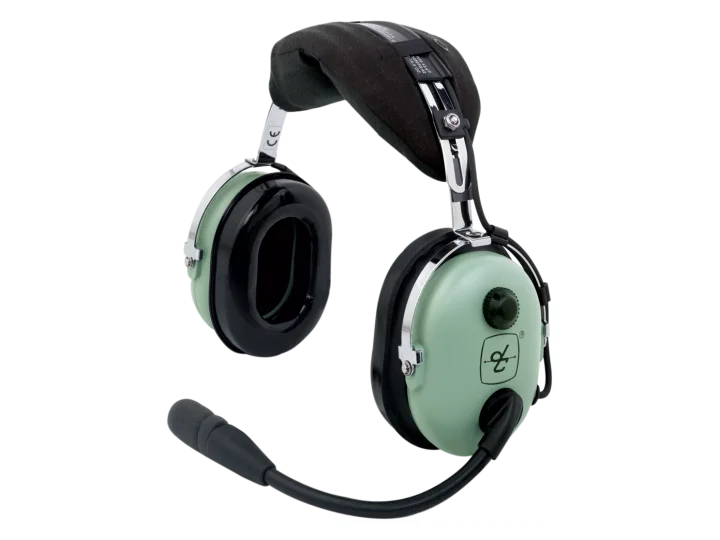 Student headsetDavid Clark H10-13.4 Aviation HeadsetCheck current availability on Amazon (paid link)
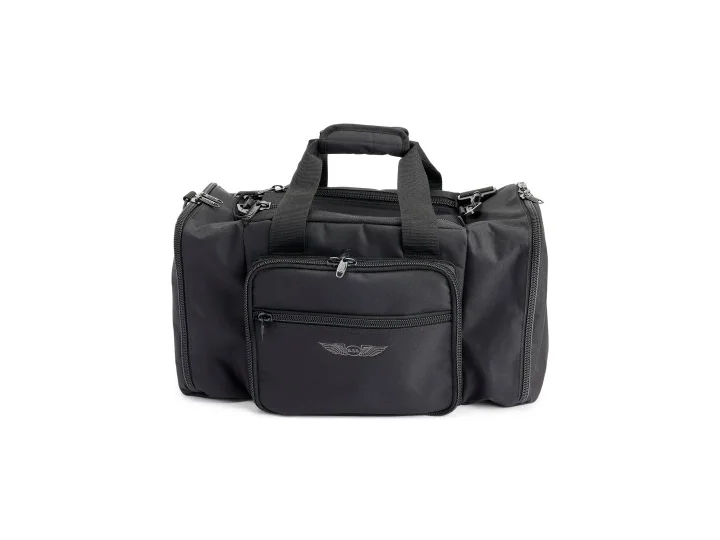 OrganizationASA Flight BagCheck current availability on Amazon (paid link)
A discovery flight turns aviation from an abstract goal into something physical. You walk into the briefing room, meet your instructor, look over the airplane, and hear how the lesson will go. Then you head onto the ramp, run the preflight, and start connecting all the pieces that seem complicated on the ground but start making sense once you see them in sequence.

At a school operating from a busy field like Chino, the experience usually includes more than straight-and-level sightseeing. You hear ground control, taxi with purpose, and watch how the instructor manages checklists, spacing, and radio calls. Once airborne, the instructor will often let you handle basic control inputs so you can feel what a small correction does.
A lot of first-timers expect the airplane to feel unstable or overly sensitive. The opposite is usually true. What often surprises newcomers is how structured it feels. There’s a flow to everything, from engine start to run-up to takeoff.
Practical rule: Don’t treat a discovery flight like a thrill ride. Treat it like your first lesson, because that’s exactly what it is.
What to pay attention to
The best discovery flights aren’t passive. Ask questions while the experience is fresh.
- Ask about training flow: How often should you fly if you want steady progress?
- Ask about aircraft availability: If one airplane goes down for maintenance, what’s the backup plan?
- Ask about instructor fit: Who’s a good match for your pace and communication style?
- Ask about the airport environment: Will your training start right away with radio work and tower procedures?
You should also notice how the instructor teaches. A good CFI doesn’t just fly well. They break tasks down, stay calm, and explain what matters now versus what you’ll learn later.
What a good first lesson feels like
You don’t need to “know aviation” to enjoy it. You just need to leave with a clearer answer to one question. Can you picture yourself coming back next week?
If the answer is yes, book an introductory flight lesson and use it to evaluate the process, not just the excitement. That’s the cleanest way to move from curiosity into training without overthinking the decision.
How to Choose the Right Flight School and Instructor
Choosing a flight school isn’t about finding the nearest airplane. It’s about finding a training setup that helps you stay consistent, builds skill efficiently, and doesn’t force avoidable delays into the process.
The wrong match usually shows up in predictable ways. Students fly too infrequently, switch instructors repeatedly, struggle to schedule airplanes, or train in an environment that doesn’t align with their long-term goals. Common pitfalls in flight training include inconsistent scheduling and motivation loss, and students who fly 3 to 4 times weekly through structured programs can complete training up to 40% faster, while early radio and airspace practice at busy towered airports like KCNO boosts proficiency and confidence, as noted in this guide on avoiding common training pitfalls.
Part 61 or Part 141
This is the first fork in the road.
Under Part 141, the FAA minimum for a Private Pilot Certificate is 35 hours, including 20 hours of dual instruction and 5 hours of solo time, while under Part 61 the minimum is 40 hours, including 20 hours dual and 10 hours solo, according to the FAA summary outlined on this private pilot training reference. That doesn’t mean one path is automatically better.
Part 141 works well for students who want a formal syllabus and a more school-like structure. Part 61 gives more flexibility, which helps working adults, self-directed learners, and people whose availability changes week to week.
The best program is the one you can follow consistently without long gaps.
What to inspect before you commit
A flight school should be easy to evaluate if you ask direct questions. Don’t ask whether they’re “good.” Ask how they operate.
- Fleet mix: Look for common trainers like Piper Cherokees and Cessna 150s because they’re proven training platforms and widely understood by instructors and mechanics.
- Maintenance process: Ask what happens when an aircraft is down for service. Reliable schools have a plan, not excuses.
- Scheduling reality: Ask how far out lessons are typically booked and whether the airplane and instructor calendars line up.
- Simulator access: An in-house simulator helps students rehearse flows, radio work, and instrument scan without wasting flight time.
- Airport environment: A busy field teaches pace and communication early. A quiet field may feel easier at first. Both can work, but they produce different early habits.
How to judge the instructor, not just the school
Students often focus on airplanes and forget the human variable. Your CFI shapes your pace, confidence, and retention more than any brochure will.
Look for an instructor who does three things well. They explain clearly, correct without drama, and keep each lesson moving toward a defined objective. If every flight feels improvised, training will drag.
Some students need a highly structured instructor. Others do better with a coach who adapts on the fly. That’s why a conversation before enrollment matters as much as the first lesson itself. This guide on how to choose a flight school is a useful framework if you want a checklist before visiting campuses.
A separate but practical point. If you’re comparing several local schools online, pay attention to how clearly each one presents its fleet, programs, and scheduling process. Aviation businesses that communicate well locally tend to remove friction for students too. The same principles show up in broader guides on local SEO strategies for businesses, and they’re surprisingly relevant when you’re trying to judge whether a school is organized or just visible.
Here’s a quick look at the kind of training questions worth asking in person:
A short decision checklist
Before you put down a deposit, confirm these points:
- Your schedule fits the training model: If you can only fly intermittently, don’t force yourself into a rigid plan you can’t maintain.
- The fleet supports continuity: One available trainer isn’t enough if maintenance or weather interrupts progress.
- The instructor match feels right: You should leave the conversation feeling challenged, not confused.
- The airport environment matches your goals: Career-track students often benefit from more complex airspace early. Some hobby flyers prefer a gentler start.
Mapping Your Aviation Journey from Private to Pro
A student starts with one goal, pass the private checkride. A year or two later, that same student may be asking a very different set of questions. Should I add instrument now or wait until after more cross-country time? Does commercial training make sense if I only want to fly my own airplane? Is instructing the right move, or just the common move?
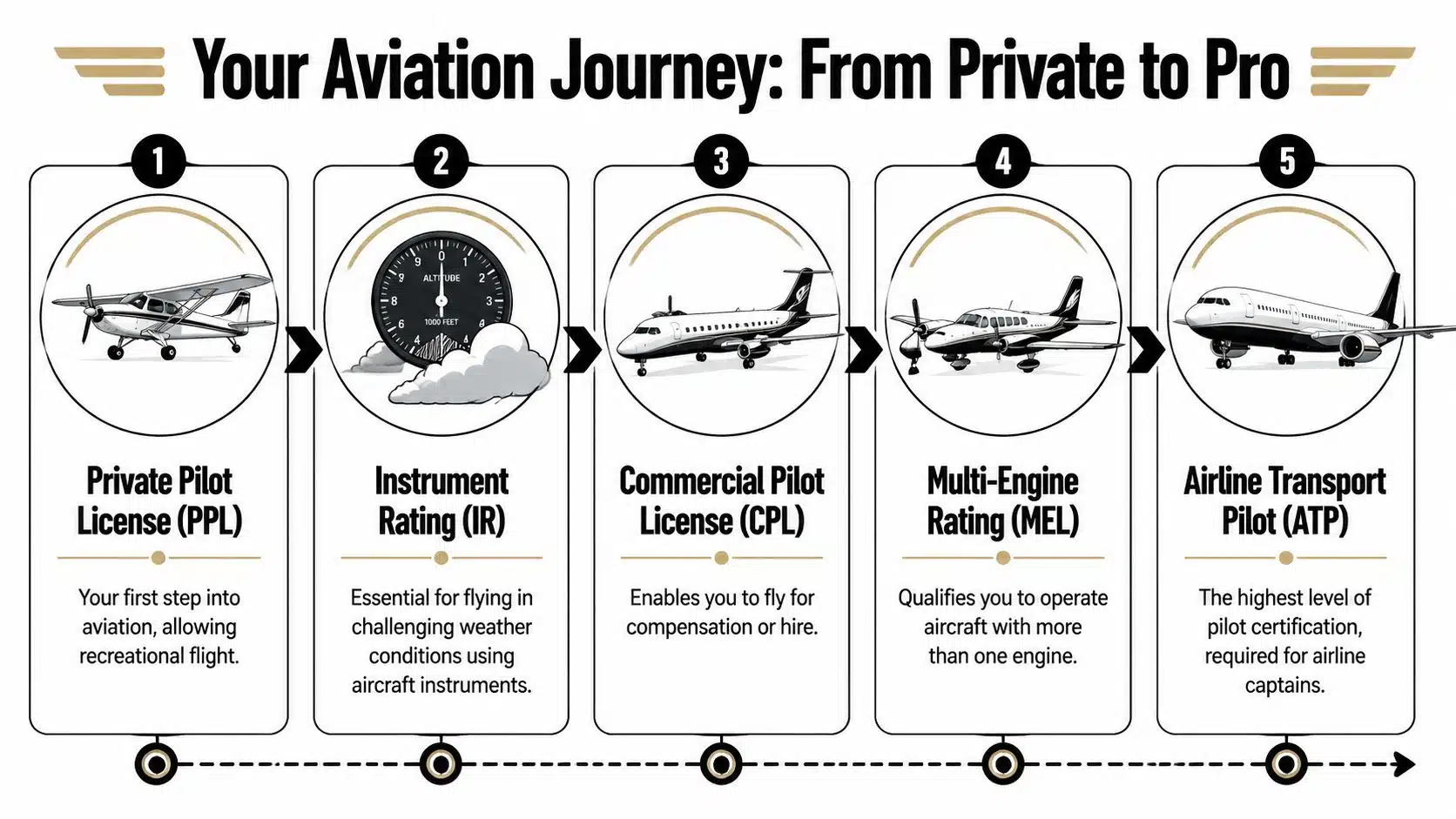
The cleanest way to map training is by privileges and purpose. Each certificate or rating expands what you can legally do, but it also changes the kind of pilot you become. Some steps are about access. Others are about discipline, judgment, and future options.
For most students, the first major milestone is the Private Pilot License. Under Part 61, the FAA minimum is 40 flight hours, though many students need more because weather, schedule gaps, and repetition all affect progress. Part 141 schools can have a lower minimum of 35 hours because the syllabus is more structured. After private, students usually sort into two broad tracks. One group wants more capability for personal flying. The other wants to build toward professional work.
What each stage actually changes
The private certificate gives you real freedom, but within limits. You can carry passengers, plan trips, and act as pilot in command for personal flying. It also exposes the gap between passing a checkride and becoming consistently good at aeronautical decision-making.
The Instrument Rating is the first place many pilots tighten up their habits. You learn to stay ahead of the airplane, manage task loading, brief with purpose, and trust a disciplined scan instead of instinct. Even owners who never plan to fly hard IFR often benefit from instrument training because it improves precision across everything else.
A Commercial Pilot certificate raises the standard again. The airplane has to go where you intend, on altitude, on heading, and on time. That matters whether you want to instruct, fly aerial survey, move cargo, or become a more polished pilot in your own aircraft.
Then come the branch points. Multi-Engine training matters if your path includes twins or more complex airplane ownership. Helicopter training is not an add-on for people who are bored with airplanes. It is a separate operating mindset with different aerodynamics, procedures, and career paths.
Practical rule: Choose the next rating based on the flying you expect to do regularly, not the title that sounds most impressive.
Pilot License and Rating Comparison Estimates
| License / Rating | Minimum Hours (Part 61) | Typical Timeline (Part-Time) | Estimated Cost Range | Primary Use |
|---|---|---|---|---|
| Private Pilot License | 40 hours | Varies by schedule and consistency | Varies by aircraft, instructor, and pace | Personal flying, foundational training |
| Instrument Rating | Varies | Varies | Varies | Flying with instrument proficiency and improved weather capability |
| Commercial Pilot License | 250 hours total time | Varies | Varies | Flying for compensation or hire |
| Multi-Engine Rating | Varies | Varies | Varies | Operating aircraft with more than one engine |
| Certified Flight Instructor | Varies beyond commercial | Varies | Varies | Teaching, time-building, professional progression |
The table stays broad on purpose. Aircraft type, instructor availability, maintenance downtime, and how often you fly all affect cost and timeline far more than students expect.
Fixed-wing, helicopter, and youth pathways
Not every student is headed for the same finish line. Some want family trips on weekends in a Cherokee or Cessna. Some want to instruct, build time, and compete for professional flying jobs. Others already know rotorcraft is the better fit and should plan for that early rather than drift into airplane training by default.
That decision also affects future ownership. A pilot who wants to buy a first airplane after private training should make different choices than a pilot aiming for commercial multi-engine work. The same applies on the helicopter side. Training decisions made early can save money later, or create expensive detours.
Parents and teens usually ask a different question. Is there a useful starting point before committing to a full license track? Yes. Discovery flights, aviation camps, and simulator sessions can build cockpit familiarity and radio confidence without forcing a long-term decision too early.
A practical roadmap
Students make better progress when they treat training as a sequence of useful checkpoints instead of one giant plan.
- Start with private: Learn whether you enjoy training, not just the idea of flying.
- Add instrument if you want more capability: It sharpens planning, procedures, and weather judgment.
- Move into commercial if flying becomes more than personal transportation or recreation: The standards get tighter, and that is a good thing.
- Choose your branch with intent: Multi-engine supports more advanced airplane operations. Helicopter training makes sense if rotorcraft is the actual goal.
- Use instructing strategically: Teaching is a common way to build time, but it also exposes weak spots in your own understanding.
Students who want a clearer view of the sequence, privileges, and common training paths can use this guide to pilot license levels as a practical reference.
One more insider point from the training floor. The path from private to professional is rarely a straight line. Students pause for work, family, budget, or a change in goals. That is normal. The better plan is not the one that looks fastest on paper. It is the one you can stick with long enough to become a safe, capable pilot, and eventually an informed aircraft owner if that is where your flying leads.
The Towered Airport Advantage Training at KCNO
Where you train matters almost as much as how you train. A quiet nontowered airport can be a comfortable place to start, especially for students who need a lower initial workload. But there’s a real advantage in learning from day one in a busier system.
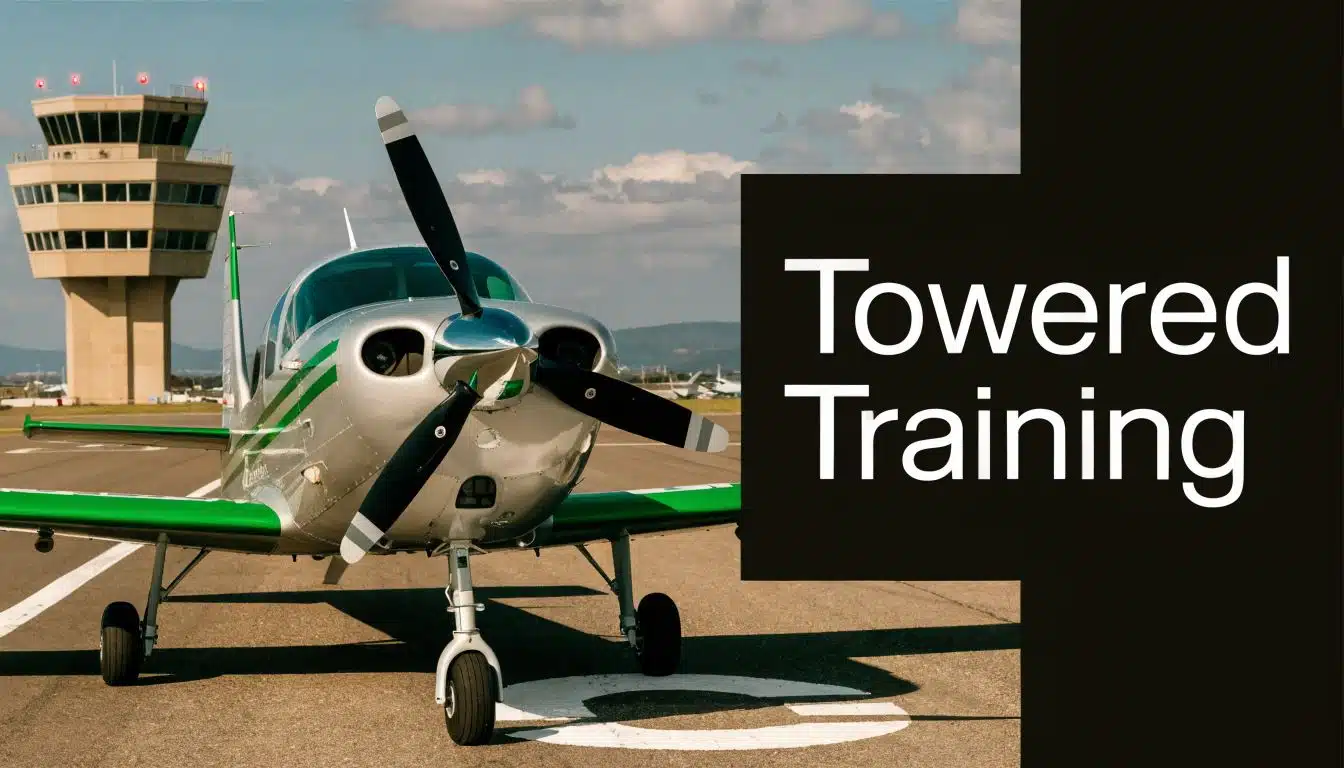
At KCNO, you’re not just practicing stick-and-rudder skills in isolation. You’re learning to taxi with intent, copy instructions accurately, sequence with other traffic, and stay ahead of the airplane while the environment is still moving around you. That builds a different kind of pilot. Not more glamorous. More prepared.
Pilots trained at busy towered airports show 15% to 20% fewer airspace violations during early solo flights, and 62% of new private pilots in a 2025 AOPA survey said they regretted not prioritizing towered-airport training, especially those aiming at airline pathways. The same source notes regional jet hiring was up 18% year over year in FAA forecasts, which helps explain why more students now value early exposure to controlled environments. Those figures are summarized in this review of towered airport flight training considerations.
What students gain at a place like Chino
The benefits are specific.
- Radio discipline: You learn to listen before you talk, speak clearly, and process instructions without freezing.
- Traffic awareness: Multiple runways and active traffic patterns force better scanning and faster situational updates.
- Airspace confidence: You stop treating controlled airspace as something intimidating and start treating it as normal.
- Approach familiarity: Exposure to instrument procedures and organized traffic flow makes later ratings feel less foreign.
A student who learns in complexity usually feels calmer later when flying somewhere new.
The trade-off is real
The first few lessons can feel busier. There’s more to hear, more to organize, and more chances to feel behind the airplane if instruction isn’t paced well.
That’s why the instructor matters so much in a towered environment. The right CFI meters the workload. They won’t dump every radio concept on you at once. They’ll handle what you’re not ready for, then gradually hand pieces over until the pattern, the calls, and the flow become yours.
For students looking up “pilot license training near me” in Southern California, this is one of the most important filtering questions to ask. Do you want the easier first impression, or do you want earlier comfort in the kind of environment many pilots eventually need to operate in anyway?
A Pilot's Guide to Buying Your First Airplane or Helicopter
A first-time buyer usually starts in the wrong place. They look at photos, panel upgrades, paint, cruise speed, or a listing that feels like a deal. The better starting point is the flight you expect to make six months after closing, once the novelty is gone and the bills start arriving.
At Chino, I’ve seen this play out both ways. A student finishes training at KCNO, gets excited, buys more airplane than their mission supports, and then spends the next year managing insurance limits, transition training, and maintenance instead of flying regularly. The smoother path is simpler. Buy the aircraft that matches your real use, your current skill level, and the support you can get locally.
Start with the mission, not the paint
A good first ownership question is blunt. What trips are you going to fly?
Local proficiency flights, breakfast runs with one passenger, time-building, regular SoCal cross-countries, family travel, or a helicopter transition all point to different aircraft choices. A basic trainer can be a smart first airplane if the goal is affordable flying and frequent use. A faster or more complex aircraft only makes sense if you will use its range, speed, or load-carrying ability enough to justify the higher operating cost and training demand.
Helicopter buyers need the same discipline. A model may have a strong reputation, but that does not mean it fits a new owner. Parts access, instructor availability, insurance, and local maintenance support matter just as much as the aircraft itself.
The pre-buy inspection is required
The safest purchase is the one that holds up under a hard inspection.
Hire a mechanic who knows that make and model and works for you alone. The pre-buy should cover logbooks, airworthiness history, engine condition, airframe corrosion or damage, upcoming calendar items, deferred maintenance, and any recurring problem areas that experienced owners already know about. If the seller pushes back on that process, pay attention.
Buyer caution: The least expensive airplane on day one often becomes the most expensive airplane by the first annual.
Budget for ownership, not just the purchase
New owners get in trouble when they budget for the check they write at closing and ignore the checks that follow. The airplane may be affordable to buy and expensive to keep.
Build a spreadsheet before you make an offer. Include:
- Insurance: Get quotes early. Low-time pilots sometimes find that the airplane they want is insurable only with dual instruction requirements or higher premiums than expected.
- Hangar or tie-down: At Southern California airports, availability can matter as much as price.
- Fuel and oil: Hourly operating cost changes how often you will fly.
- Maintenance reserves: Annual inspections, tires, batteries, avionics issues, and unscheduled repairs need their own line item.
- Training: Complex, high-performance, tailwheel, turbine, and many helicopters require transition training before ownership feels manageable.
That last line matters more than buyers expect. The wrong aircraft can slow your progress because every flight starts to feel like a systems lesson instead of a normal trip.
Buy with support, not ego
A strong first purchase usually comes from a small team, not a solo decision made after scrolling listings at midnight.
Bring in a mechanic, a CFI, an insurance contact, and someone who can help you review logs and registration paperwork. A CFI can often spot a mismatch quickly. If the airplane looks impressive but demands more pilot than your current experience supports, it is better to hear that before the wire goes out.
That kind of support matters even more in a busy operating environment like Chino. If you train and fly out of KCNO, your aircraft needs to fit real-world use at a towered airport, not just ideal conditions on paper. Hot days, traffic flow, runway length, performance margins, radio workload, and frequent local flights all shape whether ownership feels practical.
One practical option in Southern California is DuBois Aviation, which provides flight training, aircraft rental, simulator access, and both airplane and helicopter instruction at Chino. For a buyer, that can help with transition planning because instruction, local operating experience, and ongoing proficiency are available in one place.
When to walk away
Walk away if the logs are incomplete, the seller gets vague when technical questions get specific, the pre-buy uncovers unresolved airworthiness issues, or the airplane only works if your future schedule, budget, and mission all go perfectly.
A good purchase usually feels calm. The paperwork is clear. The mechanic’s report makes sense. Insurance is realistic. The aircraft fits the flying you do after the excitement wears off.
Your Next Steps to Start Flying with DuBois Aviation
Starting flight training doesn’t require you to have the whole career mapped out. It requires one honest decision. You’re ready to stop researching in circles and sit in the left seat.
The strongest next move is simple. Visit the airport, look at the training environment, ask direct questions, and book a first lesson. At a busy Class D field like Chino, you’ll get a realistic look at how training works in the kind of airspace many pilots eventually need to handle confidently.
If you’re comparing options for pilot license training near me, focus on fit. Fit with your schedule, fit with your instructor, fit with the airport environment, and fit with your longer-term goals. That’s what keeps students moving from first flight to solo, from private to instrument, and from dream to habit.
Speak with the team, look at the fleet, and choose a training plan you can sustain. Aviation rewards consistency more than enthusiasm alone.
Ready to move from searching to flying? Contact DuBois Aviation to schedule a discovery flight, visit the Chino facility, and talk through the airplane or helicopter path that fits your goals.


