You pass your private pilot checkride, take a breath, and suddenly everyone around you has ideas. A friend wants to split the cost of a sunset flight down the coast. A coworker asks if you can fly to a meeting in San Diego instead of sitting on the freeway. Someone else says, “If I cover the rental, can we hop over to Catalina this weekend?”
That's where a lot of new pilots discover what a private certificate really is. It's freedom, but it isn't unlimited freedom.
The FAA built the private pilot certificate as a noncommercial certificate with clear boundaries. You train to a minimum of 40 hours, but the FAA says the practical average is closer to 75 hours for people who complete the certificate without hearing impairment, which tells you something important about the process. The license is a foundation, not an endpoint (FAA private pilot requirements).
Two practical options worth comparing
These are specific products pilots commonly compare for this type of flying. Confirm compatibility with your aircraft and instructor before ordering.
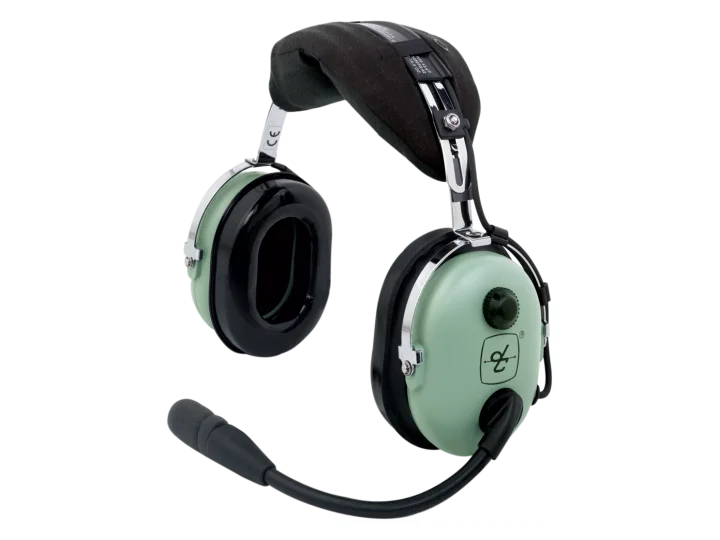 Student headsetDavid Clark H10-13.4 Aviation HeadsetCheck current availability on Amazon (paid link)
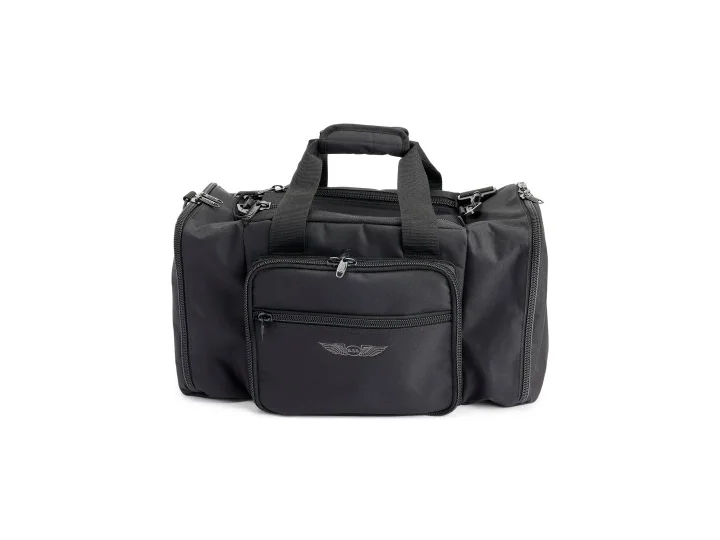 OrganizationASA Flight BagCheck current availability on Amazon (paid link)
In Southern California, those boundaries matter fast. The flying is attractive, the weather often tempts people into “just one quick trip,” and the mission can shift from personal fun to something that starts looking commercial without the pilot realizing it. Good judgment starts with understanding where the line is.
Your Private Pilot License Is a License to Learn
A newly minted private pilot usually thinks in terms of capability. “I can take passengers now.” “I can rent an airplane.” “I can plan my own trips.” All true.
The better question is whether a flight is legal, current, and wise in the exact form you're proposing.
The certificate opens the door. It doesn't remove the guardrails
A private pilot certificate gives you meaningful privileges, but it also comes with restrictions that shape how you use it. Those restrictions aren't there to ruin the fun. They separate personal flying from commercial flying, and they push pilots to keep building skill after the checkride.
That's why the phrase license to learn fits so well. The checkride proves you can operate safely within a basic envelope. It doesn't mean every airplane, every passenger trip, every reimbursement arrangement, or every weather day is fair game.
A sharp pilot doesn't just ask, “Can I fly this?” A sharp pilot asks, “Can I fly this legally, safely, and for the right reason?”
The questions that matter in real life
Most private pilot license restrictions show up in ordinary situations:
- Friends offering money: They want to help with gas or rental.
- Work travel: You're heading to a meeting and want to use an airplane.
- Aircraft access: You earned the certificate in one airplane and want to rent or buy something different.
- Passenger plans: You haven't flown in a while, but someone wants to come along.
- Southern California missions: Coastal weather, Class D and busier surrounding airspace, short hops to islands or desert airports.
Those are the rules of the road. If you understand them early, you'll avoid the most common mistakes new pilots make. You'll also make better ownership decisions later, because buying an aircraft only helps if the missions you want to fly fit your certificate, experience, and endorsements.
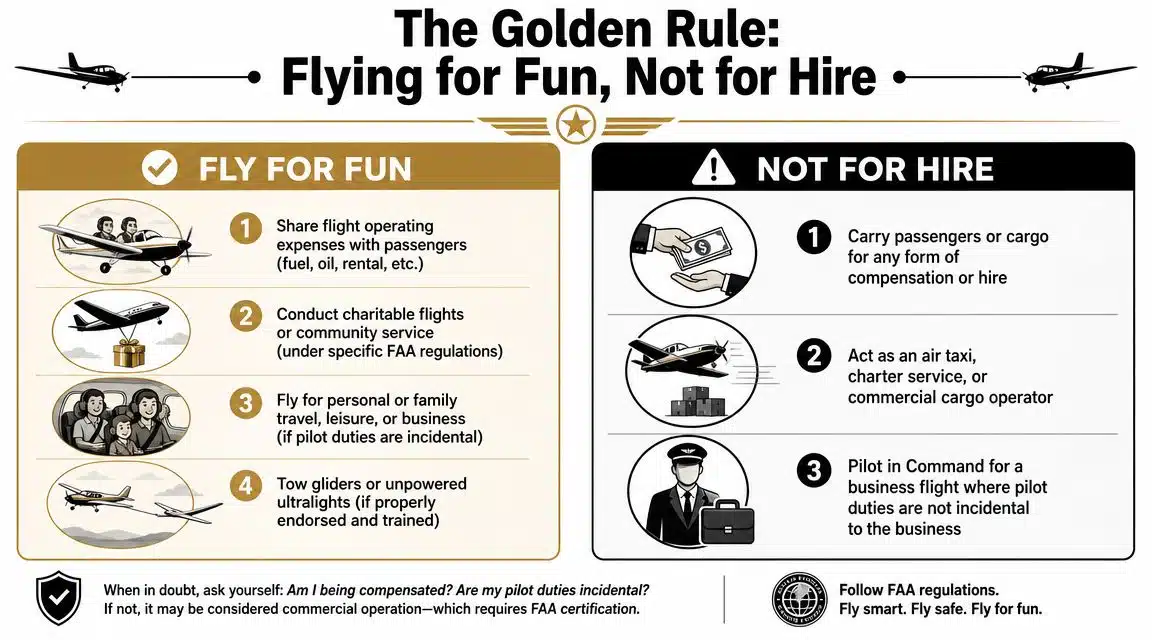
The Golden Rule Flying for Fun Not for Hire
The core rule is simple. A private pilot is there to fly privately, not to run an air service.
Under 14 CFR 61.113, a private pilot may not act as pilot in command of an aircraft carrying passengers or property for compensation or hire. The FAA treats compensation as the point where a private flight begins to look like a commercial operation, which is why the oversight changes (Cornell Legal Information Institute text of 14 CFR 61.113).
Think road trip, not rideshare
The easiest way to understand this is to compare it to driving.
If you and friends pile into a car for a weekend trip and split the cost, that's one thing. If you start offering paid rides to strangers, now you're operating a transportation service.
Flying works the same way. The FAA doesn't want a private pilot using a PPL as a shortcut into charter-style activity.
What compensation really means in practice
New pilots often hear “no compensation” and think only about cash handed over at the airport. That's too narrow.
Compensation can include anything of value you receive because of the flight. If the reason you're flying is that someone else is paying your way, covering more than their fair share, or giving you some other benefit tied to the trip, that's where the analysis gets serious.
What usually works is limited cost sharing, not profit and not free flying for the pilot.
The pro rata idea without the legal fog
Private pilots often use the term pro rata share to describe lawful expense sharing. In plain English, the pilot has to pay at least an equal share of the allowed operating costs being split.
That means the mindset should look like this:
- Equal participation: If three people are on board, the pilot can't make the two passengers cover the whole trip while the pilot flies for free.
- Real trip costs only: Keep the split tied to normal operating expenses of that specific flight.
- No hidden business model: If the arrangement starts to look like “you pay, I provide the flight,” you're moving toward prohibited territory.
For a broader look at how certificates build from private through commercial, Du Bois Aviation's overview of pilot license levels is a useful reference.
Practical rule: If money changes hands, stop treating the question casually. Review whether you're sharing costs as a participant or being paid to provide air transportation.
What works and what doesn't
A few plain examples make the line clearer.
- Usually acceptable: You and a friend both want to go for lunch. You both share the flight's allowable costs fairly, and you were already making the trip for your own reason too.
- Not acceptable: Your friend says, “I'll pay the whole rental if you fly me there.”
- Not acceptable: You post online offering flights to people who want an aerial tour and ask them to cover expenses.
- Possible but narrow: You fly yourself to a business meeting where flying is incidental to your job rather than the service you sell.
That last one catches a lot of people. A private pilot can sometimes fly for a business purpose, but not as a substitute for commercial pilot authority. If the value you provide is your transportation service, you're outside private pilot privileges.
Applying the Rules in Real-World Scenarios
At Chino, these questions don't stay theoretical for long. The missions are tempting because they're practical. Lunch at Catalina. A quick hop to avoid traffic. Taking family over the coast. Looking at an airplane for sale at another airport.
The safest habit is to run each idea through one filter: Who benefits, who pays, and why is this flight happening?
A few common Southern California examples
You've got your certificate and want to take two friends to Catalina. They offer to cover the full rental because you're “doing the flying.” That's the wrong direction. If you don't pay your share, you've turned yourself into the free pilot for their paid transportation.
Your employer has a meeting within easy flying distance and would rather reimburse you than send you by car. That may be lawful only when the trip is incidental to your work, not when piloting is the service being provided. If your role is sales, engineering, management, or something else unrelated to air transport, the analysis can be different than if the company is effectively using you as its pilot.
A local charity asks whether you can help with an event flight. At this point, private pilots need to slow down and check the specific rule set that applies. Some charitable flying is allowed under specific conditions, but “it's for a good cause” is not a blanket pass.
When a flight changes from “I'm going too” to “I'm taking you,” the legal risk usually goes up.
Quick-reference table
| Scenario | Is It Allowed? | Explanation |
|---|---|---|
| Two friends want a sightseeing flight from KCNO and offer to pay the full aircraft rental | No | That makes the pilot look like the provider of transportation, not an equal participant sharing costs |
| You want to fly to Catalina for your own trip and passengers share allowable expenses equally | Potentially yes | Cost sharing can be acceptable when the pilot pays at least an equal share and the flight is a genuine shared purpose |
| Your employer asks you to attend a meeting and you choose to fly yourself | Potentially yes | This can fit private privileges when the flight is incidental to the business and you are not acting as a hired pilot |
| A customer wants you to fly them to inspect property because it's faster than driving | No | The flight service itself is becoming the value being provided |
| You want to fly to another airport to inspect an airplane you may buy | Yes, subject to normal legality and proficiency | That is personal transportation connected to your own purchase decision, not holding out transportation for others |
| A nonprofit asks for help with an event flight | Maybe, under specific rules | Private pilots should verify the exact regulatory exception before accepting |
| A friend says they'll “buy you dinner” if you fly them somewhere | Risky and often a bad idea | Compensation is broader than obvious cash, so informal benefits can still create a problem |
| You fly a family member to a vacation destination and nobody pays you | Yes, if otherwise legal | Personal transportation without compensation stays within the private framework |
The gray areas usually aren't gray after one more question
Most “gray area” conversations become clearer when you ask one extra question.
If the passenger canceled, would you still make the flight?
If the answer is no, and the whole mission exists mainly because someone else wants transportation and is offering value in return, that's a warning sign. A lot of enforcement problems start with pilots talking themselves into a flight they know they'd never make on their own.
Keeping Your Privileges Current and Valid
You planned a Saturday breakfast run from KCNO. The weather is good, the airplane is booked, and your passenger is already asking what time to meet. Then you stop and ask the question that matters before every go decision. Are you legal and ready to act as PIC today?
That check is less dramatic than weather or maintenance, but it grounds more flights than students expect.
A private pilot has to keep three things current at the same time. Your certificate has to support the operation, your medical or other qualifying path has to be valid, and your recent experience has to match the flight you want to make. If one piece is missing, the flight does not work, no matter how straightforward the route looks on ForeFlight.
Medical and legal authority
For many private pilots, that starts with medical eligibility. In the usual case, exercising private pilot privileges requires a valid medical certificate, and the class and duration depend on how you are flying and your age. The underlying rule is in 14 CFR 61.23 on medical certificates and operations requiring a medical certificate.
Students sometimes treat the medical like a box they checked during training. In practice, it is an ongoing gatekeeper. If your medical has expired, or a new condition raises a question you have not cleared up, you do not get to call the flight a casual local hop and go anyway.
BasicMed may also apply for some pilots, but the main point is simple. Before you schedule passengers, verify the exact path that makes you legal to fly that day.
Currency has specific trigger points
The FAA separates general recency from passenger-carrying recency, and that distinction matters in real life.
If your flight review is out of date, you cannot act as PIC until you complete the required review or another qualifying event under the rule. If you want to carry passengers, you also need the required takeoffs and landings in the same category and class, and in some cases at night. The governing rule is 14 CFR 61.56 and 61.57 for flight review and recent flight experience.
That catches a lot of otherwise careful pilots. A pilot may be fine for a solo proficiency flight around Chino, but not legal to take a friend to Catalina that afternoon.
If you want a practical breakdown of the review requirement, this guide to biennial flight review requirements lays it out clearly.
Southern California exposes weak currency fast
Legal currency is the floor. Proficiency decides whether the flight is smart.
A pilot who has been away from flying for a few months can still look fine on paper and struggle the moment SoCal workload picks up. Departing KCNO under the Ontario shelf, talking to tower, watching for traffic, managing noise-sensitive areas, and fitting into busy weekend flow is very different from making a quiet pattern at an uncontrolled field.
I see this often with renters returning after a break. The rust usually shows up first in radio timing, airspeed control, and checklist discipline. None of that is unusual. It just means the right move is a tune-up flight before you load passengers.
A practical self-check before every trip
Before any passenger flight, run a short review:
- Medical or BasicMed status: Is your authority to exercise private pilot privileges current today?
- Flight review: Are you still within the required window to act as PIC?
- Passenger currency: Do you have the recent takeoffs and landings required for the kind of flight you are making?
- Mission fit: Are you comfortable with this airplane, this airspace, and today's conditions, not just technically legal for them?
That last question matters more than pilots admit. A calm morning hop from KCNO to French Valley is one thing. A windy afternoon return with busy radios and a passenger who has never flown in a small airplane is another.
Pilots who stay ahead of currency problems usually catch them at home, not at the run-up area. That is how it should work.
The Right Aircraft for the Job Aircraft Endorsements
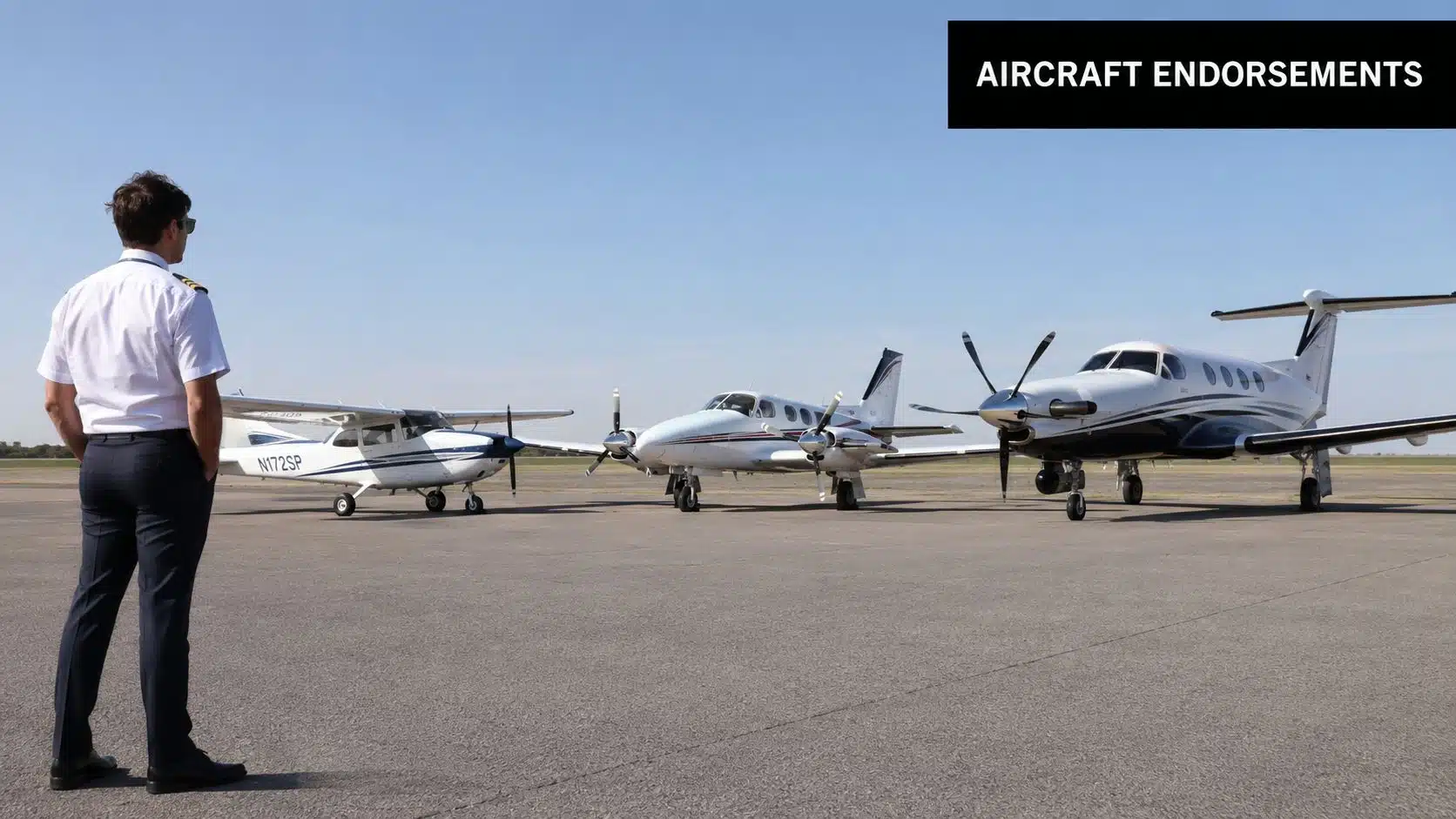
A private certificate doesn't mean you can walk up to any airplane or helicopter on the field and launch. The certificate gives you a base set of privileges. Aircraft-specific training expands what you can do safely and legally.
That matters a lot for pilots moving from a trainer into ownership. Buying a machine that outruns your training is one of the fastest ways to make aviation expensive and stressful.
Your first airplane may not be your next airplane
A pilot who earns the certificate in a basic trainer usually has a strong starting point for normal single-engine operations. But when the airplane gets faster, heavier, more complex, or different in handling, the pilot needs more than confidence. The pilot needs training appropriate to that aircraft.
That's why stepping from a simple trainer into something like a Mooney or a twin isn't just a checkout mentality issue. It's a systems, performance, and workload issue.
A useful comparison when thinking about trainer characteristics is this look at the Piper Cherokee vs Cessna 172. The differences in visibility, handling feel, and training rhythm shape what kind of pilot habits you build early.
Match the mission, not the ego
When pilots shop for aircraft, they often overbuy speed and underbuy simplicity. The airplane that looks exciting on paper may be a poor fit for the flying you'll do.
Consider the practical match instead:
- Local proficiency flying: A simple, familiar airplane often gets used more.
- Cross-country travel: Speed and payload start to matter more, but only if you're trained to manage them.
- Transition training: More airplane usually means more study, more insurance scrutiny, and more disciplined operating habits.
- Helicopter ownership: Rotorcraft add their own training, cost, and maintenance realities. The same principle applies. Buy for the mission and your real experience level.
Here's a useful visual overview of how aircraft differences affect the pilot's workload and decision-making.
The training path should grow with the aircraft
There's a healthy progression in general aviation. Learn in something forgiving. Build consistency. Transition with instruction. Then widen the mission.
That approach works far better than buying first and hoping the airplane forces you to rise to the occasion. Pilots do grow into aircraft, but they do it with planning, transition training, and humility. A private certificate is the start of that process, not the end.
Where and When You Can Fly Operational Limits
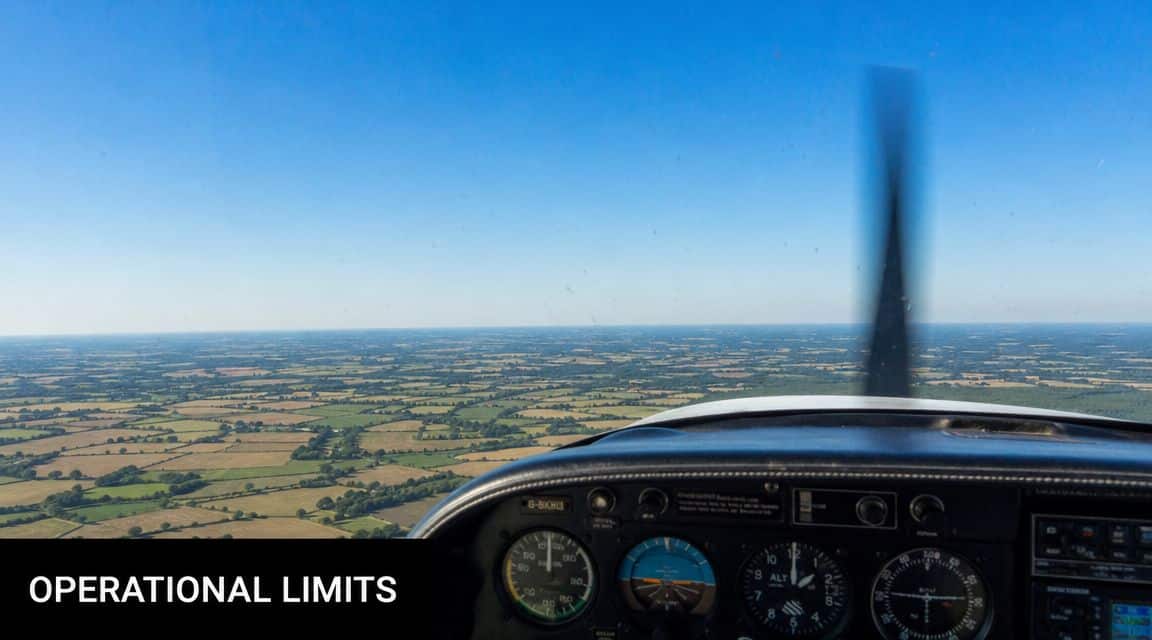
A legal pilot in a legal airplane can still make an illegal or unsafe flight by choosing the wrong weather, wrong time, or wrong airspace plan.
That's where many practical private pilot license restrictions show up. They aren't always about the certificate itself. They're about operating inside the conditions your training and rules allow.
VFR means more than “good enough to see outside”
Under visual flying, weather minimums exist to protect separation, situational awareness, and reaction time. In Southern California, a day can look flyable from the parking lot and still be a poor VFR day once marine layer, haze, terrain, and traffic compression start working against you.
That's especially true around coastal routes and basin transitions. If visibility is trending downward or cloud layers are making the route tighter than you'd like, the right answer is often to delay, cancel, or bring an instructor.
The weather doesn't care that your passengers already drove to the airport.
Night and airspace raise the workload
Night flying adds a different decision environment even when the air is smooth and the forecast looks clean. Visual illusions, reduced off-airport options, and higher workload can turn an ordinary daytime trip into a much more serious operation after sunset.
At a place like KCNO, the airspace side matters too. Training at a towered Class D airport gives pilots constant exposure to radio discipline, sequencing, runway changes, and the habit of staying ahead of the airplane. That helps a lot when you start branching into busier Southern California airspace.
Use a go or no-go filter that's honest
Before any VFR trip, especially with passengers, ask:
- Weather margin: Am I flying in comfortable margin, or am I trying to make minimums work?
- Airspace load: Will this route demand clean radio work and quick compliance?
- Time of day: Would I make the same choice in daylight if this is a night launch?
- Personal readiness: Am I calm, current, and ahead of the flight?
Private pilots stay out of trouble when they treat operational limits as planning tools, not obstacles to be negotiated around.
From Renting to Owning A Guide to Buying an Aircraft
A lot of pilots start thinking about ownership right after the certificate. That makes sense. Renting has schedule limits, dispatch limits, and mission limits. Ownership promises availability and familiarity.
But buying an airplane or helicopter safely starts with honesty, not enthusiasm.
Start with the mission
Don't shop by paint, panel, or cruise-speed bragging rights. Shop by mission.
Write down what you plan to do. Local proficiency flights out of Chino. Weekend trips with one passenger. Occasional business travel. Mountain or desert flying. Helicopter training continuation. Looking at a machine through that lens eliminates a lot of bad options early.
The safe buying process
A practical purchase path looks like this:
- Define the actual use case: Most owners fly simpler missions than they imagine during the shopping phase.
- Budget beyond the purchase: Acquisition is only one part of ownership. Maintenance, storage, insurance, training, and downtime matter just as much.
- Get a true pre-buy inspection: Use a mechanic who works for you, not for the seller. A pre-buy should focus on airworthiness, maintenance history, corrosion, recurring weak points, and whether the aircraft matches the logs and representations.
- Review the logbooks carefully: Missing entries, unclear damage history, or long periods of inactivity deserve careful scrutiny.
- Plan transition training before closing if possible: If the aircraft is more capable than what you've been flying, line up instruction early.
- Think through ownership structure: Solo ownership, a partnership, or continued renting while you build time can each make sense depending on the mission.
Buying trips and demo flights
Private pilots often use their certificates to travel and inspect aircraft for sale. That's a perfectly practical use of the certificate when you're traveling for your own purchase decision.
This is also one place where local school and rental experience can help. DuBois Aviation operates airplanes and helicopters out of Chino, including Piper, Cessna, Mooney, Robinson, and Enstrom models, so pilots comparing ownership paths can get exposure to different aircraft profiles before making a buying decision.
A pre-buy inspection is cheaper than discovering your “great deal” needs expensive work the month after you close.
Airplane or helicopter
The same buying rule applies to both. Don't buy the machine for the fantasy mission.
Airplane buyers often stretch into more speed and complexity than they'll comfortably use. Helicopter buyers sometimes underestimate the training and operating discipline rotorcraft demand. In both cases, the right aircraft is the one you can afford to operate, train in, insure, and fly often enough to stay proficient.
Fly Safely Fly Legally Your Journey as a Pilot
The most important thing to understand about private pilot license restrictions is that they aren't random obstacles. They create a framework.
That framework separates personal flying from commercial flying. It pushes pilots to stay current. It limits aircraft and operations to what the pilot is trained to handle. It asks you to make decisions that fit both the letter and the intent of the rules.
Good pilots learn those limits early and respect them. Great pilots use them as a roadmap for growth. They add training, widen their aircraft options, sharpen their judgment, and make smarter choices about passengers, weather, airspace, and ownership.
A private certificate gives you a real place in aviation. It also gives you responsibility. If you treat that responsibility seriously, the freedom that comes with flying gets much bigger, not smaller.
If you're planning to start training, return to flying, or sort out what you can legally do with a private certificate, DuBois Aviation offers airplane and helicopter instruction, rental access, and recurrent training at Chino Airport.