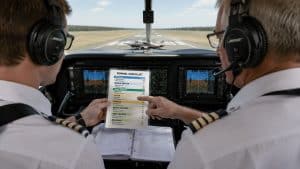
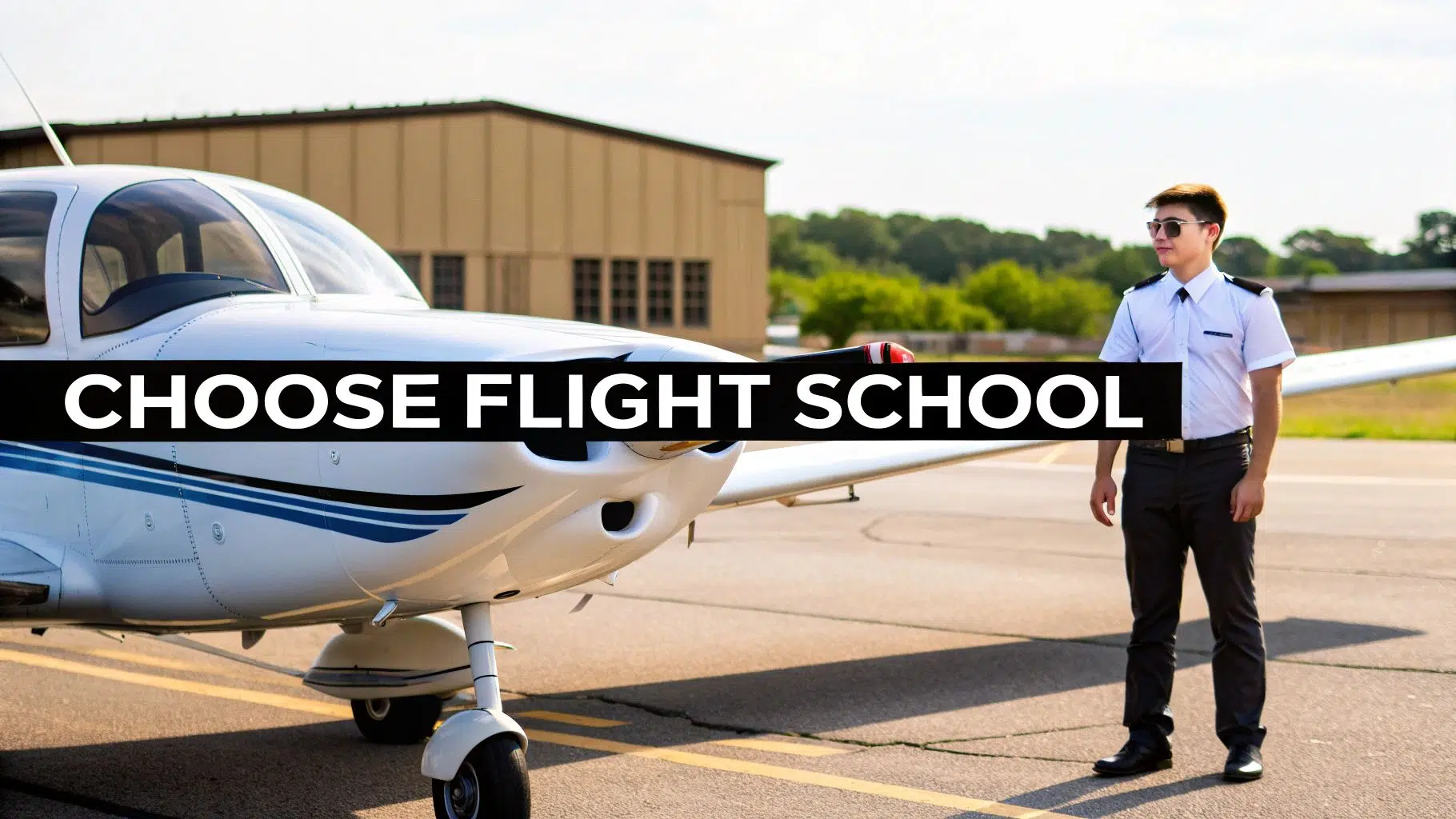
Choosing the right flight school is easily the biggest decision you'll make on your journey to becoming a professional airline pilot. You're not just picking a place to learn; you're choosing a partner that will build the foundation for your entire career, from that very first takeoff to your first airline interview.
The best way to tackle this is to look at schools through the lens of a future professional pilot, focusing on career-oriented training, real industry connections, and the quality of their instructors.
Two practical options worth comparing
These are specific products pilots commonly compare for this type of flying. Confirm compatibility with your aircraft and instructor before ordering.
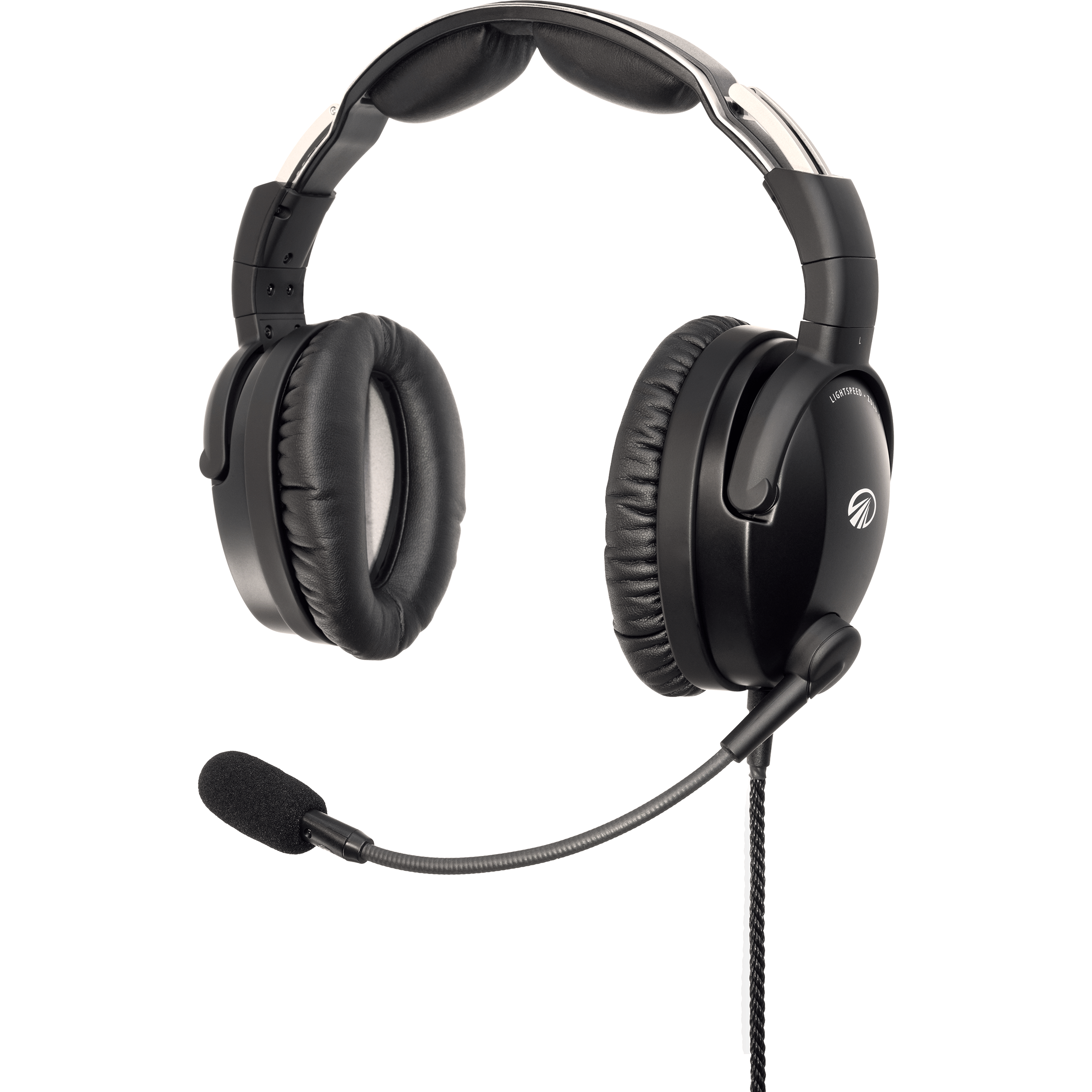 Premium ANR headsetLightspeed Zulu 4 ANR Aviation Headset - Dual GA PlugCheck current availability on Amazon (paid link)
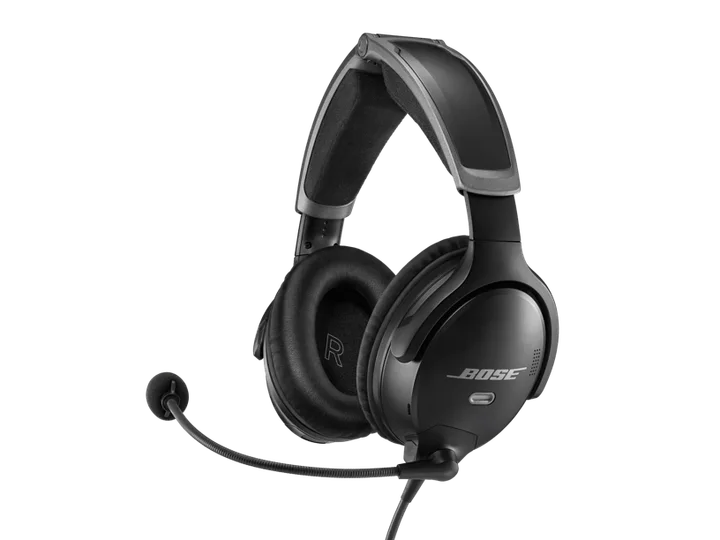 Premium headsetBose A30 Bluetooth Aviation Headset - Dual PlugCheck current availability on Amazon (paid link)
Your Blueprint For A Career In The Sky
Think of selecting a flight school as a strategic investment in your future. It's more than just getting your wings. In an industry where demand is high, the quality and focus of your training can be the difference-maker, fast-tracking you into the cockpit of an airliner or helicopter.
The pilot shortage is real and growing. Boeing's latest outlook projects a staggering need for 123,000 new pilots by 2044, driven by expanding airline fleets and a wave of mandatory retirements. This incredible demand means the pressure is on you, as a student pilot, to pick a school with modern aircraft and established airline partnerships. These aren't just nice-to-haves; they directly impact your job prospects right after you graduate. You can dig deeper into these industry trends to see what it means for new pilots entering the field.
Define Your Aviation Career Path
Before you even start comparing schools, you need to ask yourself one simple question: What’s the end game? Do you see yourself in the right seat of an Airbus A320, or is flying helicopters your true passion? Your answer completely changes how you'll evaluate your options.
This is the first, most crucial fork in the road.
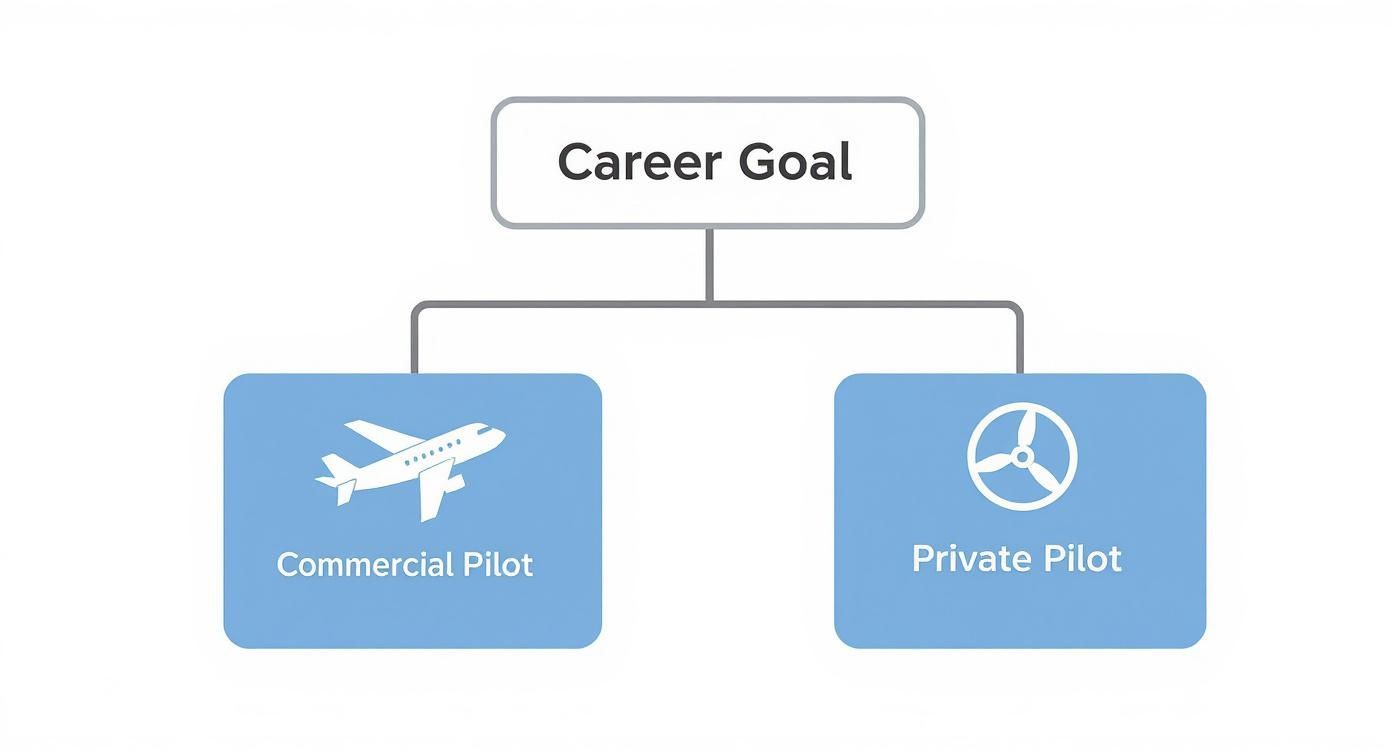
As the chart shows, your career goal—whether it's flying for the airlines or pursuing a career in rotorcraft—dictates the kind of training environment you need. An aspiring airline pilot should be looking for a highly structured, career-focused program, which is a world away from the specialized training required for helicopter pilots.
If you're serious about making this a profession, your evaluation needs to go beyond just getting a license. These are the pillars you should build your decision on:
- Career Focus: Does the school live and breathe professional pilot training? Or is it more of a local flying club?
- Training Environment: Is the school based at a busy, towered airport? Training in a complex airspace from day one gives you an invaluable head start with real-world radio communications and procedures.
- Industry Connections: Does the school have official pathway programs with regional or major airlines? These connections are your direct line to a job interview.
A flight school's true value isn't just the certificate you hang on the wall. It's the career doors it opens. You should approach this like choosing a university—you’re looking at its alumni network and job placement record, not just the diploma.
To help you stay organized, think of your research like filling out a scorecard for each school. This "decision matrix" can help you compare your top choices side-by-side.
Flight School Decision Matrix
This table provides a quick overview of the essential factors to evaluate when selecting a flight school for a professional pilot career.
| Evaluation Factor | Why It Matters for Career Pilots | Key Question to Ask |
|---|---|---|
| Accreditation & Reputation | Validates training quality and can be crucial for student loans, VA benefits, and airline hiring preferences. | Is the school Part 141 certified? Does it have collegiate accreditation? What do recent graduates say online? |
| Airline Pathway Programs | These are formal pipelines that offer a structured path from flight student to airline first officer. | Which specific airlines does the school have official partnerships with? What are the program requirements? |
| Aircraft Fleet & Maintenance | A modern, well-maintained fleet ensures safety and availability, preventing costly training delays. | What types of aircraft will I train in? How old is the fleet? Do they have an in-house maintenance team? |
| Instructor Quality & Ratio | Experienced instructors and a low student-to-instructor ratio mean more personalized and effective training. | What are the hiring minimums for your instructors? What's the average number of students per instructor? |
| Training Location & Airspace | Training at a towered airport in diverse weather conditions prepares you for real-world commercial flying. | Is the school at a towered airport? How busy is the airspace? Does the location offer four-season weather? |
| Cost & Financing | A transparent, all-inclusive cost structure helps you budget accurately and avoid unexpected expenses. | Is the pricing all-inclusive, or are there extra fees? Do they offer financing options or accept VA benefits? |
Using a systematic approach like this ensures you don't overlook a critical detail. It forces you to compare each school on the same metrics, making your final decision much clearer and more confident.
Part 61 vs. Part 141: Decoding Your Training Path
When you start digging into flight schools, two terms will pop up immediately: Part 61 and Part 141. These aren't just obscure regulatory numbers; they represent two very different ways to learn how to fly, both overseen by the Federal Aviation Administration (FAA). Getting a handle on this difference is one of the first and most crucial steps you'll take, especially if you're aiming for a career as an airline or helicopter pilot.
Think of a Part 61 program as the flexible, a-la-carte option. The training structure isn't set in stone, which can be a huge plus for someone learning to fly as a hobby or juggling a demanding schedule. For a future career pilot, though, this same flexibility can sometimes be a drawback, potentially stretching out your training time and, by extension, your total cost.
On the other hand, a Part 141 school is all about structure. These programs operate under a strict, FAA-approved curriculum where every single lesson—from ground school to your time in the air—is part of a detailed, sequential syllabus. This methodical approach is built from the ground up to create skilled, professional pilots in a very efficient manner.
Why Career Pilots Lean Toward Part 141
If your goal is to fly for an airline or as a professional helicopter pilot, the Part 141 track is almost always the way to go. The disciplined, stage-by-stage progression is a perfect primer for the procedural world you'll live in as a commercial aviator. From your very first flight, you're learning to work within a system, which is precisely the kind of experience hiring managers and chief pilots are looking for.
One of the biggest real-world benefits of this structured path is a potential reduction in the flight hours needed for certification. A Part 141 student, for instance, might be eligible for their commercial pilot certificate with as few as 190 hours. Under Part 61, the minimum is 250 hours.
That 60-hour difference is huge. It's not just about getting to your goal faster; it’s about saving a massive amount of money. Fewer hours in the air can easily translate to tens of thousands of dollars in savings, putting a professional career much more within reach.
The University and Airline Connection
You'll find that most university aviation programs are Part 141 certified. This creates a powerful combination where you can earn an aviation degree while simultaneously completing a top-tier flight training program. Graduates from these integrated programs often gain another leg up—they might qualify for a Restricted Airline Transport Pilot (R-ATP) certificate with fewer flight hours, fast-tracking their journey to an airline career.
If you want to dive deeper, you can learn more about the specifics of a Part 141 flight school program and see how it builds a foundation for the pros.
Ultimately, whether you see yourself flying airplanes for an airline or helicopters for a living, this choice is foundational. If a professional aviation career is your dream, a Part 141 school instills the discipline, structure, and efficiency you need to succeed. It sets the professional standard from day one.
What Are You Actually Flying? A Look at the Aircraft and Tech
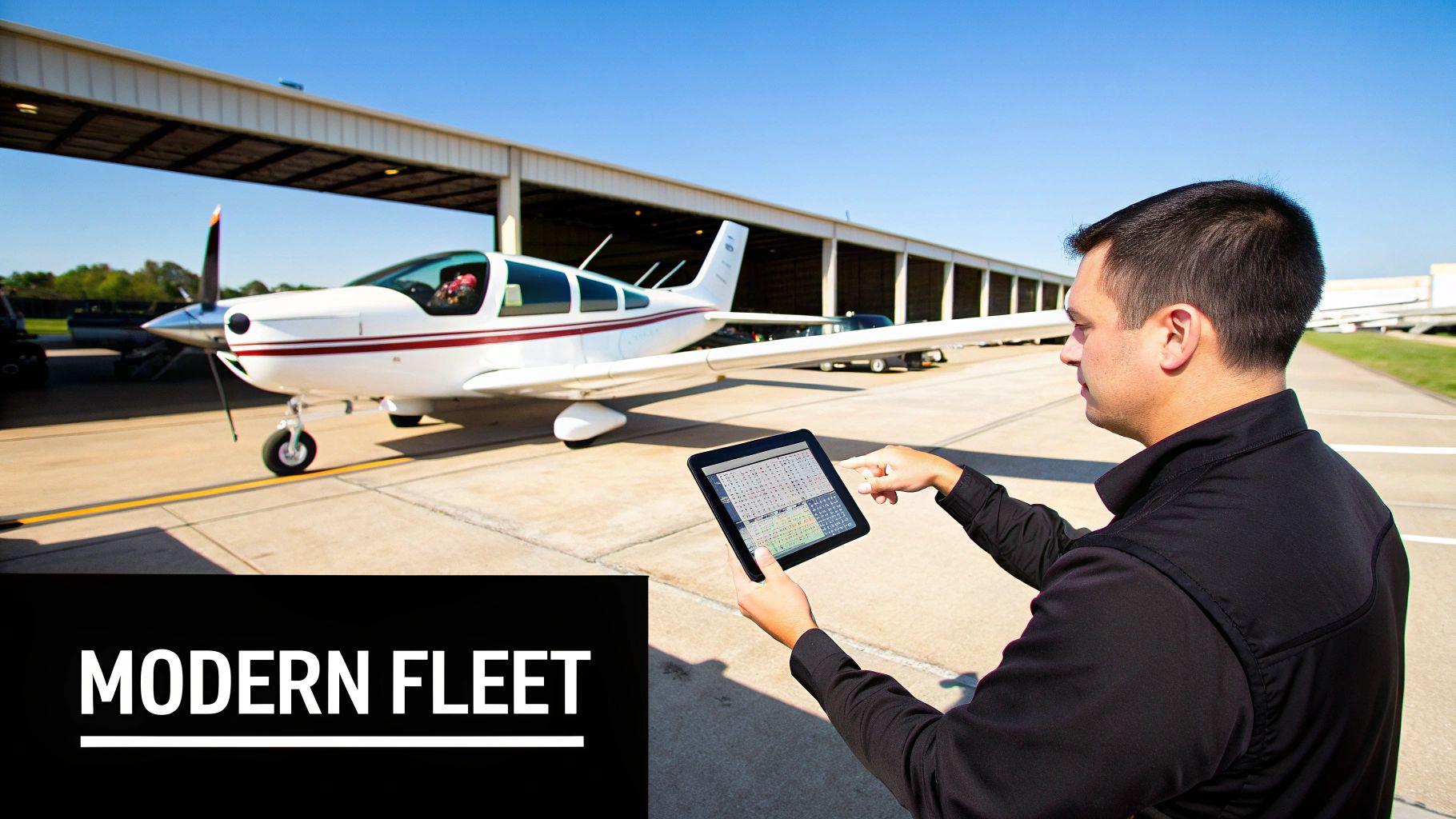
The planes and simulators you train on are way more than just equipment. They are the tools that will literally shape the kind of pilot you become. You have to look past the glossy brochures and dig into the school's real-world training infrastructure. It’s a non-negotiable step before you, as a student, invest your time and money.
A school’s fleet has a direct line to the quality and consistency of your training. If planes are always down for maintenance or there simply aren't enough to go around, you'll face constant, frustrating cancellations. Those delays cost you both time and money, throwing your entire schedule off track. You’re looking for a school with a diverse fleet that they maintain obsessively.
Kicking the Tires on the Aircraft Fleet
When you tour a potential flight school, think of yourself as an investigator. Don't be shy. You need to ask the tough questions that get to the heart of what their fleet is really like.
Here’s what to look for and what to ask about:
- Fleet Size and Availability: How many planes do they have? More importantly, what’s their student-to-aircraft ratio? A good, low ratio means you won't be constantly fighting other students for a slot on the schedule.
- Maintenance Records: This is a big one. Ask to see the maintenance logs for a couple of their trainers. A well-run school, especially one with its own maintenance team, will be proud to show you how organized and up-to-date their records are.
- Avionics and Technology: Are you going to be learning on old-school "steam gauges" or in modern glass cockpits with systems like the Garmin G1000? If you're aiming for an airline career, getting comfortable with modern avionics isn't a bonus—it's an absolute must.
These principles apply whether you're learning to fly a fixed-wing airplane for an airline career or a helicopter for a specialized mission. A school's commitment to modern, well-maintained equipment says everything about their commitment to your success and, most importantly, your safety.
The Power of High-Tech Simulators
Beyond the actual aircraft, a school’s investment in flight simulators speaks volumes. And to be clear, these are not video games. FAA-approved simulators are incredibly powerful tools that let you practice complex emergency procedures and tricky instrument flying in a safe, controlled setting.
This kind of tech integration is a hallmark of any top-tier training program. In North America, which is a leader in the global flight training market, simulators now account for an incredible 42% of total flight training hours. This shift toward advanced tech improves safety, makes training more efficient, and prepares you for the cockpits you'll actually be in as a professional. You can see more on global flight training market trends and how this is changing the industry.
Simulators provide a massive cost advantage. Practicing an engine failure or flying a tough instrument approach in a sim costs a fraction of doing it in a real plane. You can master critical skills without burning a hole in your wallet, making a school with good sims a very smart financial choice.
Finding the Right Instructors and Culture
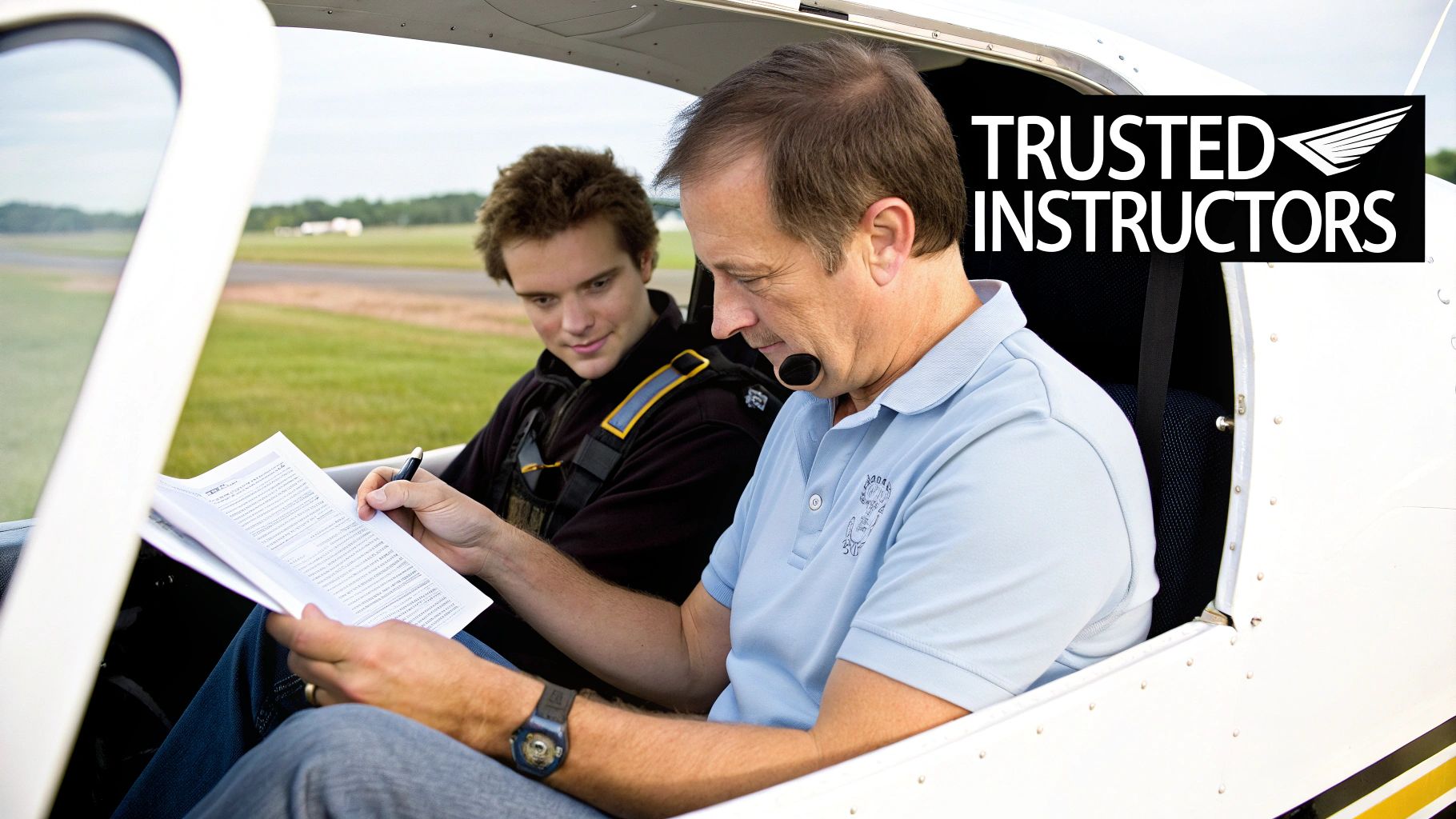
Let's be clear: your flight instructor will make or break your training experience. This isn't just about finding a teacher; it's about finding a mentor who will shape your habits and decision-making in the cockpit for the rest of your flying career. The bond you form is critical, so leaving it to chance is not an option.
You need to figure out who, exactly, will be in the right seat next to you. Are they a seasoned, career instructor with thousands of hours who genuinely loves to teach? Or are they a newly-minted CFI just trying to build enough hours to jump ship to an airline? The difference in motivation and real-world wisdom is massive, and it directly impacts the quality of your training.
This holds true whether you're learning to fly airplanes or helicopters. A veteran instructor has a library of "what if" scenarios in their head that you'll never find in a textbook. They prepare you for the unexpected realities of being a pilot, not just the checkride.
Questions to Uncover Instructor Quality
When you tour a school, it's time to play detective. You're trying to gauge the stability and expertise of their teaching staff. Think of a high instructor turnover rate as a giant flashing red light—it often signals problems with management, pay, or morale, all of which can throw a wrench into your training schedule and progress.
Get right to the point with these questions:
- What's the average flight time and experience level of your instructors?
- What is the student-to-instructor ratio? You want personalized attention, not to be just another name on a long list.
- How often do instructors leave? Be direct and ask about their turnover rate.
- Do you hire your own graduates to instruct? This can be a great sign that they produce pilots they're proud of.
Your instructor sets the tone for your entire career. A great one builds confidence and instills a deep respect for safety and professionalism. A mediocre one just checks the boxes. Choose the school that invests in great mentors.
Evaluating the School's Culture
Beyond the individual instructors, the school's overall vibe matters. You're about to spend a lot of time and money there, so you need a professional, supportive atmosphere that is absolutely obsessed with safety. Is it a real community where students and instructors help each other out, or is it a sterile, competitive place where you're just a number?
A positive culture makes a tough journey enjoyable and fosters better learning. A school that is actively involved in the aviation community, perhaps through partnerships or even services like buying and selling airplanes or helicopters, often has a rich network and a deep connection to the broader aviation world. Those connections can be incredibly valuable for student networking down the line.
Ultimately, this place should feel like your professional home base, not just a transaction. The best way to get the real story? Go talk to current students. They'll give you the unfiltered truth about what it's really like to train there and whether it's the right fit for your goals.
Understanding the True Cost of Your Wings
Let's talk about the money. Flight training is a major financial commitment, and that shiny hourly rate you see advertised online is rarely the full story. It’s just the tip of the iceberg. If you don't dig deeper to find the all-in cost, hidden fees and surprise expenses can derail your dreams faster than a gusty crosswind.
The final bill for your pilot certificate is made up of a lot more than just the time you spend in the air. You’ve got to factor in ground instruction, books and supplies (everything from a good headset to charts), those pesky exam fees, and the cost of your final checkride with a Designated Pilot Examiner (DPE). Forgetting to budget for these can easily tack on thousands of dollars you weren't expecting.
Breaking Down the Full Investment
Whether you’re aiming to fly airplanes or helicopters, the fundamental cost structure is pretty similar. The path you choose—Part 141 or Part 61—can have a big impact on the final number, though.
Part 141 programs, with their FAA-approved syllabus, tend to have more predictable, often all-inclusive pricing. Because the training is so structured, schools can usually give you a solid estimate. Part 61 training is much more flexible, which is great, but that flexibility can also make budgeting a challenge since the total hours can vary significantly from one student to the next.
So, what are you actually paying for? Here’s a quick rundown of the big-ticket items:
- Aircraft Rental: This is your biggest expense, billed for every hour the engine is running.
- Instructor Fees: You're paying for your instructor's expertise, both in the cockpit and on the ground.
- Books & Supplies: This bucket includes your flight bag, headset, training manuals, logbook, and exam prep software. It adds up.
- Exam & Checkride Fees: There are separate fees for the written knowledge tests and the final practical exam with a DPE.
To put this into perspective, let's look at what it might cost to get your commercial pilot license requirements out of the way.
Estimated Cost Breakdown for a Commercial Pilot License
The table below gives you a ballpark idea of the investment required to go from zero experience to a commercial pilot certificate under both Part 141 and Part 61 pathways.
| Cost Component | Estimated Part 141 Cost | Estimated Part 61 Cost | Notes |
|---|---|---|---|
| Aircraft & Instruction | $45,000 – $60,000 | $50,000 – $70,000 | Part 141 often requires fewer total hours due to its structure. |
| Books & Supplies | $1,500 – $2,500 | $1,500 – $2,500 | Includes headset, charts, flight bag, and study materials. |
| Exams & Checkrides | $2,000 – $3,000 | $2,000 – $3,000 | Covers all written tests and DPE fees for each rating. |
| Total Estimated Cost | $48,500 – $65,500 | $53,500 – $75,500 | These are just estimates; costs vary widely by region and school. |
Remember, these are estimates. The best way to get a firm number is to ask schools for a detailed, line-item quote for the entire program, not just the hourly rates.
Navigating Your Financing Options
Very few students pay for their entire flight training out of pocket. The good news is you don’t have to. There are plenty of ways to fund your aviation career, especially if you’re heading toward a professional pilot job.
If you’re looking at a university-affiliated program, you can often use traditional student loans and federal aid. For veterans, the GI Bill® is an incredible resource that can cover a massive chunk of the training costs.
Don't overlook scholarships. Seriously. Aviation organizations like the Aircraft Owners and Pilots Association (AOPA), Women in Aviation International (WAI), and hundreds of local flying clubs give away millions of dollars every single year. Spending a weekend filling out applications could save you thousands.
Mapping Your Path to an Airline Career
Earning your pilot certificates is a huge accomplishment, but for a student pilot, it's really just the beginning. Your ultimate goal is a career, and the flight school you choose plays a massive role in what happens after you have that license in hand.
Think of it this way: a pilot license gets you in the door, but a school with strong industry connections and a proven job placement record is what gets you the interview.
When you're comparing schools, you need to dig deeper than just the training syllabus. The single most important question you can ask is, "Where do your graduates actually end up?" The best schools don't just teach you to fly; they build a bridge directly to your first job.
The Power of Airline Pathway Programs
This is where airline pathway programs come into play, and they can be a game-changer for a student aiming for an airline career.
Top-tier flight schools have put in the work to forge partnerships with regional and even major airlines, creating structured career paths for their students. You've probably heard of programs like United Aviate or Delta Propel—these offer a clear, defined trajectory from student pilot all the way to an airline's right seat. These aren't just informal handshakes; they're formal agreements that give you a serious leg up.
Students who get into these programs often get mentorship from current airline pilots, receive conditional job offers, and in some cases, even get financial assistance. Having that direct pipeline is one of the biggest advantages a flight school can offer an aspiring airline pilot.
A school with an established airline pathway program has already done the networking for you. It's a clear signal that the airline trusts the quality of that school's training, giving you a powerful vote of confidence before you even start.
The time it takes to land a job and the path you take to get there are critical. The best schools prove their worth with real results. For example, some leading flight academies have successfully placed hundreds of their graduates with airlines and corporate operators—that’s the kind of track record you’re looking for.
Keep an eye out for programs offering tuition reimbursement of up to $17,500 or direct cadet pipelines, as these significantly boost your career prospects. You can read more about pilot hiring trends to see just how much of a difference these programs make in today's market.
This same logic applies if you're going the helicopter route. A school with solid connections in the EMS, tourism, or law enforcement sectors gives you that same direct line into the specific field you want to work in.
As you narrow down your choices, remember that a multi-engine rating is a crucial step for any airline career. Understanding the multi-engine rating requirements early will help you map out your training timeline. You’re not just investing in flight hours—you’re investing in the career opportunities that come after.
Final Considerations for Student Pilots
As you narrow down your choices, a few specific topics are crucial for student pilots to consider. Getting these last details ironed out will help you commit to the right school for your specific career goals.
One of the biggest questions is about the airport itself. Should you train at a busy, towered airport or a quiet, local field? For anyone with airline ambitions, training at a busy, towered airport (Class C or B) is a massive head start. From day one, you'll be juggling complex radio calls and navigating real-time air traffic control procedures. These aren't just skills; they're the absolute foundation of a professional pilot's career.
Sure, a quiet, non-towered field feels less intimidating at first. But you’ll just end up paying for that experience later on when you have to book specific lessons to get comfortable with ATC. Why not build that confidence from the very beginning?
Helicopter Training vs. Airplane Training
It's vital for student pilots to understand that helicopter training is a completely different world from fixed-wing (airplane) training. The skills, career paths, and even the costs are miles apart. Helicopter flight hours are almost always more expensive because the aircraft themselves are more complex and costly to operate and maintain.
The career tracks couldn't be more different, either. Professional helicopter pilots are in high demand for very specific, exciting jobs like:
- Emergency Medical Services (EMS) life flights
- Law enforcement and news gathering
- Sightseeing tours over cities and natural wonders
- Supporting offshore oil and gas rigs
If this is your dream, you need a school with a stellar safety record and deep connections in these specific industries. It's a specialized field, and your training needs to reflect that.
Aircraft Sales for Pilots Looking to Buy or Sell
What about a school that is also involved in buying or selling airplanes and helicopters? For a student pilot focused on earning their certificates for a future airline career, this is mostly a secondary consideration. Don't let a flashy sales division distract you from what really counts: the quality of the training, the experience of the instructors, and the school's track record for placing graduates in pilot jobs.
However, for individuals further along in their aviation journey—perhaps looking to buy their first aircraft after getting a license or wanting to sell a helicopter—a flight school with a reputable sales or brokerage department can be a huge asset. These services offer expertise in pre-buy inspections, market valuation, and navigating the complex paperwork of an aircraft transaction. For these clients, a school that doubles as a sales center provides a convenient, one-stop shop, but for the initial student pilot, the focus must remain squarely on the quality of flight instruction.
At DuBois Aviation, we specialize in one-on-one training for both future airline pilots and helicopter professionals, all based at a busy, towered airport to give you the best possible start. To see how our instructors and modern fleet can help you launch your career, check out our programs at DuBois Aviation.