
Let’s talk about one of the biggest questions on every aspiring pilot's mind: what kind of salary can you actually expect when you're just starting out? It's a huge decision, and you need to know what the financial picture looks like. The great news is that the demand for qualified pilots has pushed starting salaries to impressive levels. As of 2026, the national average for commercial pilots sits at a very healthy $130,916 per year.
But that big number is just part of the story. Think of it as a destination, not your starting point.
Your First Salary as a Commercial Pilot

Two practical options worth comparing
These are specific products pilots commonly compare for this type of flying. Confirm compatibility with your aircraft and instructor before ordering.
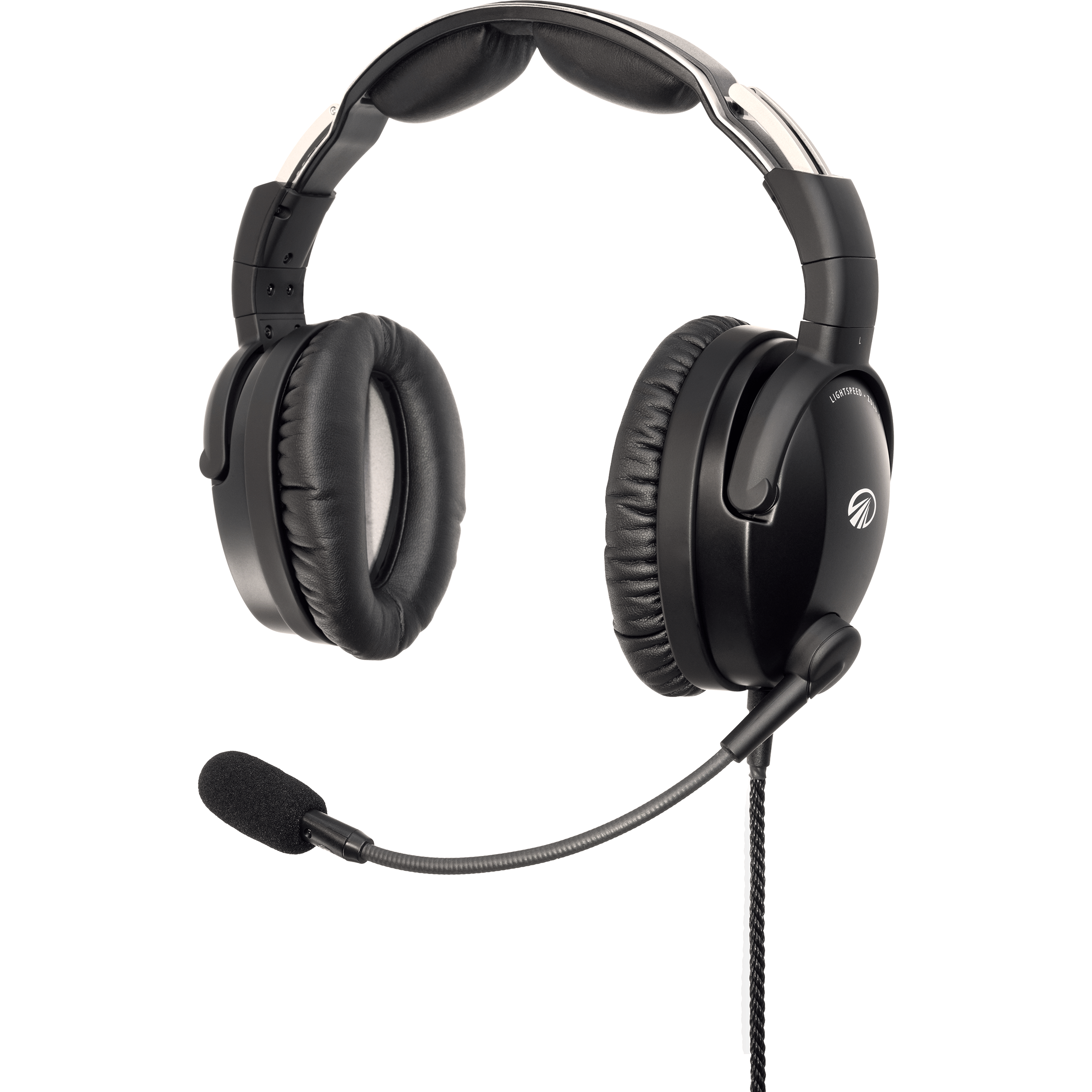 Premium ANR headsetLightspeed Zulu 4 ANR Aviation Headset - Dual GA PlugCheck current availability on Amazon (paid link)
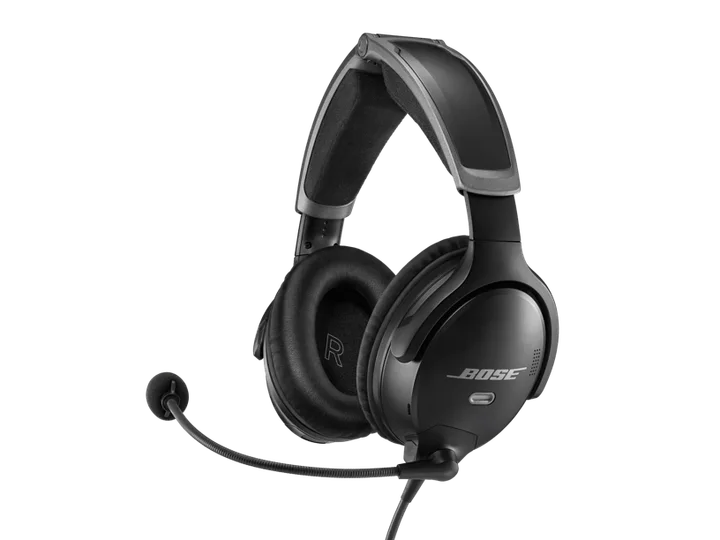 Premium headsetBose A30 Bluetooth Aviation Headset - Dual PlugCheck current availability on Amazon (paid link)
Flight training is a serious investment, so it’s smart to get a realistic handle on your immediate return. While the national average is an exciting benchmark, your first paycheck as a newly-minted commercial pilot will look different. It all depends on the specific job you take right after getting your certificate.
What That "Average" Salary Really Means
So, where does that $130,916 figure—or about $62.94 an hour—come from? This average, based on recent March 2026 industry data from sources like ZipRecruiter, includes pilots at various early stages of their careers, not just those in their very first job. Your initial role, the type of aircraft you're flying, and who you're flying for will have the biggest impact on your day-one earnings.
Here’s a quick look at the key salary numbers for 2026 to get us started.
2026 Commercial Pilot Starting Salary At a Glance
| Metric | Average Annual Salary | Notes |
|---|---|---|
| National Average | $130,916 | Represents a broad average for new commercial pilots. |
| First-Year Reality | $45,000 – $75,000 | A more typical range for initial roles like CFI or charter pilot. |
| Regional First Officer | $90,000+ | The next major step after building flight hours. |
As you can see, the path begins with building experience, which then unlocks those higher-paying positions.
Your first salary is just the beginning. The choices you make early on—like the type of flying you do—will shape your entire financial trajectory in aviation.
The Launchpad for Your Career
Your first paid flying gig is where your professional journey truly takes off. Most new commercial pilots start out in roles designed to build valuable flight time. Common entry points include working as a Certified Flight Instructor (CFI) or flying for a charter service. Each has a different pay structure, but the primary goal is the same: log the hours you need to qualify for the airlines.
This initial phase is less about maximizing income and more about strategic career-building. The experience you gain is the currency that gets you to the next level, like a regional airline. That’s when you’ll really see your income climb, and you can learn more about how a first officer salary is structured in our detailed guide.
Down the road, as your career matures and your financial footing is solid, all kinds of doors open. Many seasoned pilots eventually find themselves in a position to buy their own aircraft, turning a lifelong passion into a personal asset. Understanding the ins and outs of that process is a skill that pays dividends much later in your career.
Where New Pilots Actually Start Earning
While those six-figure airline salary headlines are exciting, your journey doesn't start there. The real story of your starting salary begins with your very first job after earning your commercial pilot certificate. This is the critical hour-building phase, and the path you choose will define your income, lifestyle, and the type of experience you get.
Most new commercial pilots follow one of three well-worn paths: becoming a Certified Flight Instructor (CFI), flying for a charter company, or—once they hit that magic 1,500-hour mark—joining a regional airline. Each one is a different world with its own trade-offs.
The Certified Flight Instructor (CFI) Path
Ask any seasoned captain, and they’ll likely tell you they spent time as a CFI. Think of it as a rite of passage. Your primary job is teaching students how to fly, which is hands-down one of the fastest ways to build the flight hours needed for your Airline Transport Pilot (ATP) certificate.
The pay isn't glamorous, but the real currency you're earning is Pilot-in-Command (PIC) time. A CFI often works a busy schedule, flying multiple lessons a day and constantly sharpening their own fundamental skills. Your income is tied directly to how many hours you teach, both in the air and on the ground.
A CFI's true compensation isn't just the paycheck; it's the accelerated progress toward an airline career. The hours you log are the currency that unlocks future six-figure salaries.
Charter and Corporate Pilot Opportunities
If being a CFI is like being a teacher, flying for a Part 135 charter operator is like being an on-demand aviation specialist. You might be flying business executives to a last-minute meeting one day and a private family to their vacation home the next.
This path offers incredible variety. You’ll likely fly more advanced multi-engine or turbine aircraft into all sorts of airports, which is a huge resume booster. The lifestyle can be unpredictable, with trips popping up on short notice, but the pay structure often includes a base salary plus extra pay for flight hours or days on the road.
The Regional Airline First Officer
This is it—the first official step onto the airline career ladder. You typically land this job after you’ve built 1,500 flight hours as a CFI or charter pilot. And thanks to massive industry demand, the commercial pilot starting salary for this role has skyrocketed.
First-year regional First Officers can now see compensation packages, often including hefty signing bonuses, between $95,000 and $130,000. You're in the right seat of a commercial airliner, flying on a set schedule, and on a direct path to a major airline. We dive much deeper into the pay specifics in our full guide on how much commercial pilots make.
Comparing Your First Commercial Pilot Job Options
So, which first step is right for you? It really comes down to your priorities. A CFI role is a predictable and efficient hour-building machine. Charter flying offers diverse, high-quality flight time. And a regional airline job is your ticket to the structured, high-paying world of the airlines.
To make it clearer, here’s how they stack up side-by-side:
| Job Title | Typical Starting Salary (Annual) | Primary Role & Lifestyle | Type of Flight Hours Built |
|---|---|---|---|
| Certified Flight Instructor (CFI) | $45,000 – $65,000 | Structured teaching schedule, locally based. Your main goal is building hours quickly while mentoring new pilots. | High volume of Pilot-in-Command (PIC) hours in single-engine aircraft. |
| Charter Pilot (Part 135) | $60,000 – $85,000 | Unpredictable, on-demand schedule with travel. You fly a variety of missions for different clients. | High-quality turbine or multi-engine time, often in more complex aircraft. |
| Regional First Officer (FO) | $95,000 – $130,000+ | Structured airline schedule with overnights. You operate as part of a two-pilot crew on scheduled passenger routes. | Multi-crew turbine time in an airline environment, logging valuable flight segments. |
Ultimately, all three paths lead toward the same long-term goal. The key is to choose the one that best fits your personal circumstances and career ambitions right now.
How to Boost Your Starting Pilot Salary
Getting your commercial pilot certificate is a huge milestone, but it’s just the beginning of your earning journey. That first paycheck isn't a fixed number; it's something you have a surprising amount of control over, even as a brand-new pilot.
Think of your certificate as a license to start building real value. To get the best starting offers, you need to prove you’re more than just a 250-hour pilot. You need to show you’re a safer, more capable, and more versatile aviator. The right qualifications act as direct multipliers on your starting salary and set a much stronger foundation for your entire career.
This process isn't about luck—it's about making deliberate moves to build your skills and your reputation.
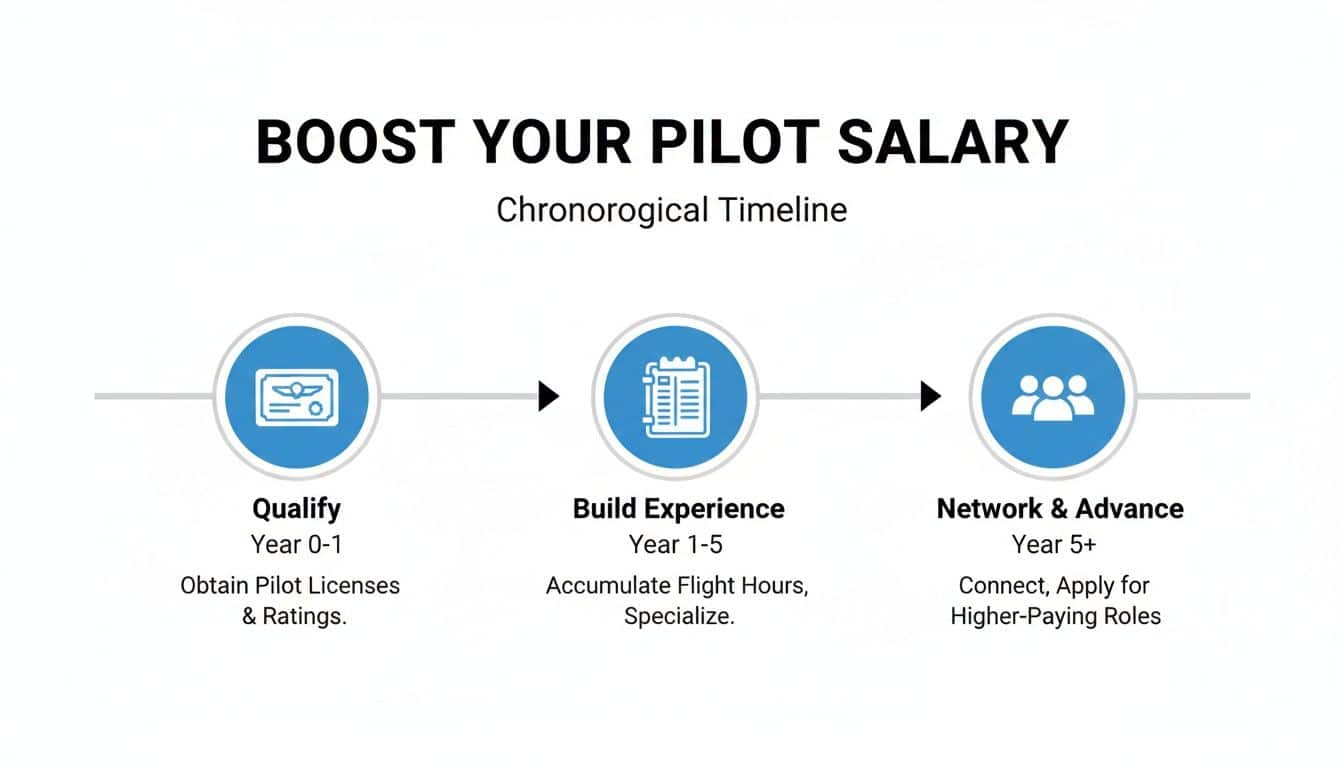
As you can see, boosting your pay is an active process. It’s about getting the right qualifications, building the right kind of hours, and making the right connections from day one.
Your Logbook Is Your Resume: Add High-Value Ratings
Your pilot logbook is your financial resume in the aviation world. Every rating you add tells an employer what you're capable of, and some entries are worth far more than others. They open up doors to bigger, faster aircraft and much higher-paying jobs.
Here are the key ratings that will immediately bump up your earning potential:
- Multi-Engine Rating (MEI): This is the big one. Most charter, corporate, and airline jobs fly twins, so a multi-engine rating is non-negotiable for getting into those higher-paying roles sooner. Pilots with an MEI are immediately in the running for Part 135 charter jobs, which almost always pay better than a pilot's first CFI job.
- Instrument Instructor Rating (CFII): If you're building time as an instructor, adding your instrument instructor rating (CFII) is a no-brainer. It makes you a more valuable asset to the flight school, allowing you to teach a wider range of students and keeping your schedule full even when the fair-weather flyers stay home. More billable hours means more income.
- Type Ratings: This is an advanced move, but a type rating (for a specific jet like a Citation, for example) makes you an incredibly valuable hire. It’s a huge investment for an employer to pay for a type rating, so showing up with one already in hand puts you at the top of the list for corporate flight departments and can add a massive premium to your starting pay.
Build the Right Kind of Flight Time
Not all flight time is created equal. While every pilot is grinding toward that 1,500-hour ATP milestone, employers look closely at the quality of your hours, not just the quantity.
Your main focus should be on building Pilot-in-Command (PIC) time. This is flight time where you are the one responsible for the aircraft and making the critical decisions. PIC time proves you can lead and have command authority—something far more valuable than hours spent just riding along.
The best part is, you can start earning a paycheck while building these crucial hours. You can explore great options for https://duboisaviation.com/paid-pilot-training/ that let you gain experience and get paid at the same time.
Network Like Your Career Depends On It (Because It Does)
Aviation is a surprisingly small world. Everyone knows everyone, and your reputation is your most valuable currency. The connections you build—from your instructors and mechanics to the pilots you meet on the ramp—can open doors you never knew existed.
It’s a principle that works in any high-stakes profession, and you can even find insights to boost your pay from other fields that apply directly to aviation. It all comes down to demonstrating value and building relationships.
Never underestimate the power of a good reputation. The flight instructor who signs you off, the charter manager at the local FBO, and the A&P mechanic you chat with could all be future colleagues or references. Professionalism, a positive attitude, and a willingness to learn are noticed and remembered.
Your Career and Salary Growth Trajectory
Your starting salary as a commercial pilot is really just the beginning of what can be an incredible financial journey. Think of that first paycheck as the moment your career officially leaves the ground; the real climb to cruising altitude—and the big earnings that come with it—happens over the next five to ten years.
And we're not talking about a small cost-of-living raise each year. In the world of aviation, your income growth is baked right into the career path. It’s driven by seniority, union contracts, and the type of aircraft you fly. Each step you take up that ladder brings a significant jump in pay, turning a solid starting salary into a genuinely lucrative profession.
The Power of Seniority and Contractual Pay Scales
Once you land a job at an airline, your pay is largely tied to your seniority, which is simply your date of hire. It’s a concept that governs almost everything in your professional life, from your monthly flight schedule and the routes you get to how quickly you can upgrade from First Officer to Captain. This system creates a clear, predictable pathway for salary growth.
As you build years of service, your hourly pay rate automatically goes up based on a negotiated contract. This means your income climbs steadily even if you’re still in the same seat, on the same plane. A second-year First Officer, for instance, will always earn more per hour than a first-year FO.
The real money, however, comes with promotions and moving to bigger aircraft.
An airline pilot's career is like an escalator. Once you're on, seniority keeps you moving up. You can climb the stairs faster by upgrading to Captain or a larger aircraft, but the system is designed to carry you to higher earnings over time.
Charting a Hypothetical Pilot's Salary Journey
To give you a clearer picture of this growth, let's follow a pilot we’ll call "Alex" on a hypothetical career path, starting from that very first airline job. This roadmap really shows how fast the initial investment in flight training can pay off.
Year 1: First Officer at a Regional Airline
Alex has just hit 1,500 hours as a CFI and gets hired by a regional airline. This is where it all begins.
- Role: First Officer (Right Seat)
- Aircraft: A regional jet like an Embraer E175
- Estimated Income: $90,000 – $110,000, which often includes a signing bonus. The grind of training is over, and Alex is now earning a strong, professional salary.
Year 5: Regional Captain or First Officer at a Major
After a few years, Alex has a couple of fantastic options. With the current demand for pilots, upgrading to Captain at a regional airline can happen quickly. The other path is moving directly to a major airline.
- Option A (Regional Captain): Alex takes the upgrade to Captain, doubling the responsibility and nearly doubling the pay. The salary jumps to $150,000 – $195,000.
- Option B (Major Airline FO): Alex gets hired by a legacy carrier like United or Delta. Even as a first-year First Officer there, the pay is impressive, starting around $180,000 – $260,000.
Year 10: Senior Captain at a Major Airline
A decade into the career, Alex is sitting in the left seat of a wide-body jet, flying international routes for a major airline. At this point, seniority has built some serious earning power.
- Role: Captain (Left Seat)
- Aircraft: A wide-body like a Boeing 787
- Estimated Income: $380,000 – $450,000+. This is where the long-term rewards of the profession become truly life-changing.
This rapid salary growth is what makes an airline pilot career so unique. While a starting commercial pilot salary at a regional airline might be around $90,000, the U.S. Bureau of Labor Statistics reports that the median annual wage for airline pilots, copilots, and flight engineers hit $226,600 in May 2024. That gap between the starting and median pay perfectly illustrates the incredible upward mobility you can expect. You can explore the numbers in more detail in their official occupational outlook.
Earning Top Tier Salaries Outside the Airlines
While the airlines offer a clear, structured path to an impressive salary, they're far from the only game in town. For pilots who crave more flexibility, enjoy unique flying, and want a faster route to an elite income, the world of corporate and business aviation is a powerful alternative.
This isn't about flying hundreds of people on rigid schedules. It’s about being the trusted professional at the helm of a multi-million dollar private jet, flying CEOs, celebrities, and business leaders to destinations across the globe. Think of it like the difference between being a top surgeon at a huge hospital versus a renowned specialist with a private practice. Both are highly respected and well-paid, but the lifestyle, environment, and day-to-day work are worlds apart.
The World of Corporate and Business Aviation
The corporate flight department is a unique corner of the industry where professionalism, discretion, and skill are everything. Getting a great job here often has less to do with pure seniority and more to do with your network, your reputation, and having the right high-value qualifications on your certificate.
Unlike the airlines, where everyone generally follows the same path from regional to major, corporate aviation is much more of a meritocracy. Your ability to get along with your crew and passengers, handle complex international logistics on a moment's notice, and project an aura of calm competence is just as critical as your flying skills.
The corporate cockpit is more than just an office; it’s the inner sanctum of a high-stakes business operation. Pilots in this world are not just aviators—they are trusted advisors and brand ambassadors, responsible for the safe and efficient transport of a company's most valuable assets.
How Aircraft Type Dictates Your Salary
In the corporate world, what you fly is directly tied to what you earn. A regional airline pilot earns a set scale for flying an E175, but a corporate pilot's pay is closely linked to the value and complexity of their specific aircraft. Flying a top-of-the-line, ultra-long-range business jet puts you in a completely different pay bracket.
This is where the numbers get really interesting. For business aviation, compensation goes through the roof for pilots qualified to operate the most advanced jets. For instance, pilots flying a Global 5000/5500 typically earn between $240,400 and $287,500 annually. Get qualified on a Global 7500, and that range jumps to $306,100 to $385,900.
Pilots at the controls of the newest Gulfstream 700/800 jets can command salaries from $330,400 up to an incredible $420,400 per year. You can dig into more salary specifics in this in-depth business jet pilot survey.
As these figures show, a commercial pilot starting salary in the corporate world can quickly outpace even senior airline captain pay, especially for pilots who strategically go after the right qualifications.
Breaking into This Exclusive Sector
Getting your foot in the door of a top-tier corporate flight department takes a focused, deliberate strategy. It's a world built on trust and relationships, so your network is your most valuable asset.
- Obtain In-Demand Type Ratings: An aircraft-specific type rating, like one for a Gulfstream or Global Express, is the golden ticket. It proves to a potential employer that you're already qualified and dramatically reduces their training costs.
- Build a Flawless Reputation: Professionalism is non-negotiable. Every single interaction—from your flight school days to your time at a local charter operator—shapes the reputation that follows you.
- Network Relentlessly: Spend time at the FBOs (Fixed-Base Operators) where corporate jets are based. Get to know the line staff, the mechanics, and the current flight crews. In this world, a personal recommendation is often far more powerful than a resume.
So You Want to Buy an Airplane? A Pilot’s Guide

As your career takes off and that commercial pilot starting salary grows into a solid six-figure income, a new dream might start to take shape: owning your own aircraft. Once you're ready to turn that hard-earned income into a personal airplane or helicopter, you’ll find it’s one of the most exciting decisions you'll ever make.
But buying an aircraft isn't like buying a car. It's a serious aviation commitment that requires the same sharp decision-making and attention to detail you use every day in the cockpit. Let's walk through how to approach it smartly, whether you're buying or selling.
The Buyer’s Playbook: How to Avoid a Bad Deal
The thrill of buying your first plane is incredible, but you can’t let that excitement cloud your judgment. Your absolute number one priority is a thorough pre-buy inspection. This isn't just a quick look-over; it's a deep dive into the aircraft's guts by an Airframe & Powerplant (A&P) mechanic you trust.
Crucially, this mechanic needs to be completely independent—never, ever use the seller’s mechanic. You need someone working for you, whose only job is to give you an unbiased, brutally honest assessment of the plane’s health. A good pre-buy will uncover hidden corrosion, predict major upcoming maintenance costs, and give you the real story on the engine’s condition.
Once the physical inspection is underway, you need to become the aircraft’s biographer by digging into its paperwork.
- Scrutinize the Logbooks: An aircraft's logbooks are its life story. You're looking for a complete history with no gaps, proof of regular maintenance, and documentation for any damage repairs and all mandatory Airworthiness Directives (ADs).
- Run a Title Search: Just like buying a house, you need to make sure the seller actually has the right to sell it. A professional title search confirms there are no hidden liens or claims on the aircraft that could become your nightmare later.
Think of the pre-buy as the most important flight check you'll ever do. It's that final, critical look that tells you if an aircraft is truly ready for you to take command. It can save you from financial disaster and, more importantly, keep you safe.
The Seller’s Game Plan: Getting Top Dollar
When it’s time to sell your aircraft, good preparation is what separates a quick, profitable sale from a plane that sits on the market for months. Your first job is to get your house in order. Gather every single piece of documentation—logbooks, maintenance invoices, equipment lists—and organize it neatly. A buyer who sees pristine, well-organized records immediately gains confidence.
Next, think about first impressions. A professionally detailed aircraft, sparkling clean inside and out, shows you’ve cared for it. Take care of any small cosmetic dings and make sure every switch and instrument works perfectly. Being upfront and transparent about the plane's history also builds the trust you need to close the deal. Researching aircraft comparisons will also give you a great feel for where your plane fits into the market.
Finally, you have to price it right. Do your homework on what similar aircraft have sold for recently. The price should honestly reflect the total time on the airframe and engine, the quality of your avionics, and its overall condition. A realistic price from day one is the single best way to attract serious, qualified buyers and make the entire process a smooth one.
Your Top Questions About Pilot Salaries, Answered
As you map out your path into the cockpit, questions about salary are bound to come up. Let's tackle some of the most common ones we hear from aspiring pilots.
How Quickly Can I Earn a Six-Figure Salary at an Airline?
This is the big question, and the answer is probably faster than you think. Most pilots can expect to hit a six-figure salary within 2-4 years of starting at a regional airline.
Think of it this way: after you build your 1,500 hours, you’ll likely start as a First Officer with a total compensation package right around $90,000. Given the intense demand for pilots right now, upgrades to Captain are happening incredibly fast. That promotion alone will almost always push your earnings well over the $100,000 mark, often in just your second or third year with the airline.
Is a Helicopter Pilot's Starting Pay Different?
Yes, the career tracks—and the starting pay—are quite different for helicopter pilots. The jobs are just built differently. An entry-level helicopter pilot flying tours or gathering news footage will typically start out in the $55,000 to $75,000 range.
But don't let that starting number fool you. The ceiling for experienced rotary pilots is very high. If you specialize in high-demand fields like Emergency Medical Services (EMS), firefighting, or supporting offshore oil and gas rigs, your salary can soar past $120,000 a year. It's a seriously competitive and rewarding career.
While fixed-wing and rotary-wing careers start on different financial footings, both paths lead to lucrative opportunities. The key is choosing the type of flying that truly excites you and aligns with your long-term goals.
Does the Flight School I Choose Affect My Starting Salary?
Honestly, not directly. When an airline or charter company looks at your application, they aren't focused on whether you went to a Part 141 or Part 61 school.
What they really care about are your certificates, your ratings, your total flight hours, and, most importantly, your Pilot-in-Command (PIC) time. A structured program might get you to the airline minimums faster, but the name on your diploma doesn't come with a bigger paycheck. Your skill and professionalism are what open doors.
Are Signing Bonuses Really a Thing for New Pilots?
They absolutely are. In today's market, signing bonuses are not just common; they're practically standard, especially at regional airlines desperate to fill their right seats.
It’s not at all unusual to see bonuses ranging from $15,000 to over $50,000. When you’re weighing job offers, you have to look at the entire first-year compensation package. That bonus can dramatically change the real value of an offer and is a critical part of your true commercial pilot starting salary.
Ready to start your journey from student pilot to a professional with a six-figure income? DuBois Aviation offers expert one-on-one training at Chino Airport (KCNO) to get you there efficiently. Learn more and book your discovery flight.


