Becoming one of the best paid airline pilots is a journey that starts long before taking command of a wide-body jet. It is a strategic climb requiring the right training, experience, and career choices. This guide serves as a detailed map, outlining the salaries, benefits, and practical steps needed to reach the top of a professional pilot's career.
We will break down the top 10 high-paying pathways available today, providing a clear picture of what to expect. You will learn about the compensation structures not just at major airlines but also across cargo, charter, and international operations. This analysis will show how factors like region, aircraft type, and seniority directly influence your earning potential. For aspiring pilots, we provide a clear view of the road ahead, from initial flight training at a school like DuBois Aviation to securing a captain’s seat.
This article moves beyond just listing salaries. It provides specific insights into how pilots advance, what airlines look for, and how different career tracks compare. We will also touch on related aviation careers, including the process of buying or selling an aircraft, offering guidance on how to complete these high-value transactions safely and effectively. By understanding the full spectrum of opportunities, you can navigate your career with precision, whether you are just starting your training at Chino Airport (KCNO) or are a certificated pilot planning your next move.
Two practical options worth comparing
These are specific products pilots commonly compare for this type of flying. Confirm compatibility with your aircraft and instructor before ordering.
 Premium ANR headsetLightspeed Zulu 4 ANR Aviation Headset - Dual GA PlugCheck current availability on Amazon (paid link)
 Premium headsetBose A30 Bluetooth Aviation Headset - Dual PlugCheck current availability on Amazon (paid link)
1. Major Legacy Carriers (United, American, Delta, Southwest)
When targeting the highest rungs of the pilot pay ladder, the major legacy carriers in the United States represent the peak of the profession. Airlines like United, American, Delta, and Southwest are where many pilots find the most lucrative and stable careers. Their extensive domestic and international routes, large fleets, and powerful pilot unions, such as the Air Line Pilots Association (ALPA), create the framework for some of the best paid airline pilots in the world.
These carriers operate on a seniority-based system. While a new First Officer might start with a salary between $50,000 and $65,000, consistent service brings significant financial rewards. After 12-15 years, a Captain can expect to earn well over $200,000 annually.
Compensation and Airline Specifics
Pay structures vary slightly but are consistently high across the board.
- Delta Air Lines: Often cited for having the highest top-end Captain salaries, potentially exceeding $300,000, and sometimes offers attractive signing bonuses.
- United Airlines: Captains with 12 years of seniority can see salaries from $240,000 to $280,000, with robust benefits packages.
- American Airlines: Features a similar pay scale to its peers but is also known for providing enhanced training pay for new hires, easing the financial transition.
- Southwest Airlines: Operates a unique point-based bidding system and a single aircraft type (Boeing 737), which standardizes operations and training paths for all its Captains.
The consistent demand for pilots at these major airlines ensures a clear and rewarding career trajectory. Strong union contracts protect not only pay but also work rules, retirement benefits, and job security, making these positions highly sought after.
Path to the Major Airlines
Securing a seat in the cockpit of a legacy carrier requires dedication and a specific plan. Aspiring pilots must first build significant flight experience. A common route involves accumulating the required 1,500 flight hours, often by working as a flight instructor or flying for a regional airline.
Passing the Airline Transport Pilot (ATP) written exam is a critical milestone. Beyond certifications, networking is key; attending airline-sponsored job fairs and connecting with current pilots provides invaluable insight and opportunities. The complete airline pilot career path is a multi-year journey, and programs like DuBois Aviation's Airline Career Program are structured to guide students from zero experience to being airline-ready.
2. Regional Airline First Officer Track (Republic, SkyWest, Endeavor, Mesa)
For most aspiring professional aviators, the regional airlines are the essential launchpad into a high-paying career. Carriers like SkyWest, Republic, and Endeavor serve as the primary feeder system for the major airlines, operating 50-76 seat regional jets under contract with giants like Delta, United, and American. While the starting pay isn't the highest, these roles provide the critical flight hours and real-world experience needed to advance.
New First Officers typically start with salaries between $40,000 and $55,000. However, the path to a Captain's seat is often accelerated, with upgrades possible in as little as 18 to 24 months. Captains at these airlines can earn between $75,000 and $95,000, all while building the valuable turbine time that major airlines demand.
Compensation and Airline Specifics
Pay and benefits differ, but the primary value is the career momentum they provide.
- SkyWest Airlines: Known for its partnerships with multiple major carriers (Delta, United, American), offering First Officers a starting salary around $50,000 and Captains approximately $85,000.
- Republic Airways: Operates a modern fleet of Embraer ERJ-170/175 jets and offers a rapid Captain upgrade path. First Officer pay ranges from $40,000 to $48,000.
- Endeavor Air: As a wholly-owned subsidiary of Delta Air Lines, it provides a very strong and defined pathway to a Delta cockpit. First Officers can start near $55,000.
- Mesa Air Group: Offers unique flying opportunities, including operations in mountainous regions that build specific skill sets. Captains can expect to earn around $75,000 annually.
The regional airline track is the most proven and reliable method for reaching the majors. The experience gained here is non-negotiable for pilots who want to eventually command the largest aircraft and earn the industry's top salaries.
Path to the Regional Airlines
Getting hired by a regional airline requires meeting specific FAA mandates. The first step is earning the necessary pilot certification levels and accumulating 1,500 flight hours. Pilots often achieve this by working as a Certified Flight Instructor, an approach that deepens foundational knowledge.
Once minimums are met, the application process begins. It is wise to target regionals that have direct flow-through agreements or partnerships with the major airline you ultimately want to work for. Given the consistent demand, securing a position is highly achievable for qualified candidates who prepare for the technical interviews and simulator evaluations.
3. Ultra Low-Cost Carrier Pilots (Spirit, Frontier, Allegiant)
Ultra Low-Cost Carriers (ULCCs) like Spirit, Frontier, and Allegiant have become a significant part of the aviation industry, offering a distinct but valuable career path. These airlines focus on efficiency, point-to-point networks, and high aircraft utilization to keep fares low. For aspiring pilots, this high-turnover environment creates abundant opportunities to build turbine time and advance quickly, making them a strategic entry point for those aiming to become some of the best paid airline pilots.
While starting salaries for First Officers might range from $45,000 to $65,000, the rapid upgrade time is a key advantage. Due to constant expansion and pilot movement to legacy carriers, a First Officer can often upgrade to Captain, and a salary of $100,000 to $150,000, much faster than at a traditional airline. This makes ULCCs a practical stepping stone toward higher-paying roles.
Compensation and Airline Specifics
The pay at ULCCs is competitive, especially when considering the accelerated career progression they offer.
- Spirit Airlines: A First Officer can expect to earn between $50,000 and $58,000, while Captains flying aircraft like the A321 can make $110,000 to $130,000 annually.
- Frontier Airlines: With its growing Denver hub, Frontier offers First Officer pay from $55,000 to $65,000. Captains can see salaries exceeding $130,000, along with attractive hiring bonuses.
- Allegiant Air: Focusing on the leisure market, Allegiant provides First Officer salaries in the $48,000-$58,000 range, with Captains earning between $105,000 and $125,000.
High turnover at ULCCs is not a weakness but an opportunity. It creates a constant demand for new pilots, allowing you to secure a position with minimums and build the experience needed for a future legacy carrier role.
Path to the ULCCs
The route to an Ultra Low-Cost Carrier is direct and often quicker than other paths. Aspiring pilots should apply as soon as they meet the minimum flight hour requirements. Because vacancies appear frequently, being prepared and ready to interview is critical. A two-to-three-year commitment is typical, providing enough time to build a strong foundation.
During this period, meticulous documentation of flight hours and maintaining high professionalism scores are vital for your future applications to major airlines. The experience gained at a ULCC is a powerful asset. For pilots starting their journey, DuBois Aviation’s Airline Career Program provides the structured training needed to reach the 1,500-hour mark and qualify for these rewarding positions.
4. Network/Full-Service Carrier First Officers (JetBlue, Alaska, Hawaiian)
While not as large as the legacy carriers, network airlines like JetBlue, Alaska, and Hawaiian offer some of the most competitive compensation packages and desirable working conditions in the industry. These full-service carriers provide a middle ground, blending extensive route networks with a company culture that is often praised by pilots. This makes them a prime target for pilots seeking a balance of high earning potential, lifestyle benefits, and career stability, solidifying their place among the best paid airline pilots.
The pay progression at these carriers is strong. A new First Officer can expect a starting salary between $55,000 and $75,000. Captains at these airlines see their annual pay climb significantly, often reaching $180,000 to $240,000. These positions are highly regarded for their employee-friendly policies, reasonable schedules, and operational consistency.
Compensation and Airline Specifics
Each airline offers unique advantages, with pay scales that are competitive with one another.
- JetBlue Airways: First Officers typically start between $65,000 and $75,000, while Captains can earn $210,000 to $240,000. The airline is known for its modern fleet and focus on crew comfort, particularly out of its New York City hub.
- Alaska Airlines: With First Officer pay ranging from $58,000 to $70,000 and Captain salaries reaching $210,000 to $230,000, Alaska is a dominant force on the West Coast, making it an ideal goal for California-based pilots.
- Hawaiian Airlines: Offers First Officers a starting salary of $60,000 to $72,000, with Captains earning up to $220,000. Pilots enjoy unique island routes and international destinations.
These carriers are increasingly seen as destination airlines rather than just stepping stones. Their strong contracts, positive work environments, and appealing bases make them a top-tier career goal for many pilots.
Path to Network Carriers
Joining a network carrier like Alaska or JetBlue requires a focused approach, as hiring classes can be smaller than at major airlines. Aspiring pilots must first meet the 1,500-hour requirement for an ATP certificate. A common strategy involves building time at a regional airline, which provides invaluable turbine experience and makes a candidate more competitive.
Pilots should carefully research base preferences, as this greatly influences lifestyle; for example, Alaska is concentrated in Seattle and Anchorage, while JetBlue is strong in New York and Fort Lauderdale. Applying during announced hiring windows is crucial. For pilots in Southern California, targeting Alaska Airlines is a logical step due to its extensive West Coast presence. The structured curriculum in DuBois Aviation's Airline Career Program prepares pilots for these exact opportunities, building the qualifications needed to stand out in a competitive applicant pool.
5. Cargo Airline Pilot Compensation (FedEx, UPS, Cargo Airlines)
For pilots seeking the absolute highest compensation in the industry, all-cargo carriers like FedEx and UPS often surpass even the most prestigious passenger airlines. The unique demands of cargo operations, including frequent night flying, complex global logistics, and time-sensitive deliveries, create a premium pay structure. These companies are titans of logistics, and their pilots are rewarded accordingly, making them some of the best paid airline pilots in the world.
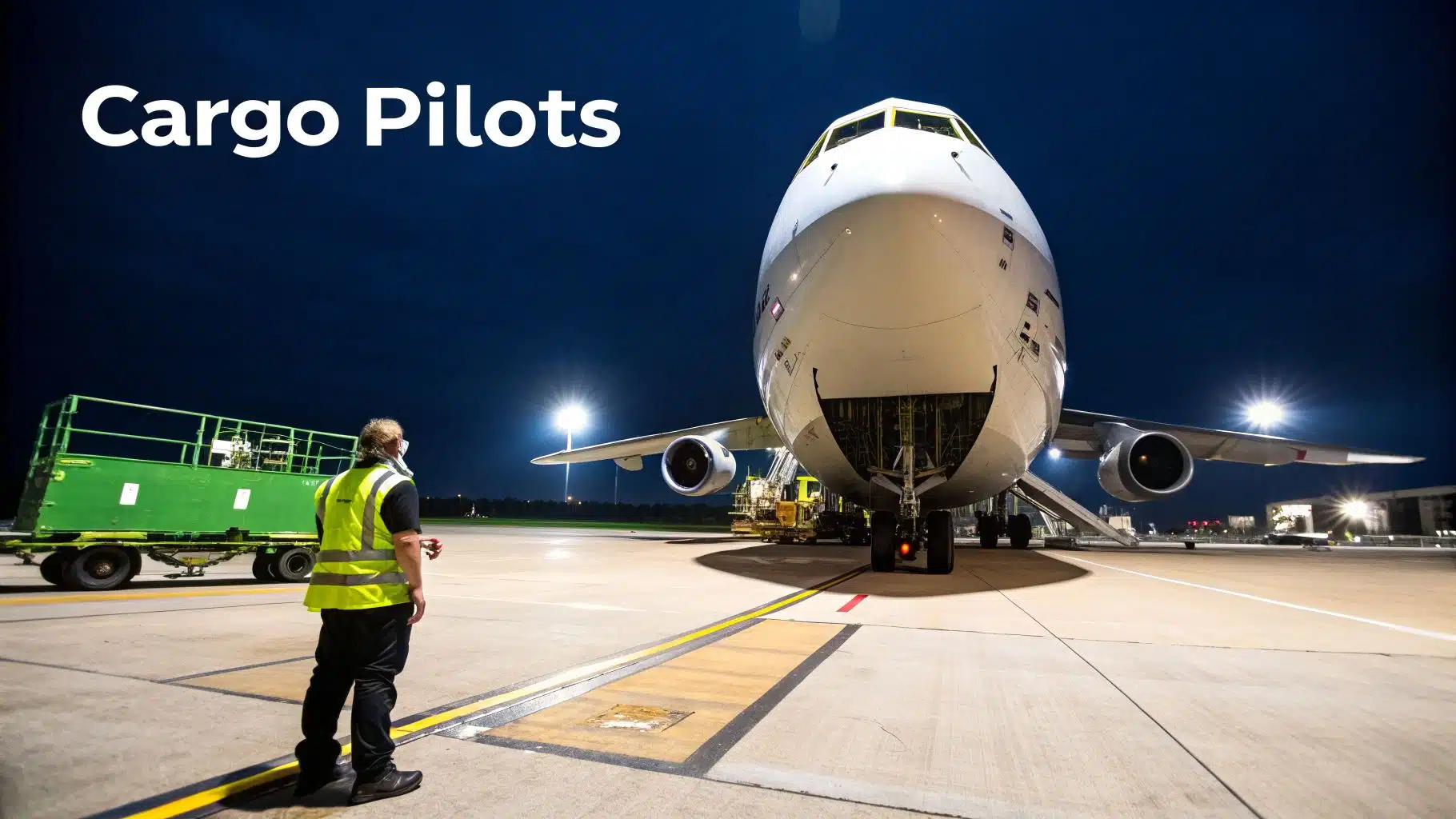
While a new First Officer at a top cargo airline can start with a salary between $75,000 and $100,000, the top-end potential is immense. Seasoned Captains flying widebody aircraft can command salaries well over $300,000 annually. To attract top talent, some carriers also offer substantial signing bonuses, sometimes reaching $50,000 to $75,000.
Compensation and Airline Specifics
The pay at premier cargo operators reflects their critical role in the global supply chain.
- FedEx Express: Often seen as the pinnacle of cargo pilot careers, with Captains earning between $280,000 and $320,000 on aircraft like the B767 and B747.
- UPS Airlines: Highly competitive, with Captain salaries ranging from $270,000 to $310,000. UPS has been known to offer significant signing bonuses, such as $60,000, to secure qualified pilots.
- Atlas Air (ATI): A major player in the contract cargo market, flying B747 freighters for various clients. Captains can earn from $220,000 to $260,000, providing another high-paying career route.
Cargo pilot roles at FedEx and UPS are considered destination careers, not stepping stones. The combination of industry-leading pay, exceptional retirement benefits, and job stability makes these positions among the most coveted in aviation.
Path to the Cargo Cockpit
Landing a job with a major cargo airline requires significant experience and a strategic approach. Pilots typically need to accumulate thousands of flight hours, often by starting at a regional airline and building seniority over several years. A background in passenger operations is a common prerequisite.
Aspiring pilots should focus on building a strong professional record and obtaining an Airline Transport Pilot (ATP) certificate. The journey from zero experience to a cargo-ready pilot is long, and understanding how to pay for flight training is a crucial first step. There are many options available, from loans to scholarships, and resources are available to help you explore the financial aid for pilot training that can make your career goals a reality. Researching the specific aircraft types used by these carriers, such as the Boeing 747, 767, and MD-11, and their training requirements can also give you a competitive edge.
6. Charter/Business Jet Pilot Operators (NetJets, XO, Air Charter Service)
While major airlines often get the spotlight, the world of private and business aviation offers some of the best paid airline pilot careers with a distinctly different lifestyle. On-demand charter and fractional ownership programs, run by operators like NetJets and XO, provide experienced pilots with high-compensation roles that feature premium training, dynamic schedules, and a professional environment operating complex aircraft.
These roles provide a unique career path that blends the structure of airline operations with the flexibility of on-demand flying. Captain positions typically earn between $80,000 and $150,000 or more, depending heavily on seniority, aircraft type, and the specific operator. A pilot flying a large-cabin, long-range jet will command a higher salary than one in a light jet.
Compensation and Airline Specifics
Pay scales in the charter world are diverse, reflecting the varied operational models.
- NetJets: As a leader in fractional ownership, NetJets offers a highly structured environment with top-tier compensation. Captains can earn from $100,000 to over $150,000, supported by a global network and a reputation for being selective.
- XO (formerly Magellan): This on-demand charter platform has seen significant growth, offering pilots competitive salaries. Captains can expect to make between $85,000 and $120,000 while flying a wide variety of missions.
- Air Charter Service: Known for its global presence, including international and humanitarian operations, this operator provides a unique and challenging work environment. Captain salaries generally range from $75,000 to $110,000.
A career in business aviation offers an alternative to the airline track, with many pilots finding the work-life balance and operational variety more rewarding. It can be a fulfilling permanent career or a strategic stepping stone to a major airline.
Path to Charter/Business Aviation
The journey to a charter pilot position requires a blend of flight experience and specific certifications. Pilots must build significant time, often by first working as a flight instructor or for a regional airline. Obtaining type ratings for common Part 135 aircraft, such as those in the Cessna Citation or Gulfstream families, is a critical investment that makes a candidate more attractive.
Networking at pilot conferences and aviation events is essential for connecting with chief pilots and recruiters from these exclusive operators. Building a strong professional reputation and resume is key, as top-tier charter companies are often as selective as major airlines. Furthermore, the experience gained in this sector is invaluable for pilots who may later consider buying an airplane or helicopter, providing a deep understanding of aircraft operations, maintenance, and value.
7. International Airline Opportunities (Middle East, Asian, European Carriers)
Looking beyond domestic borders can unlock some of the best paid airline pilot careers, especially when considering the complete compensation package. International carriers in the Middle East, Asia, and Europe are known for offering competitive salaries combined with significant lifestyle benefits that are often unmatched by U.S. airlines. These roles provide a chance to fly wide-body aircraft on global routes while experiencing life in a new country.
While a Captain's base salary might range from $80,000 to over $180,000, the total value of their employment is substantially higher. Many of these airlines provide housing allowances, cover utility costs, and offer tax-free or low-tax income environments, which dramatically increases a pilot's take-home pay. This makes them a strong contender for pilots seeking maximum financial reward and a unique adventure.
Compensation and Airline Specifics
The financial incentives are designed to attract top-tier talent from around the world.
- Emirates (Dubai): Captains on the A380 can earn between $140,000 and $180,000 annually, often tax-free, and receive a generous monthly housing allowance of around $2,500.
- Qatar Airways (Doha): Offers Captain salaries from $130,000 to $170,000, complemented by a substantial housing allowance and access to a vast global network.
- Lufthansa (Germany): While base salaries for Captains may range from $100,000 to $140,000, strong union contracts ensure excellent work rules, retirement plans, and job stability within Europe.
The true value of an international contract often lies in the non-salary benefits. Tax advantages, free housing, and education allowances for children can result in a total compensation package that far exceeds what a salary figure alone suggests.
Path to an International Cockpit
Securing a position with a prestigious international airline is a multi-step process that demands experience and careful planning. Most of these carriers require pilots to already hold an Airline Transport Pilot (ATP) certificate and have several years of experience, typically with a regional or domestic carrier. Building a solid foundation with at least five years in the industry is a common prerequisite.
Aspiring pilots must research the specific visa requirements, tax laws, and contract terms for each country and airline. Understanding the exit clauses and how experience abroad might affect a potential return to U.S. carriers is also critical. These roles are not just a job but a significant life decision that merges a pilot's career with a new cultural and financial environment.
8. Military-to-Airline Transition Pilots (Sponsored Recruitment Programs)
For pilots completing their military service, a direct and often accelerated path to becoming one of the best paid airline pilots exists through dedicated recruitment programs. Major airlines highly value the extensive training, discipline, and operational experience of military aviators. These programs recognize military credentials and create a streamlined pipeline from the armed forces to the commercial cockpit, making this a premier route for qualified veterans.
While initial First Officer pay is comparable to civilian-trained counterparts, often starting between $50,000 and $70,000, the true advantage lies in advancement. The leadership skills and flight time accumulated during service can lead to faster upgrades to Captain, positioning these pilots for top-tier salaries sooner.
Compensation and Airline Specifics
Airlines actively compete for military talent, offering priority hiring and recognizing specific qualifications.
- United Airlines: The Military Pilot Program has successfully recruited over 2,500 veterans. It offers an accelerated hiring process, giving military pilots a clear advantage.
- American Airlines: This carrier officially recognizes U.S. military flight training, creating a priority pipeline that places former service members at the front of the line for interviews and hiring.
- Southwest Airlines: With a strong cultural affinity for military service, over 30% of its pilot workforce comes from a military background, demonstrating a clear preference in its recruitment strategy.
The structured training and high-stakes environment of military aviation produce pilots who are exceptionally prepared for the demands of airline operations. This proven background is why airlines invest heavily in recruiting them.
Path to the Major Airlines
For military pilots, the transition involves leveraging their unique background. They must ensure their flight hours and qualifications meet airline minimums, which are often adjusted for military experience. Attending military-specific hiring events and airshows is a key strategy for connecting directly with airline recruiters.
In applications and interviews, highlighting leadership roles, complex mission experience, and decision-making skills is vital. For those with a global perspective gained from service, practical guides on finding jobs abroad can be invaluable when exploring opportunities with international carriers. This transition represents a powerful career pivot, turning distinguished service into a lucrative civilian profession.
9. Flight Instructor and Training Captain Roles (Perpetual Aviation Income)
While not a direct airline job, the role of a flight instructor or training captain is a critical and often lucrative component of a pilot's career journey. For many, it's the primary way to build the 1,500 flight hours required for an Airline Transport Pilot certificate. For others, it becomes a permanent, rewarding career path or a stable source of secondary income, making it a key strategy for those aiming to be among the best paid pilots over the long term.
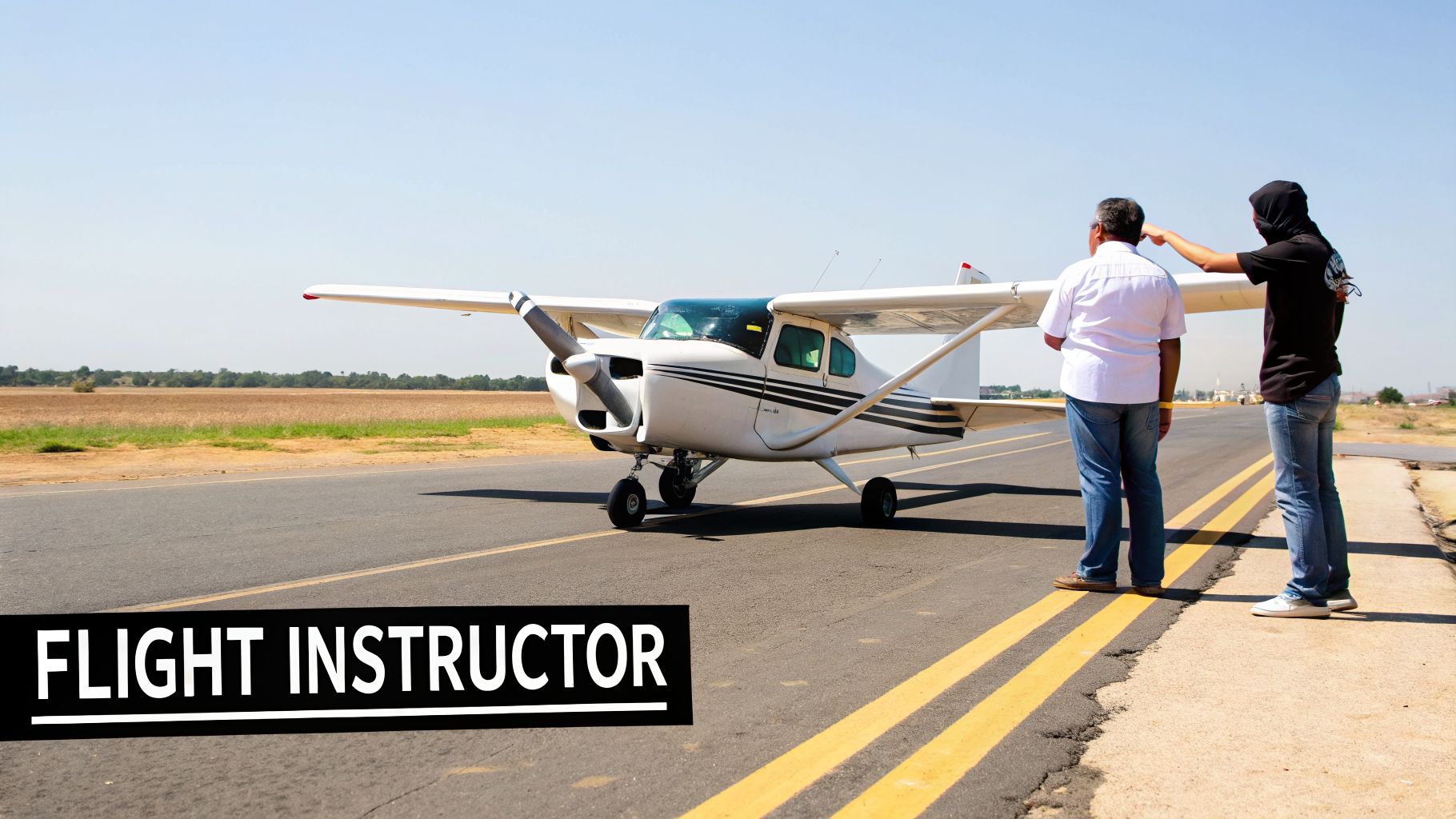
These roles provide a structured income stream while a pilot builds seniority or waits for an opening at a major airline. A Certified Flight Instructor (CFI) can expect to earn between $40,000 and $80,000 annually, depending on location and experience. Senior instructors or those in specialized training roles can earn upwards of $90,000, creating a stable financial foundation.
Compensation and Career Specifics
Pay for instructors varies based on qualifications and the type of organization.
- DuBois Aviation: Our CFIs, CFIIs, and MEIs earn competitive rates from $35-$45 per hour, providing a reliable income stream right here at Chino Airport (KCNO).
- National Training Organizations: Large academies like ATP Flight School offer structured salaries for Training Captains, typically ranging from $55,000 to $75,000.
- Airline Training Departments: Experienced pilots who transition into instructing roles within an airline can command salaries of $80,000 to $100,000+ for their expertise in type ratings and simulator training.
The skills developed as a flight instructor, such as clear communication, decision-making under pressure, and deep systems knowledge, are directly transferable and highly valued in airline training departments. This opens a separate, high-paying career track within the aviation industry.
Path to an Instructor Role
Becoming a flight instructor is a direct and accessible next step after earning a Commercial Pilot Certificate. Aspiring instructors must obtain their CFI rating, which DuBois Aviation students can pursue immediately after completing their commercial training. This allows a seamless transition from student to professional pilot, earning income while building hours.
Beyond just building time, this role is a powerful networking tool. Instructors build connections with students who will become future colleagues at regional and major airlines. For those who enjoy mentoring, instruction offers a fulfilling long-term career. Furthermore, the deep aircraft knowledge gained is invaluable for pilots who may later look into how to buy an airplane, as it provides a strong foundation for evaluating aircraft condition and performance.
10. How to Buy an Airplane or Helicopter the Safe Way
While not a direct pilot job, understanding the process of buying and selling aircraft is a valuable skill for many in the aviation community. For some, owning an airplane is a way to build flight hours cost-effectively. For others, it's a business venture or the ultimate personal travel tool. Knowing how to buy an airplane the safe way is crucial to protect your investment and ensure airworthiness. This knowledge is especially beneficial for pilots who may one day advise clients, manage flight departments, or invest in their own aircraft.
The process is complex, but following a structured approach can mitigate risks. A safe purchase involves meticulous due diligence, professional inspections, and a clear understanding of legal and financial obligations. Whether you're looking to buy a small single-engine piston plane or a multi-engine helicopter, the core principles of a safe transaction remain the same.
Key Steps for a Secure Aircraft Purchase
Navigating an aircraft acquisition requires a systematic approach. Here are the essential steps:
- Define Your Mission and Budget: First, determine the primary use of the aircraft (training, travel, business) and establish a realistic budget that includes not only the purchase price but also insurance, maintenance, hangar/tie-down fees, and fuel.
- Conduct a Thorough Pre-Buy Inspection: This is the most critical step. Hire a trusted, independent A&P (Airframe & Powerplant) mechanic, preferably one with experience in the specific make and model, to conduct a comprehensive pre-purchase inspection. This goes far beyond a standard annual inspection.
- Perform a Meticulous Logbook Review: The aircraft’s logbooks are its official history. Scrutinize them for damage history, compliance with Airworthiness Directives (ADs), and consistent maintenance records. Gaps or sloppy entries are major red flags.
- Secure a Title Search and Escrow Service: Use a reputable aviation escrow company to conduct a title search. This ensures the seller has the legal right to sell the aircraft and that there are no outstanding liens. The escrow service will hold funds securely until all conditions of the sale are met.
- Understand the Legal Paperwork: Finalize the transaction with a clear Purchase and Sale Agreement. Ensure all necessary FAA forms, such as the Bill of Sale (AC Form 8050-2) and Aircraft Registration Application (AC Form 8050-1), are completed accurately.
Buying an aircraft is a significant financial commitment. Approaching it with the same professionalism and attention to detail required in the cockpit is the only way to ensure a safe and successful outcome.
Is Aircraft Ownership Right for You?
For aspiring airline pilots, owning an aircraft to build time can be a double-edged sword. While it offers control over your schedule, the costs of maintenance, insurance, and unexpected repairs can be substantial. For established pilots or aviation entrepreneurs, owning an airplane or helicopter can unlock new business opportunities or offer unparalleled travel freedom. The foundational knowledge gained as a pilot, especially as a flight instructor, provides a strong basis for evaluating potential aircraft and making an informed decision, whether you are looking to buy or sell.
Top 10 Airline Pilot Pay Comparison
| Pathway | Implementation 🔄 (complexity) | Resources ⚡ (requirements) | Expected Outcomes ⭐ / 📊 (compensation & career) | Ideal Use Cases 💡 (who it's for) | Key Advantages ⭐ |
|---|---|---|---|---|---|
| Major Legacy Carriers (United, American, Delta, Southwest) | High 🔄 — complex hiring, strict seniority systems | High ⚡ — extensive experience, ATP, networking, 1,500+ hrs | Top-tier ⭐⭐⭐⭐📊 — FO ~$50k–65k; Captains $200k–300k+; strong pensions | Career-focused pilots aiming for long-term stability at majors | Job security, pensions, union protections, highest long-term pay |
| Regional Airline First Officer Track (Republic, SkyWest, Endeavor, Mesa) | Moderate 🔄 — accessible hiring, structured upgrade paths | Moderate ⚡ — 1,500 hrs typical, fast hour-building opportunities | Good ⭐⭐📊 — FO ~$35k–55k; Capt $65k–95k; rapid flight-hour accumulation | New grads needing experience to qualify for majors | Fast upgrades, high block hours, direct feeder to majors |
| Ultra Low-Cost Carrier Pilots (Spirit, Frontier, Allegiant) | Moderate-High 🔄 — performance-driven ops and metrics | Moderate ⚡ — meet mins; endure high monthly hours (80–100+) | Competitive ⭐⭐📊 — FO ~$45k–60k; Capt $100k–150k; rapid advancement possible | Pilots seeking quicker pay progression and heavy flying | Competitive starting pay, faster Captain timelines, modern fleets |
| Network/Full-Service Carriers (JetBlue, Alaska, Hawaiian) | Moderate 🔄 — selective hiring with employee-friendly systems | Moderate ⚡ — competitive quals, favorable scheduling systems | Strong ⭐⭐📊 — FO ~$55k–75k; Capt $180k–240k; balanced lifestyle | Pilots prioritizing work–life balance with good pay | Better schedules, benefits, and company culture than many peers |
| Cargo Airline Pilots (FedEx, UPS, cargo operators) | High 🔄 — highly selective; heavy-aircraft training | Very High ⚡ — extensive hrs (seniority-heavy), type‑ratings, night ops | Top-tier ⭐⭐⭐⭐📊 — FO ~$75k–100k+; Capt $250k–320k+; large signing bonuses | Experienced pilots seeking maximum compensation and stability | Highest pay, predictable schedules, strong union/benefits |
| Charter/Business Jet Operators (NetJets, XO, Air Charter Service) | Moderate 🔄 — Part 135 complexity; selective operators | High ⚡ — 2,000+ hrs common, costly type‑ratings | Good ⭐⭐📊 — FO ~$45k–75k; Capt $80k–150k+; variable ops | Pilots wanting premium flying, international ops, flexibility | Quality aircraft, varied destinations, professional environment |
| International Airline Opportunities (Emirates, Qatar, Lufthansa, Singapore) | High 🔄 — ATP, visas, contract/legal complexity | High ⚡ — 5+ yrs experience often, relocation logistics | High ⭐⭐📊 — Capt $100k–180k+ plus allowances; tax/housing benefits | Pilots open to relocation for tax/allowance advantages | Housing/transport allowances, tax benefits, prestige |
| Military-to-Airline Transition Pilots (sponsored programs) | Moderate 🔄 — streamlined for military credentials | Low-Moderate ⚡ — military quals often reduce civilian training | Strong ⭐⭐📊 — FO pay similar ($50k–70k); faster seniority/upgrade credit | Military pilots transitioning to civilian airlines | Hiring preference, seniority credit, leadership background |
| Flight Instructor & Training Captain Roles (CFI/CII/MEI) | Low 🔄 — immediate availability post-certification | Low ⚡ — CFI/CFII/MEI certs; flexible scheduling | Moderate ⭐📊 — $40k–80k (varies by hours & seniority) | New grads needing income and hour-building; career instructors | Flexible income, teaching skills, local opportunities, bridge to airlines |
| How to Buy an Airplane Safely (Aircraft Ownership) | Moderate-High 🔄 — complex due diligence, legal/financial steps | High ⚡ — significant capital, mechanical/legal expertise | Strategic ⭐📊 — Cost-effective hour building or business asset | Aspiring pilots, entrepreneurs, or established pilots seeking personal aircraft | Control over flight training, business opportunities, personal travel freedom |
Your Flight Plan to Success Starts at DuBois Aviation
The path to becoming one of the best paid airline pilots is not a matter of luck; it is a meticulously executed flight plan. As we've explored, the pinnacle of an aviator's salary is found across a diverse spectrum of roles. It’s not just about the captain’s seat at a major legacy carrier like Delta or United. Substantial six-figure incomes are equally attainable in the dynamic world of cargo with FedEx and UPS, the bespoke service of charter operations like NetJets, and even in specialized international or government sectors.
The most critical takeaway is that high earning potential is directly tied to a pilot's strategic decisions, certifications, and the quality of their foundational training. Your career trajectory is built step-by-step, starting with the very first lesson.
Key Insights for Your Ascent
This article has detailed the varied landscapes where top pilot salaries are found. Let’s distill the most important lessons for aspiring professional pilots:
- Seniority is King: Across nearly every category, from legacy airlines to cargo giants, seniority is the single most powerful driver of pay. Your pay scale, schedule quality, and choice of aircraft are all determined by your date of hire. This highlights the urgency of starting your training and career path as soon as possible to begin building that crucial seniority.
- Fleet Type Dictates Pay: Flying a wide-body aircraft like a Boeing 777 or Airbus A350 almost always corresponds with the highest pay rates. Gaining the experience and ratings necessary to be type-rated on these complex machines should be a long-term goal for any pilot aiming for top-tier compensation.
- Beyond the Majors: While legacy carriers are the obvious goal for many, don't overlook other lucrative avenues. Cargo pilots often enjoy higher pay and better quality of life earlier in their careers. Similarly, experienced charter and business jet pilots command impressive salaries, offering a different but equally rewarding lifestyle.
- Your Network is Your Co-Pilot: From your first instructor at a school like DuBois Aviation to the captains you fly with at a regional airline, the connections you make are invaluable. These relationships provide mentorship, references, and inside knowledge that can accelerate your journey to becoming one of the best paid airline pilots.
Building Your Foundation: From Training to Aircraft Ownership
Your professional journey begins long before you apply to an airline. It starts with selecting the right training environment. A school located at an airport with a control tower, like DuBois Aviation at Chino Airport (KCNO), provides indispensable experience in communicating with air traffic control. This is a skill you will use on every single flight of your professional career. Our structured Airline Career Program is built to guide you efficiently from zero hours to being a competitive candidate for the very roles we've discussed.
Furthermore, as your career progresses, you may even consider aircraft ownership for personal travel or business. For those interested, learning how to buy an airplane the safe way is a critical skill. This involves a thorough pre-buy inspection by a trusted A&P mechanic, a detailed logbook review, a title search to ensure there are no liens, and a clear understanding of the operational costs. This process shares a common principle with your pilot training: due diligence and expert guidance are non-negotiable for a successful outcome. The same rigorous approach applies whether you are a new student pilot or a seasoned aviator looking to buy or sell an airplane.
The journey from aspiring aviator to a top-earning captain is a marathon, not a sprint. It demands dedication, strategic planning, and a commitment to excellence from day one. The choices you make now, starting with your flight school, will set the heading for your entire career.
Ready to stop dreaming and start flying? Your personalized flight plan to becoming one of the best paid airline pilots begins with a single step. Contact DuBois Aviation to schedule a discovery flight and learn how our Airline Career Program, expert instructors, and prime location at Chino Airport can give you the competitive edge needed for success. Visit DuBois Aviation to launch your career today.