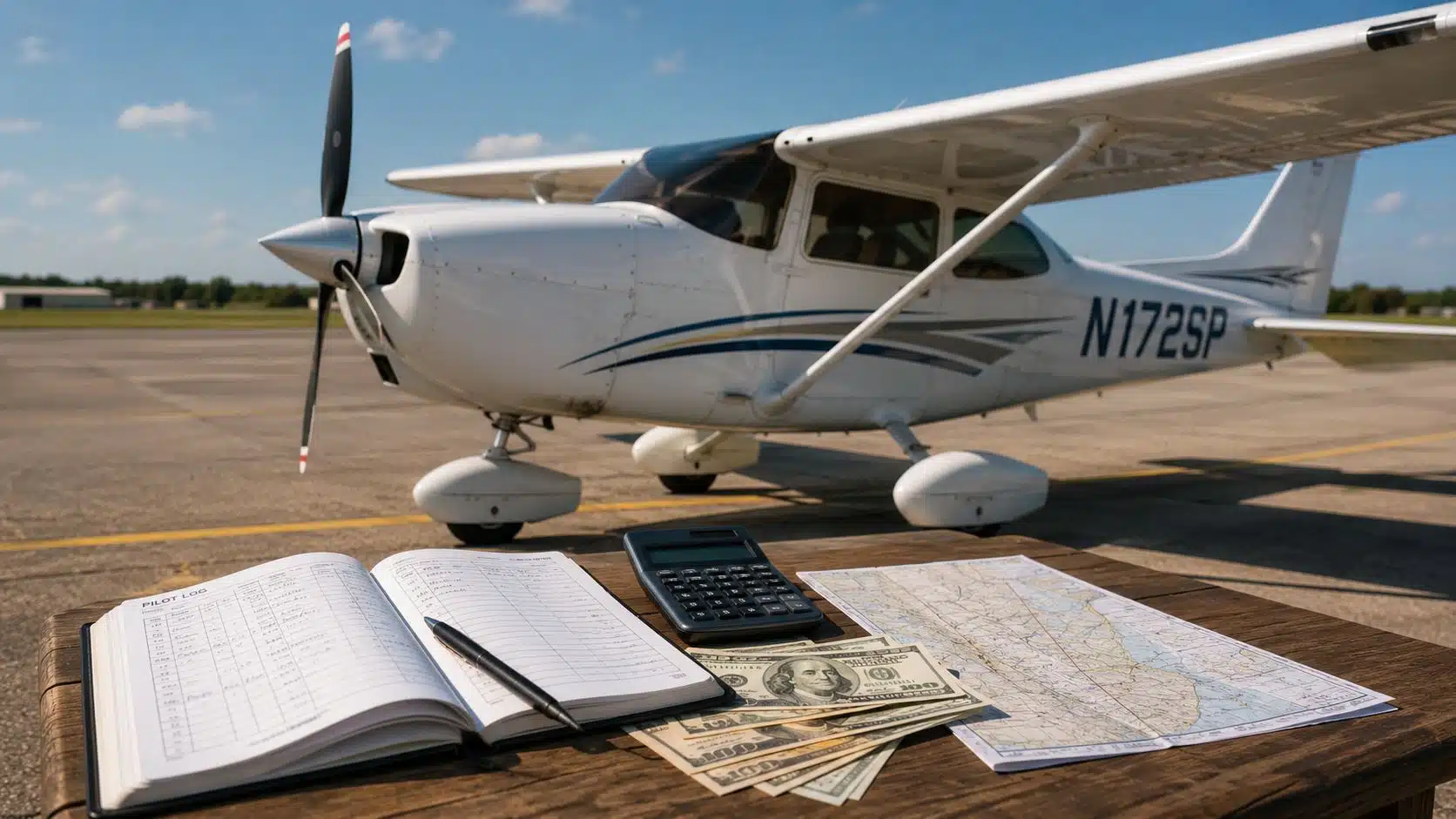
Private pilot training costs usually land around $14,000 at the national median, and a realistic budget is often $12,000 to $20,000. That number is not a scare tactic, it's the price of actual checkride-ready training once the extra hours, instructor time, and test fees show up.
Table of Contents
- What Private Pilot Training Really Costs in 2026
- The FAA Hour Requirements and Why Most Students Fly More
- Where the Money Goes in a Typical Training Bill
- Variables That Push Your Total Higher or Lower
- A Realistic DuBois Aviation Estimate at Chino Airport
- Financing, Payment Plans, and Accelerated Options
- Budgeting Tips, Common Mistakes, and Next Steps
- FAQs
What Private Pilot Training Really Costs in 2026
A clean budget starts with the market, not the brochure. AOPA puts private pilot training in the United States at $6,000 to $20,000 or more, and a 2026 industry summary puts the median cost at about $14,000. The important part is the spread. The low end usually assumes a smooth path that many students do not get. AOPA and industry cost benchmark summary
Two practical options worth comparing
These are specific products pilots commonly compare for this type of flying. Confirm compatibility with your aircraft and instructor before ordering.
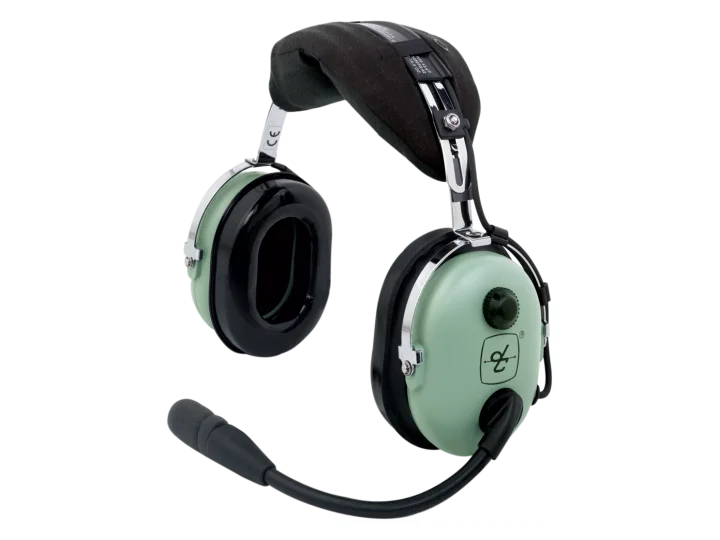 Student headsetDavid Clark H10-13.4 Aviation HeadsetCheck current availability on Amazon (paid link)
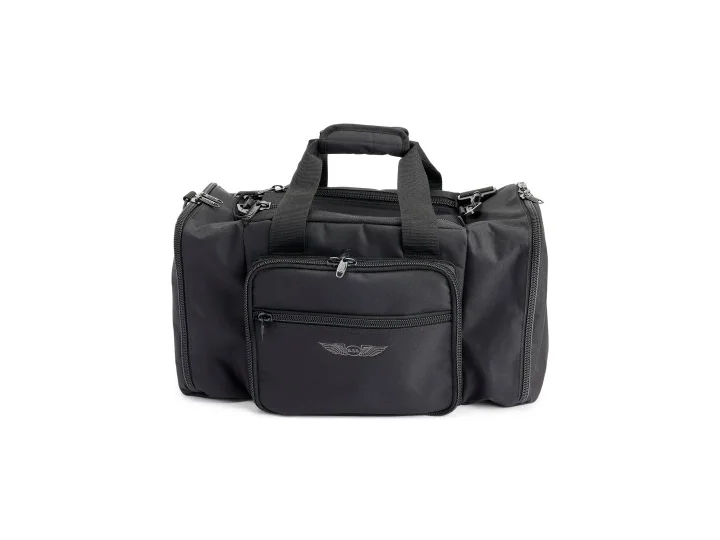 OrganizationASA Flight BagCheck current availability on Amazon (paid link)
For planning, the middle of the market matters more than the cheapest quote. A realistic budget of $12,000 to $20,000 fits what students pay once training slows down, extra dual time shows up, and the checkride gets close. The FAA sets the floor, not the ceiling, so the certificate cost starts with the minimum and grows from there. FAA private pilot hour requirements
At DuBois Aviation, the question is simple. What will a student pay after aircraft rental, instructor time, ground lessons, books, written testing, and the practical test are all counted? That is the number that matters. A school can quote a low hourly rate and still leave you short once the bill includes the work that gets you to a checkride.
For a broader view of service costs and scheduling overhead, see how Heyline reduces call costs. Aviation schools face the same basic problem, hidden labor always shows up somewhere in the total.
| Source | Median Cost | Typical Range |
|---|---|---|
| AOPA benchmark summary | about $14,000 | $6,000 to $20,000 or more |
| 2026 industry survey summary | about $14,000 | real-world totals often above the low end |
| National planning range | not stated as a formal median | $12,000 to $20,000 |
Practical rule: if a quote sits far below the market, assume it leaves out hours, test fees, or training pace. Cheap estimates usually break the moment a student needs more practice.
The FAA Hour Requirements and Why Most Students Fly More
The FAA floor for a private pilot certificate is low. Under 14 CFR § 61.109, airplane applicants need at least 40 hours total, including 20 hours of instruction from an authorized instructor and 10 hours of solo flight training, plus required dual and solo work in cross-country, night, and instrument training. The FAA's own hourly guidance matches that minimum for the airplane category. FAA hourly requirements 14 CFR § 61.109
That minimum is not what a student should budget for. It is the legal floor, nothing more. Repetition, pattern work, cross-country practice, and checkride prep push real training past the bare minimum, which is why a practical planning range is usually 55 to 75 hours. Typical private pilot cost and hour guidance The best estimate for what you will spend comes from a school's training format and pacing, so this Part 61 vs Part 141 comparison from DuBois Aviation belongs in every budget conversation.
A student does not waste money by flying past the minimum. Those extra hours pay for the work that makes a pilot dependable.
- Pre-solo pattern work, where landings stop being a classroom exercise and become routine.
- Cross-country building, where timing, navigation, and radio work get cleaned up.
- Solo consolidation, where the student proves the airplane can be handled without coaching.
- Night and instrument introduction, which usually expose weak scan habits and poor planning.
- Checkride prep, where procedures need to hold up under pressure.
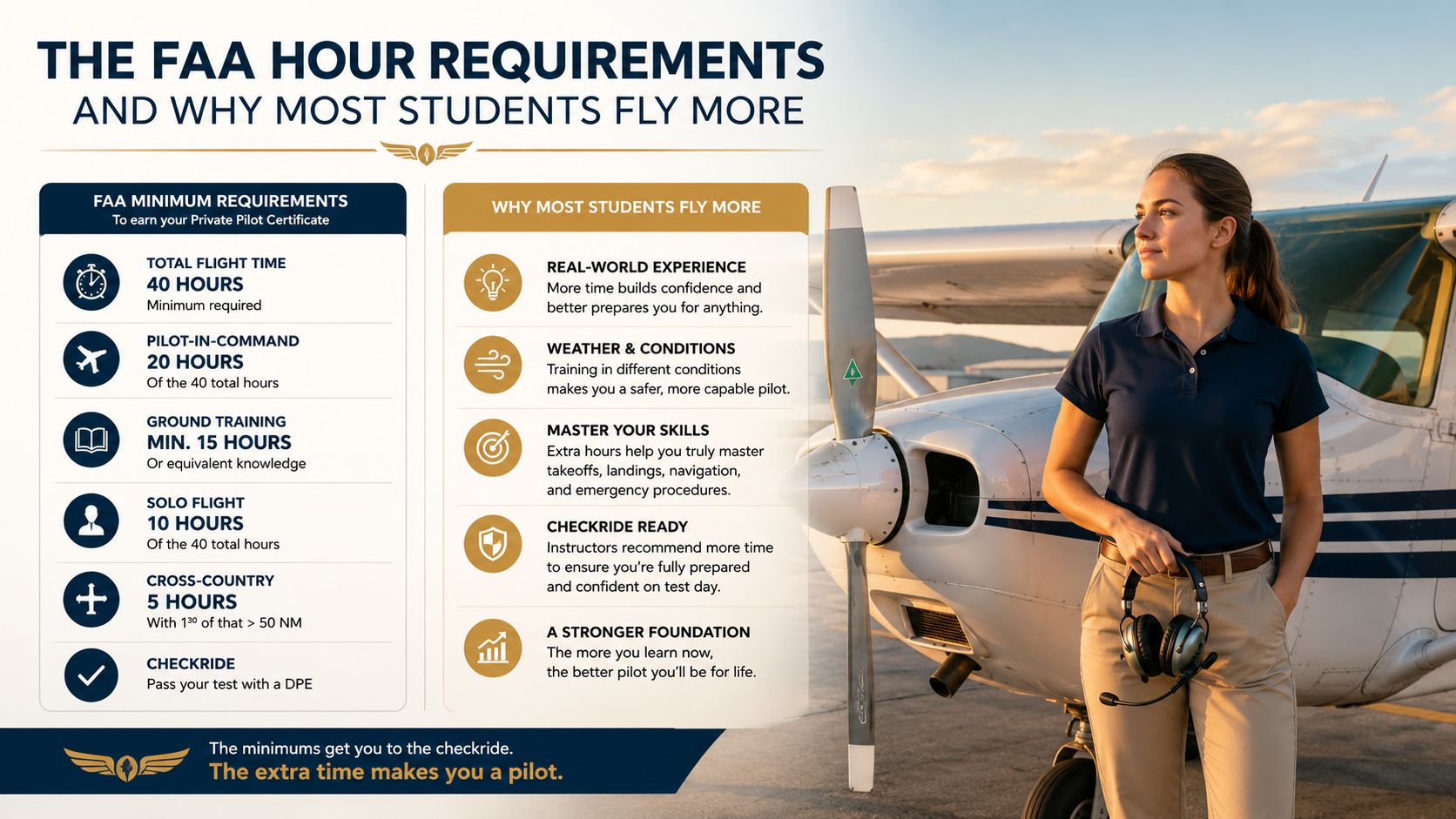
Students who train on a steady schedule usually spend less than students who keep restarting lessons. DuBois Aviation students typically plan around 65 hours, and that is a realistic budget, not wishful thinking. The school matters, but training rhythm matters more.
Where the Money Goes in a Typical Training Bill
A private pilot bill is not one clean flight-hour number. It is a stack of charges, and the student who tracks each one avoids the usual budget shock.
The main cost buckets
Aircraft rental usually takes the biggest slice, instructor time is next, and the rest goes to materials, testing, medical certification, and the practical test. The exact split changes by school and airplane, but the cost mix is rarely simple. A school that lays out its sequence clearly, like the DuBois Aviation private pilot syllabus, makes it easier to see where each dollar is going.
A realistic bill usually includes these items:
- Aircraft rental, driven by wet rate, fuel, and how long the airplane stays booked.
- Instructor time, often billed separately from the airplane, including preflight and debrief work.
- Ground school and study materials, including books, online course access, and test prep.
- FAA medical and written test costs, small compared with flight time, but still required.
- Headset, charts, and tablet accessories, which many first-time students forget to budget.
- Checkride and examiner fees, which show up at the end, after the student is already committed.
A student who budgets only for flight time is usually surprised twice, once by the written test and again by the practical test.
| Cost Category | Share of Total | Typical Range |
|---|---|---|
| Aircraft rental | largest share | varies by aircraft and local rate |
| Instructor time | next largest share | varies by lesson length and debrief time |
| Ground school and study materials | smaller portion | moderate, but unavoidable |
| FAA medical | small portion | required before solo confidence |
| Written exam and checkride | smaller portion | paid late in training |
| Headset and supplies | smaller portion | often forgotten in first budgets |
DuBois Aviation gives students a clearer path because the syllabus is structured instead of improvised. That matters when you are trying to budget for training without guessing at the order of events.
Variables That Push Your Total Higher or Lower
Training cadence is the biggest hidden cost lever. Students who fly two to three times a week usually hold onto lessons better, while weekend-only students often need more review and more instructor time to get back to the same point. That difference shows up directly in the final bill, not just in the calendar.
Aircraft choice changes the math too. A simple trainer is cheaper to operate than a more capable airframe, and the hourly rate rises as the machine gets more expensive to own and maintain. Weather, airport congestion, and drive time all add friction, which is why a student who keeps canceling or rescheduling usually pays more for the same certificate.
The situations that inflate the bill
- Long gaps between lessons, which force the instructor to re-teach material the student should already know.
- Frequent aircraft switching, which slows proficiency because every airplane has a different feel and cockpit flow.
- Stage check or practical test repeats, which add both time and examiner cost.
- Busy airport delays, which reduce useful flying time and stretch each lesson.
- Training interruptions from weather or life logistics, which are especially punishing when the student is already close to readiness.
The FAA minimum is still the FAA minimum, but the practical total depends on consistency. One 2026 cost breakdown lists the practical test examiner fee alone at about $700 to $1,500, which is why a failed checkride hurts more than most students expect. Private pilot requirements and end-to-end costs
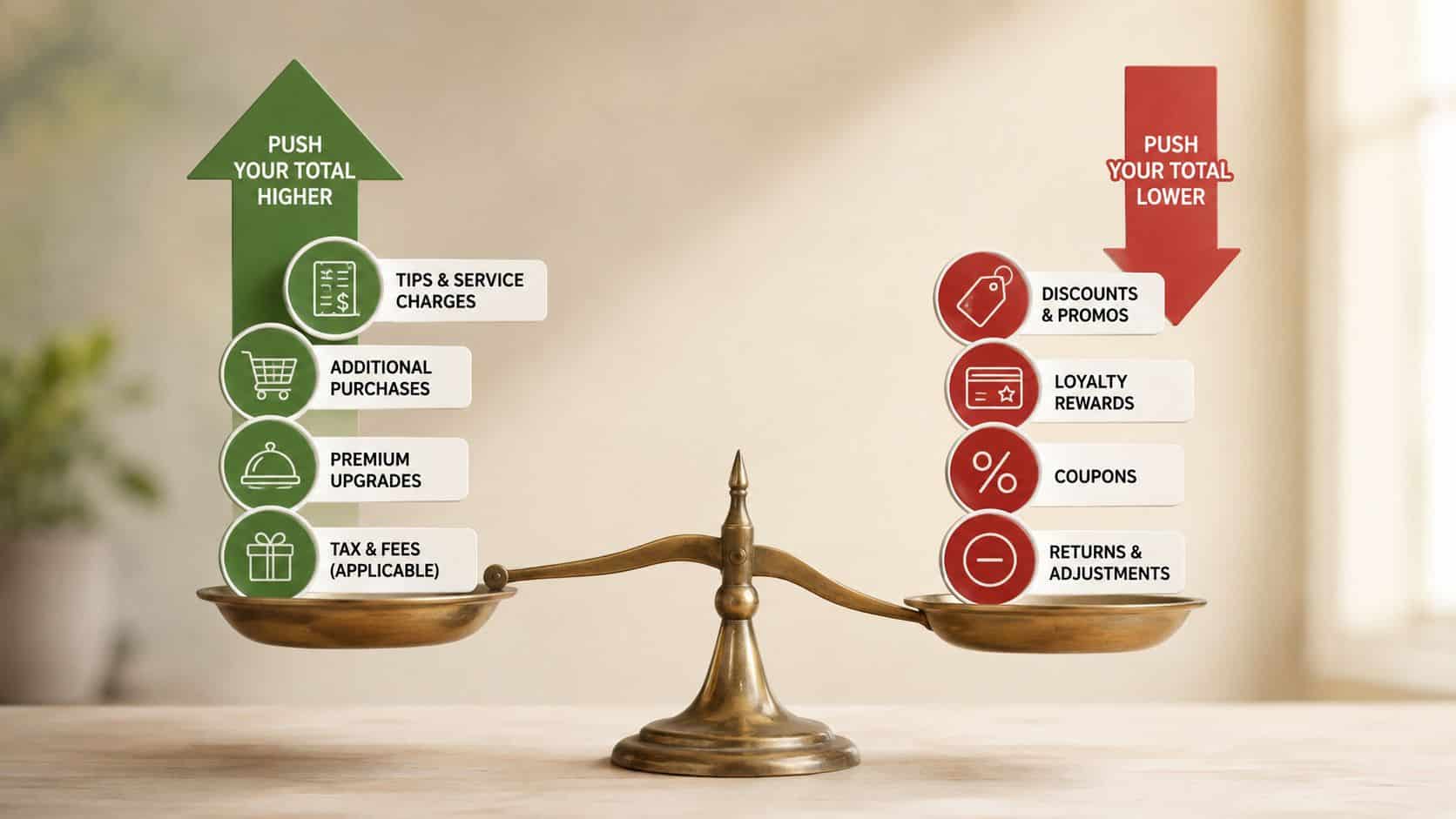
A disciplined student in an economical trainer can stay close to the lower end of the realistic range. A part-time student in a pricier airplane, with gaps between lessons, can cross $20,000 without doing anything reckless. The difference is usually training discipline, not talent.
A Realistic DuBois Aviation Estimate at Chino Airport
A budget that helps a student finish has to reflect actual usage, not optimistic minimums. For a typical DuBois Aviation private pilot path at KCNO, a solid planning assumption is 65 flight hours and 50 ground hours.
Line-by-line estimate
| Line Item | Quantity | Rate | Subtotal |
|---|---|---|---|
| Cessna 172 aircraft time | 65 hours | $185 per hour | $12,025 |
| Dual instruction | 65 hours | $75 per hour | $4,875 |
| Pre- and post-flight briefings | 20 hours | $45 per hour | $900 |
| Books, course material, and flight bag | 1 package | flat | $450 |
| FAA Knowledge Test | 1 exam | flat | $175 |
| Third-Class medical | 1 exam | flat | $150 |
| Headset | 1 purchase | flat | $500 |
| DPE checkride and 2.5 hours aircraft time | 1 event | flat | $1,000 |
That puts the planning total at roughly $20,075. This is not a guarantee, and it is not a scare figure. It is a sane estimate for a student who wants the full bill on paper before the first lesson starts.
What that estimate means in practice
A student who finishes at 55 hours trims the bill by roughly $2,300. A student who needs 75 hours pushes the total past $22,000. That spread is the reason serious schools push students to budget conservatively from day one, especially in Southern California where runway time, instructor time, and calendar discipline all matter.
The school should give a written quote that spells out aircraft rate, instructor rate, exam costs, and how many hours are assumed. If those numbers are vague, the final bill will be vague too.
Financing, Payment Plans, and Accelerated Options
Cash flow decides a lot of flight training outcomes. A student who pays lesson by lesson usually gets more control over the monthly bill, while an accelerated schedule asks for more money upfront and tighter planning. Part 61 training often fits the student who needs flexibility, while Part 141 can suit someone who wants a more structured path, especially after reviewing the FAA Part 61 versus Part 141 comparison.
At DuBois Aviation, the payment setup matters as much as the airplane rate. Pay-as-you-go lessons, monthly block-hour billing, and pre-purchased packages can all work, but only if the student flies often enough to use what was bought. A discount on paper means little if the schedule stalls and the hours sit unused.
Funding paths that serious students usually explore
- Aviation-specific financing, which can cover training but usually brings credit checks and origination fees.
- Career-training loans, which fit students treating aviation as a professional path rather than a hobby.
- Veterans' education benefits, including eligible GI Bill coverage under the right program structure.
- State vocational rehab support, when the student qualifies and the training plan fits the agency's rules.
- Financial aid for pilot training, which is worth reviewing before signing for any loan or package.
Borrowing can work, but only when the completion timeline is realistic. A student who plans for a quick finish and drifts for months pays more interest, more rent, and more instructor time than expected. That is how a manageable bill turns into a heavier one.
A monthly budget plan should cover more than flight time. It needs room for ground instruction, exam fees, gear, transportation, and the weeks when weather or maintenance slow progress. A practical monthly budget planning guide can help organize those non-aviation costs without cluttering the training decision.
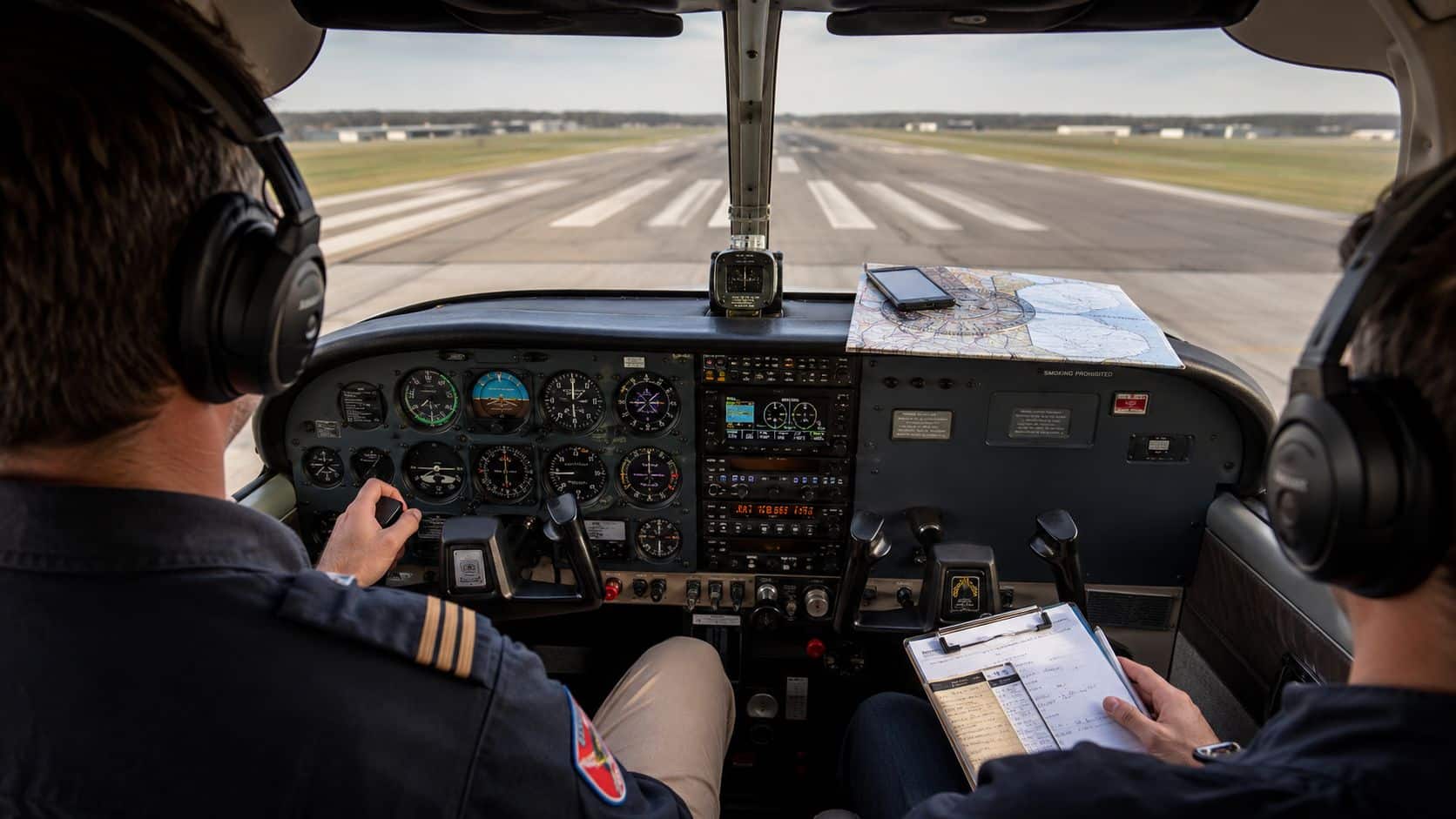
Accelerated training fits one kind of student. Stable income, a protected calendar, and the ability to absorb a larger early draw make it workable. Working adults with family obligations or a long commute usually do better with steady part-time progress and smaller payments spread across the training cycle.
Budgeting Tips, Common Mistakes, and Next Steps
The smartest budget is the one that survives contact with real life. A student should keep a reserve of at least $1,500 to $2,500 for each major phase of training so a missed weather week or a surprise review lesson does not derail the plan. That reserve is also the difference between staying enrolled and disappearing for a month.
Several mistakes cost real money because they force repetition. A gap of 30 days or more usually means extra re-acclimation time, which can add instructor hours the student never planned to buy. Switching aircraft types midstream slows habits enough to cost more in dual time, and underestimating solo cross-country work often creates a nasty budget surprise near the end.
Common budget leaks to avoid
- Stopping lessons for too long, which turns review into a second round of training.
- Treating the written exam lightly, which can lead to delays and more ground instruction.
- Ignoring medical timing, which creates a pause right when solo or checkride prep needs to start.
- Overbuying gear at the beginning, when some items can be purchased used or later.
- Skipping a tracking sheet, which hides overruns until the account is already thin.
The fastest way to keep cost under control is to measure it weekly, not monthly. A simple spreadsheet that logs flight time, instructor time, and remaining estimated hours will show overruns early enough to fix them.
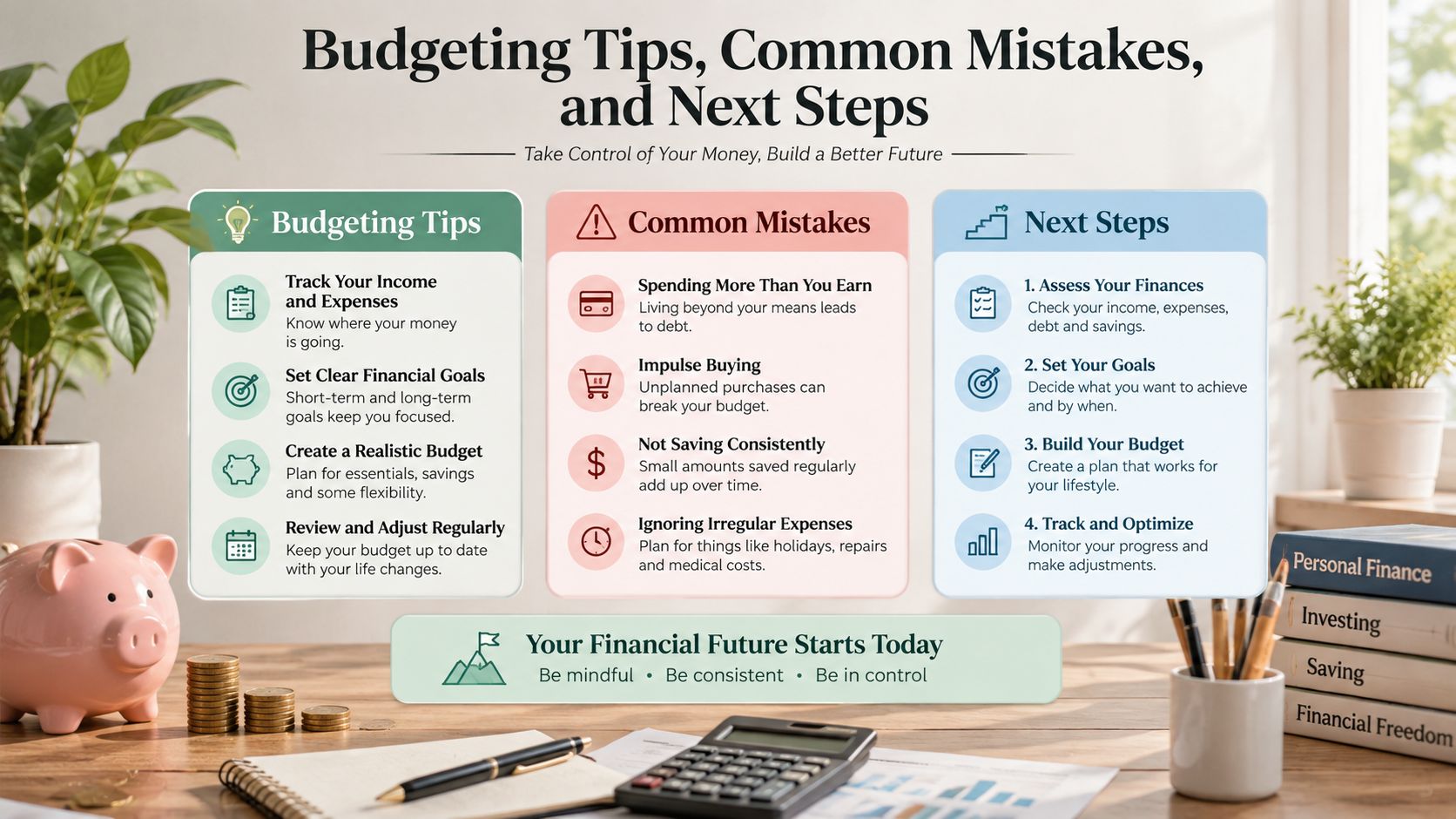
Before starting at DuBois Aviation, request a syllabus quote, schedule a discovery flight around $150 to $200, confirm medical class eligibility, and block a consistent weekly training window before signing anything fixed-price. A student who does those four things usually starts with a realistic budget instead of a hopeful guess. That's the right way to begin private pilot training costs planning at KCNO.
DuBois Aviation offers structured private pilot training at Chino Airport, along with aircraft rental and one-on-one instruction that make cost planning easier to understand from the first lesson. For a written quote, course availability, or a discovery flight, visit DuBois Aviation and ask for a training plan that matches a real budget, not an optimistic minimum.
FAQs
How much should a student budget for a private pilot certificate?
A realistic national budget is usually $12,000 to $20,000, with a median around $14,000 in recent industry reporting. Students who budget only for FAA minimum hours usually end up short.
Why do private pilot training costs vary so much?
The biggest drivers are aircraft rental, instructor time, and total hours flown. Scheduling gaps, aircraft choice, and weather delays also change the final number.
Can a student finish in the FAA minimum hours?
Some students can, but most do not. The FAA minimum is a legal floor, not a typical completion number, and many students need 55 to 75 hours before the practical test.
What fees do students forget to include?
The most commonly missed items are the knowledge test, the medical exam, headset and training supplies, and the practical test fee. Those items are small individually, but they still affect the final budget.
Is accelerated training cheaper?
Not always. Accelerated training can reduce skill loss if the schedule is protected, but it also concentrates spending into a short window. For some students, that creates a cash flow problem instead of a savings opportunity.
How should a student decide whether the budget is realistic?
The quote should list aircraft rate, instructor rate, expected hours, ground school, materials, and checkride costs. If any of those items are vague, the total is probably too optimistic.