

Choosing the right flight training program is a crucial step for both aspiring career pilots and recreational flyers. The Federal Aviation Administration (FAA) recognizes two primary regulatory frameworks for pilot training in the United States: Part 61 and Part 141. Understanding the distinctions between these two paths can help students select a training structure that aligns with their goals, schedules, and learning preferences. This article provides a detailed comparison of Part 61 and Part 141 flight training, highlighting their differences, benefits, and considerations to guide your decision-making process.
Understanding Part 61 Flight Training
Part 61 flight training is governed by the FAA regulations outlined in Title 14 of the Code of Federal Regulations (CFR). This training structure is generally more flexible and is often chosen by students who prefer a personalized approach or have unique scheduling needs.
Two practical options worth comparing
These are specific products pilots commonly compare for this type of flying. Confirm compatibility with your aircraft and instructor before ordering.
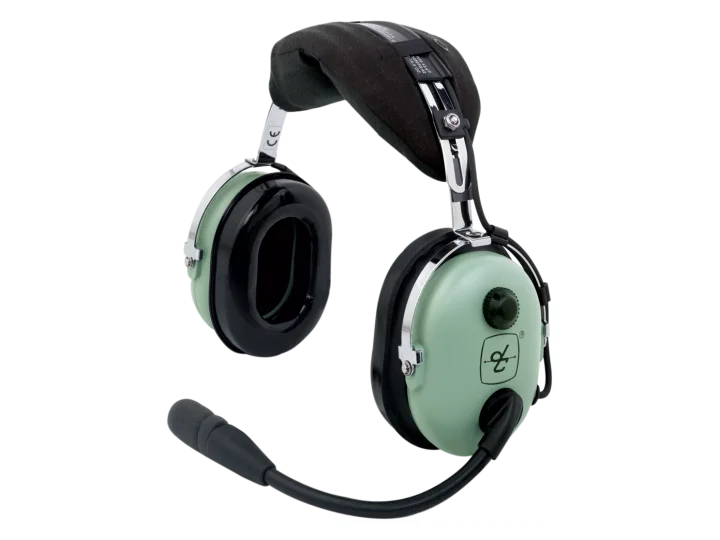 Student headsetDavid Clark H10-13.4 Aviation HeadsetCheck current availability on Amazon (paid link)
 OrganizationASA Flight BagCheck current availability on Amazon (paid link)
Under Part 61, flight instruction can be provided by individual Certified Flight Instructors (CFIs) or flight schools that do not have to meet the more stringent FAA certification requirements of Part 141 schools. This flexibility allows students to tailor their training pace and curriculum to their personal circumstances.
One of the key features of Part 61 training is that there is no fixed syllabus mandated by the FAA. Instead, the instructor and student work together to develop a training plan that suits the student’s learning style and availability. This can be particularly advantageous for recreational pilots or those balancing flight training with other commitments.
However, because Part 61 programs do not have to follow a FAA-approved syllabus, the training duration can vary significantly. The FAA requires a minimum of 40 flight hours for a private pilot certificate under Part 61, but most students require more hours to meet proficiency standards.
Exploring Part 141 Flight Training
Part 141 flight training is conducted at FAA-approved pilot schools that operate under a structured and FAA-sanctioned training syllabus. These schools must meet rigorous standards for curriculum, instructor qualifications, facilities, and record-keeping.
The hallmark of Part 141 training is its standardized and accelerated curriculum. The FAA mandates a detailed syllabus that outlines specific lesson objectives, flight time, and ground instruction hours. This structure is designed to promote efficient and consistent training outcomes.
Because of the FAA oversight and the structured syllabus, Part 141 schools often appeal to students aiming for a professional aviation career. The FAA minimum flight time requirement for a private pilot certificate under Part 141 is 35 hours, which is less than the Part 61 minimum, reflecting the increased training rigor and oversight.
Part 141 programs typically provide a more predictable training timeline, which can be beneficial for students with tight schedules or those pursuing accelerated flight training options. For example, DuBois accelerated training utilizes the Part 141 framework to deliver intensive, focused instruction designed to prepare students efficiently for certification.
Key Differences Between Part 61 and Part 141 Training
While both Part 61 and Part 141 training paths lead to FAA pilot certificates, several critical differences can influence a student’s choice:
- Regulatory Oversight: Part 141 schools are FAA-approved and must adhere to a strict syllabus and operational standards, whereas Part 61 training is more flexible and instructor-driven.
- Training Structure: Part 141 offers a standardized curriculum, while Part 61 allows customization based on student needs.
- Minimum Flight Hours: Part 141 requires a minimum of 35 flight hours for private pilot certification, compared to 40 hours under Part 61.
- Training Pace: Part 141 programs often facilitate accelerated training, ideal for full-time students, whereas Part 61 is suited for part-time or recreational learners.
- Cost Considerations: The structured nature of Part 141 can sometimes reduce overall training time and costs, but Part 61’s flexibility may allow students to spread expenses over a longer period.
Understanding these differences helps students align their training choice with their personal and professional goals.
Who Should Choose Part 61 Training?
Part 61 flight training is well-suited for students who require flexibility in scheduling or prefer a more individualized learning experience. Recreational pilots, hobbyists, or those who cannot commit to a full-time training schedule often find Part 61 appealing.
Because Part 61 allows training to progress at the student’s own pace, it can accommodate those balancing flight training with work, family, or other obligations. Additionally, students who want to train with a specific instructor or at a particular location may prefer the less formal structure of Part 61.
However, students should be prepared for the possibility that training may take longer than the FAA minimum hours, as the lack of a mandated syllabus can lead to variability in training duration.
Who Benefits Most from Part 141 Training?
Part 141 training is often the preferred choice for students pursuing a professional pilot career or those seeking a more regimented and efficient training path. The FAA-approved syllabus ensures that training is comprehensive and consistent, which can be advantageous for meeting industry standards.
Students who want to complete their training quickly and efficiently may benefit from the accelerated options offered under Part 141. For instance, DuBois flight training programs provide structured Part 141 courses designed to prepare students thoroughly while optimizing time and resources.
Additionally, Part 141 training can be beneficial for those seeking financial aid or loans, as some funding sources require enrollment in an FAA-approved program.
Practical Checklist for Choosing Your Flight Training Path
To help you decide between Part 61 and Part 141 flight training, consider the following checklist:
- Assess Your Schedule: Do you need flexibility, or can you commit to a full-time, structured program?
- Define Your Goals: Are you training for recreational flying or a professional pilot career?
- Consider Training Pace: Do you prefer a self-paced approach or an accelerated, syllabus-driven path?
- Evaluate Budget and Funding: What are your financial resources, and do you require financial aid that mandates FAA-approved training?
- Research Training Providers: Investigate local flight schools and instructors, including their certifications and reputations.
- Review Curriculum Details: Understand the syllabus, flight hour requirements, and training milestones.
- Visit and Interview: Meet with instructors or school representatives to discuss your needs and expectations.
- Check Certification and Approvals: Confirm if the school is FAA-approved under Part 141 or operates under Part 61 regulations.
By carefully considering these factors, you can select the flight training path that best suits your aspirations and lifestyle.
Choosing between Part 61 and Part 141 flight training is a significant decision that impacts your aviation journey. Whether you seek the flexibility of Part 61 or the structured efficiency of Part 141, understanding the nuances of each will empower you to make an informed choice. For more information on available programs, explore the DuBois flight training programs and consider the benefits of DuBois accelerated training options designed to meet diverse student needs.