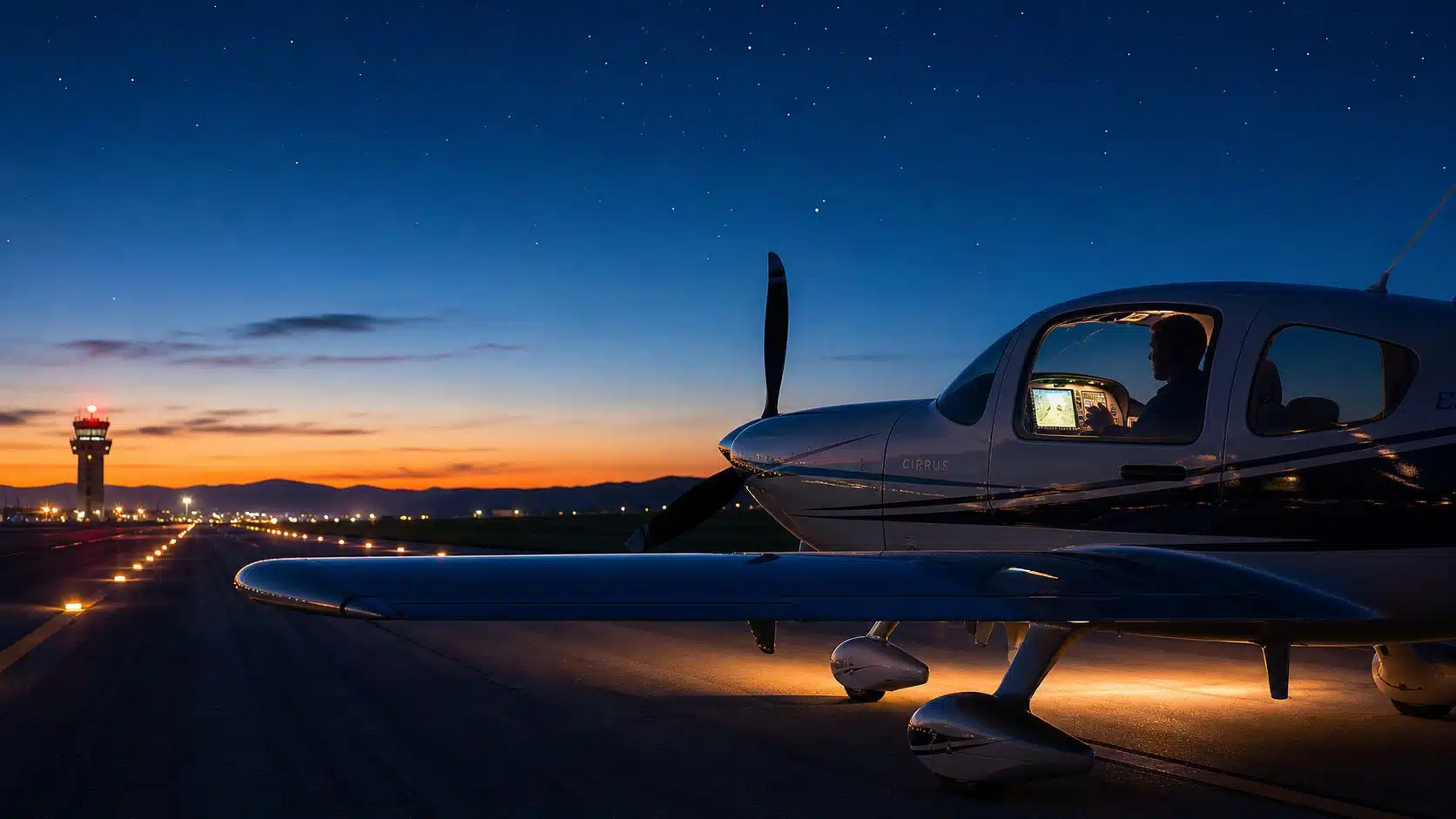
Your first night lesson usually starts with a familiar airport and a slightly unfamiliar feeling. The airplane looks the same, the runway is the same, but the cues outside the windshield change fast, and suddenly you're listening harder, scanning instruments more deliberately, and noticing how much work the lighting does for you. At a busy towered field like Chino, that shift is exactly why night flying requirements deserve to be learned in plain language, not memorized as a pile of isolated rules.
For a lot of students, the biggest surprise is that the FAA uses three different definitions of “night”, and each one matters for a different reason. That confusion is normal, and it's the first thing to clear up before you go fly after sunset.
Table of Contents
- Why Night Flying Feels Different
- The Three FAA Definitions of Night
- Private Pilot Night Training Requirements
- Night Currency Rules for Carrying Passengers
- Aircraft and Equipment Requirements for Night VFR
- Night Training Syllabus at Chino Airport
- Common Night Flying Pitfalls and Safety Tips
- How DuBois Aviation Supports Night Training
Two practical options worth comparing
These are specific products pilots commonly compare for this type of flying. Confirm compatibility with your aircraft and instructor before ordering.
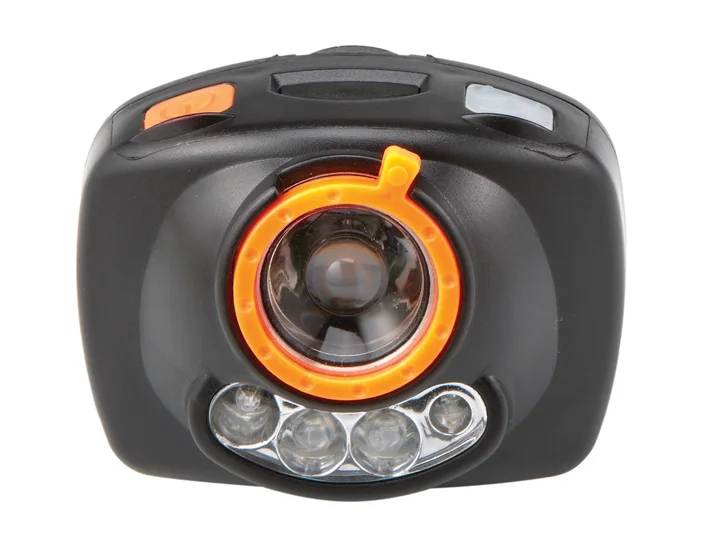 Night flyingFlight Outfitters Dual-Color Pilot HeadlampCheck current availability on Amazon (paid link)
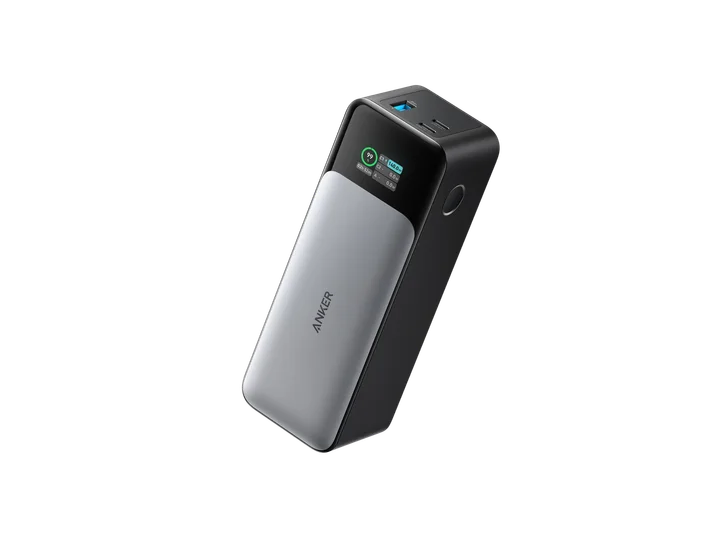 Backup powerAnker 737 Power Bank, 24,000mAhCheck current availability on Amazon (paid link)
Why Night Flying Feels Different
The first thing a student notices after sunset is how much the cockpit becomes the primary reference. The runway lights are bright, the taxiway edge lights are clear, and the rotating beacon stands out, but the rest of the airport fades fast. That's why a night lesson at a field like KCNO feels less like “day flying in the dark” and more like a new operating environment with its own rhythm.
The mental shift starts on the ramp
At night, you don't get the same depth perception, horizon detail, or peripheral cues you lean on during the day. A taxiway that looks obvious in daylight can feel less obvious once you're threading between blue edge lights and reading signs under a flashlight beam. That's not a reason to be nervous, it's a reason to slow down and treat lighting, scanning, and cockpit discipline as part of the task.
Practical rule: if you're guessing about a light, a sign, or a runway alignment, pause and verify. Night flying rewards pilots who ask one more question before moving the airplane.
A helpful way to think about night flying is that it's both a regulatory milestone and a skill milestone. The FAA expects you to build night experience during training, but the practical side matters just as much, because the workload goes up when visual cues go down. For a broader aviation read that touches on recent training topics in the industry, MLR Worldwide Service news is a useful example of how aviation content can keep pointing back to real operations.
Why the lesson feels more demanding
At a towered airport, you're also managing frequency work, taxi clearances, and runway assignments while your eyes keep adjusting to changing light levels. That's where students start to appreciate why night operations are a separate discipline instead of a casual add-on. The structure matters, because the FAA's definitions, training minimums, currency rules, and equipment requirements don't all use the same clock.
The rest of this guide keeps those clocks separate, then brings them back together in real cockpit use. Once you can tell which rule applies, the rest of the night flying puzzle gets much easier to solve.
The Three FAA Definitions of Night
A student taxiing out at KCNO can hear the word “night” used three different ways in the same lesson. That is usually where the confusion starts. The FAA uses three distinct time windows for night operations, and they do different jobs. If you treat them like one rule, you will end up with a logbook entry, a lighting decision, or a passenger-carrying decision that does not match the clock you need.
Three clocks, three jobs
For logging night flight time, FAA materials define night as the period between the end of evening civil twilight and the beginning of morning civil twilight. That is the training and logging definition, and it is not the same as sunset. Civil twilight is the reference point, not how dark the ramp feels or how many lights are on in the pattern.
For aircraft lights, the rule uses a different clock. FAA guidance separates lighting from logging time, and pilots must use the required lights from sunset to sunrise. Lighting duty starts before the logging window does, which is why a preflight at dusk can already call for night procedures even if the logbook clock has not started yet. The FAA explains that distinction in its pilot education material here.
For night passenger currency, there is a third clock. A pilot may not act as PIC while carrying passengers from 1 hour after sunset to 1 hour before sunrise unless they have made 3 takeoffs and 3 full-stop landings in the same category and class within the preceding 90 days. The FAA-derived training material here also discusses the training framework behind those night tasks.
Why this trips up good pilots
A pilot can be legal to log night time, legal to have the airplane's lights on, and still not be legal to carry passengers at night. That overlap catches people because all three rules use the word “night,” but each rule is tied to a different cockpit task. At a towered airport like KCNO, that matters fast. One clock tells you what belongs in the logbook, another tells you when the aircraft needs its lights, and the third tells you whether you may take passengers.
A landing can count for logbook purposes and still miss the passenger-currency window if it happened at the wrong time. That is why instructors at DuBois Aviation walk students through the clock first, then the maneuver. Once you know which FAA definition applies, the rest of the decision gets much easier, whether you are taxiing under bright ramp lights or rolling out after the pattern has gone quiet.
Private Pilot Night Training Requirements
For a private pilot certificate under Part 61, night training is not filler. It is part of the foundation, and it is there to make you comfortable with the way an airplane, a runway, and your own depth perception change after sunset. At KCNO, that difference shows up quickly, because the airport is active, the lighting is bright in some places and sparse in others, and the cockpit workload climbs the moment the sun goes down.
Required night training minimums
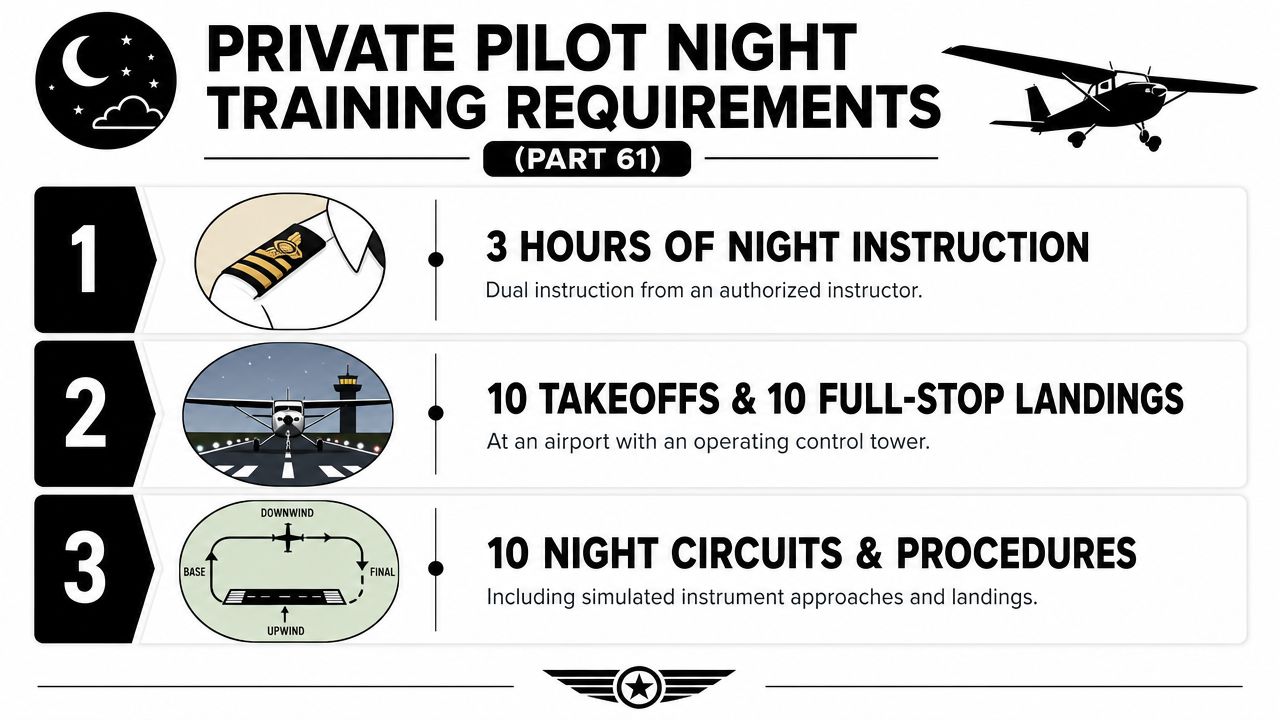
The Part 61 profile requires 3 hours of night instruction, 10 takeoffs and 10 full-stop landings at night, and a night cross-country flight of more than 100 nautical miles total distance. One FAA-licensed training summary also states that the cross-country portion must be a single flight of more than 100 nautical miles as summarized here. In practice, that means you are not just logging time, you are proving that you can manage the airplane when outside references fade and the airport environment gets harder to read.
Those minimums are tied to habits that matter in real flying. Night takeoffs and landings teach you to pick up runway alignment earlier, hold heading more steadily, and trust your instruments when the horizon starts to disappear. The cross-country portion adds planning, radio discipline, and decision-making, which is exactly why DuBois Aviation points students to its pilot currency requirements guide when they want to separate training goals from later passenger-carrying rules.
How to prep before you show up
A good night lesson starts before the engine does. Review the airport diagram, know your taxi routes, and rehearse the radio calls you are likely to make at a towered airport. At KCNO, that preparation pays off because you may be working with runway lights, taxiway signs, and controller instructions all at once, and you want the basics to feel familiar before you taxi.
Student habit that pays off: run through the taxi instructions aloud before engine start. The words sound simple on the ground, but at night they can be harder to hold in short-term memory once the cockpit is dark and the frequency gets busy.
The other habit that helps is treating every night lesson like a separate skill check. The airplane does not care that it is dark, but your workload does, and you will feel that most during the first few minutes after takeoff and again on the first landing flare. If you prepare for that workload in advance, the training feels calmer, and the lessons tend to stick.
Night Currency Rules for Carrying Passengers
A pilot can be legal to fly a night lesson and still be unable to take friends up after dark. That confusion comes up often at busy towered airports like KCNO, because the clock, the logbook, and the type of operation do not always line up in the way students expect.
The passenger rule depends on the FAA's night window, which runs from 1 hour after sunset to 1 hour before sunrise, and on recent landing experience in the same category and class. If you want the full rule explained in plain language, review the earlier section on the three FAA definitions of night, then come back to the bookkeeping question here. DuBois Aviation points students to pilot currency requirements when they need to separate what is legal from what is current.
Legal does not always mean ready for passengers
A student pilot often thinks, “I landed at night recently, so I am covered.” The FAA does not treat it that way. Passenger currency is a separate check, and it is easy to miss because the airplane, the runway, and the lighting can make the operation feel normal even when the logbook says otherwise.
That same mix-up shows up in day and night VFR work. A pilot may be current for solo flight, yet still short of the experience needed to carry passengers after dark. At KCNO, that difference matters because a clear pattern, a clean radio call, and a full-stop landing are part of how you keep track of whether the recent experience counts.
Pass or fail in real cockpit terms
Three night touch-and-goes do not satisfy the passenger rule, even if the pattern work felt smooth. Full stops matter, because they show you completed the landing and taxi phase rather than just rolling through the runway.
The airplane also has to match the recent experience. Three full-stop landings in a Cherokee help for passenger carriage in that same category and class, but they do not automatically cover a different category or class. That is the part that catches pilots who flew a night lesson in one airplane and then assume any other airplane will count the same way.
If you want the simplest test, ask two questions before you launch with passengers. Did the logbook show the right kind of night landings, and did those landings happen in the right category and class within the required window? If either answer is fuzzy, the safest choice is to wait.
Bookkeeping habits that prevent bad assumptions
The cleanest way to stay ahead of the rule is to log each night landing right away, while the details are still fresh. Write down the date, the airplane, and whether the landing was full stop, not just “night landing” in general terms.
That habit matters more than it sounds. At a school like DuBois Aviation, instructors want students to treat the logbook as part of the flight plan, because a small note made at the airport keeps you from trying to reconstruct the facts later from memory alone. If you are unsure about one landing, check the entry instead of guessing.
A good habit is to ask one more question after the flight. Would I feel comfortable explaining this landing to a fellow pilot who did not watch me make it? If the answer is no, the entry probably needs to be clearer before you count on it for passenger carriage.
Aircraft and Equipment Requirements for Night VFR
Night VFR starts with the aircraft's day VFR equipment, then adds the night-specific items that make the airplane legal and usable after dark. That's the right mental model, because pilots sometimes focus only on the night add-ons and forget that the base day equipment still has to be there. The airplane has to satisfy both layers.
What the airplane needs
A FAA-derived night VFR explanation in the verified data says the aircraft needs all required day VFR equipment plus night-specific items, including an operable landing light for aircraft carrying passengers for hire and an operable source of electrical power such as a generator or alternator FAA-derived explanation. The FAA's Airplane Flying Handbook also says a reliable flashlight (paid link) is standard equipment for night flights, and night operations guidance emphasizes turning on both position lights and anticollision lights during night operations FAA handbook.
Here's a quick comparison of the practical checklist:
| Night VFR Equipment Checklist | Day VFR | Night VFR |
|---|---|---|
| Required day VFR equipment | Yes | Yes |
| Position lights | No separate night-only note in this summary | Yes |
| Anticollision lights | No separate night-only note in this summary | Yes |
| Operable landing light for passengers for hire | No | Yes |
| Operable electrical power source | No separate night-only note in this summary | Yes |
| Reliable flashlight | Strongly useful | Standard equipment |
The stuff pilots forget
The flashlight is the classic miss. Students assume the panel lights will be enough, then discover that a flashlight is what lets them read a checklist, check a circuit breaker, or handle a taxi issue without draining their night vision. A dead flashlight is almost as bad as no flashlight, so test it before you go, not after the ramp is already dark.
The other common oversight is assuming the airplane's electrical system is fine because it worked last flight. Night flying is exactly when you want to verify the alternator or generator, the panel lighting, and the cockpit backlighting before departure. The airplane doesn't need perfect theater lighting, but it does need dependable illumination and electrical power.
Night Training Syllabus at Chino Airport
A solid night syllabus at KCNO starts on the ground, because that's where students first learn to decode the airport after dark. The most useful early lesson is lighting recognition. White marks the runway, blue marks the taxiways, and the rotating beacon shows green and white. Those colors sound simple in daylight, but they matter much more when your brain is doing extra work to separate one set of lights from another.
Ground work before the wheels move
At a towered Class D airport, radio discipline matters just as much as the lighting picture. You need to hear the taxi instructions cleanly, verify runway assignment, and stay ahead of any hold short or crossing clearance. The tower can make a busy night feel smooth, but only if the pilot keeps the readback tight and the taxi head-up.
The next step is simulator work, where students can practice instrument scanning, emergency procedures, and the habit of trusting the panel when outside cues are weak. That practice pays off because night flying often rewards the pilot who stays a little more instrument-oriented than they might in the daytime. A good simulator session doesn't try to replace the airplane, it gives your eyes and hands a preview of the workload.
In the airplane and, rarely, solo
Once airborne, training usually moves to takeoffs, pattern work, and landings, then out toward a controlled cross-country environment. At a field like KCNO, the combination of towered operations and multiple instrument approaches gives students a realistic training environment without having to chase artificial complexity. The goal is steady exposure, not spectacle.
Practical rule: most students should expect supervised night work before any solo consideration. If a school does allow a night solo, it should stay tightly controlled and close to the departure airport.
That rare solo case is usually very conservative. The additional note from the training environment is that if a student does solo at night, it would be in a controlled setup, often staying within 25 nautical miles of the departure airport and focusing on landings. That approach keeps the task narrow enough for a first-time solo pilot to manage safely.
For more about the airport itself and the local training environment, Chino Airport flight school is the right place to see how a realistic towered setting supports this kind of work.
Common Night Flying Pitfalls and Safety Tips
A first night flight can feel calm on the surface and busy in the cockpit. The biggest surprise is usually not a broken airplane. It is how quickly the dark removes the visual cues a daytime pilot leans on, leaving runway lights, panel scan, and judgment to carry much more of the load.
Where pilots get caught
The first trap is over-reliance on automation. An autopilot can hold a course or a descent, but the pilot still has to watch for incorrect mode selections, hidden drift, and a setup that no longer matches the plan. At night, that monitoring matters even more because fewer outside cues are available to catch mistakes early.
The second trap is losing situational awareness. That can happen when the airport environment gets blurry in the dark, or when a pilot starts trusting a familiar picture that is no longer accurate. Human factors matter here too, especially with visual and spatial misperception, and a closer look at somatogravic illusion in night operations helps explain why a pitch or climb can feel wrong even when the airplane is doing what it should.
The third trap is misreading airport lighting. A taxiway edge light, a runway edge light, and a rotating beacon each tell a different story. If you miss those cues, the taxi picture and runway alignment can become confusing at the exact moment you need them to be simple.
The habits that help
A good flashlight belongs within easy reach because it does more than help with preflight. It helps with cockpit checks, chart reading, and spotting details on the ramp when the lighting is weak. The same idea applies to instrument proficiency. Once the outside view gets darker and less useful, a pilot who can stay on the gauges with confidence has a much better margin.
The habit that keeps problems small is a careful scan of the airport picture before brake release. Check the lighting status, review NOTAMs for lighting outages, confirm the runway layout, and make sure the taxi route still makes sense with the lights that are working. At a busy towered airport like KCNO, that kind of preparation keeps the first few minutes of the flight from turning into guesswork.
Dark airports forgive less. Verify the lighting picture, the taxi path, and the alternate before you launch.
Unfamiliar airports deserve extra respect at night. A runway that looks obvious in daylight can be hard to line up with once the surrounding area goes black and the usual visual references disappear. Practice at airports you do not know well helps build that judgment before a real trip depends on it.
For a deeper human-factors discussion tied to night operations, the FAA's material on night flight planning is a strong reminder that situational awareness and lighting discipline matter more than raw confidence FAA night flight plan guidance.
How DuBois Aviation Supports Night Training
Night flying gets a lot easier when the training environment is structured, familiar, and realistic. At Chino Airport, the combination of towered airspace, multiple approaches, and active airport lighting gives students a real-world setting instead of a simplified one. That matters, because night judgment improves fastest when the pilot practices in the same kind of environment they'll use later.
DuBois Aviation supports that kind of training with one-on-one instruction, a well-maintained fleet, an in-house simulator, and CFIs who can tailor the lesson to the student's current stage. The airport itself adds realism, and the training style keeps the lesson from becoming rushed or generic. For night work, that combination is hard to beat.
Students who want to experience the difference for themselves can start with a lesson or discovery flight through DuBois Aviation. If you're getting ready for your first night lesson, or you're trying to get your currency back in order, booking structured training is one of the cleanest ways to build confidence without cutting corners.
If you're ready to make night flying feel organized instead of overwhelming, book a lesson with DuBois Aviation and train where towered-airport radio work, lighting recognition, and real nighttime pattern practice all come together. Their instructors can help you sort out the FAA definitions, build solid habits, and turn your first night flights into repeatable skills.