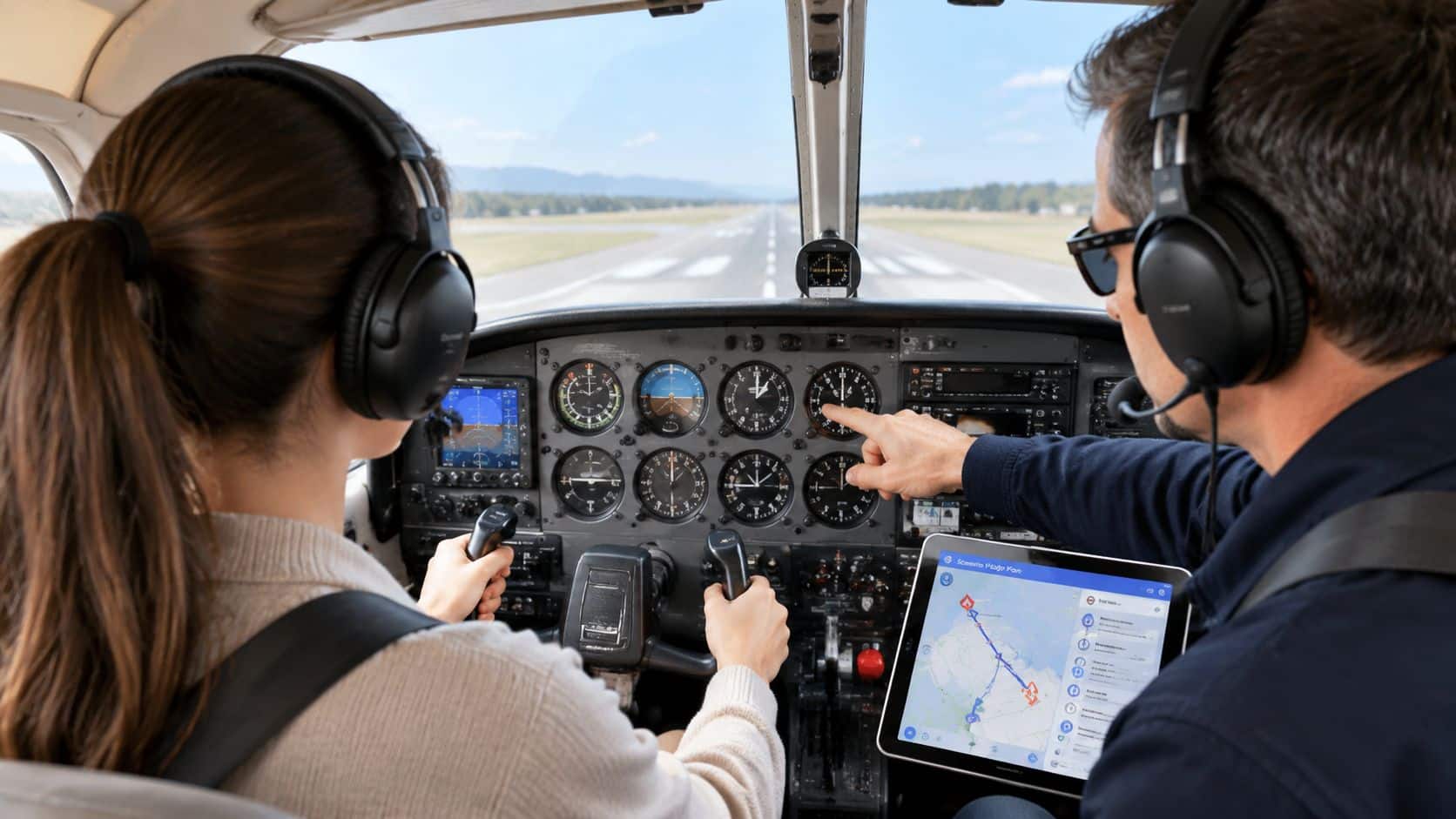
Scenario based flight training is a structured method that uses real-world flight scenarios to build judgment, decision-making, and risk management alongside stick-and-rudder skills, supported by FAA guidance. FAA research found that students trained with scenario-based concepts outperformed maneuver-trained students in 6 of 7 measures, used 3.1 fewer aircraft hours, and needed about 2.9 fewer briefing hours. FAA guidance
Why can a pilot perform steep turns, stalls, and landings on command yet still struggle when weather changes, the radio gets busy, or the destination stops making sense? That gap is where scenario based flight training earns its place. It joins aircraft control with planning, communication, workload management, and judgment inside a believable mission.
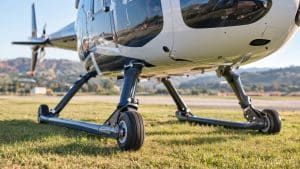
At a busy towered airport, the lesson might involve a cross-country return, changing traffic flow, a developing aircraft issue, and a diversion decision. In a helicopter, it might involve an abnormal indication, a landing-area assessment, and a choice to continue or reposition. The instructor still teaches precise maneuvers, but each maneuver supports an operational purpose.
Two practical options worth comparing
These are specific products pilots commonly compare for this type of flying. Confirm compatibility with your aircraft and instructor before ordering.
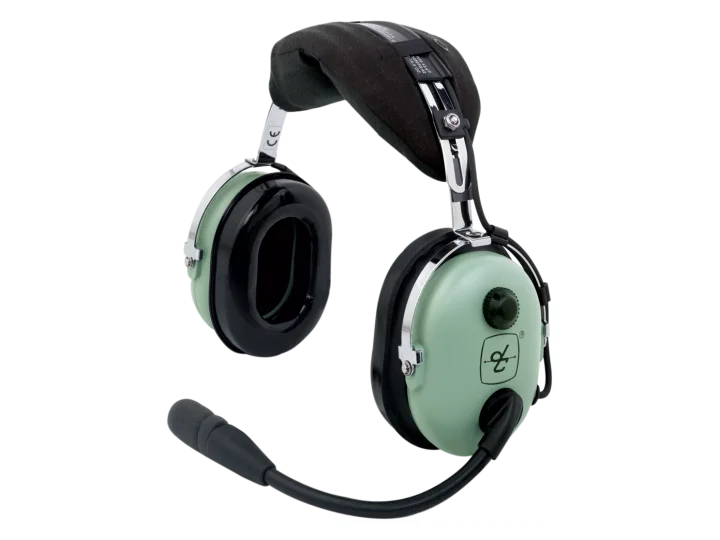 Student headsetDavid Clark H10-13.4 Aviation HeadsetCheck current availability on Amazon (paid link)
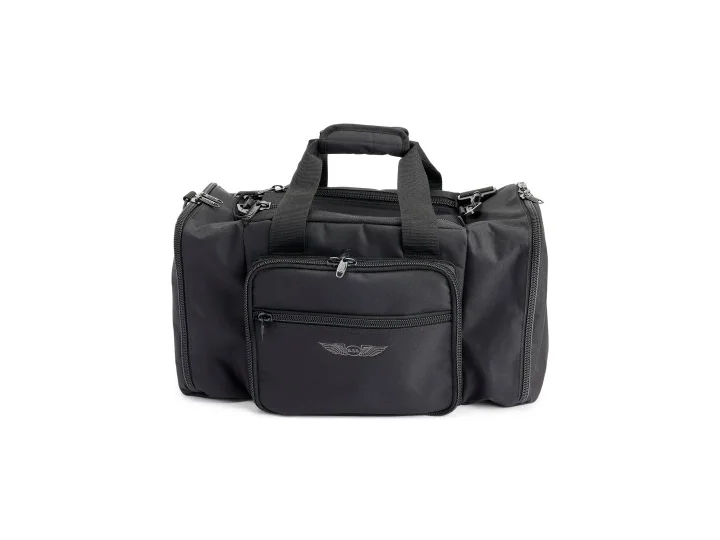 OrganizationASA Flight BagCheck current availability on Amazon (paid link)
Table of Contents
- What Scenario Based Flight Training Actually Is
- Why the FAA Moved Toward Scenario Based Training
- Core Benefits Pilots and Instructors See in Practice
- How Instructors Script a Real Scenario Based Lesson
- Sample Scenarios for Airplane and Helicopter Training
- Assessing Progress and Tracking Scenario Based Performance
- How DuBois Aviation Uses Scenario Based Training
- Next Steps, FAQs, and Common Mistakes to Avoid
What Scenario Based Flight Training Actually Is
Scenario based flight training, or SBT, places a student inside a realistic, unfolding flight situation so the student can practice judgment, communication, and aircraft control together. The instructor creates a structured script with a clear objective, a setup, and decision points rather than giving disconnected commands such as “perform steep turns” or “demonstrate a stall.”
A maneuver lesson asks whether the student can perform a task. An SBT lesson asks whether the student recognizes when the task matters, what risks surround it, and what action should come next. A cleared practice area may still be useful, but the student might reach it after planning a route, coordinating with ATC, managing fuel, and deciding whether the weather supports the original plan.
The FAA Aviation Instructor's Handbook defines SBT as a training system using a highly structured script of real-world experiences to meet flight-training objectives in an operational environment. FAA guidance says the method is intended to improve aeronautical decision-making, hazard management, judgment, and timely decision-making while preserving basic flying skills.
What changes in the cockpit
A useful scenario normally contains:
- A mission: The flight has a credible reason, such as visiting another airport, transporting a passenger, or completing a training route.
- A measurable objective: The instructor targets diversion judgment, workload management, radio discipline, or another observable performance.
- Decision points: The student must interpret cues and choose a course of action without waiting for a prompt.
- Completion standards: The instructor defines what safe, effective performance looks like.
- A debrief plan: The student explains the reasoning behind key decisions after landing.
SBT applies to airplanes, helicopters, simulators, and crew training environments. DuBois Aviation students can also use the simulator training center to rehearse procedures and decision-making in a controlled setting.
The structure is similar to designing create employee training videos, where a lesson needs a purpose, sequence, and audience-specific outcome. In flight training, however, the instructor must also match the scenario to the aircraft, local airspace, weather, and student readiness.
Why the FAA Moved Toward Scenario Based Training
Why did the FAA place greater emphasis on scenario-based training when pilots still need precise maneuver skills? The answer lies in how flights unfold. A pilot may be flying a standard traffic pattern at a busy Class D airport while monitoring weather, configuring the airplane, responding to tower instructions, and deciding whether a passenger-related delay changes the plan. These demands arrive together, not one at a time.
Training that measures only mechanical execution can miss how a pilot sets priorities under pressure. FAA and ICAO-linked guidance places scenario-based training after basic maneuver proficiency, so students can apply aircraft-control skills while developing judgment, risk management, and timely decisions. FAA and ICAO-linked guidance
From task completion to operational competence
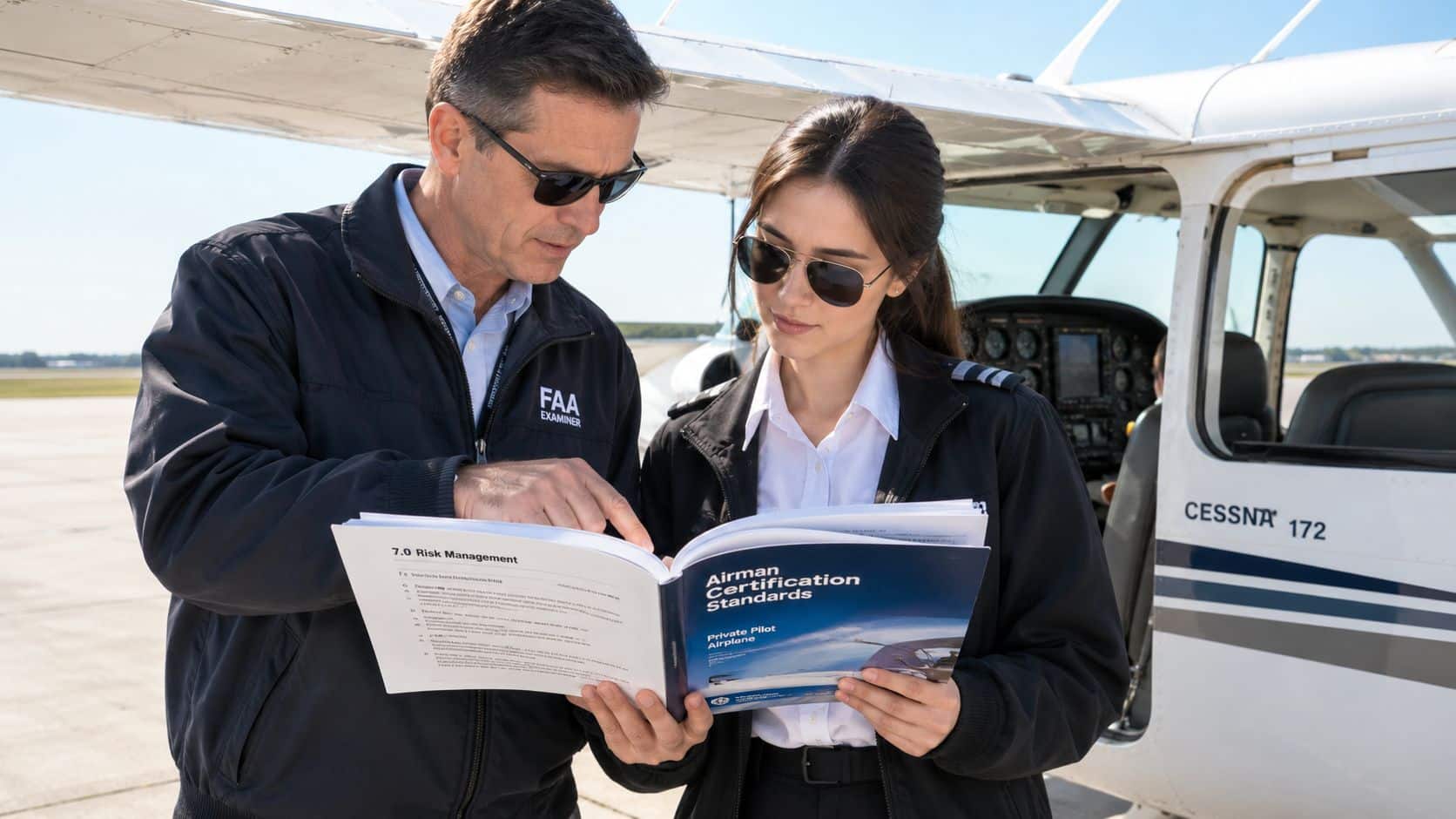
The Airman Certification Standards retain maneuver requirements while asking applicants to apply knowledge, experience, and information within realistic situations. FAA ACS guidance explains that evaluators use scenarios to see whether applicants can connect those elements during practical tests. FAA ACS guidance
For an airplane lesson, an instructor might script a departure from a towered Class D airport, a radio-frequency change, a developing weather concern, and a choice between continuing or returning. The student still demonstrates control, navigation, and procedures. The scenario reveals whether those skills support a sound decision.
The same principle applies to helicopters, although the instructor must account for hover work, landing-site selection, visibility, and performance margins. Scenario-based training therefore adds operational context without removing the need for deliberate maneuver practice.
Evidence behind the approach
FAA research comparing private pilot students who trained with scenario-based concepts with students receiving maneuver-based training found that the SBT group outperformed the maneuver-based group in 6 of 7 research measures. The group also required 3.1 fewer aircraft hours and about 2.9 fewer pre- and post-lesson briefing hours, with researchers finding no training-time or cost penalty for the method. FAA Aviation Instructor's Handbook
Those findings support SBT as a training method, not as a replacement for every drill. Students still need focused practice for stalls, steep turns, autorotations, emergency procedures, and other maneuvers where repetition builds reliable control. A well-written scenario places those skills inside a flight problem, then isolates and repeats a maneuver when the student's technique needs direct correction.
Operational point: Instructors are not replacing aircraft control with storytelling. They are placing aircraft control inside the decisions pilots must make during real flights.
Core Benefits Pilots and Instructors See in Practice
What can an instructor evaluate when the lesson reflects the decisions pilots make outside the practice area? Scenario Based Training makes those decisions visible. The instructor can hear how a student sets priorities, manages radio work, recognizes rising workload, and changes a plan when conditions no longer support it.
That information improves assessment in several areas:
- Aeronautical decision-making: The student explains the reason for choosing a route, runway, altitude, or diversion.
- Risk management: The student identifies hazards and selects practical mitigations.
- Single-pilot resource management: The student organizes avionics, checklists, radios, navigation, and aircraft control.
- Communication discipline: The student makes timely, accurate calls and asks ATC for help as workload increases.
- Transfer: The student applies knowledge to a new situation instead of memorizing one expected response.
A useful Class D lesson makes these skills observable. The instructor might assign a short departure from a busy towered airport, a planned practice area, and a return during a changing traffic picture. The student must brief the route, monitor fuel and weather, complete the required radio calls, and decide whether to continue, delay, or divert. The instructor is assessing the quality and timing of those decisions, while still protecting aircraft control and safety.
FAA scenario guidance recommends adapting lessons to the learner and local setting, including airport layout, weather, and aircraft type. It also calls for clear objectives, completion standards, and debriefing questions about route choice, equipment, and hazards. FAA FITS scenario guidance
The skills support real-world transition
SBT can shorten the adjustment between passing a checkride and operating independently. A pilot who has already practiced a renter checkout, a busy pattern, an unfamiliar runway, or a revised arrival plan has more experience managing the whole flight. The method also gives instructors better evidence during checkout flights. They can see whether a pilot can organize the cockpit and make safe choices, rather than judging only isolated maneuvers.
SBT has trade-offs. It requires instructor preparation, deliberate scripting, and a useful post-flight debrief. If the situation contains too many complications, the student may lose the primary objective.
SBT and maneuver training belong together
A sound syllabus uses both methods. Early training should build precise control and procedural proficiency. Later lessons can place those skills in realistic situations, while focused drills remain appropriate for stalls, steep turns, emergency procedures, autorotations, and any maneuver requiring repeated correction.
Students exploring practical threat and error management can use that framework during planning and debriefing. The goal is simple: apply reliable aircraft control while handling the decisions surrounding the flight.
How Instructors Script a Real Scenario Based Lesson
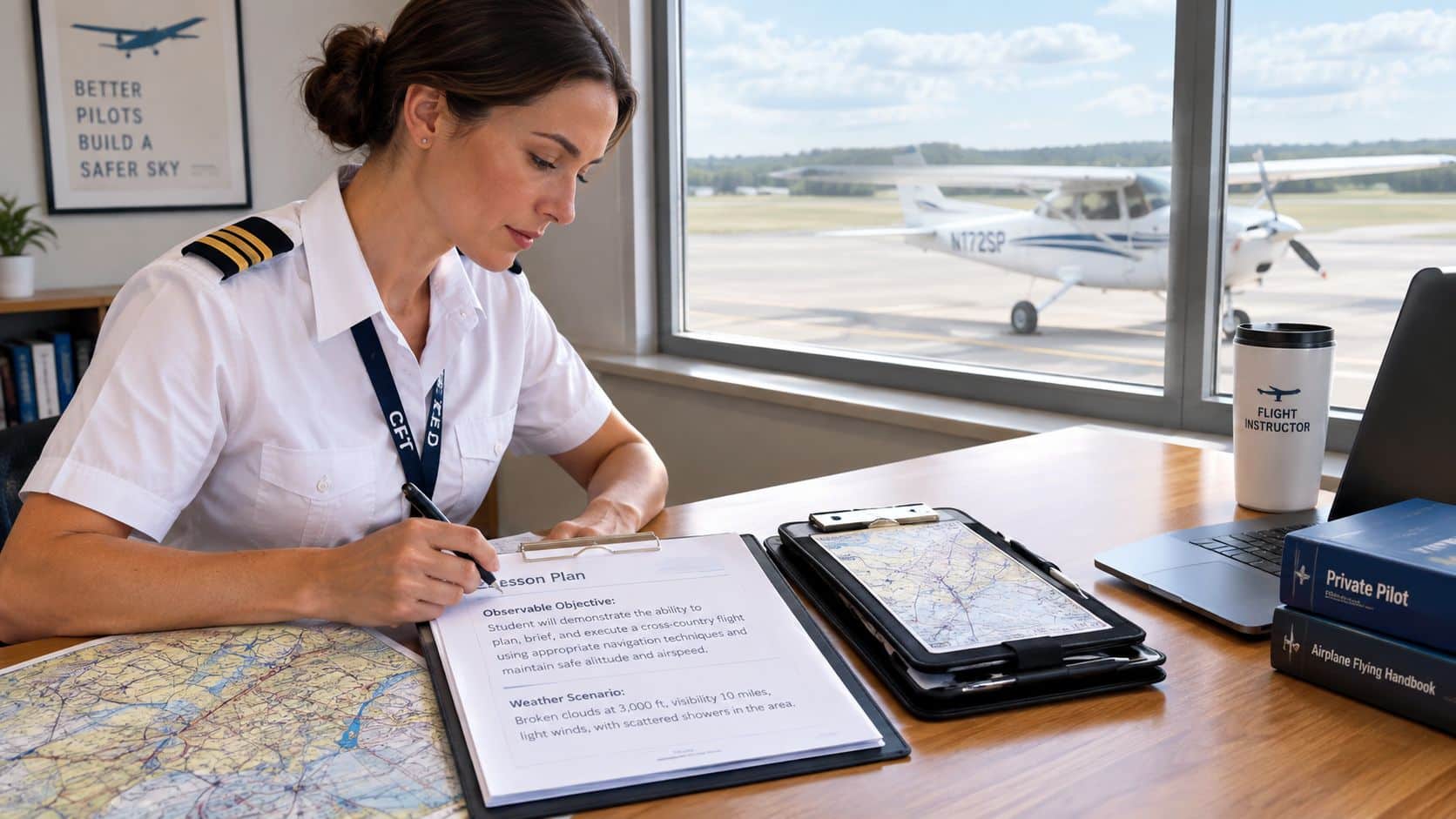
A CFI starts with an objective that can be observed, not a general intention such as “improve judgment.” A stronger objective might be, “The student will identify an emerging weather or aircraft-management concern, preserve safe options, communicate a revised plan, and complete the flight without sacrificing aircraft control.”
The instructor then builds a situation around that objective. The setup includes the aircraft configuration, route, runway, weather, traffic picture, airport environment, and any planned fault or complication. A busy Class D airport adds useful demands because the student must sequence radio work, traffic awareness, runway selection, and cockpit priorities.
A practical scripting sequence
- Write the mission. Give the flight a reason that makes operational sense.
- Set the conditions. Choose aircraft status, weather, runway, traffic, and airspace factors appropriate to the student.
- Select one primary challenge. A scenario can include secondary distractions, but one decision should remain central.
- Mark the cues. Decide what information the student should notice, such as a trend in fuel, temperature, weather, or workload.
- Define acceptable options. The student may have several safe choices, but each should have clear operational consequences.
- Plan the debrief. Prepare questions before the flight so the instructor evaluates reasoning rather than improvising criticism afterward.
The instructor should avoid solving the problem too quickly. FAA guidance says that good scenarios let learners make real-time decisions, and it recommends reducing direct instructor control after the first flight or two so the learner leads the scenario. FAA instructor guidance
What the debrief should capture
A reusable debrief can ask:
- What changed during the flight?
- Which cue first indicated that the original plan needed review?
- What options were available at that point?
- How did the decision affect workload and risk?
- Was aircraft control maintained while the decision developed?
- Which maneuver or procedure needs focused repetition?
The FAA FITS materials say each lesson should be scripted, have a purpose and consequences, and increase in complexity as training progresses. FAA FITS course guidance The script creates structure, but it shouldn't force the student toward a predetermined answer.
Sample Scenarios for Airplane and Helicopter Training
A useful scenario at a towered Class D airport feels ordinary at first. The student departs with a reasonable plan, communicates with ATC, and manages the aircraft normally. The instructor then introduces a change that requires the student to reassess the mission without turning the lesson into an artificial emergency.
Scenario A, Piper Cherokee cross-country return
The student returns toward the home airport after a cross-country in a Piper Cherokee. During the approach to the terminal area, the student notices a fluctuating fuel quantity and rising oil temperature. The instructor doesn't announce the correct answer. The student must verify the indications, assess remaining options, coordinate with ATC, and decide whether to continue, return, or divert.
A well-designed diversion may lead to an unfamiliar airport with a short runway. The student manages traffic sequencing, requests appropriate assistance, plans the pattern entry, and applies short-field landing technique only after choosing a suitable destination. The instructor watches for fixation, delayed communication, poor fuel reasoning, or a rushed landing configuration.
The scenario reinforces aircraft systems awareness, emergency decision-making, radio communication, airport operations, diversion planning, and short-field landing technique. The expected outcome isn't a specific airport. It's a timely, defensible decision that preserves control and options.
Scenario B, helicopter abnormal indication
A helicopter student operates from the same Class D environment and receives an engine chip-light indication during the lesson. The instructor briefs the student that the exercise is training recognition and decision-making, not encouraging an unsafe low-altitude maneuver. If an autorotation is appropriate for the aircraft and training conditions, the instructor may use a controlled practice environment or simulator to rehearse the response.
The student assesses available landing areas, including a confined-area option near a rooftop, while considering obstacles, wind, access, and the aircraft's height and location. The student must decide whether to continue, reposition, land, or divert while maintaining appropriate control and communication. The instructor also evaluates whether the student recognizes when a proposed landing area is unsuitable.
| Scenario Element | Piper Cherokee Scenario | Helicopter Scenario |
|---|---|---|
| Mission | Return from a cross-country | Continue a local training flight |
| Primary cue | Fuel indication and oil-temperature trend | Engine chip-light indication |
| Decision | Continue, return, or divert | Continue, reposition, land, or divert |
| Communication | Traffic sequencing and unfamiliar-airport coordination | ATC coordination and landing-area communication |
| Technical skill | Short-field landing and aircraft systems management | Autorotation practice and confined-area assessment |
| Common error | Fixating on the original destination | Treating every landing area as equally suitable |
The FAA introduction to scenario-based training emphasizes a realistic reason for the flight, clear completion standards, local environmental details, and recording decisions for debriefing. Those elements make either scenario repeatable without making it rigid.
Assessing Progress and Tracking Scenario Based Performance
How do you know a student is improving in a scenario, rather than completing its maneuvers? The instructor reviews the decision process, risk controls, situational awareness, communication, and aircraft handling as connected parts of one flight. A safe landing is one result, not the whole assessment.
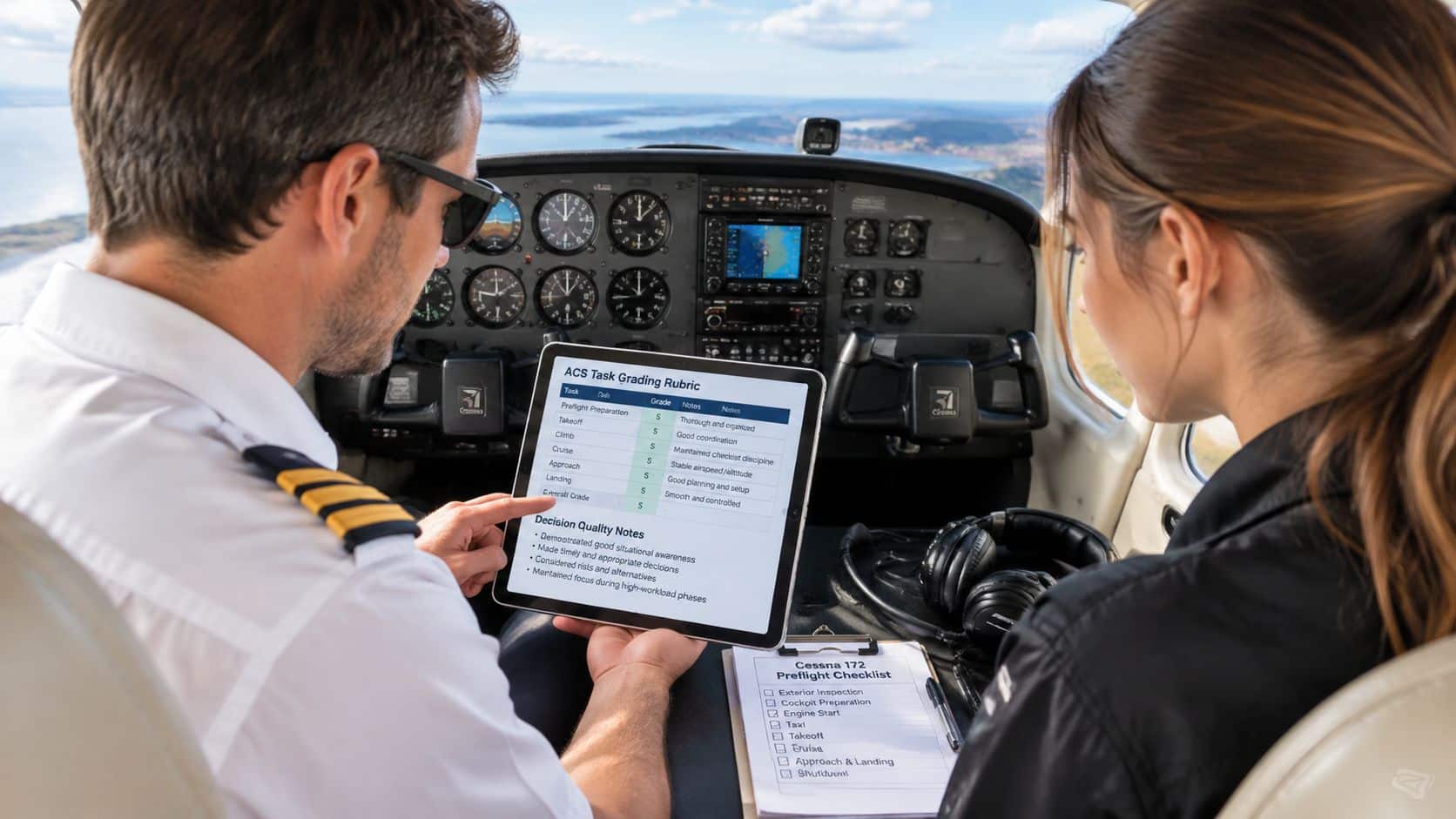
Each lesson can be mapped to applicable ACS tasks and risk-management elements. The record should state what the student recognized, which option was selected, how the aircraft was managed, and which skill or judgment needs another practice opportunity.
A useful training record entry
A practical entry can include:
- Scenario and objective: The mission and the decision being trained.
- Conditions: Aircraft, airport environment, weather, traffic, and equipment used.
- Observed performance: Decision timing, communication, workload management, and control.
- Debrief findings: What the student understood and which assumptions proved weak.
- Next-flight target: A focused item for repeat work.
For example, a record might state: “Return-from-cross-country scenario. Student identified the fuel trend, requested traffic information, and chose to divert before workload became excessive. Aircraft control remained within standard. Next flight: make the diversion call earlier and compare two alternate airports before departure.” That entry records behavior and sets a clear target, rather than merely marking a lesson complete.
Students can apply the same rubric during self-assessment. After flight, they should ask whether they noticed the cue early, maintained control while thinking, communicated before workload became excessive, and selected an option that preserved safety margins.
The student progress tracking process becomes more useful when it records these behaviors instead of listing only maneuvers completed. Regular reviews help instructors identify recurring decision patterns before the practical test.
Preparing for the practical test
The practical test still requires the applicant to perform the specified technical tasks and meet their standards. Scenario preparation adds the surrounding work: planning, explaining choices, managing risks, and responding when conditions change. The ACS task language gives instructors a structure for checking those connected actions during training.
A student who has explained decisions throughout training is less likely to treat the checkride as a sequence of surprises. The student has practiced linking preparation, execution, aircraft control, communication, and risk management. Maneuver drills should remain in the program when precision or repetition is the objective. SBT supplies context, but it should not replace focused practice for weak landings, autorotations, emergency procedures, or other skills that require repeated demonstrations.
How DuBois Aviation Uses Scenario Based Training
At DuBois Aviation, scenario based flight training fits naturally into instruction at Chino Airport because students operate in a busy, towered Class D environment. Radio calls, traffic sequencing, runway changes, navigation, and workload management can be integrated into ordinary lessons instead of postponed until advanced training.
Instructors can thread a common decision-making objective through different aircraft and ratings. A private pilot student may work on diversion judgment in a Piper Cherokee. An instrument student may manage a revised clearance and approach setup. A commercial or instructor candidate may practice explaining risk controls while maintaining standards. Helicopter students can apply the same recognition and prioritization habits to aircraft-specific situations.
Aircraft, simulator, and airport context
The fleet includes Piper Cherokees, a Cessna 150, a Mooney M20B, a Piper Apache, and Robinson and Enstrom helicopters. That variety lets instructors match the scenario to the aircraft's handling characteristics and the student's training objective rather than treating every lesson as interchangeable.
The in-house simulator supports repeatable procedure rehearsal, instrument work, and systems-failure scenarios. It also gives students a place to practice recognition and decision-making without using every flight lesson to introduce the same abnormal event.
Supporting accelerated and career-track training
Accelerated and career-track programs still need judgment training. Compressing a syllabus shouldn't mean compressing the decisions that make a pilot useful and safe in line operations. Instructors can combine focused maneuver blocks with scenario flights so students build technical precision, then demonstrate how that precision supports a complete mission.
The same structure benefits aircraft rental customers and certificated pilots returning to a local airport environment. A renter may use a structured scenario to refresh radio work, diversion planning, or unfamiliar-airport operations before taking passengers. The training remains specific to the pilot, aircraft, route, and intended mission.
Next Steps, FAQs, and Common Mistakes to Avoid
SBT works when the scenario has a clear purpose, the student has enough basic skill to manage the aircraft, and the instructor protects time for a meaningful debrief. It shouldn't become a dramatic role-play exercise or a replacement for precise maneuver practice.
Mistakes that weaken the lesson
- Skipping the briefing: Without a mission and objective, the student may focus on surprises instead of the intended decision.
- Waiting for perfect weather: Training should remain within safe and appropriate limits, but realistic environmental factors are part of the lesson when conditions permit.
- Making the scenario rigid: A scripted lesson should respond to the student's decisions. The instructor shouldn't force a predetermined route or answer.
- Adding too many problems: Complexity without a clear objective creates confusion instead of judgment.
- Ignoring aircraft control: Decision-making never excuses loss of control or weak procedural technique.
Frequently asked questions
What is scenario based flight training?
It's structured training built around a realistic flight mission. The student practices aircraft control, communication, risk management, and decision-making together.
Does the FAA require SBT for every lesson?
FAA guidance supports and incorporates scenario-based elements across training and testing, but SBT should be sequenced appropriately. Basic maneuver proficiency remains important, especially before scenarios demand advanced judgment.
How is SBT different from maneuver training?
Maneuver training isolates a task so the student can build precision. SBT places that task inside a mission with changing information and operational decisions. A complete syllabus needs both.
Can SBT reduce training time?
FAA research found measurable efficiency in one private-pilot comparison, including 3.1 fewer aircraft hours and about 2.9 fewer briefing hours for the SBT group. FAA research Results depend on instructor skill, scenario design, and student readiness.
What might a first airplane or helicopter scenario involve?
An early airplane lesson may use a simple local mission with radio calls, headings, and a manageable decision. A helicopter lesson may focus on traffic awareness, landing-area selection, or workload while preserving basic control.
How does a discovery flight relate to SBT?
A discovery flight isn't a full training syllabus, but an instructor can explain how lessons use missions and decisions rather than only demonstrations. Prospective students can ask to review the school's syllabus, visit the facility, or discuss aircraft and simulator options before enrolling.
DuBois Aviation provides airplane and helicopter instruction, simulator-supported training, aircraft rental, and pathways through private, instrument, commercial, multi-engine, and instructor ratings. Visit DuBois Aviation to ask about course availability, schedule a school tour, or request a syllabus that shows how scenario based flight training fits the intended pilot goal.