
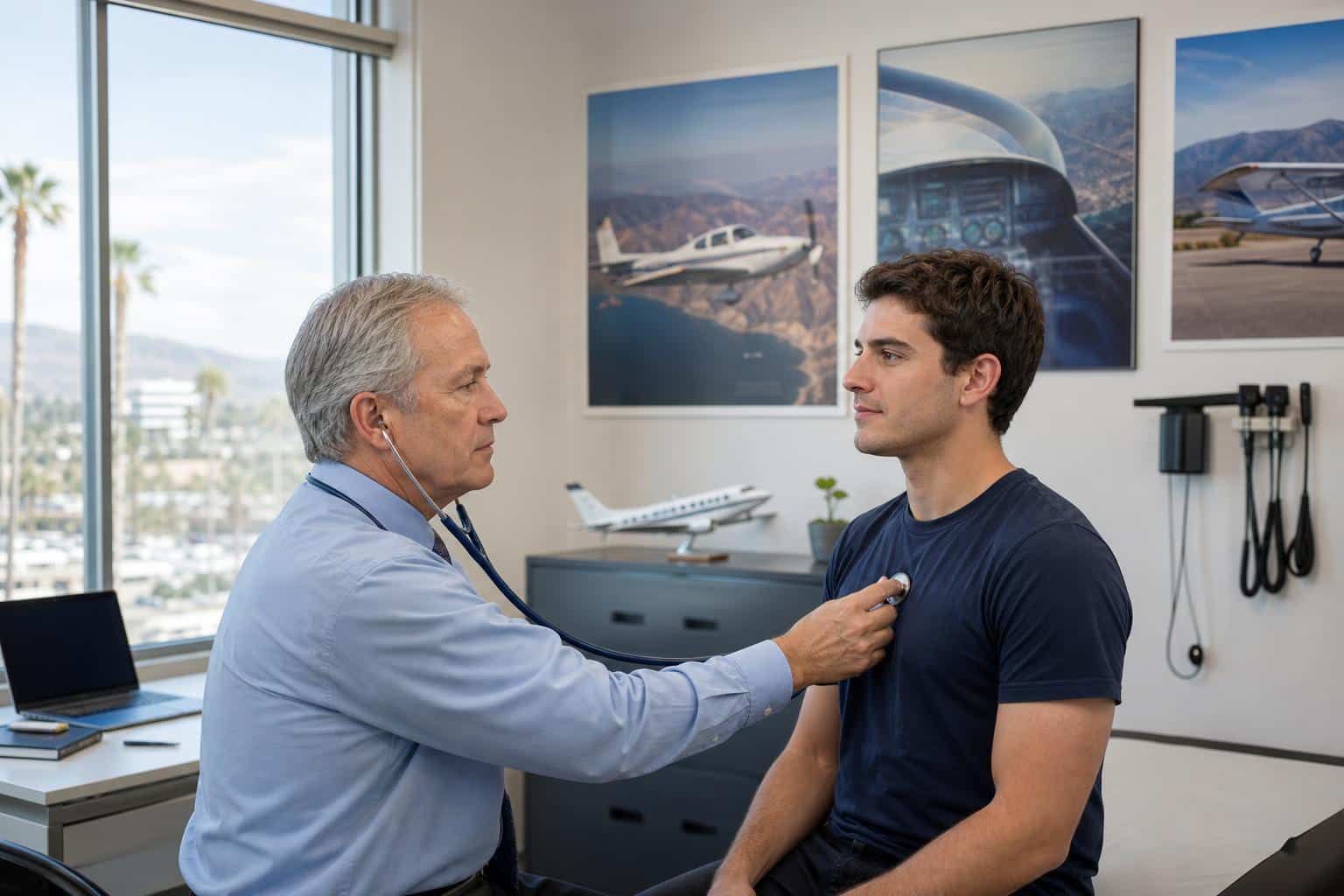
For prospective and current flight school students in Southern California, understanding the Federal Aviation Administration (FAA) medical certification process is a crucial step toward achieving your pilot goals. Medical certification ensures that pilots meet the health and fitness standards necessary to operate aircraft safely. This guide provides a comprehensive overview of FAA medical certification, its importance in pilot training, and practical steps to obtain and maintain your medical certificate as you pursue your private pilot training and other aviation milestones.
What Is FAA Medical Certification and Why Is It Important?
FAA medical certification is an official authorization issued by the FAA to confirm that a pilot meets specific medical standards required to operate aircraft. These standards are designed to ensure that pilots do not have medical conditions that could impair their ability to fly safely. Obtaining the appropriate medical certificate is mandatory before engaging in most types of flight activities, especially those involving commercial operations or carrying passengers.
For flight students, securing your FAA medical certificate is often the first regulatory hurdle. It not only validates your physical and mental fitness but also aligns with the FAA’s commitment to aviation safety. Without this certification, you cannot legally act as pilot-in-command or even participate in certain flight training exercises.
Types of FAA Medical Certificates Relevant to Flight Students
The FAA issues three classes of medical certificates, each with distinct requirements and privileges. Understanding which class applies to your training and future flying ambitions is essential.
- First-Class Medical Certificate: Primarily required for airline transport pilots, this certificate has the most stringent standards and shortest validity period. While not typically necessary for initial flight training, it becomes relevant if you aim for an airline career.
- Second-Class Medical Certificate: Required for commercial pilots, this certificate has moderately strict standards and a validity period that varies by age. It is important for students planning to pursue commercial pilot licenses after completing their private pilot training.
- Third-Class Medical Certificate: The most common certificate for student pilots and private pilots. It has less stringent medical requirements and longer validity periods, making it the typical starting point for flight students.
Most students beginning their flight training programs will seek a third-class medical certificate, which allows them to fly solo and carry passengers once they have their private pilot certificate.
Steps to Obtain Your FAA Medical Certificate
Obtaining your FAA medical certificate involves a clear, step-by-step process. Each step ensures you meet the FAA’s health standards and helps you prepare for a successful training experience.
- Schedule an Appointment with an FAA-Authorized Aviation Medical Examiner (AME): The FAA requires that medical exams be conducted by an AME, a physician trained and authorized to perform aviation medical examinations. You can find an AME near Southern California by searching the FAA’s online directory.
- Complete the FAA Medical Application: Before your appointment, fill out the FAA Form 8500-8, which collects your medical history and relevant health information. This form is available online and should be completed accurately to avoid delays.
- Undergo the Medical Examination: During your appointment, the AME will conduct a physical exam, including vision and hearing tests, blood pressure measurement, and a review of your medical history. They will assess conditions that could affect your ability to fly safely.
- Receive Your Medical Certificate: If you meet the medical standards, the AME will issue your medical certificate, either immediately or after FAA review if further evaluation is needed. The certificate will specify the class and validity period.
- Maintain and Renew Your Medical Certificate: Medical certificates have expiration dates based on your age and the certificate class. Staying current requires periodic renewal exams with an AME to ensure ongoing fitness to fly.
Following these steps carefully helps you avoid interruptions in your private pilot training and ensures compliance with FAA regulations.
Common Medical Conditions and Special Issuances
Some medical conditions may initially disqualify applicants from receiving a standard FAA medical certificate. However, the FAA offers special issuance medical certificates for individuals with certain conditions who can demonstrate safe flying capability under specific limitations.
Conditions such as controlled hypertension, diabetes managed without insulin, or certain psychological disorders may qualify for special issuance. The process involves submitting additional medical documentation and possibly undergoing periodic monitoring.
If you have a medical condition, discuss it openly with your AME during your examination. They can guide you through the special issuance process if necessary, helping you continue your flight training without unnecessary delays.
FAA Medical Certification in Relation to Flight Training Programs
Understanding FAA medical certification is integral to planning your flight training journey. Many flight schools in Southern California, including DuBois Aviation, require students to obtain at least a third-class medical certificate before solo flight lessons. This requirement ensures that students are medically qualified to safely operate aircraft during critical phases of their training.
Moreover, as you progress through various stages of your pilot education, different medical certificate classes may become relevant. For example, if you plan to pursue commercial pilot training or an airline transport pilot license, you will need to upgrade your medical certification accordingly.
Flight training programs often integrate medical certification guidance into their curriculum and student support services. This integration helps students navigate regulatory requirements smoothly, allowing more focus on mastering flying skills.
Practical Checklist for FAA Medical Certification Preparation
- Research and select a nearby FAA-authorized AME.
- Complete FAA Form 8500-8 accurately before your appointment.
- Gather your medical records and information about any medications or conditions.
- Prepare to discuss your medical history openly and honestly with the AME.
- Schedule your medical exam well in advance of your planned solo or certification flights.
- Keep your medical certificate accessible and track its expiration date for timely renewal.
- If you have a medical condition, inquire about the special issuance process early.
- Consult with your flight school’s advisors to align medical certification with your training milestones.
By following this checklist, you can confidently manage the FAA medical certification process and focus on your aviation training goals.
In conclusion, FAA medical certification is a foundational element of pilot training for students in Southern California. It safeguards the safety of pilots and passengers alike by ensuring that all pilots meet essential health standards. By understanding the types of medical certificates, the application process, and how medical certification fits into your flight training, you can navigate your aviation journey with confidence. For more information on pilot training options, explore our private pilot training and comprehensive flight training programs to start your path toward becoming a licensed pilot.