Choosing an aviation headset is not only about finding the quietest model. A good headset should make radio calls easier to understand, remain comfortable through an entire lesson or cross-country flight, fit correctly around glasses, and connect to the aircraft you actually fly. This guide ranks five of the best aviation headsets available to buy on Amazon for general aviation pilots and flight students in 2026.
Our quick answer: The Bose A30 is our number-one overall choice for pilots who want a lightweight premium ANR headset. The Lightspeed Zulu 4 is a very close second and may be the better personal fit for pilots who wear glasses or want dual Bluetooth connections. The right choice still depends on head shape, aircraft noise, plug type, flying frequency, and budget.
1. Bose A30: Best overall aviation headset
The Bose A30 takes our top position because it combines strong active noise reduction with a light, low-clamping design that works well for frequent flight training and longer cross-country flights. Bose provides selectable noise-cancellation modes, Bluetooth audio, and a tap-control feature that can temporarily improve awareness outside the ear cup.
Comfort is personal, but lower weight and reduced clamping pressure can matter after several hours in a piston-aircraft cockpit. The A30 is especially easy to recommend to career-track students, instructors, aircraft owners, and pilots who expect to fly several times each week. Its main disadvantage is cost, so an occasional flyer may receive better value from one of the midrange choices below.
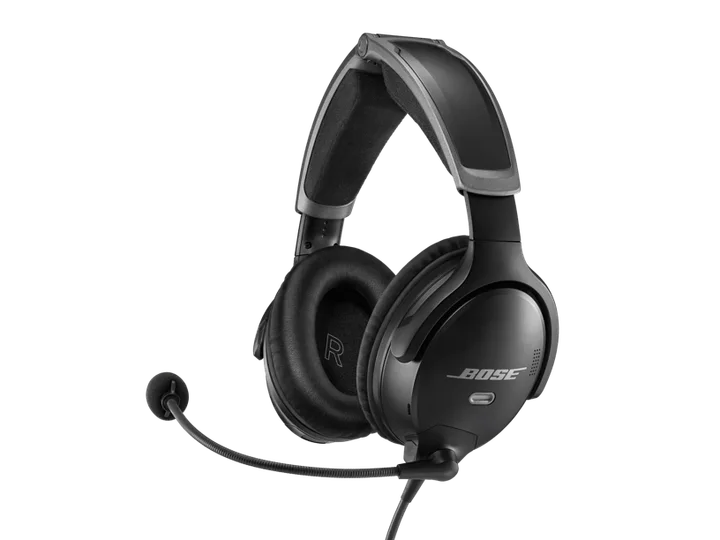
Bose A30 Bluetooth Aviation Headset - Dual Plug
A lightweight active-noise-reduction option for pilots who fly frequently and value comfort on longer lessons and cross-countries.
Best for: Career students, instructors, and frequent flyers
View this exact product on Amazon (paid link)2. Lightspeed Zulu 4: Best Bose A30 alternative
The Lightspeed Zulu 4 is a close second rather than a lesser headset. Its FrameFit ear seals are designed to seal more effectively around glasses, sunglasses, and hats, while the large ear-cup cavity helps keep the seal from pressing against the ear. That difference in fit may make the Zulu 4 more comfortable than the Bose for some pilots.
Dual Bluetooth allows two devices to remain connected, which can be useful when a pilot uses both a phone and an iPad. The headset also works with the Lightspeed Aviation App for recording cockpit communications for later review. Its seven-year manufacturer warranty is another meaningful advantage for students planning a long aviation career.
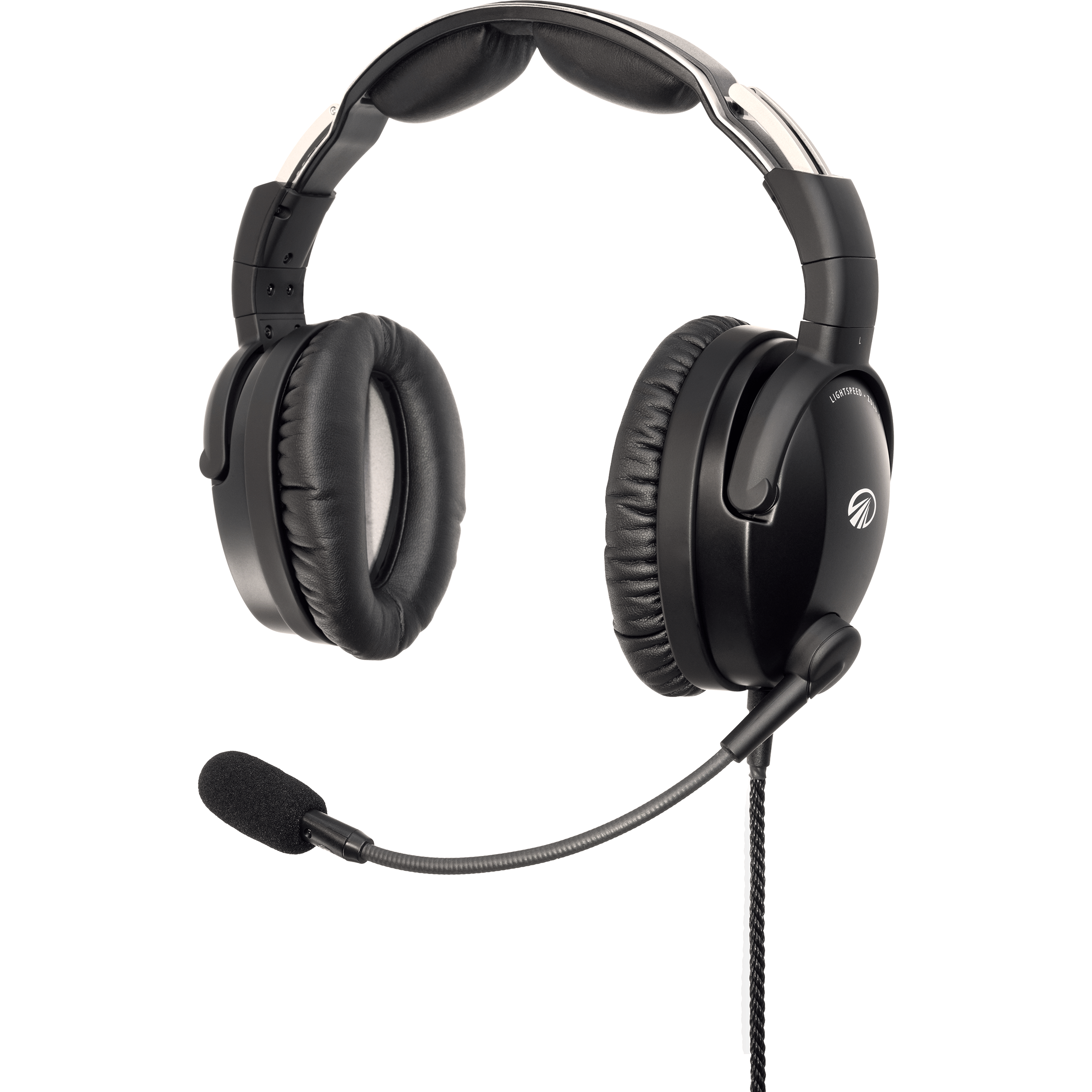
Lightspeed Zulu 4 ANR Aviation Headset - Dual GA Plug
A premium active-noise-reduction headset with dual Bluetooth, FrameFit ear seals, cockpit recording support through the Lightspeed Aviation App, and a seven-year warranty.
Best for: Frequent students and pilots who want premium comfort, clear communications, and strong connectivity
View this exact product on Amazon (paid link)3. Rugged Air RA980: Best lightweight midrange ANR choice
The Rugged Air RA980 brings active noise reduction and Bluetooth into a carbon-fiber headset that is substantially less expensive than many flagship models. Rugged Air describes the RA980 as weighing 10.88 ounces, with 26 dB of active noise reduction and 20 dB of passive protection if the batteries become depleted.
This is a compelling choice for a student who wants to move beyond a basic passive headset but is not ready to purchase one of the two top-ranked premium models. The tradeoff is a smaller long-term track record and fewer owner reviews than established Bose, Lightspeed, and David Clark products. Fit and microphone performance should be evaluated during an actual lesson while the return period is still available.
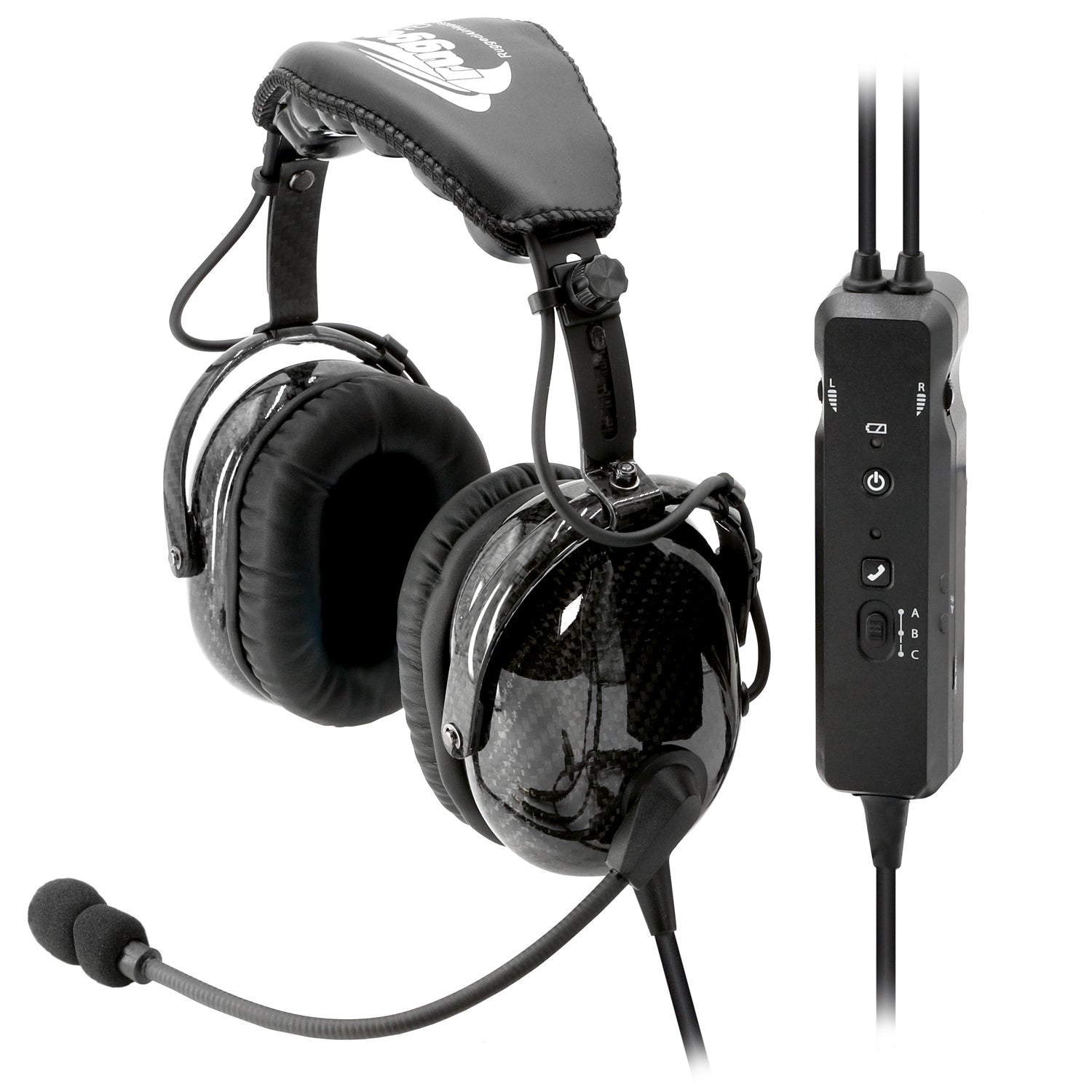
Rugged Air RA980 Bluetooth ANR Aviation Headset
A lightweight carbon-fiber headset with active noise reduction, Bluetooth connectivity, and passive noise protection when the batteries are depleted.
Best for: Pilots seeking ANR, Bluetooth, and low weight below the flagship-headset tier
View this exact product on Amazon (paid link)4. David Clark DC ONE-X: Best compact traditional choice
The David Clark DC ONE-X combines the company’s familiar aviation durability with modern hybrid electronic noise cancellation, Bluetooth, digital signal processing, and a foldable design. It is a strong option for pilots who want a premium ANR headset but prefer David Clark’s fit, support history, and compact storage.
The ONE-X uses a heat-absorbing fabric head pad and slow-recovery ear-seal foam to reduce pressure and heat during longer flights. It also continues to provide passive protection if the electronic system is off. Pilots who travel between aircraft may particularly appreciate how compactly it folds into its carrying case.
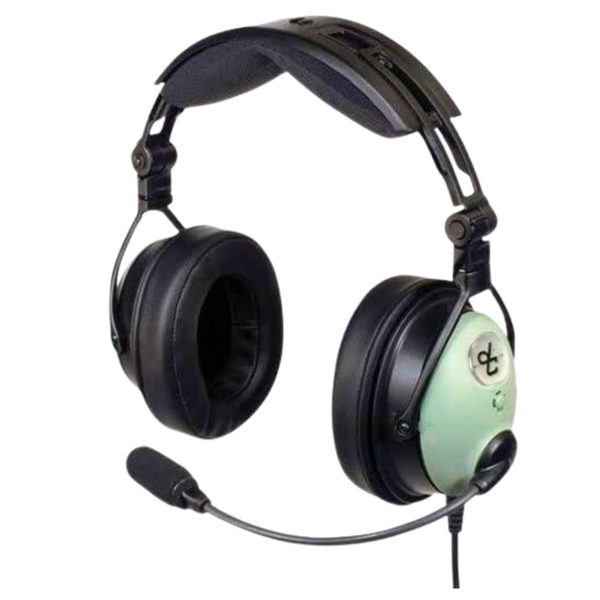
David Clark DC ONE-X ENC Aviation Headset
A foldable, lightweight headset with hybrid electronic noise cancellation, Bluetooth, digital signal processing, and the familiar David Clark approach to durability.
Best for: Pilots who value compact storage, a traditional aviation brand, and premium ANR features
View this exact product on Amazon (paid link)5. Lightspeed Sierra: Best entry into a recognized ANR brand
The Lightspeed Sierra is an established ANR headset for pilots who want Bluetooth and active noise reduction without moving directly to the Zulu 4 or Bose A30 tier. It includes plush ear seals, a reversible microphone position, automatic audio-priority features, and support for recording cockpit audio through Lightspeed’s FlightLink system.
The Sierra is heavier and uses an older platform than the Zulu 4, but that does not make it a poor training headset. For many students, it provides a sensible balance between premium communication features and the cost of a flagship model. Lightspeed backs it with a five-year manufacturer warranty.
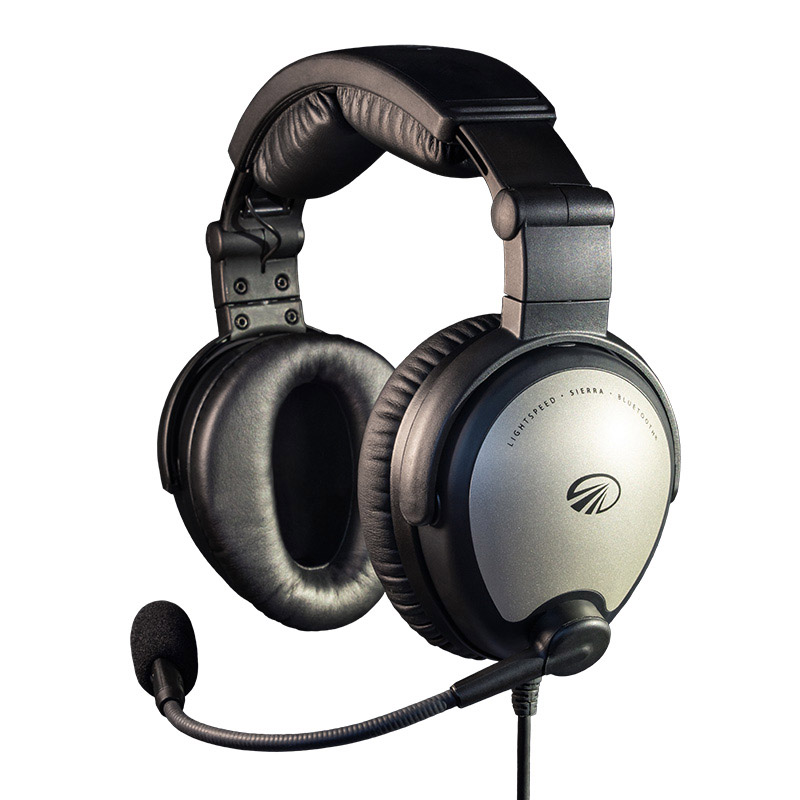
Lightspeed Sierra ANR Aviation Headset with Bluetooth
An established ANR headset with Bluetooth, plush ear seals, automatic audio-priority features, and a five-year manufacturer warranty.
Best for: Students who want a recognized ANR headset while spending less than flagship models
View this exact product on Amazon (paid link)What about a simple passive student headset?
Not every student needs ANR on the first lesson. A passive headset avoids reliance on batteries for noise reduction and can later become a useful passenger or backup headset. The David Clark H10-13.4 remains a practical model to compare when durability and straightforward operation matter more than Bluetooth or active noise cancellation.
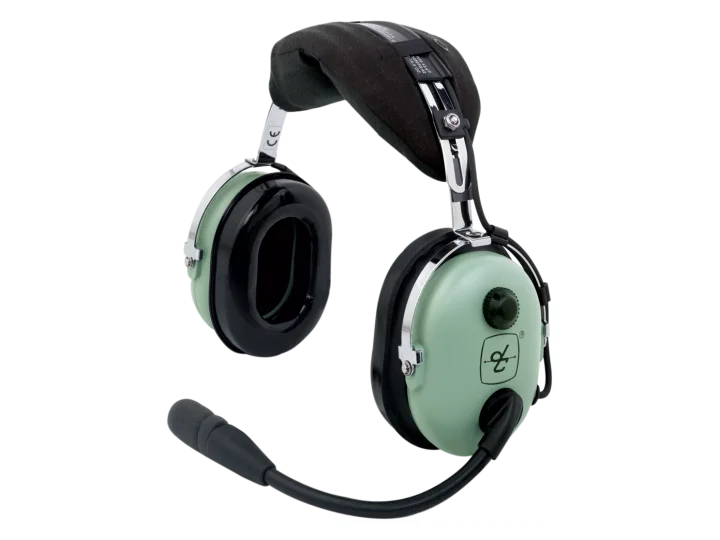
David Clark H10-13.4 Aviation Headset
A proven passive headset with straightforward operation and a long-standing reputation in training airplanes.
Best for: New students who want a dependable first headset
View this exact product on Amazon (paid link)How we ranked these aviation headsets
Our order emphasizes features that matter in piston-aircraft flight training: intelligible radio audio, useful noise reduction, comfort over a complete lesson, microphone placement, product support, practical connectivity, and value for the intended type of pilot. A ranking cannot determine which ear seals or headband will fit your head best, so fit should remain part of the buying decision.
- Communication clarity: Radio and intercom speech should remain easy to understand in a noisy training airplane.
- Comfort: Pressure points become more noticeable during longer lessons and cross-country flights.
- Noise reduction: ANR can reduce steady low-frequency cockpit noise, while passive protection still matters if power is lost.
- Durability and support: A headset used several times per week must tolerate repeated transport and adjustment.
- Practical value: The most expensive option is not automatically the right purchase for every student.
Confirm the plug before ordering
Most of the airplanes used for general-aviation flight training use two standard GA plugs, but that is not universal. Helicopters commonly use a single U-174 plug, and some aircraft use a six-pin LEMO connector that can provide panel power. Amazon listings may group several plug versions on one product page. Confirm the selected configuration before completing an order.
Frequently asked questions about pilot headsets
Is an ANR headset worth it for a student pilot?
ANR can be worthwhile when a student flies frequently, takes longer lessons, or plans to continue into professional flying. A good passive headset is still a reasonable starting point for a student with a limited equipment budget.
Can I use a Bluetooth headset for aircraft radio communication?
The aviation plugs connect the headset to the aircraft radio and intercom. Bluetooth is normally used for compatible phones, tablets, audio alerts, or music. It does not replace the required aircraft connection.
Which aviation headset is best for glasses?
The Zulu 4 deserves particular consideration because its FrameFit seals are designed around headwear and glasses. Actual comfort varies, so wear any headset with the same glasses or sunglasses used in flight before making a final decision.
Should I buy the cheapest headset for my first lessons?
A low-cost passive headset can get a student started, but radio clarity, microphone quality, and comfort affect every lesson. Buy a model that fits the current budget without treating the headset as disposable equipment.
Bring a new headset to the school before the lesson begins so an instructor can help check the plug type, microphone position, intercom volume, and cable routing. If you are preparing to begin flying, review our flight-training courses, explore the DuBois Aviation aircraft fleet, or contact our team about scheduling your first lesson.