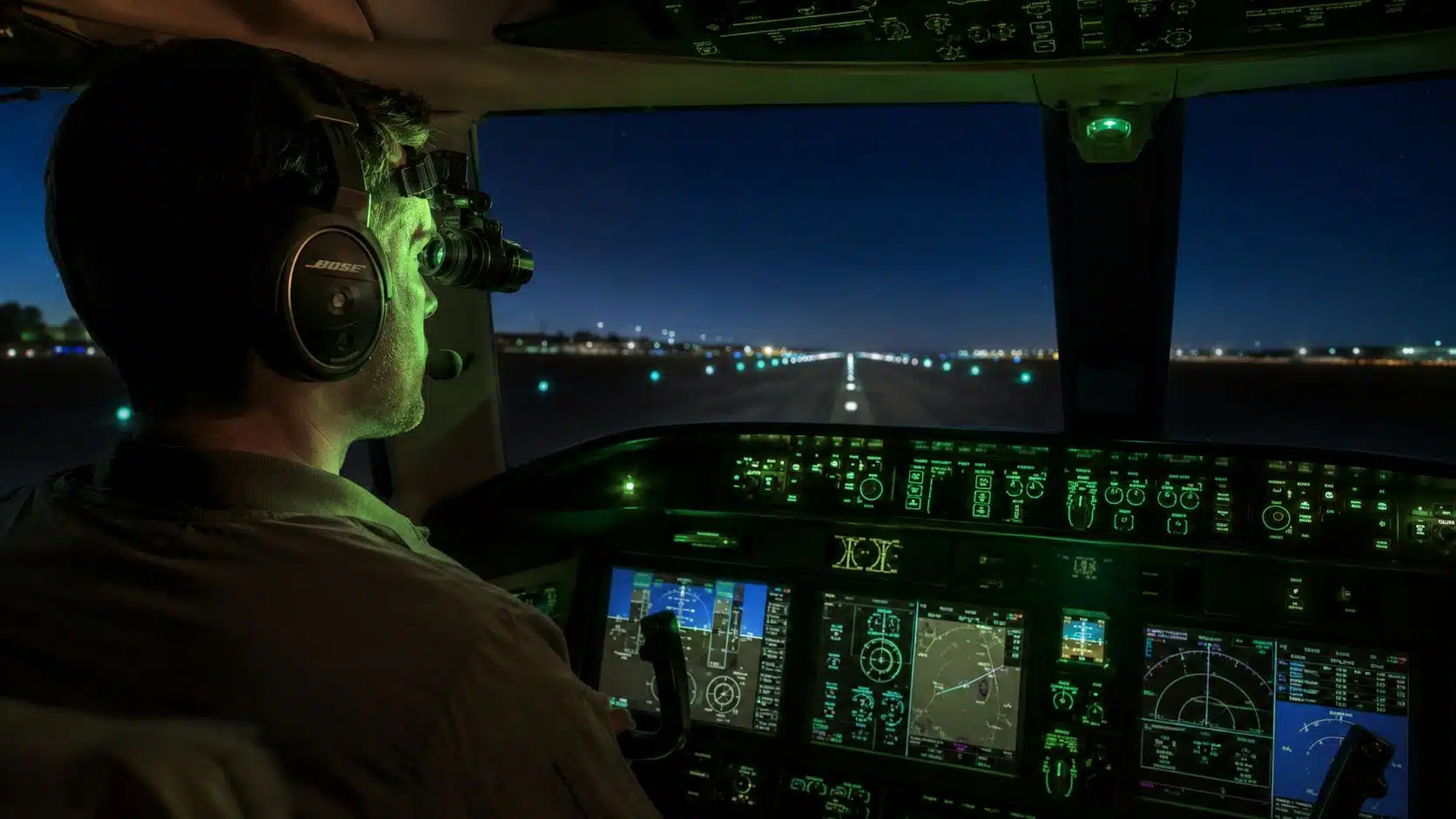
A pilot light has two different jobs during night operations. Bright white light helps inspect the aircraft, fuel, tires, control surfaces, and surrounding ramp. A lower-output red light can be useful inside the cockpit when the goal is to read without flooding the cabin with bright light.
Features that matter in an airplane
Simple controls are more important than a long list of flashing modes. A useful flashlight or headlamp should be easy to operate by feel, small enough to secure, and designed so it is unlikely to activate accidentally inside a flight bag. Separate or predictable access to red and white light reduces fumbling in a dark cockpit.
- White light bright enough for an exterior inspection
- Low-output red mode for cockpit tasks
- Controls that are understandable without looking
- A body that can be secured and reached from the pilot seat
- A battery plan that includes a second independent light
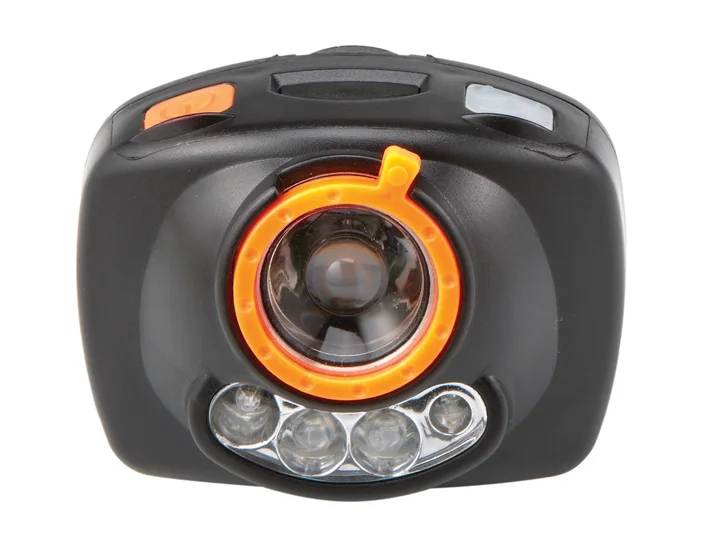
Flight Outfitters Dual-Color Pilot Headlamp
A hands-free red-and-white headlamp that supports cockpit lighting needs and exterior preflight inspection after dark.
Two practical options worth comparing
These are specific products pilots commonly compare for this type of flying. Confirm compatibility with your aircraft and instructor before ordering.
See the complete pilot gear guideBest for: Night lessons, preflight inspections, and backup cockpit lighting
Carry more than one source of light
A phone flashlight is useful, but it should not be the only backup. Phones can overheat, run out of power, or be needed for communication. Carry a second independent light where it can be reached without emptying the flight bag.
Use the lowest practical cockpit brightness
Before taxi, adjust instrument and tablet brightness gradually. Excessive brightness can make it harder to see outside. Avoid pointing a bright light toward another aircraft, vehicle, or person on the ramp. During the preflight, use enough white light to inspect thoroughly rather than sacrificing inspection quality to preserve night vision.
Night flying is an important part of private-pilot training. Read our night flying requirements guide or contact DuBois Aviation to schedule training.