A CFI CFII MEI course is a three-rating progression: the initial CFI turns a commercial pilot into a flight instructor, CFII adds instrument instruction, and MEI adds multiengine instruction. The pathway usually starts with CFI, continues to CFII, and finishes with MEI when the pilot's aircraft access and career goals justify it.
A commercial pilot who's ready to teach often faces a practical choice rather than a purely technical one. Should the pilot begin instructing immediately, add instrument privileges first, or invest in multiengine instruction? The answer depends on FAA eligibility, checkride preparation, local student demand, aircraft access, and the kind of instructor career the pilot wants to build.
The scale of that career path is substantial. Active Flight Instructor Certificates increased from 82,875 in 2000 to 125,075 in 2022, according to the FAA's civil airmen statistics. FAA reporting also lists 12,961 flight instructor certificates issued in 2025, compared with 11,444 in 2024, an increase of about 13.3%. These figures show why instructor training feeds an important part of the U.S. aviation pipeline, from general aviation and charter operations to airline preparation.
Table of Contents
- What a CFI CFII MEI Course Actually Covers
- Prerequisites and FAA Eligibility for Each Rating
- Training Hours, Syllabi, and Ground School
- Checkride Expectations and Common Failure Points
- Costs, Scheduling, and Accelerated Paths
- Career Outcomes and When Each Add-On Pays Off
- Training a CFI CFII MEI Course at DuBois Aviation
- FAQs on the CFI CFII MEI Course
What a CFI CFII MEI Course Actually Covers
The initial CFI, or Certificated Flight Instructor, rating provides the foundation for teaching in the airplane category and class held by the instructor. For the common airplane single-engine path, that means teaching private and commercial applicants in single-engine airplanes, subject to the privileges and limitations of the certificate and applicable regulations.
The CFII, or Flight Instructor Instrument rating, adds authority to provide instrument instruction. The MEI, or Multi-Engine Instructor rating, adds multiengine instruction privileges. These aren't normally three separate instructor certificates. They're an initial flight instructor certificate with additional ratings added to it, which is why the training is most effective when treated as one connected teaching pipeline.
The progression has a practical logic
The initial CFI is the broadest instructional foundation. The candidate must learn how to teach, not merely demonstrate, which includes explaining aerodynamics, managing a student-controlled aircraft, planning lessons, giving endorsements, and evaluating performance.
CFII then applies that instructional method to instrument procedures. The instructor must teach instrument scan, navigation, approaches, chart interpretation, IFR communication, and workload management while maintaining a strong understanding of how students make errors in a high-workload environment.
MEI adds another layer of complexity. A multiengine instructor must explain asymmetric thrust, engine-out procedures, systems, performance, and emergency decision-making from the right seat of a twin.
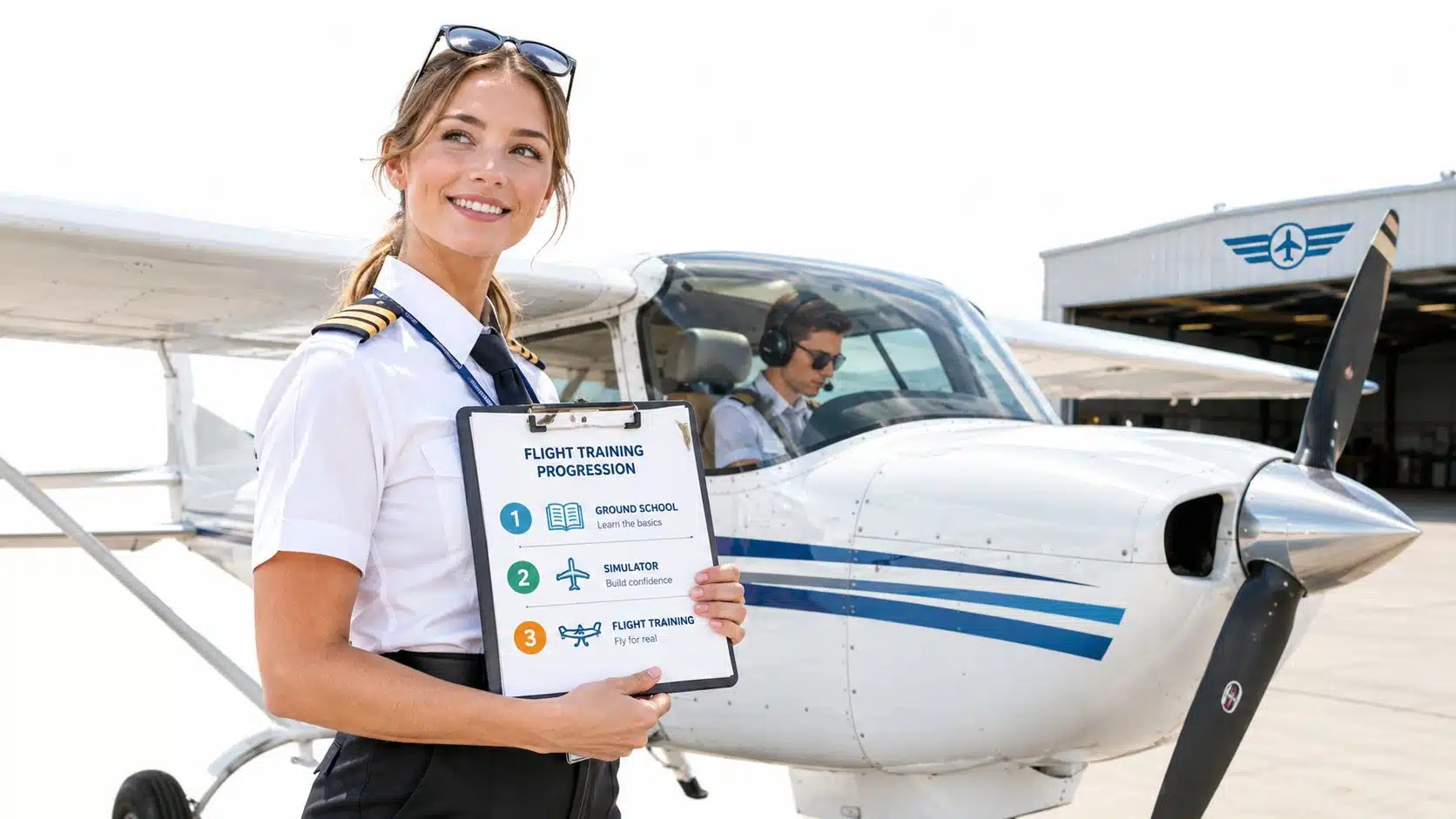
A well-sequenced course therefore usually follows this order:
- Initial CFI: Build the teaching framework and earn the base instructor certificate.
- CFII: Add instrument instruction while the CFI teaching habits are still developing.
- MEI: Add multiengine instruction after the pilot is comfortable managing a complex twin and has a clear reason to teach in it.
That sequence isn't an FAA rule requiring every pilot to earn the ratings in that exact order. It's a training and career recommendation. The FAA pathway itself is structured around eligibility, knowledge testing, logged training, endorsements, and practical tests, which makes sequencing important even when the local job market may justify a different order.
Prerequisites and FAA Eligibility for Each Rating
The initial CFI pathway has the heaviest foundation. Under 14 CFR 61.183, a flight instructor applicant must be at least 18 years old, be able to read, speak, write, and understand English, and hold a commercial pilot or ATP certificate with the appropriate category and class rating.
For the common airplane single-engine instructor path, the candidate also needs the applicable instrument qualification, required knowledge testing, instructor endorsements, and a practical test. The initial airplane CFI normally involves both the Fundamentals of Instruction test and the flight instructor airplane knowledge test. A spin endorsement and the applicable training must also be completed before the practical test.
The FAA's training rule in 14 CFR 61.187 requires logged flight and ground training in the applicable areas of operation, along with an authorized instructor's endorsement confirming practical-test proficiency. That endorsement isn't a casual recommendation. It's part of the required practical-test pathway.
How the add-ons build on the base certificate
CFII candidates generally need an existing CFI certificate and the appropriate instrument rating. The training concentrates on teaching instrument procedures rather than repeating the entire initial instructor framework.
MEI candidates need the appropriate multiengine pilot qualifications and must meet the multiengine experience requirements for the checkride and future instructional privileges. The make-and-model limitation in 14 CFR 61.195 is especially important. An instructor can't provide required training in a multiengine airplane unless the instructor has at least 5 hours of PIC time in that specific make and model.
| Requirement | CFI | CFII | MEI |
|---|---|---|---|
| Minimum age | 18 | Builds on existing CFI eligibility | Builds on existing CFI eligibility |
| Base certificate | Commercial or ATP with appropriate rating | Existing CFI | Existing CFI |
| Instrument qualification | Required for the airplane pathway | Required | Depends on the certificate and rating sought |
| Knowledge tests | FOI and flight instructor airplane tests | Instrument instructor testing as applicable | Course and practical-test requirements should be confirmed with the instructor and examiner |
| Spin training | Required for the initial pathway | Add-on training follows the existing certificate | Add-on training follows the existing certificate |
| Training endorsement | Required under 14 CFR 61.187 | Required for the applicable areas | Required for the applicable areas |
| Multiengine experience | Not applicable to initial single-engine CFI | Depends on aircraft and privileges | Multiengine PIC and make-and-model requirements apply |
Before enrollment, candidates should review the DuBois Aviation flight instructor requirements and confirm the exact certificate, category, class, medical, logbook, testing, and security-review documents needed for the planned rating. The school and designated pilot examiner should resolve any individual eligibility question before training begins.
Training Hours, Syllabi, and Ground School
Training-hour planning works best when candidates separate regulatory eligibility from practical readiness. FAA rules define what an applicant must complete, but a candidate may need additional practice to teach clearly, perform from the right seat, organize an oral examination, and handle realistic student scenarios.
The following planning ranges are practical course estimates, not FAA minimums:
| Rating | Dual Flight Hours | Ground/Lecture Hours | Typical Focus |
|---|---|---|---|
| CFI | 10 to 20 | 20 to 40 | FOI, lesson planning, endorsements, maneuvers, teaching technique |
| CFII | 10 to 15 | 15 to 25 | Instrument instruction, approaches, holds, scan, IFR procedures |
| MEI | 10 to 15 | 10 to 20 | Twin systems, single-engine procedures, performance, Vmc demonstrations |
These ranges vary with the pilot's preparation, aircraft familiarity, right-seat experience, and checkride readiness. A pilot who can recite procedures but can't explain why a student is making an error still needs training, even if the flight schedule appears complete.
Ground school should produce usable teaching material
CFI ground training should move beyond memorizing FOI terms. Candidates need lesson plans that explain a maneuver in plain language, identify common errors, establish completion standards, and include risk-management decisions. They also need repeated practice giving endorsements and explaining instructor responsibilities.
CFII ground school focuses on teaching instrument procedures. A candidate should be able to brief an approach, explain course guidance and altitude restrictions, manage simulated instrument conditions, and show a student how to recover from an unusual attitude or instrument-scan breakdown.
MEI ground school has a systems and performance emphasis. The instructor candidate must understand engine-out aerodynamics, asymmetric thrust, aircraft limitations, performance planning, and the consequences of poor airspeed control during critical phases of flight.
A complete syllabus may include:
- Stage checks: Oral and flight evaluations before the practical test.
- Mock orals: Examiner-style questioning across regulations, aerodynamics, aircraft systems, and instructional technique.
- Lesson-plan reviews: Feedback on organization, accuracy, and student-level explanations.
- Simulator or FTD work: Instrument scan, emergency procedures, and repetition without using the airplane for every exercise.
- Right-seat practice: Teaching while the learner, rather than the instructor candidate, performs the maneuver.
Candidates pursuing instrument instruction can also review the instrument rating ground school to compare how formal ground training fits with individualized instructor preparation.
Practical rule: A lesson plan is ready when another instructor can use it to teach the maneuver safely, not merely when the candidate has filled in every heading.
Checkride Expectations and Common Failure Points
The initial CFI practical test asks the candidate to demonstrate instructional knowledge and instructional performance. The applicant must be prepared to teach technical subjects, explain flight maneuvers, conduct preflight instruction, manage risk, and evaluate a student's performance. The applicable FAA Flight Instructor Airplane ACS should be the controlling study document for the airplane practical test.
The CFII practical test narrows the focus to instrument instruction. The candidate must teach procedures, approaches, instrument references, navigation, communication, and error correction while maintaining the instructional role. MEI concentrates on multiengine operations, performance, systems, emergency procedures, and the ability to teach safely from the right seat.
| Rating | Key Areas of Operation | Common Failure Points | Preparation Focus |
|---|---|---|---|
| CFI | FOI, technical subjects, preflight, flight instruction | Flying instead of teaching, weak lesson plans, shallow oral answers | Teach every maneuver aloud and practice examiner-style questioning |
| CFII | Instrument procedures, approaches, scan, IFR instruction | Incomplete briefings, weak regulatory explanations, poor workload management | Rehearse instrument lessons and approach teaching from the right seat |
| MEI | Twin systems, performance, engine-out work, multiengine instruction | Poor airspeed control, weak systems knowledge, unsafe demonstrations | Practice emergency teaching, performance planning, and aircraft-specific procedures |
What examiners are really evaluating
A CFI candidate can perform a maneuver correctly and still struggle on the checkride by failing to explain it. Common weak areas include fondling the controls while supposedly allowing the student to fly, giving a lecture without checking student understanding, and skipping the correction strategy after an error.
A candidate should be able to answer questions such as:
- What is the learner expected to do?
- What risk makes this maneuver difficult?
- What errors are likely?
- How will the instructor recognize those errors?
- What correction will be given?
- When should the instructor take control?
- What regulation, endorsement, or limitation applies?
A structured checkride-ready training plan can help organize stage checks, mock orals, lesson-plan reviews, and repeated teaching scenarios. The strongest preparation mirrors the examiner's format, but it also prepares the candidate for the first real student who asks an unexpected question.
Costs, Scheduling, and Accelerated Paths
Training cost depends on aircraft type, instructor rates, preparation level, examiner availability, and how much extra practice the candidate needs. The exact figures below are planning ranges provided for this course structure, not guaranteed prices:
| Path | Typical Cost Range | Calendar Length | Weekly Commitment |
|---|---|---|---|
| Initial CFI | $8,000 to $12,000 | Two to four weeks accelerated, or two to four months part-time | Daily immersion or scheduled evenings and weekends |
| CFII add-on | $4,000 to $6,000 | Two to four weeks accelerated, or part-time scheduling | Frequent instrument lessons and ground sessions |
| MEI add-on | $5,000 to $8,000 | Two to four weeks accelerated, or part-time scheduling | Twin access, systems study, and emergency-procedure practice |
A bundled CFI CFII MEI course may reduce administrative gaps between ratings, but it also requires a substantial commitment of time and money before the pilot knows which instructional environment fits best. Paying for each rating separately gives the pilot more flexibility to begin teaching, observe local demand, and decide whether MEI training is immediately useful.
Accelerated and part-time schedules solve different problems
An accelerated path compresses ground and flight training into concentrated daily sessions. It can reduce downtime between lessons and keep teaching concepts fresh, but it may require concentrated housing, schedule flexibility, and faster recovery from a difficult lesson or an unsatisfactory stage check.
Part-time training works better for pilots who are employed or completing other aviation requirements. Payments spread out, and the candidate has more time to study between sessions. The trade-off is that weather, instructor availability, aircraft maintenance, and DPE scheduling can create longer gaps between lessons.
Regardless of pace, the calendar isn't controlled by the syllabus alone. A candidate may complete the planned training and still wait for a practical-test appointment, suitable weather, or an aircraft that meets the lesson requirements. A realistic enrollment discussion should cover aircraft availability, instructor continuity, stage-check policy, examiner scheduling, and what happens when a lesson must be repeated.
Career Outcomes and When Each Add-On Pays Off
The CFI rating enables paid flight instruction in the base aircraft category and class. For many career-track pilots, it becomes the bridge between commercial certification and the experience required for professional flight employment. The instructor also develops habits that matter beyond logbook totals, including risk management, communication, aircraft control, and disciplined debriefing.
The aviation workforce continues to rely on instructors. The FAA reported 145,538 CFI certificate holders at the end of 2025, while 23,649 CFIs signed off a student for a practical test that year, according to aviation industry analysis of the FAA data. The initial CFI pass rate was 73.7% in 2025, compared with a peak above 77% in 2021, from the same analysis. Those figures suggest that holding the certificate and actively preparing students are different achievements.

CFII usually has the broadest immediate use
CFII is often the practical next step because instrument students are common at many training organizations. It allows the instructor to teach instrument training and support pilots progressing toward instrument and advanced certificates. It also keeps a student with the same instructor as that student moves beyond primary training.
MEI is more situational. It makes sense at a school with regular multiengine students, a twin-training fleet, or a career path that requires meaningful multiengine experience. At a single-engine-only operation, the rating may sit unused while the pilot pays for aircraft-specific proficiency and maintains access to a suitable twin.
The 2026 U.S. flight-school market report describes a structurally undersupplied training market, with instructor turnover into regional airline jobs contributing to staffing pressure and accelerated zero-to-CFI paths commonly taking 12 to 18 months. The same report should be read alongside a separate industry discussion that identifies finding new students as a newly important challenge for independent CFIs, alongside examiner access and insurance cost. Together, those observations support a local-market decision rather than an automatic “earn every add-on immediately” plan. See the 2026 U.S. flight-school market report for that market context.
Instrument and multiengine instructors need different kinds of readiness. The following video can supplement, not replace, an instructor-led syllabus and practical-test preparation.
Training a CFI CFII MEI Course at DuBois Aviation
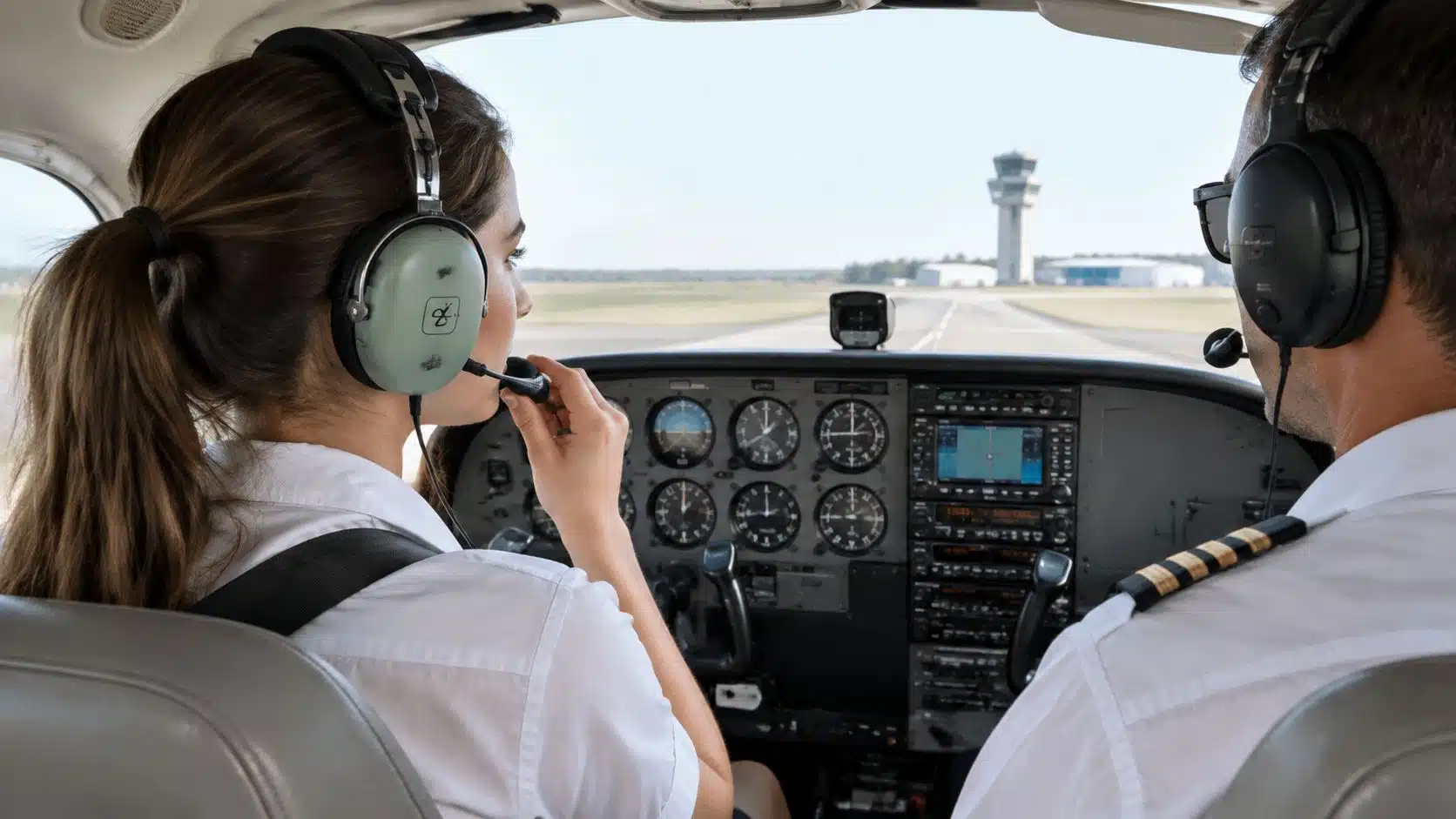
DuBois Aviation conducts instructor training from Chino Airport, a towered Class D airport where radio work is part of normal operations from the beginning. That environment matters because a new instructor must learn to manage clearances, ground movement, pattern communication, traffic awareness, and student workload without treating radio work as an isolated exercise.
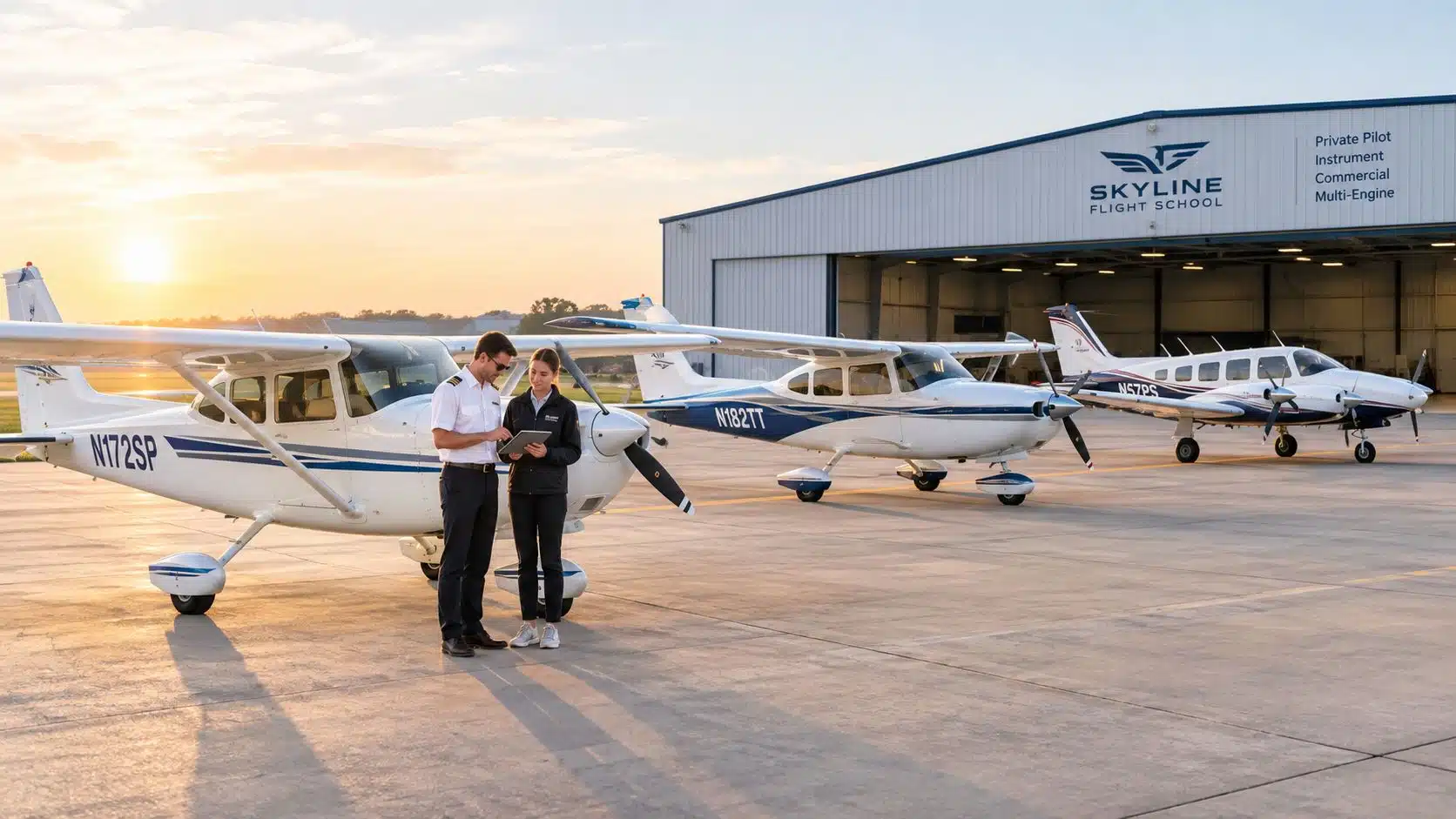
The training fleet supports different stages of the progression. The CFI phase uses a technically advanced Cessna 172 with a G1000-style panel for fundamentals, stalls, spin awareness, and teaching demonstrations. CFII training transitions to a complex Cessna 182 for instrument instruction, while MEI preparation uses a twin Piper Seneca for multiengine systems, performance, and emergency teaching.
The training environment should support repetition
A Frasca flight training device supports instrument scan work and emergency procedures without using the airplane for every repetition. That gives candidates a controlled place to practice teaching flows, instrument failures, and decision-making before applying the same skills in flight.
Candidates train with two designated CFIs assigned at enrollment. Scheduling takes place through an online booking portal that displays aircraft and instructor availability, while a crew room provides current ACS documents, lesson-plan templates, and quiet study space.
Ground training combines live classroom sessions with recorded lectures. Weekly stage checks mirror the ACS, which helps candidates identify weak areas before the practical test rather than discovering them during the examiner's questioning.
DuBois Aviation also supports broader airplane and helicopter training, aircraft rental, instrument, commercial, and multiengine progression at Chino Airport. A candidate considering the full instructor pipeline should ask for a written plan showing the aircraft assigned to each rating, expected stage checks, simulator use, instructor continuity, and the conditions required before a practical-test endorsement.
FAQs on the CFI CFII MEI Course
Does the CFI have to come first?
The initial CFI is the normal starting point, and the CFII and MEI are add-on ratings built on an existing instructor certificate. MEI can be pursued before CFII when the pilot has a specific multiengine teaching or career reason, but the base instructor pathway still comes first.
How long does the full progression take?
Many trainees plan for 8 to 12 weeks for CFI, 2 to 4 weeks for CFII, and 1 to 2 weeks for MEI in a concentrated schedule. Weather, aircraft availability, instructor scheduling, study preparation, and DPE access can extend those timelines.
What should a pilot budget?
A realistic all-in planning range is approximately $18,000 to $28,000 for all three ratings, including aircraft time, instructor fees, examiner fees, and materials. A school should confirm what the quoted amount includes and identify charges that remain separate.
Is CFII or MEI the better immediate add-on?
CFII is usually the more flexible next step because it supports instrument students at many flight schools. MEI can be the better choice when a school has consistent twin demand or when the pilot's career plan specifically depends on multiengine instruction.
Can the training be completed part-time?
Yes. A part-time schedule can accommodate work or school, but the full progression may take six to twelve months instead of four to five months, depending on availability and weather.
Can CFI training begin before the commercial checkride?
DuBois Aviation requires the commercial certificate to be issued before CFI training begins. Candidates should confirm their certificate status and remaining eligibility items before reserving the instructor course.
DuBois Aviation offers structured CFI, CFII, and MEI preparation with airplane, multiengine, simulator, ground-school, and stage-check support at Chino Airport. Pilots can visit DuBois Aviation to ask about course availability, review a personalized rating sequence, schedule a school tour, or request training information.