

The most common advice about pilot certificate maintenance, “keep your license current,” blurs two separate questions. A pilot certificate itself doesn't expire, but the right to act as pilot in command depends on requirements that run on their own schedules, including a flight review, recent-experience rules, and, for instrument flying, instrument currency. For renters, legal currency also doesn't automatically mean readiness in a particular aircraft.
A useful system tracks each requirement separately, checks the logbook before scheduling or dispatch, and treats aircraft-specific proficiency as its own decision. The result is a clearer answer to the question pilots face: not just whether a certificate is valid, but whether they may legally and safely make the flight they're planning.
Table of Contents
- Why Certificate Maintenance Is Different From Pilot Currency
- The 24-Month Flight Review Under 14 CFR 61.56
- Passenger Currency and the Six-Month Instrument Check
- Make and Model Proficiency for Renters and Returning Pilots
- CFI, CFII, and MEI Certificate Maintenance
- Regaining Currency After a Real-World Lapse
- Your 90-Day Certificate Maintenance Calendar
Two practical options worth comparing
These are specific products pilots commonly compare for this type of flying. Confirm compatibility with your aircraft and instructor before ordering.
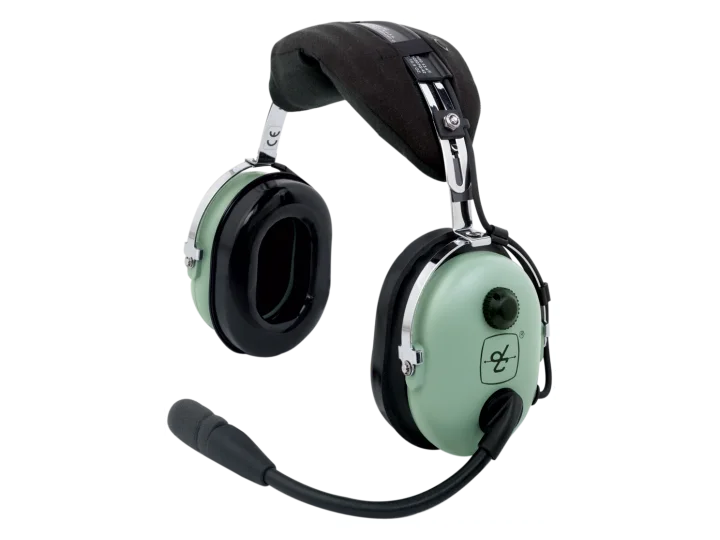 Student headsetDavid Clark H10-13.4 Aviation HeadsetCheck current availability on Amazon (paid link)
 OrganizationASA Flight BagCheck current availability on Amazon (paid link)
Why Certificate Maintenance Is Different From Pilot Currency
Ask a pilot whether their certificate is current and the first reflex is to glance at the plastic in their wallet. That reflex checks the wrong thing. The FAA treats the certificate itself as permanent: it doesn't expire. What runs out, on several independent clocks at once, is the legal right to exercise its privileges. FAA guidance on pilot certificates and currency

A school dispatch desk sees the confusion weekly. A renter shows up holding a valid private certificate, a logbook with a flight review dated more than two years ago, and a reservation for Saturday morning. The certificate is genuine. The flight, as booked, is illegal.
Currency isn't a single status either. A pilot can be legal for solo daytime flying, barred from carrying passengers, and current on instruments at the same time, because each requirement tracks different dates under different rules. Rental providers add one more layer on top: school policy can require a make-and-model checkout even when a pilot meets every FAA minimum.
Track each requirement on its own
A workable maintenance routine answers four questions separately before any flight gets booked:
- Certificate: Do the certificate and ratings cover the planned operation?
- Flight review: Are you eligible to act as PIC under the flight-review rule?
- Recent experience: Do you meet the applicable requirements for carrying passengers or acting as PIC under IFR?
- Aircraft readiness: Are you proficient in this specific aircraft, and has the provider completed any required checkout?
Separating the questions prevents a costly misread: treating the certificate card as proof of operational eligibility. It also lets the school prescribe the right training. A pilot who needs only a flight review shouldn't pay for a full refresher course, and a pilot who has never flown the school's aircraft needs a checkout regardless of what the logbook shows elsewhere. For the recurring requirements themselves, this guide to pilot currency requirements walks through each one individually.
Track the clocks. The card takes care of itself.
The 24-Month Flight Review Under 14 CFR 61.56
The flight review is a recurring proficiency requirement for pilots acting as pilot in command. Under 14 CFR 61.56(c), a person may not act as PIC unless they've completed a satisfactory flight review within the preceding 24 calendar months in an aircraft for which they hold the appropriate rating. FAA Advisory Circular AC 61-98E

An authorized instructor or other evaluator permitted under the regulation conducts the review. It includes at least one hour of ground training and one hour of flight training, addressing current general operating and flight rules in Part 91 and maneuvers and procedures selected by the evaluator. The review is a proficiency evaluation, not a pass/fail practical test, and the instructor determines whether the pilot's performance is satisfactory.
Plan before the deadline gets close
Waiting until the final weeks creates avoidable scheduling pressure. Weather, aircraft availability, instructor availability, or the need for additional practice can all affect timing. A pilot who schedules early has room to address weak areas rather than forcing the review into a narrow window.
A qualifying practical test or proficiency check may satisfy the flight-review requirement under § 61.56. Before booking a separate review, pilots should check whether a recent check or test qualifies, then confirm the applicable rule and documentation with an instructor or the FAA.
After a satisfactory review, the instructor records it in the pilot's logbook. The entry should make the completion clear to anyone checking the record, including a rental checkout instructor reviewing eligibility before dispatch.
Logbook check: Keep the flight-review entry easy to identify, and confirm that the date and instructor endorsement are legible before relying on it for a rental or flight.
Passenger Currency and the Six-Month Instrument Check
A returning renter can hold a satisfactory flight review and still be illegal for Saturday's family trip. The review under § 61.56 keeps the certificate exercisable; § 61.57 decides whether the pilot may carry those passengers, or file IFR, that day. Two separate gates, each checked on its own.
For passengers, § 61.57(a) and (b) look at recent takeoffs and landings rather than the review date. Three within the preceding 90 days, in the same category and class, cover daytime carrying. Night passengers raise the bar: landings to a full stop, during night hours. A pilot whose count is stale flies solo until it is back.
Instrument privileges run on a longer clock. Under § 61.57(c), acting as PIC under IFR or in weather below VFR minimums requires experience logged within the preceding six calendar months: six instrument approaches, holding procedures, and intercepting and tracking courses through navigational electronic systems. The FAA Advisory Circular AC 61-98B on instrument currency explains how that time counts and which experience qualifies.
The desk check when the logbook looks thin
If the first six months close, the regulation allows a further six calendar months to log the experience before a proficiency check becomes mandatory. Past that point, only an instrument proficiency check restores IFR PIC privileges. At the counter the read is quick:
| What the logbook shows | What happens next |
|---|---|
| Required experience within six calendar months | File and act as IFR PIC |
| First window closed, second still running | Regain it with an instructor or, where permitted, a safety pilot |
| Both periods expired | Complete an instrument proficiency check first |
The safety pilot still has to be legal for that role, and every approach that counts must appear in the logbook with dates. A checkout instructor reviewing eligibility will not accept a memory of approaches flown last spring.
The distinction that catches renters every season: a satisfactory flight review does not restore instrument currency, and fresh approaches do not satisfy the flight review. Verify each privilege against its own rule before anyone climbs into the back seat.
Make and Model Proficiency for Renters and Returning Pilots
A returning renter arrives with a fresh flight review and current passenger privileges, all earned in a Cessna 152. The airplane on the schedule is a Mooney M20B. The regulations allow that flight. Any chief instructor who has watched a renter fumble an unfamiliar fuel selector would still hold the keys. Category-and-class currency sets an eligibility floor, and it says nothing about whether the pilot can manage a retractable gear system or a sight picture that sits lower than anything they have flown.

FAA Advisory Circular AC 61-98, the agency's guidance on recent flight experience and flight reviews, recommends regaining currency in each specific make and model before carrying passengers. At a school running a mixed fleet, that recommendation reads as policy. A Cherokee checkout does not carry over to the Mooney. Time in a Cessna 150 says little about a Piper Apache, and airplane experience proves nothing in a Robinson or Enstrom helicopter.
At the dispatch desk, three questions settle most cases:
- Has the pilot flown this exact make and model recently, with logbook entries to show it? A short familiarization may be enough.
- Is the aircraft the same category and class but an unfamiliar model? Expect a full checkout covering systems, limitations, and observed handling.
- Does the move involve a new category, class, or configuration (complex, high-performance, tailwheel, multiengine, rotorcraft)? Treat it as initial training rather than a checkout.
A checkout and a flight review answer different questions. One confirms the regulatory baseline; the other confirms this pilot can operate this aircraft to the provider's standards. Passing one leaves the other open.
When recent experience does not match the aircraft on the line, asking for more dual is a sound safety decision. A rental provider can reasonably require it even from a pilot who is fully legal on paper.
CFI, CFII, and MEI Certificate Maintenance
A current instructor certificate can still lose the argument at dispatch. Under 14 CFR 61.197, renewal may rest on a practical test for a listed or added instructor rating, qualifying instructor-evaluation or operational service, or completion of an FAA-approved Flight Instructor Refresher Course. For the FIRC route, the course must have been completed within the preceding three calendar months for the evidence to support the renewal filing. FAA Notice N 8900.180
| Renewal route | When it fits | Evidence to keep |
|---|---|---|
| Practical test | The instructor is adding a rating or wants the checkride path | Test records and applicable endorsement information |
| Qualifying service or evaluation | The record already supports that route | Documentation showing the service or evaluation occurred |
| FAA-approved FIRC | The instructor wants a defined refresher path | Completion record, with the timing checked before filing |
Teaching every week does not renew the certificate by itself. The route has to be selected, the evidence has to match it, and the filing has to happen while the evidence still counts. Put the reminder early enough that a missing signature or date does not collide with a full schedule.
CFII and MEI privileges need the same discipline. A renewal package should address the instructor ratings the pilot intends to exercise; assuming one instructor privilege speaks for all of them is how an MEI ends up legal for single-engine instruction and unprepared for the multi syllabus.
Legal validity is only half the dispatch decision. A renewed CFI still has to meet the provider's aircraft expectations before passengers board, and the make-and-model checkout still controls which airplane leaves the ramp. Instructors weighing a structured option can review the CFI refresher course while they assemble the renewal evidence.
Regaining Currency After a Real-World Lapse
Consider a private pilot returning after two years away from flying and hoping to rent at a busy towered airport. A checkout flight shouldn't be the first step. The instructor needs to establish which requirements are satisfied, what has lapsed, and whether the pilot is ready for the aircraft and local operating environment.
Build the plan from the records
The school begins by reviewing the pilot's certificate, ratings, and logbook. That review identifies the flight-review status, passenger-carrying experience, instrument experience if relevant, and the pilot's recent experience in the intended make and model. If the pilot wants IFR privileges, the instructor checks the instrument record separately and explains whether an instrument proficiency check is needed.
A phased plan can start with ground review and an orientation flight in a familiar trainer. Simulator work may help rebuild instrument scan and emergency-procedure recall before flight, but it doesn't replace flight training or any regulatory requirement. Once the instructor sees adequate preparation, the pilot can work toward a satisfactory flight review and then complete the rental provider's aircraft checkout.
A common shortcut is to request a rental checkout immediately to save time. That often mixes two different tasks: restoring general proficiency and learning the rental aircraft. If the pilot needs substantial practice, using a checkout flight to address both can create confusion about what has been demonstrated and may lead to additional training anyway.
Before contacting a school, gather the pilot certificate, medical documentation if applicable to the planned operation, logbook, prior training records, and any aircraft-specific records or endorsements. Pilots who need instrument proficiency guidance can review the instrument proficiency check information. A clear sequence is: establish the record, identify the lapse, rebuild proficiency, complete the required review or check, then satisfy the aircraft checkout.
Your 90-Day Certificate Maintenance Calendar
Your certificate does not expire. Your privileges do, on several different clocks running at once. That gap between a valid certificate and a legal flight is what a rolling 90-day review exists to catch.
Set a recurring review and walk the same items each time: the flight-review date, passenger-currency landings, instrument experience, proficiency in each make and model you rent, and any instructor renewal pathway. Instrument pilots track the six-calendar-month experience window covered earlier, and flight reviews run on a 24-calendar-month interval, so schedule well before the deadline rather than at it. Part 107 remote pilots follow their own 24-calendar-month recurrent-training rule, tracked on the same calendar under FAA Part 107 recurrent-training guidance.
Instructors add their renewal route and its documentation timing. Renters add checkout status for each aircraft and any open training items. At a busy school, simulator slots, instructor flights, and checkride schedules fill weeks in advance, so booking early leaves room to fix a proficiency gap instead of flying expired. Pilots who want a simpler way to organize recurring tasks can adapt this Focus-boosting calendar advice.
Maintenance checklist
- Review records: Confirm logbook entries, endorsements, and supporting training documents are legible and organized.
- Check each privilege: Separate flight-review status, passenger currency, instrument currency, and aircraft proficiency.
- Set reminders: Record upcoming deadlines and schedule training before a lapse affects planned flying.
- Verify before dispatch: Recheck eligibility and aircraft checkout status before each rental flight.
The calendar drives the process, but the logbook and the applicable rules decide what you may legally do. If a record is incomplete or a requirement is unclear, resolve it before flight, not from memory.
DuBois Aviation offers airplane and helicopter instruction, aircraft rental, and training toward private, instrument, commercial, multi-engine, and instructor ratings at Chino Airport. To ask about course availability, schedule a school tour, or request training information, visit DuBois Aviation.


