
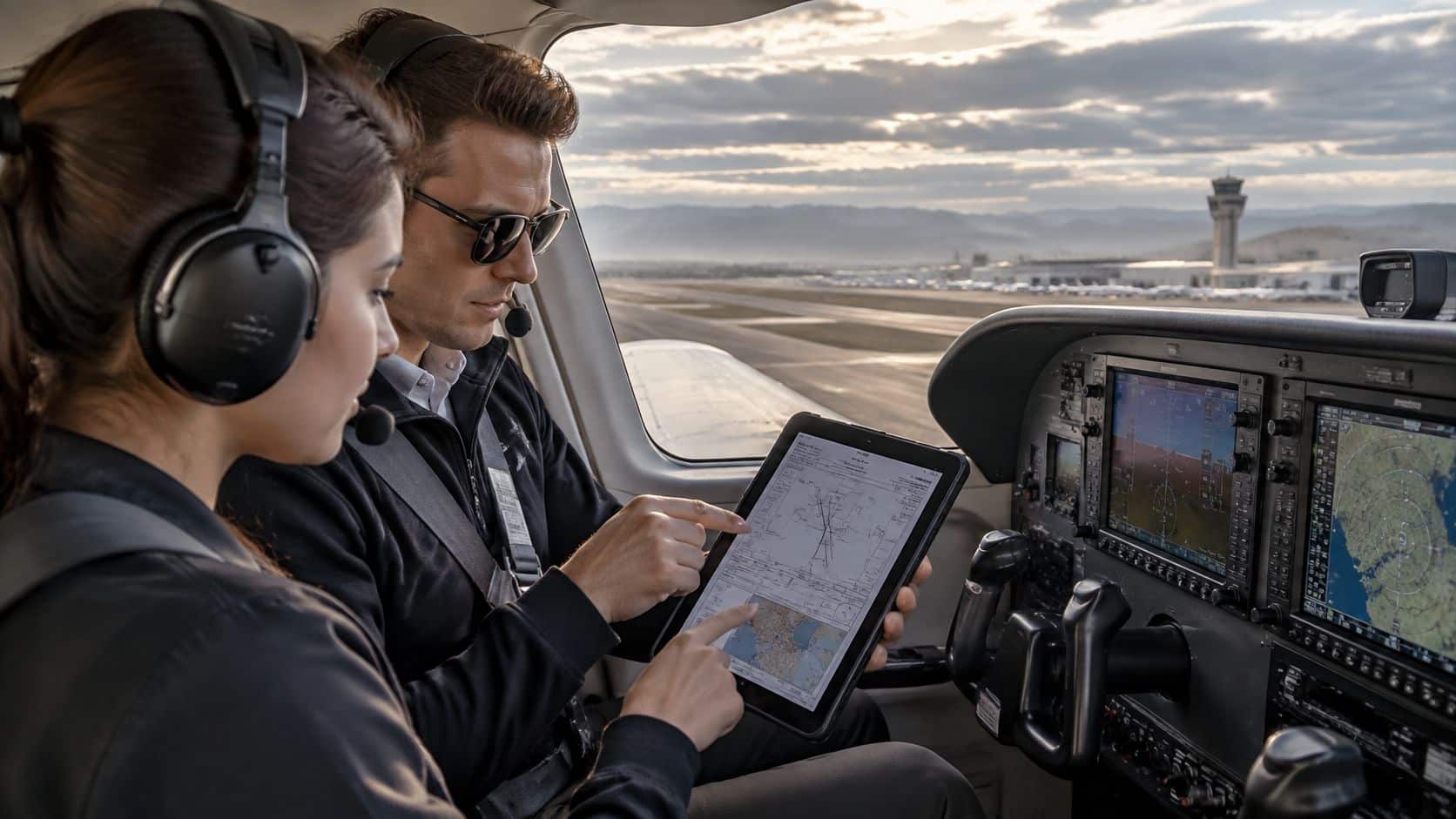
Across the decade examined in an FAA safety briefing, approximately 55% of accident pilots lacked an instrument rating, and the National Transportation Safety Board cited spatial disorientation in nearly 50% of the accidents reviewed. Those figures do not mean a rating removes risk. In my experience, rated pilots also fly more often in complex weather, so exposure grows along with skill. What the numbers do show is that structured instrument training is foundational if you fly at night, in haze, or in weather that deteriorates fast.
The best instrument rating course moves you from simulator procedures into the airplane, keeps you with the same CFII, and puts its completion standards in writing. Hourly rates and lesson counts tell you almost nothing about whether a course does those three things.
Table of Contents
- Which Course Format Fits Your Goals
- What the FAA Requires Before You Enroll
- Selection Criteria That Separate Strong Courses
- Realistic Cost and Timeline for an Instrument Rating
- DuBois Aviation as a Local Option at Chino Airport
- Choosing by Pilot Situation and Career Goal
- Next Steps and Common Mistakes
- Frequently Asked Questions
Two practical options worth comparing
These are specific products pilots commonly compare for this type of flying. Confirm compatibility with your aircraft and instructor before ordering.
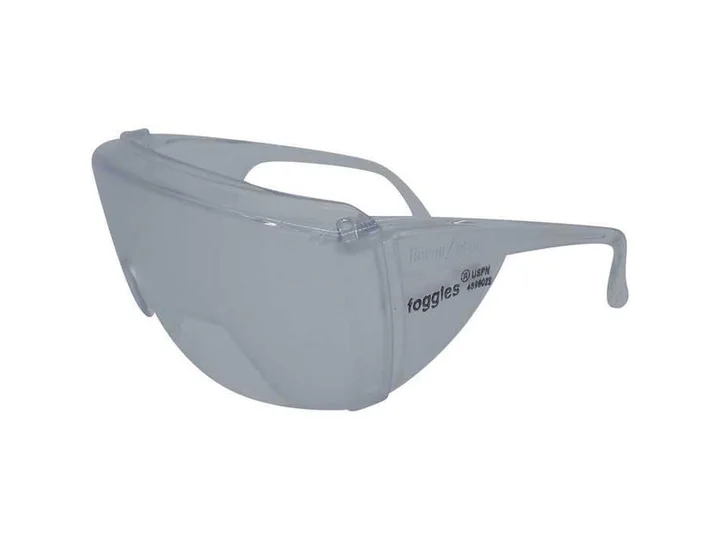 Instrument trainingFoggles Aviation IFR Training GlassesCheck current availability on Amazon (paid link)
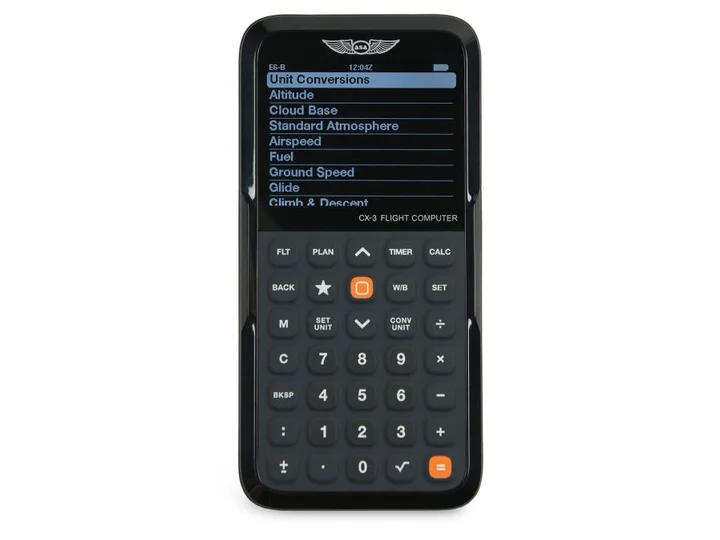 Flight planningASA CX-3 Flight ComputerCheck current availability on Amazon (paid link)
Which Course Format Fits Your Goals
Pick the format that you can fly often with the same instructor and a bookable airplane. A bargain rate doesn't help if the airplane sits in the shop or a new CFII restarts your scan every month.
Loss of outside visual reference is still a core general-aviation hazard. Formal instrument training is how you learn to control the aircraft, talk to ATC, and fly a procedure when the horizon disappears. The certificate is a proficiency milestone, not a promise that poor decisions become safe.
Four formats and the first check
| Course format | Best fit | Verify first |
|---|---|---|
| Local one-on-one Part 61 program | Students who want scheduling flexibility and a personal syllabus | Aircraft and CFII availability during your preferred hours |
| Part 141 school | Students who want a structured syllabus and the lower 35-hour instrument minimum | Current Part 141 approval and published completion data |
| Online ground school plus local flight training | Students studying around work who want to fly with a CFII at a nearby airport | How ground credit is verified and how it links to flight lessons |
| Simulator-heavy program | Students who want to rehearse procedures at lower aircraft cost | Simulator qualification level, tasks it supports, and aircraft validation flights |
Read the provider's current site before you treat a syllabus as real. National online or hybrid ground programs, structured Part 141 schools, and local Part 61 providers all need the same three checks.
- Approval status: Confirm the school or device approval that the advertisement claims, including whether a Part 141 certificate is current.
- Published syllabus: Look for lessons mapped to departures, en route work, holding, approaches, and missed approaches, not a vague hour package.
- Ground credit: Ask how an approved home-study or online course is endorsed and how those lessons show up in the flight schedule.
For the structured-school path, line the claims up with instrument rating requirements under Part 141. Don't trust a price or a pass rate that the provider hasn't published.
Shortlist two formats. Compare them on simulator credit, instructor stability, aircraft access, radio workload, and a written cost range before you send a deposit.
What the FAA Requires Before You Enroll
An instrument rating is a federal qualification under 14 CFR 61.65, not an informal weather class. The regulation sets the gate. A polished brochure doesn't.
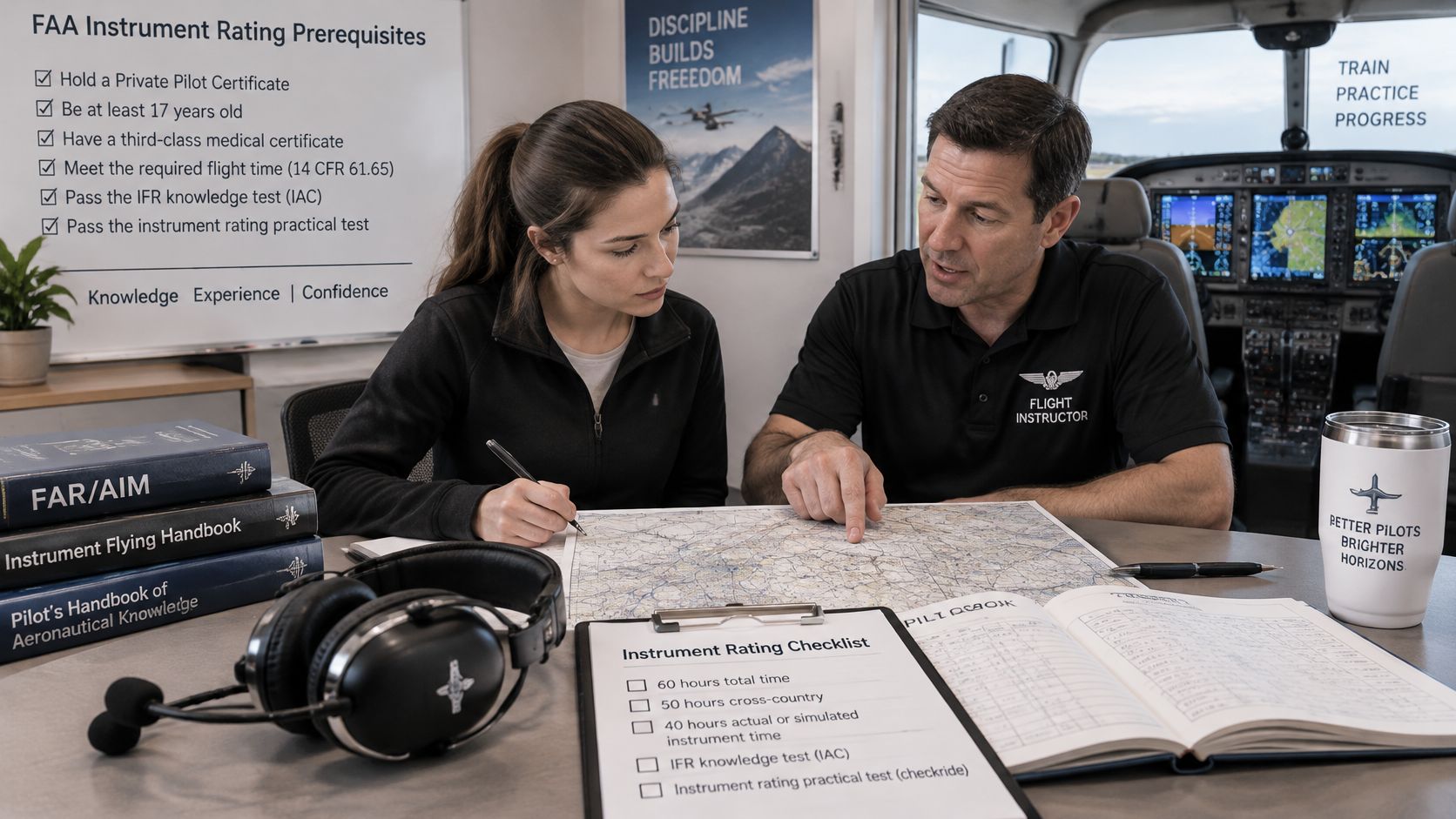
The items below are regulation. Standards can be revised, so recheck the current text and the ACS version before you enroll or take a test.
- Hold a private pilot certificate, or apply for it concurrently, with the appropriate aircraft category and class rating.
- Be able to read, speak, write, and understand English, unless the FAA has imposed a limitation for a qualifying medical condition.
- Complete the required ground instruction or an approved home-study program.
- Pass the aeronautical knowledge test after the instructor endorses you for it.
- Receive instructor endorsements confirming readiness for both the knowledge test and the practical test.
- Pass the practical test in an appropriate airplane, or in an approved full-flight simulator or flight training device for the particular task or approach flown.
Training may be logged in an appropriate aircraft, full-flight simulator, or flight training device that represents the category and rating sought. That permission is not a blank check to finish the rating in any desktop box.
What the practical test actually covers
The practical test follows the FAA Instrument Rating, Airplane Airman Certification Standards, identified as FAA-S-ACS-8C, issued in November 2023. The ACS evaluates preflight preparation and procedures, ATC clearances, departures, en route operations, instrument approaches, missed approaches, emergencies, and postflight procedures. You also have to show you can use instrument navigation and approach systems, including eligible nonprecision approaches and at least one precision or precision-like approach such as an ILS or LPV when it applies.
Judge a course by how fully it trains those areas, including control without outside visual references, communications, weather, and a safe missed approach. Hour totals belong next to that task list. The instrument rating hours page is a useful companion while you map what you already have logged.
Checklist to take to a school
These items are recommendation, not extra regulation. A written syllabus isn't a FAR paragraph, but you can't audit a course without one.
- Prerequisites: Private certificate or a concurrent application, English eligibility, and a plan for any missing cross-country time.
- Ground plan: A named home-study or ground course and the endorsement path to the knowledge test.
- ACS-aligned syllabus: Lessons that name departures, en route, holding, approaches, missed approaches, emergencies, and postflight.
- Endorsement process: Who signs knowledge-test and practical-test endorsements, and what you must demonstrate first.
Selection Criteria That Separate Strong Courses
Marks of the best instrument rating course
A course can look efficient in a device and still leave you behind on the radio, in real weather, or when an aircraft system misbehaves. Transfer is what decides whether the simulator time paid off. Schools are combining aircraft, simulators, and digital modules to manage capacity and cost, and that mix helps only when the design is deliberate.
Industry reporting on the U.S. civil aviation flight training market put the 2025 median completion time for an instrument rating at 15 weeks, and the same reporting associates instructor turnover with longer completion and more checkride failures. Ask how long your CFII has been on staff and who covers lessons if they leave, because continuity is a selection criterion, not a nice extra.
| Criterion | What to ask | Strong sign |
|---|---|---|
| Simulator credit | Which device is qualified and for which tasks? | Named qualified device and documented aircraft validation flights |
| Instructor continuity | How many CFIIs are on staff and how often do instructors change? | The same instructor through most of the syllabus |
| Aircraft access | How far ahead are aircraft booked in peak season? | Written scheduling rules and a backup aircraft policy |
| Realistic workload | Is ATC and radio practice included? | Towered-airport practice, approach variety, and partial-panel scenarios |
| Total cost | What are the low, typical, and high estimates? | A written remaining-requirements estimate for your situation |
Simulator time is an efficient way to repeat holds, avionics programming, and approach setups. Regulatory credit and readiness aren't the same thing. Sound instructional design teaches a procedure in the device until the learner performs it successfully, then verifies it in the aircraft against the certification standards. Recurring airplane lessons are what build physical workload and confidence, so a syllabus heavy on device hours still needs aircraft time woven through it rather than saved for the end.
Ask which tasks stay in the device and which are flown afterward. Partial-panel work, abnormal situations, a mix of approaches, and a final aircraft proficiency check belong on that list. A school that can name its split in writing has thought the progression through, and a school that quotes only an advertised simulator percentage has not.
Judge the paperwork before the marketing. A course that can hand you the device qualification, the task-by-task split, and a written remaining-hours estimate is already showing you its standards.
Realistic Cost and Timeline for an Instrument Rating
FAA minimums are eligibility floors, and your real budget starts above them. Use the table as a lookup, then price your own remaining work.
| Measure | Value | Note |
|---|---|---|
| Part 61 instrument training minimum | 40 hours actual or simulated | 14 CFR 61.65; confirm the current text |
| Part 141 instrument training minimum | 35 hours | Applies only to Part 141 programs |
| Part 61 pilot-in-command cross-country time | 50 hours | 14 CFR 61.65; confirm the current text |
| Published 2026 total cost estimate | Roughly $8,000 to more than $18,000 | Third-party estimate, not FAA data |
| Reported completion time | A few months at a steady training pace | Industry reporting varies; treat any single figure as a planning reference |
| Remaining-hours estimate for your situation | Written low, typical, and high figures | Request this from each school before you enroll |
The cost range above is a third-party estimate, and the same analysis notes that no dependable public dataset establishes the average hours students need. Treat any headline hour count as a guess until a school writes yours down.
What moves the total
Simulator eligibility can replace some expensive airplane time and can also hide weak airplane practice. Aircraft rental and CFII time are usually the large lines. Instructor preparation, the knowledge test, and checkride fees sit on top. Weather cancellations and unfinished cross-country time stretch both the calendar and the invoice.
Working adults feel this fastest. A two-week gap costs more than a slightly higher hourly rate, because you buy review lessons to get the scan back. In busy Southern California airspace, schedule slips and airport congestion can erase the savings of the cheapest-looking school. Block-rate aircraft discounts at DuBois Aviation can reduce training costs, and the savings depend on aircraft choice and hours flown.
Price one scenario in full before comparing schools. If you still owe much of the 50-hour PIC cross-country requirement, a large share of your budget goes to building that time before the instrument syllabus even starts, so a school quoting only the instrument-training line is quoting a partial bill. Add what a two-week gap costs in review lessons, then compare quotes on equal terms. Students weighing a faster calendar can look at accelerated IFR training as a scheduling option, not as a shortcut around the ACS.
A three-step budget
- List every remaining requirement, including instrument time, cross-country PIC, ground training, and endorsements.
- Price each line under low, typical, and high assumptions for aircraft, instructor, and device time.
- Add a retest allowance for the knowledge test and the practical test, plus a note on what happens if the airplane or instructor is unavailable.
DuBois Aviation as a Local Option at Chino Airport
DuBois Aviation is a flight school and aircraft rental provider at Chino Airport (KCNO) in Chino, California, offering one-on-one airplane and helicopter instruction from the first discovery flight through advanced ratings.
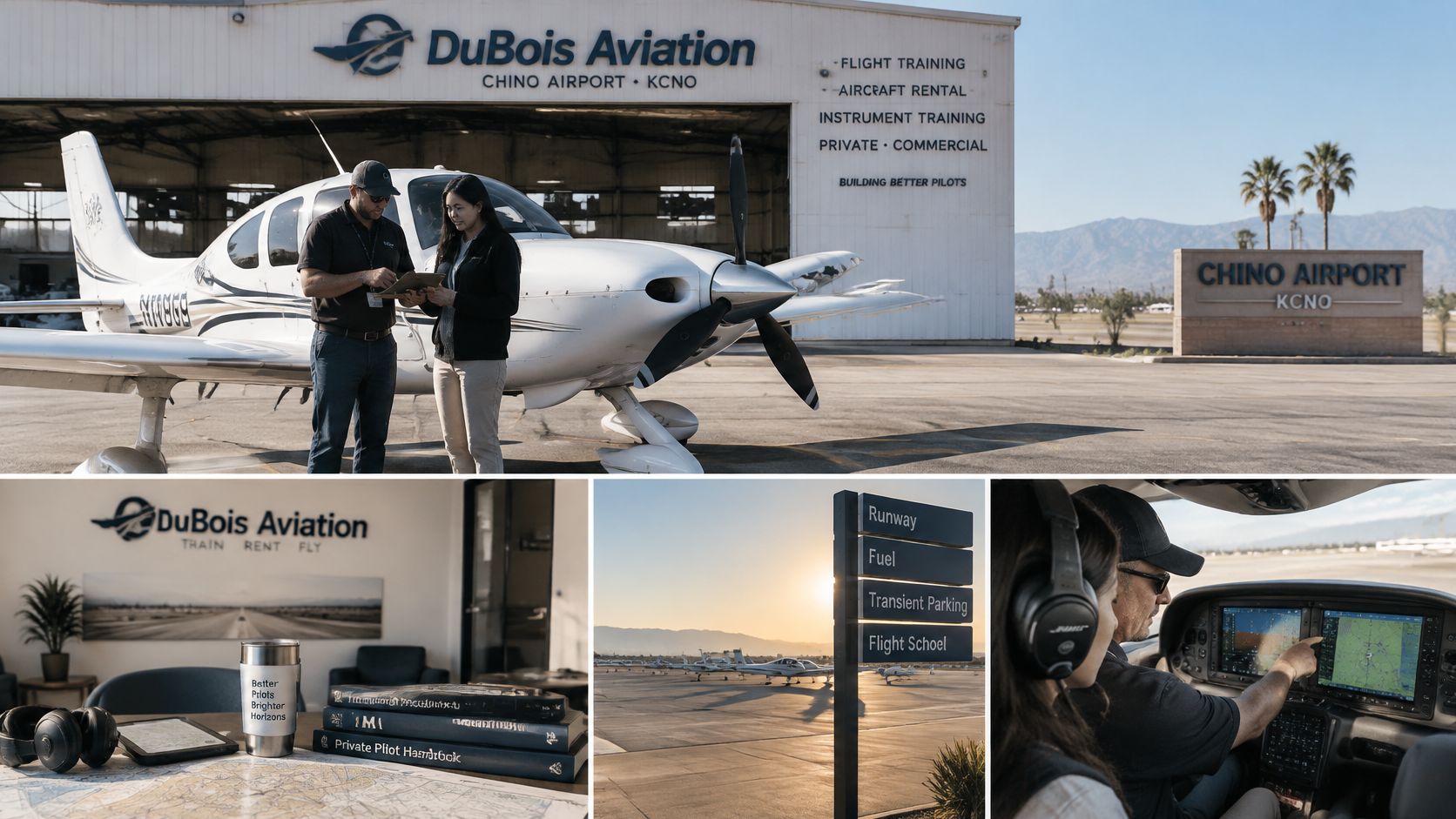
Chino is a towered Class D airport with three runways and multiple instrument approaches, so radio calls, traffic sequencing, and real airspace procedures show up early instead of on the last lesson before a checkride. Confirm current airspace, runway, and approach details in the FAA Chart Supplement before you plan a flight. Published charts change. A blog paragraph shouldn't be your only source.
Who teaches and how lessons run
All flight instruction and ground school is one-on-one with qualified instructors using Jeppesen Learning Materials. Instructor continuity matters more than a famous name on the schedule, so ask which CFII would fly your instrument syllabus and whether that schedule holds for the next two months. On the current roster, Ben Mount holds CFI and CFII ratings with 840 total time and 275 dual given, and Weston Michels holds CFI and MEI ratings with 1,100 total time and 600 dual given.
The school is a four-time AOPA Distinguished Flight School, recognized through AOPA's Flight Training Experience Awards for the quality of the student training experience.
Written completion standards are easier to verify at a school that tracks them openly. The school's Pilot Training Tracker software brings flight and ground progress, instructor feedback, and next steps into one place, so you can see completed tasks, skills that need practice, and the next stage of training. Ask to see it before you enroll. A school that can show you the remaining-task list can usually price it.
Simulator-to-aircraft progression
The facility includes a Gleim BATD. Simulator time counts toward loggable instrument credit only when the device and the program meet the FAA rules for that task, so ask how the school sequences device sessions against airplane lessons rather than how many simulator hours it sells. A multi-engine aircraft is available for training and for renters who have trained with the school. Confirm the model and scheduling rules when you visit.
Aircraft availability, weather, and examiner scheduling all move the calendar. Private-pilot progress at the school already depends on preparation, proficiency, weather, aircraft, and examiner dates, and instrument training carries the same constraints. Stage-check flights review flying skills, procedures, and decision-making before solo, and a checkride checkout reviews flight and ground preparation before the FAA practical test. Neither replaces required instructor training, endorsements, or the examiner's decision.
If a towered-airport setting, one-on-one lessons, and visible progress tracking match how you want to train, schedule a discovery flight at DuBois Aviation and ask about instrument-training availability, instructor assignment, and device credit in the same conversation.
The short school video shows the training setting more clearly than a rate sheet.
Choosing by Pilot Situation and Career Goal
The same school can be a good fit for one pilot and a poor fit for another. Match the syllabus to the calendar you have. Confirm regulatory details against the current rule text before you rely on them.
Working adult, two or three lessons a week. Gaps erase instrument proficiency faster than they erase traffic-pattern skills. Prioritize a CFII whose schedule is stable and a written remaining-hours estimate you can fund.
Consistency beats intensity you can't sustain. A steady twice-a-week rhythm protects the scan better than a cheap slot you keep cancelling.
Career-track pilot heading toward instrument, commercial, CFI, or CFII. You need a syllabus aligned to the Airman Certification Standards and an instructor who will teach to checkride tolerances, not just to "safe enough." Use the simulator to repeat procedures, then validate them in the aircraft. A fast calendar only helps if that sequence stays intact.
Procedure repetition in the device, then airplane validation, is the career-track filter. Hour minimums are not.
Renter or rated pilot who hasn't flown instruments lately. Currency comes before more training purchases. Under 14 CFR 61.57(c), during the six calendar months before the month of the flight you need six instrument approaches, holding procedures and tasks, and intercepting and tracking courses. Those tasks may be in actual instrument conditions or under a view-limiting device. Miss the window and you get another six calendar months to regain currency with a safety pilot or other permitted setup. After that, an instrument proficiency check is required before you exercise instrument privileges. Log the location and type of each approach.
Check the recency rule before you book a rental or a refresher. A lapsed window can mean an instrument proficiency check, not just another practice approach.
Next Steps and Common Mistakes
The FAA Aviation Instructor's Handbook states that pilots who hold instrument ratings have a significantly better safety record than pilots with comparable flight time who haven't completed formal instrument-rating training. A practical way to keep that edge after the checkride is a standing instrument session on the calendar each month, rotating approach types, holding, and a missed approach so the procedures stay sharp. Approved flight simulation training devices may support portions of the practical test, including tasks with IFR-approved RNAV or RNP systems when the device accurately replicates the installed equipment.
Map any course you keep to the ACS: instrument departure, en route, holding, approaches, missed approaches, navigation systems, and risk management. Then use this sequence.
- Shortlist two formats from the comparison table and drop the rest.
- Request a written remaining-requirements estimate with low, typical, and high budgets.
- Ask for measurable completion standards: stabilized approach tolerances, altitude, heading, and airspeed tracking, missed-approach execution, approach-briefing quality, and recovery from automation or navigation failures.
- Confirm which simulator is qualified for loggable credit and which tasks are flown in the aircraft afterward.
- Ask about course availability or request a school tour. A discovery flight lets you sit with an instructor, see how lessons work, and ask questions before you choose a path. You meet the instructor, review the plan, and fly from Chino Airport with guidance the whole way.
- Enroll only after the written estimate, the syllabus, and the completion standards match your goals.
Common mistakes are predictable.
- Chasing the lowest hourly rate: You pay the difference in extra review when the airplane or instructor isn't there.
- Buying on advertised lesson counts: A package built around a fixed number of hours says nothing about whether each lesson moved you toward the completion standards above.
- Treating a pre-checkride review as a pass guarantee: A checkout or stage check verifies your preparation for the practical test. It is separate from the examiner's checkride and doesn't promise a pass.
- Ignoring currency after the rating: Pass the checkride, then keep a plan for approaches, holding, and tracking so the privileges stay usable.
Confirm current FAA requirements and the ACS edition with the provider and the primary sources before you enroll. Lesson counts are a weaker signal than those standards, especially for towered-airport flying.
Frequently Asked Questions
Do you need an instrument rating to fly in clouds
Under the flight rules in 14 CFR Part 91, a pilot without an instrument rating generally can't act as pilot in command under IFR or in instrument meteorological conditions. Special rules exist for specific situations, so confirm the current eCFR text of Part 91 before a flight. Weather that looks like "a thin layer" can still be IMC.
Can the whole rating be finished in a simulator
No. 14 CFR 61.65 allows specified training and certain practical-test tasks in a qualified full-flight simulator or flight training device, including devices approved under 14 CFR Part 60 when they're used within the limits of an approved program. The airplane still has to prove control, workload, and the tasks the device isn't authorized to cover.
How long does an instrument rating take
Timelines vary widely, and the schedule drives the outcome more than the syllabus does. How often you fly, aircraft availability, weather, and whether the same CFII stays with you through the rating all move the finish date. Two students at the same school can end months apart on different weekly frequencies. When a provider quotes an average completion time, ask what lesson frequency and what instructor continuity that figure assumes.
Is Part 61 or Part 141 the better path
Part 141 programs run under an FAA-approved syllabus with a lower training minimum, while Part 61 offers more scheduling freedom. The hour figures and what counts toward them are covered in the requirements and cost sections above. Choose by schedule, syllabus structure, and instructor access, because a lower minimum on paper doesn't guarantee a faster or cheaper finish.
Does an instrument rating expire
The rating itself doesn't expire. Instrument privileges do depend on recency under 14 CFR 61.57(c). Check that currency before every instrument flight, and plan an instrument proficiency check if you've fallen outside the window the rule allows.
DuBois Aviation trains instrument students one-on-one at Chino Airport, with Jeppesen materials, aircraft rental, and an on-site Gleim BATD used within the credit rules that apply. If you're comparing formats, ask about instructor availability, device credit, and a written remaining-requirements estimate. Visit DuBois Aviation to check instrument-course availability or to schedule a school tour.


