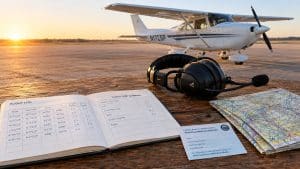
You already know the feeling. You finish a solid cross-country in a Cherokee or a Cessna, shut down, and your eyes drift toward the twin on the ramp.
It looks like the next step because it is. More speed. More systems. More consequence. More opportunity.
For a lot of pilots, the search starts the same way: multi engine training near me. What they usually find is a list of hourly rates, aircraft photos, and promises about getting done fast. What they often do not find is the part that matters most after the temporary airman certificate is in your hand. Will this training hold up in busy airspace? Will it prepare you for airline-style cockpit workload? Will it leave you with a rating you can use without getting blindsided by ownership and insurance realities?
Two practical options worth comparing
These are specific products pilots commonly compare for this type of flying. Confirm compatibility with your aircraft and instructor before ordering.
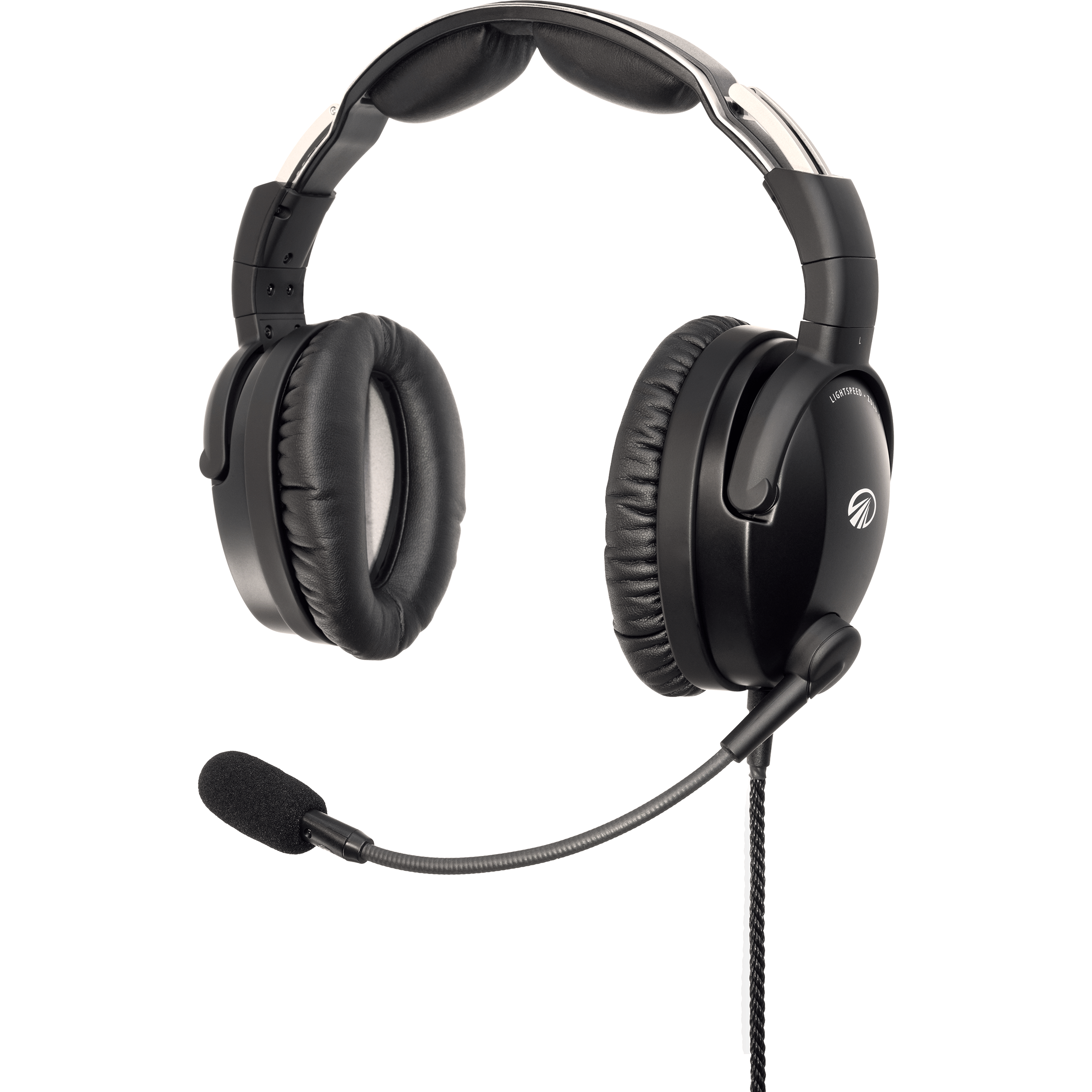 Premium ANR headsetLightspeed Zulu 4 ANR Aviation Headset - Dual GA PlugCheck current availability on Amazon (paid link)
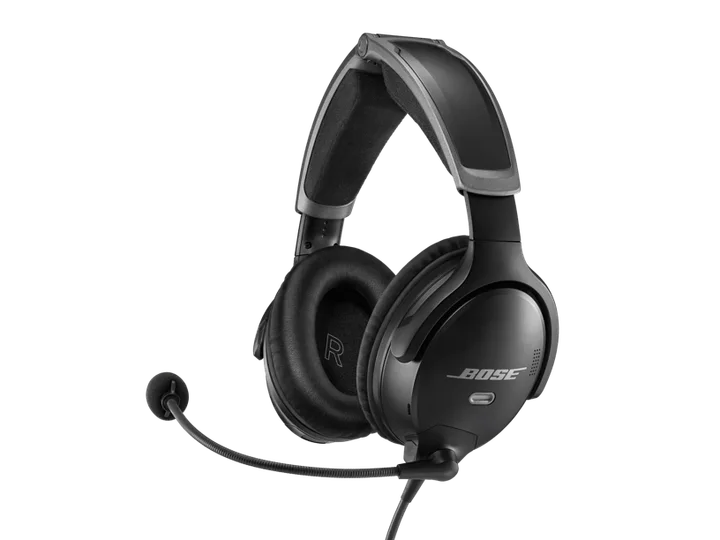 Premium headsetBose A30 Bluetooth Aviation Headset - Dual PlugCheck current availability on Amazon (paid link)
A good multi-engine course does more than teach engine-out drills to checkride standards. It should sharpen judgment, raise your scan, and expose weak habits that a single-engine cockpit can let you hide.
That is especially true in Southern California, where the training environment can either make you more capable or make you current enough to pass.
Your Next Horizon Awaits Beyond a Single Engine
A single-engine pilot usually reaches this point for one of two reasons. Career progression starts pushing harder, or personal flying goals get bigger than what one engine and a simpler airframe can comfortably deliver.
The first sign is often practical, not romantic. You start reading job postings. You notice how often multi-engine time shows up in the path to the right seat of something larger. Or you start thinking about traveling farther, carrying more, and flying a machine with systems that demand cleaner cockpit management.
A twin changes the way you think in the airplane. It is not just a faster cross-country platform. It is a discipline upgrade.
One engine no longer means one power source, one fuel flow path, one propeller, and one simplified response pattern. In a multi, the airplane asks for better planning before takeoff, sharper rudder work after liftoff, and more disciplined systems management in cruise and descent. If your habits are loose, a twin exposes them quickly.
A strong multi-engine student is rarely the one with the flashiest stick-and-rudder style. It is usually the pilot who briefs clearly, identifies priorities early, and stays ahead of the airplane when the workload spikes.
Southern California adds another layer. Searching for multi engine training near me is not only about distance from home. It is about where you will build those habits. A school based at a towered field with real traffic flow, real sequencing, and real radio pressure gives you a different kind of readiness than a quiet airport where you can spend half the lesson talking to no one.
That difference matters if you plan to fly professionally. It also matters if you plan to own a twin and use it seriously.
What is a Multi-Engine Rating and Why Should You Get One
A multi-engine rating, usually Multi-Engine Land (MEL), adds privileges to your current pilot certificate so you can act as pilot in command of an airplane with more than one engine. It is an add-on rating, not a separate license.
You do not need a commercial certificate to earn it. A private pilot can add multi-engine privileges, and many pilots do it during commercial training because it lines up with later hiring minimums and insurance expectations. If you want the training path laid out clearly, review these multi-engine rating requirements.
What changes is not just the second engine. The whole workload profile changes.
In a twin, the airplane demands disciplined preflight planning, cleaner power and configuration changes, and a sharper understanding of what the aircraft will do if an engine quits at the worst possible time. Students often arrive expecting “more performance.” The better lesson is that multi-engine flying is really about performance management. On some days, with the wrong weight, temperature, and configuration, a twin gives you very little excess capability after an engine failure.
That is why good training matters so much. A school that teaches multi-engine work in a busy towered environment gives you practice handling checklists, callouts, traffic, and ATC while the workload is high. That environment mirrors the kind of cockpit pressure career pilots will see later, and it exposes weak habits early.
What changes in the cockpit
Three areas usually separate a solid multi student from one who is just getting through the checkride:
- Asymmetric throughst: If one engine underperforms or fails, the airplane yaws and rolls aggressively. Prompt rudder input, proper pitch control, and correct identification matter.
- Single-engine performance: A twin may climb, hold altitude, or descend after an engine failure. The result depends on weight, density altitude, drag, and how quickly the pilot cleans up the airplane.
- Systems management: Propellers, fuel, electrical load, engine instruments, and emergency checklists all require tighter cockpit organization than most single-engine training does.
That reputation for difficulty is earned. Multi-engine flying punishes hesitation and sloppy sequencing.
Why pilots pursue it
Some pilots want access to cabin-class twins or light piston aircraft for personal travel. Others are building time for charter, corporate, or airline work. Both are good reasons, but the long-term value of the rating usually comes from three practical advantages.
Career progression
Multi time gets attention early in professional flying. It signals that you have trained in a higher-workload aircraft and can manage more than a basic trainer cockpit.Better preparation for real operations
Training at a quiet field can get you through maneuvers. Training in regular traffic flow, with tower communications and tighter sequencing, prepares you better for the pace of commercial flying.Fewer surprises with ownership and insurance
Pilots shopping for a twin often focus on purchase price and overlook insurance requirements. Underwriters commonly care about total time, complex time, and recent multi training. A well-structured rating in the right environment can make that transition smoother than a bare-minimum course that only checks the ACS box.
The wrong mindset is “I have a backup engine.” The right mindset is “I have an engine-out problem to manage correctly, immediately, and in order.”
A strong multi-engine course improves more than your ability to fly a twin. It sharpens your briefings, checklist discipline, systems awareness, and decision-making under pressure. Those gains carry into every airplane you fly after the rating.
Your Multi-Engine Training Budget and Timeline
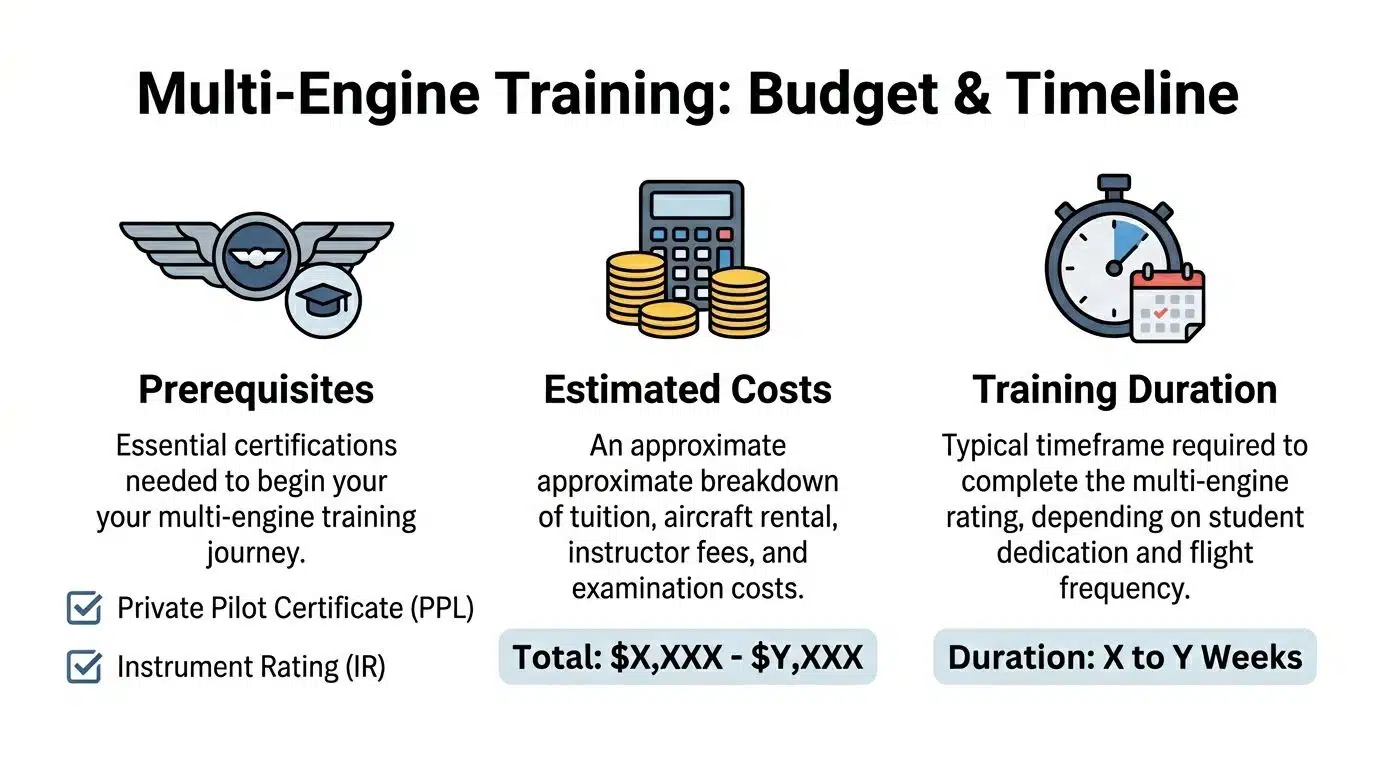
A pilot books a three-day multi add-on, shows up rusty on instrument scan, and spends the first lesson chasing headings and airspeeds in a twin that rents for far more than a single. That is how a cheap package turns into an expensive rating.
The two questions that matter are still time and cost. The better question is what drives both.
What the timeline looks like
Multi-engine training in the United States usually falls somewhere between an accelerated add-on and a more structured course. Blueline Aviation’s multi-engine program overview lists programs ranging from about 8.5 to 25 flight hours, with shorter Part 61 options completed in as little as 3 days with 8 hours of flight instruction, more typical accelerated courses running 5 days with 12 to 17 hours, and Part 141 courses stretching to 10 days and 25 flight hours. The same source notes that ground training often includes about 9.5 to 10 hours on systems, aerodynamics, and emergency procedures.
That spread is normal.
A sharp commercial pilot who arrives current, prepared, and comfortable in a higher-workload cockpit may finish near the low end. A pilot who needs review on instrument habits, callouts, or checklist flow usually needs more time, and that extra time is not wasted. It is where good habits get built before the checkride and before an insurance underwriter starts asking harder questions about recent experience in type.
What the budget looks like
Cost follows the same pattern. Summit Flight Academy’s pricing breakdown for multi-engine training puts the range at $4,400 to $11,600, depending on whether you are earning an add-on rating or starting with a larger initial multi-engine program.
Useful cost anchors include:
- Add-on ratings: often $4,400 to $6,090
- Typical add-on package: about $4,750, including 8.5 hours of flight time, simulator sessions, and checkride prep
- Ground instruction: often $600 to $700
- Aircraft rental: about $85 to $345 per hour, depending on simulator time versus twin time
- Initial multi-engine certification: around $11,600
- Checkride component: often adds $1,500
For a more detailed breakdown of fixed and variable expenses, review this guide to multi-engine rating cost.
The advertised package price is only part of the true budget. The long-term cost shows up later if your training did not prepare you for a busy operating environment, or if you leave with the rating but not enough polish to satisfy an employer, mentor pilot, or insurer. That matters for pilots planning to fly cabin-class twins, instruct in multiengine aircraft, or build time toward charter and airline work.
Where pilots usually spend more than expected
The biggest budget mistake is paying twin rates for single-engine problems.
If basic attitude flying is inconsistent, if instrument scan has gotten lazy, or if flows are not automatic, the airplane becomes a very expensive classroom for skills that should already be in place. I have seen students save thousands by spending a few hours before the course cleaning up scan, power settings, and checklist discipline in a cheaper aircraft or approved simulator.
Three questions sort this out fast:
- Are your instrument skills current enough to keep up when the workload spikes?
- Can you hold heading, altitude, and airspeed precisely while running a checklist and talking on the radio?
- Have you already studied the aircraft systems, limitations, and engine-out procedures before lesson one?
If any answer is no, fix that first.
That preparation does more than shorten the course. It gives you room to train in the kind of environment that pays off later, especially at a busy towered airport where radio pace, sequencing, and cockpit task management feel closer to commercial flying than a quiet practice area. For career pilots, that is often the better value than the lowest sticker price.
How to Choose the Right Multi-Engine Flight School
A low advertised package price can be useful. It is not the same thing as good training.
In multi-engine work, the school matters because the environment matters. The airport, the fleet, the instructors, and the scheduling system all shape how much real competence you build before the checkride.
Why airport environment matters
Training at a towered airport is not just a convenience. It changes the pace of every lesson.
According to USAeroFlight’s review of multi-engine training factors, FAA data shows pilots trained at towered airports in Class D or C environments had 28% fewer checkride failures in multi-engine add-ons. The same source notes NTSB reporting that poor airspace integration appeared in 35% of twin-engine incidents.
Those two numbers line up with what instructors see in practice. Students who train where they must manage sequencing, runway changes, traffic calls, and radio compression tend to transition better into professional flying environments. They are already used to aviate, direct, communicate in the correct order while the airplane is asking harder questions.
What to ask before you commit
Use the school interview like a preflight. Specific questions get useful answers.
| Area to Investigate | Key Questions to Ask |
|---|---|
| Fleet | What twin do you train in, how is it maintained, and how often is it down for maintenance? |
| Instructor quality | Will I train with an active MEI, and how much of the course is one-on-one in the airplane versus ground briefings? |
| Airport environment | Do most lessons operate in towered airspace with regular traffic and instrument approaches? |
| Scheduling | Can I train on consecutive days, and what happens if weather or maintenance interrupts the plan? |
| Training style | Is the course built around checkride minimums only, or around real single-engine decision-making and systems understanding? |
| Simulator support | Can I rehearse engine failures, flows, and emergency sequencing in a simulator before doing them in flight? |
| Post-rating support | Do you offer recurrent training or transition instruction for pilots who plan to rent or buy a twin? |
A useful school conversation should sound practical, not polished. If the answers stay vague, keep looking.
The signs of a strong program
A good school usually shows its quality in ordinary details:
- Clean dispatch habits: Logs, squawks, and scheduling are organized.
- Aircraft consistency: The twin is not always “coming out of maintenance next week.”
- Briefings that matter: Instructors correct your thought process, not just your ACS wording.
- Realistic workload: Training includes radio management and traffic flow, not only isolated maneuvers.
For a broader framework, this guide on how to choose a flight school is worth reviewing.
If a school sells speed but cannot explain how it protects training continuity, maintenance reliability, and instructor availability, you are not buying efficiency. You are buying uncertainty.
The DuBois Aviation Advantage for Career Pilots
The strongest local fit for many Southern California career pilots is a program built around three things. A real twin, a real towered airport, and enough scheduling flexibility to keep momentum.
At Chino Airport, KCNO gives students exactly the kind of traffic management and radio environment that matters later. Three runways, regular sequencing, and instrument procedures force pilots to stay ahead of the airplane instead of waiting for a quiet moment that never comes in professional flying.
DuBois Aviation operates at KCNO with one-on-one instruction, an in-house simulator, flexible seven-day scheduling, and a fleet that includes a Piper Apache for multi-engine training alongside other airplanes and helicopters. For a pilot searching multi engine training near me in the Inland Empire or greater Southern California area, that setup is relevant because it combines aircraft access with a complex training environment, rather than separating the two.
One reason students stall in multi-engine training is interruption. According to Tennessee Flight Training’s multi-engine overview, most pilots complete the rating in 10 to 15 flight hours, while calendar completion depends heavily on weather and scheduling. The same source notes the FAA requires 15 multi-engine hours for regional airline qualification. In Southern California, more stable flying weather can help keep a course moving when the schedule is managed well.
Here is a closer look at the operation:
The Apache is also a meaningful training platform. It is not a “button-push your way through the lesson” airplane. It teaches energy awareness, rudder discipline, and systems respect in a way many students remember for the rest of their careers.
The simulator matters for another reason. Engine failures and abnormal scenarios need repetition, and some repetitions are safer and more useful on the ground first. A pilot who has already talked through the sequence, identified the dead engine, and practiced the flow in a simulator usually performs with more discipline in the aircraft.
That combination is what career pilots should look for. Not just a checkride path, but a cockpit environment that starts to resemble the professional standard they are aiming for.
How to Buy an Airplane the Safe Way
A lot of pilots earn the rating and then start shopping. Some want a complex personal aircraft. Some want a time-building platform. Some are looking at helicopters instead of airplanes. The purchase process should stay the same. Slow down, define the mission, and let inspection drive the decision.
Start with mission, not the listing
Do not begin with paint, avionics photos, or seller enthusiasm.
Begin with questions:
What will you do with the aircraft?
Weekend local flights, family travel, instrument cross-country work, instruction, or commercial utility all point toward different machines.How much complexity are you ready to manage?
A newly rated pilot often overbuys airplane and underestimates the training burden that follows.Will you fly enough to stay proficient?
That matters even more in twins and rotorcraft, where systems and emergency procedures decay quickly without repetition.
Build a total ownership budget
The purchase price is only the opening number. The ownership number is the one that determines whether the aircraft remains a useful tool or becomes a financial anchor.
A major hidden cost is insurance. A 2025 Flying Magazine survey summarized by In The Pattern found 62% of new multi-engine pilots faced premiums 3 to 5 times higher than for single-engine aircraft, and some insurers wanted 100+ hours of multi-engine time for favorable rates.
That changes the buying conversation immediately. A light twin that looks affordable at purchase can become expensive to insure right when a new owner has the least negotiating power.
Before making an offer, get insurance indications based on your actual certificate, total time, and multi-engine time. Do not assume the airplane is affordable because the asking price is.
Use a neutral pre-buy inspection
This is the part buyers rush, and it is the part they regret rushing.
Use a neutral A&P or IA with experience in the make and model. Not the seller’s mechanic. Not your friend who once owned a similar airplane. Not a casual annual done after money has already changed hands.
A proper pre-buy should focus on:
- Logbooks: continuity, damage history, major repairs, recurring discrepancies
- Airworthiness status: AD compliance, STC documentation, and equipment legality
- Engine and propeller condition: trends, corrosion signs, leaks, operating history
- Avionics reality: what works, what is legal, and what is installed
- Mission fit: payload, systems condition, and whether the airplane suits your intended use
For helicopters, the same principle applies, with extra attention to component times, maintenance tracking, and model-specific support.
The safe buy is rarely the cheapest listing. It is the aircraft with the most transparent history, the most credible inspection results, and an ownership budget you can sustain.
A Practical Guide to Selling Your Aircraft
Selling an airplane or helicopter is easier when you prepare it like a serious transaction, not a casual classified ad.
Buyers do not only inspect the machine. They inspect the story around the machine. Sloppy logbooks, missing documents, and vague answers lower confidence fast.
Prepare before you list
Start with the records. Organize airframe, engine, propeller, and avionics documentation so a buyer can follow the aircraft’s history without guessing. Clean presentation matters too. A detailed aircraft photographs better, shows better, and signals that it has likely been cared for with similar discipline.
Then write an honest listing. Mention equipment, recent maintenance, damage history if any, and the kind of operation the aircraft has served. Clean honesty saves time.
Price it like a seller who wants to close
A common mistake is pricing from emotion. Sellers remember upgrades, effort, and attachment. Buyers compare alternatives.
Use current market references such as VREF or Aircraft Bluebook, then adjust based on equipment, engine status, cosmetic condition, and document quality. If the aircraft has unusual strengths, explain them plainly. If it has compromises, acknowledge them before a buyer discovers them on a call.
Control the transaction
Good selling is mostly process control.
- Qualify inquiries early: Ask about certificate level, intended use, timeline, and whether financing is already in motion.
- Protect demonstration flights: Verify pilot qualifications, insurance compatibility, and who will act as PIC.
- Use a purchase agreement: Spell out deposit terms, inspection window, acceptance standards, and closing steps.
- Choose a neutral escrow or title service: That protects both sides and keeps paperwork clean.
The smoother the records and communication, the stronger your buyer pool becomes. Serious buyers move toward sellers who make due diligence easy.
Frequently Asked Questions About Multi-Engine Training
Can I get a multi-engine rating before my commercial certificate
Yes. A pilot can add multi-engine privileges at the private level.
That said, many career-track students wait until commercial training or complete the add-on right after commercial single-engine because it fits hiring minimums, insurance expectations, and later instructor training more cleanly. The rating itself is available earlier. The smarter timing depends on your budget, recency, and what you plan to do with it in the next 6 to 12 months.
What is the hardest part of multi-engine training
The hard part is workload management under pressure.
A light twin gives you less time and less margin after an engine problem than many pilots expect. The students who do well are the ones who keep flying the airplane first, hold directional control, clean up drag, verify the problem correctly, and make disciplined decisions instead of chasing the first symptom they notice. That skill carries straight into airline-style cockpit habits.
Is fast training a good idea
Sometimes.
Accelerated training works well for pilots who show up current, instrument sharp, and already familiar with the aircraft systems and callouts. It works poorly for the pilot who is trying to relearn basic scan discipline while also handling Vmc demos, single-engine approaches, and emergency flows. A short course saves money only when preparation is already done before day one.
Does the airport I train at really matter
Yes, and this point gets underrated.
Training at a busy towered airport builds habits that matter later. You learn to brief quickly, copy clearances without falling behind the airplane, sequence with faster traffic, and stay precise while the radios stay busy. That environment also exposes weak cockpit organization early, which is useful in training and expensive to discover later in a checkride, a new job, or an insurance checkout.
Should I buy a twin right after the rating
Only if the ownership case makes sense after the purchase.
The sale price is just the opening number. Insurance requirements, mentor-pilot time, recurrent training, maintenance reserves, and actual yearly utilization usually decide whether twin ownership is practical. I have seen pilots buy the airplane first and then discover that the insurance terms limit who can fly it, how it can be used, or how much transition training is required. For many new multi-engine pilots, renting for a while or completing structured transition training first is the better move.
If you are evaluating multi engine training near me, or you want guidance on aircraft ownership, rentals, or advanced airplane and helicopter instruction at Chino Airport, contact DuBois Aviation. A useful first conversation should clarify your training path, expected timeline, and whether your goal is airline progression, personal twin ownership, or both.