
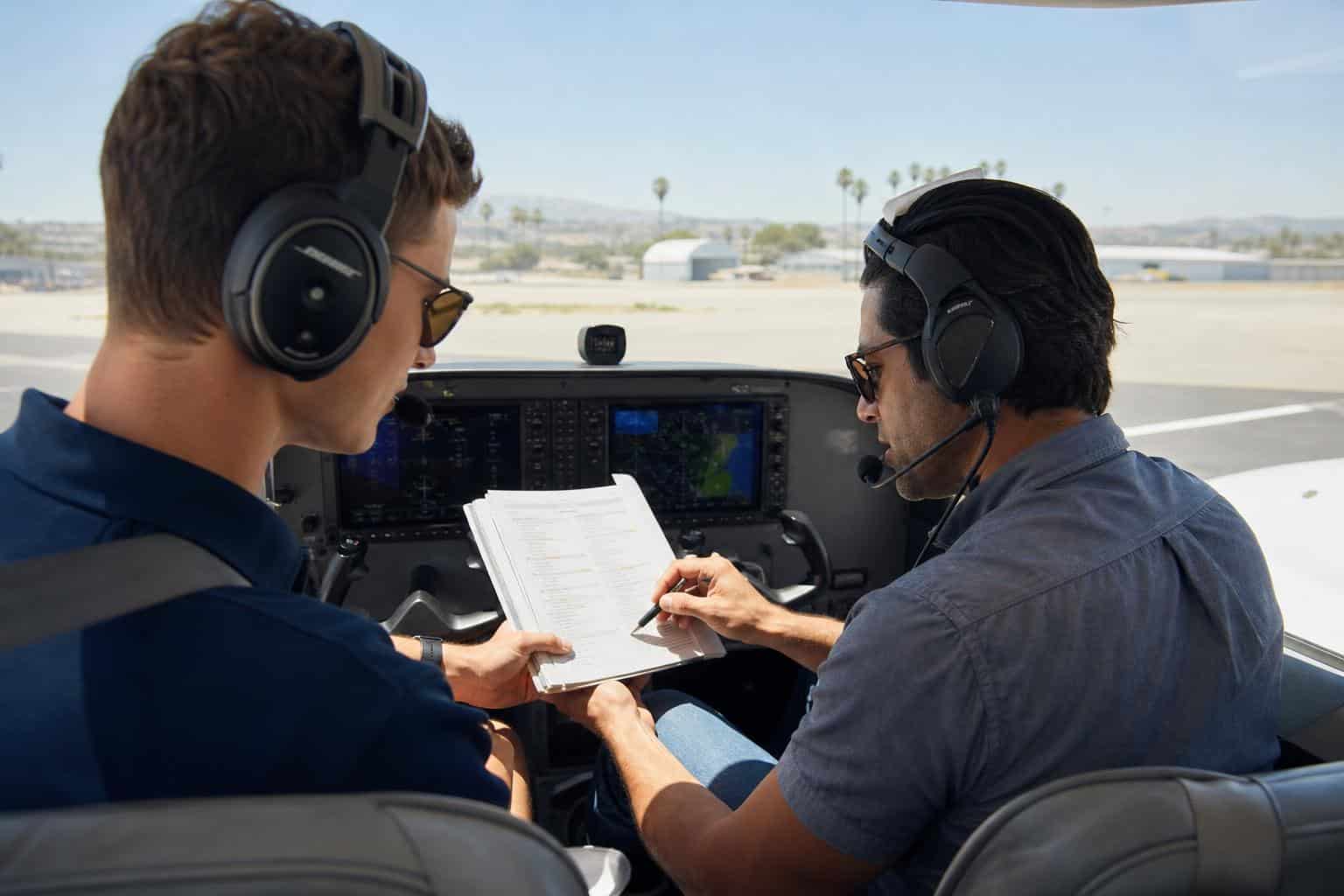
For aspiring pilots in Southern California, mastering the FAA Airman Certification Standards (ACS) is essential to achieving certification and excelling in flight training. The ACS provides a comprehensive framework that integrates knowledge, skills, and risk management elements necessary for successful pilot certification. Understanding these standards not only prepares students for FAA practical tests but also enhances overall flight proficiency and safety. This article explores the FAA ACS, its role in flight training, and practical steps for students at DuBois Aviation to leverage these standards effectively.
What Are the FAA Airman Certification Standards?
The FAA Airman Certification Standards are a set of guidelines developed by the Federal Aviation Administration to standardize the evaluation of pilot applicants during practical tests. Unlike previous testing protocols that focused mainly on maneuver performance, the ACS integrates three critical components: knowledge, risk management, and skill. This holistic approach ensures that pilots are not only technically proficient but also capable of making sound decisions and managing risks effectively.
Two practical options worth comparing
These are specific products pilots commonly compare for this type of flying. Confirm compatibility with your aircraft and instructor before ordering.
 Student headsetDavid Clark H10-13.4 Aviation HeadsetCheck current availability on Amazon (paid link)
 OrganizationASA Flight BagCheck current availability on Amazon (paid link)
Each ACS document is tailored to specific pilot certificates and ratings, such as Private Pilot, Commercial Pilot, or Instrument Rating. The standards outline the tasks a pilot must perform, the knowledge areas that must be understood, and the risk management considerations relevant to each task. This structure helps flight instructors and students focus training efforts on areas that directly impact pilot competency and safety.
How the ACS Enhances Flight Training Programs
Flight training programs in Southern California, including those offered at DuBois Aviation, integrate the FAA ACS into their curricula to provide targeted and efficient instruction. By aligning lesson plans with ACS requirements, flight instructors can systematically cover all necessary knowledge and skills while emphasizing risk management strategies.
This alignment benefits students by clarifying expectations for practical tests and ensuring comprehensive preparation. Instead of isolated maneuvers, students learn to apply knowledge and judgment in realistic scenarios, which better reflects actual flying conditions. The ACS also helps identify student weaknesses early, allowing instructors to tailor training to address specific gaps.
For example, DuBois Aviation’s flight training programs incorporate ACS standards to structure both ground and flight lessons. This approach ensures that students develop a balanced skill set that meets FAA certification requirements and prepares them for real-world flying challenges.
Key Components of the ACS: Knowledge, Skills, and Risk Management
The FAA ACS breaks down pilot certification tasks into three interconnected components:
- Knowledge: This includes understanding regulations, aerodynamics, weather, navigation, and aircraft systems. Students must demonstrate comprehension of these areas through written exams and oral questioning during practical tests.
- Skills: These are the physical and procedural abilities required to operate an aircraft safely. Skills include maneuvers, procedures, and communication tasks that pilots must perform proficiently.
- Risk Management: Perhaps the most critical addition in the ACS, risk management involves identifying hazards, assessing risks, and making decisions to mitigate those risks. This component ensures that pilots develop sound judgment and situational awareness.
By integrating these components, the ACS promotes a well-rounded pilot who is not only technically capable but also safety-conscious and prepared to handle unexpected situations.
Applying the ACS in Southern California Flight Training
Southern California’s diverse flying environment, with its busy airspace, varied weather conditions, and complex terrain, presents unique challenges for flight students. Applying the FAA ACS during training at DuBois Aviation helps students develop the competencies needed to navigate these challenges safely and confidently.
Flight instructors use ACS guidelines to design scenarios that simulate local flying conditions, such as cross-country navigation over mountainous terrain or operations in controlled airspace around major airports. These practical exercises reinforce ACS principles and prepare students for the demands of flying in Southern California.
Additionally, students can track their progress against ACS standards using tools like the Pilot Training Tracker. This platform allows students and instructors to monitor mastery of knowledge areas, skills, and risk management tasks, ensuring that training remains focused and effective.
Preparing for the FAA Practical Test Using the ACS
One of the primary benefits of understanding the FAA ACS is improved preparation for the FAA practical test, also known as the checkride. The ACS outlines exactly what examiners will evaluate, enabling students to focus their study and practice efforts efficiently.
Preparation involves several key steps:
- Review the ACS Document: Obtain the ACS document relevant to your certificate or rating from the FAA website. Familiarize yourself with the tasks, knowledge areas, and risk management elements.
- Self-Assessment: Use the ACS as a checklist to assess your current proficiency in each area. Identify strengths and weaknesses.
- Focused Training: Work with your flight instructor to address weak areas through targeted lessons and practice.
- Scenario-Based Practice: Engage in realistic flight scenarios that incorporate ACS risk management and decision-making tasks.
- Mock Checkrides: Conduct practice checkrides with your instructor using the ACS criteria to simulate the actual test environment.
Following these steps helps ensure that you meet or exceed FAA standards during your checkride, reducing anxiety and increasing the likelihood of success.
Practical Checklist for Integrating ACS into Flight Training
- Obtain the Relevant ACS Document: Download the latest ACS from the FAA website to understand the certification requirements.
- Align Training Goals: Discuss the ACS with your instructor to set clear objectives for each training phase.
- Track Progress: Use tools like Pilot Training Tracker to monitor your mastery of ACS tasks.
- Emphasize Risk Management: Regularly practice decision-making and hazard assessment during flights.
- Prepare for the Checkride: Conduct mock tests based on ACS standards to build confidence and competence.
By systematically integrating the ACS into your flight training, you can enhance your learning experience and improve your chances of certification success.
Conclusion
Understanding and applying the FAA Airman Certification Standards is a cornerstone of effective flight training for students in Southern California. The ACS’s comprehensive approach ensures that pilots develop the necessary knowledge, skills, and risk management abilities to operate safely and competently. At DuBois Aviation, integrating these standards into our flight training programs equips students with a solid foundation for their aviation careers. Utilizing resources like the Pilot Training Tracker further supports student progress and readiness for FAA practical tests. Embracing the ACS framework ultimately leads to safer skies and more confident pilots ready to meet the challenges of flight.