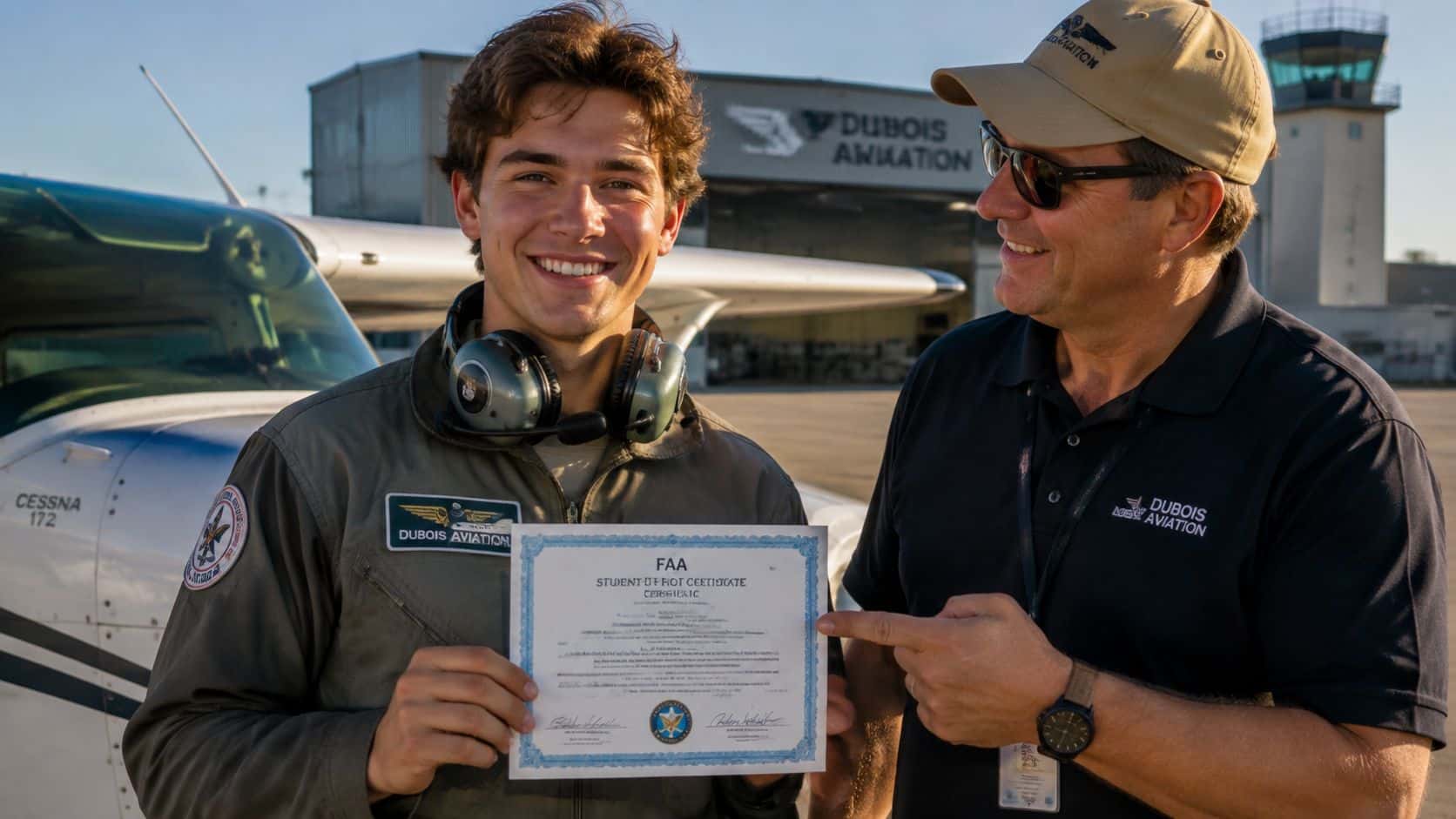
You've booked an introductory flight, started working with an instructor, and are already wondering when the paperwork must be complete. The short answer is simple: you don't need a student pilot certificate to begin dual instruction, but you do need one before acting as pilot in command on a solo flight. The FAA's current requirements focus on age, English-language ability, and the applicable medical standard, while your instructor's endorsements determine when you're ready to solo. The best sequence is to begin training, start the application early enough to avoid administrative delays, and complete the medical and endorsement steps before solo becomes a realistic milestone.
Table of Contents
- When You Actually Need a Student Pilot Certificate
- Eligibility Rules for Age, Language, and Medical Standards
- Completing the FAA Application Through IACRA
- Understanding Solo Endorsements and Training Milestones
- Common Pitfalls That Delay Your First Solo
- Training at a Towered Airport After Certification
When You Actually Need a Student Pilot Certificate
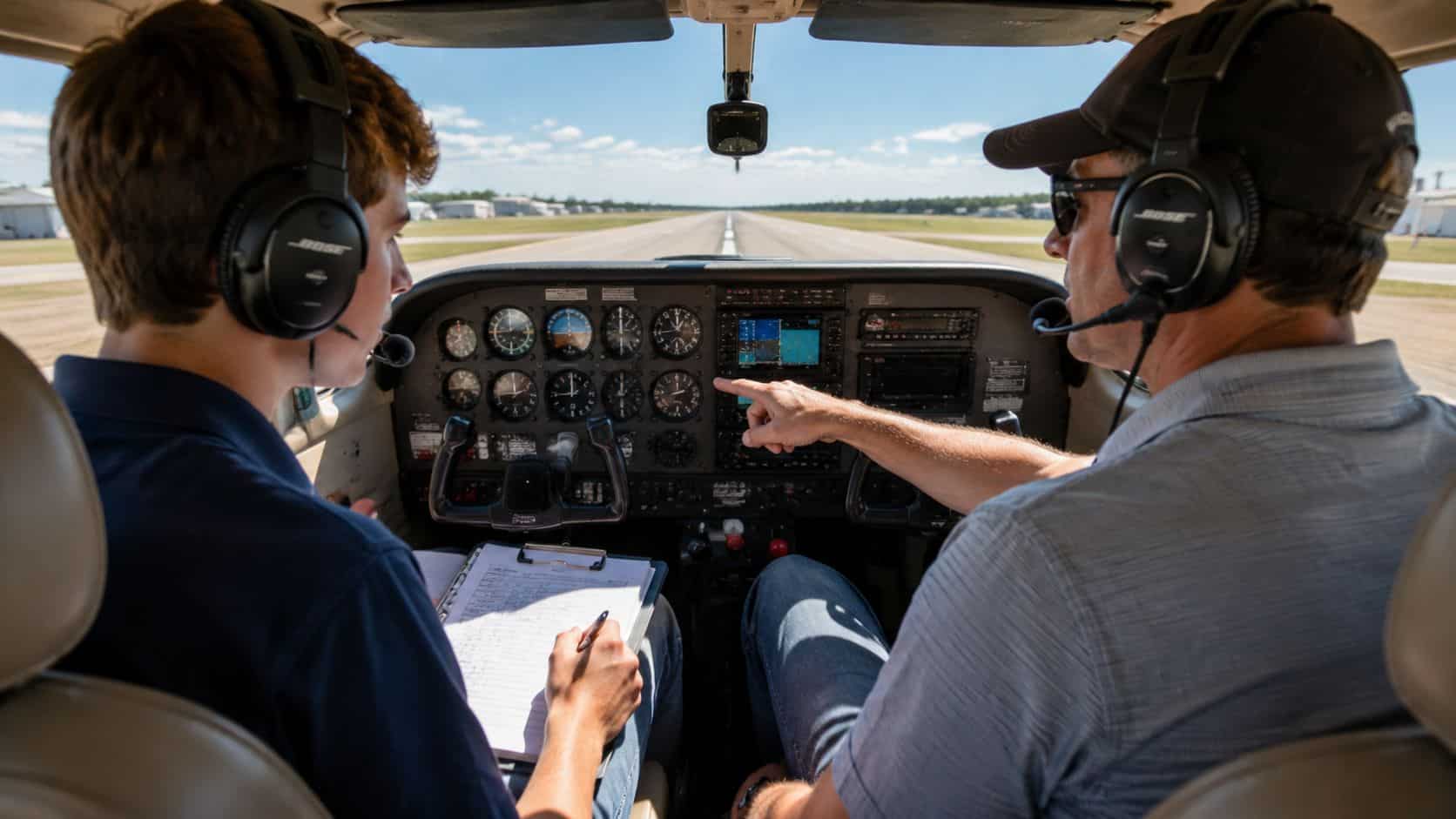
Many new students treat the student pilot certificate as a prerequisite for the first lesson. It isn't. A certificated flight instructor can provide dual instruction before the student holds the certificate, so an introductory flight or early training flight doesn't have to wait for the application process.
Two practical options worth comparing
These are specific products pilots commonly compare for this type of flying. Confirm compatibility with your aircraft and instructor before ordering.
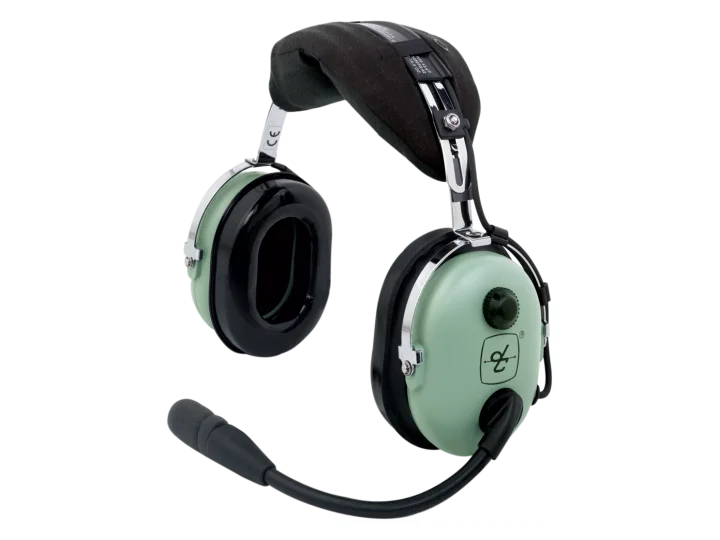 Student headsetDavid Clark H10-13.4 Aviation HeadsetCheck current availability on Amazon (paid link)
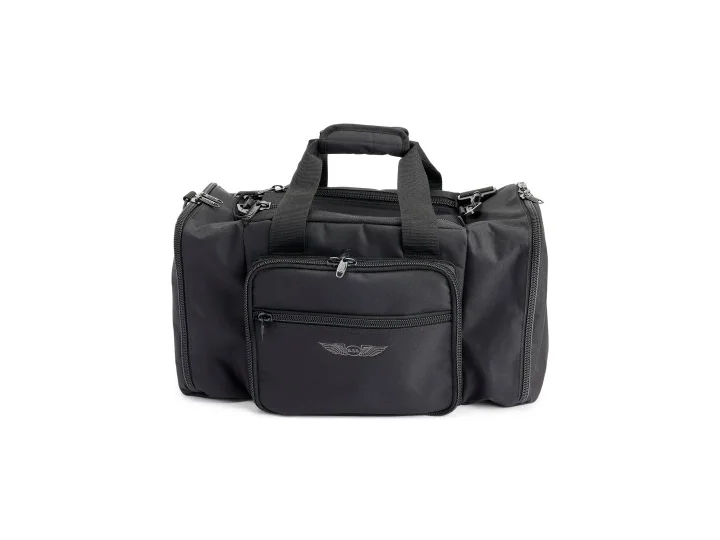 OrganizationASA Flight BagCheck current availability on Amazon (paid link)
The legal trigger is solo operation. Under 14 CFR §61.83, the student pilot certificate forms part of the eligibility framework for acting as pilot in command during student solo operations. It doesn't, by itself, authorize a solo flight. The student also needs the required medical qualification and logbook endorsements from an authorized instructor.
The practical sequence
A sensible training sequence looks like this:
- Begin with dual instruction. The instructor can evaluate basic coordination, checklist discipline, aircraft control, and cockpit workload without waiting for the certificate.
- Start the FAA application during early training. The FAA allows an applicant to begin the online application at age 13, but it can't be completed until within 90 days of turning 14 or older. FAA student pilot guidance explains the application timing and eligibility structure.
- Resolve medical questions before solo planning. The student certificate and medical qualification serve different functions. Completing only one of them doesn't satisfy the complete solo requirement.
- Allow time for the certificate to be issued. The FAA routes applications through IACRA or paper Form 8710-1, with processing through authorized instructors, FAA examiners, or Flight Standards District Offices. The FAA's current process guidance identifies those submission pathways.
- Reach the instructor's pre-solo standard. The instructor must decide that the student has demonstrated satisfactory proficiency and safety in the aircraft to be used.
Practical rule: Start lessons before the certificate is needed, but don't leave the application and medical planning until a solo date is already on the calendar.
Applying immediately can create an administrative task before the student knows which aircraft category, training path, or medical standard applies. Waiting too long creates the opposite problem, a technically ready student who can't legally solo because the paperwork is incomplete. Good scheduling keeps the certificate ready before the first solo endorsement is issued, without treating it as a barrier to dual training.
Eligibility Rules for Age, Language, and Medical Standards
The core student pilot certificate requirements are straightforward, but the medical question needs careful separation from the certificate application. Under the current FAA standard, an applicant must meet the applicable minimum age, be able to read, speak, write, and understand English, and satisfy the medical or operating qualification required for the intended aircraft and privileges.
For powered aircraft, including airplanes and helicopters, the minimum age is 16. For gliders and balloons, it's 14. The FAA's student pilot certificate guidance explains that the certificate is connected to solo privileges, not the start of dual instruction.
| Aircraft Category | Minimum Age | Medical Requirement | Regulatory Citation |
|---|---|---|---|
| Powered aircraft | 16 | Applicable medical qualification before solo operations | 14 CFR §61.83 |
| Gliders | 14 | Category-specific requirements apply | 14 CFR §61.83 |
| Balloons | 14 | Category-specific requirements apply | 14 CFR §61.83 |
| Light-sport operations other than gliders or balloons | 16 for the student certificate | Valid medical certificate or current, valid U.S. driver's license, subject to the applicable FAA rules | FAA sport-pilot student guidance |
English proficiency is operational
The language requirement isn't a test of accent or native fluency. The student must be able to read, speak, write, and understand English well enough to complete training, understand instructions, communicate safely, and comply with aviation procedures. An international student training at Chino Airport or another U.S. airport should address communication ability early, because radio work and instructor briefings are part of practical flight safety.
Medical timing deserves separate attention
For a powered-aircraft student pursuing ordinary student solo operations, a medical certificate should be handled early rather than treated as last-minute paperwork. The FAA medical table identifies a third-class medical as valid for 60 months for a pilot under 40 and 24 months for a pilot aged 40 or older, as explained in the FAA student-pilot medical guidance.
A student with a complicated medical history shouldn't guess at eligibility or conceal information. The appropriate step is to speak with an Aviation Medical Examiner before substantial training investment, especially when the FAA may require additional review. Sport-pilot operations have a distinct pathway involving a valid medical certificate or current U.S. driver's license, so the intended certificate and aircraft category should be identified before choosing the medical route.
For a plain-language age reference, prospective students can also review pilot license age requirements while confirming the controlling rule with the FAA.
Completing the FAA Application Through IACRA
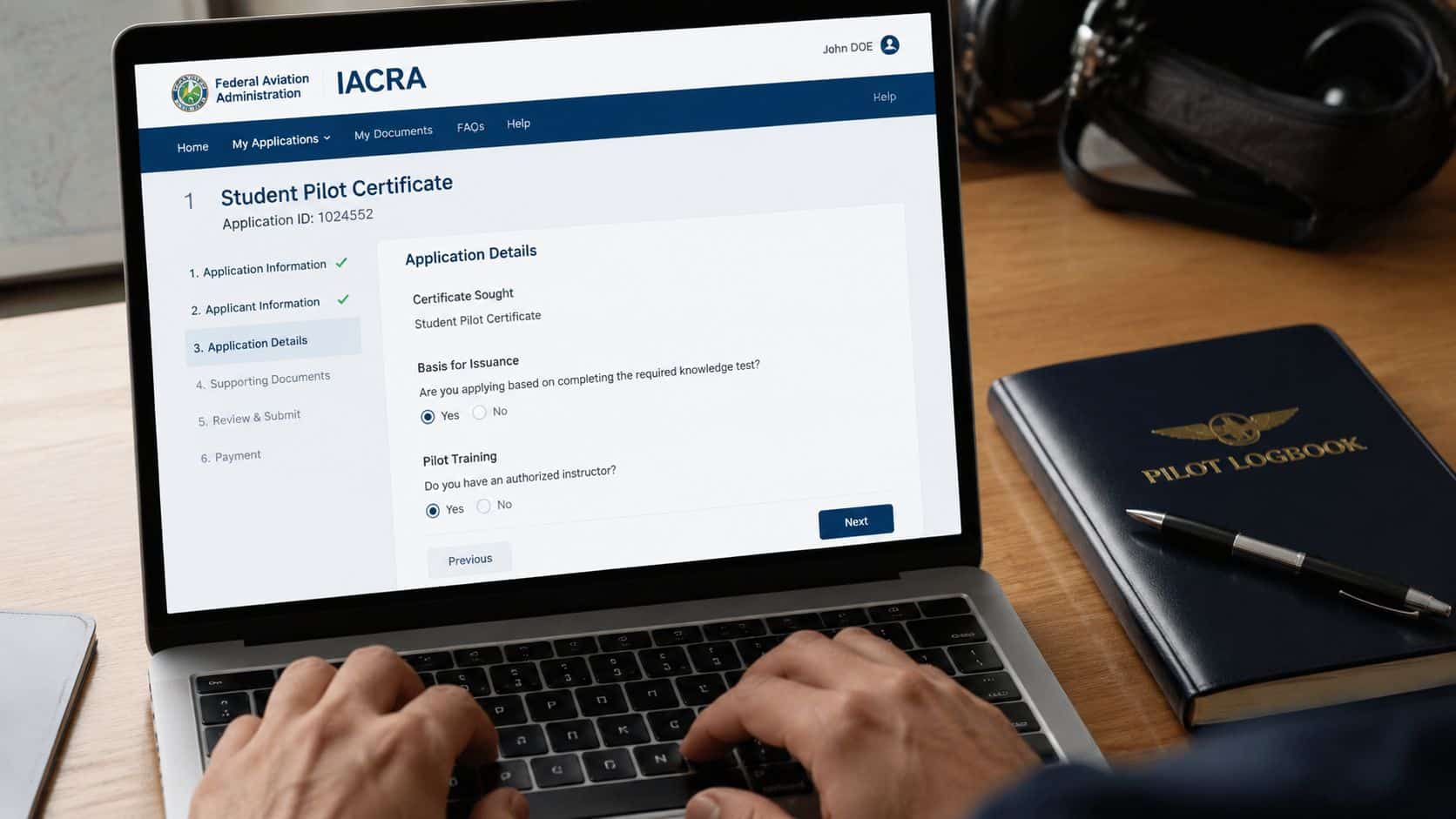
IACRA, the Integrated Airman Certification and Rating Application, is the FAA's online route for submitting a student pilot certificate application. The process is manageable, but accuracy matters more than speed. A legal-name mismatch or incomplete application can force the certifying official to stop and correct the record before submission.
A clean IACRA workflow
The student should work through the application in this order:
- Create an IACRA account and establish the applicant profile. Use the applicant role and record the personal information exactly as it appears on government-issued identification.
- Record the FAA Tracking Number. Keep it with training records because it connects the applicant's FAA certification activity.
- Select the correct application type. The student should choose the pilot application path for a Student Pilot certificate, not a private pilot certificate or another rating.
- Enter citizenship and identity information carefully. The selected documentation must match the documents the certifying official reviews.
- Save before leaving the application. An unfinished or unsaved record gives the instructor or other authorized official nothing reliable to review.
- Review every field with the certifying official. The authorized instructor, examiner, or FAA office representative submits the application through the applicable FAA process.
- Track the record through IACRA. If the physical certificate doesn't arrive, the student should first verify the application status and mailing information, then ask the certifying official or appropriate FAA office what action is required.
What to bring to the appointment
A student should have:
- Government-issued identification: The legal name and identifying details should match the IACRA record.
- Saved application information: The certifying official needs access to the completed application.
- Medical documentation when applicable: The medical qualification should be addressed before solo planning, even though the certificate application and medical process are separate.
- Questions about citizenship or status: Uncertainty should be resolved before submission rather than corrected after an administrative rejection or hold.
The FAA confirms that the student pilot certificate can be processed through IACRA or paper Form 8710-1, with authorized instructors, examiners, or FAA offices handling the certification route. The FAA application guidance is the controlling reference for the current process.
Students who want to understand how this certificate fits into the wider training path can review how to get a pilot's license. The important distinction remains the same, an application record identifies the student, but only the completed legal and training sequence supports solo flight.
Understanding Solo Endorsements and Training Milestones
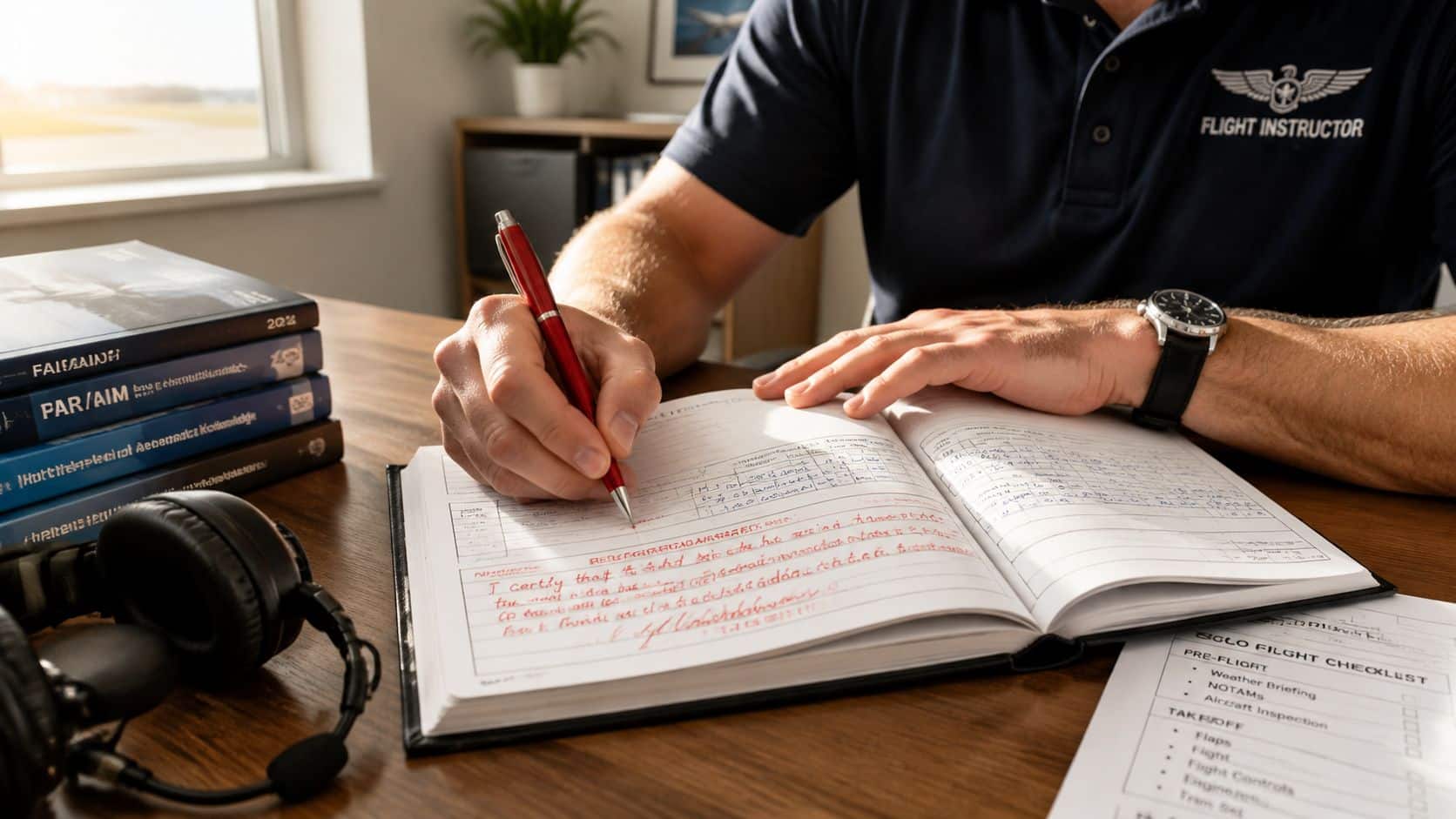
A student pilot certificate doesn't function like a stand-alone permission slip. The instructor's logbook endorsements define what the student has been trained and approved to do. Before a first solo, the student must complete the required instruction for the aircraft's maneuvers and procedures, pass the applicable pre-solo aeronautical knowledge evaluation, and demonstrate satisfactory proficiency and safety to an authorized instructor.
Why the aircraft matters
Endorsements are tied to the operation and, for initial solo privileges, the make and model of aircraft. A student who trains in a Cessna 172 shouldn't assume that the same endorsement permits solo flight in a Piper Cherokee. The instructor must evaluate the student in the aircraft and provide the applicable authorization.
That aircraft-specific approach protects against a common mental error. Similar cockpit layouts don't guarantee identical handling, systems, sight pictures, performance, or emergency procedures. The endorsement records the instructor's judgment that the student is prepared for that particular operation.
The 90-day renewal point
FAA training guidance requires the initial solo endorsement to be valid for 90 days, with renewal every additional 90 days. The applicable FAA regulation and training text establish the renewal requirement.
A weather interruption can expose this issue quickly. If a student receives a solo endorsement, then stops flying long enough for the endorsement to lapse, the student can't climb back into the aircraft and continue solo operations. The instructor must review current proficiency and renew the authorization before solo flying resumes.
How milestones build
The endorsement chain usually develops in stages:
- First solo: The instructor approves solo flight in the specified aircraft after the required pre-solo training and evaluation.
- Solo continuation: The student maintains proficiency while following the instructor's limitations and the applicable student-pilot operating rules.
- Solo cross-country: Under the requirements associated with 14 CFR §61.93, the instructor reviews the planned operation and provides the required authorization.
- Night operations: Night solo requires the applicable additional training and endorsement, rather than relying on the daytime authorization.
A logbook endorsement isn't administrative decoration. It documents a decision by an instructor who has observed the student's performance and accepted responsibility for a defined training privilege. Students should check endorsement dates before every planned solo flight, especially after weather cancellations, maintenance interruptions, or a change in aircraft.
Common Pitfalls That Delay Your First Solo
The most frustrating delays often begin with a reasonable assumption that turns out to be incomplete. A student may believe that submitting an IACRA application finishes the process, that a medical question can wait, or that an endorsement follows the student rather than the aircraft and operation. Each assumption can create a preventable stop in training.
| Pitfall | Regulatory Basis | Typical Delay | Corrective Action |
|---|---|---|---|
| Applying without clarifying the intended aircraft category | 14 CFR §61.83 separates age and eligibility by category | Timing depends on what must be corrected | Confirm the planned aircraft and privilege with the instructor before submission |
| Name or identity mismatch in IACRA | FAA application identity and certification procedures | Application review may stop until records are corrected | Match the application to government-issued identification |
| Treating the certificate as the only solo requirement | FAA student-pilot guidance and 14 CFR §61.87 require training, proficiency, and endorsements | Solo scheduling must be postponed | Confirm the medical status, aircraft-specific endorsement, and pre-solo training |
| Letting the endorsement lapse | FAA guidance requires renewal every 90 days | The instructor must reassess and renew before solo | Review the endorsement date during each preflight planning session |
| Starting security vetting too late as a foreign student | TSA Alien Flight Student Program requirements and related security procedures | Administrative processing can block dependent training milestones | Verify status eligibility and complete required vetting before scheduling solo-dependent events |
| Assuming medical review is routine | FAA medical certification rules | Additional FAA review can interrupt the training plan | Consult an Aviation Medical Examiner early when the history or medication profile may require review |
International students need an earlier administrative plan
For foreign students, the operational risk often lies in security vetting rather than the student certificate itself. The Government Accountability Office report on TSA's Alien Flight Student Program reported that more than 25,000 foreign nationals applied for FAA airman certificates from January 2006 through September 2011, while identifying weaknesses in matching and illegal-entry detection processes.
That historical finding doesn't replace current TSA instructions, but it illustrates why international students shouldn't schedule a solo milestone around an assumption that screening will finish automatically. Visa or status eligibility, AFSP requirements, medical validity, and English-language ability should be checked early.
Medical complications create a similar planning issue. A student who may need additional FAA review should seek qualified medical guidance before training reaches the solo stage. The practical correction is simple, disclose accurately, use the proper FAA channel, and avoid making a solo date dependent on paperwork that hasn't been cleared.
Training at a Towered Airport After Certification
At a busy towered airport such as Chino Airport, the certificate is only one part of becoming ready to solo. The student must combine legal eligibility with radio discipline, traffic-pattern awareness, runway-safety habits, and the ability to manage instructions while flying the aircraft. A towered environment gives the instructor opportunities to build those skills during dual instruction before the student operates alone.
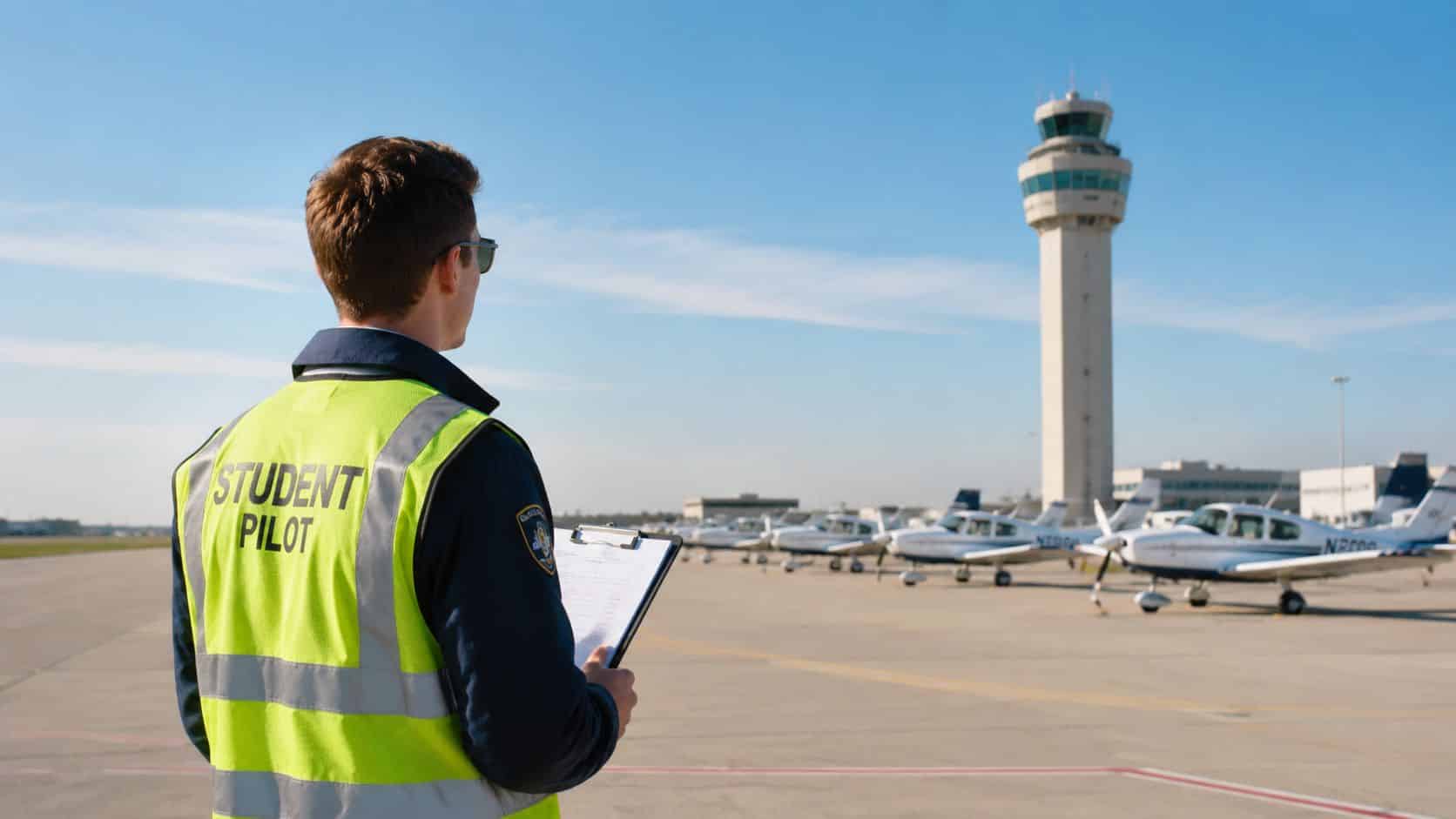
Students should coordinate solo scheduling with the instructor, airport traffic, weather, aircraft availability, and tower operating considerations. Before a solo cross-country, the instructor must review the route and provide the applicable endorsement. Training at a towered airport also makes it easier to practice concise radio calls and maintain situational awareness in an environment that resembles later checkride and advanced-training demands.
The certificate and medical qualification establish the legal foundation, while the endorsement chain establishes the scope of the student's current privileges. Students should also understand the difference between holding a certificate and exercising pilot-in-command authority, because solo operations still carry instructor-imposed limitations and student-pilot restrictions.
After solo, the same foundation supports the broader private pilot pathway, followed by instrument, commercial, multi-engine, or helicopter add-on training as appropriate. DuBois Aviation provides airplane and helicopter instruction, aircraft rental, simulator-supported training, and advanced pilot programs at Chino Airport, so students can discuss the next step while completing the initial certification process.
DuBois Aviation can help prospective students organize the IACRA application, medical planning, pre-solo training, and endorsement timeline before solo becomes imminent. Visit DuBois Aviation to ask about course availability, schedule a school visit, or request training information for airplane or helicopter instruction at Chino Airport.


