
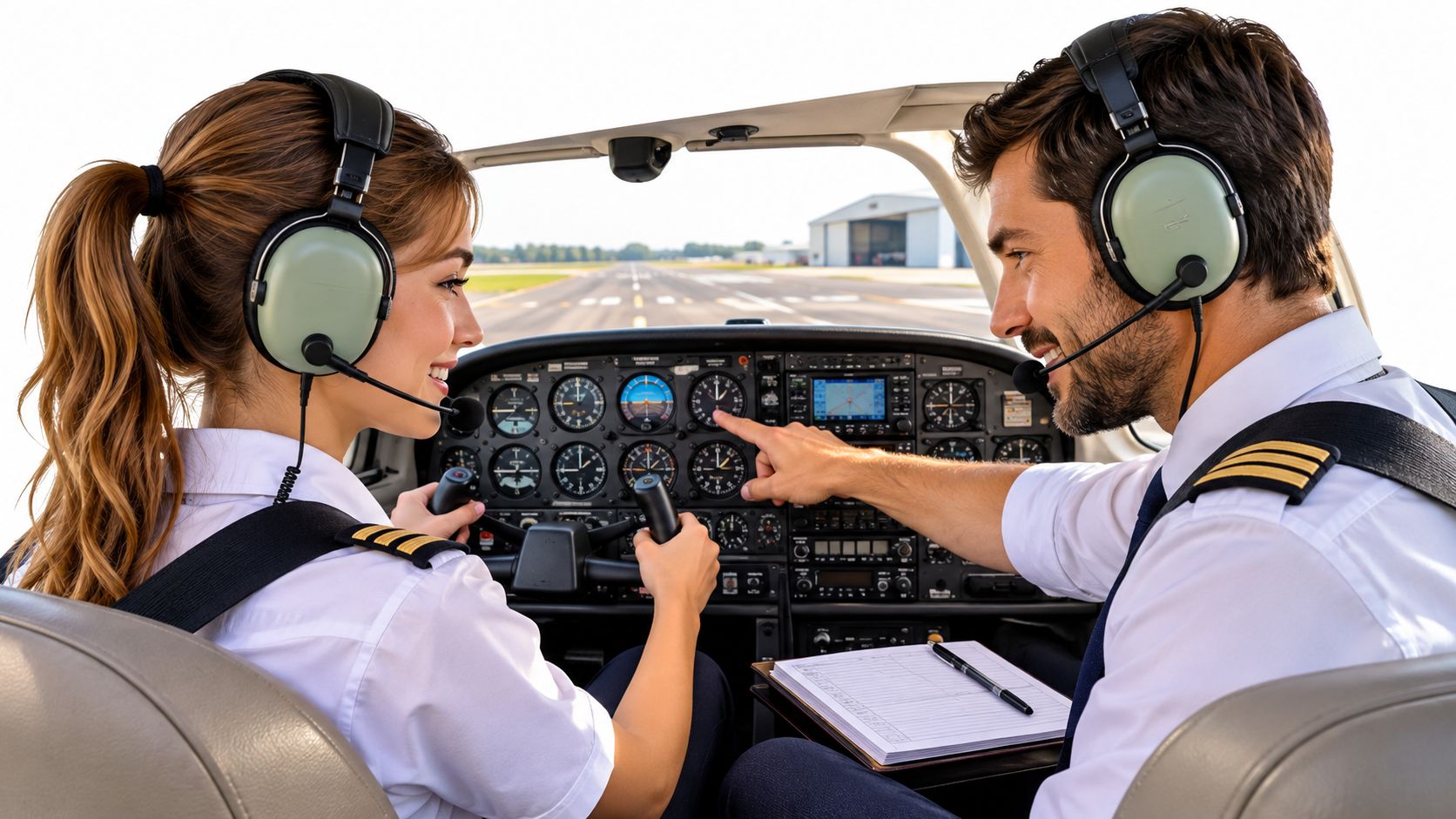
An FAA certified flight instructor is a commercial or Airline Transport Pilot certificate holder authorized under 14 CFR Part 61 to teach, endorse, and prepare applicants for certificates and ratings, not a separate license that replaces those pilot certificates. That distinction matters because holding the instructor certificate doesn't by itself mean its privileges can be exercised today.
A newly printed instructor certificate may show no expiration date, yet the instructor may still be unable to teach legally if recent experience has lapsed. Students often check the plastic card and stop there. Renters and hiring managers sometimes make the same mistake.
A better check is practical. Confirm what the certificate authorizes, what category and class it covers, and whether the instructor is currently qualified to use it. Then look at how the instructor teaches, documents progress, and corrects errors in real lessons.
Two practical options worth comparing
These are specific products pilots commonly compare for this type of flying. Confirm compatibility with your aircraft and instructor before ordering.
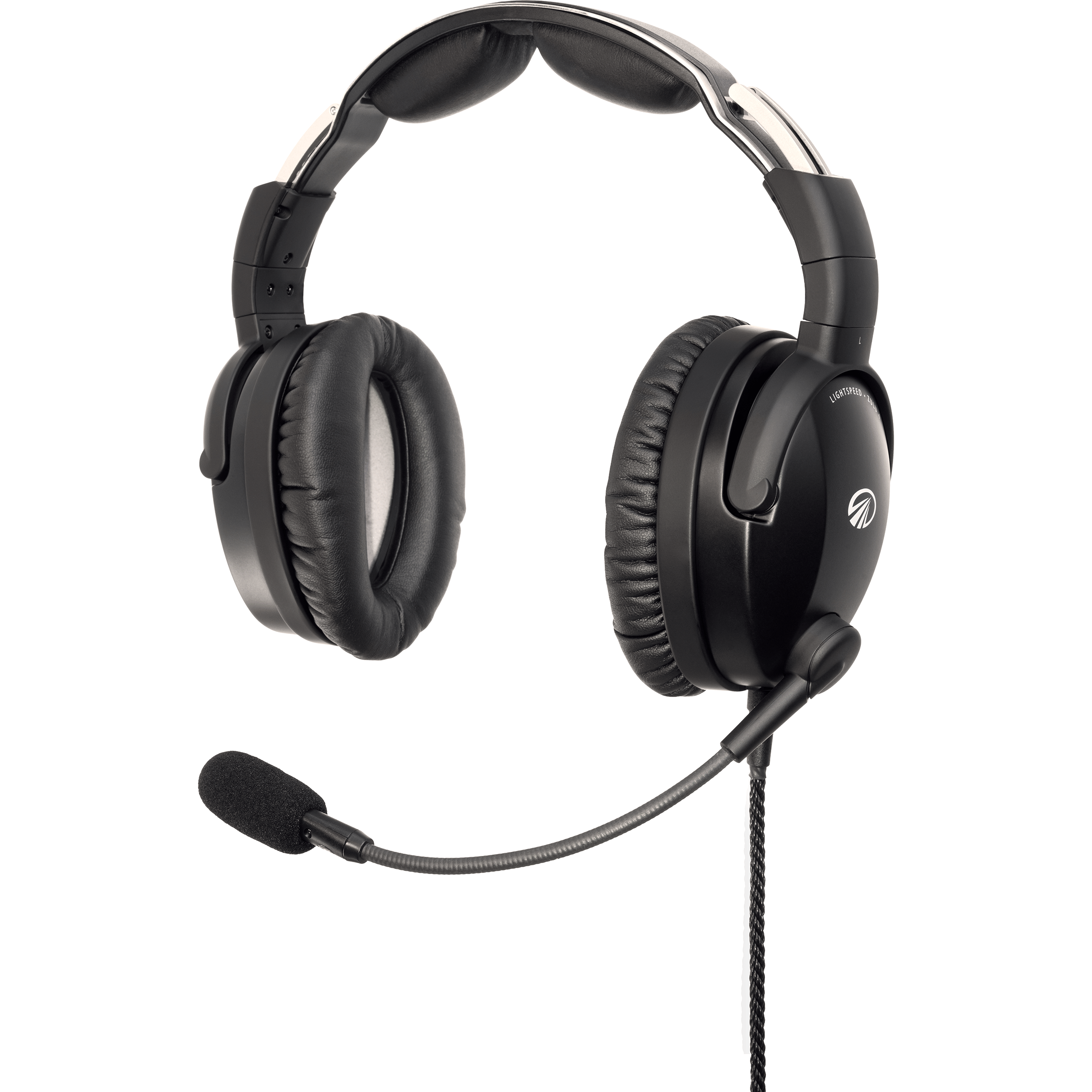 Premium ANR headsetLightspeed Zulu 4 ANR Aviation Headset - Dual GA PlugCheck current availability on Amazon (paid link)
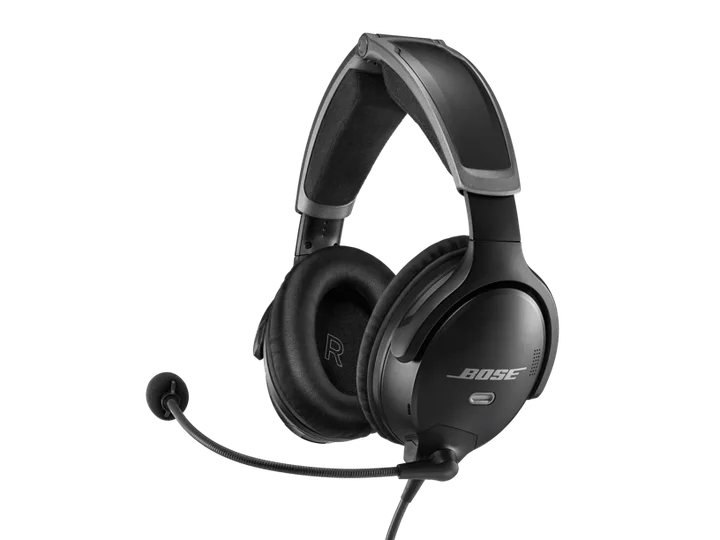 Premium headsetBose A30 Bluetooth Aviation Headset - Dual PlugCheck current availability on Amazon (paid link)
Table of Contents
- What an FAA Certified Flight Instructor Is
- Eligibility, Test Requirements, and Training Sequence
- CFI, CFII, and MEI Pathway
- Recent Experience and Reinstatement
- Teaching to the ACS in Real Lessons
- Frequently Asked Questions About Flight Instructor Training
What an FAA Certified Flight Instructor Is
A clean power-off stall proves control of an airplane. Teaching that stall is a different job: brief the task, state the completion standard, demonstrate it, watch the student attempt it, name the error, teach the correction, and record the training correctly.
That is the core definition. An FAA certified flight instructor gives flight and ground training, makes logbook entries, and provides endorsements that move other pilots toward certificates and ratings. The FAA CFI Airplane Airman Certification Standards describe a credential governed primarily by 14 CFR Part 61, Subpart H, where an initial airplane applicant generally holds a commercial pilot or ATP certificate with the appropriate category and class rating and at least 15 hours as pilot in command in that category and class.
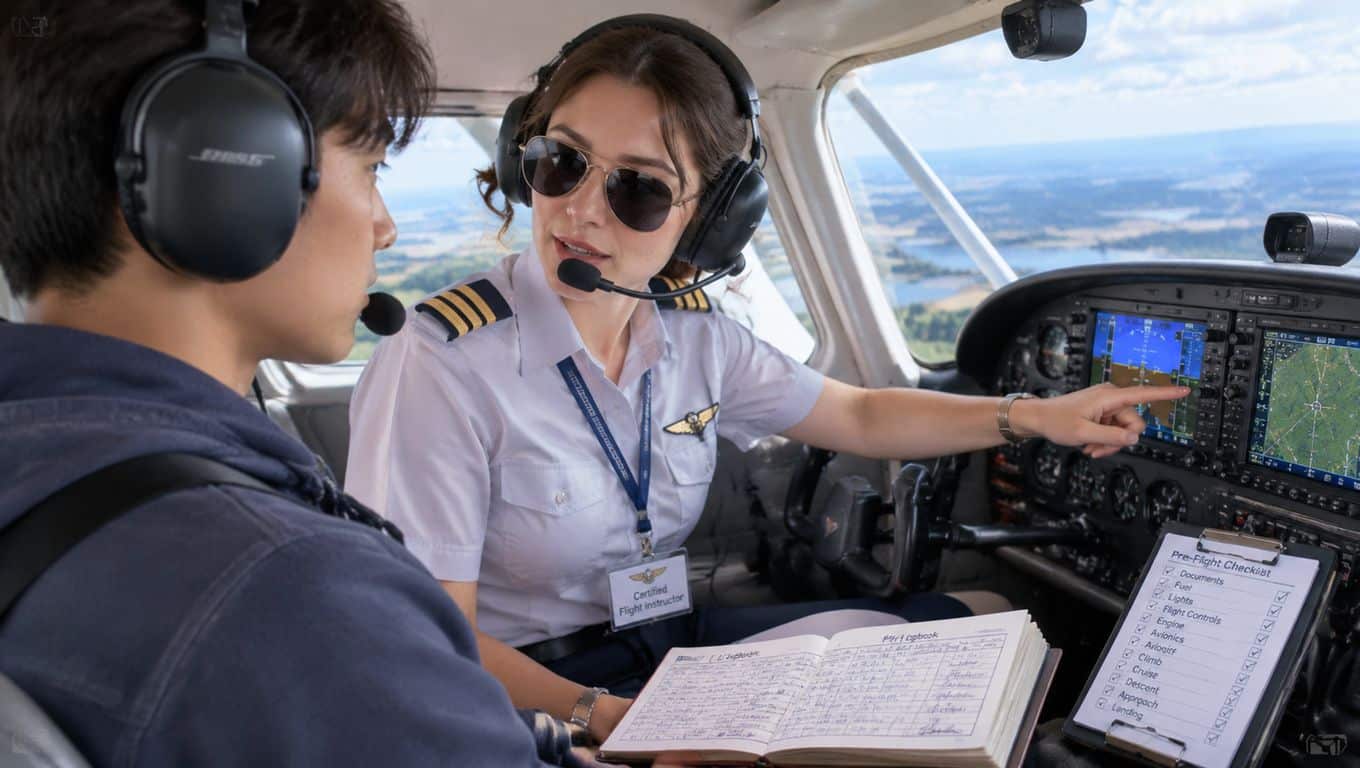
A Flight Qualification and a Teaching Qualification
The practical test reflects that dual role. It covers instructional fundamentals, technical subject areas, pilot-certification responsibilities, logbook entries, and endorsements, and it requires teaching students with different backgrounds, experience levels, and abilities. A candidate who flies well but cannot explain why a maneuver went wrong has missed the point of the certificate.
Instrument requirements sit inside the same structure. Applicants for airplane, powered-lift, or instrument instructor ratings must hold the applicable instrument rating or instrument privileges. Ground and flight training must be documented, an authorized instructor must endorse readiness, and the applicable knowledge test must be passed when required.
The flight portion shows aircraft control. The debrief shows instructional control: whether the candidate can turn an observed mistake into a standard, a correction, and a usable record.
Privileges Are Added Separately
Instrument, multiengine, rotorcraft, and glider instruction come through separate category, class, or rating privileges on the instructor certificate.
For a student, the practical check is narrow: match the rating to the lesson you need, then ask how progress will be endorsed and reviewed. An instructor who answers with specific entries, standards, and corrections is showing the certificate working as intended.
Eligibility, Test Requirements, and Training Sequence
Use this table to track eligibility and preparation. Confirm the applicable FAA requirements before scheduling a practical test.
| Requirement | What the FAA expects |
|---|---|
| Age | At least 18 years old |
| English | Communicate effectively in English |
| Pilot certificate | Commercial or ATP with the category and class sought |
| Instrument rating | Required for airplane, powered-lift, or instrument instructor privileges |
| Pilot-in-command time | At least 15 hours PIC in the category and class of the rating |
| Knowledge tests | Applicable FAA knowledge exam when required, including fundamentals of instruction |
| Endorsements | Fundamentals of instruction and applicable areas of operation |
| Practical test | Teach and demonstrate ACS or PTS tasks, including records and endorsements |
Reading the Rows in Order
The first rows establish basic eligibility. Under 14 CFR 61.183, an applicant must be at least 18, communicate effectively in English, and hold a commercial pilot or airline transport pilot certificate with the appropriate aircraft category and class rating.
The instrument requirement depends on the instructor privilege sought. Applicants for airplane single-engine, airplane multiengine, powered-lift, or instrument-instructor privileges must hold the corresponding instrument rating or privileges. The PIC requirement is at least 15 hours in the relevant category and class.
Knowledge Tests and Endorsements
The knowledge tests assess both aeronautical subjects and the fundamentals of instruction. Before the practical test, an authorized instructor must also endorse the applicant for the fundamentals of instruction and applicable areas of operation.
Effective teaching takes more than knowing the correct answer. Candidates must identify errors, explain concepts, manage risk, and give clear, timely corrections in the category and class they seek to teach.
A Practical Preparation Sequence
Treat the practical test as the final step in a training sequence.
- Confirm commercial-level proficiency: Fly the maneuvers to standard in the category and class sought, from the seat used for instruction.
- Confirm instrument competency: Complete this step when the instructor privilege requires an instrument rating or instrument privileges.
- Study fundamentals of instruction: Learn lesson structure, student evaluation, risk management, and how people learn and retain skills.
- Practice scenario-based teaching: Brief and demonstrate a task, let a practice student make errors, correct them, and prepare the resulting logbook entry or endorsement.
Teaching while flying divides attention. For example, during a steep turn, an instructor must explain the maneuver, monitor traffic, and notice if a student overbanks. Rehearsing the explanation and correction on the ground helps organize the lesson before adding flight tasks.
School Reviews Are Not FAA Tests
DuBois Aviation runs stage-check flights before clearing a student for solo. These reviews assess flying skills, procedures, and decision-making; they do not replace the required instructor training or endorsements.
Before the FAA practical test, DuBois Aviation's checkride checkout reviews flight and ground preparation. The examiner conducts a separate test and makes the certification decision.
A candidate's progress also depends on preparation, proficiency, weather, aircraft availability, and examiner scheduling. Arriving ready to teach from the instructor seat helps keep training focused.
CFI, CFII, and MEI Pathway
Each instructor rating authorizes a specific kind of teaching. An airplane CFI covers flight and ground training in the airplane category and class printed on the certificate, a CFII adds instrument instruction, and an MEI adds multiengine instruction. Holding the certificate and legally exercising its privileges are separate questions, so the table below works as a checklist: match the rating to the teaching authority, then confirm the prerequisite qualification behind it.
| Privilege | Main teaching authority | What to add |
|---|---|---|
| Airplane CFI | Flight and ground training in the authorized airplane category and class | Commercial or ATP plus instrument rating when airplane instruction requires it |
| CFII | Instrument flight instruction | Instrument privileges and an instrument instructor practical test |
| MEI | Multiengine flight instruction | Multiengine class qualification and an MEI practical test |
| Rotorcraft instructor | Helicopter or gyroplane instruction in the rated class | Rotorcraft commercial or ATP privileges and a separate instructor practical test |
What Each Privilege Adds
An airplane CFI teaches within the authorized airplane category and class. A CFII layers instrument instruction on top, and the FAA instrument instructor Practical Test Standards require the instructor to demonstrate instrument-level procedures while giving effective instruction to students with varying experience and ability. An MEI requires the multiengine class qualification plus an MEI practical test before the instructor can teach in twins. Pilots weighing which add-on to pursue first can compare the two scopes in this breakdown of CFI and CFII privileges.
Local instructor rosters show how the ratings combine in real staffing. Instructor Ben Mount holds CFI and CFII ratings, with 840 total time and 275 dual given, while instructor Weston Michels holds CFI and MEI ratings, with 1,100 total time and 600 dual given. Lou followed a longer sequence, receiving an MEL commercial certificate in early 2003, a CFII in early 2004, and an MEI in 2008. The dual-given figure is the one worth reading on a roster like this: it records hours spent teaching, the documented habit that separates an instructor who flies from an instructor who instructs.
The Military Competence Route
Military instructor experience provides a defined alternative. Under 14 CFR 61.73(g), a current or former military instructor pilot or military pilot examiner may qualify based on military competence, using official Armed Forces documentation plus a passed Military Competence Instructor knowledge test within the preceding 24 calendar months. Documentation still applies on this route; what changes is the evidence used to establish competence.
Choosing by the Work Planned
Choose the rating by the teaching work planned. Many pilots earn a flight instructor certificate soon after the commercial certificate because instructing lets them build flight time and experience at lower personal expense, which makes it a common bridge in a pilot career. The bridge still leads somewhere specific. Instrument teaching points toward CFII. Twin-engine teaching points toward MEI. A pilot who has not finished the prerequisite commercial, instrument, or multiengine qualification completes that training first, then adds the matching instructor privilege.
Recent Experience and Reinstatement
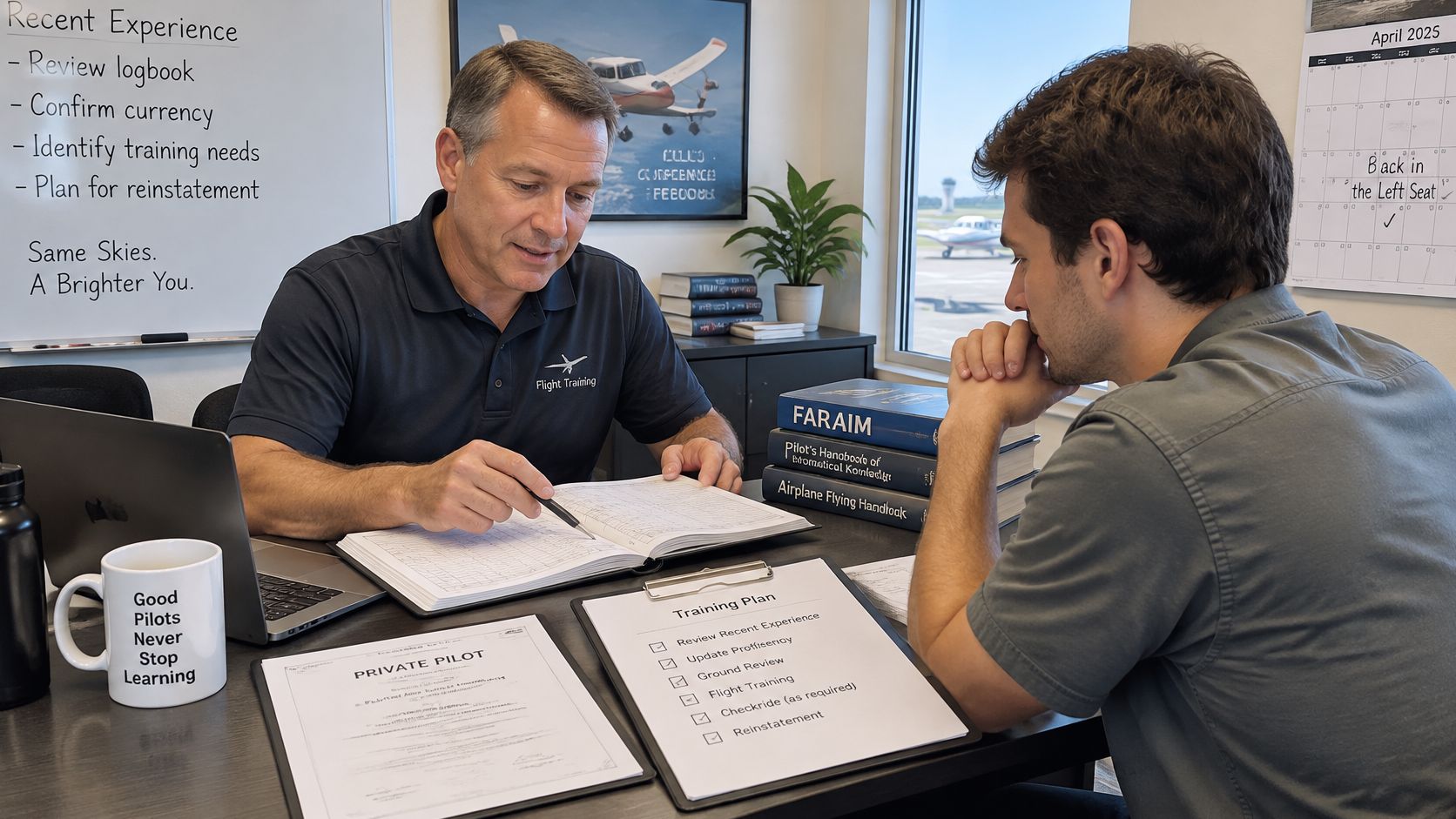
A certificate without a printed expiration date isn't automatically current. That's the misunderstanding created by the recent rule change, and it's the point students and hiring managers need to check first.
The FAA notice on flight instructor certificates without expiration dates explains that recent FAA changes removed the expiration date from certificates issued after November 30, 2024, but CFIs must still satisfy a recent-experience requirement every 24 calendar months, with the deadline called the recent experience end date (REED). Older certificates can still display a conventional expiration date, which makes side-by-side comparisons confusing.
Ways to Reestablish Eligibility
Recent experience can be reestablished through defined routes. An instructor may pass a practical test for an existing or additional instructor rating. Another route in the FAA advisory circular on endorsements and instructor renewal is endorsing at least five applicants for practical tests within the preceding 24 calendar months with at least 80% passing on the first attempt, or completing an FAA-approved flight instructor refresher course (FIRC) within the preceding three calendar months.
Those routes measure different things. A practical test rechecks teaching and flying directly, the endorsement route ties currency to documented student outcomes, and a FIRC provides structured recurrent training. Pilots considering the refresher route can review flight instructor refresher course options and then confirm the current rule text before relying on a completion date.
What Happens After a Lapse
If privileges lapse, the instructor generally enters a three-calendar-month reinstatement period and may restore privileges by completing an approved FIRC. After that period, a practical test is required for reinstatement. The certificate may still exist during that lapse, but its privileges can't be exercised until they're restored.
Use this four-item verification check before scheduling training or hiring an instructor:
- Certificate issue date: Confirm when the certificate was issued and whether it shows a conventional expiration date.
- REED: Identify the recent experience end date for the current 24-calendar-month period.
- Current privileges: Verify that instructor privileges are currently exercisable, not merely held.
- Latest method used: Determine whether a FIRC or practical test was recently used to establish or reinstate privileges.
Asking for that documentation checks currency, not professionalism. A school, renter, or student is verifying legal authorization for the work being performed, the same way a pilot checks aircraft documents before flight.
Teaching to the ACS in Real Lessons
Standards-based teaching becomes clear in ordinary lessons, not in slogans. The instructor's job is to train every applicable subject, procedure, and maneuver to standard, then confirm the student can perform without prompting.
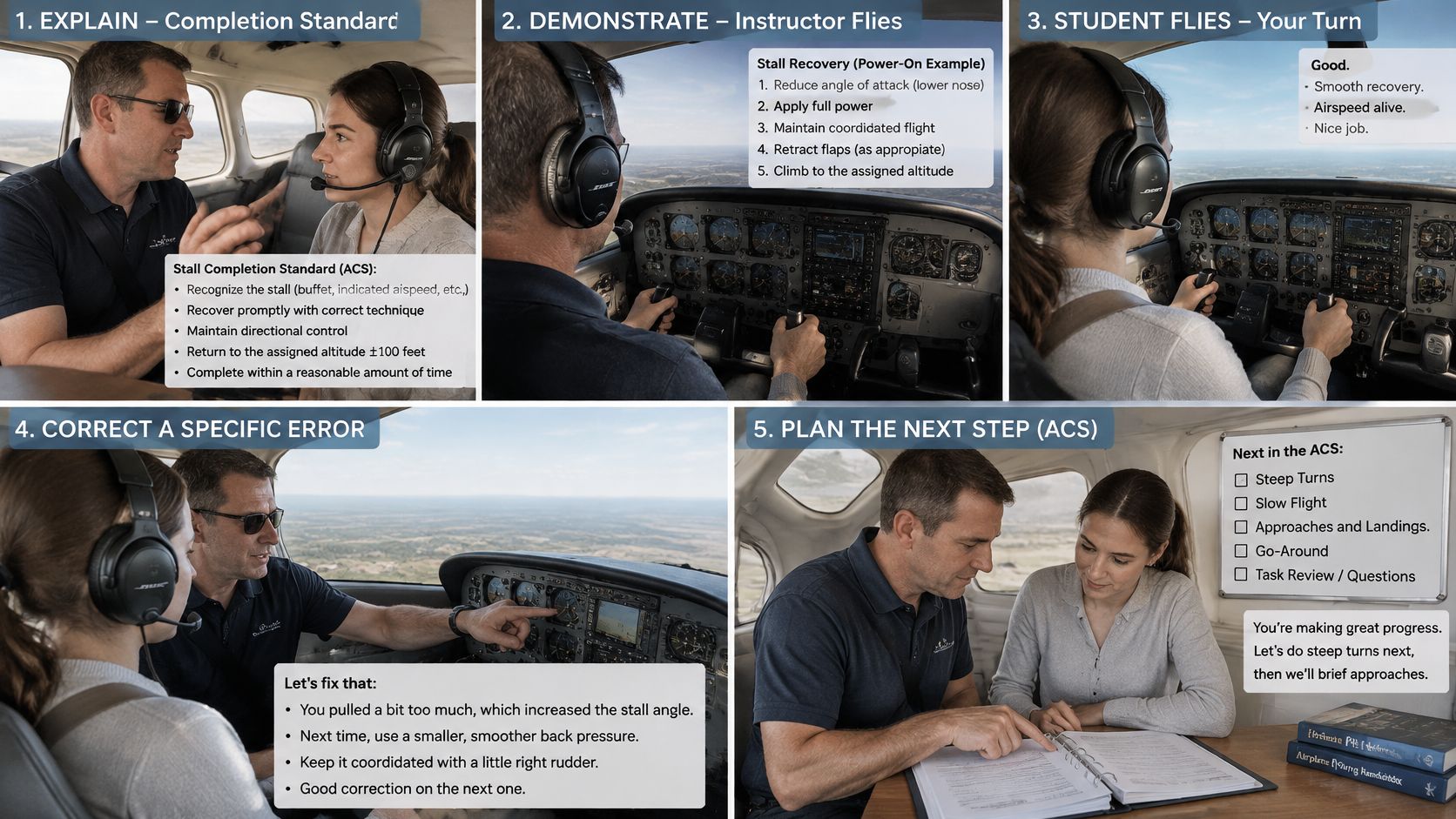
The FAA Aviation Instructor's Handbook chapter on instructor responsibilities describes that job as training an applicant to established standards for every subject, procedure, and maneuver in the applicable Airman Certification Standards or Practical Test Standards. It also requires recognizing errors, providing corrective guidance, and preparing students across the complete areas of operation rather than rehearsing a small set of expected maneuvers.
Three Lesson Examples
For a private-pilot stall, the instructor states the completion standard, demonstrates the entry and recovery, lets the student try, names the specific error, and assigns the correction. If the student adds power but doesn't reduce angle of attack, the debrief should identify that sequence, not just say the recovery felt rough.
For an instrument approach, the instructor briefs the procedure, watches scan and altitude control, and teaches the missed-approach decision out loud. Flying the approach without narrating it while the student watches may look smooth, but it doesn't build instrument judgment. The student needs to brief, decide, and act while the instructor monitors safety.
For multiengine training, the instructor teaches the engine-failure drill, the airplane's limits, and the point where the maneuver stops. That stop point matters. Good instruction defines the boundary before the maneuver begins, so a learning exercise doesn't drift into an unsafe demonstration.
Written objectives help connect those examples across lessons. Instructors who plan classroom activities and assessments around clear tasks can track what was taught, what was corrected, and what still needs review, and students preparing for evaluation can compare that record with guidance on mastering the FAA Airman Certification Standards.
Mistakes That Hide Weak Learning
Several habits can make training look better than it is:
- Rehearsing a short maneuver list: The student repeats likely checkride items and misses the complete standard.
- Treating pass rate as durable skill: Results can reflect who was endorsed and how much pretest coaching occurred.
- Skipping risk-management discussion: The maneuver is flown, but the decision behind it isn't taught.
- Prompting through the task: The student succeeds only while the instructor supplies the missing steps.
Better questions reveal more than a pass-rate claim. Are lesson objectives written, are progress reviews documented, does the instructor know the aircraft and local airspace, and can the student decide without being prompted? Those answers show whether skill will transfer after the checkride.
Frequently Asked Questions About Flight Instructor Training
A CFI certificate and the legal use of it are two different things. These questions all come back to that line: what the paper says, what endorsements and currency allow, and what a school needs to see before it can plan your training.
How Long Does Instructor Training Take
The FAA doesn't publish a single national hour count for instructor training. The PIC requirement is one eligibility item, and total time depends on preparation, proficiency, and scheduling. Ask the school for an estimate based on your current certificates and logbook totals rather than relying on a generic figure. Instructors who later bill students directly may find a free invoice template for tutors useful for keeping lesson records and payments organized.
What the Certificate Does and Does Not Authorize
Holding a certificate and exercising its privileges are separate questions. A passed knowledge test measures one part of readiness; endorsements, the practical test, and current instructor privileges do the rest. The same logic applies across categories. An airplane instructor certificate does not extend to rotorcraft, which require the appropriate rotorcraft instructor privileges.
What Should Be Brought to a First Meeting
Bring current certificates, logbook totals, knowledge-test status, the aircraft category sought, and the goal, whether initial CFI, CFII, or MEI. DuBois Aviation's enrollment options include Flight Instructor Training alongside Private Pilot – Airplane, Instrument Rating – Airplane, Commercial Pilot – Airplane, Multi-Engine Training, Helicopter Training, and Other, so the conversation can start from where your logbook already stands.
Does a Discovery Flight Commit You to a Training Path
A discovery flight carries no commitment. You sit with an instructor, review the plan for the flight, fly from Chino Airport with guidance the whole way, and ask questions before choosing a path. DuBois Aviation offers one-on-one instruction at Chino Airport for airplane and helicopter training, from the first discovery flight through advanced ratings.
DuBois Aviation provides one-on-one airplane and helicopter instruction at Chino Airport, including flight instructor training for pilots working toward CFI, CFII, and MEI privileges. Prospective instructor candidates can ask about course availability or book a discovery flight to review certificates, logbook totals, and the right training sequence. Visit DuBois Aviation to start that conversation.