
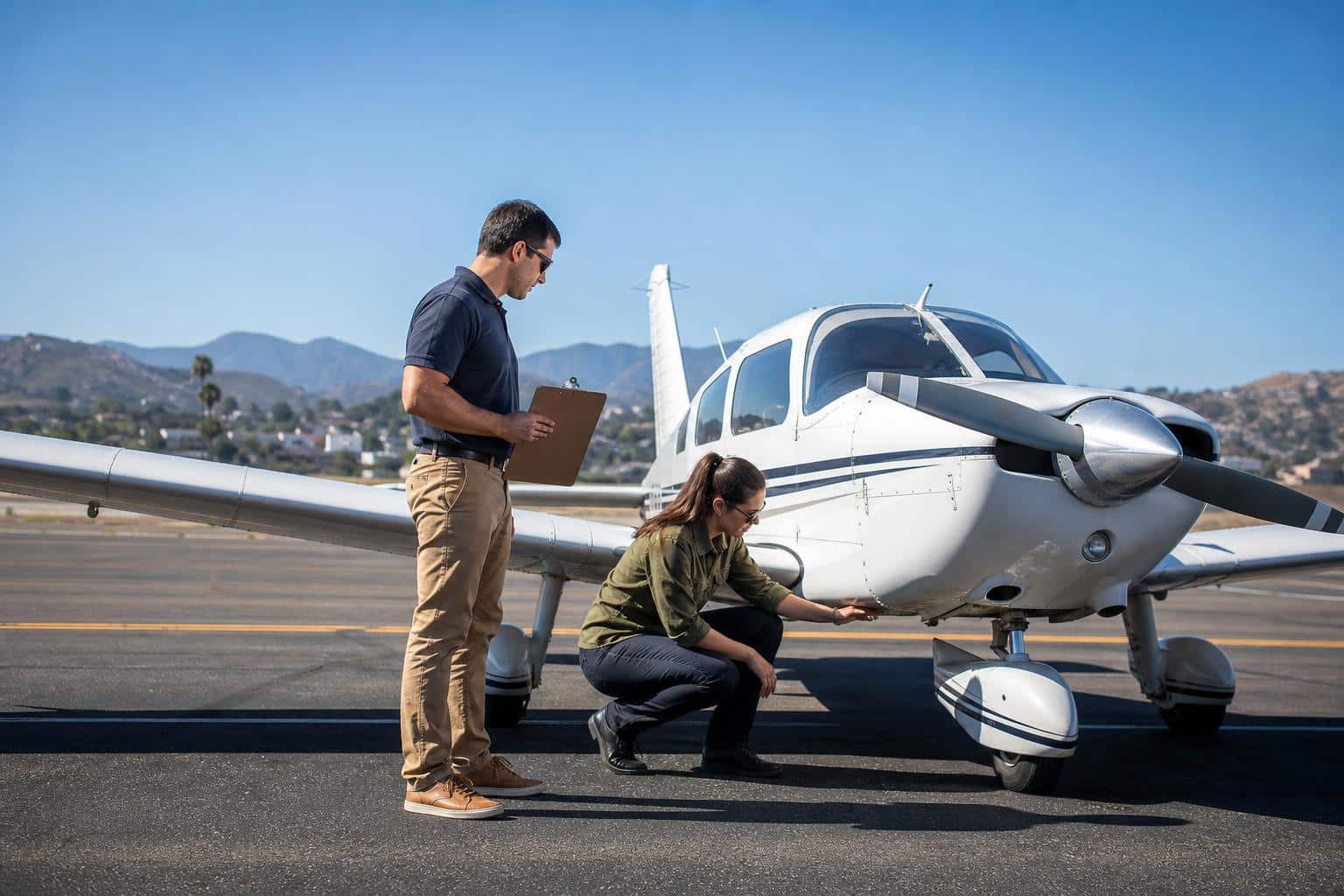
Preparing for the private pilot checkride can feel overwhelming for student pilots. This final step in earning your private pilot certificate is more than just a test; it’s a comprehensive evaluation of your knowledge, skills, and decision-making ability as a pilot. Understanding exactly what the checkride entails helps you focus your training and approach it with confidence. In this article, we’ll break down what the private pilot checkride actually tests, explain the key areas you’ll be evaluated on, and provide practical tips to help you succeed.
Overview of the Private Pilot Checkride
The private pilot checkride, officially known as the practical test, is the final examination conducted by an FAA-designated pilot examiner. It evaluates whether you meet the standards required to operate as a private pilot safely and competently. The checkride consists of two main components: an oral exam and a flight test. During the oral portion, the examiner assesses your aeronautical knowledge, decision-making, and understanding of regulations. The flight portion tests your ability to perform maneuvers, handle the aircraft, and respond to real-world scenarios.
Two practical options worth comparing
These are specific products pilots commonly compare for this type of flying. Confirm compatibility with your aircraft and instructor before ordering.
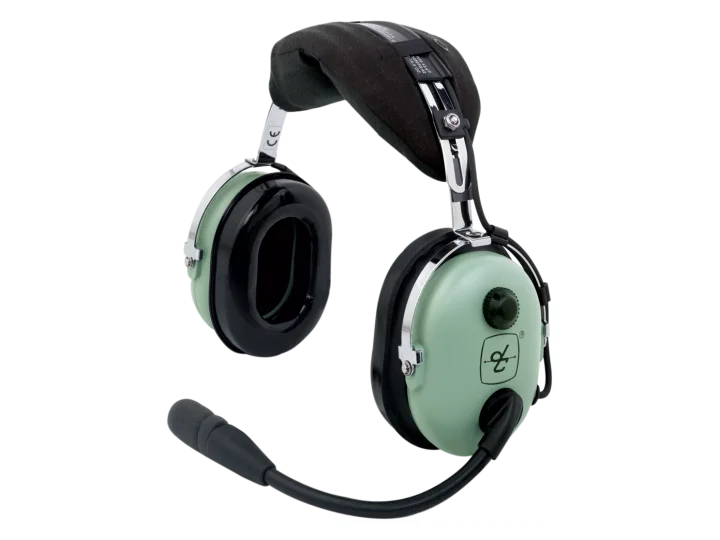 Student headsetDavid Clark H10-13.4 Aviation HeadsetCheck current availability on Amazon (paid link)
 OrganizationASA Flight BagCheck current availability on Amazon (paid link)
The standards for the checkride are established by the FAA’s Airman Certification Standards (ACS), which outline the knowledge and skill areas you must demonstrate proficiency in. Although the FAA’s official ACS page is currently restricted, the DuBois private pilot course integrates these standards into its curriculum, ensuring you are well-prepared for every aspect of the checkride.
What the Oral Exam Tests
The oral exam is your opportunity to show the examiner that you understand the theory and regulations behind flying. It covers a broad range of topics including aircraft systems, weather, navigation, airspace rules, and emergency procedures. The examiner may ask scenario-based questions to evaluate your judgment and decision-making skills.
Key areas typically covered during the oral exam include:
- FAA Regulations: You must be familiar with relevant parts of Title 14 CFR Part 61, which governs pilot certification requirements. Understanding these regulations ensures you operate within legal boundaries.
- Weather Interpretation: You’ll need to interpret weather reports and forecasts, such as METARs and TAFs, and explain how weather conditions affect flight planning and safety.
- Navigation and Flight Planning: This includes understanding sectional charts, plotting courses, calculating fuel requirements, and using navigation aids.
- Aircraft Systems: Be prepared to explain how the aircraft’s engine, electrical system, flight controls, and other systems function.
- Emergency Procedures: The examiner will test your knowledge of how to handle in-flight emergencies, such as engine failure or electrical issues.
During the oral exam, it’s important to communicate clearly and confidently. If you don’t know the answer to a question, it’s better to admit it than to guess incorrectly. Your instructor and resources like the Pilot Training Tracker can help you identify areas where you need more study.
What the Flight Test Evaluates
The flight portion of the checkride is where you demonstrate your ability to safely operate the aircraft under the standards set by the FAA. The examiner will ask you to perform a series of maneuvers and procedures that reflect real-world flying scenarios. These include preflight inspections, takeoffs, landings, navigation, and emergency procedures.
Some of the specific flight maneuvers and tasks you will be expected to perform include:
- Preflight Inspection: You must conduct a thorough preflight check of the aircraft to ensure it is airworthy and safe for flight.
- Normal and Crosswind Takeoffs and Landings: Demonstrating control of the aircraft during takeoff and landing in various wind conditions is essential.
- Steep Turns and Slow Flight: These maneuvers test your ability to maintain control and situational awareness at different airspeeds and attitudes.
- Stalls: You’ll need to recognize and recover from stalls safely, showing your understanding of aircraft behavior at critical angles of attack.
- Navigation and Course Intercepting: Using pilotage, dead reckoning, and navigation aids to follow a planned route accurately.
- Emergency Procedures: The examiner may simulate emergencies such as engine failure or system malfunctions to evaluate your response and decision-making.
Throughout the flight, the examiner will observe your airmanship, communication with air traffic control, and adherence to safety protocols. Maintaining situational awareness and demonstrating sound judgment are just as important as flying the aircraft precisely.
How to Prepare Effectively for Your Checkride
Preparation is key to passing your private pilot checkride. Here are some strategies to help you get ready:
- Complete a Structured Training Program: Enroll in a comprehensive course like the DuBois private pilot course which aligns with FAA standards and covers all required knowledge and skills.
- Use a Flight Training Log and Tracker: Tools such as the Pilot Training Tracker help you monitor your progress, identify weak areas, and ensure you meet all flight hour requirements.
- Study the FAA Regulations and ACS: While direct access to the ACS may be limited, your instructor will provide the relevant standards. Understanding FAA regulations found in Title 14 CFR Part 61 is also essential.
- Practice Oral Exam Questions: Review common oral exam topics and practice explaining concepts aloud to build confidence.
- Simulate Flight Maneuvers: Regularly practice required maneuvers with your instructor to develop muscle memory and smooth execution.
- Prepare Mentally and Physically: Get adequate rest before the checkride, stay hydrated, and approach the test with a positive mindset.
Practical Checklist for the Private Pilot Checkride
Use this checklist to ensure you have covered all essential preparation steps before your checkride day:
- Review FAA Regulations: Understand Part 61 requirements and limitations.
- Master Aircraft Systems: Be able to explain all major systems and their functions.
- Know Weather Interpretation: Practice reading METARs, TAFs, and weather charts.
- Plan and Navigate Flights: Complete flight planning exercises including weight and balance, fuel calculations, and route plotting.
- Practice Required Maneuvers: Steep turns, stalls, slow flight, takeoffs, landings, and emergency procedures.
- Conduct Preflight Inspections: Be thorough and methodical.
- Prepare for Oral Questions: Practice explaining concepts clearly and confidently.
- Organize Required Documents: Pilot certificate, medical certificate, logbook endorsements, and photo ID.
- Rest and Relax: Ensure you are well-rested and mentally prepared.
Conclusion: Embrace the Checkride as a Learning Milestone
The private pilot checkride is a comprehensive evaluation designed to confirm you are ready to fly safely and responsibly. By understanding what the checkride tests—from knowledge of regulations and weather to practical flying skills and decision-making—you can approach it with confidence rather than fear. Remember that your flight instructor and resources like the DuBois private pilot course and Pilot Training Tracker are there to support you every step of the way. With thorough preparation and a positive attitude, you’ll be ready to earn your private pilot certificate and take to the skies as a confident aviator.