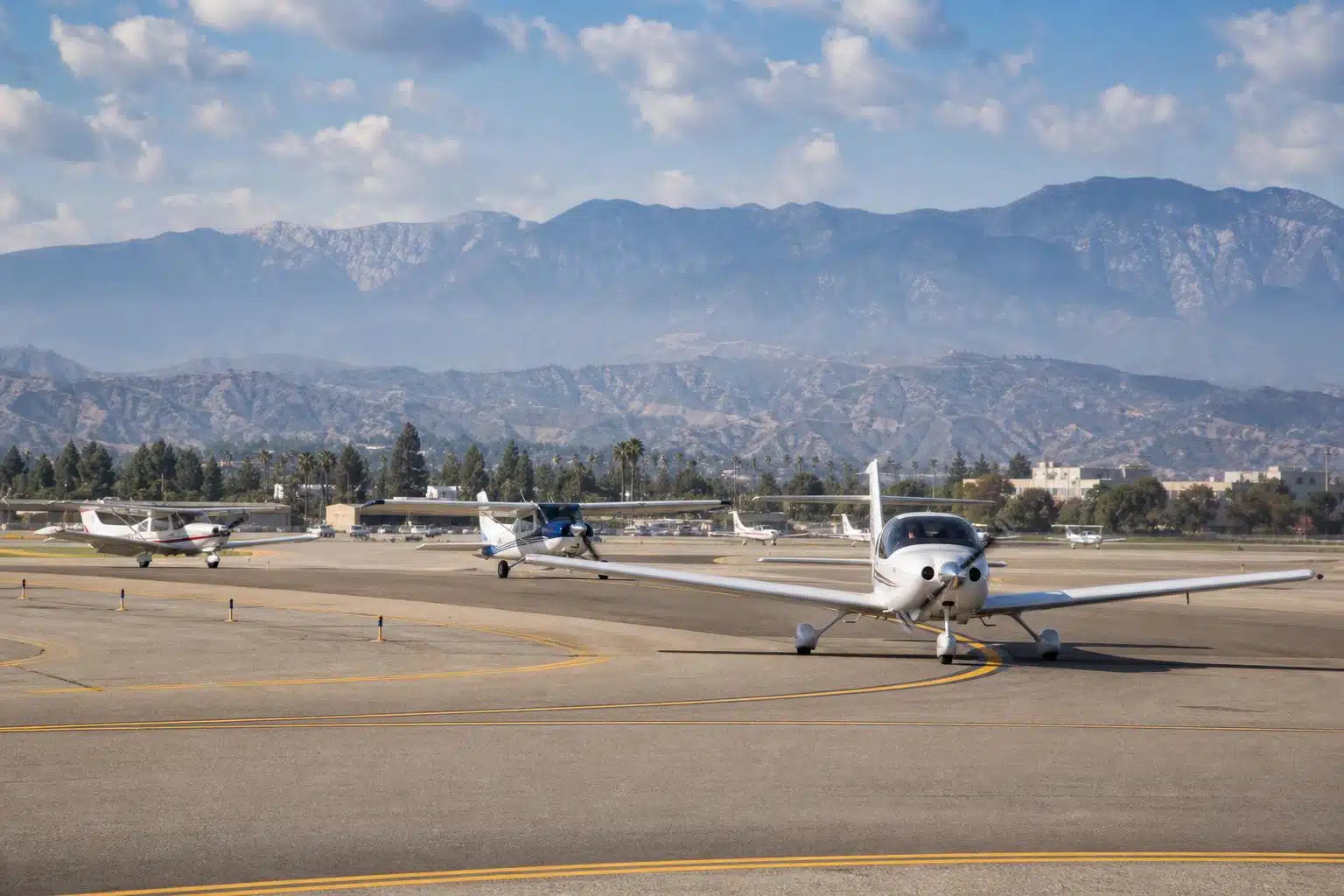
Chino Airport, located in Southern California, is a vibrant hub for aspiring pilots seeking comprehensive flight training. For student pilots, training here offers more than just hours logged in the cockpit; it provides an immersive experience that blends practical skills, local airspace familiarity, and professional instruction. This article explores what student pilots learn by training at Chino Airport and how this foundation prepares them for a successful aviation career.
Understanding the Unique Environment of Chino Airport
Chino Airport (CNO) is a general aviation airport known for its active flight training community and diverse aviation activities. Student pilots training here gain firsthand experience operating in a busy yet manageable airspace. This environment teaches essential skills such as situational awareness, communication with air traffic control, and adherence to airport procedures.
Two practical options worth comparing
These are specific products pilots commonly compare for this type of flying. Confirm compatibility with your aircraft and instructor before ordering.
 Student headsetDavid Clark H10-13.4 Aviation HeadsetCheck current availability on Amazon (paid link)
 OrganizationASA Flight BagCheck current availability on Amazon (paid link)
Training at Chino Airport exposes students to various aircraft types and operations, from single-engine trainers to vintage warbirds. This diversity helps students develop adaptability and confidence in handling different flight scenarios. Moreover, the airport’s location in Southern California offers a range of weather conditions, from clear skies to occasional coastal fog, providing valuable experience in weather assessment and decision-making.
Mastering Flight Fundamentals Through Structured Training
At the core of flight training at Chino Airport is a structured curriculum designed to build a solid foundation in aviation fundamentals. Students learn the principles of aerodynamics, aircraft systems, and flight controls, which are essential for safe and efficient flying.
Flight instructors guide students through progressive lessons that cover takeoffs, landings, navigation, and emergency procedures. These lessons emphasize precision and consistency, ensuring students develop strong stick-and-rudder skills. Additionally, students practice cross-country flights, which enhance their navigation abilities and understanding of flight planning.
DuBois Aviation at Chino Airport offers tailored flight training programs that combine ground school and flight instruction. This integrated approach ensures students grasp theoretical knowledge and apply it practically, reinforcing learning and retention. For more information on available programs, prospective students can visit DuBois flight training.
Developing Proficiency in Airspace and Communication
Operating in the controlled and uncontrolled airspace around Chino Airport requires student pilots to develop strong communication skills and airspace knowledge. Students learn to interact effectively with air traffic controllers, understand radio phraseology, and comply with clearance instructions.
Training includes mastering the use of aviation radios, understanding traffic patterns, and recognizing visual and instrument flight rules (VFR and IFR) requirements. This experience is crucial for building confidence in managing real-world flight operations and enhances safety awareness.
By training at Chino Airport, students become familiar with Southern California’s complex airspace structure, including nearby Class B and Class C airspace. This exposure prepares them for future flights in busy metropolitan areas and busy airports.
Enhancing Navigation and Flight Planning Skills
Flight training at Chino Airport emphasizes the importance of thorough flight planning and accurate navigation. Students learn to interpret aeronautical charts, calculate fuel requirements, and plan routes that consider weather, terrain, and airspace restrictions.
Instructors teach students to use both traditional navigation methods, such as pilotage and dead reckoning, and modern tools like GPS. This dual approach ensures pilots are prepared for various scenarios, including equipment failures or unexpected weather changes.
Cross-country flights from Chino Airport provide practical opportunities to apply these skills. Students plan and execute flights to other airports, managing all aspects of the journey from preflight briefing to post-flight analysis.
Building Confidence Through Emergency and Safety Training
Safety is paramount in aviation, and flight training at Chino Airport incorporates comprehensive emergency procedure drills. Students practice handling engine failures, system malfunctions, and adverse weather conditions under instructor supervision.
This training builds the decision-making skills and composure necessary to manage in-flight emergencies effectively. Emphasis is placed on recognizing potential hazards early and executing appropriate responses to maintain safety.
Additionally, students learn about aircraft maintenance basics and preflight inspections, which contribute to overall flight safety. Understanding the aircraft’s condition before flight helps prevent incidents and ensures reliability.
Preparing for Certification and Beyond
Completing flight training at Chino Airport prepares student pilots for FAA certification exams, including the private pilot license (PPL). The comprehensive instruction covers all knowledge areas and flight maneuvers required by FAA standards.
DuBois Aviation at Chino Airport supports students through this process by providing experienced instructors, well-maintained training aircraft, and a supportive learning environment. Prospective students interested in starting their aviation journey can contact the school directly via DuBois Aviation at Chino Airport.
Beyond initial certification, training at Chino Airport lays the groundwork for advanced ratings and professional pilot careers. The skills and habits developed here are essential for success in more complex flying environments.
Practical Checklist for Student Pilots Training at Chino Airport
- Familiarize Yourself with Chino Airport Layout: Study airport diagrams and understand runway configurations and taxiways.
- Learn Local Airspace Structure: Review sectional charts to comprehend surrounding controlled and uncontrolled airspace.
- Master Radio Communication: Practice standard phraseology and listen to live ATC communications when possible.
- Complete Ground School Thoroughly: Focus on aerodynamics, weather, regulations, and navigation principles.
- Plan Cross-Country Flights Carefully: Include alternate airports, fuel calculations, and weather considerations.
- Practice Emergency Procedures Regularly: Simulate engine failures and system malfunctions with your instructor.
- Perform Detailed Preflight Inspections: Check aircraft condition meticulously before every flight.
- Maintain a Flight Log: Record all flight hours, maneuvers, and lessons learned for progress tracking.
Training at Chino Airport offers student pilots a comprehensive and practical aviation education. The combination of a dynamic airport environment, skilled instructors, and structured programs equips students with the knowledge and confidence needed to excel as pilots. For those interested in pursuing flight training in Southern California, exploring options with DuBois flight training at Chino Airport is an excellent first step toward achieving their aviation goals.