

A student pilot is preparing for a cross-country flight at a busy airport. Instead of unfolding paper charts across the briefing table, the pilot checks weather, reviews the route, and opens the airport diagram on a tablet. AC 91-78 was the FAA guidance that first formalized this kind of Electronic Flight Bag use for many general aviation operations. Issued on July 20, 2007, it applied to Part 91 pilots during VFR and IFR preflight, flight, and postflight operations. The FAA later superseded it with AC 91-78A, so today's pilots should understand both its historical role and its canceled status.
Table of Contents
- Why AC 91-78 Matters for Modern Pilots
- What AC 91-78 Covers and Who It Applies To
- Key Provisions and EFB Classifications
- How AC 91-78A Superseded the Original Circular
- Practical Compliance Checklist for Flight Schools and Pilots
- Applying EFB Guidance at a Towered Class D Airport
- Common Misconceptions About EFB Legality and Authority
- Quick Reference Guide to EFB Classes and Requirements
- Frequently Asked Questions About AC 91-78 and EFB Use
Why AC 91-78 Matters for Modern Pilots
A tablet can hold the chart, airport diagram, weather briefing, checklist, and performance data needed for a cross-country flight. That arrangement feels routine now, but AC 91-78 provided an early FAA framework for using electronic reference material in the cockpit. Titled “Use of Class 1 or Class 2 Electronic Flight Bag (EFB)”, it addressed aircraft owners, operators, and pilots operating under 14 CFR Part 91 during VFR and IFR operations, including preflight, flight, and postflight activities. The original FAA advisory circular record identifies the circular's issuance date and scope.
Its value today is historical and practical. AC 91-78 helped establish the reasoning behind paperless cockpit references, while AC 91-78A later superseded and canceled the original circular. Pilots should therefore treat AC 91-78 as the foundation of current EFB practice, not as the active document that governs operations today.
For a flight school or renter, the useful lesson is operational discipline. Keep charts and airport information current, confirm that the device displays the needed material clearly, secure it where it will not obstruct controls or outside scanning, and carry a workable backup for battery, software, mounting, or device failure. A tablet can reduce cockpit clutter, but it cannot replace preflight planning or pilot judgment.
The trade-off is workload. One device may consolidate references and simplify cockpit organization. It can also create distraction if the pilot searches through menus during a busy departure, arrival, or abnormal situation.
Practical rule: Use the tablet to reduce cockpit tasks, not to compete with radios, traffic scanning, navigation, or aircraft control.
The same foundation helps explain later uses of electronic tools for IFR preparation. Pilots reviewing mobile clearance and digital IFR departure clearances should still verify the clearance, understand the route, and remain ready to use established communication methods. AC 91-78 matters because it marked the FAA's early structured treatment of electronic cockpit references, while today's paperless operation depends on current guidance and sound procedures.
What AC 91-78 Covers and Who It Applies To
A student pilot preparing an instrument flight might use a tablet for the route, airport information, and approach material. AC 91-78 addressed that kind of cockpit use, while leaving the pilot responsible for aircraft control, awareness, and compliance with applicable rules.
AC 91-78 was advisory guidance, not a regulation. It applied to aircraft owners, operators, and pilots operating under Part 91, and discussed Class 1 and Class 2 EFBs during VFR and IFR preflight, flight, and postflight operations. A specific regulation could still require a different method. The original circular provided an early framework for using electronic references without creating a universal requirement to carry an EFB or discard paper documents.
The distinction matters in practice. A regulation creates a binding legal requirement. An advisory circular describes an acceptable method, recommended practice, or FAA guidance for addressing an operational question. AC 91-78 helped pilots and operators evaluate electronic cockpit material, but it did not, by itself, authorize every paperless procedure or remove other applicable requirements.
The operational scope
The guidance followed the normal rhythm of a flight:
- Preflight: Electronic references could support route preparation, airport information, weather review, and related planning.
- Flight: An EFB could support navigation and reference work when the pilot could use it without compromising aircraft control or situational awareness.
- Postflight: Electronic records and review could support the operator's procedures when those procedures permitted their use.
That scope made the guidance relevant to student pilots, renters, CFIs, and fleet managers. A student learning instrument procedures needed to know where an approach chart was stored and how to retrieve it without losing attention during a clearance or frequency change. A renter needed to confirm that the aircraft's mounting arrangement, charging provisions, and local procedures supported the intended tablet setup.
The device is only one part of the operation. The pilot also needs a current data source, a usable mounting position, and a practical response to battery, software, or equipment failure.
Advisory guidance versus mandatory rules
The FAA's later record confirms that the circular was not mandatory and did not carry the force of law. The FAA record for AC 91-78A also states that the earlier circular was canceled when updated guidance superseded it.
That status does not make the subject irrelevant. During a checkride, an applicant should explain the aircraft's EFB use, how information stays current, and what happens if the device stops working. The answer should separate FAA guidance from an applicable regulation, aircraft limitation, operator procedure, or examiner expectation.
Key Provisions and EFB Classifications
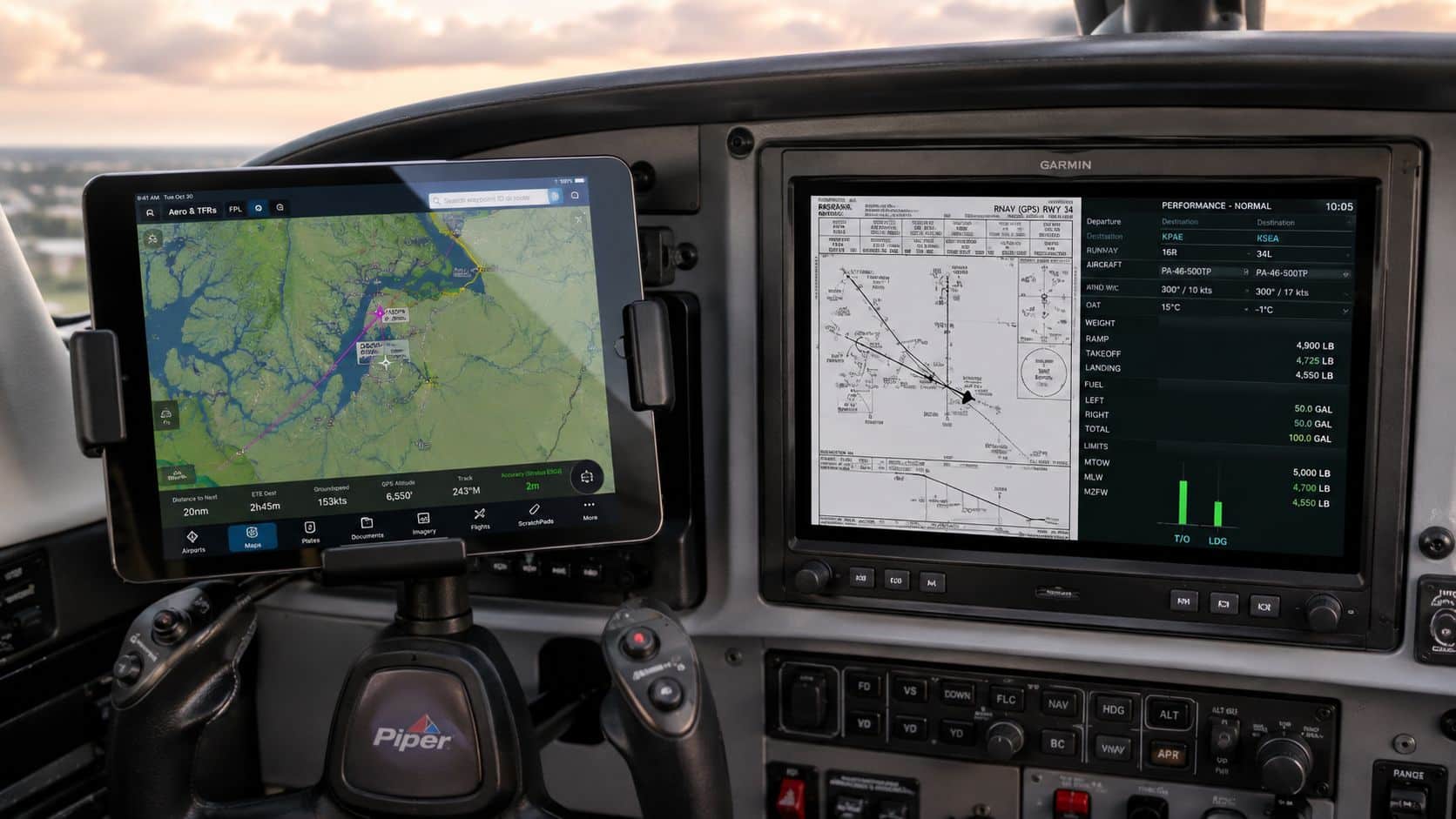
A tablet becomes useful in flight only when its place in the cockpit is defined. The original AC 91-78 organized electronic flight bag hardware by class, giving operators a way to distinguish a portable device from equipment installed or mounted as part of normal aircraft operations.
Class 1 and Class 2 in practical terms
A Class 1 EFB was generally a portable device. A tablet carried between aircraft fits that description, but the class label does not settle the operational questions. The pilot still needs to check mounting, power, interference, screen visibility, and the procedures used in that aircraft.
A Class 2 EFB involved a more structured mounting or installation arrangement. It could connect to aircraft power or include other features that made it part of routine cockpit use. For a flight school, that difference affects fleet policy, maintenance expectations, instructor training, and the procedure a student follows. A personally carried tablet may require a different process from a device mounted in each training aircraft.
The original framework also identified a Class 3 category. That category is obsolete in current EFB discussions, so pilots should not use the old terminology as a replacement for current FAA guidance or the operator's procedures.
Backup planning is an operational decision
Paperless operations still require a usable failure plan. The practical question is direct: What will the pilot use if the primary EFB becomes unavailable?
The answer may involve paper references, a second electronic device, installed aircraft displays, or another approved source of required information. The right arrangement depends on the flight, aircraft, equipment, operator policy, and applicable rules. A backup buried in a flight bag and unreachable during a busy approach does not provide meaningful protection.
Power planning belongs in the same discussion. Start with sufficient battery, verify charging options, and check that cables, mounts, or portable batteries cannot obstruct the controls or an emergency exit. A dimming screen during a procedure can create the workload of a missing chart.
Operational approval and local procedures
Part 91 operators generally have flexibility, but a flight school still needs clear local procedures. Define supported device types, chart update checks, mounting locations, instructor briefings, and the response to an EFB failure. CFIs should teach the workflow on the ground before asking a student to manage it during a departure, arrival, or instrument procedure.
A pilot deciding between a dedicated flight computer and a tablet can review DuBois Aviation's flight-planning comparison of an aviation calculator and an iPad. The practical test is whether the selected system presents the required information accurately, quickly, and safely for the intended flight. That assessment matters more than the device category alone.
How AC 91-78A Superseded the Original Circular
A student pilot preparing a paperless cross-country can still encounter AC 91-78 in training notes, school procedures, or older checkride discussions. That reference matters historically, but it is no longer the current FAA circular. In 2024, the FAA superseded it with AC 91-78A, and the FAA's published record identifies the 2007 circular as canceled. The FAA's AC 91-78A record is the primary reference for that status.
The distinction affects how pilots describe tablet-based EFB use. AC 91-78 remains the historical foundation for much of the portable EFB discussion, while AC 91-78A is the appropriate reference for the FAA's updated position. Neither circular, by itself, creates a blanket authorization or requirement for every Part 91 flight.
What changed in practical use
The original circular addressed a period when electronic flight bags were still developing in general aviation. Its Class 1 and Class 2 framework gave operators a way to assess portable equipment and more integrated installations. Tablet applications and electronic chart workflows are now familiar in many cockpits, so the superseding guidance provides a more current reference for flight schools, renters, and pilots setting up paperless operations.
The practical test still centers on cockpit use:
- Is the electronic material suitable for the intended task?
- Is the information current and available?
- Can the pilot access it without unsafe distraction?
- Is there a workable response if the device fails?
- Do the aircraft, operator, or applicable regulations add requirements?
Why the distinction matters at a checkride
A student who says, “AC 91-78 requires every Part 91 pilot to carry a tablet,” has confused advisory guidance with a regulation. A student who says, “The canceled circular has no relevance,” overlooks its role as the earlier framework that led to today's EFB discussion.
The precise answer is stronger: AC 91-78 established an early FAA framework for EFB use, and AC 91-78A superseded it in 2024. Determine actual obligations from applicable regulations, aircraft documentation, and operating procedures, not from either circular alone.
Practical Compliance Checklist for Flight Schools and Pilots
A paperless operation works best when every pilot follows the same basic process. The checklist below is useful for a flight school, CFI, renter, or student pilot, but it should be adapted to the aircraft and local operating policy.
Before accepting the aircraft
Select a suitable device. Confirm that the screen is readable, the device fits the cockpit, and the pilot can operate it without obstructing controls or essential instruments.
Confirm the information source. Check that charts, airport diagrams, procedures, and other references are current for the planned flight. A downloaded file that was never refreshed shouldn't be treated as current merely because it opens.
Plan for failure. Decide whether the backup will be paper, a second device, installed equipment, or another approved reference. State the response clearly before departure.
Manage power. Start with adequate battery and identify the aircraft's charging options. Secure cables so they won't interfere with flight controls, rudder pedals, switches, or emergency movement.
Verify access. Open the planned route, departure information, destination material, alternates if applicable, and relevant airport diagrams before engine start.
During the flight
The pilot should avoid searching through multiple menus during high-workload phases. A CFI can teach students to prepare likely pages in advance, keep the display at a usable brightness, and return attention to outside scanning and aircraft control after each reference task.
A device mounted for convenience can still create a problem if it blocks an instrument, reflects sunlight, or moves during turbulence. The mounting solution should be tested in the specific aircraft, not assumed safe because it worked in another cockpit. DuBois Aviation's guidance on iPad mounts and pilot kneeboards provides a relevant equipment-planning reference for pilots evaluating cockpit placement.
| Checklist Item | Why It Matters | Common Mistake |
|---|---|---|
| Device selection | Keeps information visible and usable | Choosing a device without checking cockpit fit |
| Backup strategy | Prevents a device fault from becoming a planning crisis | Assuming the tablet will work for the entire flight |
| Battery and power | Supports continued access to electronic references | Leaving with a low battery or loose cable |
| Data currency | Ensures the displayed material is appropriate for the flight | Updating only after reaching the airport |
| Preflight verification | Reduces searching during workload-intensive phases | Opening the app for the first time after takeoff |
| Mounting and stowage | Limits movement and obstruction | Placing the device where it blocks instruments |
| Failure procedure | Gives the pilot a deliberate response | Treating failure as an unexpected emergency |
Applying EFB Guidance at a Towered Class D Airport
A tablet can help a pilot at a towered Class D airport, but it can also divide attention at exactly the wrong moment. At Chino Airport, for example, a student may need to listen for taxi instructions, identify the assigned runway, monitor surrounding traffic, and keep the aircraft moving safely while referencing an electronic airport diagram.

Ground operations require preparation
The best time to review the taxi diagram is before calling for taxi. The pilot can identify the expected runway area, likely route, hotspots, and any confusing intersections during the briefing. Once moving, the EFB should confirm the pilot's understanding, not replace outside observation, signage, airport markings, or a readback.
A student who looks down to find a diagram after receiving a rapid taxi clearance may miss a hold-short instruction. The safer habit is to pause when appropriate, ask for clarification, and avoid taxiing while heads-down workload has become excessive.
Arrival and approach discipline
On arrival, the pilot can prepare the airport diagram, runway information, and instrument approach material before entering the busiest portion of the terminal area. During an instrument approach, the tablet should supplement the pilot's instrument scan and procedure briefing. It shouldn't become the sole focus during configuration changes, radio calls, runway alignment, or missed-approach decisions.
CFIs can build EFB discipline into normal training:
- Brief first: Review the expected route and procedure before workload rises.
- Keep the radio primary: Read back clearances accurately and avoid manipulating the device during critical transmissions.
- Use short references: Retrieve one item, confirm it, and return attention to the airplane.
- Protect the scan: Maintain outside visual scanning in VFR and instrument cross-check in IFR.
- Practice failure: Have the student continue using the planned backup without turning the exercise into an improvised search.
The practical standard is simple. Technology should make the pilot more organized before and during the flight, while airmanship remains the controlling priority.
Common Misconceptions About EFB Legality and Authority
A tablet is not mandatory because AC 91-78 discussed electronic flight information. The FAA issued that circular as advisory guidance for Part 91 operations. As noted earlier, advisory circulars of this kind are not regulations and do not carry the force of law. The original circular was later canceled when the updated guidance superseded it.
Paperless operations are not automatically prohibited because a tablet is portable rather than permanently installed. The practical test is whether the electronic material suits the operation and whether the pilot, aircraft owner, or operator has established a safe procedure. That procedure must address information currency, device reliability, access during flight, and a workable backup.
What a checkride answer should include
If a DPE asks about EFB backup procedures, avoid a vague slogan. Give a specific answer that identifies:
- The device's purpose, such as charts, airport diagrams, checklists, or planning references.
- The currency check, completed before departure.
- The power plan, including charging availability and battery condition.
- The placement plan, keeping the device clear of controls and instruments.
- The failure response, using the designated backup and advising ATC when appropriate.
Part 91 flexibility does not make every rental aircraft interchangeable. A flight school may require a standard device, mounting method, or backup procedure even when the advisory material does not require that exact setup. Students and renters should follow the aircraft owner's procedures, aircraft limitations, and applicable regulations.
The clearest explanation separates legality, operator policy, and good airmanship. They overlap during real operations, but each answers a different question. Legal authority addresses what is required. Operator policy sets local operating expectations. Good airmanship determines whether the plan remains manageable when the device, workload, or conditions change.
Quick Reference Guide to EFB Classes and Requirements
AC 91-78's class system helps explain how earlier guidance viewed electronic flight bags. Because AC 91-78 was later canceled after AC 91-78A superseded it in 2024, use this table as historical context, not as the current compliance standard.
| Topic | Practical reference |
|---|---|
| Class 1 EFB | Portable equipment, such as a tablet carried between aircraft |
| Class 2 EFB | More integrated or mounted equipment, potentially connected to aircraft power |
| Class 3 EFB | Obsolete classification in the older framework |
| Intended users | Part 91 aircraft owners, operators, and pilots |
| Flight phases | Preflight, flight, and postflight |
| Operations | VFR and IFR, unless a specific regulation says otherwise |
| Backup | A deliberate alternative, such as paper, another device, or installed equipment |
| Authority | Advisory guidance, not a regulation |
| Current status | AC 91-78 was canceled after AC 91-78A superseded it in 2024 |
For paperless operations, apply the table as a checklist rather than a permission slip. Confirm that the device suits the aircraft and task, information is current, power will last, placement leaves controls clear, and a usable backup is available. A second device may work, but only if it is charged, accessible, and contains the needed information.
The label does not determine safety or legality. Current regulations, aircraft documentation, operator procedures, and the pilot's failure plan do. A flight school or aircraft owner may impose stricter local procedures than this historical advisory framework.
Frequently Asked Questions About AC 91-78 and EFB Use
Is AC 91-78 still current?
No. AC 91-78 was canceled after the FAA superseded it with AC 91-78A in 2024. Treat the original as historical background, not current compliance guidance.
Did AC 91-78 require a tablet?
No. It provided advisory guidance, not a binding requirement. Applicable regulations, aircraft documentation, and operator procedures control the operation.
Can a tablet be the only reference during an IFR flight?
Only with a failure plan that meets current guidance and operating requirements. Before departure, confirm the tablet has current information, sufficient power, suitable mounting, and an accessible backup. A device that starts during preflight can still fail in flight.
Must a flight school provide paper backups?
No universal paper-backup mandate came from the circular for Part 91 operators. A flight school may require paper, another device, or installed equipment through its own procedures.
What should a student explain during a checkride?
Describe the EFB's purpose, currency check, charging and mounting plan, backup, and failure procedure. State clearly that AC 91-78 is canceled advisory guidance.
DuBois Aviation provides airplane and helicopter training, aircraft rental, instrument and commercial instruction, and instructor-led cockpit practice at Chino Airport. Pilots can visit DuBois Aviation for course availability, school visits, or training information.


