
The FAA is moving an important part of instrument flying from the radio to the screen. Its new Mobile Clearance program will let participating general aviation and business aviation pilots request IFR departure clearances through supported flight-planning applications, including ForeFlight and Garmin products.
The program is intended to reduce readback mistakes, shorten routine radio exchanges, and give controllers more time to monitor aircraft movement and runway safety. Testing began in Texas in May 2026, expanded to Wisconsin and Kansas during the summer, and is scheduled to reach additional airports before broader deployment begins in 2027.
Two practical options worth comparing
These are specific products pilots commonly compare for this type of flying. Confirm compatibility with your aircraft and instructor before ordering.
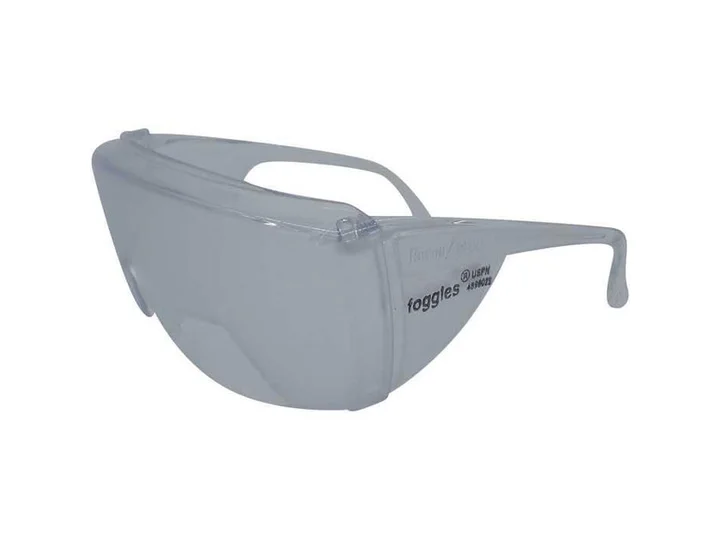 Instrument trainingFoggles Aviation IFR Training GlassesCheck current availability on Amazon (paid link)
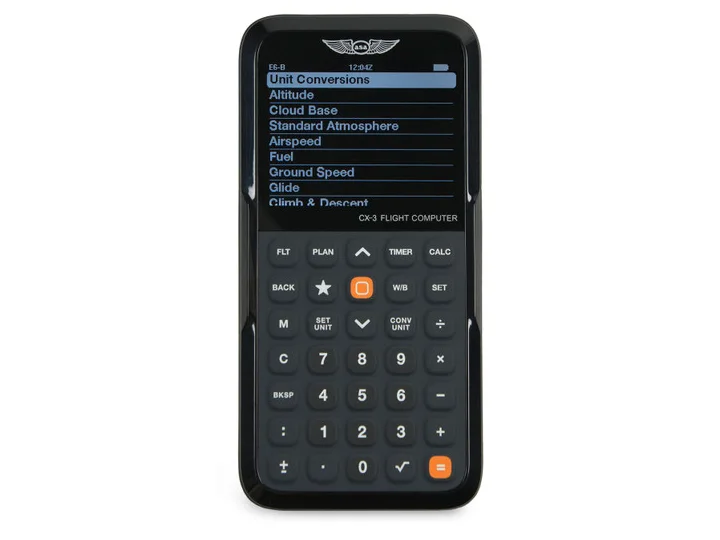 Flight planningASA CX-3 Flight ComputerCheck current availability on Amazon (paid link)
What pilots should know
- Mobile Clearance is for requesting IFR departure clearances at participating airports through approved applications.
- It is not available nationwide yet, and Chino Airport has not been named as a current test location.
- The FAA says ForeFlight and Garmin applications are participating in the operational evaluation.
- ForeFlight says amended and revised clearances can be delivered directly to an iPad or iPhone for the pilot to accept or reject.
- Digital IFR cancellation capability is also planned during the evaluation.
- ForeFlight is separately developing mobile flight-plan closure after landing at uncontrolled airports.
- Pilots must still carefully review, understand, and comply with every clearance they accept.
Watch the FAA Mobile Clearance video
Video: Federal Aviation Administration, “FAA Mobile Clearance: The Future of GA Pilot Communication.”
What is FAA Mobile Clearance?
Mobile Clearance is a digital connection between participating flight-plan service providers and air traffic control. Instead of receiving every IFR departure clearance by voice, an eligible pilot at a participating airport will be able to request the clearance through a supported phone or tablet application.
The concept is similar to the Pre-Departure Clearance capability already familiar to airline crews and controllers. The major difference is that Mobile Clearance is being designed for broader general and business aviation use through applications many pilots already carry in the cockpit.
The FAA says more than half of approximately 44,000 IFR departure requests are currently handled verbally through direct contact with a tower. Moving some routine clearance delivery to a text-based format could reduce frequency congestion and eliminate errors caused by a misunderstood route, altitude, or departure instruction.
How the digital clearance process may help pilots
An IFR clearance can contain several pieces of information that must be copied and verified accurately: the cleared route, initial altitude, expected altitude, departure frequency, and transponder code. Busy frequencies, weak reception, unfamiliar fixes, and rapid delivery can all increase pilot workload.
A digital clearance gives the pilot a written record to review. That can be particularly useful when a clearance differs from the filed route or contains a complex amendment. It may also reduce repeated transmissions when a pilot needs a clearance read again.
For controllers, moving a routine transaction away from the radio can create more time for traffic calls, runway monitoring, and instructions that require immediate attention. The FAA describes the project as both a communication-accuracy improvement and a way to increase controller situational awareness.
What the ForeFlight Mobile interface shows
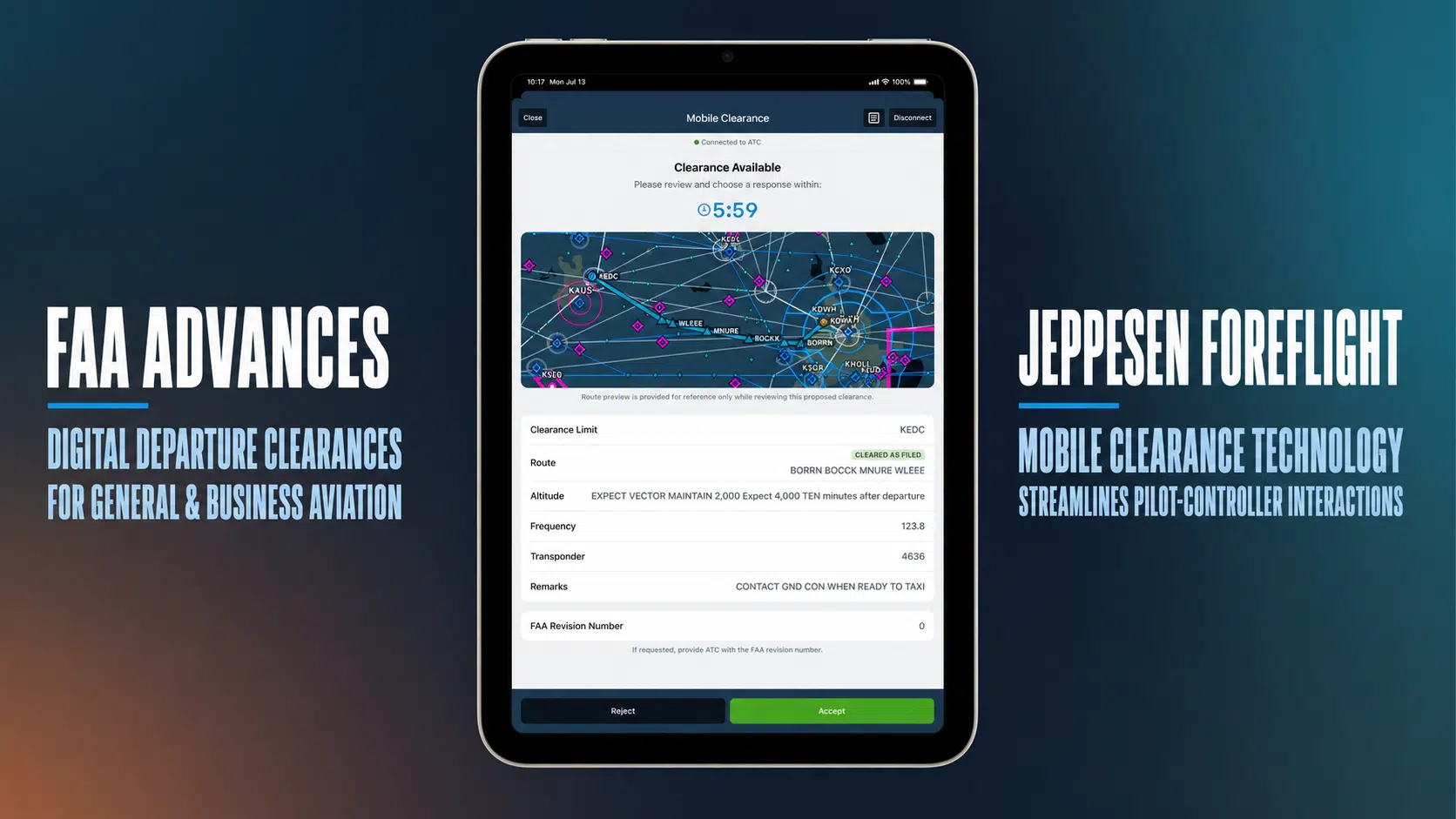
ForeFlight’s published demonstration image provides a useful preview of the pilot workflow. The Mobile Clearance screen displays a route preview and the clearance components pilots already recognize: clearance limit, route, altitude, frequency, transponder code, remarks, and an FAA revision number.
The example also shows a response timer and clear Accept and Reject controls. According to Jeppesen ForeFlight, prominent in-app notifications will alert pilots when a clearance, amendment, or revision is available. This is important because a digital clearance is not merely a static copy of the original flight plan; ATC can issue a different route or update that still requires careful pilot review.
The image at the top of this article is the Mobile Clearance iPad interface published by Jeppesen ForeFlight. It is used here for news reporting and product identification, with attribution to the original source.
What Mobile Clearance does not change
Digital delivery does not remove the pilot’s responsibility to understand the clearance. Before accepting or acting on it, the pilot must review the route and restrictions, resolve anything that is unclear, and confirm the aircraft can comply.
It also does not eliminate normal ATC communication. Pilots will still need radio proficiency for taxi instructions, takeoff clearances, amendments, traffic information, and airborne communication. Radio delivery must remain a comfortable backup when an airport, aircraft, application, or data connection cannot support the digital service.
Training takeaway: A convenient digital clearance should support strong IFR procedures, not replace them. Student pilots still need to know how to copy, read back, brief, and verify a voice clearance.
Current and planned Mobile Clearance airports
The FAA’s current program page identifies the following operational-evaluation timeline. Availability can change, so pilots should verify support in their application and review current FAA information before relying on the service.
| Period | Airports or areas identified by the FAA |
|---|---|
| May 2026 | Houston-area evaluation, including Sugar Land Regional (SGR), Scholes International (GLS), and David Wayne Hooks Memorial (DWH) |
| Summer 2026 | Appleton International (ATW) and New Century AirCenter (IXD) |
| Fall 2026 planned | Kansas City Downtown (MKC), Johnson County Executive/Olathe (OJC), Austin Executive (EDC), Georgetown Executive (GTU), and San Marcos Regional (HYI) |
| February 2027 | Planned end of the evaluation period, followed by deployment to airports across the United States |
Digital IFR cancellation is also coming
The program is expected to do more than deliver departure clearances. The FAA is also evaluating a feature that lets pilots cancel IFR through a participating flight application. This could help a pilot transition to VFR without using additional radio time while allowing ATC to release protected airspace more efficiently.
The FAA newsroom announcement says this capability will begin during August 2026, while the detailed program timeline describes a fall 2026 Houston-area rollout. Pilots should treat the feature as location-dependent during testing and follow the current instructions shown by the FAA and their application provider.
ForeFlight also plans mobile flight-plan closure
Jeppesen ForeFlight describes a related capability planned for a later rollout: closing an IFR flight plan in the app after landing at an uncontrolled airport. This addresses a different part of the flight than departure clearance delivery.
At airports without an operating control tower, pilots sometimes cancel IFR in the air because they expect difficulty reaching ATC or flight service after landing. That decision can remove IFR protection before the flight is safely on the ground. A reliable post-landing closure option could let pilots retain their IFR clearance through arrival and then close the flight plan from the ramp, subject to the final FAA procedure and local availability.
How ForeFlight and the FAA tested the system
ForeFlight says the capability was developed in direct collaboration with the FAA. United Flight Systems, a flight school at David Wayne Hooks Memorial Airport (KDWH), supported real-world testing and validation in the Houston area.
The feature was also scheduled for demonstration at Jeppesen ForeFlight booths 443–445 during EAA AirVenture Oshkosh 2026. Pilots departing Appleton International Airport (ATW) during the show were identified as potential operational users of the digital departure-clearance feature.
Jeppesen ForeFlight reports that its products support planning, navigation, monitoring, or optimization for more than 60 million commercial, military, business, and general aviation flights each year. That scale helps explain why integrating an ATC workflow into established electronic flight bags could reach pilots more quickly than requiring a separate FAA application.
Why this matters for flight training
Mobile Clearance gives instrument students another reason to develop disciplined clearance-review habits. A written clearance may be easier to read than a fast radio transmission, but it can still contain an unexpected route, altitude restriction, or departure procedure.
Before departure, an instrument pilot should be able to answer several questions:
- Does the clearance match the route loaded in the navigator or flight-management system?
- What is the initial altitude, and when should a higher altitude be expected?
- Is a published departure procedure or obstacle departure procedure involved?
- Are all waypoints, airways, and transitions understood?
- What will the pilot do if the application or data connection fails?
At DuBois Aviation, students training in Southern California also operate around busy terminal airspace where concise radio work and accurate readbacks remain essential. Even after Mobile Clearance becomes widely available, pilots should be prepared to receive and amend an IFR clearance by voice at any time.
What pilots can do now
- Keep applications current. Install approved updates and review release notes from the flight-planning provider.
- Check airport availability. Do not assume a digital clearance can be requested simply because the application supports the feature.
- Review the entire clearance. Compare it with the filed route and the avionics before acceptance.
- Maintain a radio backup. Be ready to contact clearance delivery, ground control, a remote communications outlet, or flight service as appropriate.
- Follow current FAA guidance. Procedures may evolve during the operational evaluation and national rollout.
Frequently asked questions
Is Mobile Clearance available at Chino Airport?
Not according to the FAA’s current list of evaluation locations. Chino pilots should continue using the published clearance-delivery procedures unless the FAA, ATC, or a supported application announces local availability.
Will every ForeFlight or Garmin user receive the feature?
The FAA identifies ForeFlight and Garmin as participating flight-plan application providers, but actual access may depend on the airport, application version, account, aircraft operation, and stage of the rollout. Pilots should confirm eligibility with the provider.
Does a digital clearance replace a takeoff clearance?
No. An IFR departure clearance authorizes the flight under specified IFR conditions; it is not permission to enter or take off from a runway. Pilots must still receive and comply with the appropriate taxi and takeoff instructions.
Can pilots still receive a clearance by radio?
Voice communication remains necessary and is the practical backup when Mobile Clearance is unavailable. The new system is intended to reduce routine voice traffic, not eliminate pilot-controller radio communication.
Official FAA sources
- FAA announcement: Digital departure clearances for general and business aviation
- FAA Mobile Clearance program page and rollout timeline
- FAA Mobile Clearance video on YouTube
- Jeppesen ForeFlight announcement and Mobile Clearance interface image
This article summarizes FAA and Jeppesen ForeFlight information available on July 24, 2026. Mobile Clearance remains in operational evaluation, and participating airports, applications, and procedures may change.
Continue learning: Review our instrument rating course guide and IFR currency requirements.