
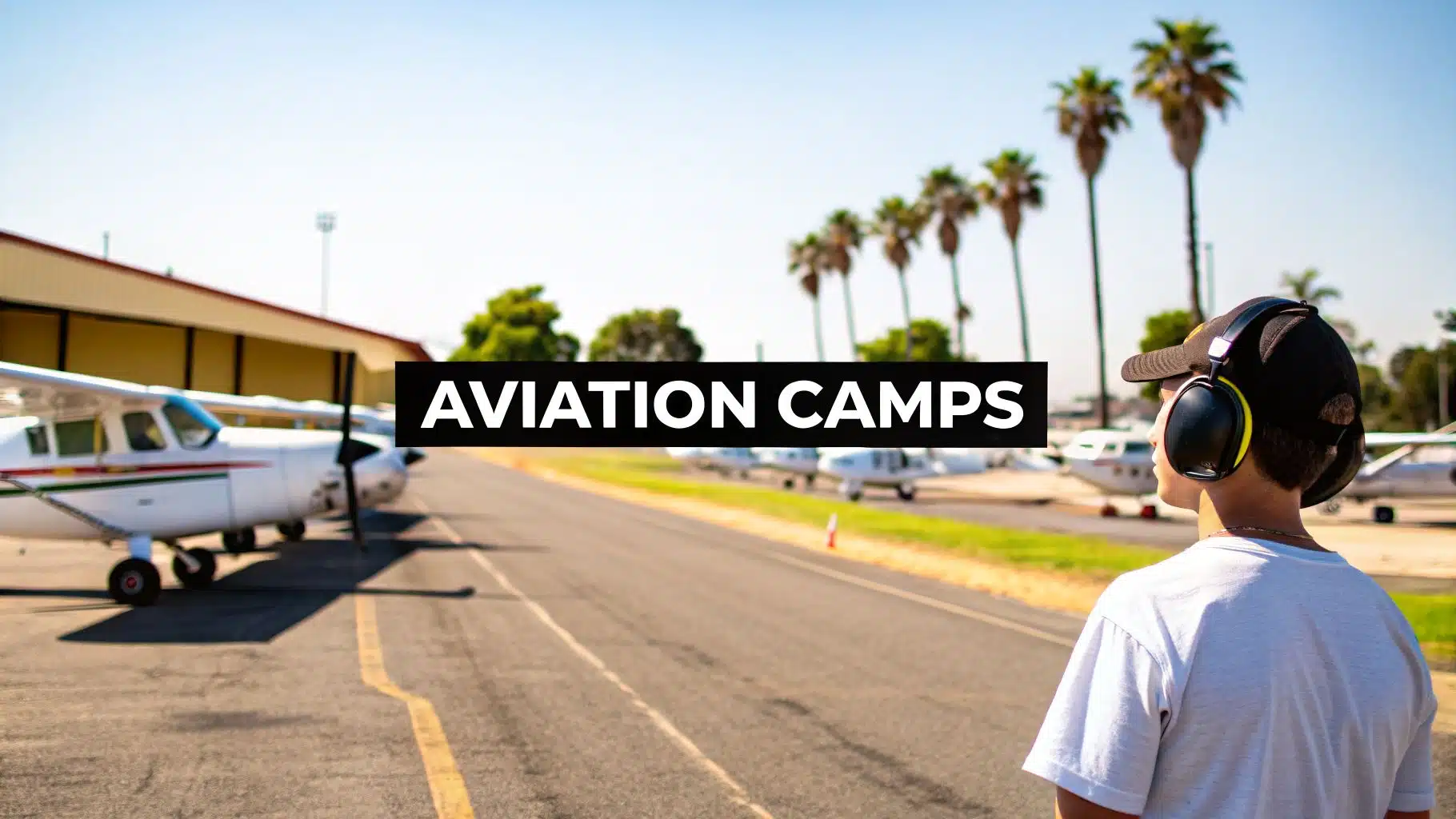
Does your child gaze at the sky, fascinated by every plane that soars overhead? Transforming that fascination into a real-world skill is more accessible than you might think. For parents and teens in Southern California, a vibrant ecosystem of aviation programs offers clear pathways from ground school to the cockpit. To ignite an early passion for aviation, consider engaging your child with a hands-on activity such as learning how to make a hot air balloon for a kid-friendly science project.
This guide is designed to help you navigate the options and find the perfect fit. We will explore a curated list of the best youth aviation programs near me, focusing on the Chino area and greater Southern California. You'll get a detailed look at what each program offers, including ages, costs, schedules, and curriculum highlights. Beyond the list, we'll provide crucial insights on how to choose the right program, understand safety and FAA regulations, and even offer advice for those interested in buying or selling aircraft. This article provides the actionable details needed to turn your child's high-flying dreams into a tangible plan for takeoff.
1. DuBois Aviation
DuBois Aviation at Chino Airport (KCNO) solidifies its position as a top-tier choice for youth aviation programs near me by providing a complete, professional flight training environment. It’s more than just a place to take a few lessons; it’s a full-service school that immerses students in a realistic aviation setting from day one. Training at a busy, towered Class D airport gives young flyers a distinct advantage, building confidence with radio communications and complex airspace procedures that smaller fields simply cannot offer.
The school's one-on-one instructional model, which uses the respected Jeppesen curriculum, ensures that each student’s training plan is built around their specific goals and learning pace. This personalized approach is critical for steady progress, whether the objective is earning a Private Pilot License or starting on a professional career path. The combination of experienced instructors, a diverse fleet of aircraft, and modern simulation tools creates an efficient and effective training experience.
Key Strengths & Program Highlights
DuBois Aviation stands out due to its robust infrastructure and structured pathways. Young aviators benefit from a curriculum that prepares them for real-world flying, not just passing a test.
- Real-World Training Environment: Operating out of Chino Airport (KCNO) means students immediately learn to navigate a busy Class D environment with multiple runways and instrument approaches (ILS, VOR, RNAV). This experience is invaluable for building air traffic control communication skills.
- Diverse Fleet & Simulation: Students can train in a variety of aircraft, including Piper Cherokees, a Cessna 150, and even multi-engine and helicopter models. The in-house simulator is a cost-effective tool for practicing procedures and instrument approaches without leaving the ground.
- Structured Youth Programs: Beyond standard training, DuBois offers a dedicated Aviation Camp and Flyers Club. These programs provide structured learning and mentorship specifically for young enthusiasts, fostering a sense of community and a clear entry point into aviation.
- Full-Spectrum Career Pathways: For those with professional ambitions, the school offers a clear progression from Private and Instrument ratings through Commercial, Multi-Engine, and an Airline Career Program.
Expert Insight: The hands-on experience in a towered, instrument-capable airport environment is a significant differentiator. It accelerates a student's practical skills and comfort level, preparing them for more advanced flying scenarios much earlier in their training.
Practical Information & How to Engage
Accessing DuBois Aviation’s programs is straightforward. Their facility operates seven days a week, and an online scheduling system provides flexibility for booking flights and lessons. Discovery flights are an excellent starting point for any curious teen, offering a hands-on introduction before committing to a full program.
| Feature | Details |
|---|---|
| Primary Location | Chino Airport (KCNO), Southern California |
| Key Youth Programs | Aviation Camp, Flyers Club, Discovery Flights |
| Instructional Approach | One-on-one training with personalized plans; Jeppesen curriculum |
| Pricing & Enrollment | Contact directly at (909) 597-6292 or visit their website for current rates, rental info, and enrollment details. |
| Aircraft Sales/Purchase | Their experienced team offers guidance to students and clients interested in the aircraft acquisition process. |
Website: https://duboisaviation.com
2. EAA Young Eagles (EAA Chapter 92 — Chino)
For parents and teens exploring aviation for the first time, the Experimental Aircraft Association (EAA) Young Eagles program offers an unbeatable, low-barrier entry point. This worldwide initiative, with a vibrant local chapter right at Chino Airport (KCNO), has one primary goal: to give young people aged 8–17 a free, introductory flight in a general aviation aircraft. It's a fantastic way to gauge a child's interest without a significant financial commitment.
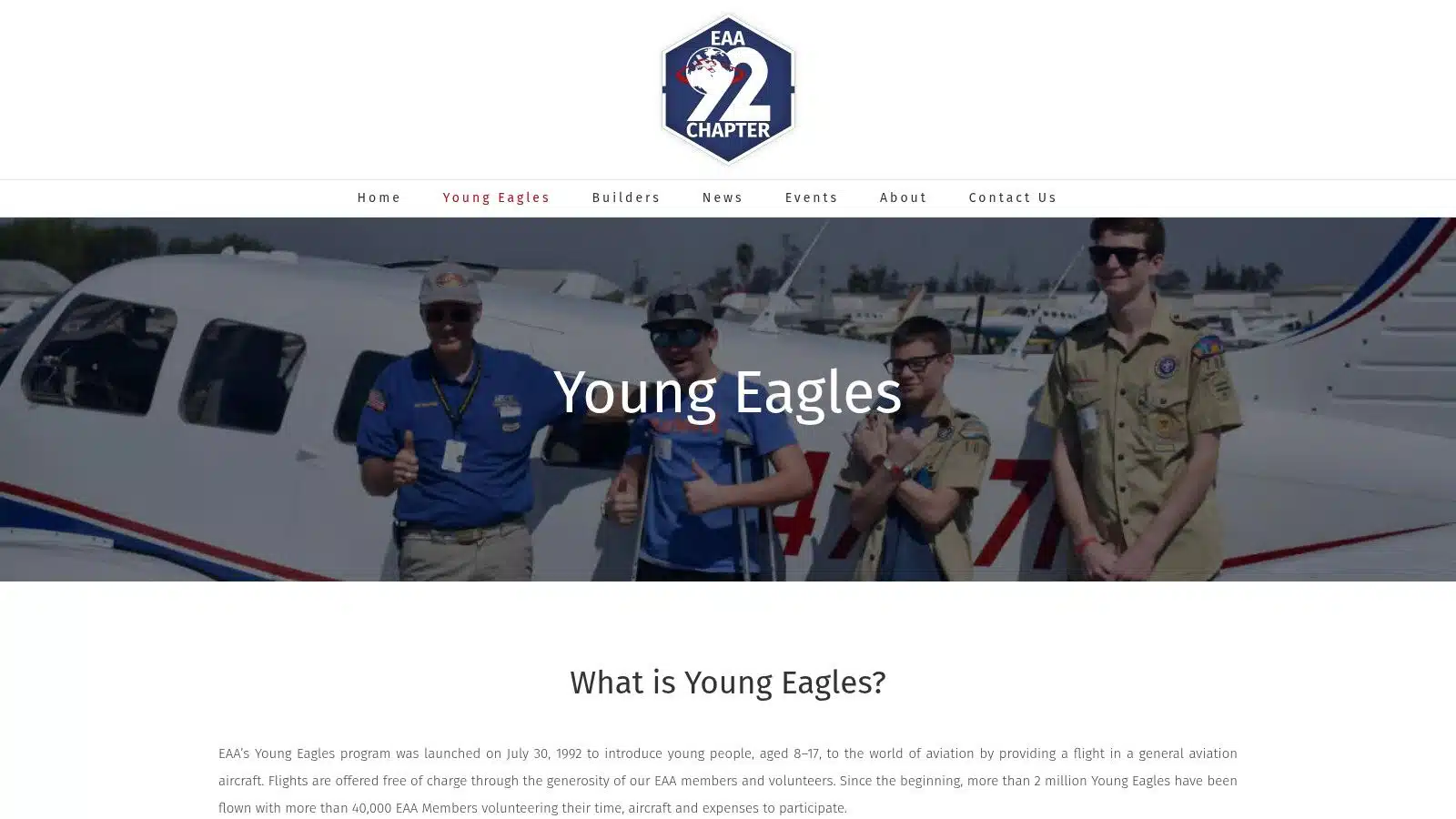
The experience is more than just a quick ride. EAA Chapter 92 organizes "Rally Days" at Chino Airport where volunteer pilots dedicate their time, aircraft, and fuel to share their passion. Before the flight, each participant receives a safety briefing and a walk-around of the airplane, learning about the basic components and control surfaces. The flight itself typically lasts 15-20 minutes, providing a breathtaking view of the Inland Empire and a real feel for flight.
Key Program Features and Next Steps
What makes Young Eagles one of the best youth aviation programs near me is the structured pathway it provides after the flight.
- Free Educational Resources: Participants receive a free EAA Student Membership and are granted access to Sporty's Learn to Fly Course, a comprehensive online ground school valued at over $279. This resource covers everything needed to pass the FAA Private Pilot written exam.
- Local Mentorship: The program connects aspiring pilots with members of EAA Chapter 92, creating valuable mentorship opportunities with experienced aviators and builders in the Chino community.
- Scholarship Opportunities: EAA offers numerous scholarships for flight training, and participation in the Young Eagles program is a great first step toward eligibility.
These rally events fill up very quickly, so advanced registration through the EAA Chapter 92 website is essential. While the flight is free, weather and pilot availability can sometimes cause delays or rescheduling. For those ready for a more in-depth experience beyond this initial taste, structured introductory flying lessons provide one-on-one time with a certified instructor at the controls.
Learn more at: https://www.eaa92.org/ye/
3. Civil Air Patrol Cadet Program (Chino Cadet Squadron 20)
For teens seeking a structured, long-term program that combines aviation with leadership, discipline, and community service, the Civil Air Patrol (CAP) Cadet Program is a premier choice. As the official auxiliary of the U.S. Air Force, CAP offers a year-round, multifaceted experience for youth aged 12 to 18. The local Chino Cadet Squadron 20 provides a consistent, hands-on environment right at Chino Airport (KCNO), making it a standout among youth aviation programs near me for its depth and commitment.
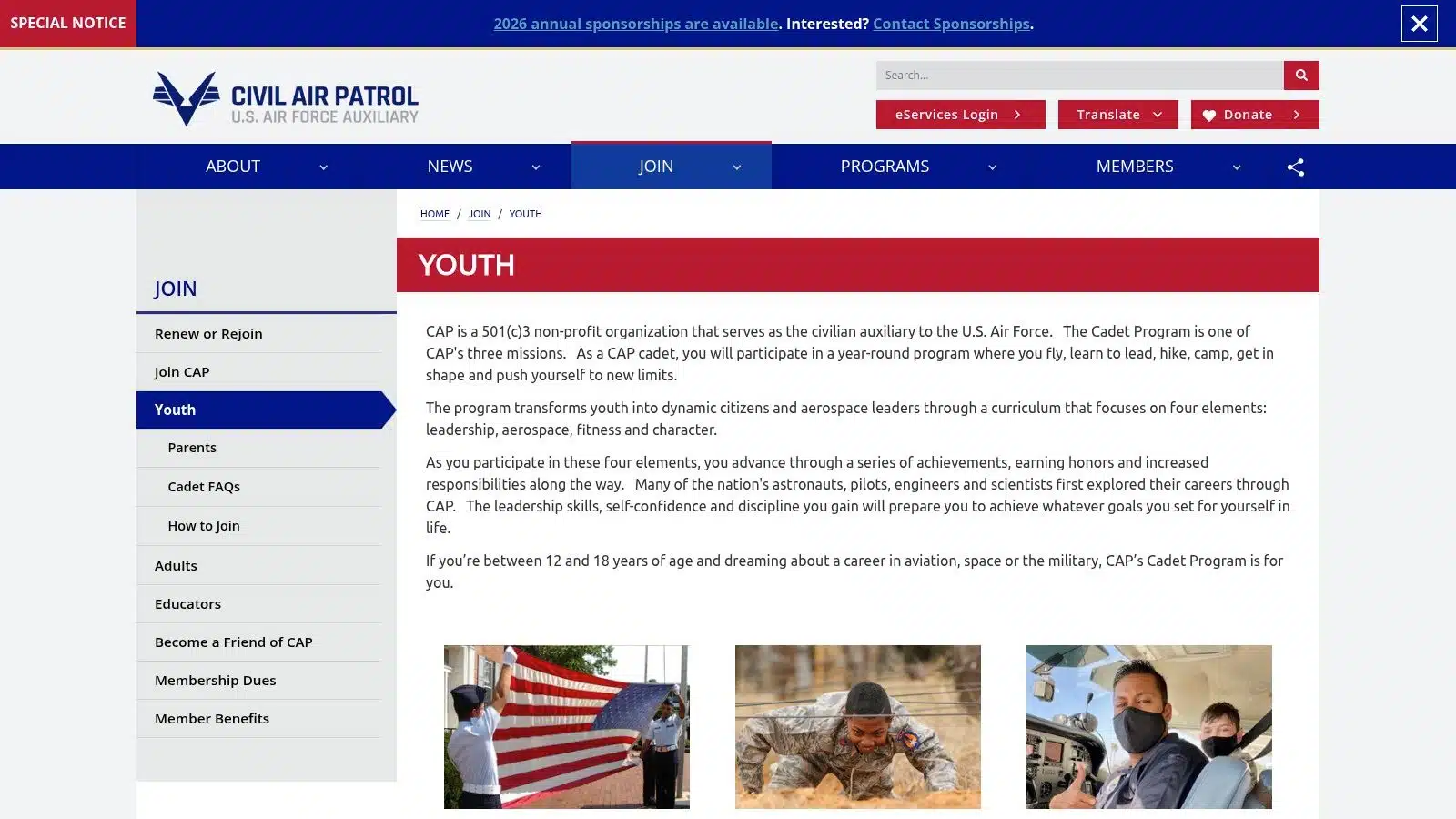
Unlike a one-day event, CAP is built around weekly squadron meetings and periodic weekend activities. Cadets progress through a military-style rank structure, taking on increasing leadership responsibilities while participating in aerospace education, physical fitness, and character development exercises. This consistent mentorship and peer group create a strong foundation for personal growth and are highly valued by colleges and future employers.
Key Program Features and Next Steps
The program’s strength lies in its blend of local engagement and national opportunities, creating a clear pathway for aspiring aviators.
- Orientation Flights: Cadets have the opportunity to participate in up to five free orientation flights in CAP-owned aircraft, and they may even get a chance to handle the controls under the supervision of a qualified CAP pilot.
- Structured Advancement: The program features a clear progression model where cadets earn ranks and awards, culminating in opportunities for national-level activities, summer encampments, and flight scholarships. This framework teaches discipline, respect, and responsibility.
- STEM and Aerospace Education: CAP provides a rich curriculum covering flight principles, aviation history, and STEM topics. These lessons complement the hands-on flight experiences and provide a solid knowledge base for anyone thinking about how to get a pilot's license.
While the program offers immense value, prospective cadets should be aware of membership dues and the cost of uniforms. Some special activities and encampments may also have additional fees, though scholarships are often available. The best way to start is to visit a local squadron meeting to observe and speak with current cadets and senior members.
Learn more at: https://www.gocivilairpatrol.com/join/youth-in-cadet-program
4. Tom Wathen Center at Flabob Airport (Jurupa Valley) — Kids & Teens
For young enthusiasts who want to do more than just fly, the Tom Wathen Center at historic Flabob Airport (KRIR) in Jurupa Valley offers a deeply engaging, hands-on approach to aviation. This program is ideal for middle and high school students who are curious about the mechanics, science, and craftsmanship behind aircraft. It provides a unique, ground-up perspective, emphasizing skill development through mentorship from experienced volunteers in a real airport environment.
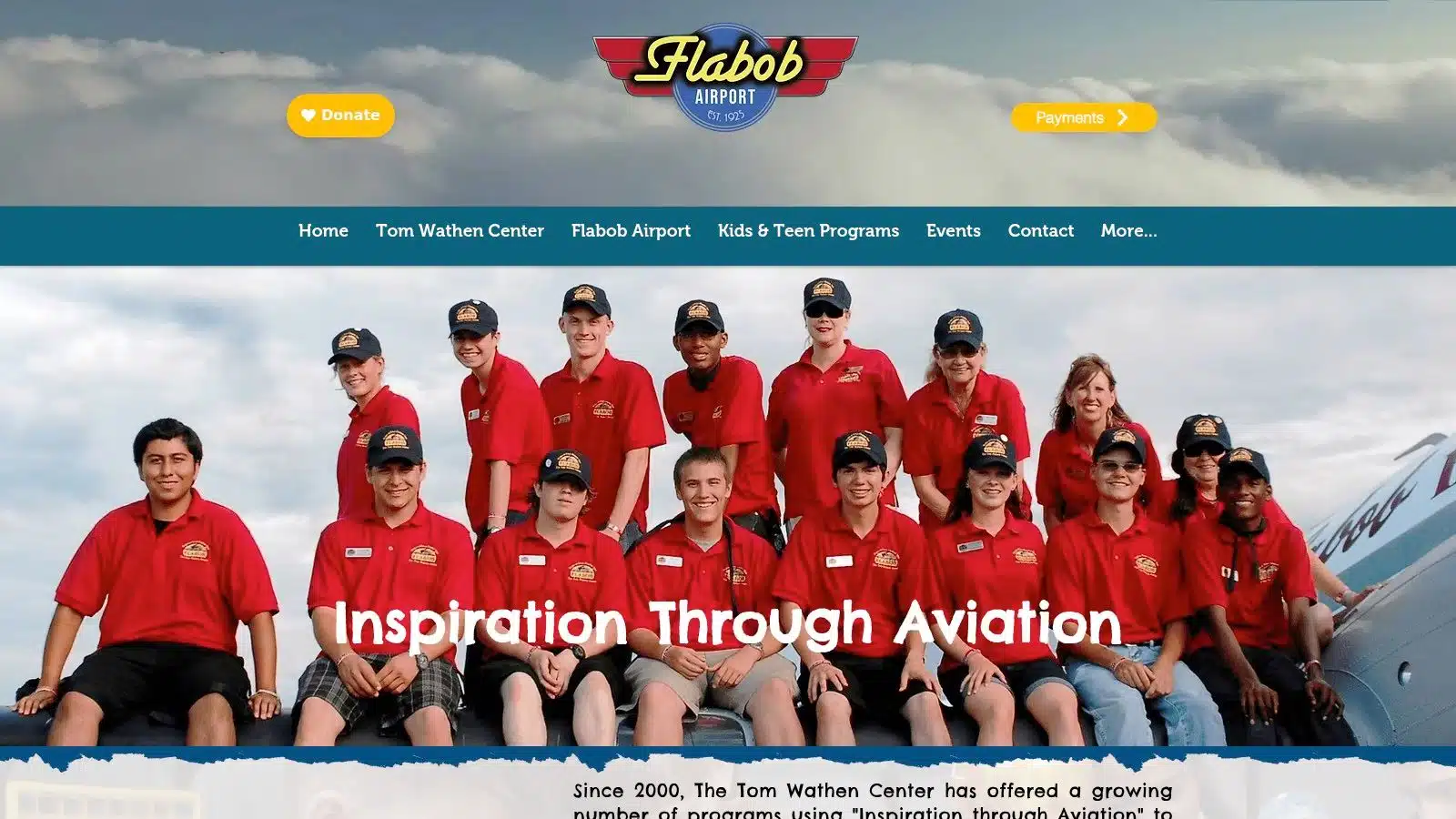
The center is a hub of activity, especially with its Saturday mentoring programs where students work alongside adults to restore vintage airplanes. This isn't a simulation; participants get to use real tools on real aircraft, learning everything from sheet metal work to engine basics. This focus on building and restoration provides a tangible connection to aviation principles and history, making it one of the most practical youth aviation programs near me for aspiring engineers, mechanics, or even future pilots who want to understand their aircraft inside and out.
Key Program Features and Next Steps
What distinguishes the Tom Wathen Center is its variety of low-cost and no-cost entry points into different aviation and STEM fields, all driven by a strong volunteer culture.
- Hands-On Aircraft Restoration: The Saturday shop mentoring is the core of the program, offering students invaluable experience in aircraft maintenance and building. It’s a fantastic way to develop practical skills.
- Diverse STEM Activities: Beyond restoration, the center runs a rocketry lab for those interested in aerospace principles and holds specialized Air Academies, providing focused, short-term educational experiences.
- Flight Opportunities: Through its connection with EAA Chapter 1, the oldest EAA chapter in the world, the center frequently hosts Young Eagles rallies, giving students a chance to experience flight. This creates a well-rounded experience combining building, science, and flying.
Because many activities are run by volunteers, schedules can vary. It’s important to check the Flabob Airport website frequently for updated calendars and event details. The program-by-program structure allows for flexibility, letting students choose activities that match their specific interests, from building rockets to learning from seasoned owners who are buying or selling airplanes and helicopters.
Learn more at: https://www.flabobairport.org/kids-teens
5. Tomorrow’s Aeronautical Museum (Compton / KCPM)
For families seeking a program that integrates aviation with deep community support and academic mentoring, Tomorrow’s Aeronautical Museum (TAM) offers a distinct and powerful model. Located at Compton/Woodley Airport (KCPM), this nonprofit organization is dedicated to serving underrepresented youth, providing them with a structured pathway into aviation that is tied directly to personal growth and educational achievement.
TAM's approach is centered on an earn-and-learn philosophy. Students participate in after-school and weekend programs where they receive tutoring and mentorship, and in return, they earn “museum dollars.” These credits can be applied directly toward flight lessons, creating a tangible reward for academic effort and personal responsibility. This model removes significant financial barriers and empowers students to take ownership of their aviation journey from day one.
Key Program Features and Next Steps
What makes TAM a standout among youth aviation programs near me is its holistic commitment to student success, extending far beyond the cockpit.
- Work-to-Fly Model: The unique "museum dollars" system directly connects hard work in the classroom and the museum with flight training hours. This teaches valuable life lessons about work ethic and goal setting.
- Wraparound Support: TAM provides a safe and productive after-school environment with academic tutoring, mentorship from aviation professionals, and a strong sense of community. This support system is critical for long-term success.
- Industry Partnerships: The museum has established relationships with airlines and corporate donors, creating scholarships and career pathways for program graduates, helping them transition from student pilot to professional aviator.
While the drive from Chino is longer than other local options, the comprehensive support structure is a major advantage for many families. Program availability and costs can vary, so connecting with the museum directly through their website to understand enrollment and potential scholarship opportunities is the best first step.
Learn more at: https://www.tamuseum.org/
6. Fly Compton Foundation (Compton / KCPM)
For young people in Southern California seeking a structured, community-focused pathway into aviation careers, the Fly Compton Foundation offers a powerful and inspiring program. This 501(c)(3) nonprofit, based at Compton/Woodley Airport (KCPM), is dedicated to introducing minority youth to aviation and aerospace, creating clear routes to becoming pilots, maintenance technicians, and industry leaders. Their mission goes beyond a single flight; they provide a complete ecosystem of support, training, and mentorship.
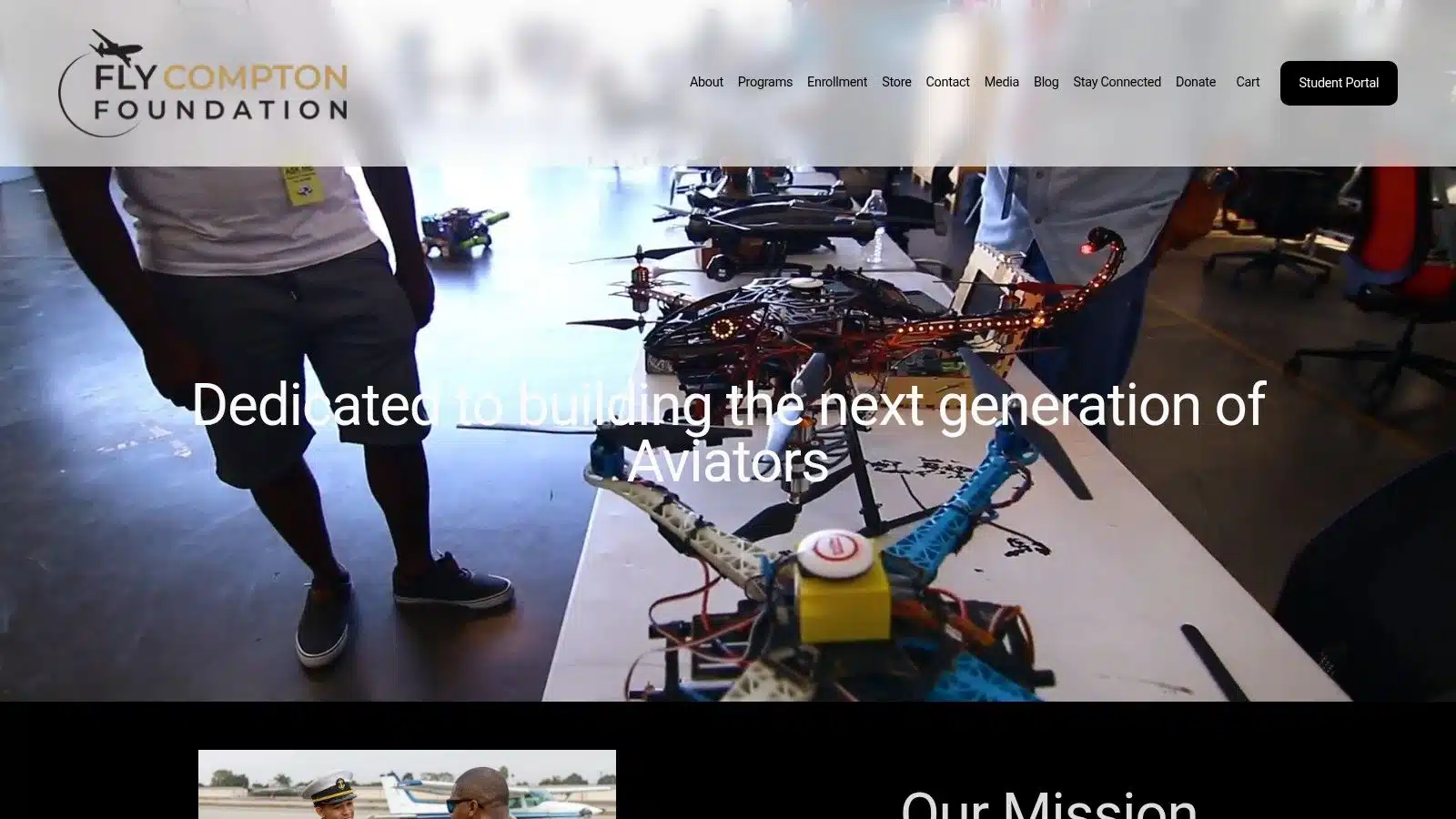
The foundation’s approach is multi-faceted, combining hands-on flight training with essential ground knowledge and mechanical skills. Students are not just passengers; they are active participants in their aviation education from day one. Through a series of workshops, classes, and flight lessons, the organization aims to build confidence and competence, addressing the financial barriers that often prevent talented individuals from pursuing their dreams. While the drive from Chino can be a factor, the program's unique value and strong community make it a worthy consideration for dedicated students.
Key Program Features and Next Steps
What makes Fly Compton an excellent choice among youth aviation programs near me is its clear progression from initial interest to professional qualification. It provides a distinct advantage for those serious about an aviation career.
- Structured Training Tracks: The foundation offers distinct pathways for both aspiring pilots and future aviation maintenance technicians. This includes regular Saturday classes and hands-on workshops like their popular “Torqued Up” program, focusing on mechanical skills.
- Fly Compton Aero Club: Graduates of the initial programs can transition into the Fly Compton Aero Club. This provides access to a fleet of aircraft for continued lessons at significantly discounted rates, making the journey to a Private Pilot License more affordable.
- Community and Industry Connection: Fly Compton hosts community Air Fairs and STEM outreach events, building strong partnerships and high visibility. These events also expose students to a network of professionals and potential career opportunities.
Due to the program's popularity and cohort-based model, enrollment is competitive. It is crucial to monitor their website and apply early when applications open. The defined structure provides a supportive environment that guides students every step of the way, from their first lesson to becoming a licensed pilot.
Learn more at: https://www.flycomptonfoundation.org/
7. Soaring Academy (Crystalaire) — Youth Glider Pathways (with Figure 1 Foundation scholarships)
For a unique and skill-intensive entry into aviation, gliding presents an incredible opportunity. Soaring Academy, operating out of the high-desert Crystalaire Airport (L18) in Llano, offers a structured path for young people to master the art of flight without an engine. Gliding is renowned for building exceptional "stick-and-rudder" skills, forcing pilots to develop a deep understanding of aerodynamics, weather, and energy management, which are directly transferable to powered aircraft.
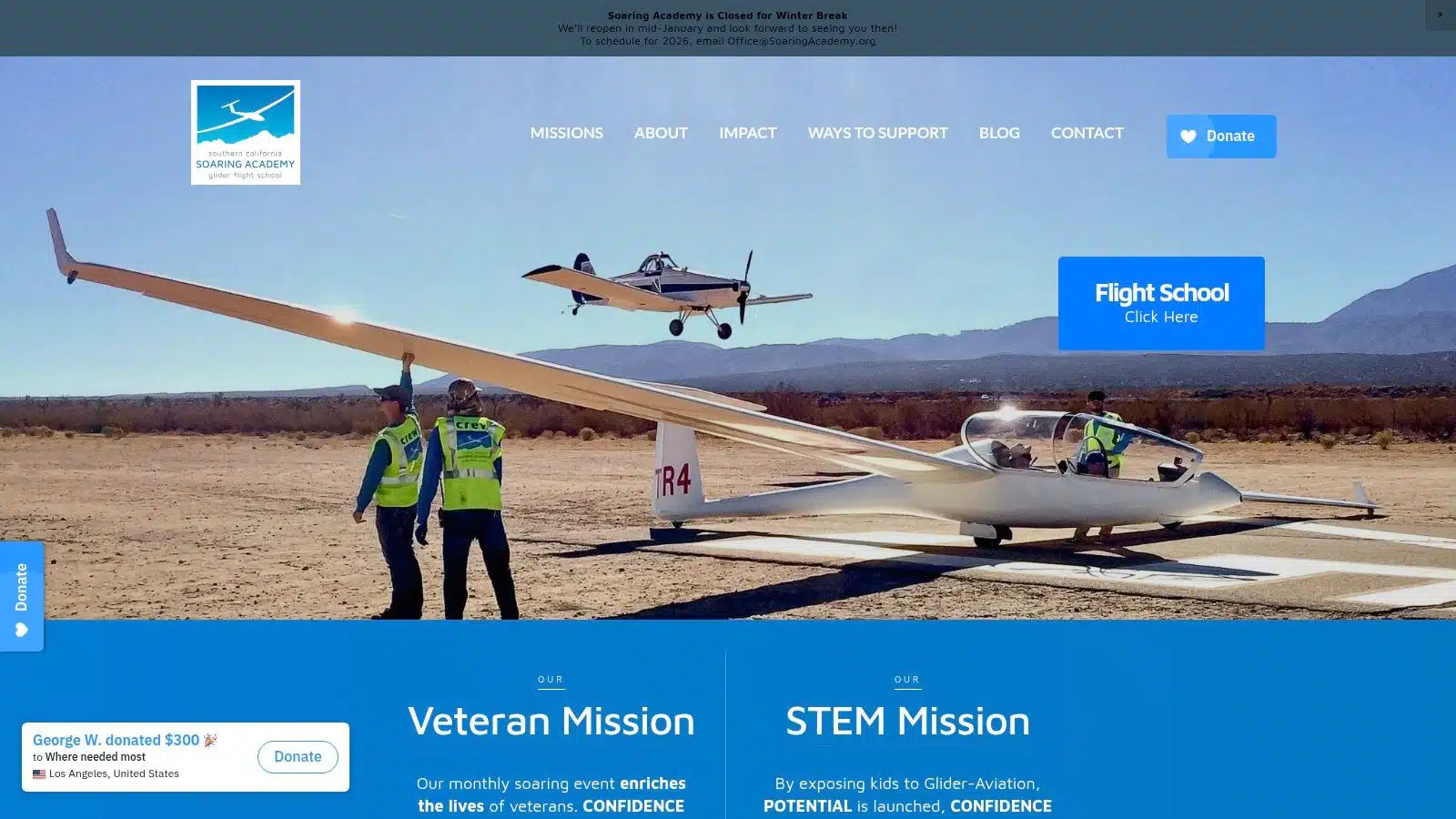
Soaring Academy provides professional commercial glider training with a clear progression from introductory flights to advanced certificates. A major advantage for motivated teens is that the FAA allows glider pilots to solo at just 14 years old, two years earlier than in powered airplanes. This allows young aviators to build confidence and command experience at an early age. The lower per-hour cost of glider operations compared to most powered trainers also makes it a more accessible form of flight training.
Key Program Features and Next Steps
What makes this one of the most compelling youth aviation programs near me is its partnership with the Figure 1 Foundation. This collaboration opens doors for significant financial assistance.
- Youth-Friendly Progression: The program is designed to guide students from their first flight all the way to solo and their Private Pilot-Glider certificate, taking advantage of the earlier solo age of 14.
- Figure 1 Foundation Scholarships: This dedicated foundation provides scholarships specifically for young people training at Crystalaire. These competitive awards can cover training costs from the initial flights all the way to solo status and beyond, making a pilot certificate a realistic goal for many families. Parents can explore a variety of financial aid options for pilot training to supplement these opportunities.
- Cost-Effective Skill Building: Training in a glider is an economical way to build foundational flying skills. These skills are invaluable, whether the student continues in soaring or transitions to powered flight, including those interested in how to buy an airplane safely in the future.
While the drive to the high desert from the LA basin is a factor, the focused training environment and scholarship opportunities are significant draws. Scholarship availability is often competitive and time-bound, so proactive inquiry and application are recommended.
Learn more at: https://soaringacademy.org/
A Note on Buying and Selling Aircraft
As young aviators progress, some families may consider purchasing an aircraft. For those looking to buy or sell airplanes and helicopters, the process requires careful planning.
How to Buy an Airplane the Safe Way
Buying an airplane is a major investment. To do it safely, follow these essential steps:
- Define Your Mission: What is the primary use for the aircraft? Local flights, cross-country travel, or training? This dictates the type of plane or helicopter you need.
- Set a Budget: Include not just the purchase price but also insurance, hangar/tie-down fees, annual inspections, and ongoing maintenance.
- Engage a Broker: A reputable aircraft broker can help you find suitable options and navigate the complex purchasing process.
- Conduct a Pre-Buy Inspection: This is non-negotiable. Hire a trusted, independent A&P (Airframe & Powerplant) mechanic who specializes in the aircraft model to perform a thorough inspection.
- Review the Logs: Meticulously examine the aircraft's maintenance logbooks for a complete history of repairs, component replacements, and FAA Airworthiness Directive (AD) compliance.
- Perform a Title Search: Use a professional service to ensure there are no outstanding liens or claims against the aircraft.
Selling Your Aircraft
When selling, transparency and good record-keeping are key. Compile all maintenance logs, ensure the aircraft is in excellent condition, and set a fair market price. Professional photos and a detailed listing will attract serious buyers. Working with a broker can streamline the sale and ensure all regulatory requirements are met.
Comparison of 7 Local Youth Aviation Programs
| Program | Implementation Complexity 🔄 | Resource Requirements ⚡ | Expected Outcomes ⭐📊 | Ideal Use Cases 💡 | Key Advantages ⭐ |
|---|---|---|---|---|---|
| DuBois Aviation | Moderate–High — structured one‑on‑one curriculum in a busy towered field | Moderate–High — instructor hours, multi‑model fleet, simulator, lesson costs | Career‑ready certificates, strong radio/airspace proficiency | PPL→Commercial career track, helicopter training, realistic airport ops | Jeppesen‑based instruction, diverse fleet, in‑house sim, real tower experience |
| EAA Young Eagles (Ch92) | Low — single rally flights and briefings | Low — volunteer pilots, aircraft donations, event logistics | Initial flight exposure and motivation to pursue training | Families/kids (8–17) exploring interest in aviation | Free introductory flights, local mentorship, follow‑up learning resources |
| Civil Air Patrol Cadet Program (Sqn 20) | Moderate — weekly meetings, rank progression, cadet activities | Moderate — dues, uniforms, leader volunteers, time commitment | Leadership, STEM learning, orientation flights, resume value | Teens seeking structured leadership + aviation/STEM pathway | Consistent mentorship, clear progression, scholarships/special activities |
| Tom Wathen Center (Flabob) | Low–Moderate — project‑based scheduling, hands‑on workshops | Low — volunteer mentors, shop tools, variable program fees | Practical restoration/rocketry skills and shop experience | Students interested in aircraft restoration, rocketry, maker projects | Low/no‑cost entry, strong volunteer culture, variety of hands‑on paths |
| Tomorrow’s Aeronautical Museum (TAM) | Moderate — after‑school + wraparound mentoring model | Moderate — program funding, partnerships, instructor access | Academic support plus earn‑and‑learn flight pathways | Underrepresented youth needing academic + flight support | Work‑to‑fly model, wraparound mentoring, scholarship partnerships |
| Fly Compton Foundation | Moderate — structured classes, maintenance tracks, cohorts | Moderate — training resources, aero club access, class fees | Progression toward PPL and maintenance skills, discounted rentals | Teens seeking combined flight and maintenance training | Clear progression to discounted rental lessons, industry outreach/events |
| Soaring Academy (Crystalaire) — Gliders | Moderate — formal glider syllabus with solo progression | Low–Moderate — travel to site, glider hours, scholarship potential | Early solo (age 14), strong stick‑and‑rudder and energy‑management skills | Teens seeking cost‑effective, skills‑rich glider training | Lower per‑hour costs, early solo opportunities, Figure 1 scholarships |
Your Flight Plan for the Future: Choosing the Right Path Forward
The journey from dreaming about the skies to actually piloting an aircraft begins with a single, decisive step. We've explored a variety of exceptional youth aviation programs near me, from the structured summer camps and Flyers Club at DuBois Aviation to the immersive cadet life in the Civil Air Patrol and the grassroots passion of EAA Young Eagles. Each option presents a unique runway for an aspiring aviator in the Southern California region.
Your task now is to match your child’s personality, goals, and learning style with the right program. The ideal choice isn't just about finding the closest airport; it's about finding the community and curriculum that will ignite a lifelong passion for flight.
Matching the Program to the Pilot
Making the right decision requires careful consideration of what each program offers. Think of it as pre-flight planning for your child’s career.
- For the Aspiring Professional: If your teen is serious about an airline career, a program like DuBois Aviation’s Aviation Camp or Flyers Club provides direct exposure to a professional flight school environment. This pathway offers a clear line of sight from initial interest to obtaining Private, Instrument, and Commercial ratings.
- For the Explorer and Team Player: A young person who thrives on structure, teamwork, and leadership will find a perfect fit in the Civil Air Patrol Cadet Program. It combines aviation education with character development and community service, building well-rounded individuals.
- For a Taste of Flight: If your goal is simply to give your child their first taste of aviation without a long-term commitment, a free EAA Young Eagles flight is an unbeatable starting point. It's a low-pressure, high-excitement introduction to the world of general aviation.
- For the Hands-On Builder: The programs at Tomorrow’s Aeronautical Museum or the Tom Wathen Center are ideal for kids who learn by doing. They blend flight principles with hands-on mechanical and restoration projects, connecting the "how" with the "why."
As you help your child consider a future in aviation, you might also want to explore foundational STEM activities to build a strong base in science, technology, engineering, and math.
From Youth Programs to Aircraft Ownership
For some families, the passion sparked in a youth program evolves into a deeper commitment, even leading to aircraft ownership. If this becomes your path, remember that buying an airplane or helicopter is a significant undertaking. The process demands more than just financial readiness; it requires deep due diligence. Learning how to buy an airplane the safe way involves comprehensive pre-buy inspections by a trusted A&P mechanic, a thorough title search, and a clear understanding of the aircraft’s maintenance logs and history. This diligence protects your investment and ensures your family’s safety in the skies.
Choosing a youth aviation program is more than just signing up for a summer activity. It's an investment in your child's future, providing them with skills, confidence, and a perspective that will serve them for a lifetime, whether they pursue a career in the cockpit or another field entirely. You've reviewed the flight plan; now it's time to clear the runway for takeoff.
Ready to turn your child's high-flying dreams into a reality? DuBois Aviation offers a direct pathway from initial curiosity to the pilot’s seat with our immersive Aviation Camp and year-round Flyers Club right here at Chino Airport. Visit DuBois Aviation to learn more and enroll your future pilot today.


