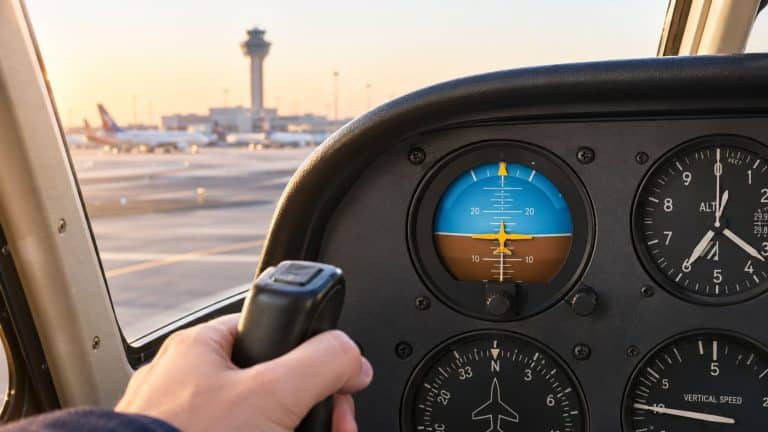
Aircraft Attitude Indicators Explained for Pilots
A student turning base to final at Chino Airport can lose the outside horizon in haze, darkness, or a cloud layer within seconds. An aircraft attitude indicator provides…
Read article →
Practical articles for student pilots and aircraft owners, covering flight training, aviation safety, checkride preparation, pilot gear, regulations, and the path from first lesson to advanced ratings.
320 published flight training articles
A student turning base to final at Chino Airport can lose the outside horizon in haze, darkness, or a cloud layer within seconds. An aircraft attitude indicator provides…
Read article →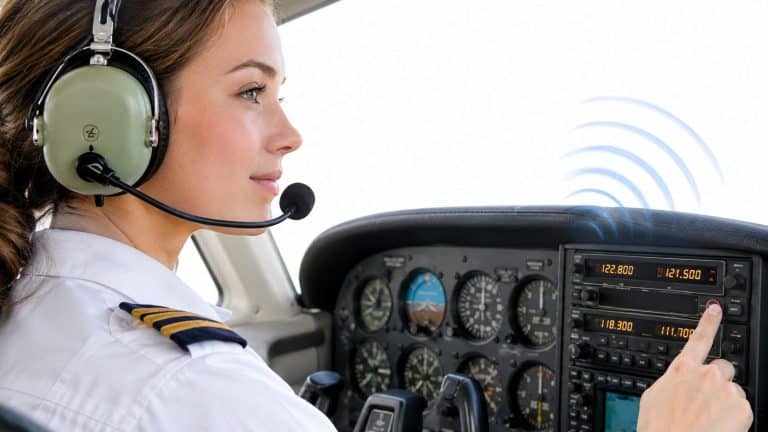
A student pilot sitting on the Chino ramp may know the words for a ground call and still freeze with a hand on the push-to-talk switch. Radio communication…
Read article →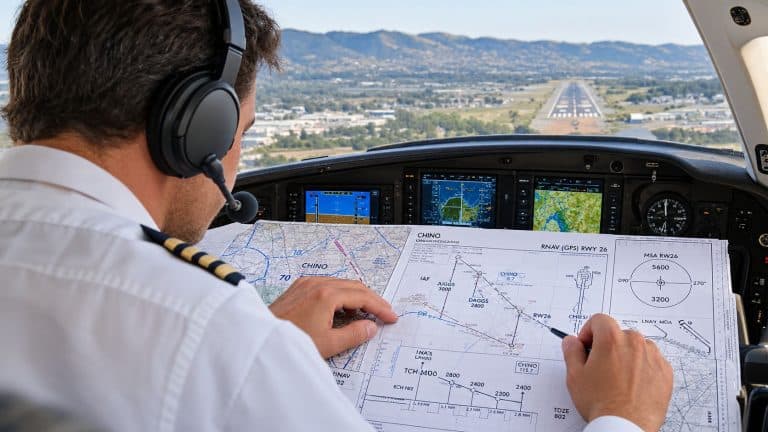
A pilot's first encounter with a busy chart can feel like a wall of colors, abbreviations, frequencies, altitude numbers, and lines with no obvious starting point. Chart interpretation…
Read article →
What if the biggest mistake in training for commercial pilot isn't choosing the wrong maneuver, but choosing a program that can't keep a student flying consistently? A commercial…
Read article →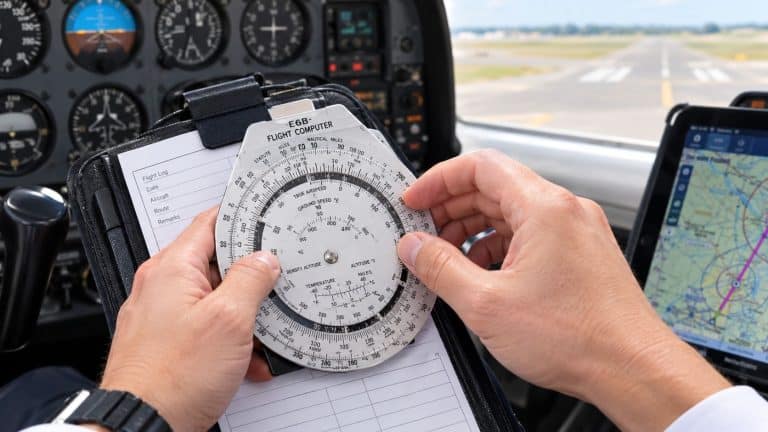
A student pilot at Chino Airport (KCNO) is setting up for a cross-country flight when the E6B slides across the kneeboard, the sectional is already marked, and the…
Read article →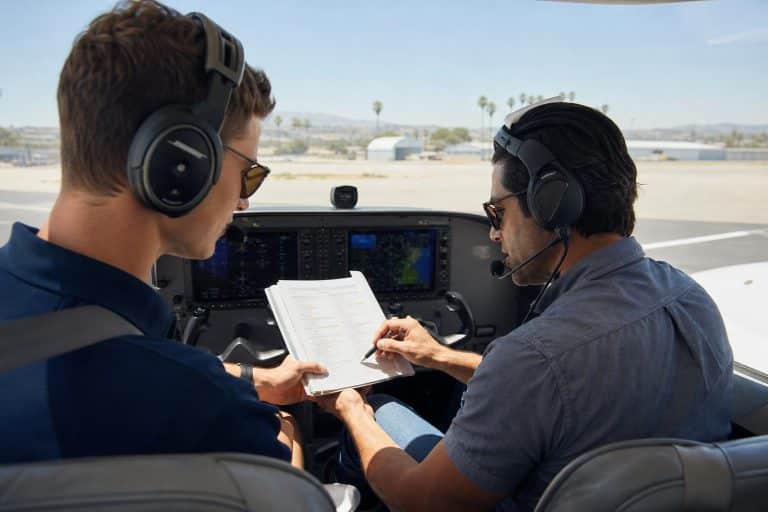
Explore how understanding FAA Airman Certification Standards enhances flight training outcomes for Southern California students.
Read article →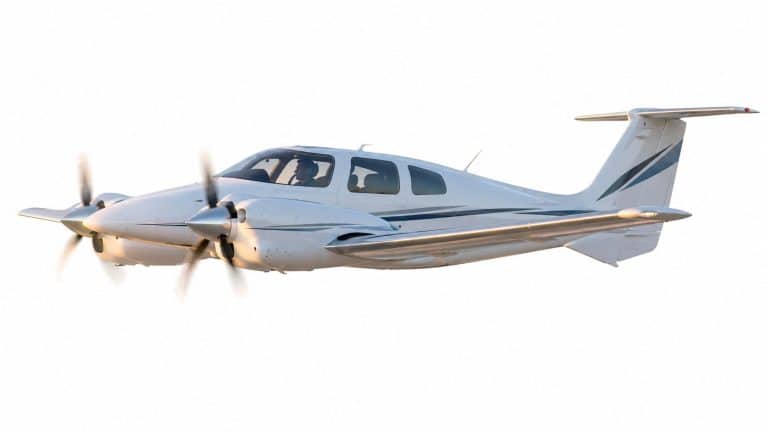
A multi-engine rating is not a quick checkbox add-on, and that's where a lot of pilot advice goes off the rails. The true test isn't whether a pilot…
Read article →
A $1 million aircraft liability policy is a maximum limit, not a guaranteed payout, and a $100,000 per-passenger sublimit can cap each passenger's recovery at $100,000. Aircraft liability…
Read article →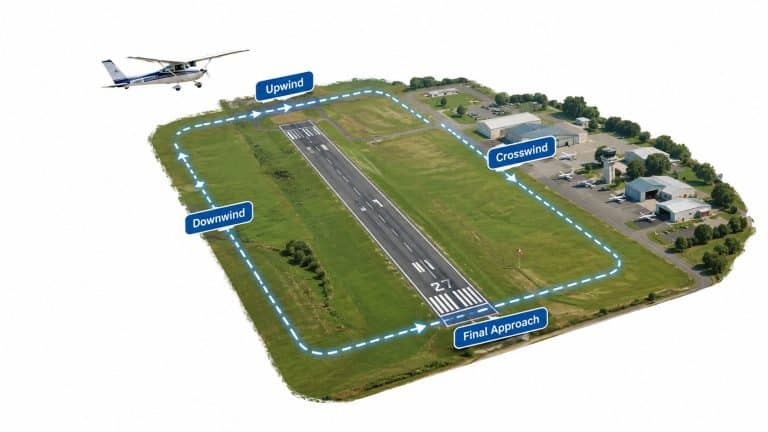
You're ten miles north of Chino Airport, preparing for a first solo, when the tower says, “Expect left traffic, Runway 26R.” Air traffic patterns are the organized flow…
Read article →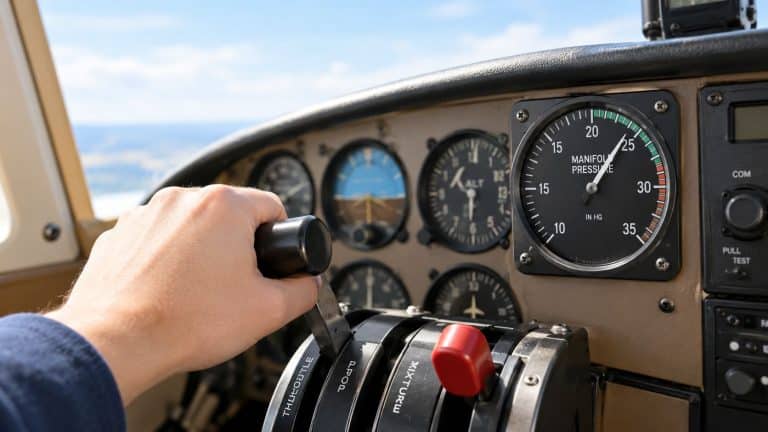
A student pilot sitting through the first engine run-up may see a manifold pressure gauge and wonder why another power instrument is needed. Manifold pressure is the absolute…
Read article →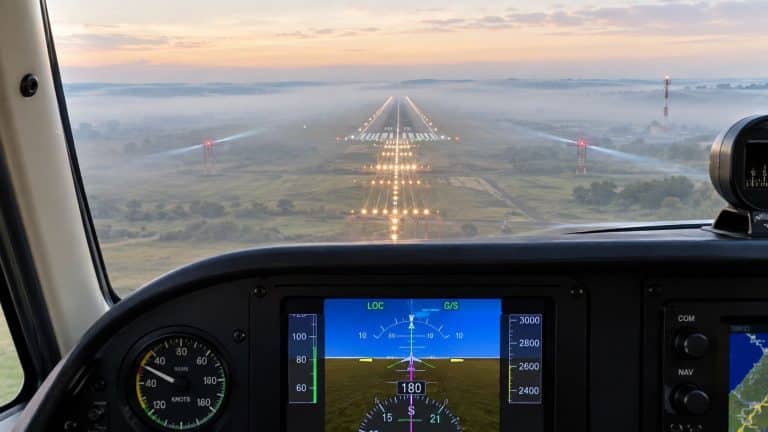
An ILS approach is a precision instrument approach that gives an aircraft both lateral and vertical radio guidance to align with a runway. Category I ILS operations use…
Read article →
You've earned a commercial certificate, but your next training decision isn't obvious. Should the multi-engine add-on come now, after more instrument practice, or alongside a broader airline pipeline?…
Read article →
A modern pilot training program is no longer a small, informal route into aviation. FAA-recorded student pilot numbers rose from 128,501 in 2016 to 370,286 in 2025, while…
Read article →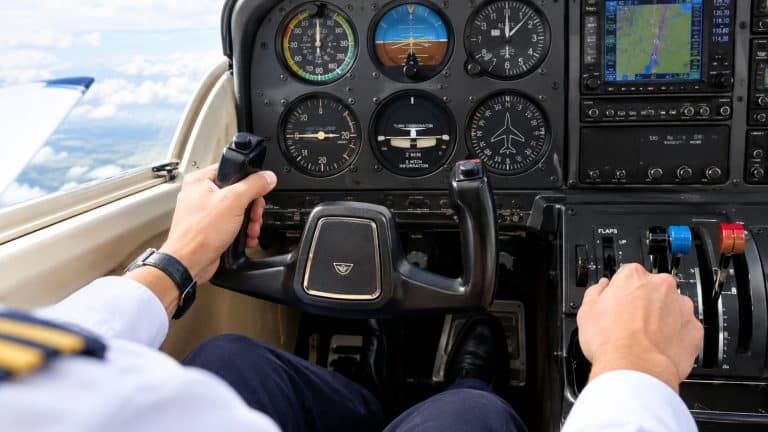
The airplane rolls into a turn, the ball slides left, altitude starts wandering, and the pilot adds more aileron while pressing the wrong rudder pedal. That pattern is…
Read article →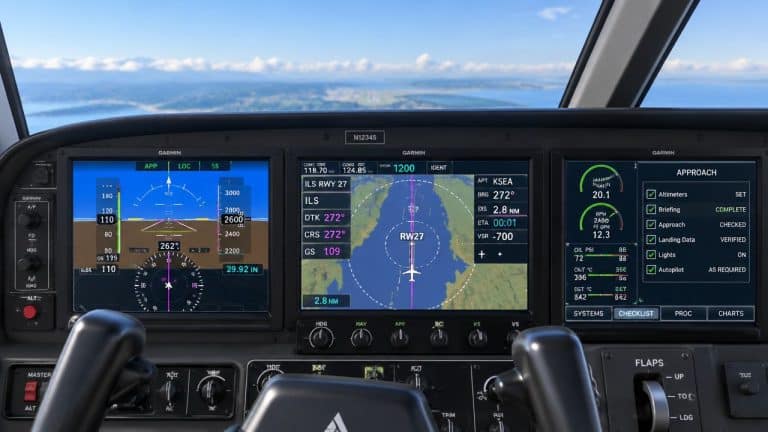
Part 141 instrument rating requirements call for 30 hours of ground training and 35 hours of flight training for an initial rating. For an additional instrument rating, the…
Read article →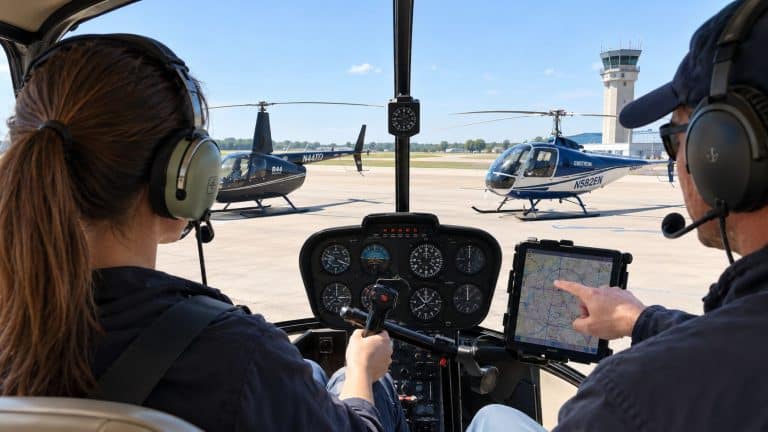
You've saved for months, cleared your schedule, and finally decided to learn to fly a helicopter. Then the choices arrive: different aircraft, hourly rates, training packages, simulator claims,…
Read article →
Human factors training for aviators is the study and practice of how pilots interact with aircraft systems, procedures, displays, and other people so errors are less likely to…
Read article →
Explore how FAA Airman Certification Standards guide pilot training for Southern California students aiming for private pilot and instrument ratings.
Read article →