
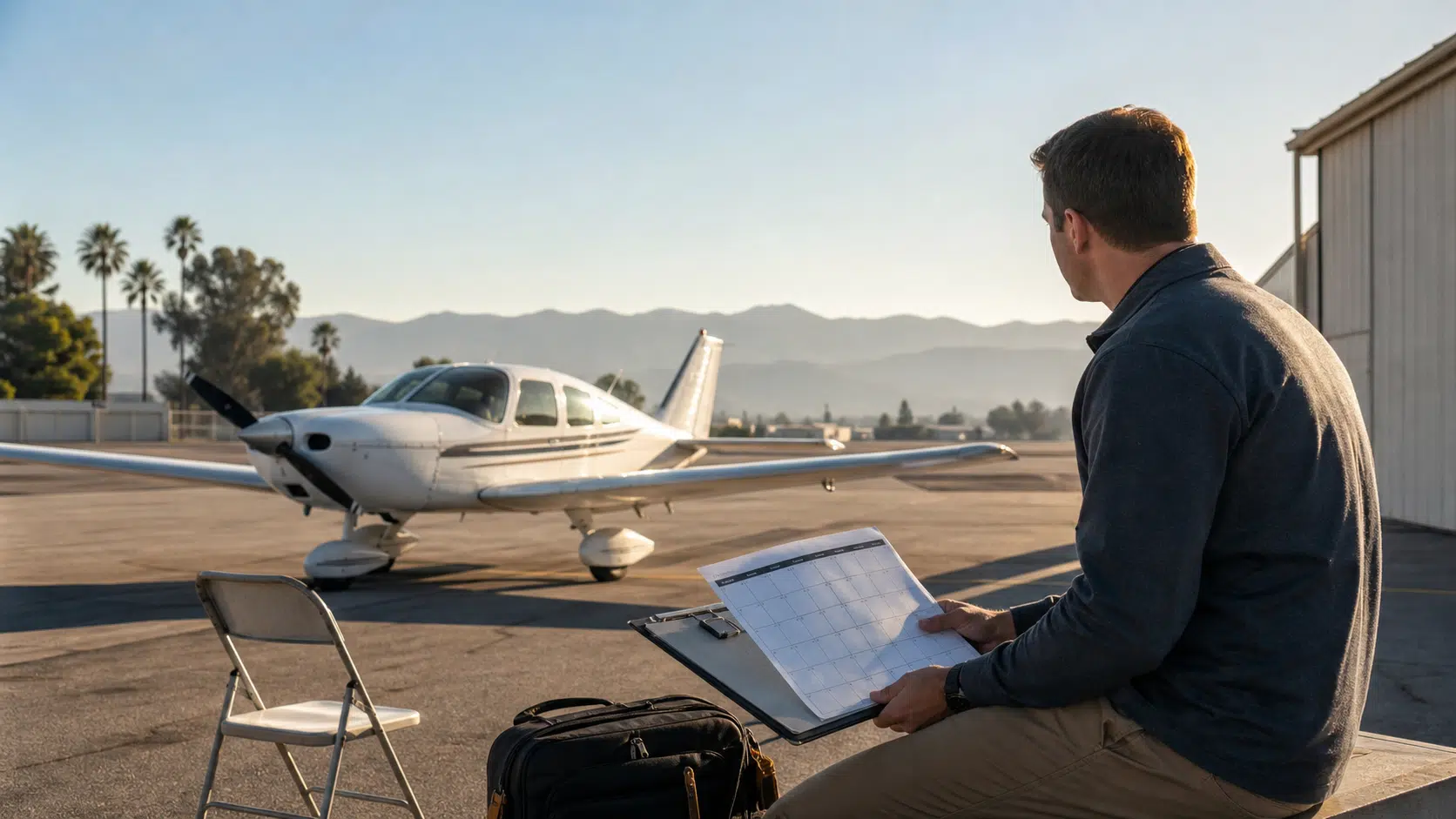
Southern California pilots are facing a checkride bottleneck that can add months and thousands of dollars to professional flight training. The problem is especially serious for initial flight instructor applicants, who need an examiner with the correct FAA authorization and enough time to conduct one of aviation’s longest practical tests.
At DuBois Aviation, we have recently seen CFI initial applicants wait two to three months for an available appointment. We have also received local quotes as high as $2,500 for the examiner fee alone. That is not a published statewide rate and fees vary by examiner, but it is a real example of the price pressure candidates can encounter when very few practical options are available.
Two practical options worth comparing
These are specific products pilots commonly compare for this type of flying. Confirm compatibility with your aircraft and instructor before ordering.
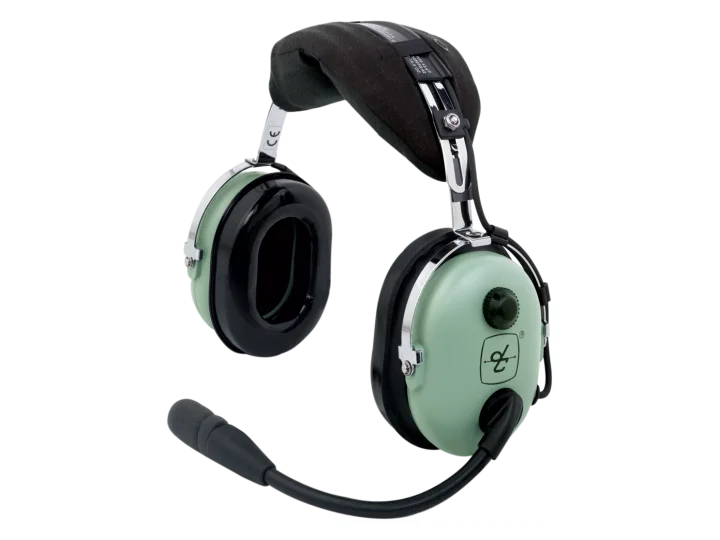 Student headsetDavid Clark H10-13.4 Aviation HeadsetCheck current availability on Amazon (paid link)
 OrganizationASA Flight BagCheck current availability on Amazon (paid link)
Why an initial CFI checkride is especially difficult to schedule
A Designated Pilot Examiner cannot administer every kind of checkride simply because that person is a DPE. The FAA grants specific authorizations for certificates, ratings, and aircraft categories. An initial CFI airplane checkride therefore requires an examiner authorized for that particular practical test, not merely someone who conducts private, instrument, or commercial checkrides.
The practical test also requires a substantial block of time. An initial CFI oral examination and flight can consume much of an examiner’s day, which further limits the number of appointments that can be offered.
On August 5, 2026, we searched the public FAA Designee Locator for California airplane single-engine flight instructor examiners and filtered the results to the Los Angeles FSDO. The directory displayed five records, but those rows represented only two unique examiner names because some people appeared under multiple locations. The directory changes, and examiner availability must always be confirmed directly, but that snapshot illustrates how a list that appears adequate at first glance may provide very few actual choices for a local CFI initial applicant.
How the FAA-controlled designation system affects supply
Under 14 CFR 183.23, the FAA determines who may serve as a pilot examiner. The FAA also states that designation is a privilege, not a right, and examiners must meet the qualifications in FAA policy. Those safeguards are important because a DPE acts on behalf of the FAA when issuing or denying a certificate.
However, the same structure means the supply of authorized examiners cannot quickly expand in response to demand. A qualified instructor cannot independently enter the market and offer checkrides. The FAA must select, authorize, oversee, and retain that person. When the number of examiners authorized for a specific test is small, applicants face a restricted market even if no individual examiner is doing anything wrong.
The U.S. Government Accountability Office reported in April 2026 that aviation stakeholders said long DPE wait times increase both the cost and duration of pilot training. GAO also found that FAA reporting required by the FAA Reauthorization Act of 2024 was still under review as of February 2026, with no timeline for completion.
Why DPE fees can rise so sharply
The FAA explains that practical tests conducted by an FAA inspector are free, while applicants pay DPEs because the FAA does not compensate them for conducting the test. The FAA’s designee policy allows reasonable applicant fees, but there is no national fee schedule.
That creates a basic supply-and-demand problem. A CFI applicant who has already invested in training, passed two knowledge tests, completed endorsements, and reached checkride readiness cannot substitute another service for the practical test. If only a few appropriately authorized examiners are available, the applicant may have to accept a distant date, travel to another region, or pay a significantly higher fee.
For context, at least one California DPE publicly lists a $1,500 fee for checkrides effective August 2026, while a published 2026 CFI checkride cost guide places the total cost of an initial CFI checkride, including aircraft and related expenses, between $1,500 and $2,500. The $2,500 examiner-only quote discussed here is DuBois Aviation’s local experience, not a claim about every DPE or every CFI practical test.
The hidden cost of waiting two or three months
The examiner fee is only part of the financial effect. A candidate who is ready today but cannot test for several months must remain proficient. That can mean additional airplane rental, instructor time, ground review, mock oral examinations, and repeated preparation of aircraft and applicant records.
The delay also affects employment. Many commercial pilots pursue the CFI certificate so they can begin teaching, earn income, and build professional flight experience. A long wait can postpone a new instructor’s first paycheck and make flight schools wait longer to fill open teaching positions.
Weather, maintenance, and discontinuances make the scheduling problem even harder. If a scarce appointment cannot be completed, the applicant may need another opening before finishing the test.
What the FAA could do to improve the system
- Publish meaningful availability data. Applicants and schools need current statistics for average wait time by FSDO, authorization, and practical test type.
- Authorize more qualified CFI initial examiners where demand is highest. Examiner staffing should reflect local student volume and the time required for each kind of test.
- Create a national availability and scheduling view. The existing locator shows authorizations and contact information, but it does not show appointment availability or expected wait time.
- Improve fee transparency. Candidates should be able to compare the full fee, deposit, cancellation, discontinuance, travel, and retest policies before committing.
- Expand access to FAA inspector practical tests. The FAA says inspector-administered tests are free, but that option has little practical value if applicants cannot obtain an appointment.
- Finish the oversight reporting required by Congress. Timely data is necessary before the FAA can measure whether its reforms are reducing delays.
What CFI candidates can do now
Begin the examiner search before the final week of training, but do not reserve a date that encourages a premature endorsement. Work backward from realistic aircraft availability, instructor signoff, IACRA completion, knowledge-test reports, endorsements, and aircraft records.
Confirm the examiner’s exact authorization, fee, payment method, cancellation policy, discontinuance policy, retest fee, and required documents in writing. Candidates can search the FAA records in a more readable format with the Pilot Training Tracker DPE finder, which imports public FAA data and allows filtering by location and practical-test authorization. Availability and fees still must be verified directly with the examiner.
While waiting, use a structured proficiency plan rather than repeatedly flying without a purpose. Review every task in the applicable Airman Certification Standards, practice teaching from the instructor’s seat, rehearse endorsements and recordkeeping scenarios, and schedule periodic mock oral and flight sessions.
DuBois Aviation offers flight instructor training in Southern California, including preparation for the CFI practical test. Pilots comparing the complete path from commercial pilot through instructor certificates can also review our accelerated career flight training program.
A practical test system should not become the final training obstacle
Strong examiner oversight protects the integrity of pilot certificates. That does not require accepting months-long delays, opaque availability, or unchecked regional price pressure as normal. The FAA can preserve high standards while authorizing enough qualified examiners, publishing useful performance data, and giving applicants a clearer path to a timely practical test.
Until that happens, flight schools and applicants need to plan for the DPE bottleneck as deliberately as they plan the training itself. For a CFI candidate, checkride scheduling is no longer an administrative detail. It can determine when training ends, how much the certificate ultimately costs, and when a professional pilot can begin working.