A realistic 2026 helicopter add-on rating cost for a fixed-wing pilot is $18,000 to $30,000. The final total is driven mainly by helicopter hourly rates, dual and solo flight hours, and checkride fees.
An airplane pilot considering helicopters often expects the existing certificate to make the transition inexpensive. The certificate does remove some zero-time requirements, but helicopter training introduces a different control system, energy-management problem, and set of emergency procedures. A pilot who already manages an airplane still needs to learn how to coordinate the cyclic, collective, and pedals while controlling rotor RPM and maintaining precise flight near the ground.
That difference explains why the helicopter add-on rating cost can vary so widely. The aircraft type, billing model, time to proficiency, instructor charges, training frequency, and items included in a school's quote all matter. A useful estimate starts with a logbook review and a detailed question: what exactly does the quoted price cover?
Table of Contents
- What a Helicopter Add On Rating Means for Airplane Pilots
- FAA Requirements for Adding a Helicopter Rating
- How Many Hours You Will Actually Fly and Train
- Helicopter Add On Rating Cost Breakdown and Line Items
- Why Prices Vary by Helicopter Type and Billing Model
- Timeline Financing and Scheduling Tips at Chino Airport
- Your Next Steps Checklist for Starting the Add On
What a Helicopter Add On Rating Means for Airplane Pilots
You already hold an airplane certificate and understand radios, weather, airspace, and cockpit decision-making. Then you sit in a helicopter and discover that the aircraft responds to several small control inputs at once. An add-on rating builds on your airplane background while teaching the helicopter category skills that do not transfer directly.
For a fixed-wing private pilot, one commonly used training outline includes 20 helicopter-specific dual hours and 10 solo hours, followed by the applicable knowledge and practical testing process, as described in the published helicopter add-on cost breakdown. That path is often planned around a $18,000 to $30,000 budget, with the helicopter's hourly rate driving much of the total, according to the same cost breakdown. Treat those figures as a planning range, not a guaranteed quote. Your helicopter type, training pace, instructor billing, and included fees can change the result.
The category and class distinction
Your certificate shows the pilot level, such as private or commercial. The privileges also identify an aircraft category and class. Airplane single-engine land and rotorcraft helicopter are separate privileges, so the add-on expands your certificate rather than replacing your airplane rating.
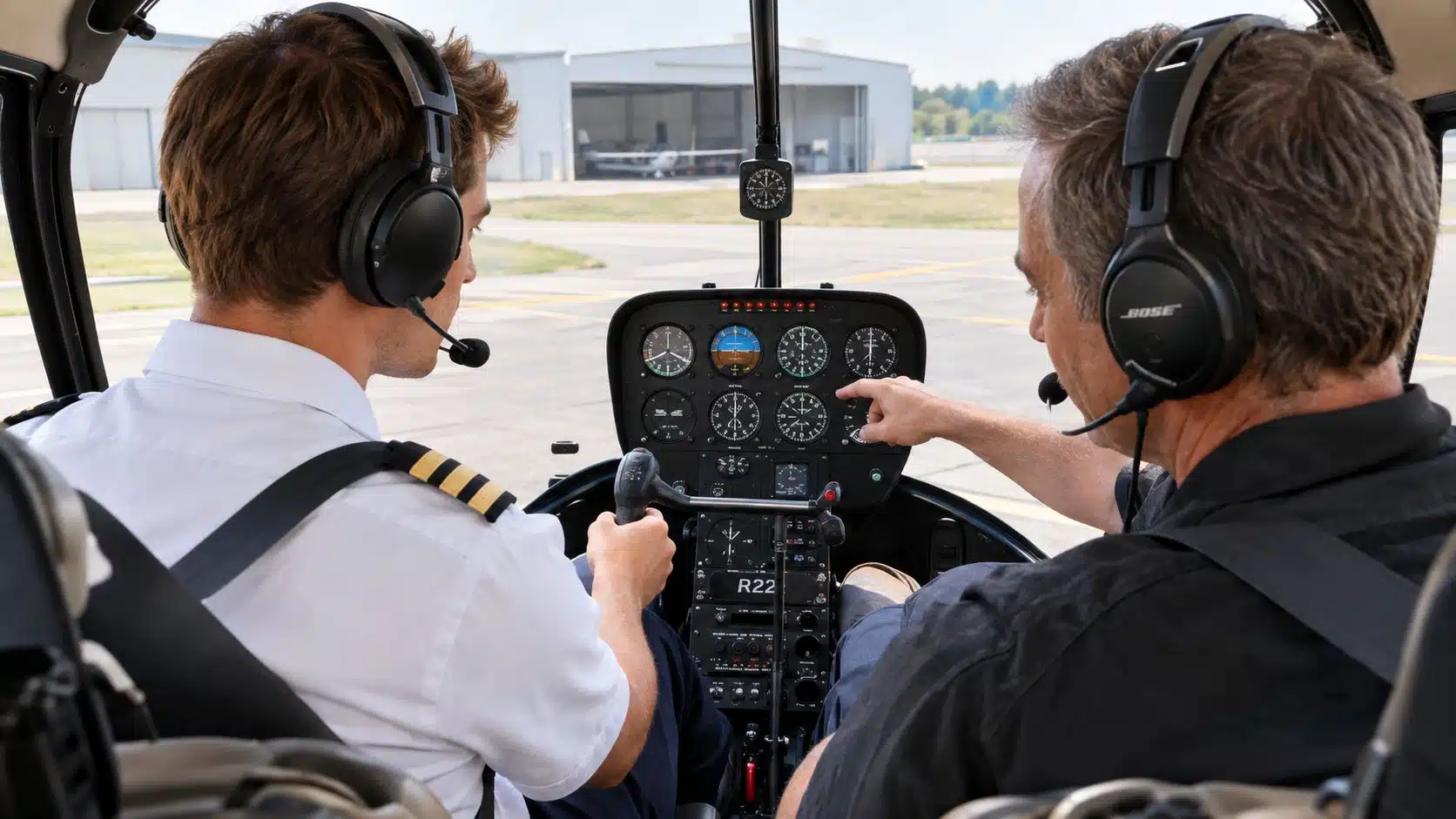
The transition is similar to moving from a car to a motorcycle, except helicopter control inputs affect the aircraft in several directions. Airplane experience helps with navigation, radio work, regulations, weather, and aeronautical decision-making. Training must still develop hovering, pedal coordination, low-speed control, power management, autorotation awareness, and helicopter-specific performance planning.
What prior experience changes
Your airplane experience may reduce the training scope and affect which experience requirements apply. It does not remove the need for helicopter instruction or make the practical test optional. The instructor must see consistent, safe control and sound judgment before recommending you for testing.
A quote showing only aircraft time can hide a large part of the bill. Ask whether it includes dual instruction, solo practice, ground instruction, aircraft preparation, examiner charges, and checkride aircraft time. Two programs with similar headline prices may cover very different amounts of training.
A useful first estimate uses your logbook, the intended helicopter, and the school's billing model. Fixed-price training may define included items in advance, while pay-as-you-go training charges each lesson and add-on separately. Read the quote like a preflight checklist.
FAA Requirements for Adding a Helicopter Rating
A certificated airplane pilot arriving for the first helicopter lesson may expect another version of primary training. The FAA treats an additional category or class rating differently. Because you already hold a pilot certificate, the process focuses on helicopter-specific training, instructor endorsements, and the practical test. FAA guidance on additional ratings explains that an applicant seeking an additional rating is not a student pilot and does not need a student pilot certificate.
That distinction affects the training plan and the budget. You do not repeat every airplane-focused requirement, but your instructor still must document the helicopter work and decide when your performance is ready for the checkride. The hours and line items in a quote should match that plan.
The regulatory path
The process usually follows this sequence:
- Confirm the existing certificate and target privilege. A private airplane pilot seeking private helicopter privileges follows a different experience path from a commercial airplane pilot seeking commercial helicopter privileges.
- Review the logbook. The instructor checks which experience transfers and which helicopter-specific requirements remain.
- Complete instruction in the new category or class. Training covers helicopter controls, maneuvers, emergency procedures, operations, navigation, and practical-test preparation.
- Receive the required instructor endorsement. The instructor documents the applicable preparation and confirms readiness for the practical test.
- Pass the practical test. The checkride evaluates the FAA requirements for the requested helicopter privileges.
FAA rules require instruction, an instructor endorsement, and a practical test for an additional category or class rating. In many add-on situations, a separate knowledge test is not required when the pilot already holds a certificate or rating at the relevant level, although the answer depends on the applicant's circumstances. This overview of FAA add-on requirements outlines how the written-test requirement differs from the mandatory checkride.
Regulation versus school policy
The FAA establishes eligibility and testing requirements. A flight school may recommend more preparation, frequent lessons, a stage check, or extra ground instruction when the pilot needs more practice to perform reliably.
That difference matters when comparing fixed-price and pay-as-you-go quotes. A fixed-price plan may include defined lessons, ground instruction, or checkride preparation. A pay-as-you-go plan may bill each aircraft hour, instructor hour, and added session separately. Ask for the included items in writing before comparing totals.
A consultation should cover:
- Certificate level: Private or commercial helicopter privileges.
- Logbook evidence: Existing airplane and helicopter experience.
- Medical status: Whether the intended operation requires a medical certificate.
- Endorsements: What the instructor must document before the practical test.
- Testing plan: Which exams and checkride steps apply to the applicant.
- Billing model: Which training, preparation, and testing costs are included or billed separately.
How Many Hours You Will Actually Fly and Train
If your first helicopter lesson feels harder than expected, that does not mean your airplane experience failed you. It means the aircraft asks for a different kind of attention. Published minimums show the regulatory floor, while your personal training total reflects the time needed to become consistent, safe, and ready for the practical test.
An airplane pilot may understand helicopter concepts quickly, then find that control precision requires steady repetition. In an airplane, the controls often let you stabilize the aircraft and shift attention elsewhere. A helicopter requires continuous coordination, especially during hovering, transitions, approaches, and abnormal procedures. The difference is similar to balancing a bicycle at low speed while adjusting several controls at once.
Where the hours go
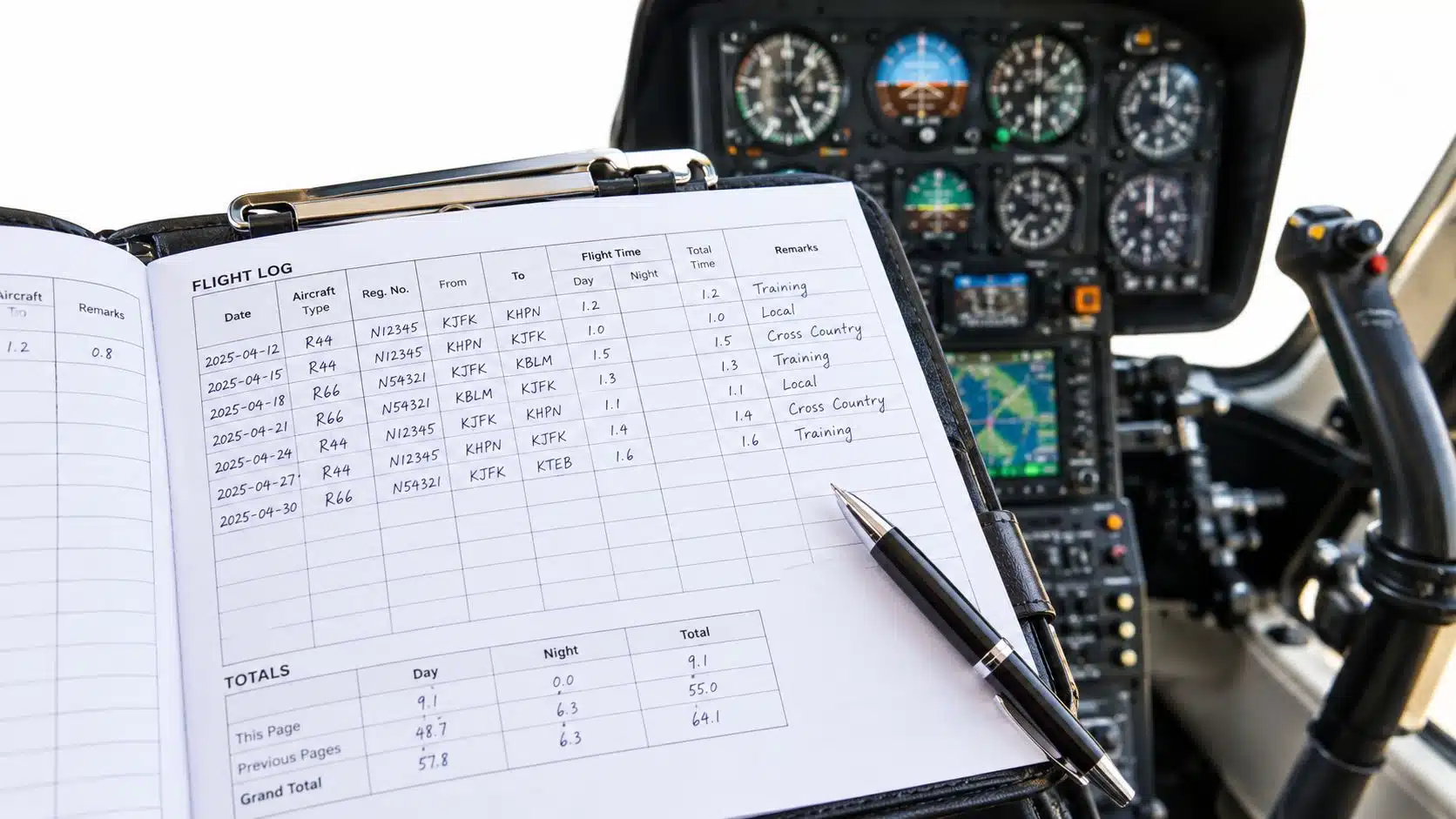
A useful estimate separates training time by purpose. Each category affects the final helicopter add-on rating cost differently.
- Dual instruction: The instructor teaches helicopter control, hovering, takeoffs, landings, navigation, emergency procedures, and practical-test maneuvers.
- Solo practice: After authorization, the pilot reinforces aircraft control and procedures without the instructor in the other seat.
- Ground instruction: Sessions cover helicopter aerodynamics, systems, performance, limitations, regulations, weather, and risk management.
- Checkride preparation: The instructor reviews oral knowledge and flight performance before recommending the practical test.
- Aircraft time for testing: The checkride may require additional helicopter rental time, depending on the arrangement.
Billing structure can change the budget as much as proficiency can. One published add-on example lists a fixed-price program at 40 hours for $18,600, while its pay-as-you-go example totals 50 hours for $24,800, a difference of $6,200, before books and examiner fees are added. The program comparison illustrates why the expected hours and included items belong in the same comparison.
Why airplane pilots may need extra dual time
Hovering is the clearest difference, but it is not the only one. A pilot can understand the theory and still need more instructor time to maintain heading, position, altitude, rotor RPM, and power while responding to wind or changing visual references.
Common causes of additional hours include:
- Long gaps between lessons: Skills fade, so early flights may revisit previous maneuvers.
- Insufficient preparation: Unfamiliar procedures use valuable aircraft time.
- Weak pedal coordination: Heading control during hovering and transitions often needs focused repetition.
- Late emergency-procedure practice: Delayed practice can compress preparation and reveal gaps near the checkride.
- Changing aircraft types: Moving to another helicopter may require renewed aircraft-specific familiarization.
A lower advertised hour count does not automatically produce a lower-cost plan. Compare the expected total at checkride readiness, the helicopter type, and whether aircraft time, instruction, preparation, books, and examiner fees are included or billed separately.
Helicopter Add On Rating Cost Breakdown and Line Items
At Chino Airport, two pilots can pursue the same helicopter add-on rating and receive very different totals. The difference often comes from what the quote includes, how the school bills time, and which helicopter you fly. A useful budget reads like an itemized receipt, not a single headline price.
The largest line item is usually the helicopter's hourly wet rate. “Wet” generally means the aircraft and operating fuel are included in that hourly charge. Instructor time may be separate, or the school may combine aircraft and instruction into one rate. Confirm this before comparing quotes.
The main budget categories
Aircraft rental covers the helicopter used for dual and solo flights. Type, maintenance economics, availability, and operating costs can create substantial differences between programs. A rate for one helicopter should not be treated as a forecast for another.
Instructor time can include preflight planning, flight instruction, postflight debriefing, and ground sessions. Ask whether ground instruction is bundled or billed separately, since a low aircraft rate may not represent the full training rate.
Training materials may include books, charts, a logbook, electronic resources, and aircraft-specific study materials. These items are usually smaller than aircraft charges, but they belong in an all-in estimate.
Testing and checkride expenses may include a required knowledge exam where applicable, the designated examiner's fee, and helicopter time used during the practical test. Confirm who schedules and pays each item.
Aircraft-specific charges can include fuel, insurance-related requirements, or checkout costs when they are not already part of the hourly rate. “Wet” and “fixed price” do not automatically mean every expense is included.
Comparing program structures
| Program | Hours Included | Sample Total Cost | What Drives the Difference |
|---|---|---|---|
| Private add-on, fixed-price example | 40 | $18,600 | Bundled training structure and defined aircraft time |
| Private add-on, pay-as-you-go example | 50 | $24,800 | Additional time to proficiency and separate cost exposure |
| Commercial add-on, fixed-price example | 60 | $28,650 | Higher certificate level and larger hour package |
| Commercial add-on, pay-as-you-go example | 75 | $37,125 | Greater flight-time requirement and expanded proficiency margin |
| Instrument helicopter add-on, fixed-price example | 20 | $10,050 | Focused instrument training with a defined hour package |
| Instrument helicopter add-on, pay-as-you-go example | 32 | $15,872 | More aircraft time before practical-test readiness |
The commercial and instrument examples come from published helicopter add-on program pricing. They show why the rating label alone is a weak budgeting tool. Aircraft hours, included services, and the billing structure can change the final amount substantially.
A pilot comparing this training with another aviation goal can review the multi-engine rating cost information when building a broader plan. Keep the comparison tied to the certificate objective, aircraft choice, expected proficiency, and charges listed in writing.
Before signing up, request the aircraft type, hourly aircraft rate, instructor rate, included hours, solo policy, materials, checkride charges, and extra-hour rate. That checklist makes a fixed-price package and a pay-as-you-go plan easier to compare fairly.
Why Prices Vary by Helicopter Type and Billing Model
A quote becomes useful only after the aircraft and billing method are clear. An R22, an Enstrom F28, and a larger Robinson helicopter can have different hourly operating costs, seating, performance, availability, and checkout requirements. Comparing headline prices alone is like comparing rental cars without checking the model, fuel policy, or included mileage.
Published examples place private add-on prices around $11,475 for an R22, $14,200 for an Enstrom F28, and approximately $18,600 to $18,950 for other private add-on programs. The figures come from published commercial add-on pricing examples, and they illustrate why the included aircraft hours and services matter as much as the total.
Fixed price versus pay as you go
A fixed-price package can make budgeting easier because it states an hour allowance and may bundle selected services. The package does not automatically mean you will be ready for the checkride at its end. Read the written terms carefully, especially the policy for hours beyond the allowance.
Pay-as-you-go training offers more flexibility when your schedule or proficiency is uncertain. Its risk is less predictable final cost. Extra dual instruction, a repeated stage, or gaps between lessons can add hours at the applicable aircraft and instructor rates.
The billing model works like choosing between a set menu and ordering each item separately. The set package gives you a defined starting cost, while pay-as-you-go lets you stop or adjust more easily but leaves the final bill open. Ask how either option handles ground instruction, solo flights, fuel, materials, and checkride preparation.
The aircraft choice changes the experience
An R22 may provide one combination of training economics and cockpit characteristics. An Enstrom F28 offers a different platform, while a larger Robinson model can change operating cost, availability, and how you plan to use the rating later.
At Chino Airport, aircraft availability can affect the schedule as much as the published hourly rate. A lower-cost helicopter that cannot support regular lessons may create a less predictable completion plan than an available aircraft with a higher rate. The practical budget is therefore the rate multiplied by realistic training time, not the rate by itself.
Maintenance planning also affects availability and operating decisions. Pilots considering a Robinson-based training path can review Robinson helicopter maintenance information before choosing an aircraft family.
Quote comparison checklist
Before accepting a price, ask:
- Aircraft: Which helicopter model is included?
- Hours: How many dual and solo hours are budgeted?
- Instruction: Is the CFI rate included?
- Fuel: Is the aircraft rate wet, or is fuel separate?
- Testing: Are written-test, examiner, and checkride aircraft costs included?
- Extra time: What rates apply beyond the package?
- Scheduling: Can lessons be booked consistently during the expected training period?
This checklist turns a headline quote into a usable budget. It also reveals whether two programs offer the same package or only similar-looking totals.
Timeline Financing and Scheduling Tips at Chino Airport
Training frequency affects both progress and budgeting. A pilot who schedules sporadically may spend later lessons rebuilding control habits, while a consistent schedule keeps procedures and aircraft feel familiar. The most efficient plan isn't the one with the fewest calendar commitments. It's the one that protects retention without compromising safety.
KCNO gives pilots experience in a busy, towered Class D environment with active radio work and structured airport operations. That environment can add useful workload to helicopter lessons, so the instructor should sequence basic control tasks before layering in busier pattern, communication, and navigation demands.
A practical scheduling pattern
Part-time training can work well when lessons occur consistently and the pilot prepares between flights. An accelerated schedule can reduce the gaps between lessons, but weather, aircraft availability, maintenance, instructor availability, and personal fatigue still control the safe pace.
A useful sequence looks like this:
- Begin with a logbook review and aircraft orientation.
- Complete focused ground preparation before the first flight blocks.
- Build hovering and basic control before adding complex airport tasks.
- Schedule navigation and emergency-procedure practice after the core controls are stable.
- Reserve checkride preparation close enough to the practical test that skills remain current.
The student pilot flight-training information for Chino Airport provides context for planning training around the airport environment and school scheduling process.
Ways to protect the budget
Preparation costs less than repeating aircraft lessons. The pilot can chair-fly control movements, review limitations, study assigned material, and arrive with a clear objective for each flight. A simulator may help with selected procedures or cockpit familiarization where the instructor considers it appropriate, but it can't replace helicopter handling practice.
Financing should be treated as a cash-flow decision rather than a reason to rush. The pilot can ask for a written estimate with the expected package, hourly overage rate, checkride expenses, and payment timing. A phased plan may be more realistic than paying for every possible hour in advance.
Scheduling questions to ask
- Availability: How often can the helicopter and instructor support lessons?
- Weather policy: What happens when a lesson can't be completed safely?
- Maintenance: How are displaced lessons rescheduled?
- Aircraft continuity: Will the pilot train in one model or switch between models?
- Progress reviews: When does the instructor update the hour and cost estimate?
- Checkride timing: How far in advance should the practical test be requested?
Your Next Steps Checklist for Starting the Add On
A sound helicopter add-on plan begins with the pilot's certificate and logbook, not with a headline price. The 2026 planning range for a fixed-wing pilot is $18,000 to $30,000, but the final amount depends on aircraft type, dual and solo time, training frequency, and checkride expenses. The instructor must also confirm the applicable endorsements and practical-test requirements.
Start with these actions
- Gather records. Bring the pilot certificate, logbook, medical documentation when applicable, and any helicopter training records.
- Choose the target privilege. Decide whether the goal is a private, instrument, or commercial helicopter add-on.
- Compare aircraft models. Ask how the helicopter type affects hourly rental, availability, checkout requirements, and future goals.
- Request an itemized estimate. Separate aircraft, instruction, ground training, materials, examiner, and checkride costs.
- Choose the billing model carefully. Confirm what a fixed-price package includes and what happens if extra hours are needed.
- Plan the schedule. Set a consistent cadence that supports retention and leaves room for weather or maintenance changes.
- Prepare for the practical test. Follow the instructor's training plan and complete the required endorsement process before scheduling the checkride.
For broader planning, pilots can review flight training options, examine the aircraft fleet, schedule a helicopter discovery flight, and check enrollment information.
Frequently asked questions
Is a helicopter add-on cheaper than a full helicopter certificate?
It can be, because an airplane pilot doesn't begin with zero aviation experience. The apparent savings can narrow when the pilot needs extra helicopter hours or chooses a higher-cost aircraft.
Does an airplane pilot need a student pilot certificate?
No. FAA guidance identifies an applicant for an additional rating as an already rated pilot, so a student pilot certificate isn't required for the add-on path.
Is another knowledge test required?
For many additional category or class ratings, a separate knowledge test isn't required when the applicant already holds a certificate at the relevant level. The instructor should verify the specific situation before training begins.
What makes the final cost increase?
Extra dual instruction, additional solo practice, higher helicopter rental rates, training gaps, examiner charges, and checkride aircraft time can all raise the total.
Should the pilot choose fixed-price or pay-as-you-go training?
Fixed-price training offers a clearer starting budget. Pay-as-you-go training offers flexibility, but the final cost can rise when proficiency takes longer than the planned package.
DuBois Aviation provides helicopter add-on training with logbook review, a personalized training plan, flight and ground instruction, and practical-test preparation at Chino Airport. Pilots can visit DuBois Aviation to request training information, review aircraft availability, and schedule a consultation about the most direct path forward.