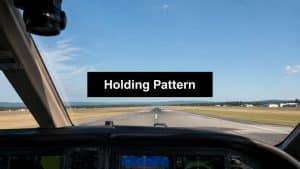
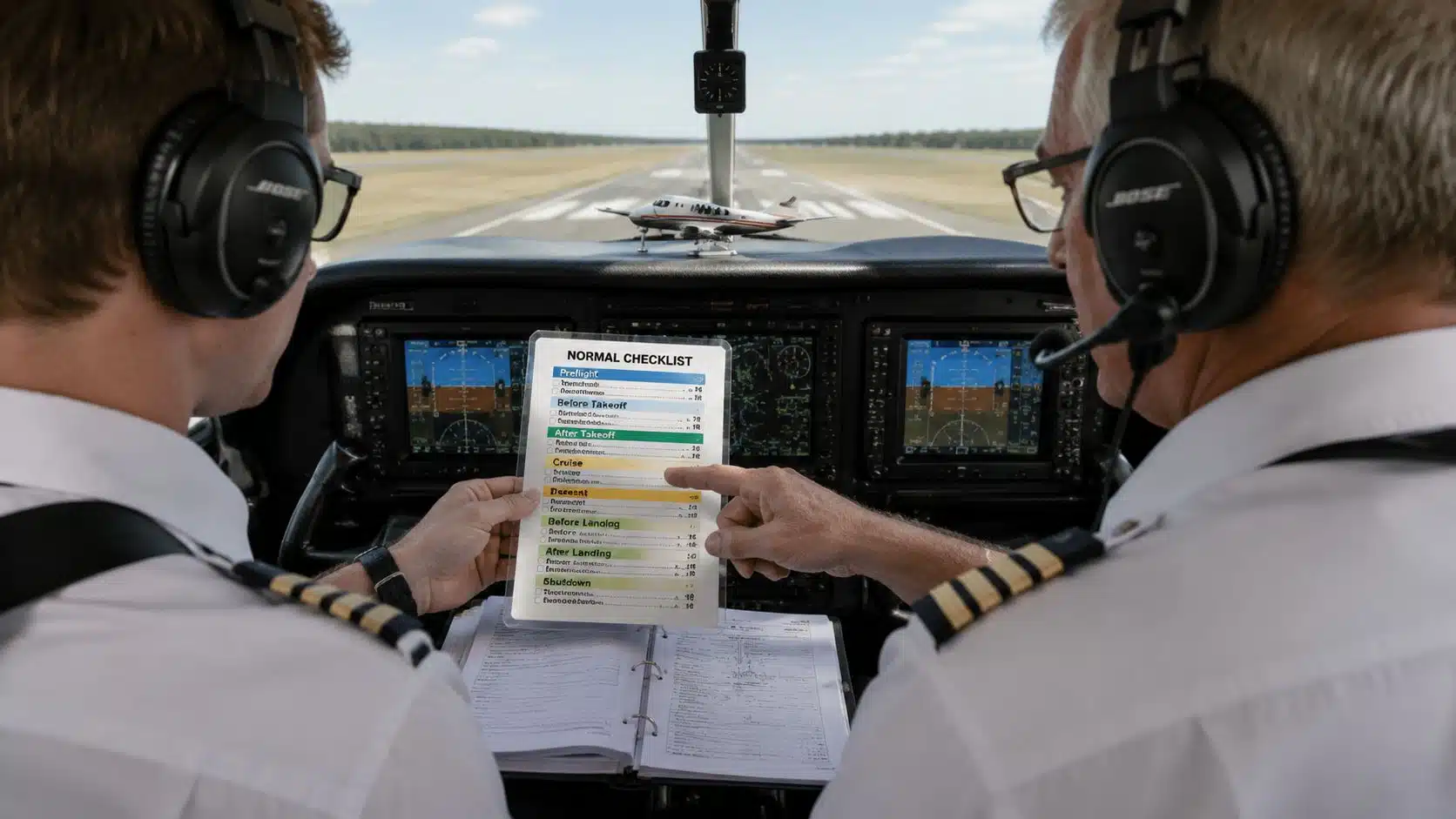
Aviation safety training exists to prevent a manageable problem from becoming an accident. The need is clearest in loss of control: 54% of fatal instructional accidents in an AOPA Air Safety Institute analysis involved loss of control, with stall and spin events making up most of that category (AOPA and Liberty University analysis). For students, renters, instructors, and career-track pilots, the practical answer is structured practice in aircraft control, decision-making, emergency response, runway operations, human factors, and recurrent proficiency.
Table of Contents
- What Aviation Safety Training Covers
- The Regulatory Frame Every Pilot Should Know
- Main Training Types and the Hazards They Target
- Matching Training to Your Certificate and Mission
- Runway Safety and Scenario-Based Practice
- What to Expect at a Real Flight School
- Checklist for Choosing a Training Provider
- Practical Takeaways and Common Pilot Questions
What Aviation Safety Training Covers
Aviation safety training develops the knowledge, judgment, and aircraft-handling skills pilots use to identify hazards early, choose a safe response, and maintain control when conditions change. It combines ground instruction, aircraft maneuvers, simulator practice, emergency procedures, checklists, and review of human performance.
Loss of control remains the central accident profile in flight training. An AOPA and Liberty University review identified 287 fatal flight-training accidents from 2000 through 2019. It also found that the fatal accident rate fell from 0.49 per 100,000 hours in 2000–2004 to 0.26 in 2015–2019, a reduction of nearly 47% (AOPA and Liberty University analysis). The lesson is practical: standardized instruction, risk management, and instructor oversight address specific failure points in an active training environment.
Breaking the accident chain
An accident usually develops through several decisions before the final loss of control. A pilot may depart without resolving a weather concern, misunderstand an aircraft performance limit, continue an unstable approach, delay a go-around, or let workload exceed available attention. Safety training targets those links while the pilot still has time and options.
A useful lesson structure follows the hazard:
- Preparation: Review weather, aircraft condition, performance, fuel, alternates, and personal minimums.
- Recognition: Identify cues such as buffet, stall warning, runway drift, worsening visibility, or rising workload.
- Action: Apply the aircraft-specific procedure without waiting for perfect conditions.
- Verification: Confirm control, navigation, configuration, and communication.
- Debrief: Determine what changed, why the decision mattered, and how the lesson applies to the next flight.
Practical rule: A maneuver matters most when the pilot understands the operational threat it represents.
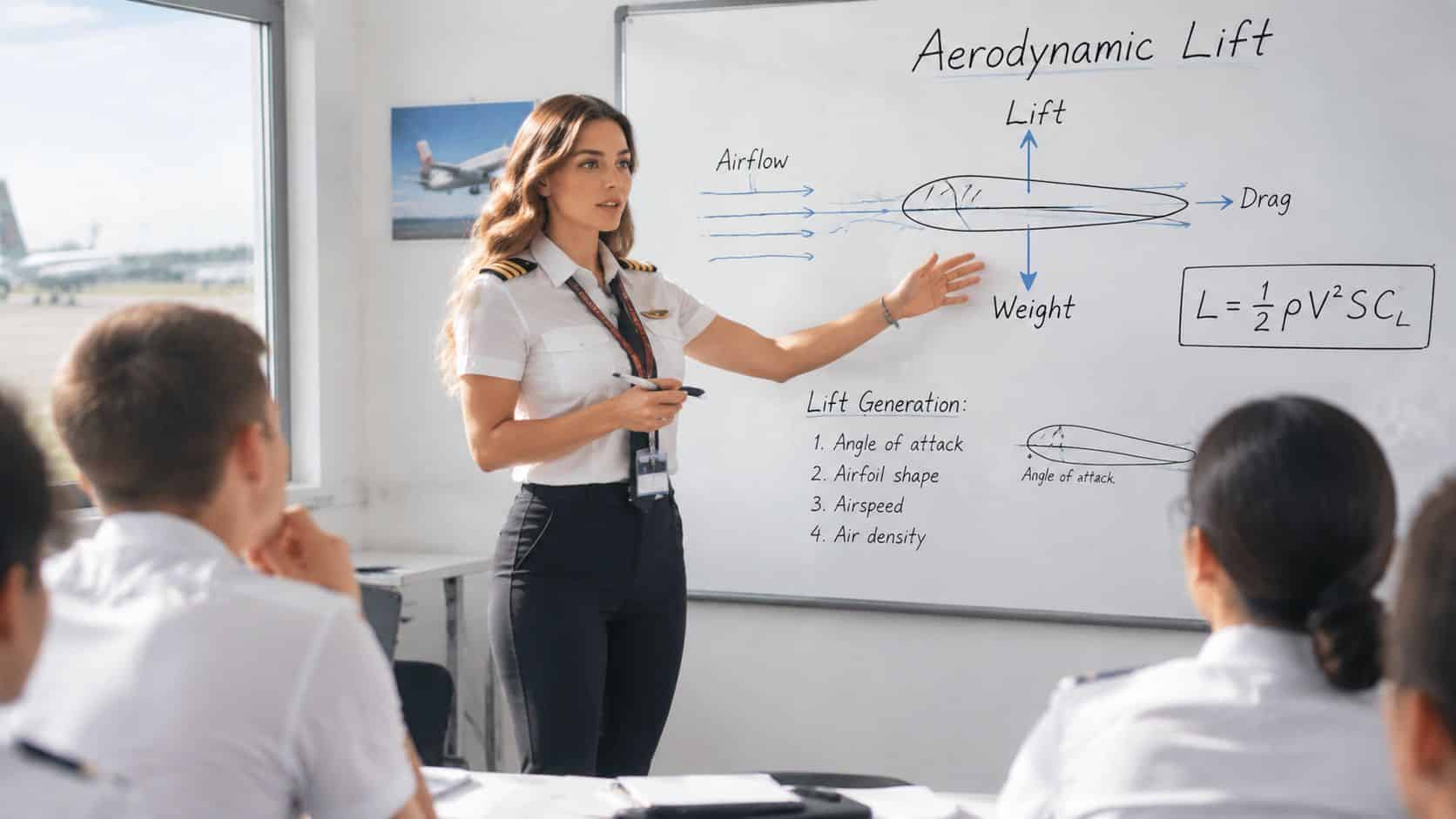
A stall lesson is more than holding the controls through a break. It teaches recognition of excessive angle of attack, disciplined recovery, and the judgment to prevent an approach, departure, or go-around from deteriorating into a stall. The same training logic applies to runway excursions, controlled flight into terrain, weather encounters, mechanical failures, and traffic conflicts. Each exercise connects a physical skill to an accident pattern.
Skill, judgment, and transfer
Regulations provide a baseline. Proficiency requires the pilot to know the rule, recognize when it applies, and choose a conservative response when legal conditions still present unacceptable risk.
Effective instruction uses measurable standards, repetition, instructor feedback, and scenarios that resemble real missions. A private pilot, instrument student, commercial candidate, CFI, and helicopter add-on student do not face identical hazards. Each needs a core safety foundation, followed by practice matched to the aircraft, certificate, operating environment, and decisions the pilot is likely to make.
The Regulatory Frame Every Pilot Should Know
A legal minimum is a floor, not a proficiency target. U.S. training requirements depend on the pilot certificate, aircraft, operation, and applicable regulation, so a sound program separates legal compliance, proficiency, and mission-specific risk reduction. Passing a required check does not automatically prepare a pilot for unfamiliar airspace, weather, or aircraft handling.
The flight review requirement
Under 14 CFR §61.56, a pilot generally must complete a flight review every 24 calendar months before acting as pilot in command, unless a listed exception applies. The review includes at least 1 hour of ground training and 1 hour of flight training, covering current Part 91 operating rules and the maneuvers and procedures the instructor considers necessary to demonstrate safe use of the pilot's certificate privileges (14 CFR §61.56).
Those hours establish eligibility. They do not measure every risk a pilot may face. A renter returning after a long gap, a pilot entering complex airspace, or an instrument-rated pilot with little recent instrument experience may need additional scenario practice before accepting a demanding flight.
FAA guidance describes the flight review as an evaluation of safe flight capability rather than a paperwork exercise. It also explains that a full flight simulator or flight training device generally cannot complete the review unless the activity occurs under an approved Part 142 training course (FAA Advisory Circular AC 61-98D).
Part 61 and Part 141
Part 61 allows flexible scheduling and curriculum planning. That arrangement can fit a student balancing work, school, aircraft rental, or irregular availability. The instructor and student still need a clear sequence, documented progress, and enough repetition to build dependable responses.
Part 141 uses an FAA-approved structure with a syllabus, defined stages, and documented instructor oversight. It can suit students pursuing professional pilot goals or those who prefer a formal progression. Neither framework guarantees stronger safety training. Syllabus quality, instructor feedback, aircraft access, and realistic practice determine whether the program addresses the hazards of the pilot's certificate and mission.
The FAA also encourages pilots to set personal minimums based on certification, experience, proficiency, and currency. These limits can be more conservative than the legal requirements for VFR or IFR operations (FAA personal minimums guidance). For example, a pilot may choose stricter weather, crosswind, visibility, or fuel margins until recent experience supports changing them.
| Training Layer | Typical Example | Primary Purpose |
|---|---|---|
| Required | Flight review under 14 CFR §61.56 | Maintain regulatory eligibility and demonstrate safe certificate privileges |
| Recommended | Recurrent stalls, emergency procedures, simulator sessions, and scenario debriefs | Preserve practical proficiency and decision-making |
| Mission-specific | IFR approach and missed-approach practice, mountain operations, helicopter autorotation work, or multi-engine engine-out procedures | Address the risks created by a particular aircraft, route, or mission |
A pilot comparing programs can use this guide to safety pilot requirements to clarify how simulated instrument training affects crewmember duties and outside vigilance. The safety pilot supports the exercise, while the pilot under instruction remains responsible for planning and control.
Main Training Types and the Hazards They Target
Each training module addresses a recognizable accident profile. Ground instruction reduces errors caused by weak knowledge or poor planning. Aircraft maneuvers build control accuracy. Simulator sessions allow repeated practice of failures and high-workload events that would be unsafe or impractical to create routinely in flight.
Ground school turns information into decisions
Ground instruction covers systems, aerodynamics, aircraft performance, weather, navigation, regulations, and aeronautical decision-making. Its safety value appears before takeoff, when the pilot converts information into a workable plan.
A performance lesson should produce a decision about runway length, density altitude, loading, wind, and rejected-takeoff planning. A weather lesson should lead to a clear diversion or no-go decision, rather than simple recognition of symbols on a briefing product. A regulations lesson should help a renter identify airspace, equipment, and operating limitations before departure.
Ground school therefore targets runway excursions, fuel-related diversions, airspace violations, and departures made with inadequate performance margins. The instructor should connect each rule or calculation to the consequence it is meant to prevent.
Emergency procedures protect the first priority
Emergency training begins with maintaining aircraft control. After an engine failure, smoke indication, or instrument failure, the pilot must stabilize the aircraft before searching for a checklist or attempting a complex diagnosis.
The instructor teaches the sequence, explains why each action comes first, and rehearses it until the pilot can divide attention among control, navigation, communication, and troubleshooting. The goal is timely action under pressure. Repetition reduces delayed responses and checklist fixation when workload rises.
CRM and threat management reduce human-factors errors
Crew Resource Management, or CRM, develops communication, workload management, leadership, monitoring, and challenge-response behaviors. These skills matter in multi-crew aircraft, and they also help a single pilot use passengers, instructors, air traffic controllers, and other available resources effectively.
Threat and Error Management, or TEM, gives pilots a method for identifying threats, trapping errors, and recovering before they become undesired aircraft states. A structured threat and error management approach supports better briefings, cross-checks, and post-flight debriefs. This module targets breakdowns in coordination, overlooked hazards, and small mistakes that remain uncorrected until they affect aircraft control.
Upset recovery targets loss of control
Upset recovery training teaches pilots to recognize unusual attitudes, unreliable sensations, excessive angle of attack, and rapidly changing energy states. ICAO guidance emphasizes reducing angle of attack immediately, disconnecting automation when necessary, and avoiding delays caused by air traffic coordination while a stall is developing (ICAO loss-of-control and UPRT guidance).
The aerodynamic point is simple: angle of attack must be reduced first. Airspeed alone is not a sufficient recovery cue. Stall warning, buffet, degraded control response, and performance loss require prompt attention during slow flight, stalls, go-arounds, instrument work, and upset scenarios.
Simulators and aircraft complement each other
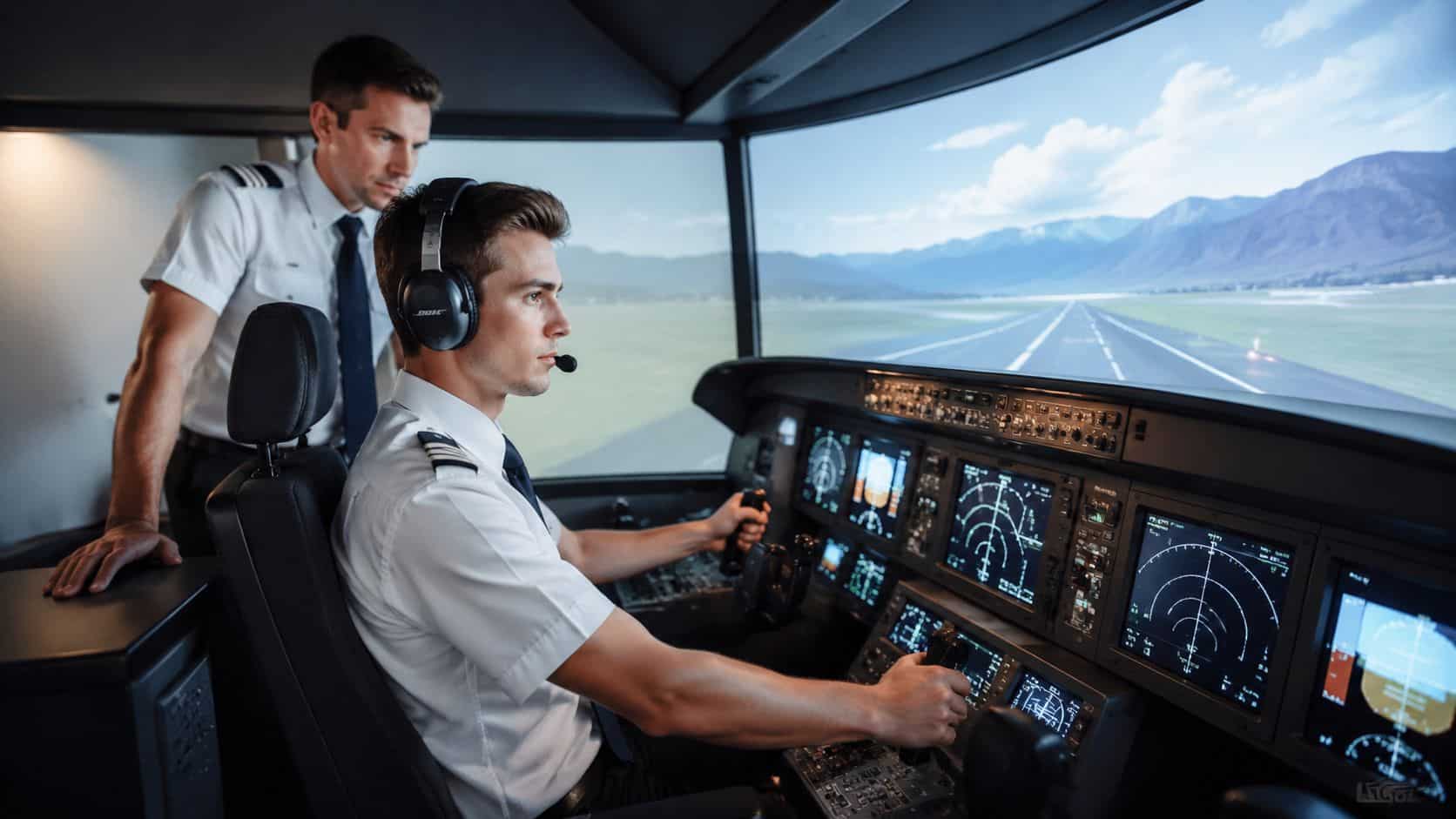
A simulator provides a controlled setting for engine failures, fires, instrument failures, rejected takeoffs, windshear, unusual attitudes, and procedural workload. The instructor can pause, repeat, and debrief an event without imposing the same operational exposure found in an aircraft.
Aircraft training develops physical feel, visual scanning, control coordination, radio work, and real-world workload. Recurrent training revisits both kinds of skill because familiarity fades and missions change. A sound program uses ground instruction to explain the hazard, simulator work to test decisions, aircraft practice to build control, and debriefing to connect the lesson with future flights.
Matching Training to Your Certificate and Mission
Your certificate sets the legal scope of your flying. Your mission sets the hazards you must rehearse. A private pilot flying locally in stable weather needs a different training emphasis from an instrument pilot managing approaches, a commercial candidate preparing for professional operations, or a helicopter pilot practicing autorotation.
| Pilot Profile | Core Training | Elective Training | Minimum Recurrent |
|---|---|---|---|
| Student pilot pursuing Private | Ground fundamentals, aircraft control, slow flight, stalls, emergency procedures, and supervised upset awareness | More simulator exposure, night operations, or busy-airport communications | Flight review after certification, with proficiency practice whenever skills weaken |
| Private renter | Flight review, aircraft-specific checkout, performance planning, weather decisions, and emergency drills | Cross-country scenario work, night proficiency, or complex-airspace practice | Flight review every 24 calendar months, plus mission-based practice before demanding trips |
| Instrument-rated pilot | IFR planning, workload management, approach briefings, missed approaches, and unusual-attitude recovery | Simulator sessions for failures, holds, and diversion decisions | Recurrent IFR practice based on actual currency and intended operating conditions |
| Commercial or CFI candidate | Advanced aircraft control, scenario judgment, teaching standards, CRM, and recovery discipline | Multi-engine or instructor-specific emergency procedures | Recurring practice aligned with the aircraft, instructional role, and professional mission |
| Mountain, backcountry, or tailwheel operator | Short-field, soft-field, performance planning, surface assessment, and runway-excursion prevention | Density-altitude scenarios, unfamiliar strips, and wind assessment | Mission-specific refresher before seasonal or unfamiliar operations |
The “minimum recurrent” column is a planning baseline, not a universal readiness calendar. Legal currency does not guarantee practical proficiency. As noted earlier, personal limits should reflect certification, experience, proficiency, and currency, and may be more conservative than legal weather minimums (FAA personal minimums guidance).
Training should target the accident profile created by the mission. A private renter planning a coastal trip through changing ceilings may need weather-diversion decisions and instrument-scan practice more than another routine pattern session. An instrument pilot should rehearse missed approaches, failures, and diversion choices because approach workload can expose weak planning before aircraft control deteriorates.
A CFI candidate faces a different test. The pilot must demonstrate a maneuver while observing a student, explaining a correction, and protecting the aircraft. A mountain or backcountry operator needs performance calculations, surface assessment, and a clear escape plan before committing to an unfamiliar strip.
The next training hour should answer one question: which foreseeable hazard is least practiced for the flight you intend to make? That answer is more useful than repeating a familiar maneuver just because it appears on a certificate checklist.
Runway Safety and Scenario-Based Practice
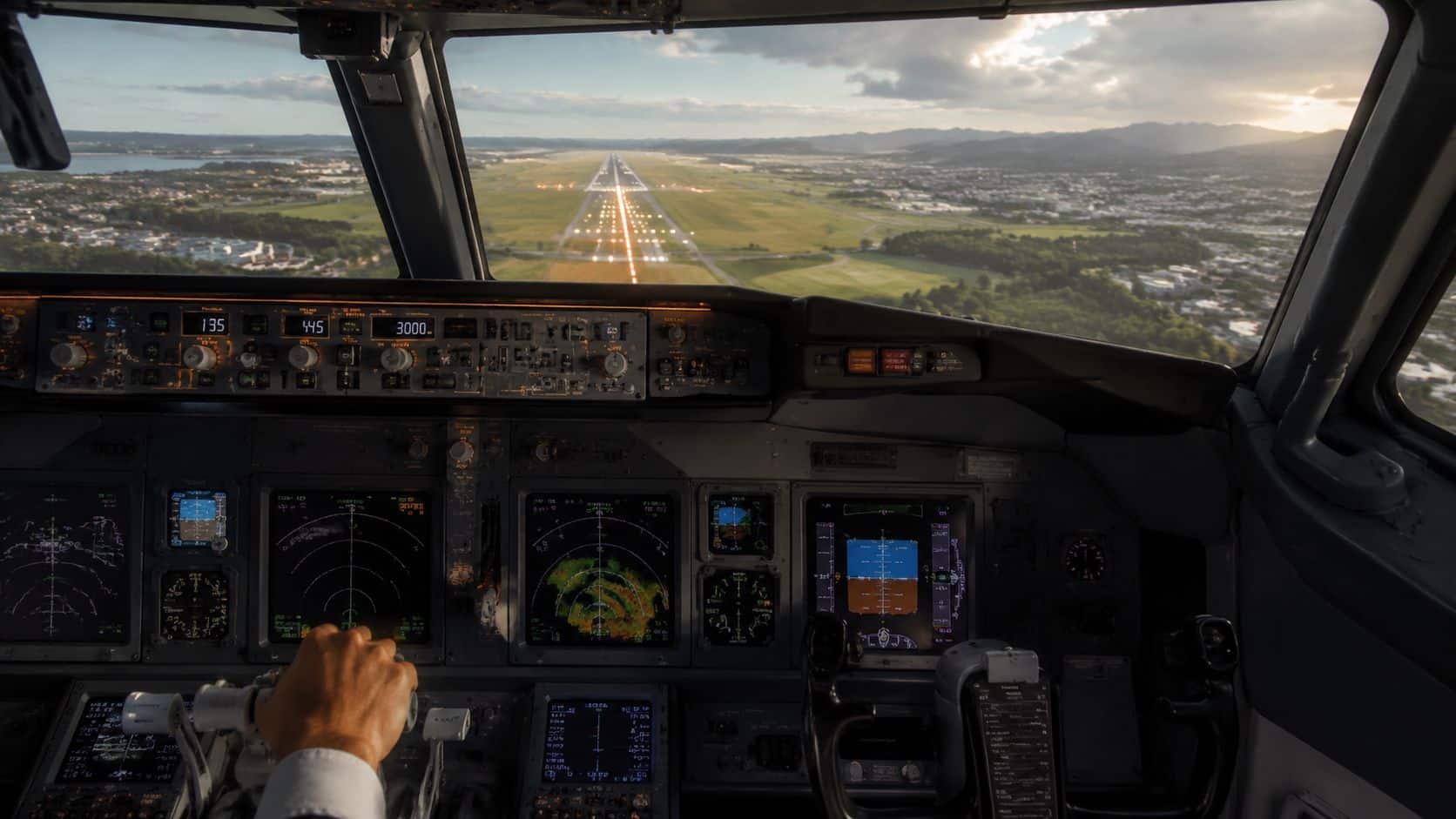
Runway safety training should match the accident profile created by surface operations: runway incursions, wrong-surface events, rejected takeoffs, excursions, and unstable approaches. ICAO recommends runway safety in initial and recurrent training, linked with CRM and TEM to reduce runway-excursion risk (ICAO Global Runway Safety Action Plan). The lesson is not a memorized warning. It is a rehearsal of decisions made before workload peaks.
Before engine start, review aircraft performance, runway condition, wind, taxi routing, hotspots, hold-short points, approach gates, and the go-around plan. The runway surface and taxiway picture should be as familiar as the cockpit checklist. A pilot who cannot state the intended route or the stopping plan has not finished the briefing.
A practical rehearsal loop
- Prepare the performance picture. Confirm takeoff and landing requirements, available runway, wind, aircraft weight, and the rejected-takeoff or go-around plan.
- Build the taxi route. Mark runway crossings, read back hold-short instructions, and stop whenever a clearance or position is unclear.
- Brief the approach gate. Set expected airspeed, configuration, descent path, alignment, and visual references before entering final approach.
- Name the triggers. A sinking path, airspeed deviation, runway drift, wind shift, or late configuration change should lead to a go-around under the school's stabilized-approach criteria.
- Rehearse the response. Apply power, set the aircraft attitude, confirm a positive climb when appropriate, configure on schedule, and communicate after control is established.
CRM divides attention deliberately. One pilot can fly while the other monitors airspeed, sink rate, runway alignment, and clearance compliance. In single-pilot operations, verbal callouts and an ordered cockpit task flow provide the same defense against fixation and missed information.
Scenarios worth practicing
- Rejected takeoff: Identify the decision point, maintain directional control, stop safely, and secure the aircraft.
- Engine failure after liftoff: Lower the nose as needed, select a landing area, and avoid an improvised return unless altitude and conditions support it.
- Late go-around: Recognize runway drift or an unstable descent before touchdown and execute the planned escape without hesitation.
A written go-no-go criteria framework helps turn weather, runway condition, performance, and personal limits into decisions made before departure. That preparation leaves less to solve while the aircraft is accelerating, turning, or descending.
What to Expect at a Real Flight School
A Part 61 flight school usually begins with an intake conversation, identification and enrollment records, training objectives, and an instructor match. The student may establish an IACRA account, review required documents, and discuss scheduling, aircraft availability, medical or eligibility questions, and the expected path toward the selected certificate or rating.
A first lesson normally starts on the ground. The instructor explains the aircraft, reviews the lesson objective, discusses weather and risk factors, walks through the preflight inspection, and demonstrates cockpit organization. The airborne portion may include basic control, straight-and-level flight, turns, climbs, descents, and radio or traffic-pattern work, depending on the student's readiness and local conditions.
A Chino Airport example
At Chino Airport, KCNO, DuBois Aviation operates in a busy, towered Class D environment with three runways and multiple instrument approaches. That setting can expose students to realistic radio communication, traffic sequencing, runway selection, and approach decision-making from the beginning of training.
The school's fleet includes multiple Piper Cherokees, a Cessna 150, a Mooney M20B, a Piper Apache, and Robinson and Enstrom helicopters. The available aircraft support private, instrument, commercial, multi-engine, helicopter, and upset-oriented training, while an in-house simulator can provide repeatable instrument and abnormal-procedure practice.
A prospective student should still evaluate any provider directly. Maintenance documentation, instructor qualifications, syllabus alignment, simulator access, and recurrent scheduling matter more than a polished office or a broad course list. A student interested in experiencing structured helicopter procedures without immediately committing to a full course may also find helicopter flight experience hire useful as a general orientation resource.
Questions worth asking before the first lesson
- Aircraft records: How are airworthiness, inspections, discrepancies, and maintenance releases reviewed?
- Instructor readiness: Is the instructor current in the aircraft and qualified for the planned rating or specialty?
- Training structure: Does the syllabus align with the applicable Part 61 or Part 141 pathway?
- Simulator use: Which procedures are practiced in the simulator, and how does that work connect to aircraft lessons?
- Progress reviews: How does the school identify weak areas before a stage check or checkride?
The same evaluation applies to a student at Chino, a renter at another airport, or a career-track pilot comparing training providers nationwide.
Checklist for Choosing a Training Provider
A solid provider makes safety visible in the syllabus, the briefing room, and the debrief. A checkbox operation may mention safety often but leave the student unable to describe what will be practiced.
Five checks before enrollment
- Accreditation and curriculum: Confirm whether the provider operates under Part 141 or offers a documented Part 61 curriculum with clear stage objectives, lesson records, and completion standards.
- Instructor qualifications: Review CFI certificates, recent activity, flight review experience, and specialty qualifications such as CFII or MEI when the course requires them.
- Fleet condition: Ask how the provider manages airworthiness, maintenance records, avionics condition, aircraft-specific limitations, and dispatch decisions.
- Scenario content: Look for embedded upset recovery, CRM, emergency procedures, stabilized approaches, runway safety, and go-around practice. These shouldn't exist only as optional add-ons.
- Recurrent access: Check whether the school can support online ground study, simulator sessions, weekend scheduling, aircraft rentals, and recurring flight reviews as the pilot's needs change.
The best choice is the provider that can explain how each lesson addresses a recognizable risk and how instructors measure improvement. A student shouldn't hesitate to ask for a syllabus sample, aircraft checkout requirements, and a plan for handling weather or maintenance cancellations.
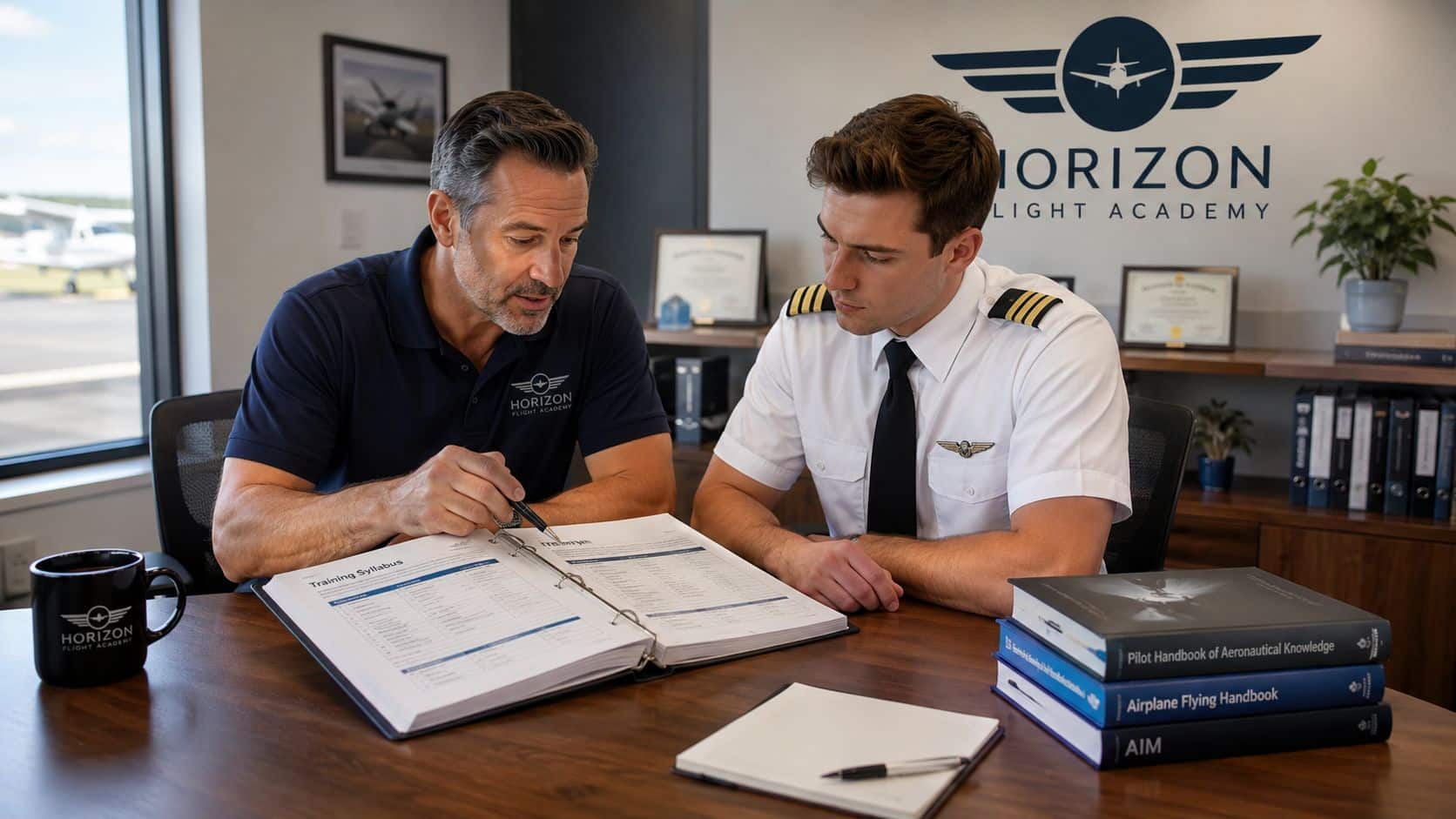
A prospective pilot considering DuBois Aviation can schedule a discovery flight at Chino Airport, meet an instructor, inspect the training environment, and ask how the school connects simulator practice, aircraft maneuvers, and recurrent proficiency.
Practical Takeaways and Common Pilot Questions
A useful training plan matches the certificate, aircraft, mission, and actual exposure. Loss of control may require repeated practice, while CRM, emergency procedures, runway decisions, and simulator work should reinforce, not substitute for, aircraft proficiency. As noted earlier, a flight review is required every 24 calendar months, unless a qualifying exception applies.
How often is a flight review required?
A pilot generally needs a flight review every 24 calendar months before acting as pilot in command. The review includes at least 1 hour of ground training and 1 hour of flight training. Additional practice may be appropriate after inactivity, a change of aircraft, a new mission, or a period when proficiency has declined.
What are the basic stall recovery priorities?
Start by reducing angle of attack. Level the wings when needed, add power as appropriate for the aircraft and situation, and control pitch and bank. Do not delay recovery while trying to coordinate with air traffic control. The exact sequence must follow the aircraft's procedures and the instructor's guidance. Earlier discussion of ICAO loss-of-control guidance provides the broader training context.
A stall recovery is like releasing pressure on a jammed door before trying to move it. Reduce the aerodynamic cause first, then restore control and energy in a deliberate order.
How should a pilot choose recurrent training?
A current pilot flying familiar local missions may need a focused recurrent session. More training is appropriate after inactivity or before moving into IFR, multi-engine, helicopter, mountain, night, or other high-workload operations. A pilot preparing for a professional check should select practice that matches the expected aircraft, tasks, and standards.
What should a pilot bring to a discovery flight?
Bring photo identification, a logbook if available, sunglasses, comfortable clothing, and questions about scheduling, aircraft, certificates, medical eligibility, and training goals. The school can explain which documents are required before enrollment.
When might Part 141 be preferable to Part 61?
Part 141 may fit a pilot who wants an FAA-approved syllabus, structured stages, and a defined professional progression. Part 61 may fit a student who needs flexible scheduling or a customized pace. The choice depends on availability, goals, aircraft access, and the provider's curriculum.
DuBois Aviation offers airplane and helicopter instruction, aircraft rental, simulator-supported practice, and training paths from private through commercial and instructor ratings at Chino Airport. Prospective and current pilots can connect training to a specific certificate or mission by visiting DuBois Aviation, scheduling a discovery flight, or requesting course availability.