
Congratulations, Pilot! The ink is barely dry on your temporary certificate, and the checkride replay is probably still running in your head. You passed. You earned the Private Pilot License, and that matters. It took discipline, money, weather delays, bad landings that got better, and at least a few moments where aviation felt like a foreign language.
Now you’ve hit the point where many new pilots stall out. Training gave you a clear syllabus, a CFI, and a next lesson already waiting on the calendar. After the checkride, that structure disappears unless you build it on purpose. That’s why so many pilots start asking the same question about what to do after getting private pilot license. The honest answer is that you now have choices, and some are much smarter than others.
Start with a simple reality. A private certificate is freedom, but it’s also exposure. You can legally take friends flying, rent airplanes, and plan trips. You can also let your skills fade, drift out of currency, make weak go or no-go decisions, or buy the wrong airplane for the wrong reasons. The next year matters a lot.
Two practical options worth comparing
These are specific products pilots commonly compare for this type of flying. Confirm compatibility with your aircraft and instructor before ordering.
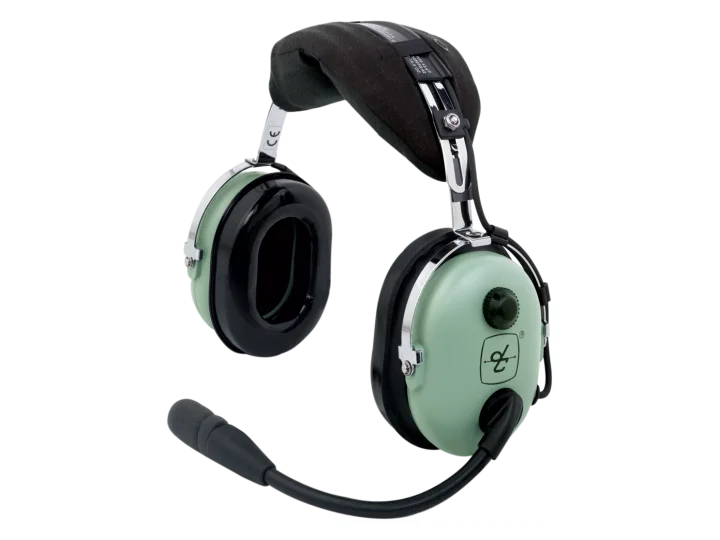 Student headsetDavid Clark H10-13.4 Aviation HeadsetCheck current availability on Amazon (paid link)
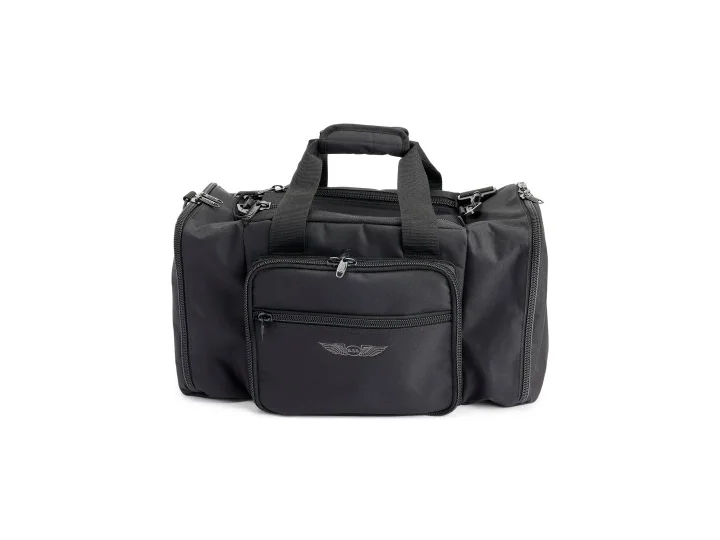 OrganizationASA Flight BagCheck current availability on Amazon (paid link)
At a busy, towered airport like Chino (KCNO), you’ve got an advantage if you use it. Regular radio work, multiple runways, instrument approaches, rental access, simulators, and instructors who see real-world flying every day can keep you moving instead of plateauing. DuBois Aviation is one example of that kind of environment, with airplane and helicopter instruction, aircraft rental, simulator access, and programs that support both recreational and career-minded pilots.
The best next step depends on your goal, but the priorities don’t change much. Stay legal. Stay sharp. Build experience with intention. Add ratings that make you safer and more capable. If ownership is on your mind, buy carefully. If a career is on your mind, stop wandering and get on a track.
1. Stay Legal & Proficient. Currency, Flight Reviews, and Medicals
Saturday morning at Chino. The weather is good, a friend wants a ride, and you realize you have not flown at night in months, have not opened your logbook lately, and are not fully sure when your flight review or medical expires. That is how rust sneaks up on new private pilots.
The first job after the checkride is simple. Build a system that keeps you legal and keeps you sharp. Those are related, but they are not interchangeable. A pilot can meet the minimums on paper and still be behind the airplane in a crosswind, sloppy on the radio, or slow to make a good weather decision.
At a busy, towered airport like KCNO, you have the tools to avoid that slide if you use them on purpose. Rental availability, frequent radio work, multiple runway configurations, and instructors who fly with post-checkride pilots every week make it easier to stay in practice. DuBois Aviation is one practical example. If instrument training is already on your radar, their instrument rating training program at Chino Airport also gives you a clear next step once your basic proficiency routine is in place.
Build a routine before flying becomes occasional
New private pilots do better with a schedule than with good intentions. Put recurrent flying on the calendar the same way you scheduled lessons during training. A workable pattern is one local proficiency flight every couple of weeks, one longer cross-country each month, and an instructor flight a few times a year even if nothing is due.
That instructor flight matters.
Use it to catch the stuff that fades slowly. Landings get flat. Checklist discipline gets casual. Radio calls get wordy. Pattern spacing gets inconsistent. A good CFI will spot those trends early, before they show up at the wrong time with passengers on board.
A practical pattern looks like this:
- Stay ahead of passenger and night currency: Do the takeoffs and landings before you need them for a real trip.
- Fly one aircraft type consistently if you rent: Regular time in the same Cherokee or Cessna builds repeatable habits and lowers cockpit workload.
- Track your deadlines in one place: Flight review, medical, renter checkout, and club or school currency rules should all be easy to see.
- Use proficiency flights to practice a task, not just burn holes in the sky: Crosswind landings, go-arounds, no-flap work, diversions, and short-field discipline all pay off.
Treat the flight review like recurrent training
Too many pilots treat the flight review as a box to check every 24 calendar months. That is the legal standard, not the smart standard.
An annual tune-up with an instructor is a better habit, especially in the first few years after the private certificate. At KCNO, that might mean booking a DuBois CFI in a familiar rental airplane and spending an hour on ground topics and an hour in the air. Review airspace, weather judgment, radio work in busy traffic, and the takeoff and landing profiles you use. Then go fly them to standard.
The trade-off is cost now versus mistakes later. Recurrent training is cheaper than bent metal, a blown checkout, or losing confidence after one bad flight.
Legal minimums are the floor
Passenger currency, a current flight review, and a valid medical keep you compliant. Proficiency comes from repetition, variety, and honest self-assessment.
Use Chino to your advantage. One week, work towered patterns and tighten up your calls. Another week, fly to a quieter non-towered field and manage your own sequencing on CTAF. If you trained mostly in calm conditions, go fly with an instructor on a day with a real crosswind. If glass cockpit automation is doing too much of the work, hand-fly more.
The point is not to stay busy. The point is to stay capable.
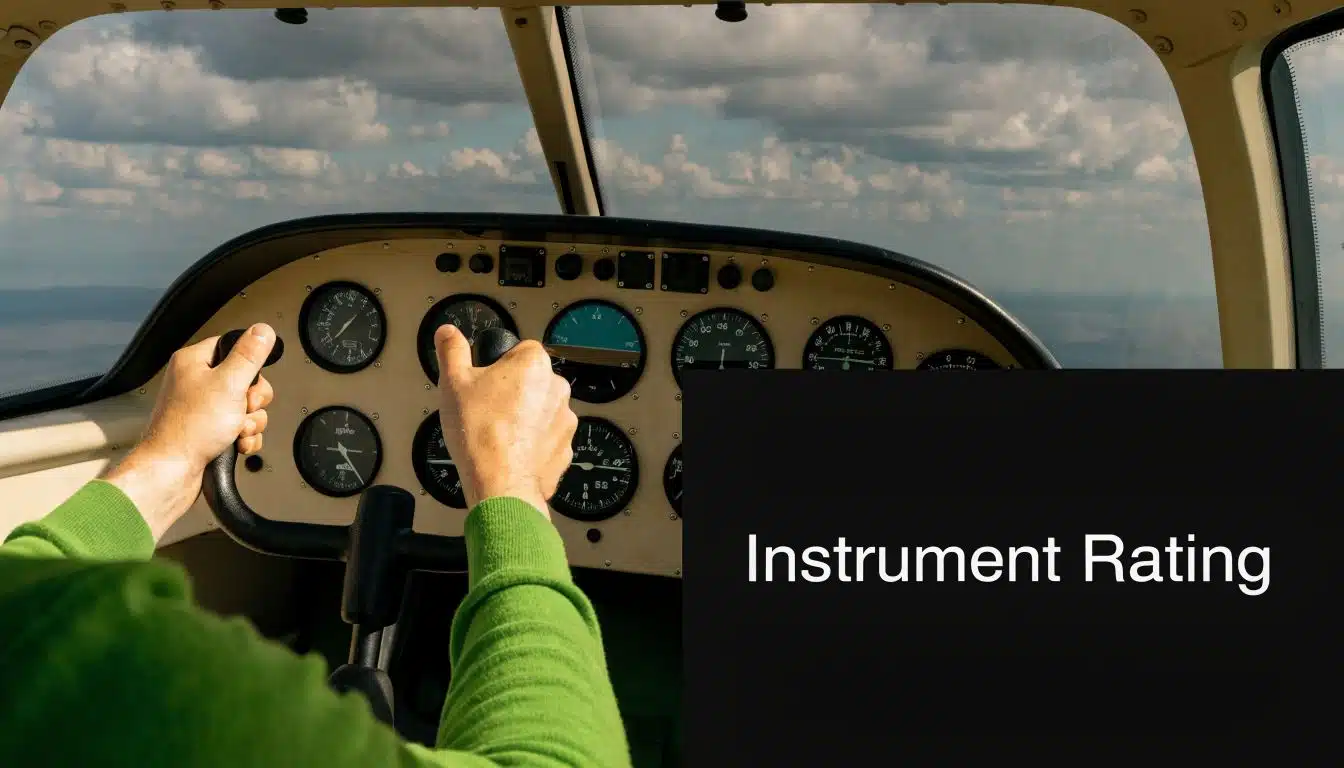
2. Pursue an Instrument Rating for All-Weather Capability
You have a Saturday trip planned out of Chino. The airplane is ready, your passengers are on time, and the route is simple. Then the marine layer hangs in longer than forecast, ceilings stay marginal, and a legal VFR flight turns into a bad decision waiting to happen. That is the point when many new private pilots realize the next smart step is an instrument rating.
An instrument rating does more than let you file IFR. It improves the way you plan, brief, scan, manage workload, and make weather decisions. Pilots who complete the training usually come out more precise on headings, altitudes, approach setup, and radio work. They also get a much clearer picture of when to go, when to wait, and when to stay on the ground.
At a busy towered airport like KCNO, the training has immediate value. You already have real radio traffic, published procedures nearby, and airspace that forces you to stay ahead of the airplane. That matters. Instrument flying is hard enough without trying to build those habits in a sleepy environment that never pressures your scan or your planning.
DuBois Aviation gives Chino-area pilots a practical way to train with both aircraft and simulator time through its instrument rating program at Chino Airport. That combination usually saves money, keeps lessons productive, and lets you practice holds, intercepts, approach flows, and failures without paying aircraft rates for every repetition.
Why it pays off early
The rating expands your options, but the bigger benefit is judgment. New private pilots often think instrument training is mainly about flying in clouds. In practice, a lot of the value shows up before that. You get better at reading forecasts, spotting trends that can trap a VFR pilot, and building cleaner plans for alternates, fuel, and delays.
That is a real advantage at Chino.
KCNO gives you exposure to busy pattern work, ground control, sequencing, and nearby Southern California airspace. Add IFR training in that setting and you start learning the kind of cockpit discipline that carries into every flight, even the clear VFR ones.
What works, and what wastes money
Consistency works. Two or three training sessions a week usually beat one lesson every couple of weeks because instrument skills fade fast between flights.
Using the simulator for procedure work also works. Save airplane time for what the airplane teaches best: attitude instrument flying, real ATC pacing, approach execution, and the workload that comes with actual movement and noise.
What wastes money is dragging the rating out so long that every lesson starts with relearning the last one. The other common mistake is chasing IFR capability while basic aircraft control gets sloppy. Keep hand-flying sharp. Know the avionics well, but do not let the screens cover up a weak scan or poor trim habits.
The end goal is not to make bad weather look acceptable. The end goal is to give yourself more tools, better judgment, and more ways to complete a trip safely or turn it down early for the right reason.

3. Build Cross-Country Flying Experience and Confidence
Saturday morning at Chino, the ATIS is moving fast, ground is busy, and your first real trip as a certificated pilot is no longer a lesson with a CFI in the right seat. You have to choose the route, make the go or no-go call, stay ahead of the airplane, and still have enough margin left over to handle something unexpected.
Cross-country flying is the stage where private pilots mature. You stop checking a box and start managing an actual trip. That means watching weather trends instead of just the snapshot, carrying fuel with real conservatism, planning alternates that make sense, and handling delays without letting the schedule push your judgment around.
Stop repeating the same local flight
A lot of new private pilots fall into the same pattern after the checkride. Same practice area. Same runway. Same short loop close to home. That keeps basic handling from getting rusty, but it does not teach much about trip planning, changing conditions, or unfamiliar airports.
Variety does.
Make it a goal to visit a string of new airports in your first months after certification. Each one teaches something different. A coastal field may force you to think harder about marine layer timing. A desert stop can expose you to density altitude and heat management. A tighter Class D or a busy non-towered airport will sharpen your radio work and your scan outside.
KCNO is a strong place to build from because the airport already asks you to stay organized. Use that. Launch from a busy towered field, then branch out with purpose. Fly a short breakfast run to an easy destination first. Next, pick an airport with different terrain or a more complicated arrival. Then plan a longer day trip that requires you to manage time, fuel, fatigue, and changing weather over the full mission.
Use a progression, not random trips
The smartest way to build confidence is to stack manageable challenges.
Start with trips that are well within your ability, but not identical to what you have already done. Then add one new variable at a time. Longer leg. Busier airspace. Different airport environment. Warmer day. Later return. That method builds judgment without cornering yourself.
At a place like DuBois Aviation, the fleet can help with that progression. If you are renting the same Piper Cherokee, Cessna 150, or Mooney M20B regularly, you remove one big variable from the trip. That matters. Familiarity with the airplane frees up mental bandwidth for the parts that need practice, including route planning, radio pacing, fuel decisions, and staying ahead of the flight.
Build confidence the smart way
A few habits make cross-country flying safer and much less stressful:
- Start with reachable wins: A simple lunch run that you plan well teaches more than an overambitious trip that leaves you overloaded.
- Set personal limits before engine start: Write down your fuel reserve, weather minimums, crosswind limit, and latest acceptable return time.
- Plan for the trip home with the same care as the outbound leg: A lot of poor decisions happen late in the day, when pilots are tired and tempted to press.
- Debrief every flight: Note what slowed you down, what caught you by surprise, and what you would do differently next time.
One more point from experience. Cross-country confidence does not come from one big adventure. It comes from a series of ordinary trips flown well. A pilot who consistently plans conservative, uneventful flights is usually building better judgment than the pilot chasing longer distances before earning the skill to manage them.
4. Join Aviation Communities and Mentorship Networks
Flying alone too much, especially early, is a mistake. You need other pilots around you. Not for social media. For judgment, standards, perspective, and the occasional blunt reality check.
Aviation has always been an apprenticeship culture. You learn from the CFI, but you also learn from the owner who’s been managing maintenance for years, the instrument pilot who’s seen weather turn, and the career pilot who can tell you which shortcuts are harmless and which ones aren’t.
Find pilots who do the kind of flying you want to do
If your goal is weekend travel, spend time with pilots who fly trips. If your goal is ownership, talk to owners who have dealt with annuals, insurance, hangars, and pre-buy inspections. If your goal is the airlines, get around instructors and commercial pilots who know what that path really looks like.
At Chino, a school-based community can help a lot. DuBois Aviation’s Flyers Club gives certificated pilots a way to stay plugged in, fly with other people, and keep learning after the certificate. That kind of structure helps because private pilots often lose momentum when training ends.
A few communities are also worth joining outside your home airport:
- AOPA: Useful for broader pilot resources and advocacy.
- EAA chapters: Great for local events, owner knowledge, and hands-on aviation culture.
- FAASTeam seminars: Good for recurrent learning and hearing real safety lessons.
- The 99s: A valuable community and mentorship path for women pilots.
Use mentorship for specific problems
Don’t just “network.” Ask better questions. How do you choose a first airplane? What insurance surprises should a low-time owner expect? What’s a realistic first IFR cross-country? How do you structure time-building without just burning holes in the sky?
That’s where experienced pilots can save you money and mistakes. They can also spot weak habits early. Maybe your radio work is slow. Maybe you rush checklists when passengers are waiting. Maybe you’re too optimistic on weather. The right mentor will say it plainly.
One of the best habits a new private pilot can build is this: after any flight that stretched you a bit, talk it through with someone more experienced while the details are still fresh.
5. Master Advanced Navigation and Glass Cockpit Technology
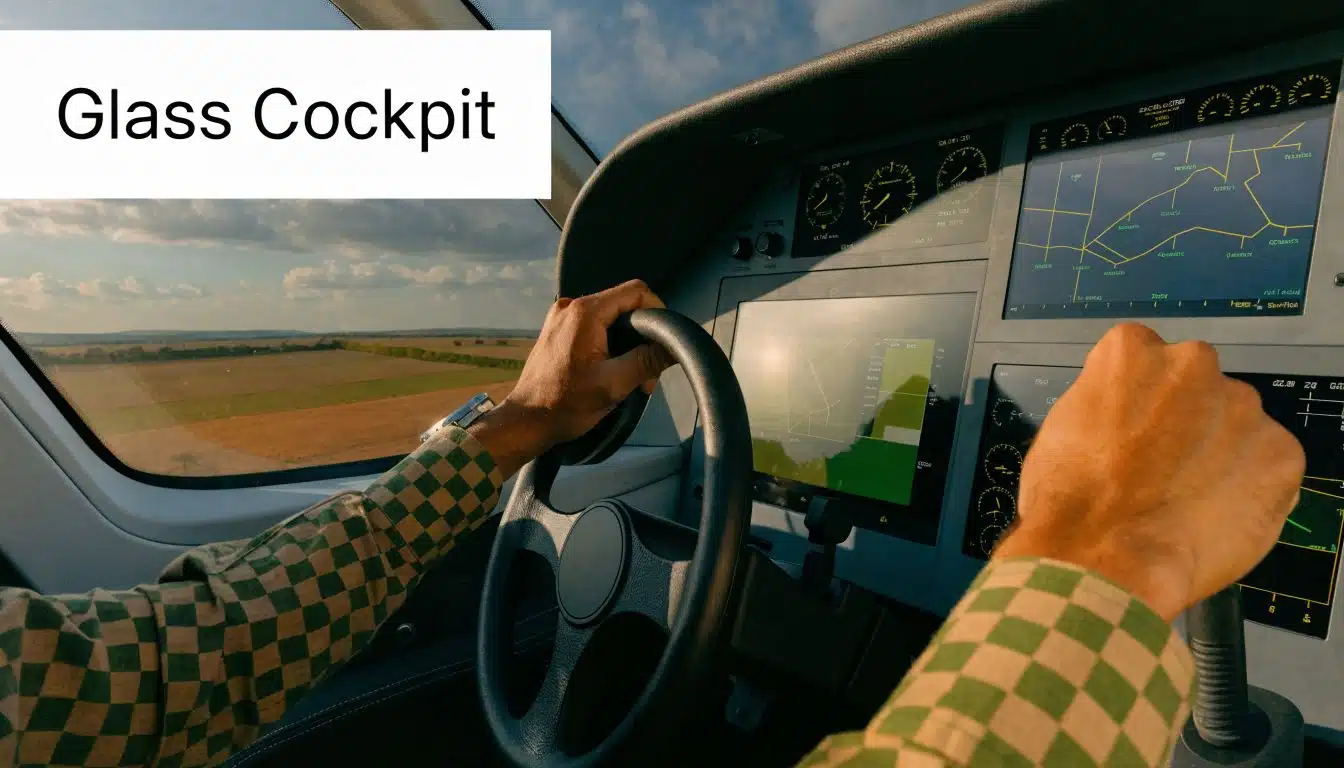
Avionics can make you safer, faster, and more organized. They can also make you lazy if you don’t train on them properly.
A lot of pilots know how to push the buttons they use most often, but not much beyond that. Then a reroute comes, a screen fails, the GPS sequence behaves differently than expected, or workload spikes in weather, and suddenly the “easy” panel isn’t so easy.
Learn the system, not just the happy path
If you’re flying aircraft with modern avionics, get formal instruction on that specific setup. Learn how to load and activate procedures correctly. Learn how to interpret what the autopilot is doing. Learn failure modes, reversionary screens, and how to keep flying when the fancy part stops helping.
Simulator time is perfect for this. DuBois Aviation’s in-house simulator can give you a lower-pressure way to practice avionics flows, instrument procedures, and abnormal situations before you add aircraft noise, ATC, and real traffic.
Manual flying still matters. In fact, glass cockpits punish weak stick-and-rudder skills because they tempt pilots to manage menus instead of the airplane.
Here’s a useful cockpit rule:
- Avionics should reduce workload: If heads-down time is increasing, you’re behind the airplane.
- Automation needs supervision: “Coupled” doesn’t mean “solved.”
- Every button push needs a cross-check: Confirm what changed on the display and in the flight path.
- Train for degraded mode: Know how to continue safely with partial information.
A good pilot with basic gauges is still a good pilot. A weak pilot with a strong panel is still weak.
Before you go further, this walkthrough is worth watching if you want to sharpen your thinking around cockpit systems and modern training expectations.
Bring the technology into your normal flying
Don’t wait for instrument training or a checkout in a more complex airplane to learn avionics discipline. Brief your route. Set up frequencies ahead of time. Use GPS and moving-map tools correctly, but don’t let them replace pilotage, dead reckoning, and basic situational awareness.
If you train at a field like KCNO, there’s enough radio traffic and enough moving parts to expose weak cockpit management quickly. That’s a good thing. Better to discover those gaps with an instructor than with passengers and rising workload.
6. Consider Aircraft Ownership. How to Buy Your First Plane Safely
A lot of pilots start thinking about ownership soon after the private certificate. That’s understandable. Renting has limitations. Schedules get tight, dispatch minimums vary, and sometimes you want your own airplane set up your way.
Ownership can be excellent. It can also become a money pit if you shop emotionally.
Buy the mission, not the fantasy
The safe way to buy an airplane starts with brutal honesty. What trips will you fly? How many seats do you really need? Are you buying for training, short local flights, family travel, or time-building? The wrong answer leads people into airplanes that are too expensive, too complex, or too specialized for their current skill and budget.
A first-time buyer should strongly consider simple, supportable aircraft with healthy parts availability and broad maintenance familiarity. A Cessna 172, Piper Cherokee, or similar trainer-class airplane often makes more sense than buying speed, retractable gear, or a project airplane you “plan to grow into.”
If your budget is tighter, a partnership can be smarter than sole ownership. A well-run partnership in something like a Mooney M20B can spread fixed costs, but only if expectations are in writing and everyone treats the airplane professionally.
Never skip a pre-buy inspection, and never let the seller choose the mechanic.
The pre-buy is where safe buyers separate themselves from impulsive buyers
Use an independent mechanic. Not the seller’s mechanic. Not your friend who “knows airplanes.” Hire someone who understands the specific make and model, and pay for a real pre-purchase inspection.
Ask for logbooks early. Review damage history, engine time, recurring squawks, AD compliance, and signs of deferred maintenance. If the logs are messy or incomplete, slow down. If the seller resists a thorough inspection, walk away.
A realistic ownership plan should include:
- Inspection discipline: Pre-buy first, annual planning next.
- Insurance planning: Talk to an aviation insurance broker before you commit.
- Maintenance reserve thinking: Assume the first year will reveal things the previous owner tolerated.
- Mission realism: Your first airplane should help you fly more, not intimidate you into flying less.
This applies to helicopters too. The same caution matters, only more so because maintenance complexity and mission mismatch can get expensive fast. If you’re considering buying or selling airplanes and helicopters, the rule is the same. Slow down, inspect thoroughly, verify records, and buy supportability, not just looks.
A good flight school community helps here. Pilots and instructors at an operation like DuBois Aviation often know local mechanics, common ownership traps, and which aircraft types fit Southern California flying well.
7. Add a Multi-Engine Rating for Performance and Redundancy
A multi-engine rating is exciting, but it’s not just about speed and the extra engine. It’s about systems knowledge, asymmetric throughst management, and disciplined emergency response.
For career-minded pilots, it’s a normal progression. For non-career pilots, it can still be worthwhile if the missions justify it. Just don’t rush into it because twins look impressive on the ramp.
Know what the rating really demands
Twin flying is less forgiving when things go wrong. You need a sharp understanding of Vmc, drag, configuration, and engine-out priorities. This is not the place for vague systems knowledge or checklist habits that were “good enough” in a single.
That’s why I usually tell pilots to build a strong instrument foundation before starting multi. Instrument discipline carries over. So does cockpit organization.
If you’re training in Southern California, a school operating a Piper Apache gives you a practical platform for that transition. DuBois Aviation offers multi-engine training in the Piper Apache at Chino, which puts you in a busy environment where radio work and procedure management stay realistic.
Spend your energy on the right parts
A lot of multi students obsess over the glamour of the rating and not enough over the ugly parts. The ugly parts are what matter.
Focus on these:
- Engine failures after takeoff: Chair-fly them until the flow is automatic.
- Systems understanding: Fuel, electrical, gear, props, and what failures do to you.
- Configuration discipline: Wrong drag choices in a twin can wreck performance fast.
- Instrument integration: Twins often make most sense when paired with real IFR capability.
If your goal is airline or commercial progression, the multi rating belongs in the plan. If your goal is occasional local flying, renting a twin just to “have the rating” may not be the best use of money right now. Get honest about mission and timing.
8. Specialize with a Helicopter Add-On Rating
Some pilots get the airplane certificate and realize they want something entirely different. Helicopters will definitely give you that.
They demand a different touch, different scan habits, and different coordination. Fixed-wing time helps with airspace awareness, weather judgment, and professionalism, but it does not make helicopter flying easy. Most airplane pilots are humbled quickly, which is healthy.
Try it before you commit
The smartest first move is a discovery flight. See if you enjoy helicopter control feel, hover work, and the pace of learning. DuBois Aviation operates both Robinson and Enstrom helicopters, which makes that first step practical if you’re already based at Chino.
If the flying grabs you, then think about whether this is a recreational add-on or the beginning of a different career path. Some pilots love the challenge and the mission variety. Others enjoy the discovery flight and decide they’re happier staying with airplanes. Both outcomes are fine.
Helicopter training rewards patience. The pilots who force it usually make it harder on themselves.
Understand the trade-offs
Helicopters open doors to missions that airplanes can’t do in the same way. Scenic flying, utility work, and other rotorcraft paths appeal to a lot of pilots for good reason. But the training is a real commitment, and the flying demands respect from day one.
If you already fly fixed-wing, don’t carry over bad assumptions. Learn rotorcraft aerodynamics on their own terms. Listen to the instructor. Stay humble around hover work. Keep your control inputs small and deliberate.
For pilots who want broader stick-and-rudder experience, a helicopter add-on can sharpen discipline in a surprising way. It makes you more attentive to energy, trimless control feel, and aircraft response. Even if you never fly helicopters professionally, the training can make you a more thoughtful pilot overall.
9. Earn Your Commercial Pilot Certificate for Professional Flying
If you want to get paid to fly, the commercial certificate isn’t optional. It’s the gate you must go through.
This is also where mindset matters. The commercial pilot is expected to fly with more precision, better judgment, and more polish than the average private pilot. The standard feels different because it is different.
Time-building without drifting
A lot of pilots know they need more hours but don’t build them intelligently. They fly random local sorties and call it progress. That can keep the Hobbs moving, but it’s not the best way to become a stronger commercial candidate.
The global flight training market projection published by Coherent Market Insights says the Commercial Pilot License segment is expected to hold a 61% market share in 2026. That’s a projection, not a current FAA training statistic, but it does reflect how central the CPL is for pilots moving toward professional work.
What matters more on the ground is how you build toward it. Fly with purpose. Plan trips. Improve landings. Clean up checklist flow. Practice commercial maneuvers with precision. Get comfortable in a complex aircraft if your training path includes one, such as a Mooney M20B.
Think like a professional before you are one
Commercial training goes better when you stop acting like someone who’s “just building time.” Every flight should have a standard. Are you on altitude? Are your callouts clear? Are your briefings organized? Is your planning conservative and complete?
A useful pattern is to review each flight through a professional lens:
- Preparation: Did you arrive ready, or did you start figuring it out at the airplane?
- Precision: Were your speeds, headings, and altitudes consistently tight?
- Presentation: Could you explain your plan clearly to a passenger, examiner, or future employer?
- Post-flight learning: What would you repeat, and what needs work next flight?
At a school like DuBois Aviation, you can pair rentals, simulator sessions, and advanced instruction into a more organized build toward commercial. That’s far better than letting months disappear while telling yourself you’ll get serious “soon.”
10. Enroll in a Structured Airline Career Pathway Program
You finish a smooth morning flight at Chino, taxi in, and realize the question has changed. You are no longer asking, “Can I earn my private?” You are asking, “How do I get from here to an airline cockpit without wasting a year and a pile of money?”
If that is your goal, structure matters.
Plenty of pilots build ratings one at a time with no larger plan. Some do fine. A lot of others stall out between certificates, repeat training because too much time passed, or spend extra money fixing scheduling gaps, aircraft availability problems, and weak continuity with instructors. At a busy airport like KCNO, those details matter more than people think.
A good career pathway gives you an order of training that matches how professional pilots are built. Instrument comes early because it sharpens discipline and judgment. Commercial follows once you can fly to tighter standards. Multi-engine training fits later, when you can benefit from the added workload and cost. Instructor certificates often become the bridge to paid flying and time building.
That kind of progression is the value. Not hype. Not speed for its own sake.
At Chino, the practical advantage is access. If your school can keep you moving with the right instructors, the right aircraft, and a schedule that does not keep breaking training momentum, you learn faster and waste less. DuBois Aviation lays that out in its airline pilot career path program at Chino, which is the kind of setup many career-minded pilots need after the private certificate.
A structured path still demands discipline
I tell new private pilots this all the time. A program does not carry you. You still have to show up ready, study between flights, and protect your standards when training gets busy.
What matters in a career track is straightforward:
- Consistency: Fly often enough that each lesson builds on the last one.
- Preparation: Arrive knowing the maneuvers, callouts, flows, and objective for the day.
- Judgment: Cancel when the risk is wrong, even if the schedule is tight.
- Professionalism: Treat every flight like someone is evaluating whether you belong in a crew environment.
A structured airline pathway is not the right move for every private pilot. Some want to keep flying recreationally, and that is a perfectly good outcome. But if your answer to what to do after getting private pilot license is “I want a professional cockpit,” commit to a training path that is organized, realistic, and built around actual aircraft, actual instructors, and the pace of a working airport like Chino.
Post-PPL: 10-Option Comparison
| Item | 🔄 Complexity | ⚡ Resource Needs | 📊 Expected Outcomes | Ideal Use Cases 💡 | ⭐ Key Advantages |
|---|---|---|---|---|---|
| 1. Stay Legal & Proficient: Currency, Flight Reviews, Medicals | Low–Moderate, routine recurring tasks | Low–Moderate time & cost (regular flights, medicals, CFI fee) | Maintains legal PIC privileges and basic safety/proficiency | Every active private pilot; mandatory for legal operations | ⭐ Ensures compliance and safety; identifies skill decay |
| 2. Instrument Rating for All‑Weather Capability | High, structured, technical syllabus | High (50+ hrs instrument, written/oral/checkride; ~$8k–$15k) | IMC capability, stronger decision‑making, career foundation | Pilots needing reliable weather access or career progression | ⭐ Dramatically expands utility and safety |
| 3. Build Cross‑Country Experience and Confidence | Moderate, planning and varied environments | Medium–High (rental hours, fuel, time away) | Improved navigation, judgment, and verifiable XC time | Pilots preparing for advanced ratings or real‑world ops | ⭐ Practical experience and confidence in diverse conditions |
| 4. Join Aviation Communities & Mentorship Networks | Low, ongoing engagement | Low (membership fees, time commitment) | Access to mentorship, shared best practices, networking | New pilots seeking guidance, safety culture, and partners | ⭐ Accelerates learning via mentors and peer support |
| 5. Master Advanced Navigation & Glass Cockpit Technology | High, technical transition training | Medium–High (courses, sim time, modern aircraft rental) | Greater situational awareness, reduced workload, avionics proficiency | Pilots moving to modern avionics or corporate flying | ⭐ Enhances safety and efficiency with modern avionics |
| 6. Consider Aircraft Ownership: Buy Your First Plane Safely | High, complex purchase & ownership management | Very High (purchase price + ongoing hangar, maintenance, insurance) | Full access to aircraft but increased financial/responsibility burden | Frequent flyers desiring availability and customization | ⭐ Unmatched freedom and control over aircraft decisions |
| 7. Add a Multi‑Engine Rating for Performance & Redundancy | High, asymmetric throughst and systems focus | High (expensive training & operating costs; $400–$600+/hr) | Improved speed/payload/range and multi‑engine competency | Pilots targeting commercial, corporate, or airline paths | ⭐ Performance boost and required credential for many jobs |
| 8. Specialize with a Helicopter Add‑On Rating | High, different aerodynamics & systems | Very High ($20k–$30k+; higher operating costs) | Rotorcraft capability and entry to niche mission roles | Pilots seeking EMS, tours, utility, or vertical‑flight careers | ⭐ Highly specialized, in‑demand skill set |
| 9. Earn Your Commercial Pilot Certificate | High, professional standard training | Very High (≥250 hrs total time; significant time and cost) | Legal ability to be compensated; professional proficiency | Aspiring professional pilots and those seeking paid roles | ⭐ Enables paid flying and demonstrates professional skill |
| 10. Enroll in an Airline Career Pathway Program | Very High, full curriculum and time‑compressed training | Very Very High (full program cost $70k–$100k+, full‑time commitment) | Streamlined path to 1,500 hrs, airline interview prep, mentorship | Pilots committed to an airline career seeking fastest route | ⭐ Most direct, standardized path with airline networking |
Your Aviation Journey is Just Beginning
Earning the private certificate is a major milestone, but any instructor who’s been around a while will tell you the same thing. The actual education starts after the checkride.
That’s when you begin making your own weather calls without a lesson plan in your lap. That’s when passengers start trusting your judgment. That’s when you decide whether flying will stay a personal passion, grow into ownership, branch into helicopters, or become a career. Those choices are exciting, but they need structure. The pilots who keep improving usually aren’t the most naturally talented. They’re the ones who keep flying, keep learning, and keep accepting correction.
If you’re unsure where to start, keep it simple. Stay current. Fly often enough that the airplane still feels familiar, not surprising. Take trips that stretch you just a little beyond the pattern. Fly with an instructor before you feel rusty, not after. If weather has already started canceling plans, begin the instrument rating. If the dream is professional flying, stop treating time-building like a vague future project and put a real timeline on the commercial path.
For pilots thinking about buying, slow down more than you want to. Buying an airplane or helicopter safely is less about finding “the perfect deal” and more about avoiding expensive mistakes. Mission fit matters. Maintenance history matters. Independent inspections matter. If you don’t have enough experience to judge the deal yourself, borrow judgment from mechanics, instructors, and owners who do. That’s not weakness. That’s how smart buyers protect themselves.
For pilots who just earned the certificate and want to keep the fun alive, don’t underestimate community. Flying gets better when you’re around other pilots. Join the club. Attend safety seminars. Ask older pilots how they made mistakes and what they’d never do again. Those conversations often teach more than another hour of aimless pattern work.
A busy airport can help if you use it well. Chino gives pilots realistic ATC, multiple runways, and an environment that rewards good cockpit management. For many pilots, that’s a strong place to keep training because everyday operations build habits that transfer into real travel and advanced ratings. DuBois Aviation is one local option with airplane and helicopter training, aircraft rental, simulator access, recurrent training, and career-oriented programs, which can be useful if you want one place to keep progressing after the private certificate.
The best next step is the one that keeps you engaged and improving. Maybe that’s instrument training. Maybe it’s a serious ownership search done the right way. Maybe it’s a commercial syllabus, a helicopter add-on, or a year of disciplined cross-country flying with friends and family. Whatever path you choose, keep your standards high and your ego low. Aviation rewards pilots who stay teachable.
You’ve earned the right to call yourself a pilot. Now earn the experience to become a really good one.
If you want help mapping out your next step after the private certificate, DuBois Aviation offers airplane and helicopter training, aircraft rental, simulator access, recurrent instruction, and career-path guidance at Chino Airport. A good next move is to schedule a conversation with a CFI, pick one priority, and put the first lesson or proficiency flight on the calendar.


