
Saturday morning at Chino starts early. You watch a Cherokee taxi out, hear a Robinson working the pattern, and the question gets more specific than “Would flying be fun?” It becomes, “Will a private pilot license change how I travel, work, and spend my money, and is the training worth it?”
That is the right way to look at it.
A private pilot license is not just a hobby credential. It changes how you make decisions, how you plan a trip, and how much responsibility you are ready to carry. You can take passengers on personal flights, use your certificate in limited business-related travel, and keep building toward advanced ratings. The freedom matters, but the practical value shows up in the day-to-day details of training time, weather judgment, scheduling, and cost control.
Two practical options worth comparing
These are specific products pilots commonly compare for this type of flying. Confirm compatibility with your aircraft and instructor before ordering.
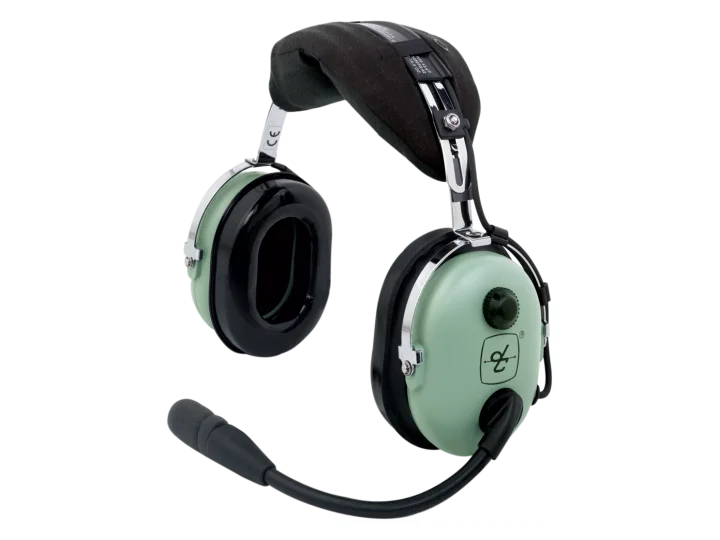 Student headsetDavid Clark H10-13.4 Aviation HeadsetCheck current availability on Amazon (paid link)
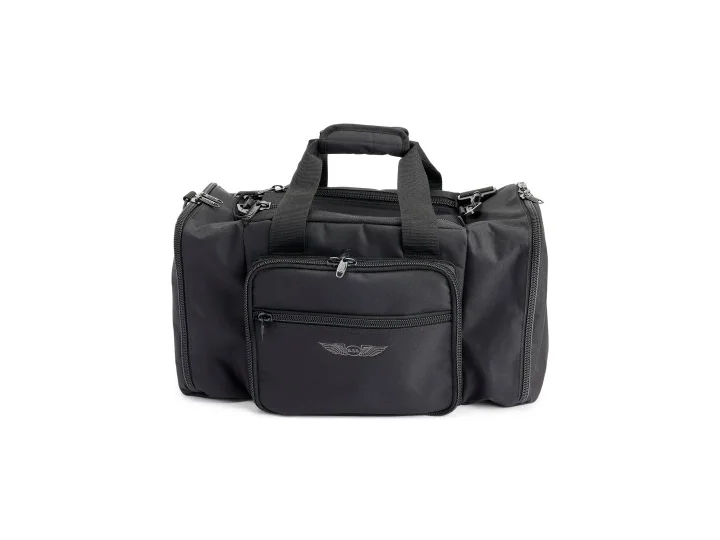 OrganizationASA Flight BagCheck current availability on Amazon (paid link)
For Southern California students, those details show up fast. Around Chino and the wider Inland Empire, you learn in real airspace with real pace. You work with towers, fit into busy traffic flows, and build habits that hold up outside the practice area. At Du Bois Aviation, that local context matters because it prepares you for the kind of flying many new pilots want to do here, from coastal trips to desert crossings to short weekend hops that make more sense by airplane than by car.
The bigger point is that the license opens doors in stages. First comes access and independence. Then come better travel options, sharper judgment, stronger skills, and, for some pilots, a path toward owning an aircraft. That last part gets skipped in a lot of beginner guides, but it should not. If you train long enough, you will almost certainly start doing the math on renting versus buying, partnership versus sole ownership, and eventually how to buy or sell your first airplane without making an expensive mistake.
These are the nine benefits that matter most, both in the cockpit and on the ground.
1. Personal Freedom and Unmatched Independence
A Saturday in Southern California makes the point fast. The 91 is backed up, the coast is crowded, and a simple day trip can turn into three hours of driving each way. With a private pilot certificate, you can leave Chino after breakfast, fly the trip you planned, and be home before freeway traffic peaks again. That kind of independence is real, but it only belongs to pilots who plan well and make conservative decisions.
Once you hold the certificate and stay current, you can make personal, non-commercial flights on your schedule. You choose the departure time, route, fuel stop, and whether the weather, winds, and runway conditions support the trip. That last part matters. A license gives you the legal privilege to go. Judgment determines whether you should.
Beginners often describe this benefit as freedom, and that is true as far as it goes. In practice, the bigger gain is control. You are no longer limited to airline routes, other people's schedules, or the availability of an instructor every time you want to leave the local area. If aviation becomes more than a hobby for you, that same certificate can also be the first step toward pilot career paths and aviation jobs, even if you start with purely personal flying.
Around Chino and the Inland Empire, this independence has a very local shape. You learn to work busy radios, varied airspace, coastal marine layers, desert heat, and the kind of cross-country planning that matches Southern California flying. At Du Bois Aviation, students see early that a private certificate is not just permission to rent an airplane for a scenic hop. It is a practical tool for short weekend trips, family visits, business day trips, and the first serious conversations about whether renting, joining a club, or eventually buying an aircraft makes sense.
What this freedom looks like in the real world
It usually starts small.
A lunch run to Santa Barbara. A visit to a family member a few counties away. A quick overnight that would be annoying by car and wasteful by airline. Those trips are where new pilots learn the practical value of the certificate, and also its limits.
Freedom in aviation always comes with trade-offs. You gain flexibility, but you also accept responsibility for weather calls, fuel planning, aircraft availability, passenger expectations, and go or no-go decisions. New private pilots who do well understand that early. The ones who struggle usually overestimate what the certificate means in the first 100 hours after the checkride.
A practical early approach looks like this:
- Fly familiar trips first: Repeat short routes before stretching your range.
- Set personal minimums in writing: Weather, winds, runway length, fuel reserve, and daylight need clear limits.
- Use flight apps as tools: ForeFlight and Garmin Pilot speed up planning, but they do not make decisions for you.
- Ask local pilots specific questions: Pattern habits, common weather traps, and fuel stop advice are learned on the ramp, not in the handbook.
- Rent before you buy: A few months of renting or club flying usually reveals your real mission better than browsing aircraft listings.
That last point gets ignored in a lot of beginner articles. It should not. Real independence in general aviation often leads to ownership questions sooner than people expect, especially in Southern California where scheduling pressure, travel goals, and hourly rental costs add up fast. A private pilot certificate is where that process starts. It gives you the access and experience needed to decide what kind of flying you want to do before you spend serious money doing it.
2. Launchpad for Career Opportunities and Professional Advancement
A student walks in for an intro lesson at Chino or Corona, says they are "just curious," and six months later starts asking the questions that matter. How fast should I move into instrument training? Should I protect time and money for a commercial track? Can I build time locally in Southern California without wasting flights?
That shift is one of the practical benefits of earning a private pilot certificate. It turns aviation from an interest into a real option.
If you want to fly professionally, the private certificate is your starting point. You do not get paid to fly with a PPL alone, but you do get access to the training path that leads to instrument, commercial, CFI, multi-engine, and other ratings. For students at Du Bois Aviation, that matters because the local training environment gives you year-round flying opportunities, busy airspace experience, and exposure to the kind of radio work and planning discipline that carry into advanced training.
The first rating that changes your decisions
Before the checkride, aviation careers feel abstract. After it, the choices get clearer.
You know whether you like cross-country planning, cockpit workload, weather study, and repeated training flights. You also get a much better read on your own pace. Some pilots want a steady recreational path. Others finish private training and realize they should keep the momentum, get the instrument rating done, and build toward paid flying while their skills are still sharp.
I advise students to treat private training like the first phase of professional training if there is even a small chance they may want an aviation career later. Show up prepared. Keep your logbook clean and accurate. Protect your medical. Learn to brief clearly, plan fuel accurately, and admit when a flight is outside your limits. Those habits matter more than talking about long-term goals.
Where pilots gain ground, and where they lose it
The pilots who make real progress usually do three things well. They train consistently, they budget for the next rating before the current one is finished, and they use each lesson to build standards instead of just chasing hours.
The ones who stall out usually hit one of two problems. They take too long between ratings and lose proficiency, or they finish the PPL without a realistic plan for time, money, and next steps.
That trade-off is easy to miss in beginner articles. A private certificate gives you momentum, but only if you use it. In Southern California, that may mean staying local and flying often instead of stretching for bigger trips too early. It may also mean renting longer than you expected while you decide whether your mission supports ownership later. Career planning and aircraft planning often start closer together than new pilots think.
If you are weighing where the training path can lead, Du Bois Aviation's guide to aviation jobs for pilots lays out the common roles and the ratings that usually follow private training.
A private certificate does not make you employable as a pilot. It gives you a tested foundation, and that foundation is what every later rating depends on.
3. The Ultimate Travel Hack for Convenience and Flexibility
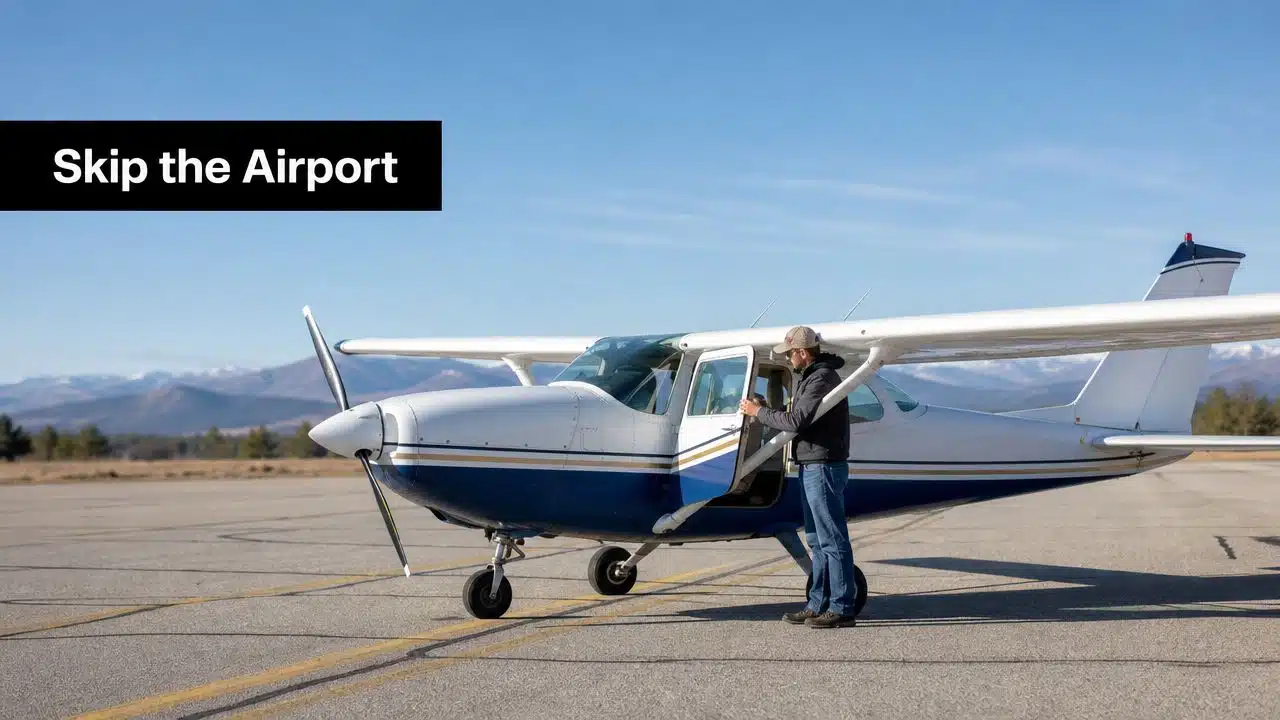
Friday, 4:30 p.m. You finish work in Orange County, drive to the airport, preflight, and launch for a coastal overnight while freeway traffic is still backing up. By sunset, you are on the ground closer to your actual destination instead of still sitting in a car or waiting at a terminal. That is where a private pilot certificate starts to feel useful in everyday life.
A private pilot certificate lets you carry passengers and use an airplane for certain personal and business travel within the rules. For many new pilots, that benefit becomes real on trips of a few hundred miles, especially around Southern California, where airline schedules, traffic, and airport sprawl can turn a simple regional trip into an all-day project.
Why the time savings feel different
A key advantage is control over the full trip. You pick the departure time, the airport, the route, and the return plan. In Southern California, that can mean departing from a field that is practical for your home base, then landing at an airport much closer to the meeting, marina, golf course, or family stop you value.
I see students at Du Bois Aviation figure this out quickly once they start planning real post-checkride trips. A flight from the LA basin to Santa Barbara, Palm Springs, Mammoth Lakes, or Las Vegas is not just about cruise speed. It is about cutting out parking lots, security lines, connections, and long drives on both ends.
That said, private flying is not an airline replacement. It is a tool. Used for the right mission, it saves time and gives you options. Used for the wrong mission, it can become an expensive, weather-sensitive detour.
Where the flexibility actually pays off
Weekend travel is the obvious use case, but it is not the only one. A private certificate helps when you need to move on your schedule, carry a small group, or reach airports the airlines do not serve conveniently.
A common early trip looks like this: rent a Cherokee or Cessna, leave after work with your spouse or a friend, fly to a smaller airport near the destination, spend the night, and come back the next day without giving up half the weekend to driving. That is a practical mission for a new private pilot, and one of the clearest quality-of-life benefits of training.
It also changes how you evaluate future goals. Once you start using airplanes for real trips, you get a much clearer sense of your mission. That matters later if you decide to keep renting, join a club, or start looking at your first aircraft purchase.
The limits matter just as much as the freedom
Weather still wins. So do density altitude, runway length, aircraft loading, maintenance issues, and your own fatigue level.
New pilots sometimes oversell the convenience side of private flying because they are excited about the certificate. Experienced pilots learn to respect the trade. If the marine layer sits on the coast, if the desert winds pick up, or if the airplane cannot safely carry the people and bags you want to bring, the smart answer is to delay, drive, or cancel.
That is not a failure. That is competent trip planning.
A few habits make this benefit work in practice:
- Choose airports by total trip time: The best airport is the one that shortens the whole day, not the one that looks closest on a sectional.
- Build a backup plan: Keep an alternate airport, a rental car option, and enough schedule margin to avoid rushed decisions.
- Match the trip to your experience: Early on, short regional flights usually deliver more value than long, ambitious travel days.
- Pay attention to mission creep: Two passengers and light bags may work well. Four adults, full fuel, and summer heat may not.
- Add ratings with a purpose: An instrument rating expands your options, but it does not remove the need for judgment.
Private flying gives you flexibility, but only if you plan like a pilot instead of booking like a passenger. That is the difference between a certificate that looks good in your wallet and one that changes how you travel.
4. A Masterclass in Skill Development and Personal Achievement
Plenty of people start flight training because they want a new hobby. They stay because the training changes them.
A private pilot license demands technical skill, judgment, radio work, aircraft control, weather interpretation, and the discipline to keep learning after every flight. You don't bluff your way through crosswind landings, navigation errors, or a weak preflight. Aviation exposes what you know and what you don't know very quickly.
Confidence that's earned, not borrowed
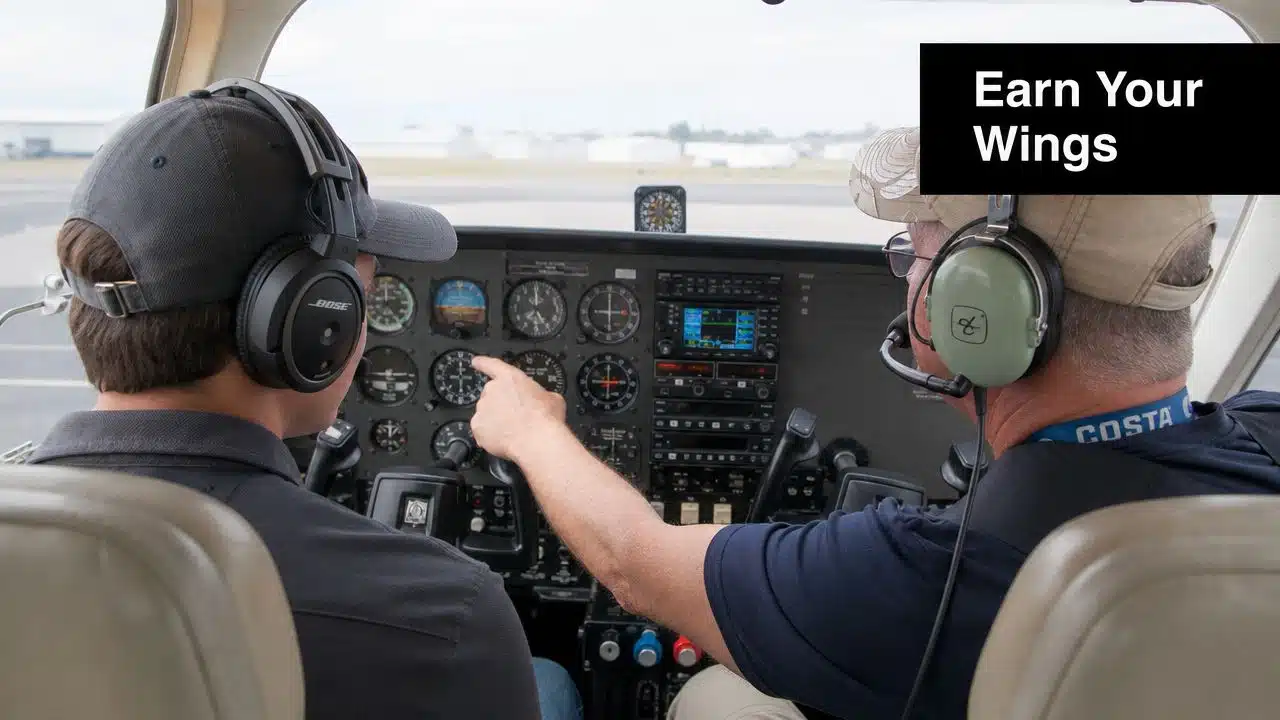
The confidence students gain isn't motivational-poster confidence. It's competence-based confidence. You brief the weather, inspect the aircraft, call ground, taxi, depart, maintain course, land, debrief, and learn what to clean up next time. Repeat that enough, and you build calm under pressure.
That transfers outside aviation. People who train seriously usually get better at planning, checklist use, communication, and decision-making. I've seen students who were hesitant on their first radio call become methodical and composed in every part of training by the time they reached checkride level.
How to get the benefit instead of just chasing the certificate
The students who benefit most don't rush just to “finish.” They aim for repeatable proficiency.
Good schools make that easier. At Du Bois Aviation, students train one-on-one, use Jeppesen materials, and can reinforce procedures in an in-house simulator. That setup helps because strong private training depends on consistent standards, not random tips from five different people.
A few things work better than most:
- Study in short, steady blocks: Aviation knowledge sticks better that way.
- Debrief every flight thoroughly: Don't just ask whether you passed. Ask what needs work.
- Practice flows and checklists correctly: Speed comes after accuracy.
- Use simulator time for procedures: It's a strong tool for repetition, especially in busy Southern California airspace.
The checkride isn't the real finish line. The real finish line is reaching the point where you can make safe decisions without someone rescuing the plan.
5. The Pathway to Aircraft Ownership and Safe Buying and Selling
One of the overlooked benefits of private pilot license training is that it prepares you to become a much smarter aircraft buyer.
A lot of people think ownership starts with money. It doesn't. It starts with mission clarity. The pilot who has flown rentals, trained in different conditions, and carried real passengers usually makes better buying decisions than the non-pilot buyer who falls in love with paint, avionics, or a sales pitch.
Buy for the mission, not for the story
Your first airplane doesn't need to be your forever airplane. It needs to do your real trips safely and economically. For many new owners, that means a simple trainer or cruiser that's easy to insure, easy to support, and familiar to local mechanics and instructors.
If you're comparing common first-airplane options, Du Bois Aviation's breakdown of Piper Cherokee vs. Cessna 172 is a useful place to start. That kind of comparison matters because small differences in cabin feel, handling, maintenance ecosystem, and mission fit affect ownership satisfaction more than beginners expect.
How to buy an airplane the safe way
The safe process is boring on purpose. That's a good thing.
- Define the mission first: Day trips, training, family travel, backcountry aspirations, or time building.
- Get insurance quotes before making an offer: Coverage can shape what's realistic for a low-time pilot.
- Order a true pre-buy inspection: Use a neutral mechanic who knows the type and works for you, not the seller.
- Review the logs carefully: Gaps, damage history, recurring squawks, and poor documentation matter.
- Budget for first-year surprises: New owners almost always find something that needs attention.
Co-ownership can also make sense, especially for pilots who want access more than ego. Shared ownership, club structures, and leaseback discussions all require careful review, but they can reduce the pressure to overbuy.
Selling your first aircraft without regret
When it's time to move up, the cleanest sales happen when you've kept organized logs, fixed discrepancies properly, and resisted the temptation to defer maintenance. Buyers pay for clarity and trust.
Helicopter buyers should be even more conservative. Support network, maintenance access, and realistic use case matter just as much as purchase appeal.
A shiny airplane with messy records is not a bargain. It's a project.
6. A Deep Dive into Safety and Aeronautical Expertise
People outside aviation often assume private flying is mostly stick-and-rudder fun. Real training is much broader.
You learn aircraft systems, weather, airspace, performance, human factors, fuel planning, emergency procedures, and how to think ahead of the airplane. Those lessons don't just help you pass a test. They build a safety mindset that affects every decision you make in the cockpit.
Safety starts before engine start
Strong private pilots know that many safety decisions happen on the ground. They happen when you decline a marginal trip, add fuel instead of pressing range, or choose a longer runway because the wind and density altitude don't favor your original plan.
That habit is one reason advanced training matters. Instrument training, in particular, sharpens scan discipline, procedural accuracy, and weather respect even for pilots who still do most of their flying in visual conditions. Du Bois Aviation offers more context on instrument flying training for pilots who want to keep building structured capability after the private certificate.
What works in real life
Students often ask what makes someone “safe.” It's usually not flashy skill. It's consistency.
The pilots I trust most do a few basic things well every time:
- They use checklists instead of memory contests.
- They brief weather trends, not just current conditions.
- They stay proficient in normal procedures, not only emergency talk.
- They leave room to change plans without ego.
A practical Southern California example is the marine layer decision. A new pilot might focus on whether departure is legal right now. A safer pilot asks what the trend looks like for the return, whether an alternate makes sense, and whether the trip is worth the narrowing margin.
7. Joining a Unique Social and Community Network
Flying is one of the few activities where strangers will walk up on a ramp, ask where you flew in from, and then spend half an hour helping you find a fuel truck, a restaurant, or a mechanic.
That community matters more than beginners realize. A major benefit of the private pilot license is access to a large, established aviation network. Industry reporting cited by Flight Nerd Air Force notes there were about 700,000 active private pilots in the United States in 2024, alongside a separate historical reference that active private pilots had fallen to around 165,000 by 2021 after much higher levels in the 1980s. The exact long-term trend is less important than what it shows in practice. The private certificate remains a foundational entry point into a durable flying community.
Why this helps new pilots so much
Aviation is easier when you know people. You learn where to rent, which airports are friendly, which instructors explain systems clearly, and what local conditions deserve extra respect.
At a place like Chino, that network develops naturally. Students train around other students, renters, instructors, owners, helicopter pilots, and career-track pilots. That mix helps because new aviators can see several different versions of what flying can become.
“Join the community early. It shortens the learning curve and makes flying more sustainable.”
For many pilots, aviation transitions into a lifestyle rather than an isolated activity.
Aviation also makes you notice practical details that most passengers ignore, including cabin safety. If you want a consumer-oriented look at that topic, this article on what makes plane seat belts critical is a useful reminder that small safety systems matter.
8. Surprising Cost Efficiency for Frequent Travelers
You finish a meeting in Phoenix, drive 15 minutes to a general aviation airport, and point the airplane back toward Southern California on your schedule, not the airline's. That trip still costs real money. For the right traveler, though, it can save enough time, hotel expense, ground transportation hassle, and missed-work drag to make the numbers more reasonable than they look at first glance.
That only holds up if the mission repeats.
Private flying makes the most financial sense for people who take the same kinds of trips over and over. Weekend runs to the desert. Regular business hops around California, Arizona, or Nevada. Family visits to places where airline service adds connections, delays, and a long drive on both ends. Around Chino, we see this clearly. A student may start training for the experience, then realize a piston airplane can cover a practical regional mission far better than a crowded airline itinerary through LAX or John Wayne.
The mistake is comparing only the wet rental rate to an airline ticket. A useful comparison includes the whole day. How far is the airline airport from home? How early do you need to leave? Will you need a rental car? Are you paying for parking, a hotel, or an extra day away because the airline schedule does not match your actual plans? Once you add those pieces, private flying starts to look less like a luxury purchase and more like a tool with a specific use case.
Training cost still matters, and it should be part of the math from the beginning. As noted earlier, earning the certificate is a substantial upfront investment. You are paying for a skill that can serve you for years, not just for the first 40 or 60 hours in the airplane. If you rarely travel, that investment is hard to justify on economics alone. If you fly regional trips often enough, the value equation changes.
A few decisions have an outsized effect on cost:
- Rent first: New pilots usually learn more from using different aircraft than from rushing into ownership.
- Choose the right mission aircraft: A simple, efficient trainer or four-seat cruiser often beats renting a faster, heavier airplane you do not need.
- Use clubs or partnerships with clear rules: Shared fixed costs help, but only if scheduling, maintenance responsibility, and insurance are spelled out.
- Stay proficient: Lapses in currency lead to extra dual, more time knocking rust off, and less confidence using the license for real trips.
- Study ownership before buying: Section 5 matters here. Buying your first aircraft can lower trip costs in the right situation, but only after you understand maintenance reserves, hangar fees, annuals, and resale risk.
That last point gets skipped in a lot of beginner guides. It should not. If your travel pattern is steady, owning a modest airplane can improve dispatch reliability and long-term value. If your schedule is inconsistent, renting keeps your fixed costs under control and your exit options open.
Private flying will not beat every airline trip on price. It does not need to. For frequent regional travelers, its primary benefit is better total trip efficiency, with enough control and time savings to justify the certificate and, in some cases, the step into aircraft ownership later.
9. A Catalyst for Improved Health and Fitness
Flying puts your health on the radar in a way many hobbies don't.
To earn a private pilot certificate, applicants must complete required training and testing under FAA-aligned standards, and one practical early step for most students is making sure medical eligibility won't become an avoidable roadblock. That doesn't mean you need to be an elite athlete. It means aviation rewards people who pay attention to sleep, stress, medication issues, hydration, and overall fitness.
The cockpit punishes denial
Fatigue shows up in radio calls, checklist errors, and weaker decisions. Dehydration shows up in concentration. Unmanaged stress shows up in rushed planning and poor judgment. Students learn pretty quickly that wellness isn't separate from safety.
That's a healthy correction for a lot of adults. Once your ability to fly depends on maintaining standards, it becomes easier to take routine health issues seriously. You get your exam scheduled. You ask questions before taking new medications. You stop pretending poor sleep is “fine.”
A few practical habits help:
- Schedule your medical early in training: Don't wait until you've invested considerably.
- Be candid with your AME: Surprises are harder to solve later.
- Build good habits around flying days: Hydration, food, and rest are not optional extras.
- Treat health like proficiency: You maintain it, or it slips.
For many pilots, the license becomes a standing reason to take better care of themselves. That's not the most glamorous benefit. It may be one of the most useful.
Private Pilot License: 9-Benefit Comparison
| Benefit | Implementation Complexity 🔄 | Resource Requirements ⚡ | Expected Outcomes ⭐📊 | Ideal Use Cases 💡 | Key Advantages ⭐ |
|---|---|---|---|---|---|
| Personal Freedom and Unmatched Independence | Moderate, formal training + recurrent proficiency | High, flight hours, instructor time, rental/ownership costs | High, independent travel, direct routing, time savings | Personal travel, weekend trips, remote access | Autonomy, schedule control, access to small airports |
| Launchpad for Career Opportunities and Professional Advancement | High, sequential ratings and large hour build | Very high, substantial training cost and time investment | Very high, pathway to airlines, high earning potential | Aspiring commercial pilots, CFIs, airline career seekers | Foundation for professional credentials and mentorship |
| The Ultimate Travel Hack: Unmatched Convenience and Flexibility | Moderate, active planning and weather awareness | Variable, rental costs, possible IFR training | High, significant door-to-door time savings, flexibility | Business trips, families, time-sensitive itineraries | Flexible schedules, fewer hassles, direct access |
| A Masterclass in Skill Development and Personal Achievement | High, intensive ground + flight curriculum and checkride | Moderate–High, instructors, simulators, study time | High, technical mastery, decision-making, confidence | Personal growth, career changers, performance-driven learners | Deep skills, transferable decision frameworks |
| The Pathway to Aircraft Ownership: Safely Buying and Selling | High, inspections, legal/financial steps, co-ownership complexity | Very high, purchase price, insurance, hangar, maintenance reserves | High, full ownership freedom, potential equity/rental income | Pilots ready to invest or form ownership groups | 24/7 access, customization, long-term asset control |
| A Deep Dive into Safety and Aeronautical Expertise | Moderate–High, ongoing training, medical certification | Moderate, formal ground school, simulators, recurrent training | Very high, superior safety awareness and emergency preparedness | Safety-focused pilots, instructors, complex operations | Robust safety culture, proven decision frameworks |
| Joining a Unique Social and Community Network | Low, join clubs and attend events | Low, membership fees, time for participation | Moderate, mentorship, networking, social support | New pilots, hobbyists, professionals seeking connections | Mentorship, friendships, community resources |
| Surprising Cost Efficiency for Frequent Travelers | Moderate, coordination for cost-sharing and routing | Variable, hourly rental; cost-effective with groups | Moderate–High, competitive per-person costs for groups | Groups traveling 200–400 miles regularly, business teams | Cost-per-passenger savings, time-value benefits |
| A Catalyst for Improved Health and Fitness | Low–Moderate, initial and periodic medical exams | Low, exam fees; lifestyle maintenance effort | Moderate, baseline health screening and motivation | Individuals prioritizing health accountability | Early detection of issues, incentive for wellness |
Your Journey to the Skies Starts Here
A private pilot license gives you more than permission to fly. It gives you a framework for freedom, responsibility, and long-term opportunity. That's why the best reasons to earn one usually get stronger after training, not weaker.
You gain personal mobility that doesn't depend on airline schedules or highway traffic. You gain a direct path into advanced ratings and professional options if aviation turns into something bigger than a hobby. You gain the knowledge to evaluate weather, aircraft, routes, and risk in a way that changes how you travel and how you make decisions. And if ownership is somewhere in your future, the license helps you approach buying and selling aircraft with far better judgment than a non-pilot buyer ever could.
That part matters. A lot of beginner articles stop at “freedom to fly.” Real pilots know the picture is wider. The benefits of private pilot license training also include knowing when not to go, learning how to choose the right airplane for your mission, understanding whether renting or ownership fits your life, and building relationships with instructors, mechanics, and other pilots who make you safer over time.
If you're in Southern California, your training environment matters too. Learning at a busy airport with real radios, real traffic flow, and experienced instructors gives you a more practical start than a low-pressure bubble where everything feels easy until it suddenly doesn't. You want training that prepares you for the flying you will do.
That's also why the right school fit matters more than many students think. You're not just buying hours. You're choosing the standards, mentorship, aircraft access, and instructional style that will shape your habits from the beginning. Du Bois Aviation is one option for students who want private, instrument, commercial, helicopter, and rental access at Chino Airport, with one-on-one instruction and a fleet that supports training beyond the first certificate.
If you've been waiting for the “right time,” the better question is whether you're ready to start taking concrete steps. Book a discovery flight. Visit the school. Ask about scheduling, aircraft availability, instructor continuity, and what the first phase of training looks like. The people who make steady progress in aviation usually don't wait until every detail is perfect. They start, train consistently, and keep moving.
If you're ready to turn curiosity into training, DuBois Aviation is a practical place to start. You can explore private pilot training, aircraft rental, helicopter options, and next-step ratings, then talk with the school about a schedule that fits your goals.


