
When starting your journey toward a pilot certificate, budgeting is a key concern. Many new students focus heavily on the hourly rate for flight training, seeking the most affordable option. However, an equally important factor that can significantly impact your progress and overall costs is the frequency of your flight training sessions. In this article, we explore why maintaining consistent and frequent flight training often matters more than just the hourly rate, helping you make informed decisions as you begin your aviation career.
Understanding Flight Training Frequency and Its Impact
Flight training frequency refers to how often you schedule and complete your flight lessons. This can range from multiple sessions per week to just once every few weeks or longer. The frequency of your training sessions plays a critical role in how well you retain knowledge and skills, how quickly you progress, and ultimately how much your training will cost in the long run.
Two practical options worth comparing
These are specific products pilots commonly compare for this type of flying. Confirm compatibility with your aircraft and instructor before ordering.
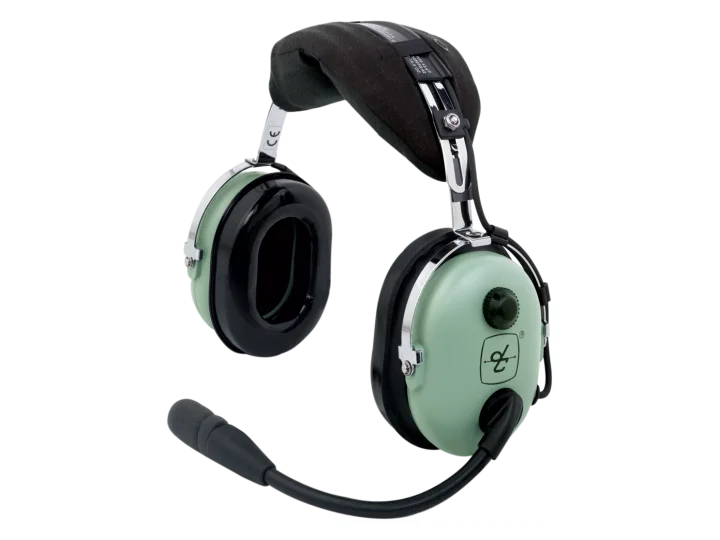 Student headsetDavid Clark H10-13.4 Aviation HeadsetCheck current availability on Amazon (paid link)
 OrganizationASA Flight BagCheck current availability on Amazon (paid link)
When lessons are spaced too far apart, students often face challenges in retaining the complex information and skills learned during previous sessions. This can lead to more review time in subsequent lessons, slowing progress and increasing the total number of hours needed to reach proficiency. Conversely, frequent training helps build muscle memory, reinforces learning, and keeps you mentally and physically prepared for each new lesson.
Why Frequent Training Can Reduce Overall Costs
At first glance, a lower hourly rate for flight instruction might seem like the best way to save money. However, if the training schedule is infrequent, it can lead to longer total training times and more hours billed overall. This happens because skills and knowledge fade over time without practice, requiring additional review and repetition during lessons.
For example, if you train only once every two or three weeks, you might need extra time in each lesson to refresh previous material. This can add up to more hours flown and more instructor time billed, offsetting any savings from a lower hourly rate. On the other hand, training two or three times per week helps maintain continuity, allowing you to progress more efficiently and potentially complete your training in fewer total hours.
Therefore, while the hourly rate is important, the total cost of your flight training is also heavily influenced by how quickly and consistently you complete your lessons. Prioritizing a frequent training schedule can be a cost-effective strategy in the long term.
How Flight Training Frequency Affects Skill Retention and Safety
Flying an aircraft requires a combination of cognitive knowledge, motor skills, and situational awareness. These abilities are best developed and maintained through regular practice. When training sessions are spaced too far apart, the risk of skill degradation increases, which can impact both your learning curve and safety.
Frequent training sessions help you retain critical procedures and responses, making each lesson more productive. This continuity also builds confidence, reduces anxiety, and promotes safer flying habits. As you progress through your training, consistent practice ensures that you are better prepared for the challenges of solo flight and the FAA checkride.
Balancing Flight Training Frequency with Your Schedule
While frequent training is ideal, it must be balanced with your personal and professional commitments. Life can be busy, and not everyone can train multiple times per week. However, planning your schedule to maximize training frequency within your constraints can still yield benefits.
Consider creating a training plan that sets realistic goals for lesson frequency. For instance, if weekly lessons are the best you can do, try to keep them on the same day and time each week to build routine. Avoid long gaps between lessons, as these can lead to skill fade and slower progress.
If you want help tailoring a training schedule that fits your lifestyle and maximizes your progress, you can request a training plan from experienced instructors. They can help you find the right balance between frequency, lesson content, and your budget.
FAA Requirements and How They Relate to Training Frequency
To earn a private pilot certificate, the FAA requires a minimum of 40 flight hours, including at least 20 hours of flight training with an instructor and 10 hours of solo flight time. These requirements are detailed in 14 CFR § 61.109.
While these are minimums, most students require more hours to reach proficiency. Frequent training helps you meet and exceed these requirements efficiently. By maintaining a consistent schedule, you reduce the likelihood of needing excessive additional hours due to skill fade or lost momentum.
Additionally, the FAA emphasizes the importance of proficiency and safe operation, which frequent training supports by reinforcing skills and knowledge regularly.
Choosing the Right Flight Training Program
When selecting a flight school or instructor, consider not only the hourly rate but also the flexibility and support for frequent training sessions. A program that encourages regular lessons and offers structured curricula can help you stay on track and progress steadily.
At DuBois Aviation, our private pilot course is designed to promote consistent training frequency, combining ground school and flight lessons in a way that maximizes learning and retention. Our instructors work with you to develop a personalized training plan that fits your schedule and goals.
Choosing a program that values training frequency can lead to a more enjoyable and successful flight training experience, ultimately saving you time and money.
Practical Checklist for Maximizing Flight Training Frequency
- Set a consistent training schedule: Aim for at least one flight lesson per week, ideally two or more if possible.
- Plan ahead: Book lessons in advance to secure your preferred times and avoid long gaps.
- Prepare for each lesson: Review previous material and complete ground school assignments to maximize lesson efficiency.
- Communicate with your instructor: Discuss your schedule and progress regularly to adjust training frequency as needed.
- Balance training with rest: Avoid burnout by ensuring you have enough rest between sessions to stay focused and safe.
- Request professional guidance: Use resources like the request a training plan service to optimize your training frequency and curriculum.
By following this checklist, you can enhance your flight training experience, improve skill retention, and potentially reduce overall training costs.
In conclusion, while hourly rates are an important consideration when budgeting for flight training, the frequency of your lessons often has a greater impact on your progress, safety, and total cost. Prioritizing consistent and frequent training sessions helps maintain skills, build confidence, and accelerate your path to earning your pilot certificate. For those beginning their aviation journey, partnering with a flight school that supports frequent training, like DuBois Aviation, can make all the difference in achieving your goals efficiently and effectively.